
Run a slightly wider, more aggressive tire up front (2.4-2.5") for cornering grip, and a slightly narrower, faster-rolling tire in the rear (2.25-2.35") for efficiency. Set up both tires tubeless and experiment with pressures — most riders run 18-22 PSI front and 20-24 PSI rear depending on rider weight and terrain. Lower pressures improve traction and comfort, which is especially valuable on a hardtail. Don't go so low that you risk rim damage on square-edge hits.
Mountain Bike · Hardtail Mountain Bike
What's the best tire setup for a hardtail?
Related gear types
If this answer nudged you toward a different style, these guides compare specs and trade-offs.
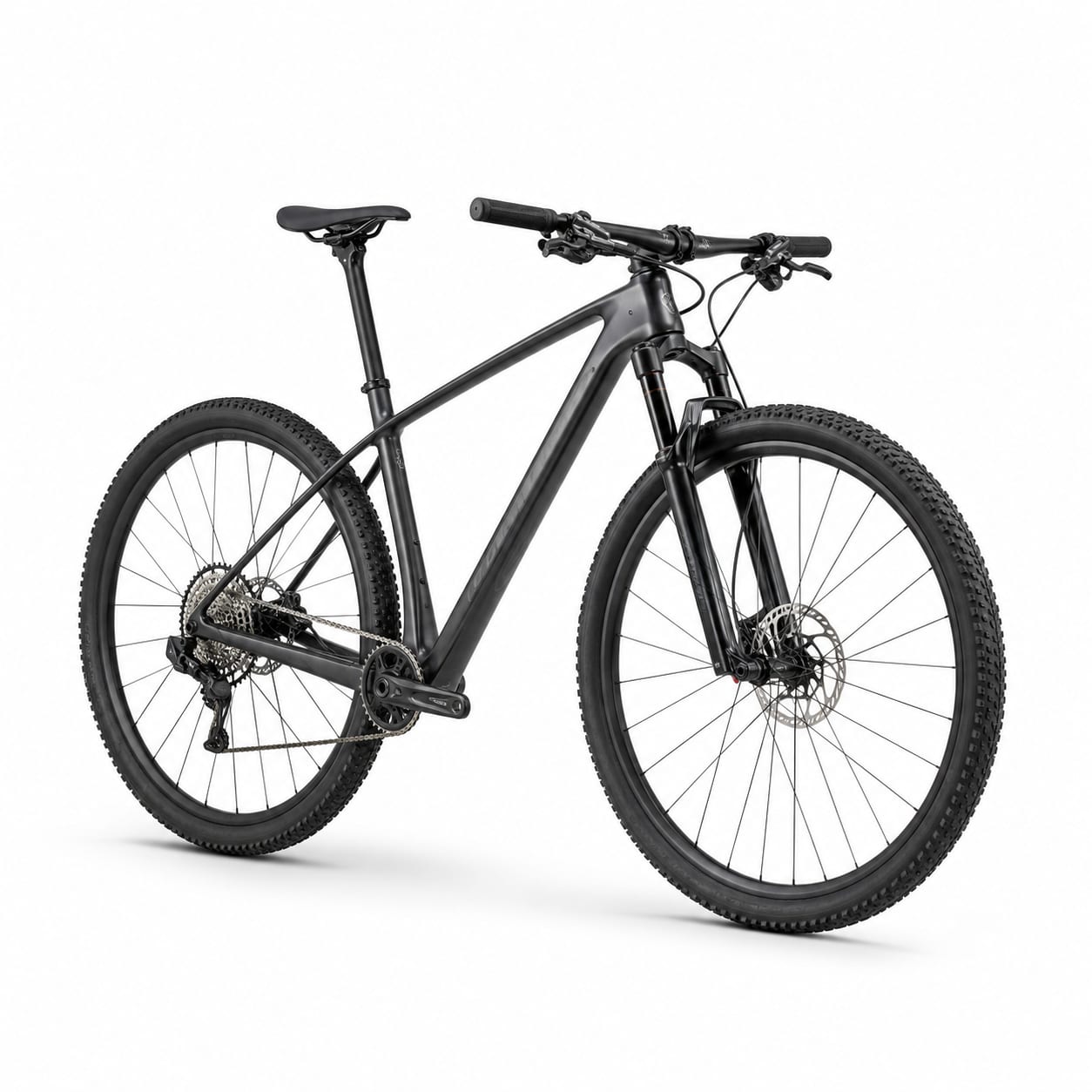
Cross-Country (XC) Mountain Bike
$800 – $13000
Lightweight, efficient mountain bikes optimized for climbing speed and racing on varied terrain.
lightweight frame (often carbon)100-120mm suspension travelsteep head tube angle (67-69°)
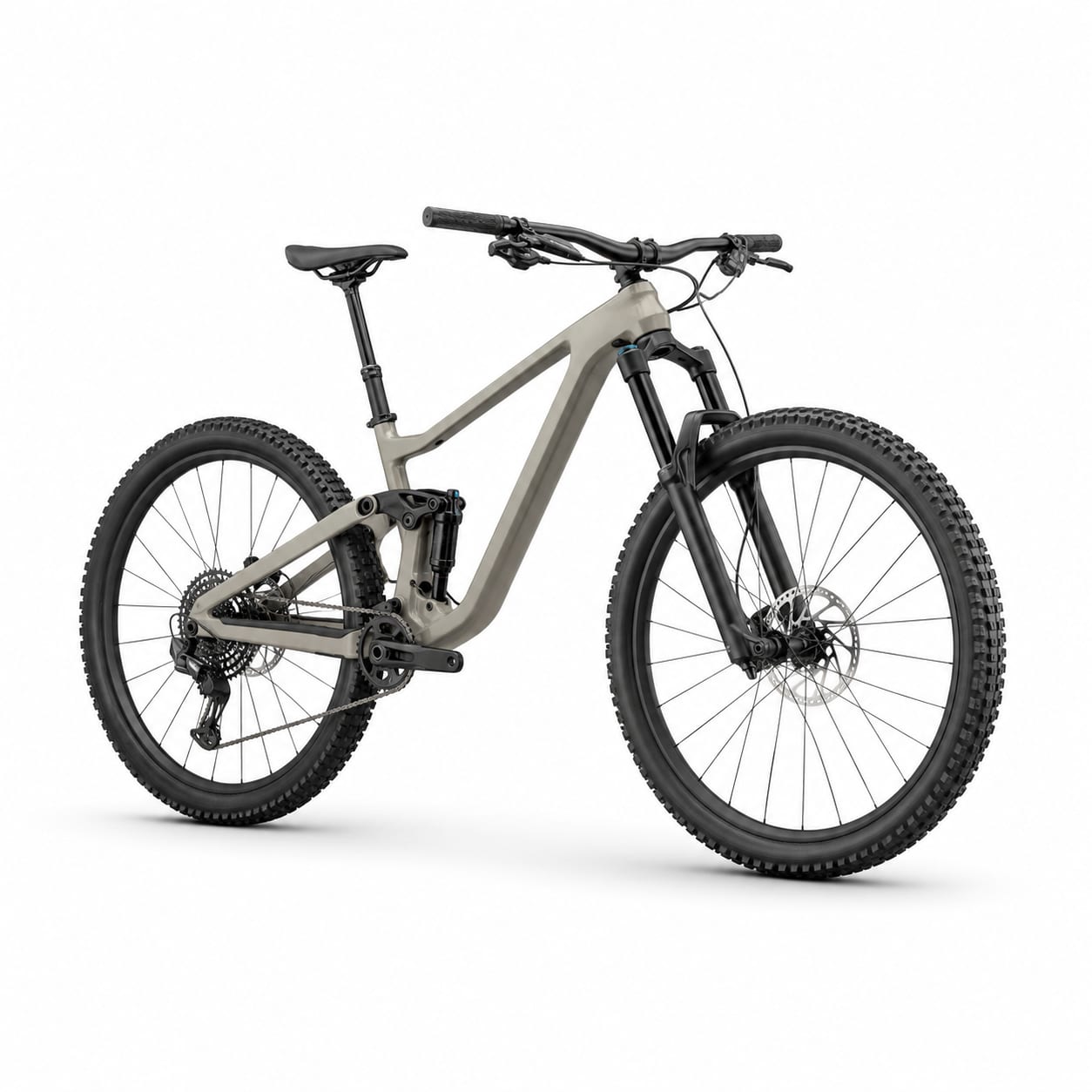
Trail Mountain Bike
$1200 – $13000
Versatile all-around mountain bikes balanced for climbing and descending on varied trail terrain.
130-150mm suspension travelbalanced geometry (65-67° head tube)mid-width tires (2.3-2.5")
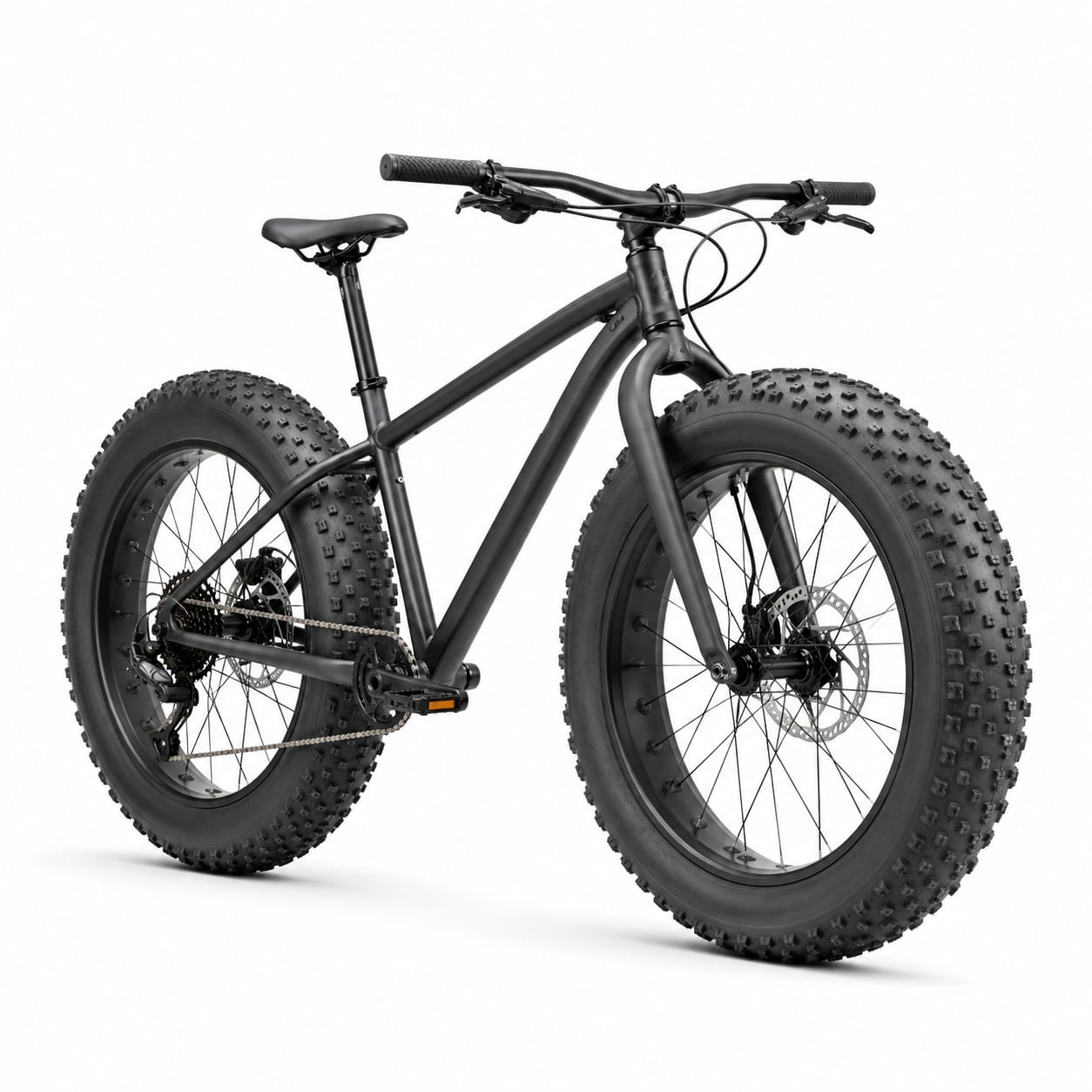
Fat Bike
$600 – $6000
Mountain bikes with ultra-wide tires (3.7"+) designed for flotation on sand, snow, and loose terrain.
3.7-5.0" wide tireswide hub spacing (150-197mm)low tire pressure (5-15 psi)
More questions
- Is a hardtail good for beginners?
- Can a hardtail handle technical trails?
- How much should I spend on a hardtail?
- Will I outgrow a hardtail quickly?