
It depends on the rider and the terrain. On flat roads at high speeds, a race bike's lower aerodynamic drag provides a measurable advantage of 5–15 watts. However, most riders cannot maintain an aggressive race position for more than 1–2 hours without significant discomfort, which reduces power output. On real-world rides of 3+ hours, an endurance bike is often faster overall because the rider can sustain higher power for longer. On climbs, the weight difference of 200–500g is minimal — roughly 5–10 seconds on a 30-minute climb.
Road Bike · Endurance Road Bike
Is an endurance road bike slower than a race bike?
Related gear types
If this answer nudged you toward a different style, these guides compare specs and trade-offs.
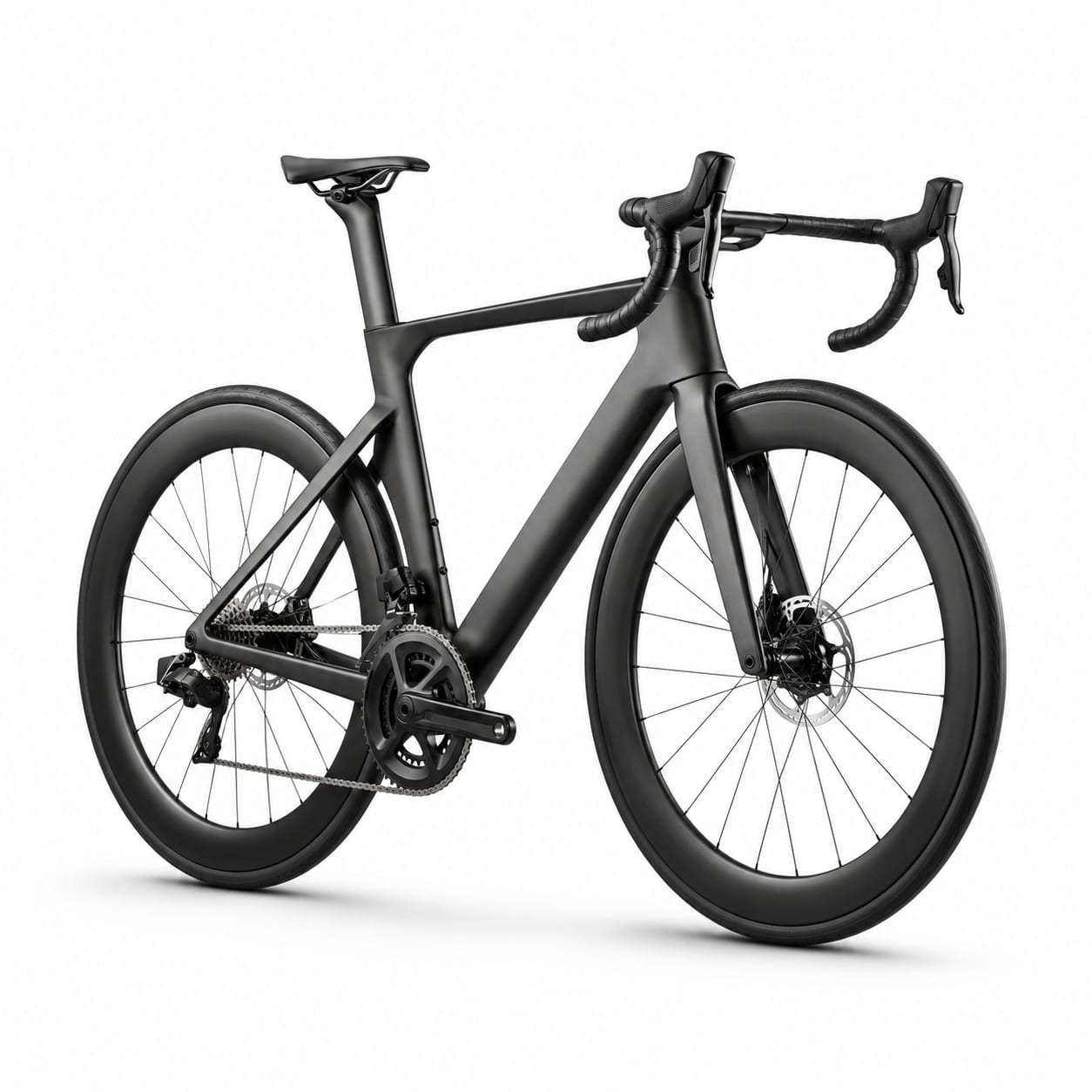
Aero Road Bike
$1500 – $15000
Speed-focused road bikes with aerodynamic frame shapes and integrated components for maximum velocity.
Aerodynamic tube profilesIntegrated componentsAggressive geometry
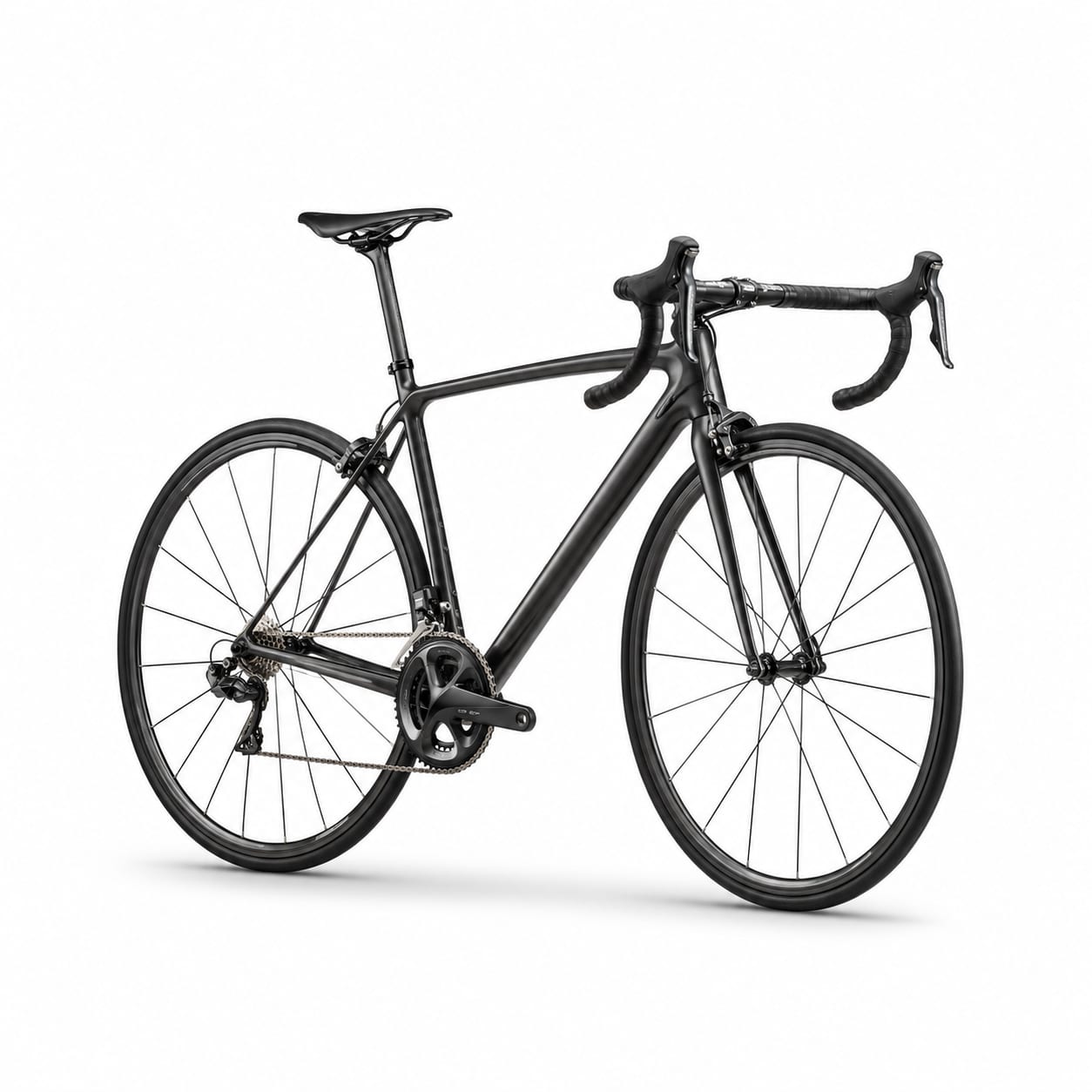
Lightweight / Climbing Road Bike
$1500 – $14000
Featherweight road bikes optimized for uphill performance with minimal weight and responsive handling.
Ultra-lightweight frames (sub-800g common)Responsive handlingStiff power transfer
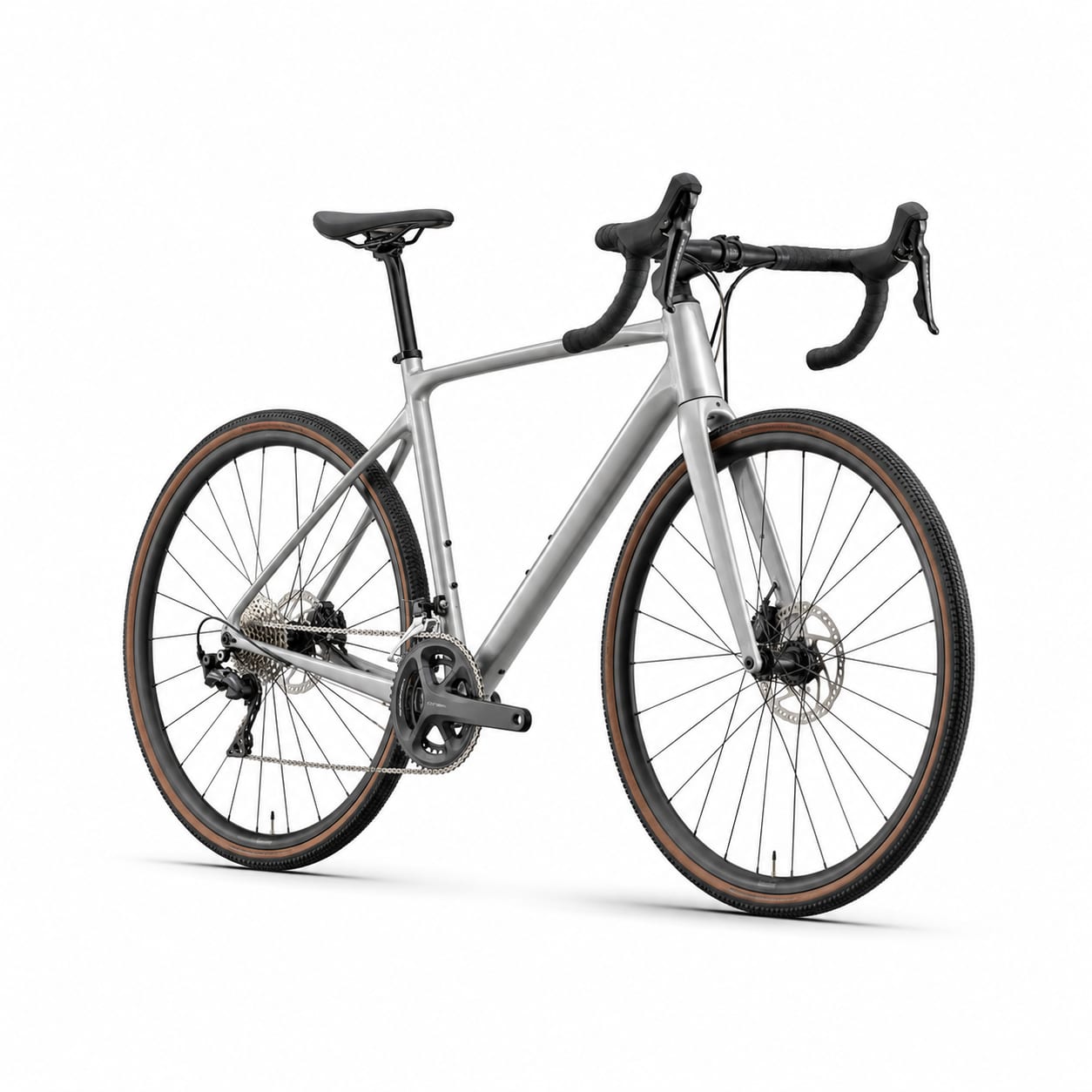
All-Road Bike
$1000 – $10000
Road bikes with moderate off-pavement capability bridging endurance and gravel categories.
Moderate tire clearance (32-38mm)Road-oriented handlingDisc brakes
More questions
- Can I race on an endurance road bike?
- What tire width should I run on my endurance bike?
- Do I need electronic shifting on an endurance bike?
- Can an endurance bike handle gravel roads?