
Airbag-compatible packs have a sleeve or compartment that accepts a removable airbag module (like the Mammut Removable Airbag or Ortovox Avabag), which you purchase separately. You can swap the module between compatible packs and choose whether to carry the airbag on any given day. Integrated airbag packs have the airbag system built into the pack permanently—they're simpler to use (no module to transfer) and often have better trigger ergonomics, but you can't remove the airbag to save weight, and if the pack wears out, you replace the entire system.
Ski Backpack · Backcountry Touring Daypack
What's the difference between airbag-compatible and integrated airbag packs?
Related gear types
If this answer nudged you toward a different style, these guides compare specs and trade-offs.
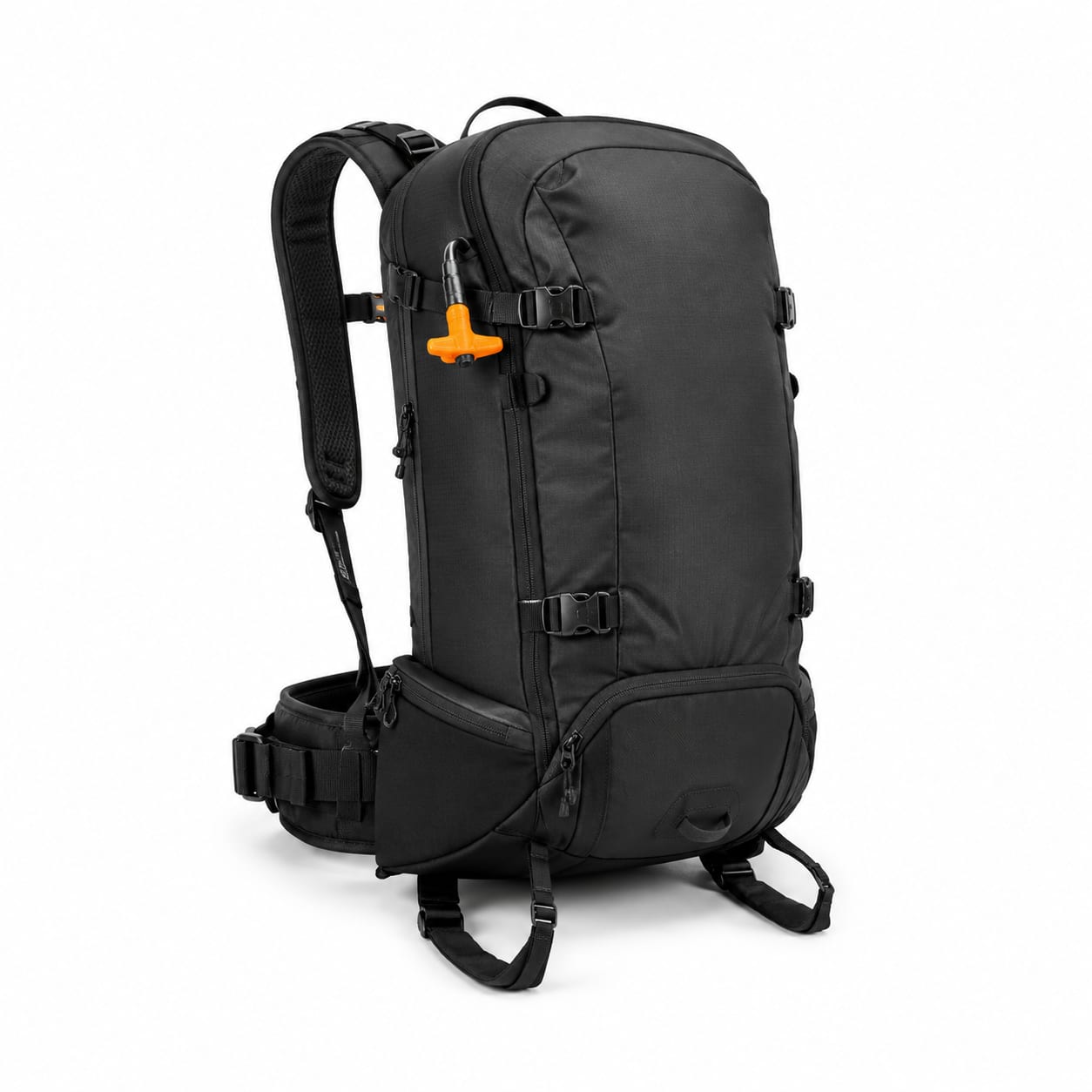
Avalanche Airbag Backpack
$500 – $1300
High-safety backpacks with integrated deployable airbag systems designed to increase survivor buoyancy in avalanches.
Integrated airbag systemDeployment handleLeg loop or waist strap
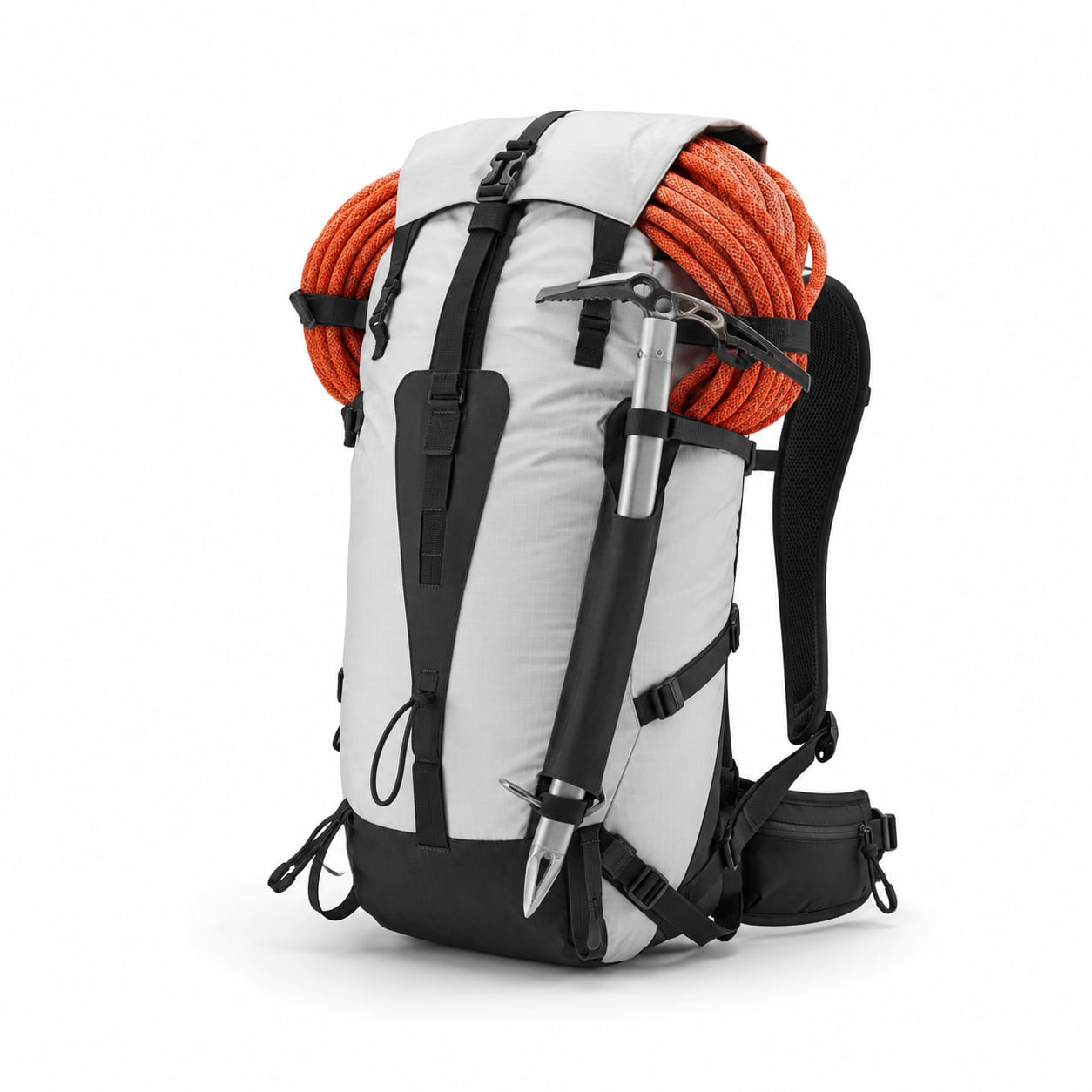
Ski Mountaineering Pack
$120 – $320
Technical, minimalist packs designed for ski mountaineering objectives with rope carry, ice axe attachments, and alpine features.
Rope carry systemIce axe attachments (reinforced)Gear loops
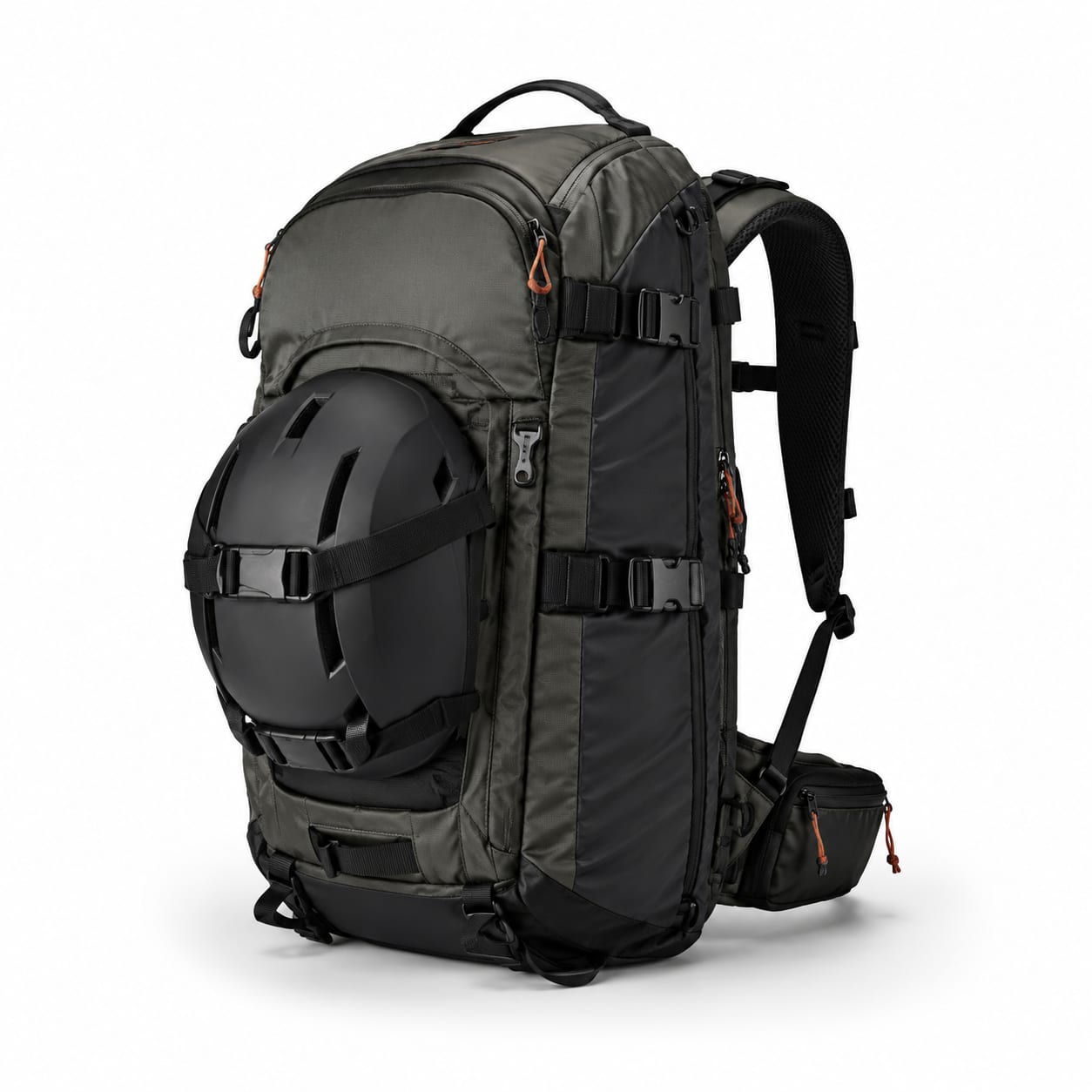
Freeride Backpack
$100 – $450
Feature-rich packs (25-40L) designed for big mountain freeride skiing with camera gear options, helmet carry, and aggressive riding stability.
Padded camera compartmentHelmet carry systemBack protection panel
More questions
- What size backcountry touring daypack do I need?
- Can I use a regular hiking backpack for backcountry skiing?
- Do I need an avalanche airbag pack for backcountry touring?
- How do I prevent my hydration hose from freezing while touring?