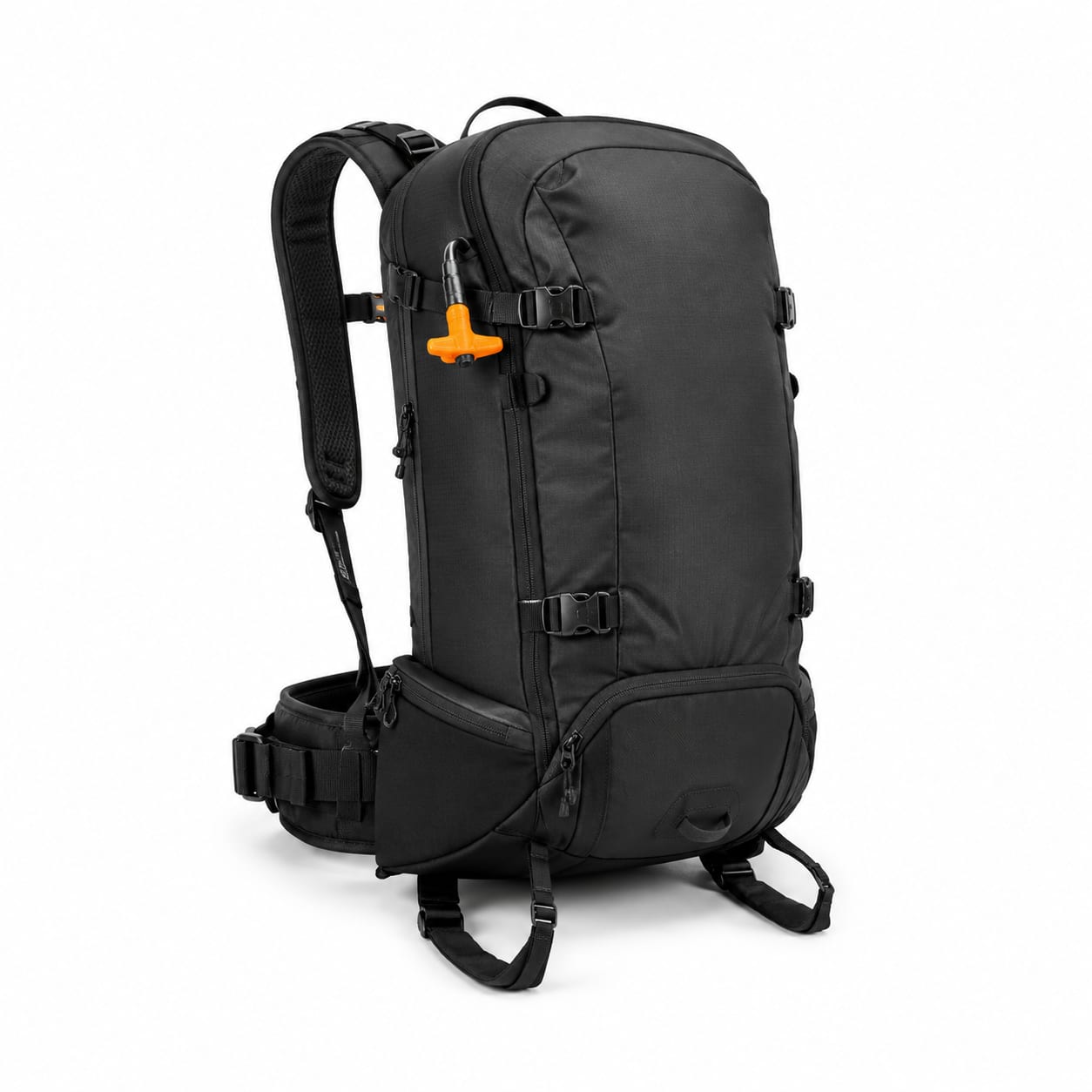
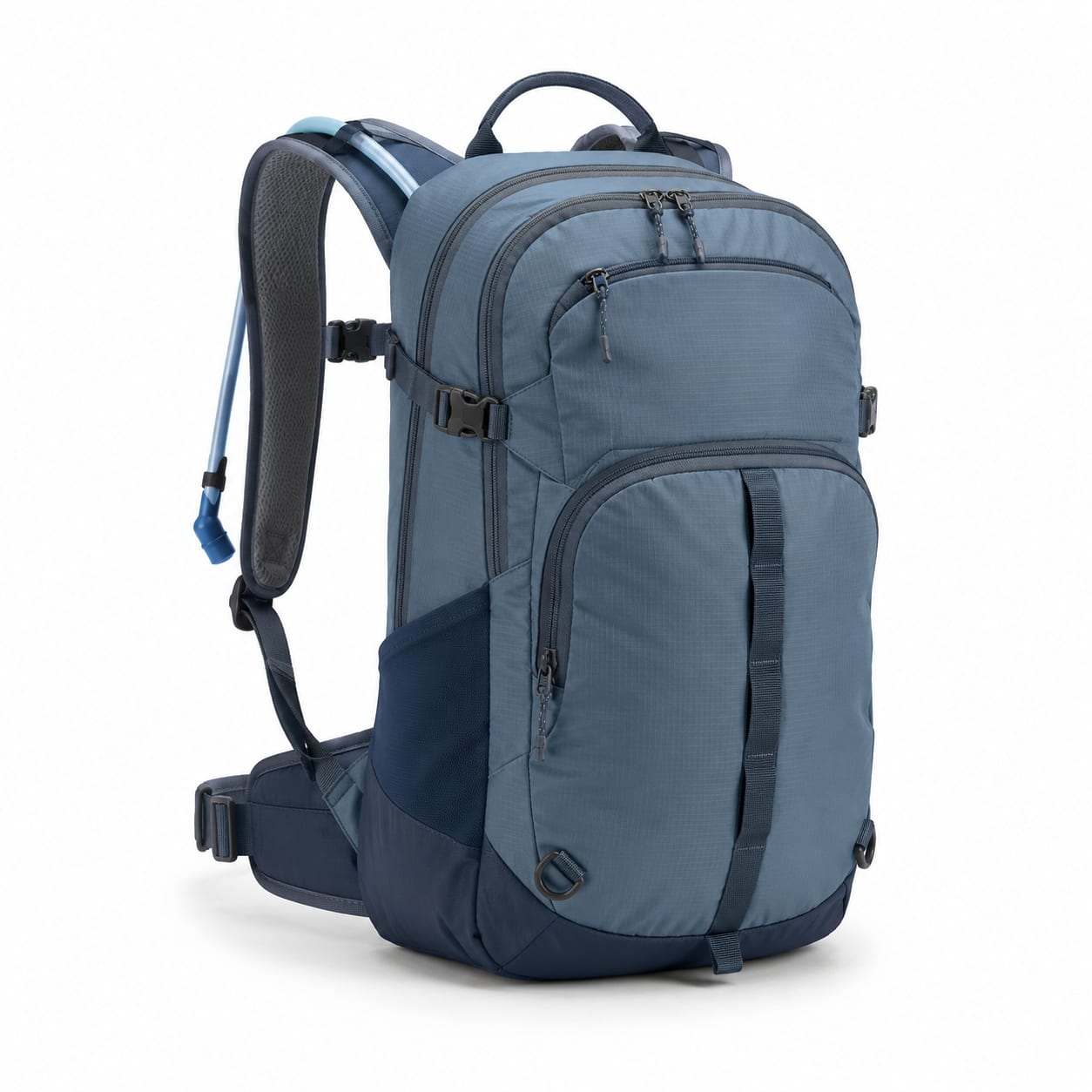
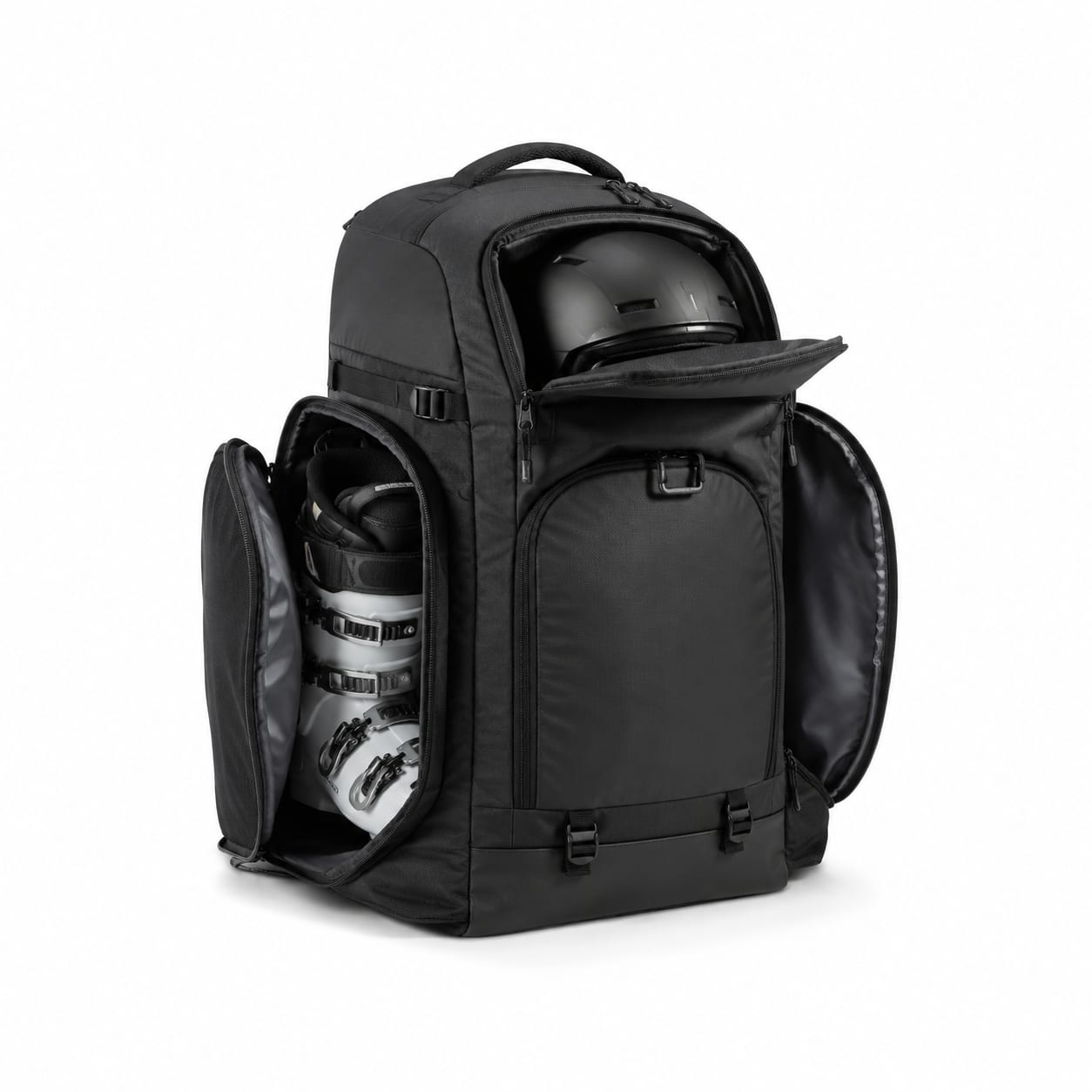
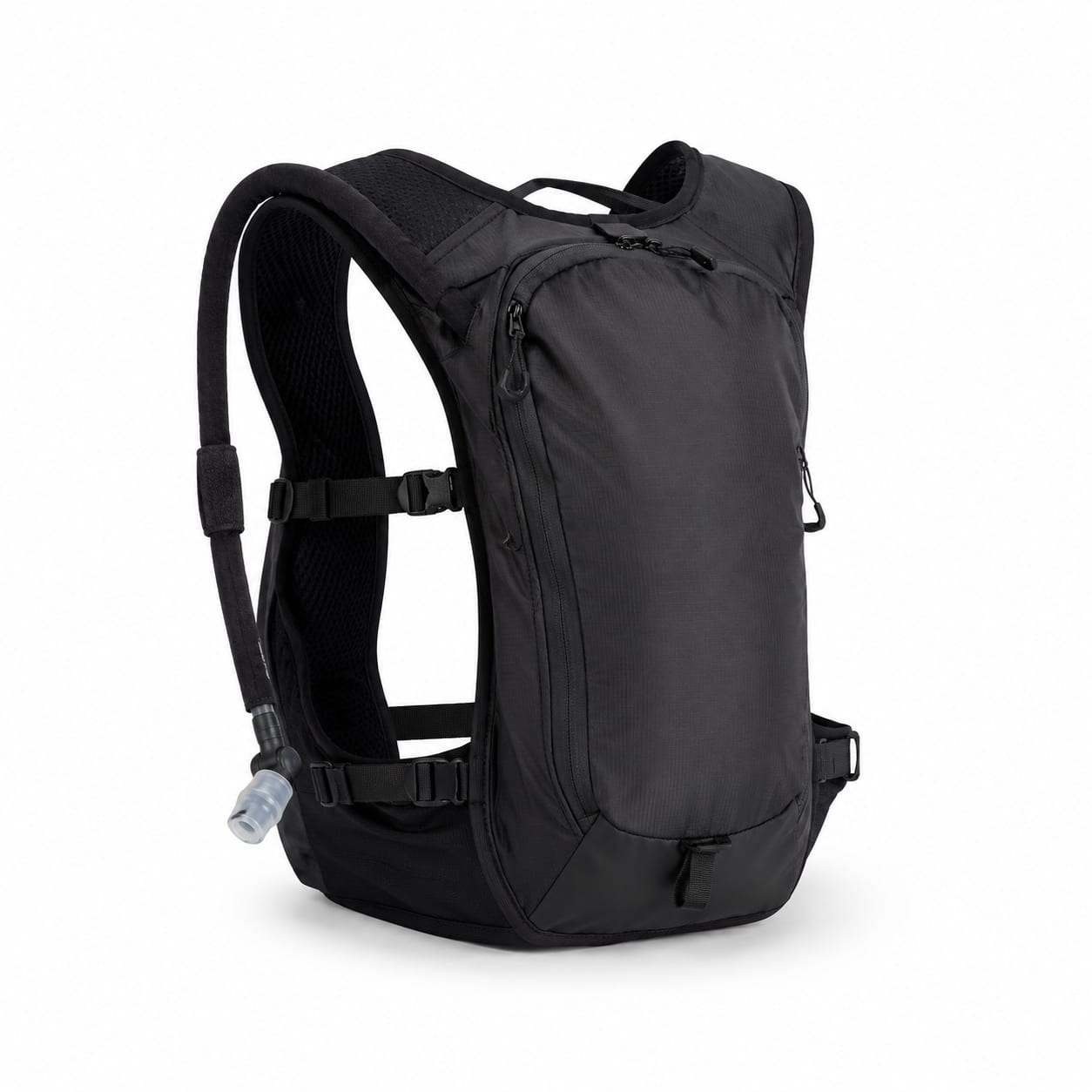
An avalanche airbag backpack is a specialized piece of backcountry safety equipment that integrates an inflation system into a ski touring pack. When deployed—usually by pulling a handle mounted on the shoulder strap—the airbag inflates, increasing the rider's volume and helping them stay near the surface of moving avalanche debris. This inverse segregation effect significantly increases survival rates. These packs come in two main types: integrated systems where the airbag mechanism is built-in, and compatible systems that accept removable airbag modules. They are essential for anyone riding in avalanche terrain, though they do not replace the need for proper training, companion rescue gear, and conservative decision-making.
Avalanche airbag backpacks represent a critical evolution in backcountry safety, moving beyond mere gear storage to active avalanche survival. The core principle relies on inverse segregation: in a moving mass of debris, larger objects tend to rise to the surface. By deploying an airbag that adds roughly 150 to 250 liters of volume to the rider, the pack dramatically increases the chances of staying on top of the slide rather than being buried. Statistics consistently show that airbag users have significantly higher survival rates in avalanches, making them a standard consideration for serious backcountry travelers.
Modern avalanche airbag systems come in two primary configurations: cartridge-based and fan-based (electric). Cartridge systems use compressed gas to inflate the airbag, requiring the cartridge to be armed before each tour and replaced or refilled after deployment. Fan-based systems use a high-speed electric fan to inflate the bag, powered by rechargeable batteries. Fan systems offer the advantage of easy travel without compressed gas restrictions and the ability to practice deployments without buying refill cartridges, though they require diligent battery management in cold conditions.
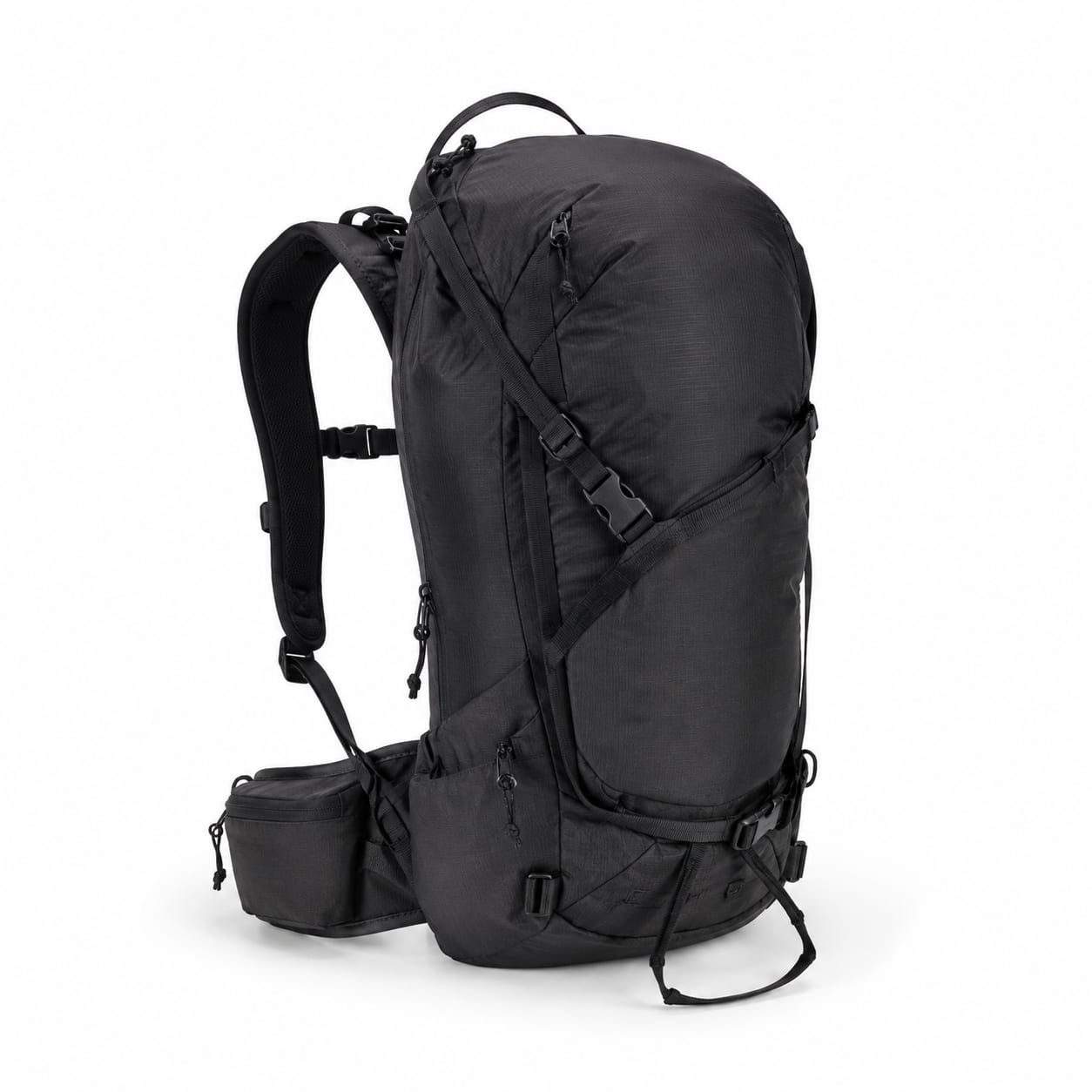
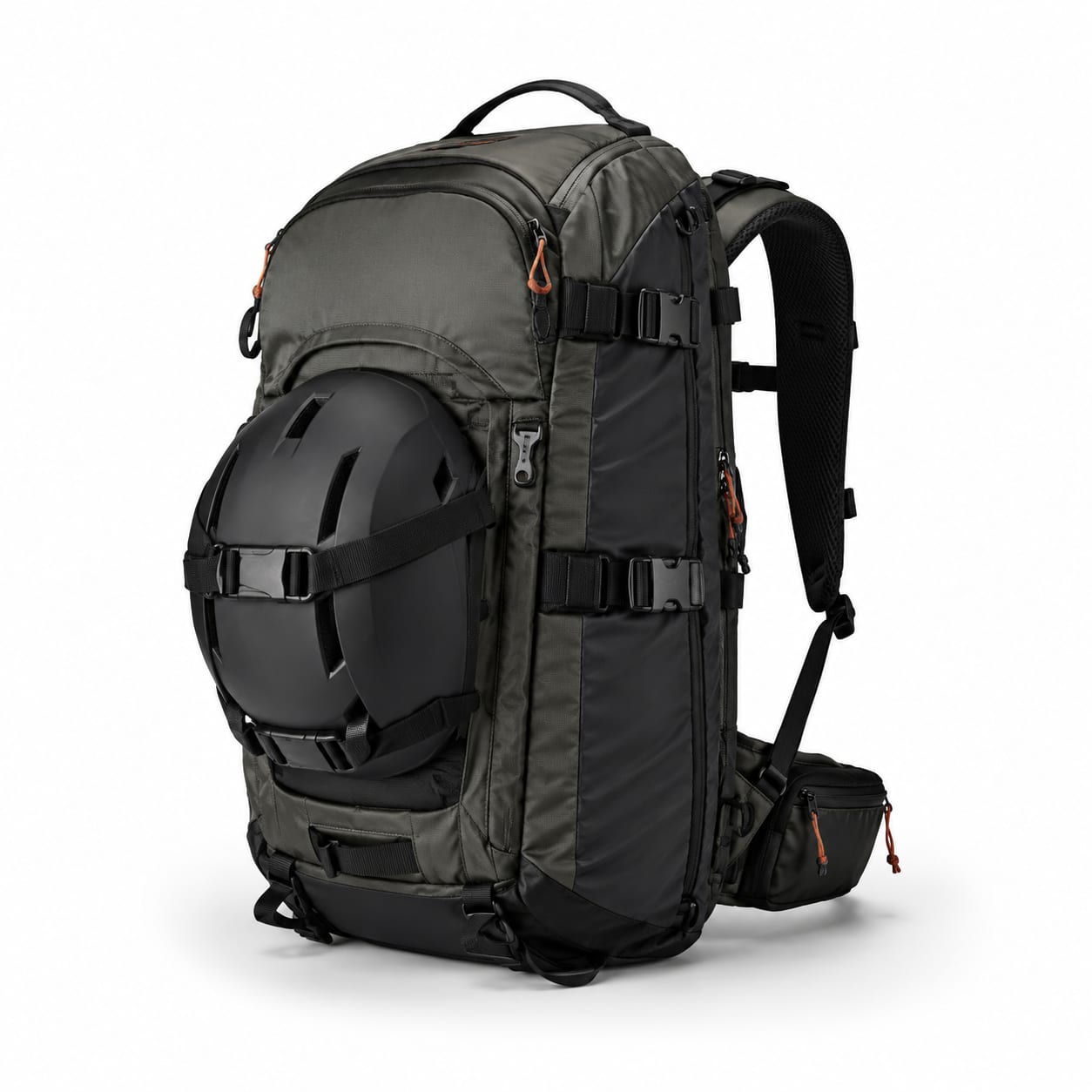
Beyond the airbag mechanism, these backpacks must function as high-performance ski touring packs. This means they include dedicated, quick-access compartments for avalanche rescue gear (shovel and probe), efficient ski carry systems (typically A-frame or diagonal), and comfortable suspension for long uphill skin tracks. The added weight of the airbag system (typically 1 to 2 kg) makes ergonomic design and proper torso fit even more critical, as a poorly fitting heavy pack will cause fatigue and discomfort. Many models also feature back protection integration and hydration compatibility.
Choosing the right avalanche airbag pack involves balancing capacity, weight, and the type of airbag system. Capacities typically range from 18L for short half-day tours to 40L+ for full-day or multi-day excursions. It is vital to remember that the airbag mechanism occupies some internal volume, so a 30L airbag pack may have less usable storage than a standard 30L pack. Riders must also consider the deployment handle ergonomics, ensuring it can be easily grabbed with either hand, and practice deploying the system regularly so it becomes muscle memory in an emergency.
While an avalanche airbag is a powerful safety tool, it is not a guarantee of survival and does not prevent avalanches from occurring. It is the last line of defense, not a substitute for avalanche education, terrain assessment, and carrying a transceiver, shovel, and probe. The decision to invest in an airbag pack should be accompanied by a commitment to understanding avalanche phenomena and traveling with trained partners. When used correctly as part of a comprehensive safety strategy, an avalanche airbag backpack is one of the most important investments a backcountry rider can make.