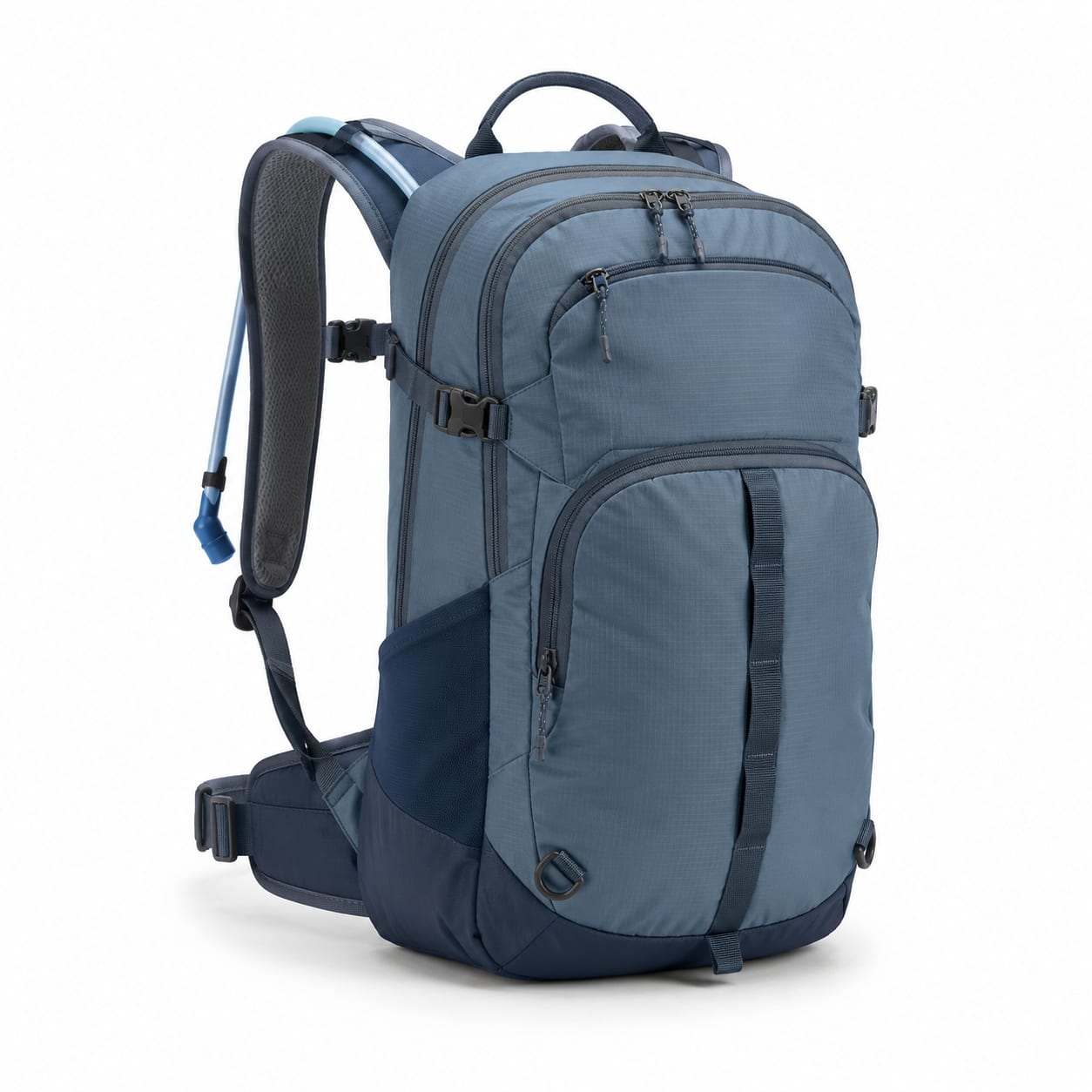
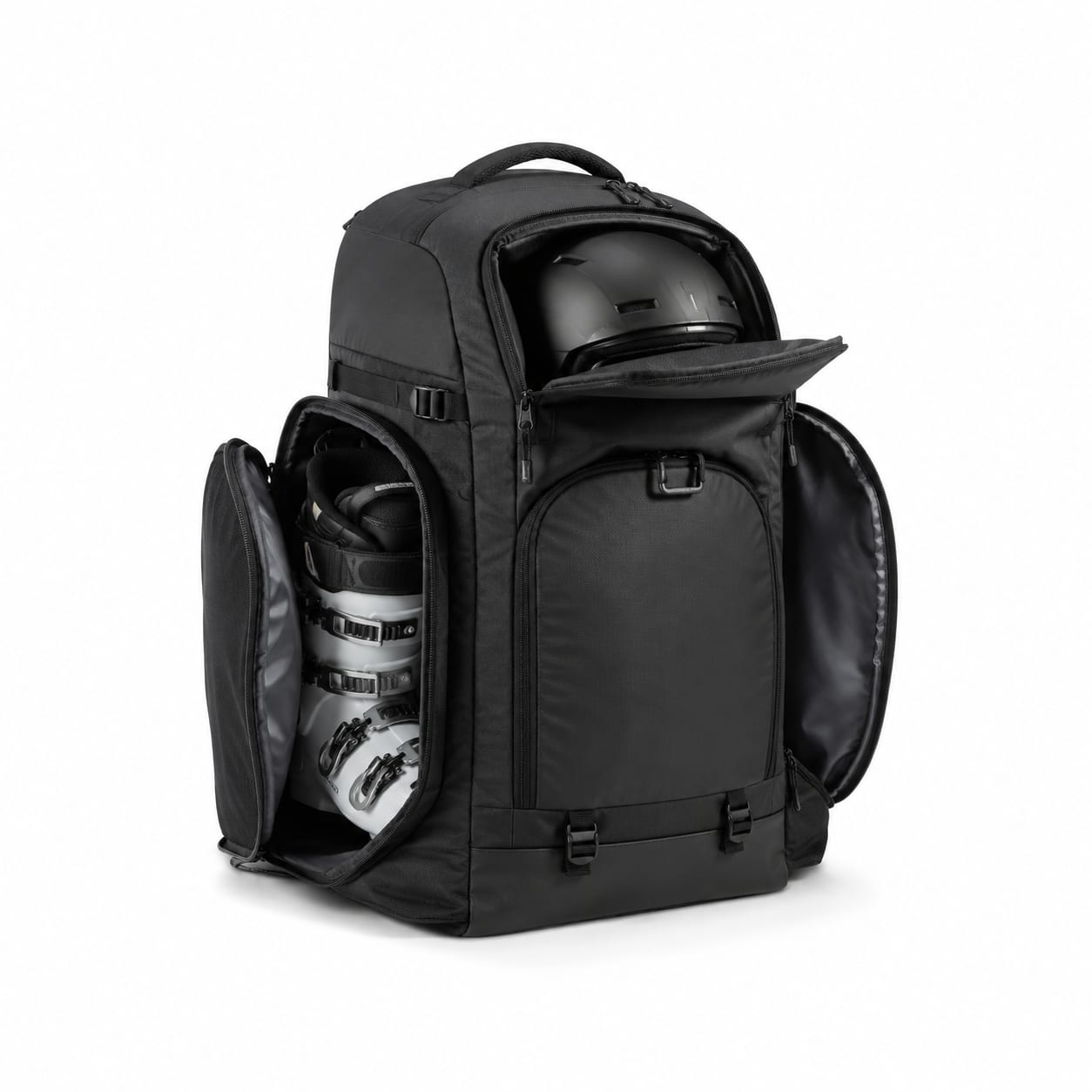
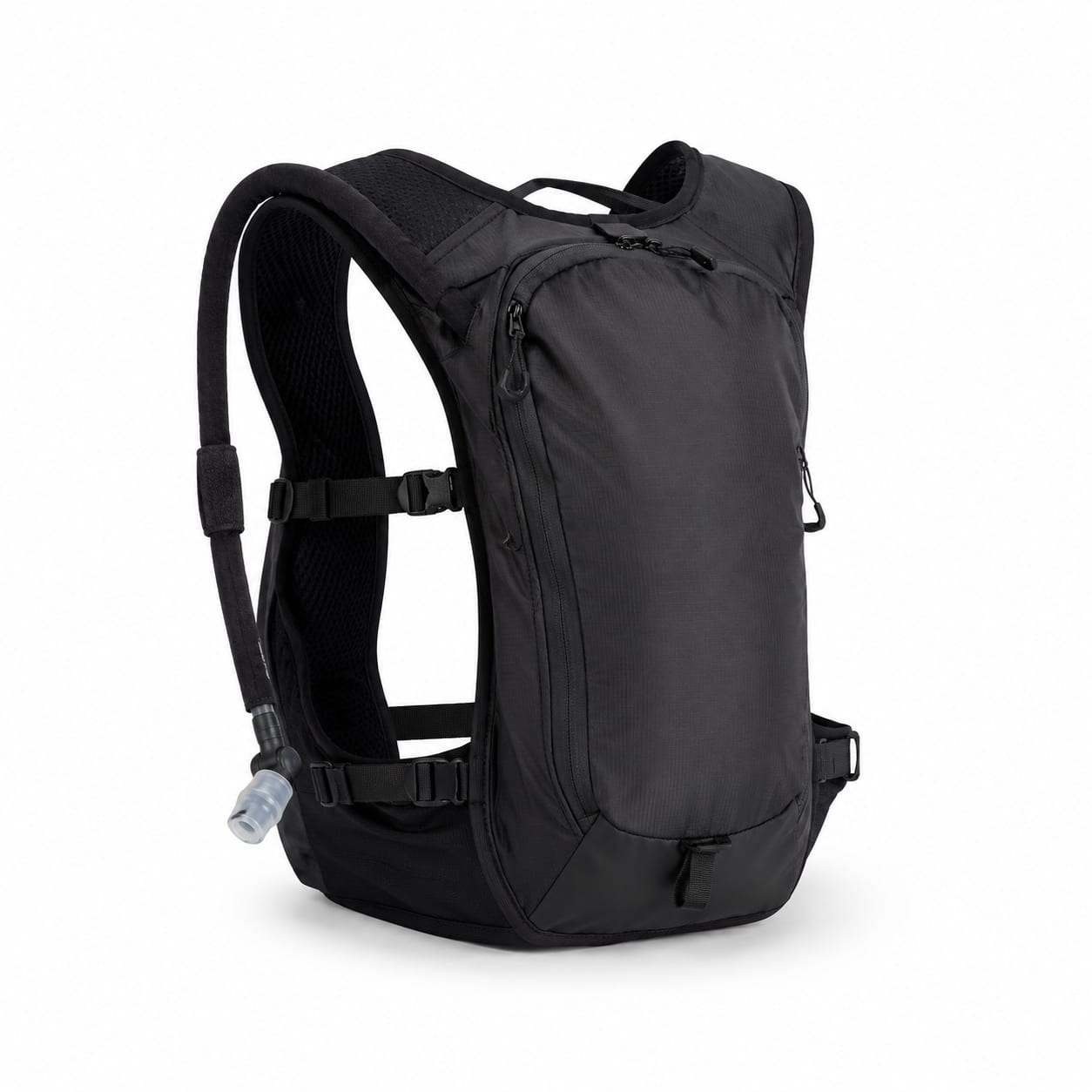
Volume / Capacity
capacity
What it means
The total storage volume of the backpack measured in liters, determining how much gear can be carried.
Typical for this type
25–35L
Most common pick: 30L
In practice
Freeride packs typically range from 25–35L, with 30L being the sweet spot for full-day backcountry tours. This capacity accommodates avalanche safety gear, extra warm layer, food, water, first aid kit, and emergency bivy without excess space that leads to load shift.
Compared to other types
Larger than resort packs (15–22L) which lack avalanche gear capacity, and smaller than expedition packs (40–55L) designed for multi-day hut trips. Freeride packs prioritize enough space for a full day without the bulk that hinders skiing performance.
Why it matters: Too small and you can't carry essential safety gear and provisions; too large and the pack becomes unwieldy on aggressive descents and encourages overpacking that throws off your balance.
Ski Carry System
ski_carry_system
What it means
The method and configuration used to attach skis to the backpack for uphill travel or transport.
Typical for this type
A-Frame Primary; Diagonal As Secondary Option
In practice
A-frame carry is the standard for freeride packs because it distributes ski weight symmetrically on both sides of the pack, providing the best balance on steep boot packs and technical terrain. Many packs also offer diagonal carry as a secondary option for shorter approaches.
Compared to other types
Resort packs often lack ski carry entirely or offer only diagonal. Ultralight touring packs may use vertical carry to save weight. Freeride packs prioritize A-frame for stability during aggressive skiing and technical approaches.
Why it matters: On steep, exposed terrain, a stable and balanced ski carry is a safety issue. A-frame prevents the unbalanced feeling of diagonal carry and keeps skis secure where a dropped ski could be unrecoverable.
Snowboard Carry
snowboard_carry
What it means
Whether and how the backpack can carry a snowboard.
Typical for this type
Vertical Or Splitboard Compatible
Most common pick: Vertical Carry
In practice
Many freeride packs offer vertical snowboard carry, though this varies by model. Splitboard-specific packs provide dedicated carry for split halves in touring mode. Snowboarders must verify carry compatibility as some ski-focused freeride packs lack snowboard attachment.
Compared to other types
Resort packs typically lack snowboard carry. Dedicated splitboard packs offer the most refined splitboard carry. Freeride packs that include snowboard carry do so as a secondary feature alongside primary ski carry systems.
Why it matters: Snowboarders and splitboarders venturing into freeride terrain need a reliable carry system for uphill travel. Without proper attachment, carrying a board is insecure and exhausting.
Avalanche Safety Gear Compartment
avalanche_gear_compartment
What it means
Dedicated, quick-access compartment for avalanche shovel, probe, and sometimes a first aid kit.
Typical for this type
Dedicated Front Pocket (Mandatory)
In practice
Every legitimate freeride pack features a dedicated front-access avalanche gear compartment. This separate pocket with quick-zip or flap access keeps shovel and probe isolated and retrievable in under 30 seconds—critical in an actual burial scenario.
Compared to other types
This is the primary differentiator from resort packs, which often have no dedicated avalanche compartment. Even ultralight touring packs prioritize this feature. Freeride packs typically have larger, more accessible front pockets than touring packs to accommodate larger shovels and organized probe storage.
Why it matters: In an avalanche rescue, seconds determine survival. A dedicated front pocket ensures your safety gear is never buried under other contents and can be accessed immediately without removing the pack or unpacking gear.
Avalanche Airbag Compatibility
airbag_compatible
What it means
Whether the pack has an integrated avalanche airbag system or is compatible with removable airbag modules.
Typical for this type
Compatible (Recommended); Integrated For Dedicated Backcountry Riders
Most common pick: Compatible / Ready
In practice
Most modern freeride packs are airbag-compatible, meaning they accept removable airbag modules (Mammut Removable Airbag, Ortovox Avabag, etc.) sold separately. This modular approach lets riders choose whether to add airbag protection and transfer the module between compatible packs. Integrated airbag packs are also common in this category.
Compared to other types
Resort packs rarely offer airbag compatibility. Ultralight touring packs sometimes skip it to save weight. Freeride packs are the most likely category to offer airbag options, reflecting the avalanche risk inherent in off-piste terrain.
Why it matters: Avalanche airbags have been shown to significantly increase survival odds in avalanche events. Airbag compatibility gives freeride riders the option to add this proven safety technology without committing to a single integrated pack.
Back Protection
back_protection
What it means
Integrated or compatible spine/back protector for impact protection during falls.
Typical for this type
Compatible Or Integrated For Resort/Sidecountry; None Acceptable For Touring-Focused Riders
In practice
Many freeride packs offer back protector compatibility via a sleeve that accepts CE-certified protector inserts (SAS-TEC, D3O, etc.). Some models include integrated protectors. The choice depends on whether you prioritize impact protection for aggressive in-bounds and sidecountry skiing or weight savings for touring.
Compared to other types
Resort packs frequently include integrated back protection. Ultralight touring packs almost never include it. Freeride packs split the difference, often offering compatibility so riders can choose based on the day's mission.
Why it matters: Freeride skiing often involves high-speed falls, cliff drops, and technical terrain where spinal impact is a real risk. A back protector adds meaningful protection, though it adds 200–400g and reduces internal volume slightly.
What it means
The weight of the empty backpack without any gear, airbag cartridge, or back protector insert.
Typical for this type
1100–1600g (without airbag module)
Most common pick: 1300g
In practice
Freeride packs typically weigh 1100–1600g empty, reflecting the balance between durability features, organization, and weight. Packs with integrated back protectors or heavier materials sit at the upper end. Airbag modules add 1–2kg on top of the base pack weight.
Compared to other types
Heavier than ultralight touring packs (500–900g) which strip features for weight. Lighter than integrated airbag packs (1800–2500g). Freeride packs accept more weight in exchange for durability, organization, and safety features.
Why it matters: Weight matters on long uphill skin tracks, but freeride packs sacrifice some weight savings for durability and features that matter on aggressive descents. The key is finding a pack that doesn't feel like a liability on the uphill but is built to survive the downhill.
Torso Length / Back Length
torso_length
What it means
The length of the backpack's back panel and suspension system, determining fit for different torso sizes. Often available in multiple sizes (S/M, M/L, L/XL) or with adjustable back length.
Typical for this type
Adjustable Or M/L For Most Adults
Most common pick: Adjustable Back Length
In practice
Many freeride packs offer adjustable back length systems that accommodate a range of torso sizes. Fixed-size packs typically come in S/M, M/L, and L/XL. Proper torso fit is essential for load transfer to the hips and stability during aggressive skiing.
Compared to other types
Similar sizing across all ski backpack subcategories. Adjustable back length is especially valued in freeride packs because proper fit directly impacts skiing performance and safety in technical terrain.
Why it matters: A poorly fitting pack shifts during dynamic skiing, throws off your balance, and causes shoulder pain on long tours. The hip belt must sit on top of your hip bones to transfer load effectively.
Hydration System Compatibility
hydration_compatible
What it means
Whether the pack supports a hydration reservoir/bladder and/or has insulated hose routing to prevent freezing.
Typical for this type
Insulated Hose Routing (Strongly Recommended)
In practice
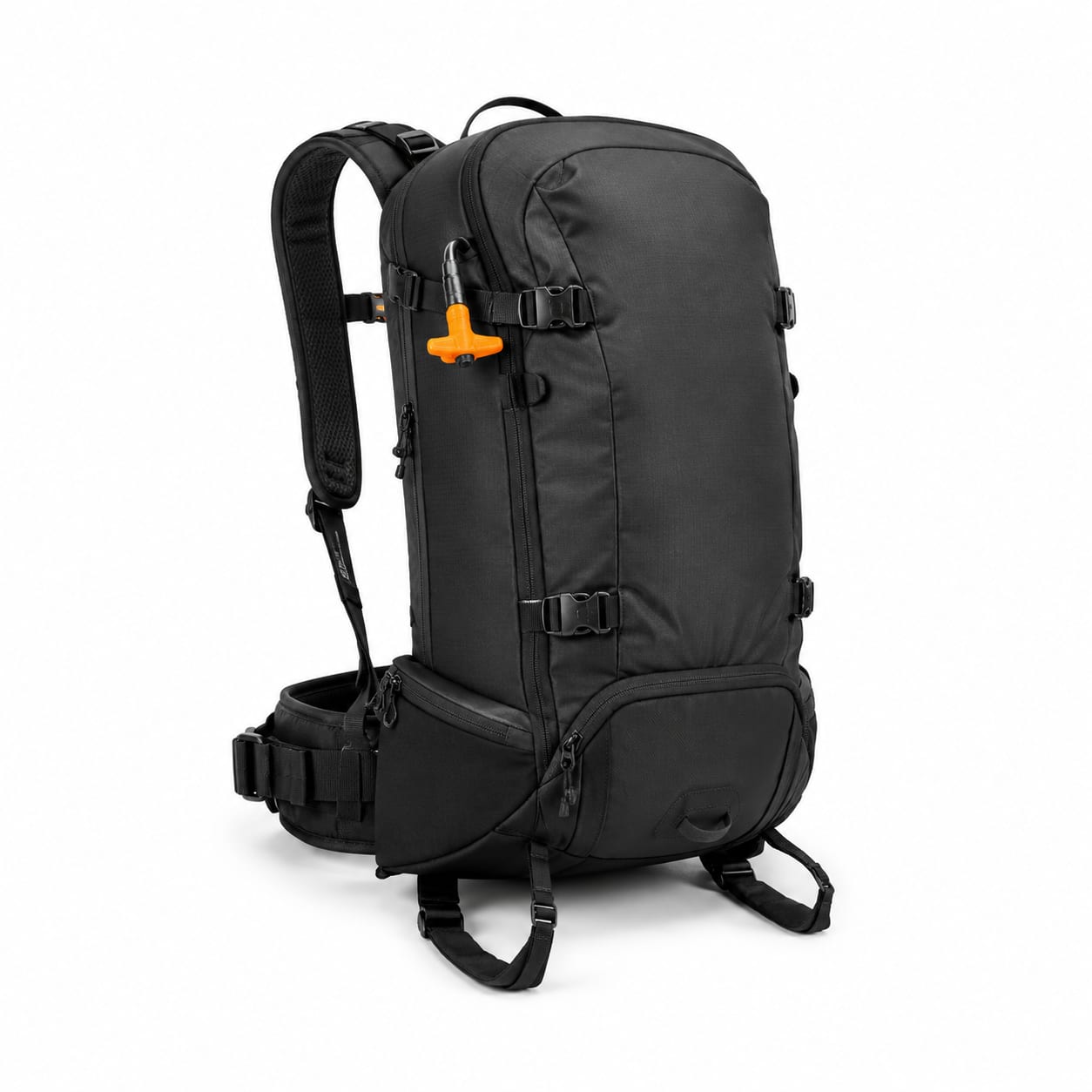
Most quality freeride packs include an internal reservoir sleeve with insulated hose routing and shoulder strap routing channels. This prevents the hydration hose and bite valve from freezing in cold backcountry conditions—a critical feature for full-day tours in winter temperatures.
Compared to other types
Resort packs may only have bottle pockets since lodge access makes hydration easy. Ultralight packs sometimes skip insulation to save weight. Freeride packs prioritize insulated hydration because tours often last 4–8 hours in sub-freezing conditions.
Why it matters: Dehydration impairs decision-making and physical performance, both dangerous in avalanche terrain. Frozen hydration systems are a common and potentially serious problem in backcountry skiing. Insulated routing prevents freeze-up so you can drink on the move.
Hip Belt Type
hip_belt_type
What it means
The style and padding level of the hip belt, which transfers load from shoulders to hips.
Typical for this type
Padded, Removable Or Padded With Pockets
In practice
Freeride packs typically feature padded, removable hip belts that provide excellent load transfer on the uphill and can be removed for chairlift comfort or resort laps. Padded belts with hip pockets are increasingly popular for quick access to snacks, phone, and small items during tours.
Compared to other types
Resort packs often use webbing belts since loads are lighter. Ultralight touring packs may use minimal padding. Freeride packs need substantial padding for the 8–12kg loads typical of full-day tours, and removability for the mixed resort/backcountry use common in freeride.
Why it matters: Proper load transfer to the hips prevents shoulder fatigue on long skin tracks. Removability adds versatility for resort days. Hip pockets provide convenient access to essentials without removing the pack or stopping.
Helmet Carry System
helmet_carry
What it means
External attachment point or net to carry a ski helmet when not wearing it.
Typical for this type
External Net/Clip (Nice-To-Have)
Most common pick: External Helmet Net/Clip
In practice
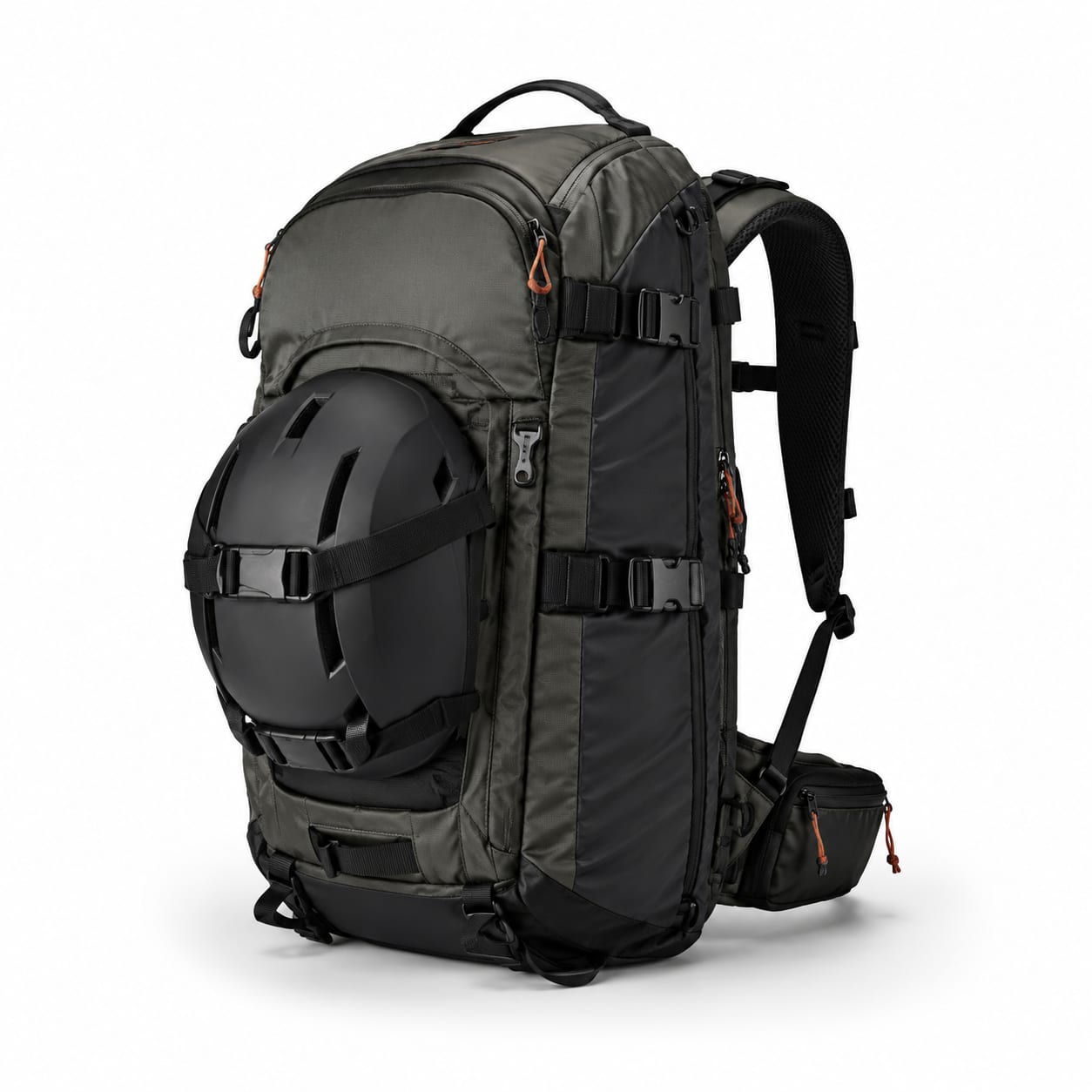
Many freeride packs include an external helmet net or clip system for carrying your helmet during hut breaks, lunch stops, or uphill skinning when you don't want to wear it. This is a convenience feature, not a necessity for most riders.
Compared to other types
Similar across subcategories. More common on freeride and touring packs than small resort packs, reflecting the longer days and more frequent breaks in backcountry settings.
Why it matters: Useful for hut trips and lunch breaks where you want to remove your helmet but keep it accessible. Most freeride riders wear their helmet all day, making this a secondary feature.
Goggle Pocket
goggle_pocket
What it means
A soft-lined internal or external pocket designed to protect goggles from scratches when stored.
Typical for this type
Fleece-Lined Internal Or External Pocket
Most common pick: Fleece-Lined Internal Pocket
In practice
Most freeride packs include a fleece-lined pocket—usually internal—for goggle storage. This protects lenses from scratches when you swap goggles for sunglasses on the uphill or during lunch breaks. External fleece-lined pockets offer quicker access.
Compared to other types
Common across most ski pack subcategories. More refined in freeride packs where riders frequently transition between uphill and downhill, often swapping goggles for sunglasses on the skin track.
Why it matters: Replacement goggle lenses cost $50–150. A fleece-lined pocket prevents scratches from other gear in the main compartment. Particularly valuable for riders who swap lenses for varying light conditions.
Material / Durability
material_durability
What it means
The primary fabric type and denier rating indicating abrasion resistance and durability of the pack construction.
Typical for this type
Midweight Nylon (200D–400D) with reinforced bottom panel
In practice
Freeride packs typically use midweight nylon (210D–400D) with DWR coating and reinforced bottom panels. This balances durability against ski edges, rock, and abrasion with reasonable weight. The reinforced bottom is critical because it contacts ski edges during A-frame carry.
Compared to other types
Heavier and more durable than ultralight touring packs (100D–200D or Dyneema). Similar to resort packs but with more emphasis on reinforced ski contact areas. Freeride packs see more abuse than most categories due to the terrain they're used in.
Why it matters: Ski edges are sharp and will cut through lightweight fabrics. A punctured pack with a shovel blade protruding is dangerous. Reinforced bottom panels and high-wear area protection extend pack life significantly in rugged freeride use.
Water Resistance
water_resistance
What it means
The level of water and snow protection the pack provides for contents.
Typical for this type
DWR Coated Minimum; Waterproof Sealed Seams For Wet Climates
Most common pick: DWR Coated (Water Resistant)
In practice
Most freeride packs feature DWR (durable water repellent) coating that sheds light snow and brief exposure. This handles normal backcountry conditions well. For riders in wet coastal snow climates or on multi-day trips, packs with sealed seams or included rain covers offer better protection.
Compared to other types
Similar to touring packs. Resort packs may have less water resistance since lodge access provides refuge. Freeride packs need reliable moisture protection because you're hours from shelter in changing conditions.
Why it matters: Wet layers and electronics compromise comfort and safety. While DWR handles most day-tour conditions, prolonged exposure to wet snow will eventually soak through. Dry bags for electronics are recommended regardless of pack water resistance.
What it means
How the main compartment of the backpack is accessed—determines ease of gear retrieval and organization.
Typical for this type
Back Panel Access With Top-Loading; Front Panel As Alternative
Most common pick: Top-Loading + Back Panel Access
In practice
The best freeride packs combine top-loading with back panel access. Back panel access lets you reach the main compartment without removing skis from the carry system—simply unclip the hip belt, swing the pack around, and open the back panel. Top-loading provides simple, weather-resistant primary access.
Compared to other types
Resort packs are typically simple top-loaders. Ultralight touring packs often use top-loading only for weight savings. Freeride packs increasingly feature back panel access because it solves the real problem of accessing gear while skis are attached.
Why it matters: Back panel access is a game-changer during tours: you can retrieve layers, food, or gear without detaching your skis from the A-frame carry. This saves significant time and effort during multiple transitions throughout the day.
Chest Strap Features
chest_strap_features
What it means
Features of the sternum/chest strap including adjustability, whistle, and height positioning.
Typical for this type
All Three Features: Whistle, Height Adjustable, Elastic Section
Most common pick: Integrated Whistle + Height Adjustable + Elastic Section
In practice
Quality freeride packs include all three chest strap features: an integrated emergency whistle in the buckle, height adjustability to accommodate different layer thicknesses, and an elastic section that allows chest expansion during heavy breathing on steep skin tracks.
Compared to other types
These features are standard across quality backcountry packs regardless of subcategory. The elastic section is particularly valued in freeride packs where steep, strenuous skin tracks are common.
Why it matters: The whistle is an always-available emergency signaling device. Height adjustability ensures proper strap positioning across varying layer combinations. The elastic section prevents the chest strap from restricting breathing during high-output uphill travel.
Compression System
compression_system
What it means
Side or vertical compression straps that tighten the pack load to prevent shifting and reduce volume when partially full.
Typical for this type
Side Compression Or Dual Compression For Packs 30L+
Most common pick: Side Compression Straps
In practice
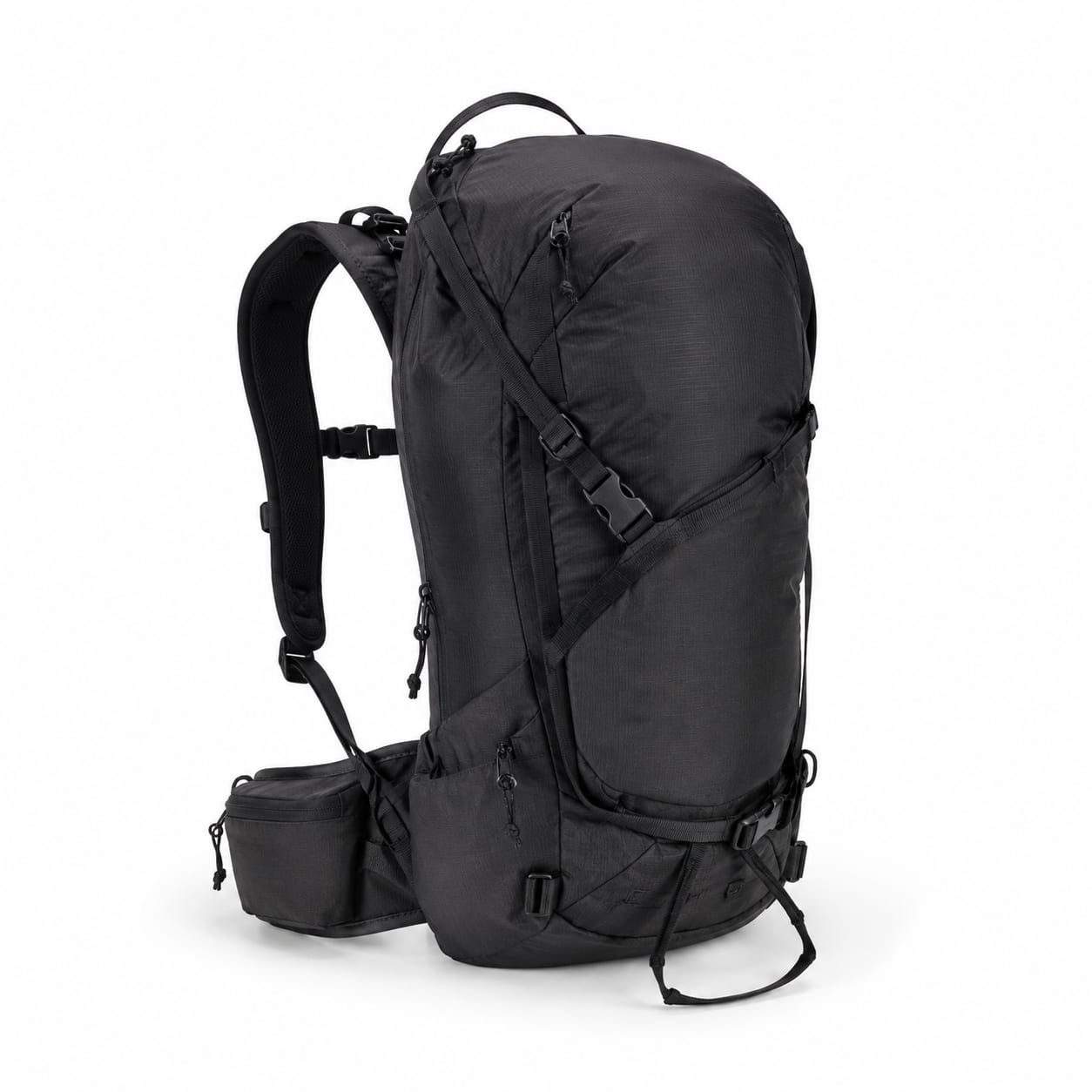
Side compression straps are standard on freeride packs, stabilizing loads that vary throughout the day as you shed layers, eat food, and drink water. Packs 30L and above may benefit from dual (side + vertical) compression for maximum load control.
Compared to other types
Similar to touring packs. Resort packs with smaller capacities may omit compression. Freeride packs need reliable compression because loads change significantly during full-day tours, and stability during aggressive descents is non-negotiable.
Why it matters: A loose, shifting load affects skiing balance and can be dangerous in technical terrain. Compression straps allow you to tighten the pack as contents decrease throughout the day, maintaining a stable, close-to-body load profile.