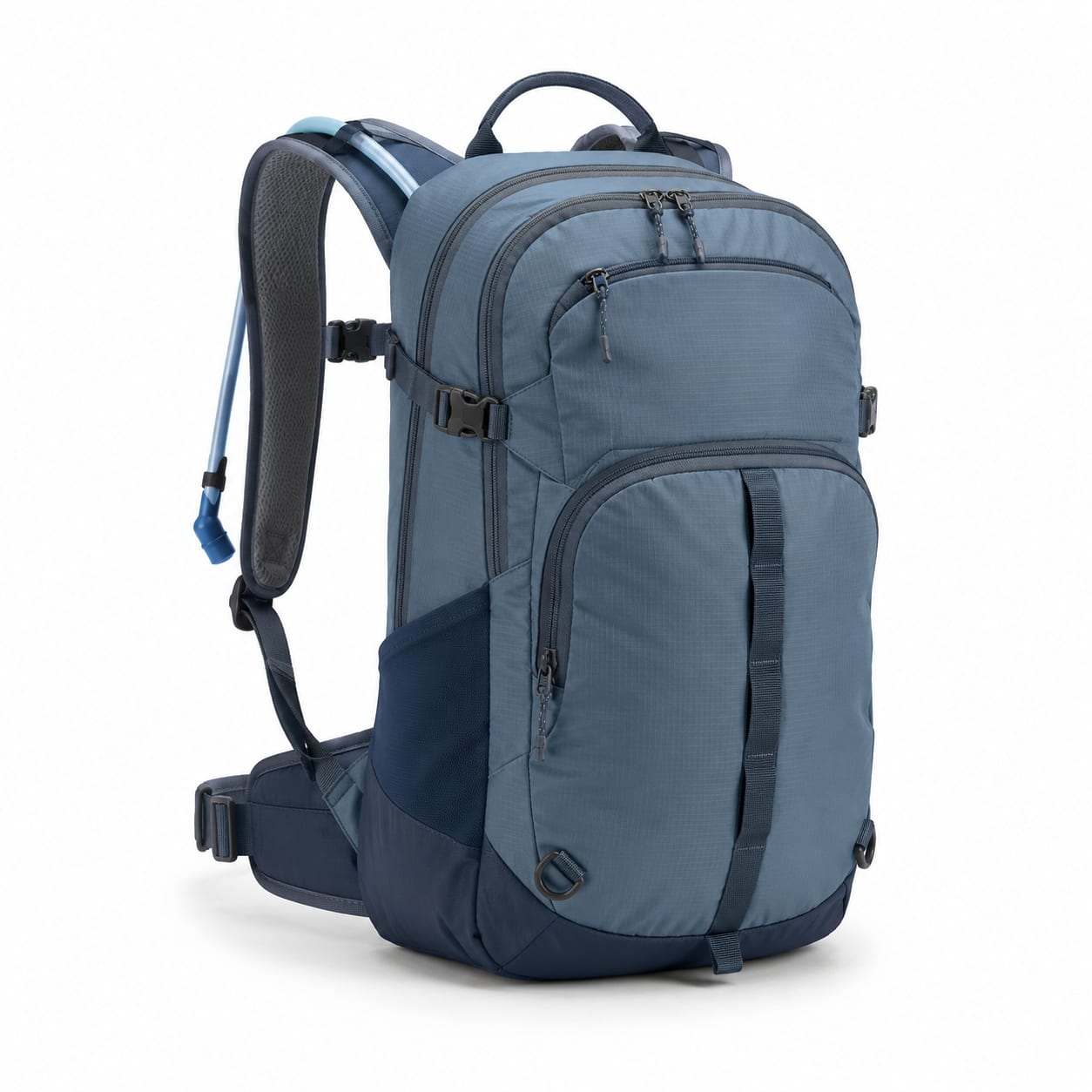
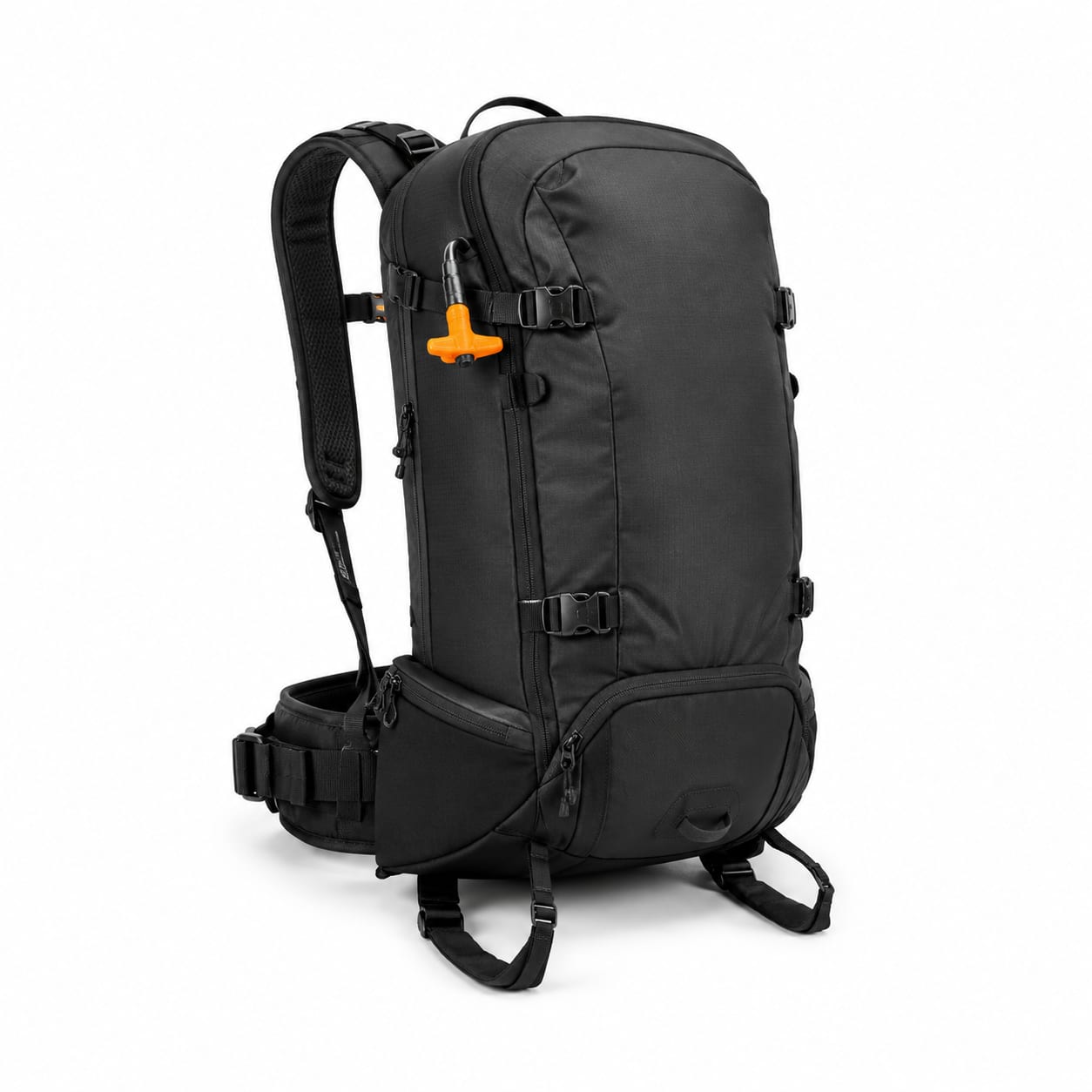
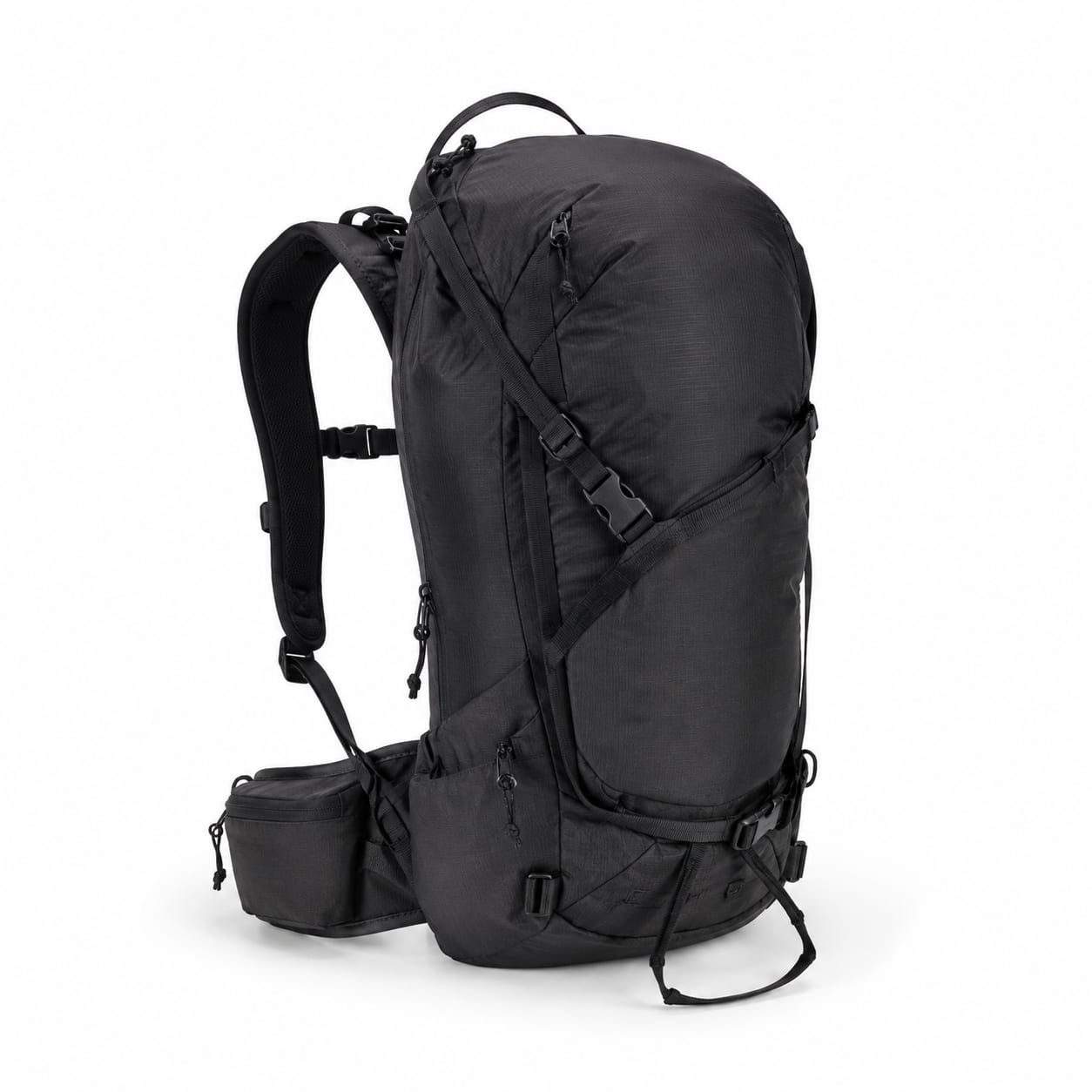
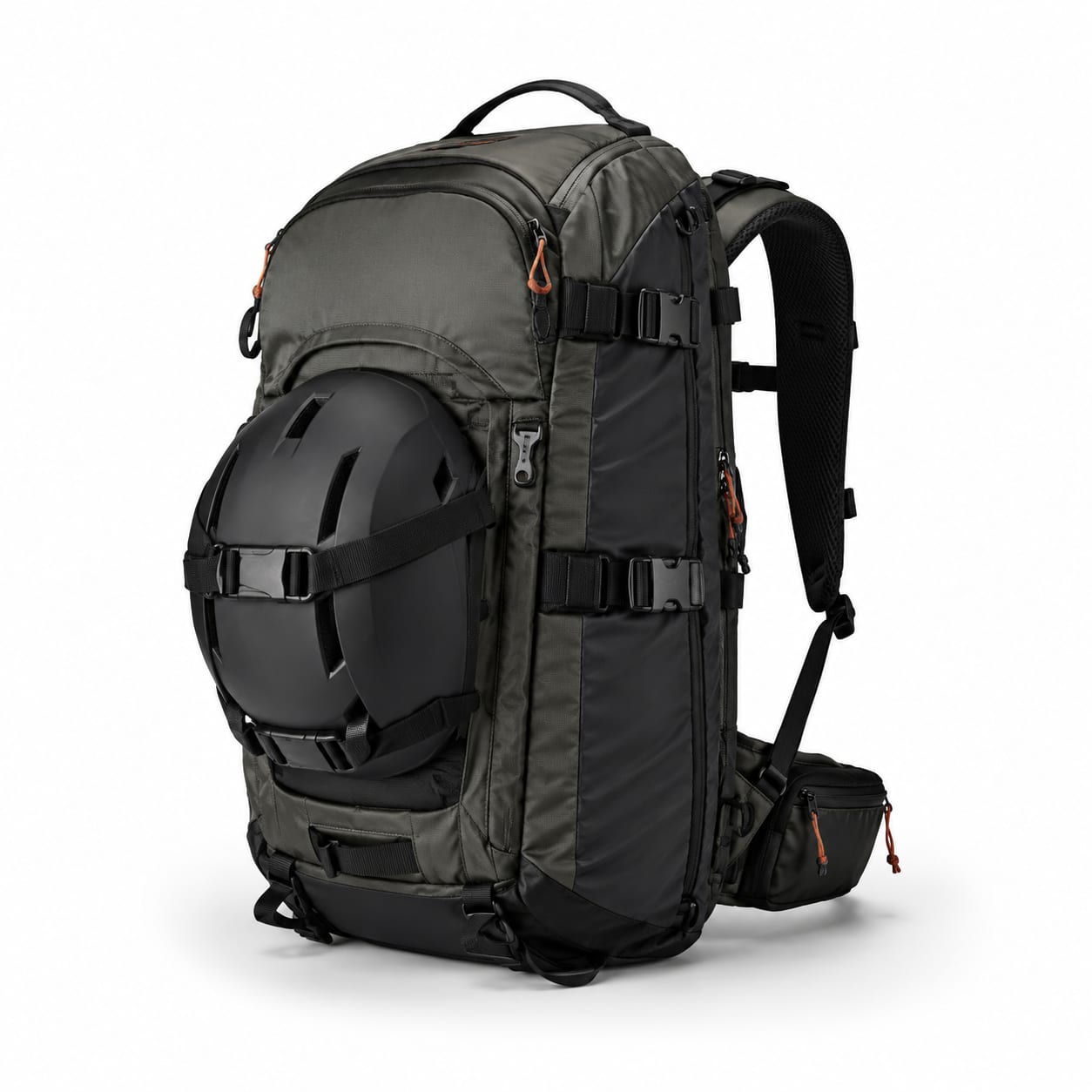
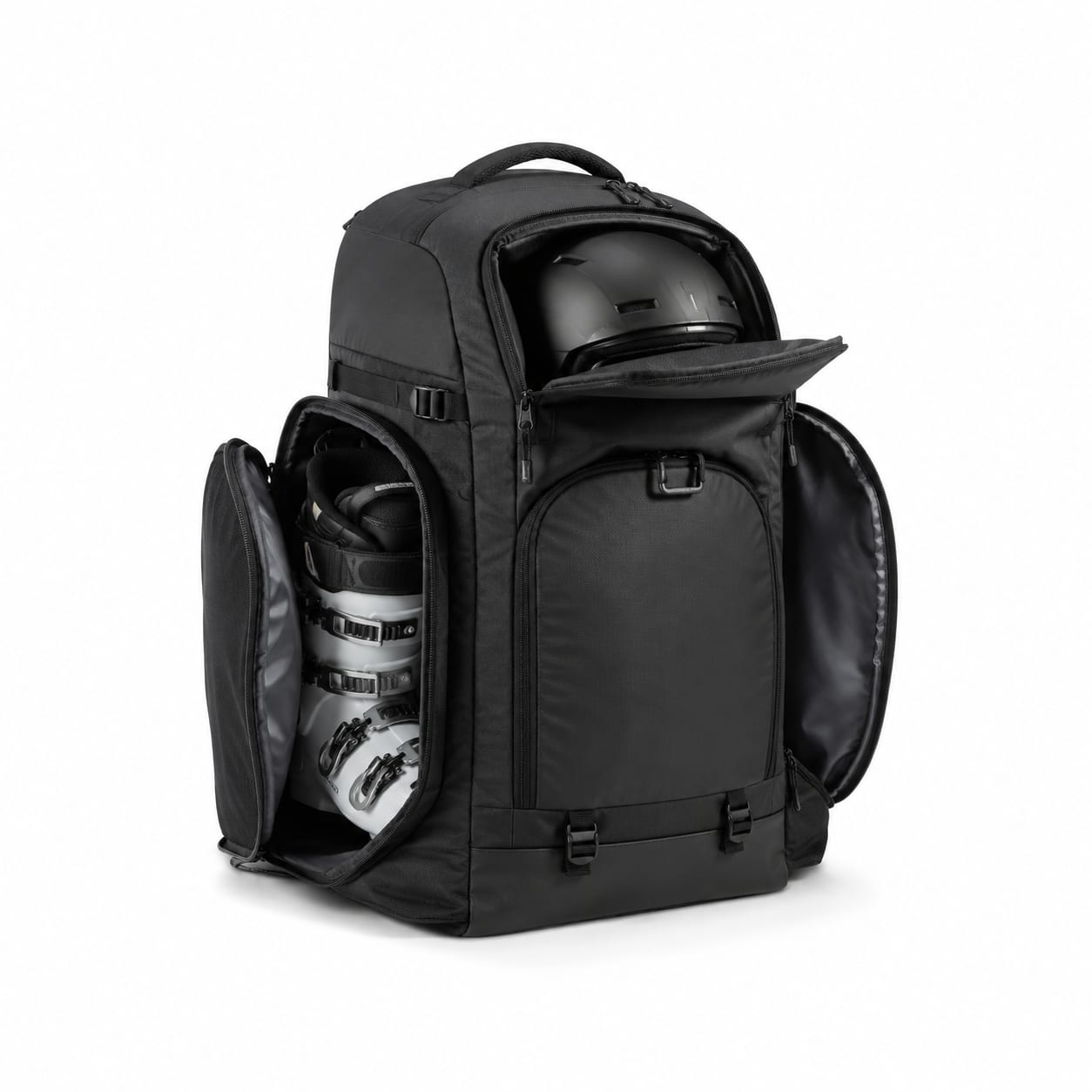
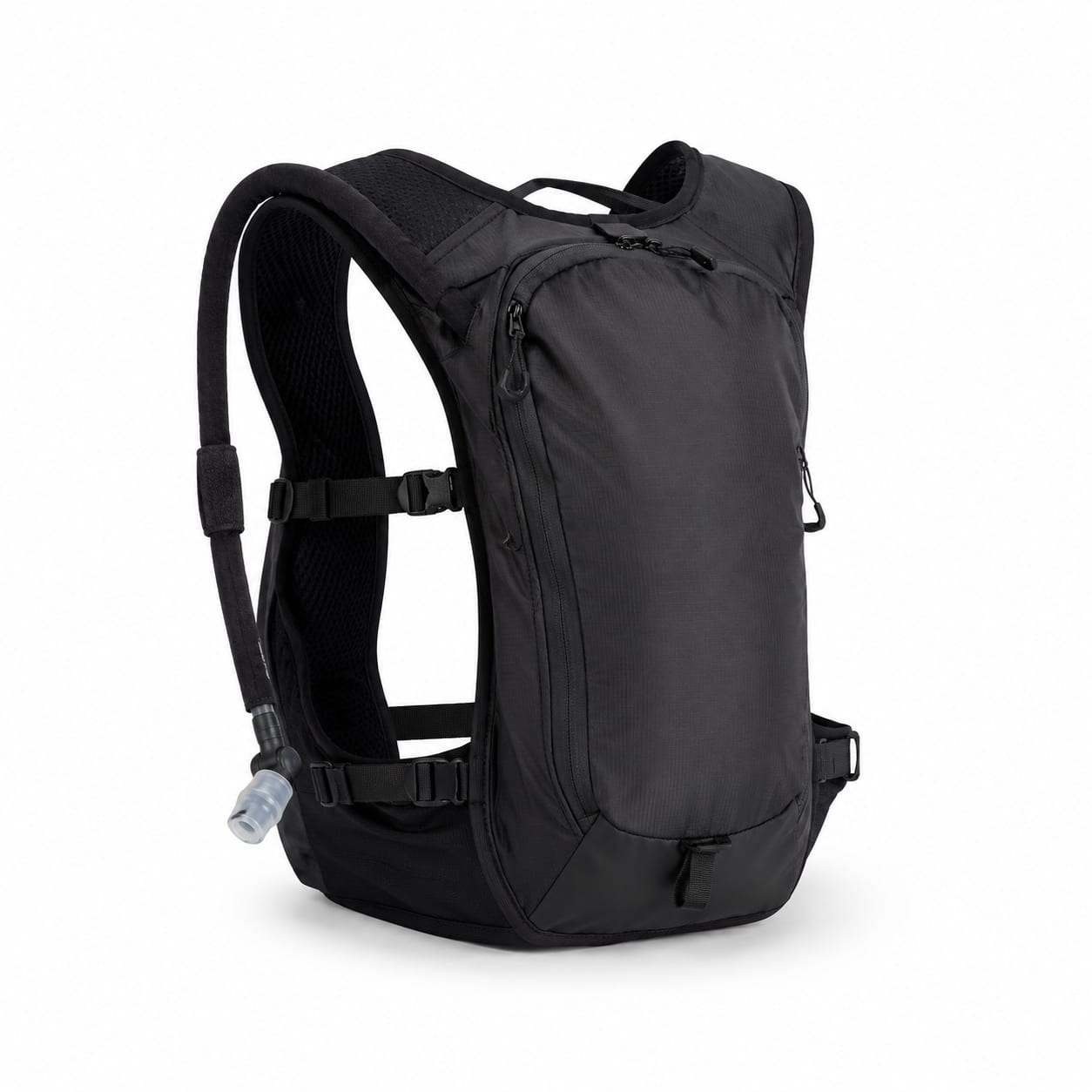
Resort daypacks are purpose-built for lift-served skiing and snowboarding, where the priorities are carrying capacity for a day's essentials, on-mountain comfort, and quick access to gear—without the overhead of avalanche safety systems, heavy suspension, or large-volume touring features. These packs typically range from 15 to 25 liters, hitting the sweet spot for stashing an extra midlayer, a water reservoir or bottle, snacks, sunscreen, and a small tool kit. Most resort daypacks skip the dedicated avalanche gear compartment found on backcountry packs, though some include a simplified internal sleeve that can hold a shovel and probe for sidecountry excursions. The focus is on keeping the pack slim and close to the body so it doesn't shift during high-speed turns, park laps, or bumpy mogul runs, and doesn't interfere with chairlift riding. Many models offer integrated or compatible CE-certified back protectors, which appeal to resort riders concerned about impact protection on groomed runs, in the terrain park, or through trees. Ski carry systems on resort packs tend to be simpler—diagonal carry is most common, which is sufficient for short hikes to sidecountry gates or carrying skis base-to-base from the parking lot. Snowboard carry options vary; some packs include vertical board carry while others are ski-specific. Hip belts are typically minimal—webbing straps or removable padded belts—since heavy loads and long uphill slogs aren't part of the equation. The result is a pack that disappears on your back while riding but holds everything you need for a full day on the mountain.
Resort daypacks occupy a distinct niche in the ski backpack world, optimized for the realities of lift-served skiing rather than human-powered ascent. Unlike backcountry touring packs, which must accommodate avalanche safety gear, heavy layering systems, and substantial food and water supplies for long uphill slogs, resort packs are designed around a simpler payload: an extra layer for cold lifts, hydration, snacks, maybe a spare goggle lens, and a few tools. This allows them to be significantly slimmer, lighter, and more comfortable for the riding itself—whether you're carving groomers, hitting the park, or exploring gladed runs.
The most important design consideration for a resort pack is how it behaves while skiing and riding chairlifts. A low-profile pack that sits close to the body won't shift during aggressive turns or catch wind on high-speed traverses. Removable or minimal hip belts are preferred because thick padded belts can be uncomfortable when compressed against a chairlift backrest. Many resort packs feature back protection—either integrated CE-certified protectors or sleeves that accept removable inserts—which adds a safety benefit without a separate protector vest. This is particularly valued by parents, terrain park riders, and those skiing technical tree runs where fall impacts are a realistic concern.
Ski and snowboard carry on resort packs is typically simpler than on touring packs. Diagonal ski carry is the most common system, sufficient for short hikes to sidecountry access points or carrying skis from the car. Some resort packs omit ski carry entirely, assuming you'll keep your skis on your feet all day. Snowboarders should verify carry compatibility, as many ski-focused resort packs lack dedicated board attachment. Hydration is usually handled through an internal reservoir sleeve—insulated hose routing is a bonus for very cold days but less critical than in the backcountry since lodge breaks provide opportunities to drink.
Organization features are where resort packs shine compared to their backcountry counterparts. Fleece-lined goggle pockets, helmet carry systems, internal organizer pockets for tools and electronics, and key clips are common. These features acknowledge that resort riders frequently stop, adjust gear, and swap items throughout the day. Access tends to be top-loading or front panel, with some models offering both for convenience. Material durability is typically midweight nylon (200–400D), balancing weight savings with enough toughness to handle occasional ski edge contact and the abrasion of being set down on snowy lodge decks.
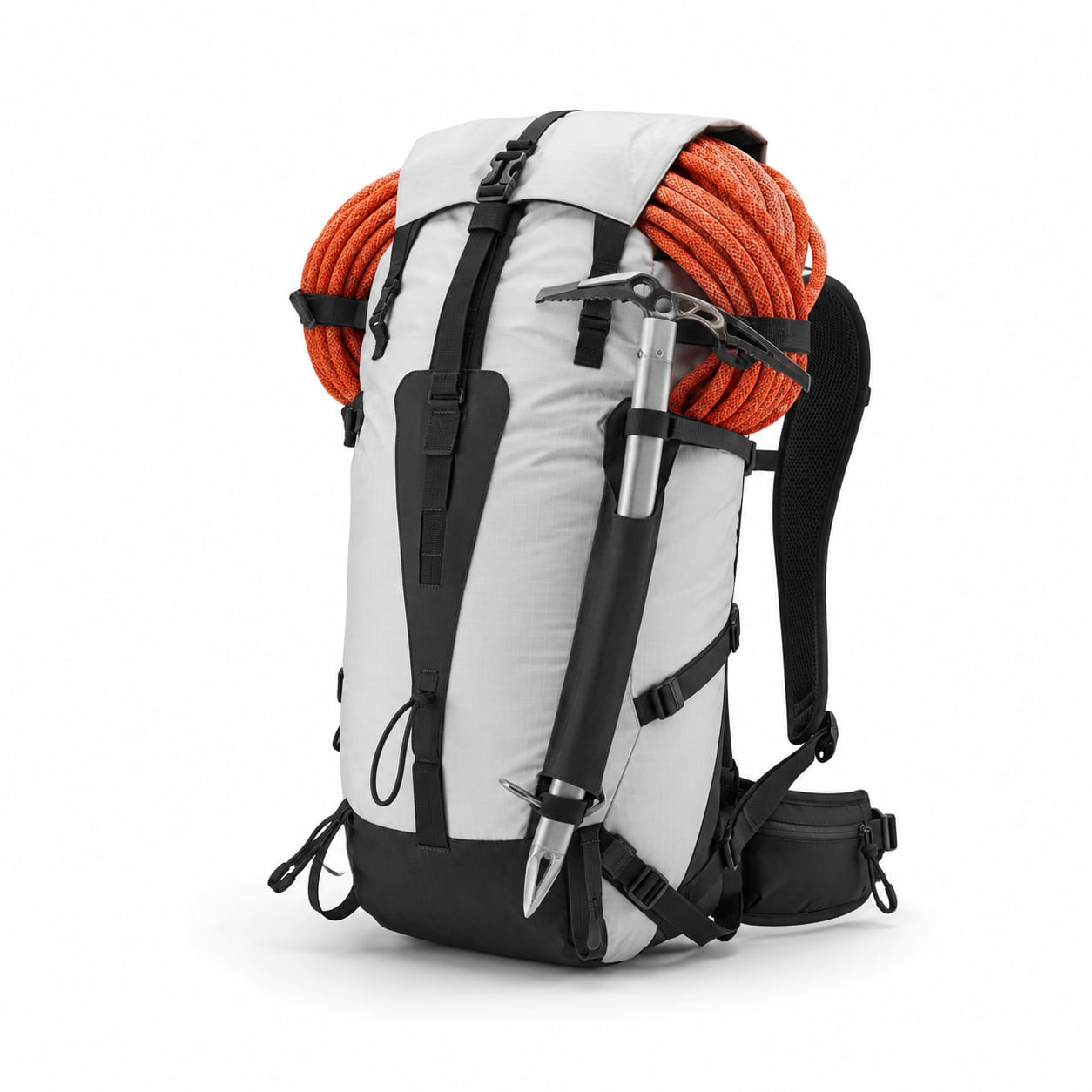
The biggest mistake resort skiers make is either going without a pack at all—forcing reliance on pockets and lodge storage—or buying a backcountry touring pack that's too large, too heavy, and unnecessarily complex for in-bounds use. A well-chosen resort daypack provides just enough capacity for comfort and safety without the bulk, keeping you self-sufficient on the mountain without slowing you down. For riders who occasionally duck ropes into sidecountry terrain, look for a resort pack with at least a basic avalanche gear compartment, or accept that you'll need a separate backcountry setup for those days.