
The main concern with hybrid bindings in icy conditions is the toe piece transition mechanism. Ice and frozen snow can accumulate in the pin channels and around the toe jaws, making it difficult to switch between modes or achieve full jaw closure. Always clear ice from the mechanism before transitioning. In ski mode, the binding performs normally on icy snow—the alpine-style engagement provides good retention. Some models are more prone to icing than others due to design differences.
Ski Bindings · Hybrid AT Bindings
Do hybrid bindings work well in icy conditions?
Related gear types
If this answer nudged you toward a different style, these guides compare specs and trade-offs.
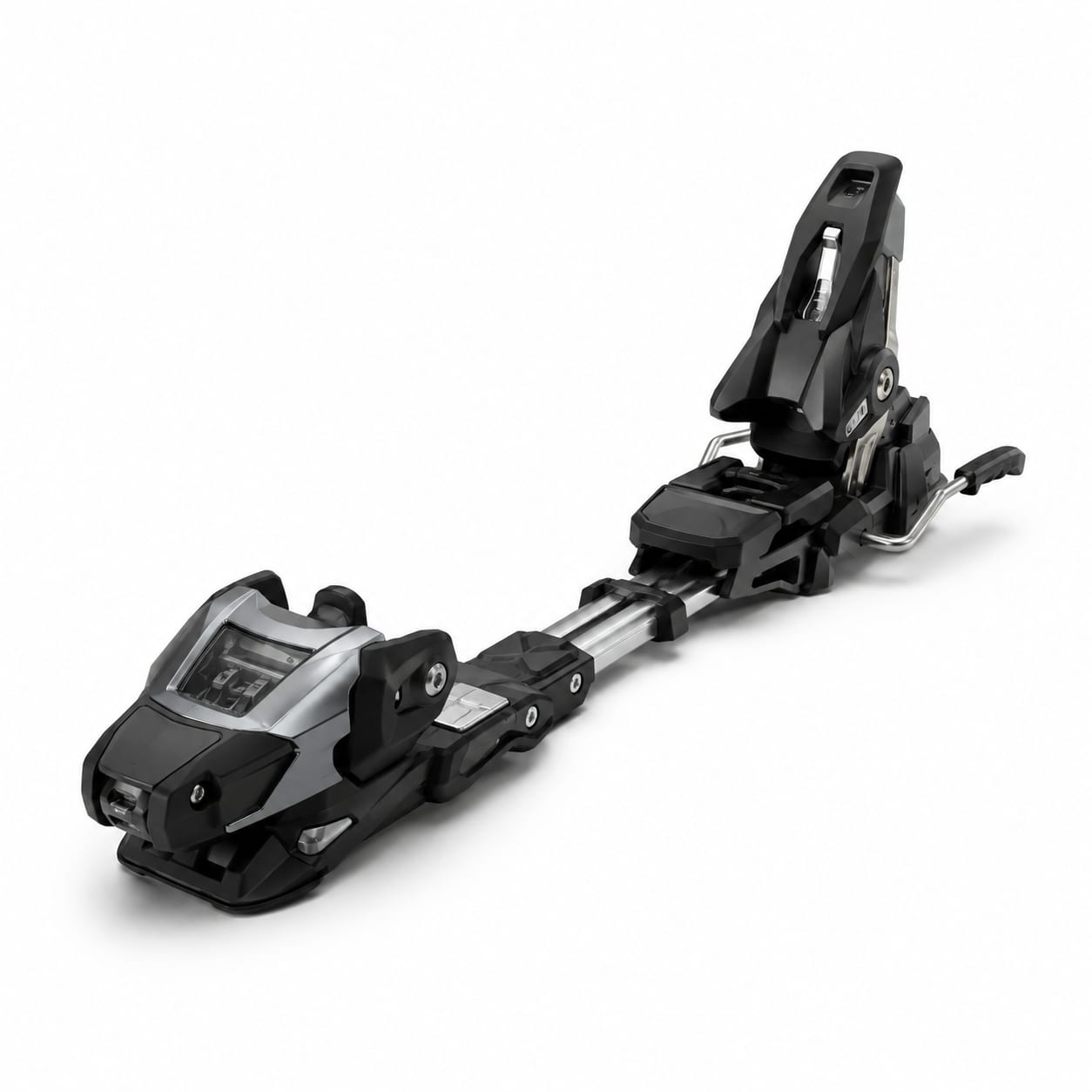
Alpine/Downhill Bindings
$120 – $450
Standard resort ski bindings designed for lift-served downhill skiing with fixed heels and reliable release performance.
fixed heelDIN-certified releaseISO 5355 boot compatibility
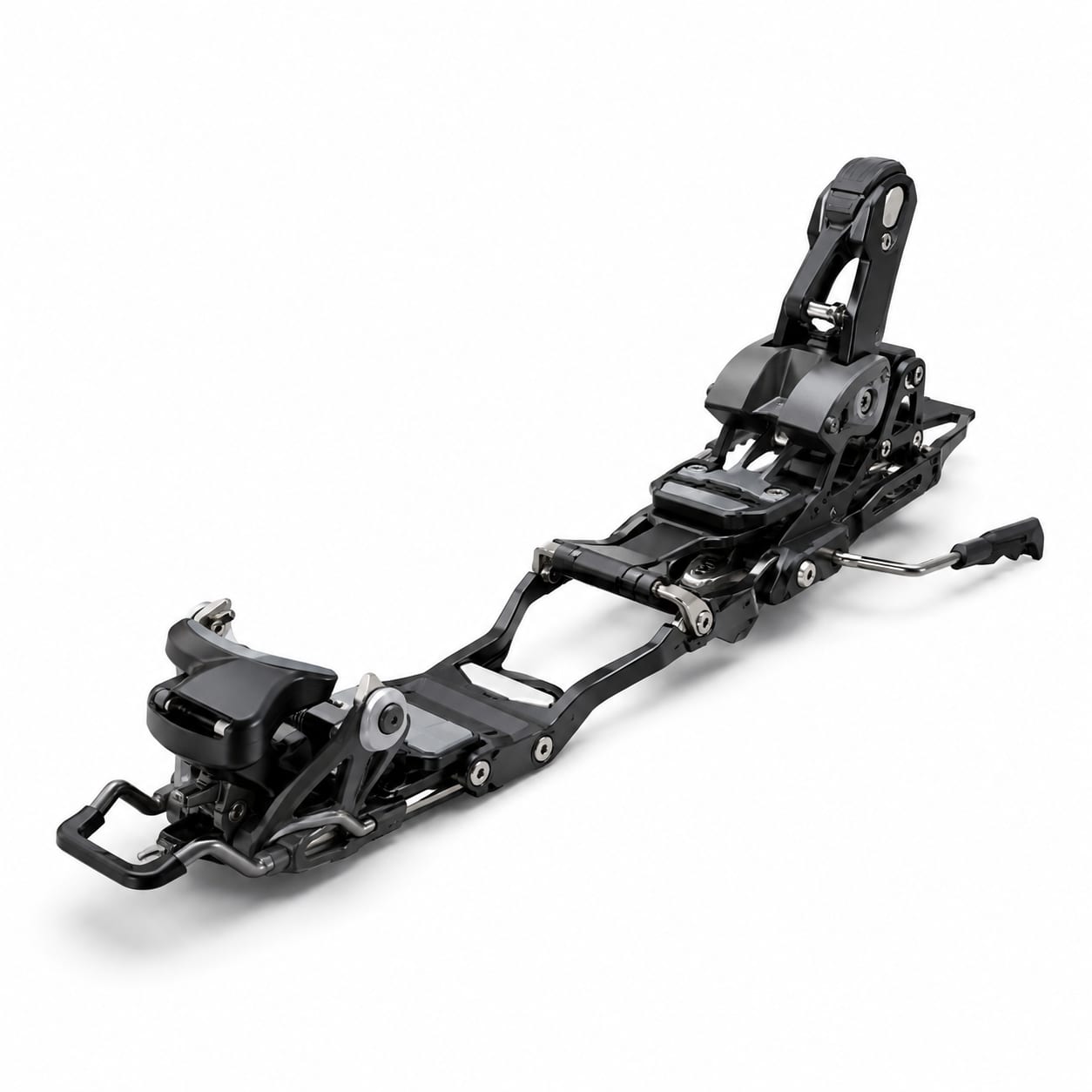
Alpine Touring Frame Bindings
$300 – $650
AT bindings with a hinged frame that allows heel lift for uphill travel and locks down for alpine-like downhill performance.
hinged frame designwalk mode with heel liftalpine-like downhill mode
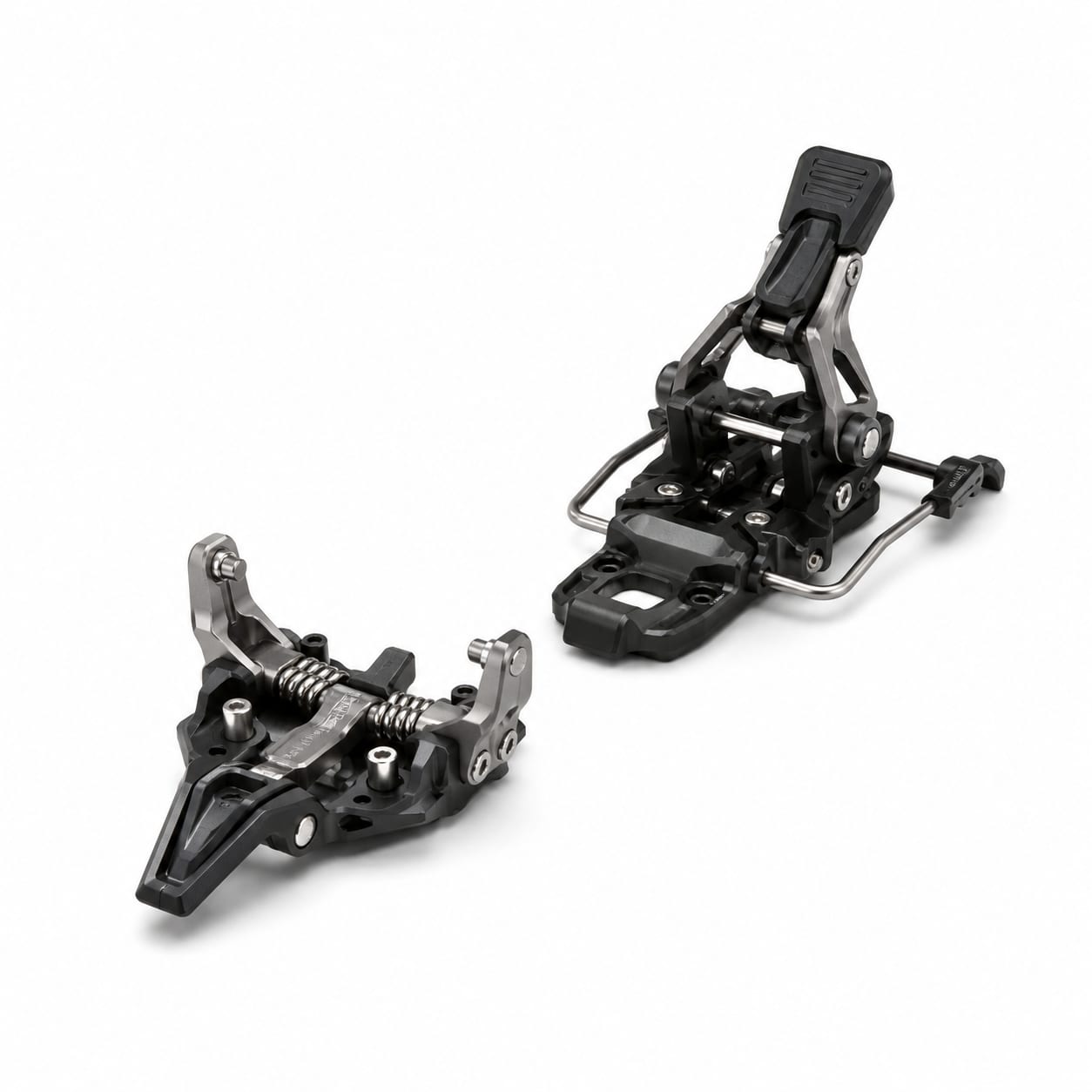
Tech/Pin Bindings
$300 – $900
Lightweight touring bindings using metal pins at the toe for uphill efficiency, favored by dedicated backcountry skiers.
pin toe interfaceultralight constructiontech-compatible boot required
More questions
- Can I use my regular alpine boots with hybrid AT bindings?
- How do I transition from tour mode to ski mode?
- Are hybrid AT bindings safe for resort skiing?
- Will I notice the extra weight compared to pin bindings on tours?