
Freeride boots prioritize downhill performance, featuring stiffer flexes (110-130) and robust construction for aggressive skiing, with a walk mode added for short approaches. Touring boots prioritize uphill efficiency, using much lighter materials and offering greater walk range (50°+), but they sacrifice significant downhill power.
Ski Boots · Freeride / Big Mountain Ski Boots
What is the difference between freeride and touring boots?
Related gear types
If this answer nudged you toward a different style, these guides compare specs and trade-offs.
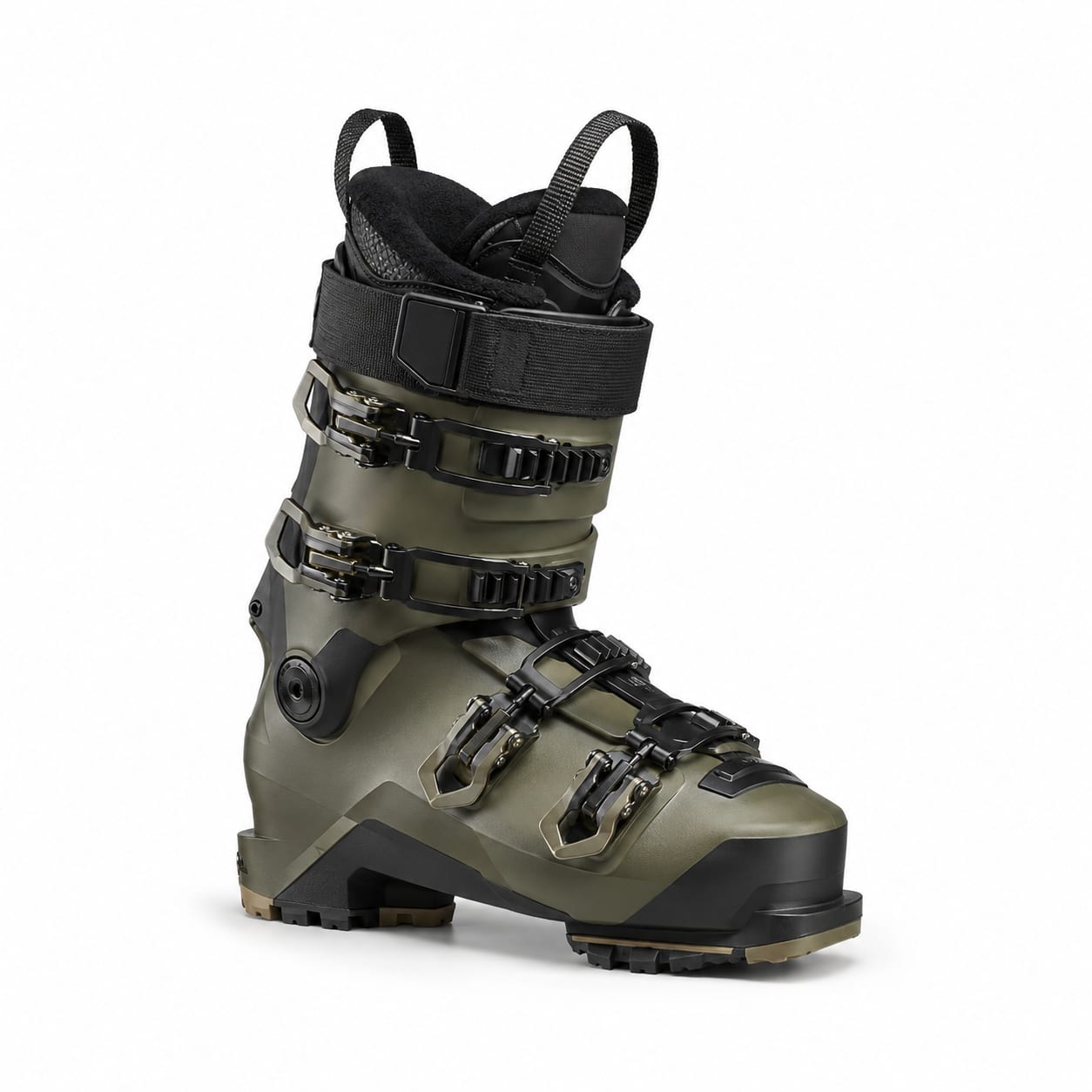
All-Mountain Ski Boots
$300 – $850
Versatile ski boots designed to handle the widest range of terrain and conditions at a resort.
Balanced flex patternMedium last width (97-104mm)GripWalk-compatible soles
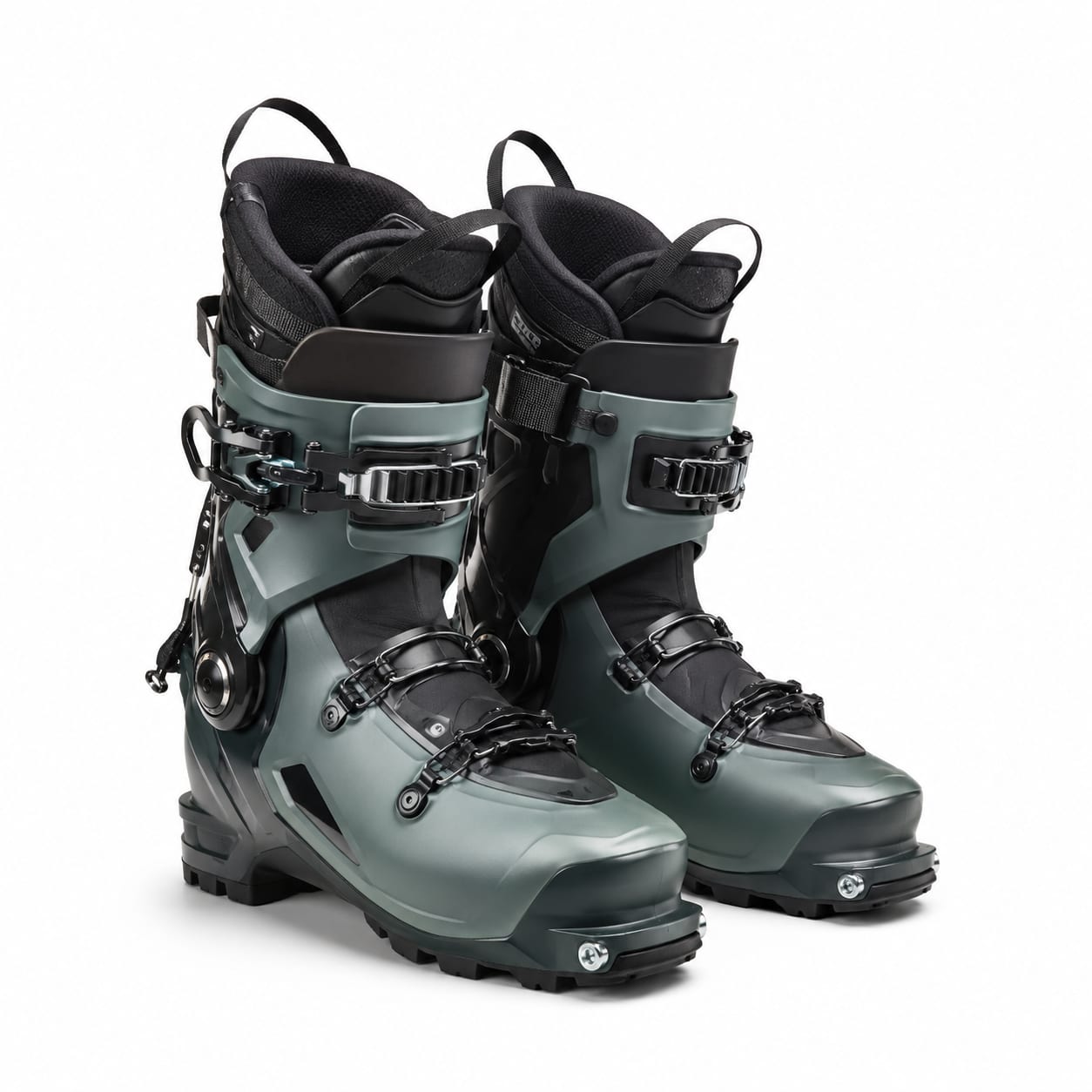
Alpine Touring (AT) / Backcountry Ski Boots
$400 – $1300
Lightweight boots with walk mode and tech-compatible soles designed for uphill skinning and downhill skiing in the backcountry.
Walk mode with 50-70° range of motionTech binding compatibilityLightweight construction (1.2-1.8kg per boot)
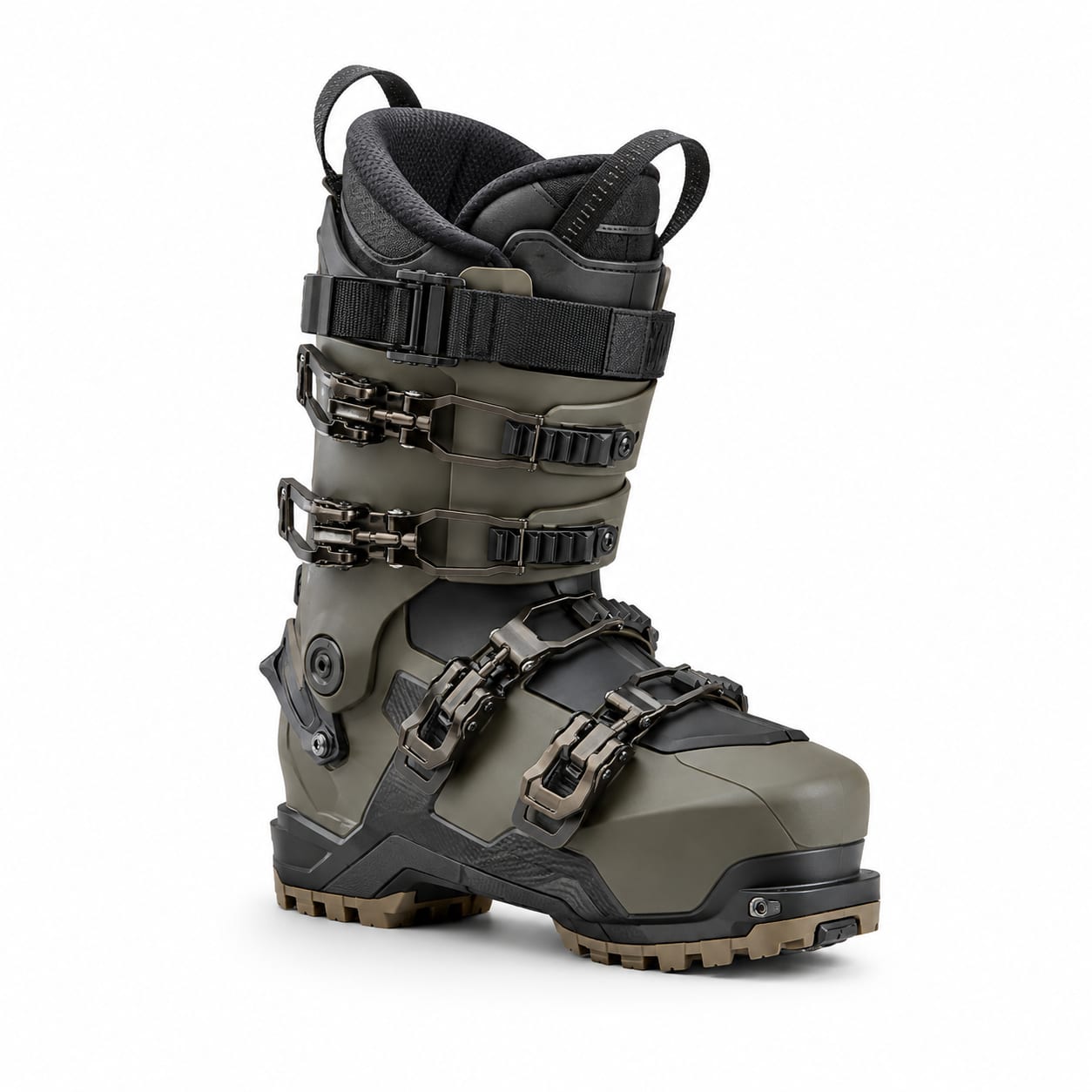
Hike & Ride / Walk-Mode Resort Boots
$350 – $850
Resort-oriented boots with integrated walk mode for easy hiking to sidecountry terrain and resort exploration.
Walk mode (40-55° range)Near-resort stiffness (100-130 flex)GripWalk soles
More questions
- Can I use freeride boots with standard alpine bindings?
- Do I need a walk mode if I only ski inbounds?
- How stiff should my freeride boot be?
- Can I use freeride boots for long ski tours?