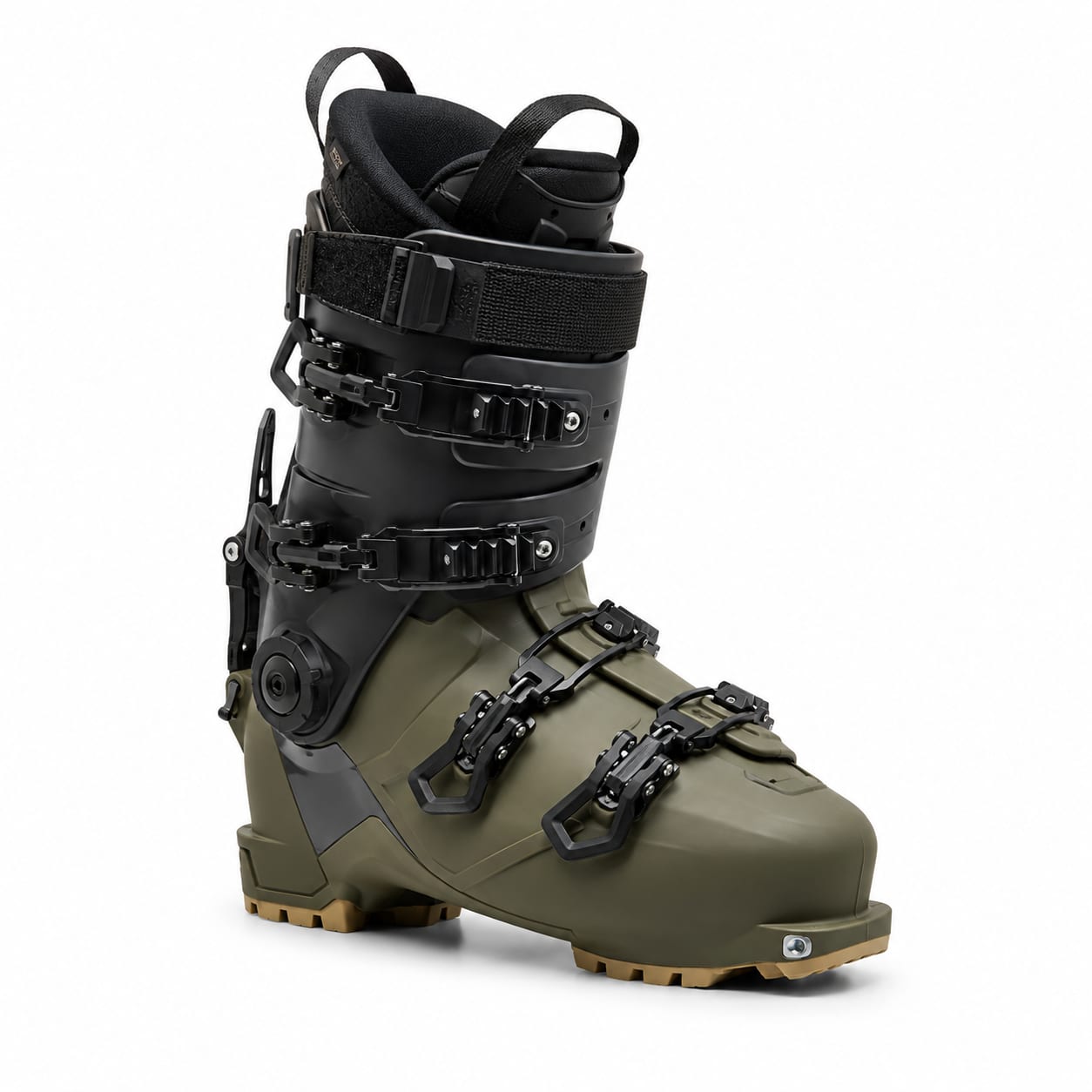
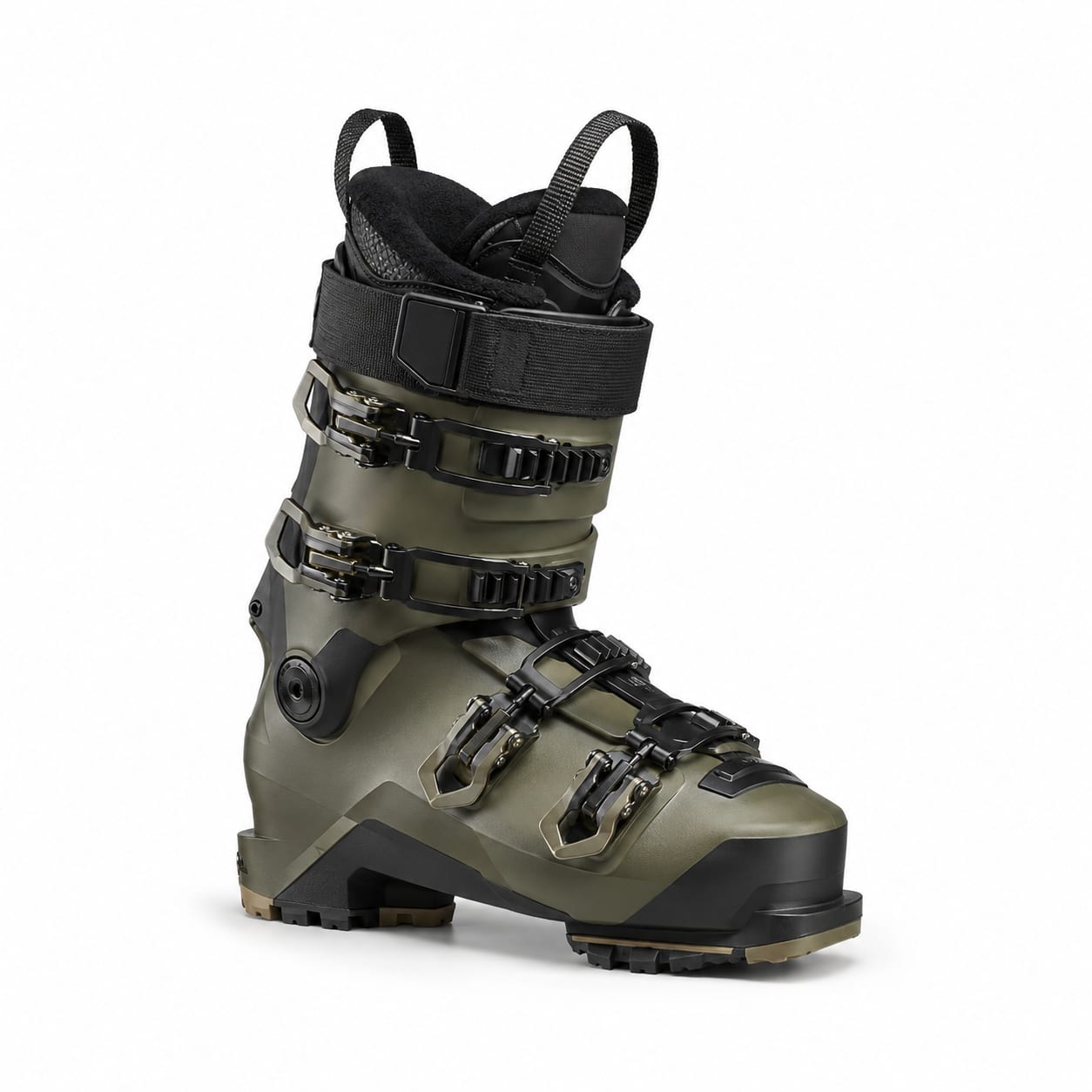
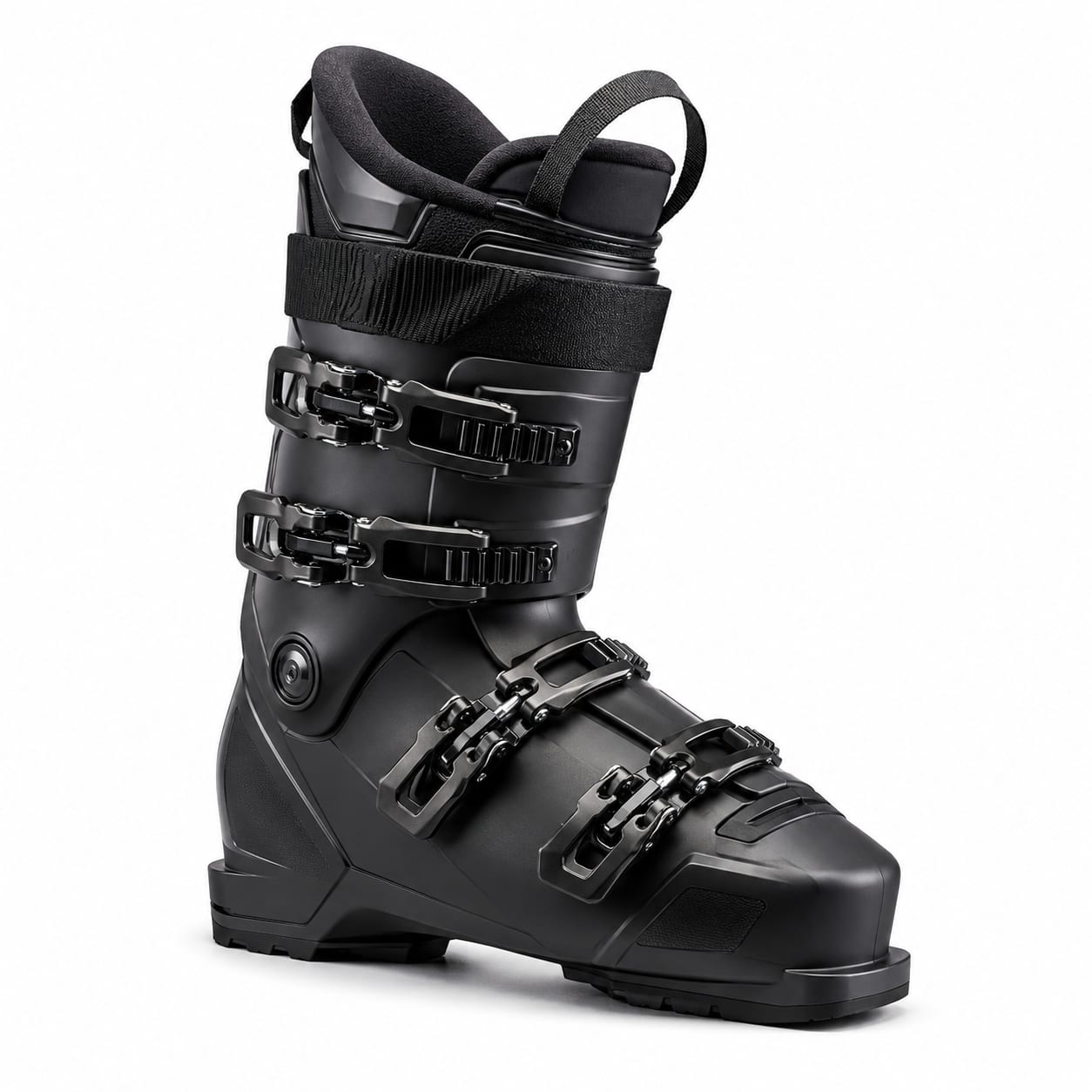
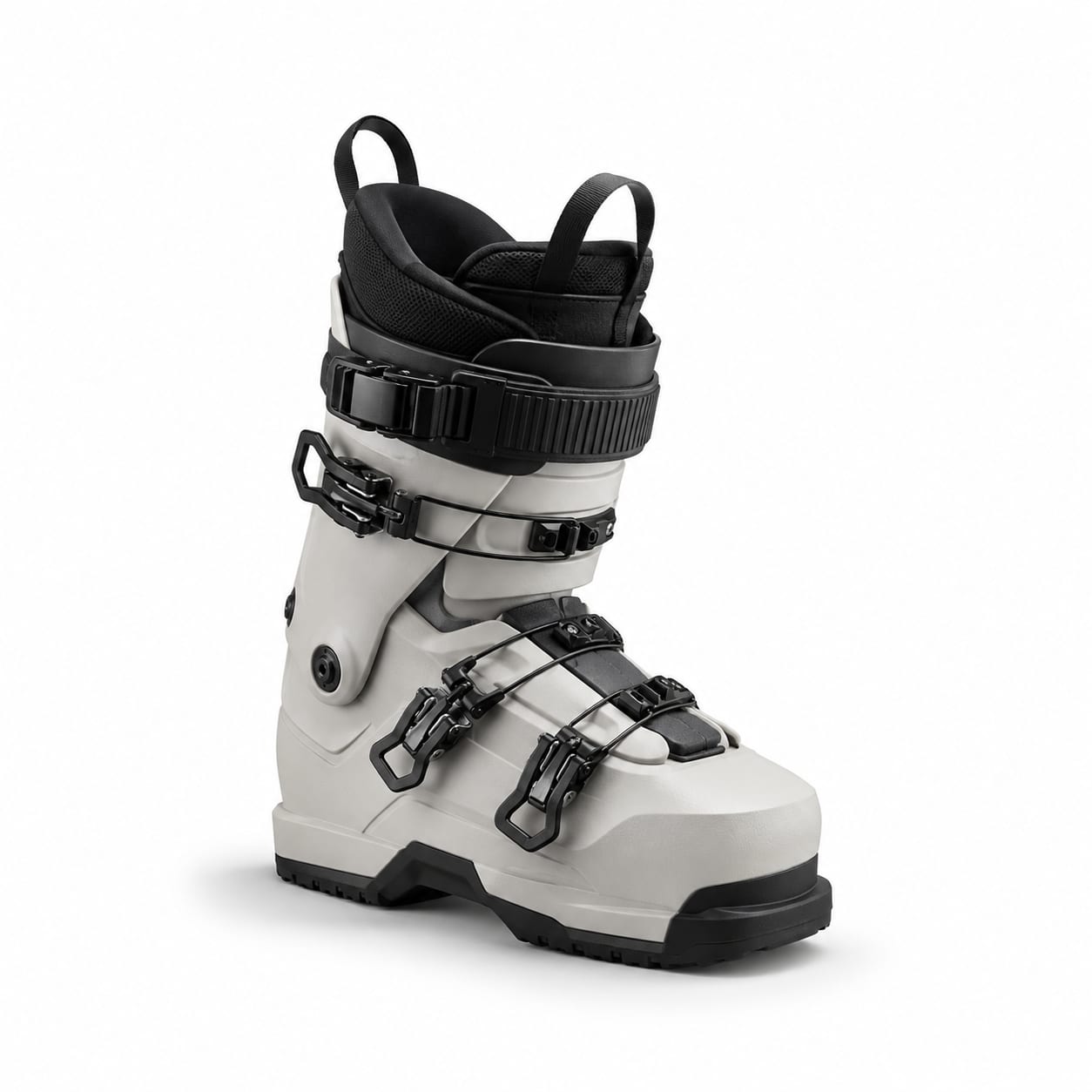
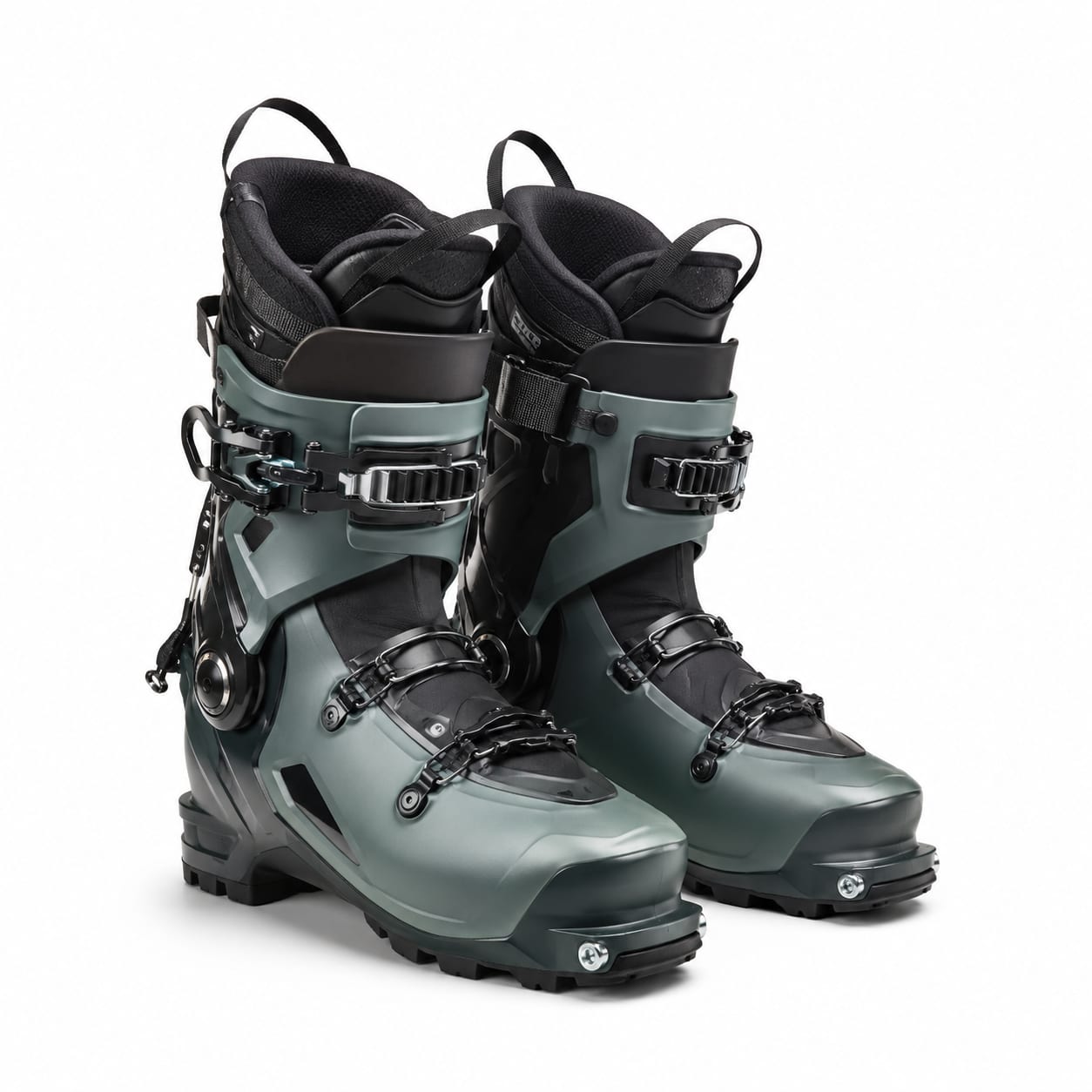
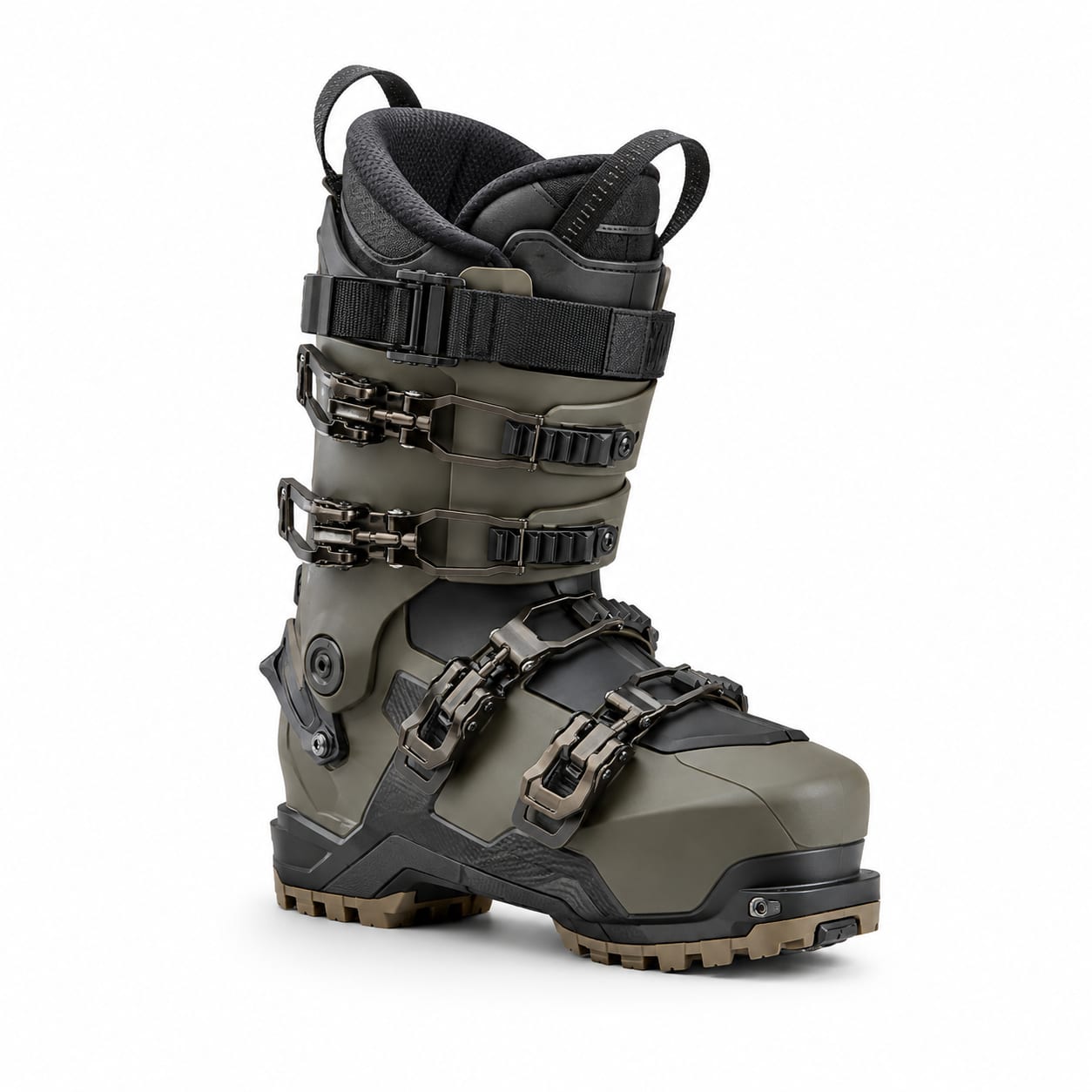
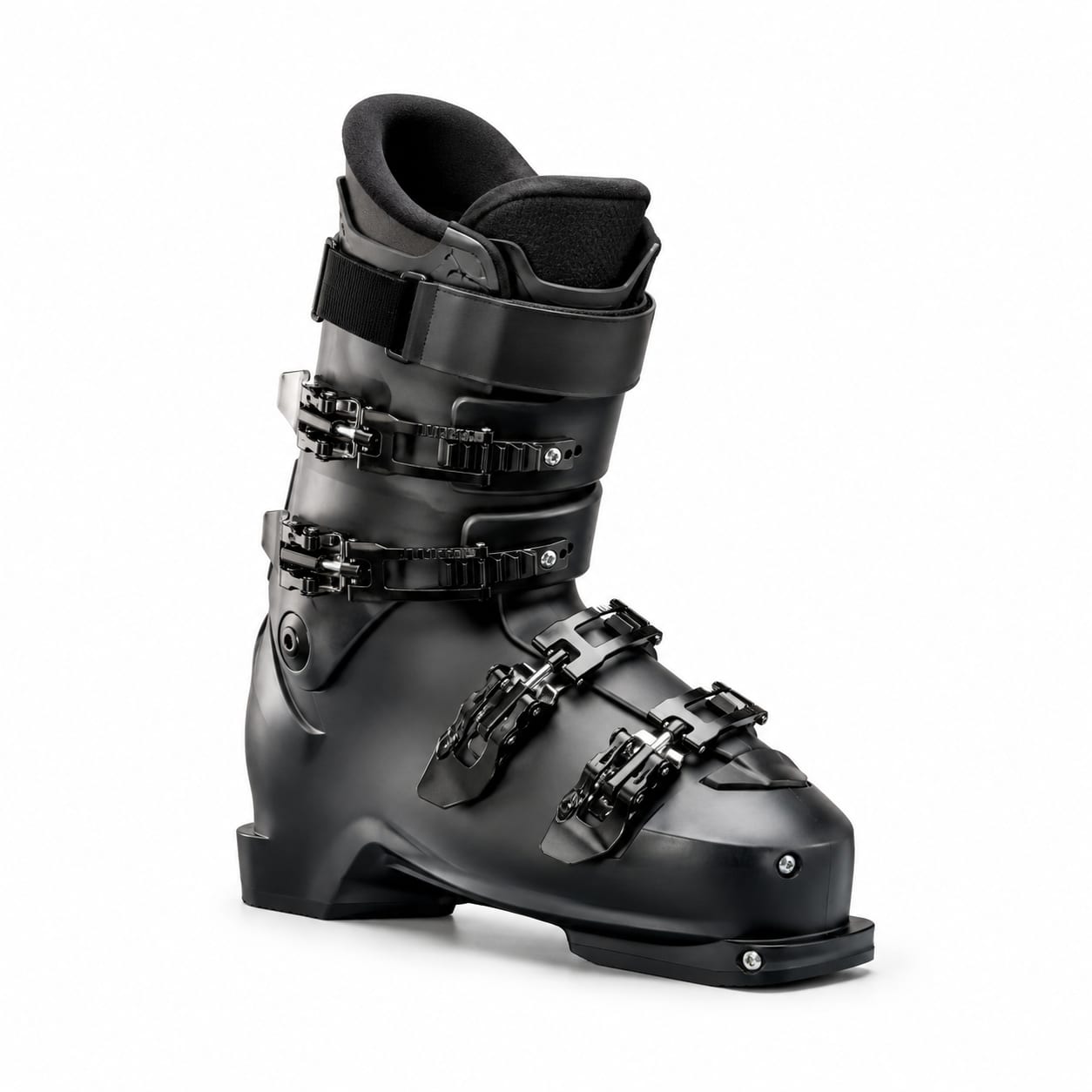
Freeride or big mountain ski boots are engineered for skiers who prioritize downhill performance in challenging, ungroomed terrain but need the ability to hike or skin to access their lines. They feature stiff flexes (typically 110-130) for aggressive skiing, robust construction for driving wide, heavy skis, and a walk mode with enough range of motion for short tours or bootpacks. Unlike pure touring boots, they do not compromise downhill power, making them the weapon of choice for sidecountry laps and heli/cat skiing.
Freeride ski boots occupy the crucial middle ground between resort-oriented alpine boots and uphill-focused touring boots. They are built for the modern big mountain skier who demands uncompromising downhill performance but refuses to be limited by resort boundaries. By integrating a robust walk mechanism and grippy soles, these boots allow you to comfortably bootpack over ridgelines or skin up short approaches without sacrificing the stiffness and power needed to charge steep, technical descents.
The defining characteristics of a freeride boot are its stiff flex and substantial construction. Typically ranging from 110 to 130 on the flex index, these boots provide the lateral rigidity and forward pressure necessary to drive wide, heavy powder skis through variable snow conditions at high speeds. To achieve this, manufacturers often use composite shell materials—pairing a stiff polyurethane (PU) lower shell for direct power transmission with a lighter Grilamid cuff to reduce weight on the uphill. Four buckles and a robust power strap are standard, ensuring a locked-in fit that prevents slop when laying down aggressive turns.
Walk mode and sole design are what truly separate freeride boots from traditional alpine models. A dedicated hike mechanism unlocks the cuff, providing 35 to 50 degrees of rotation—enough for comfortable skinning and hiking. The soles feature rubberized, rockered profiles (often GripWalk or WTR standards) that offer vastly superior traction on rock, ice, and hardpack compared to smooth alpine soles. It is critical to note that these soles require compatible bindings; using them in standard alpine bindings can be dangerous and lead to prerelease.
Fit and liner technology in freeride boots lean toward performance but acknowledge the long days spent in the backcountry. Last widths typically hover around 99-102mm, accommodating a range of foot shapes while maintaining a performance-oriented heel pocket. High-quality heat-moldable liners, such as Intuition foam, are common, providing excellent insulation and the ability to customize the fit for both comfort and responsiveness. While heavier than pure touring boots, the psychological and physical security of a stiff, supportive boot pays massive dividends when dropping into no-fall zones.