Kitvore.com

Kitvore.com

Specs that matter. Gear that fits.

Ski Boots · Subcategory

Hike & Ride / Walk-Mode Resort Boots

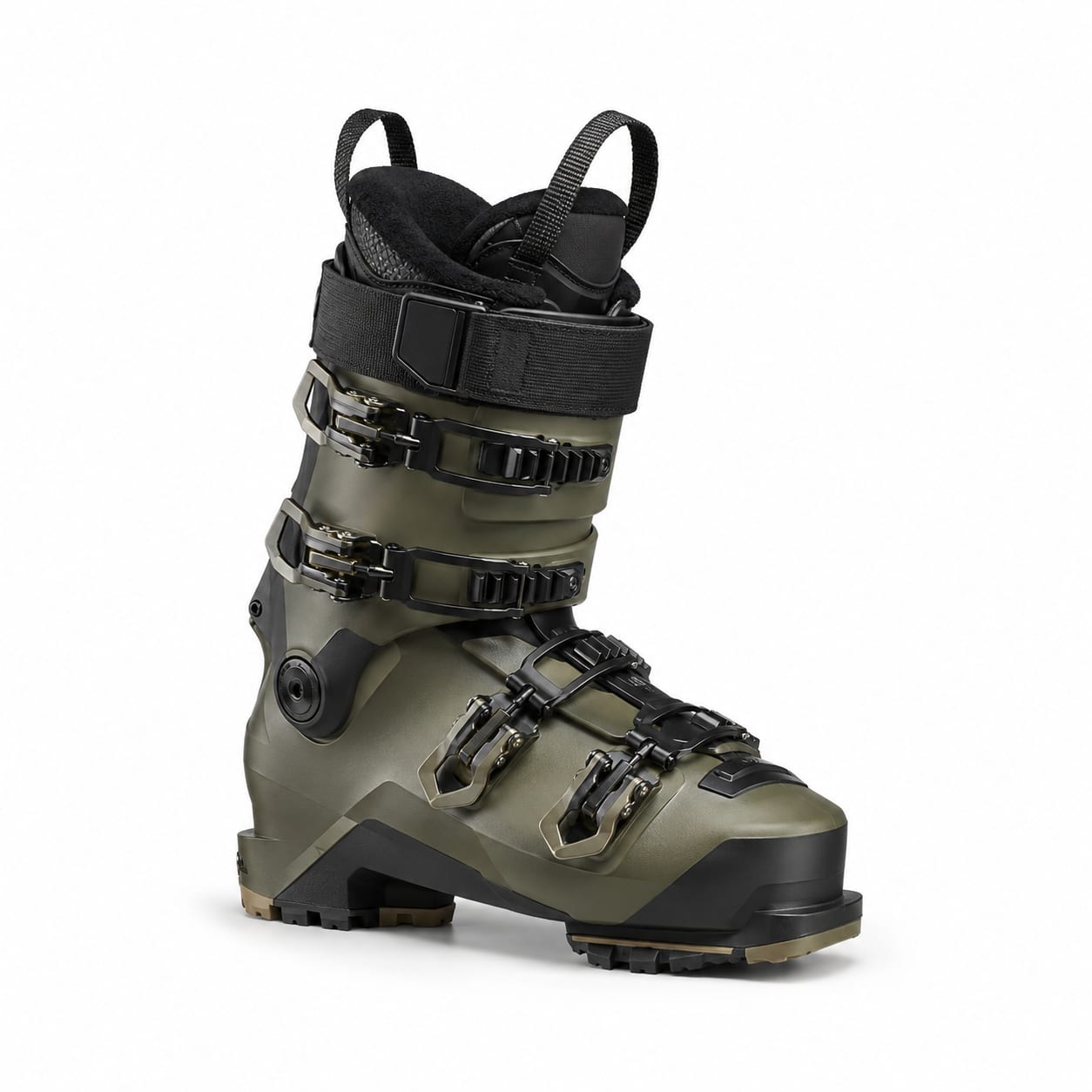
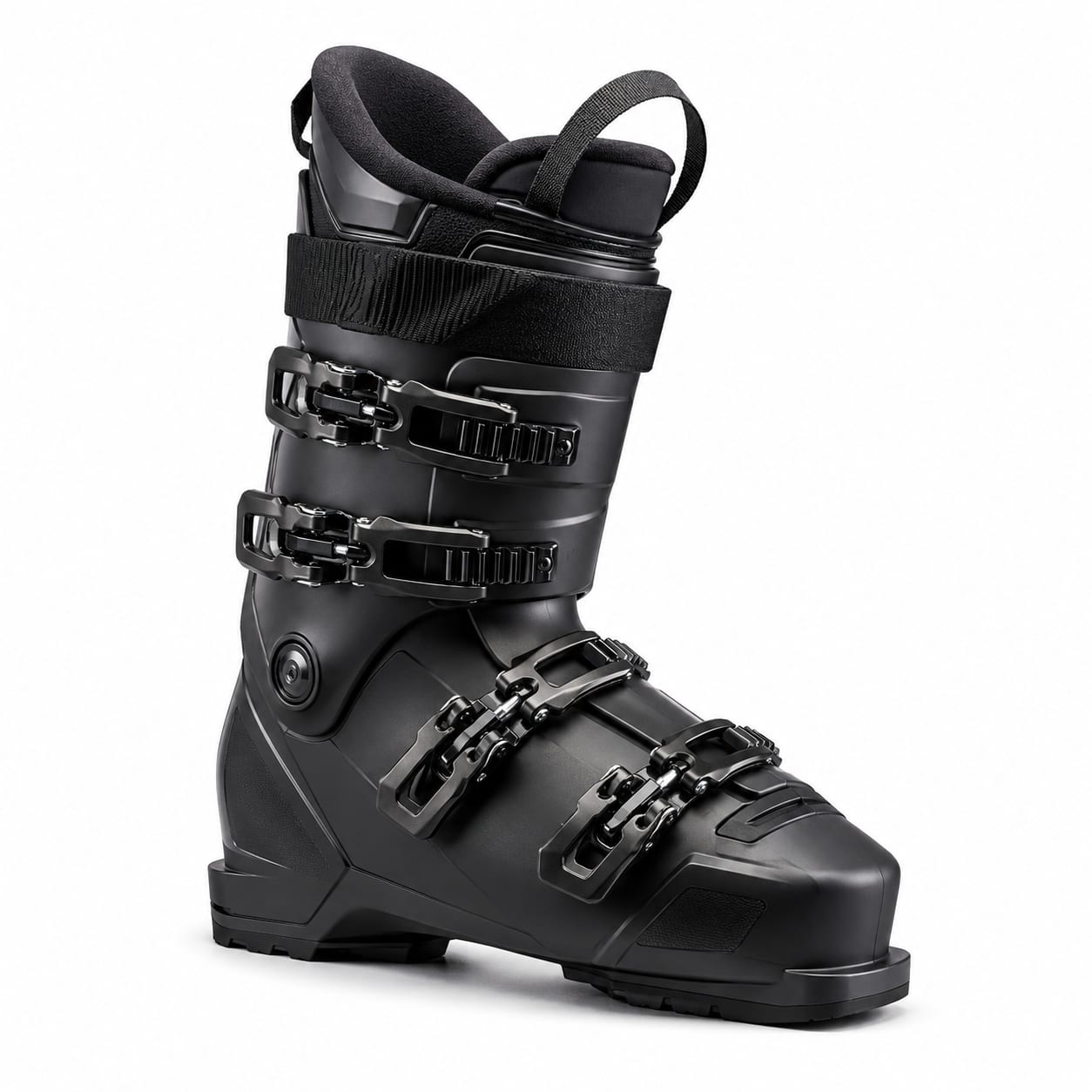
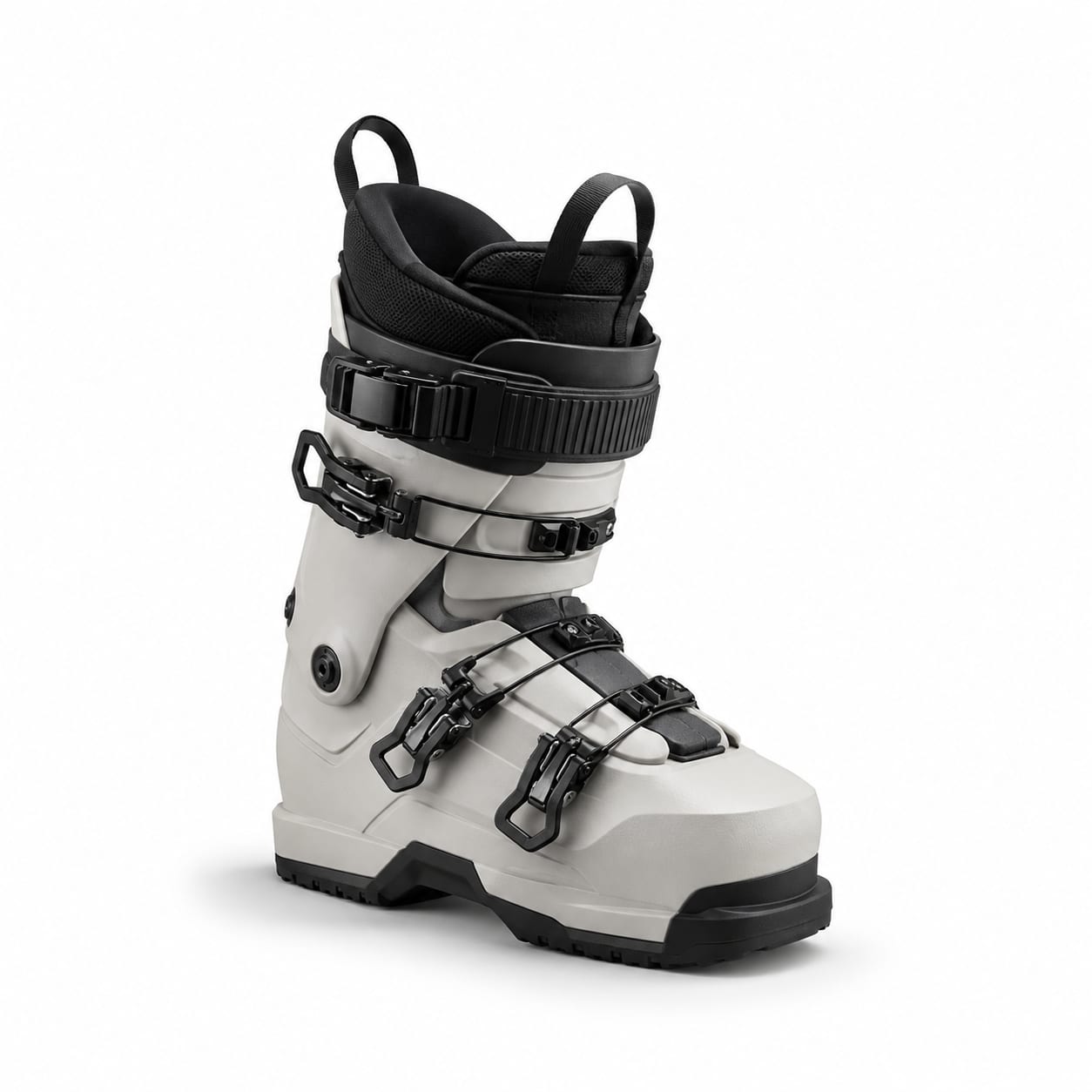
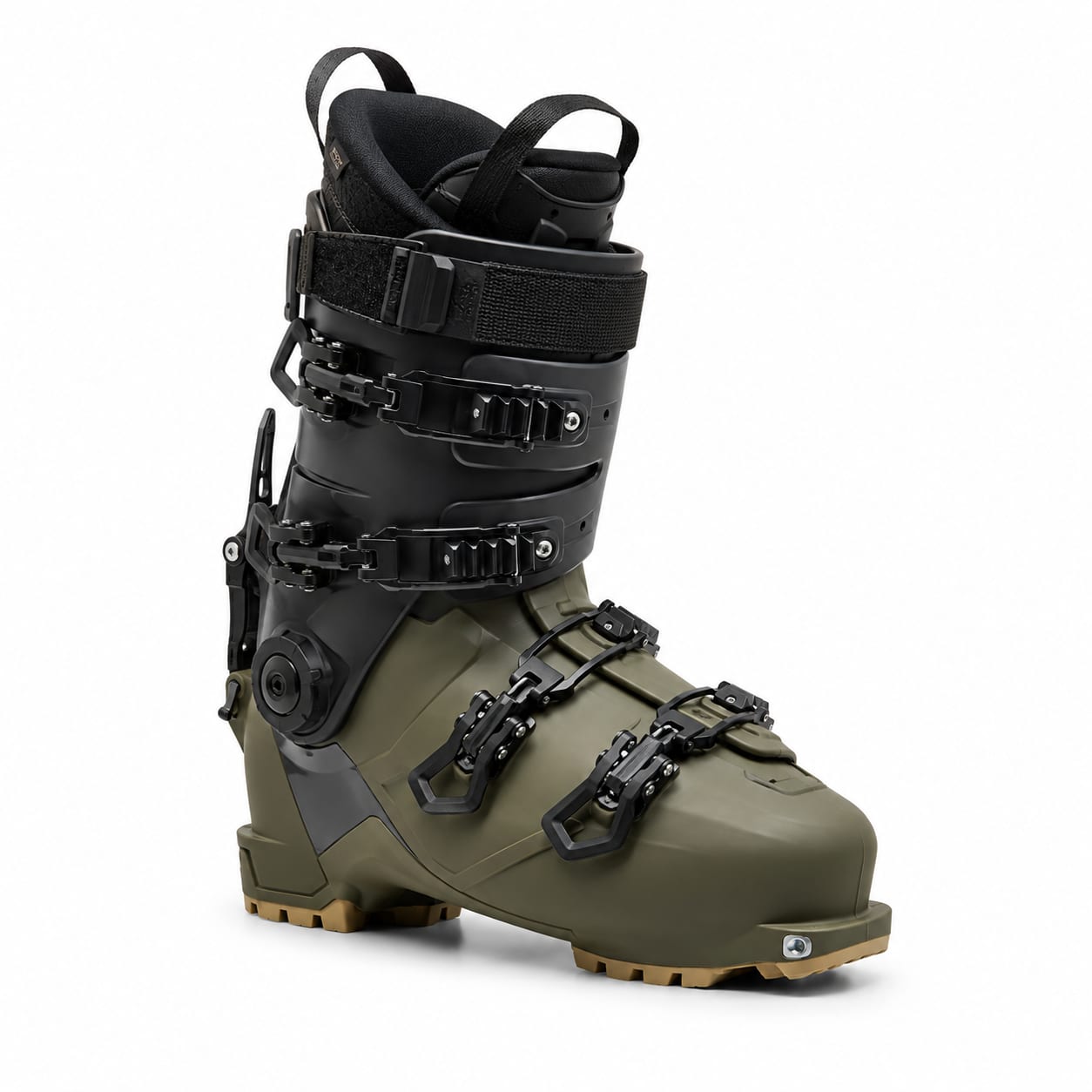
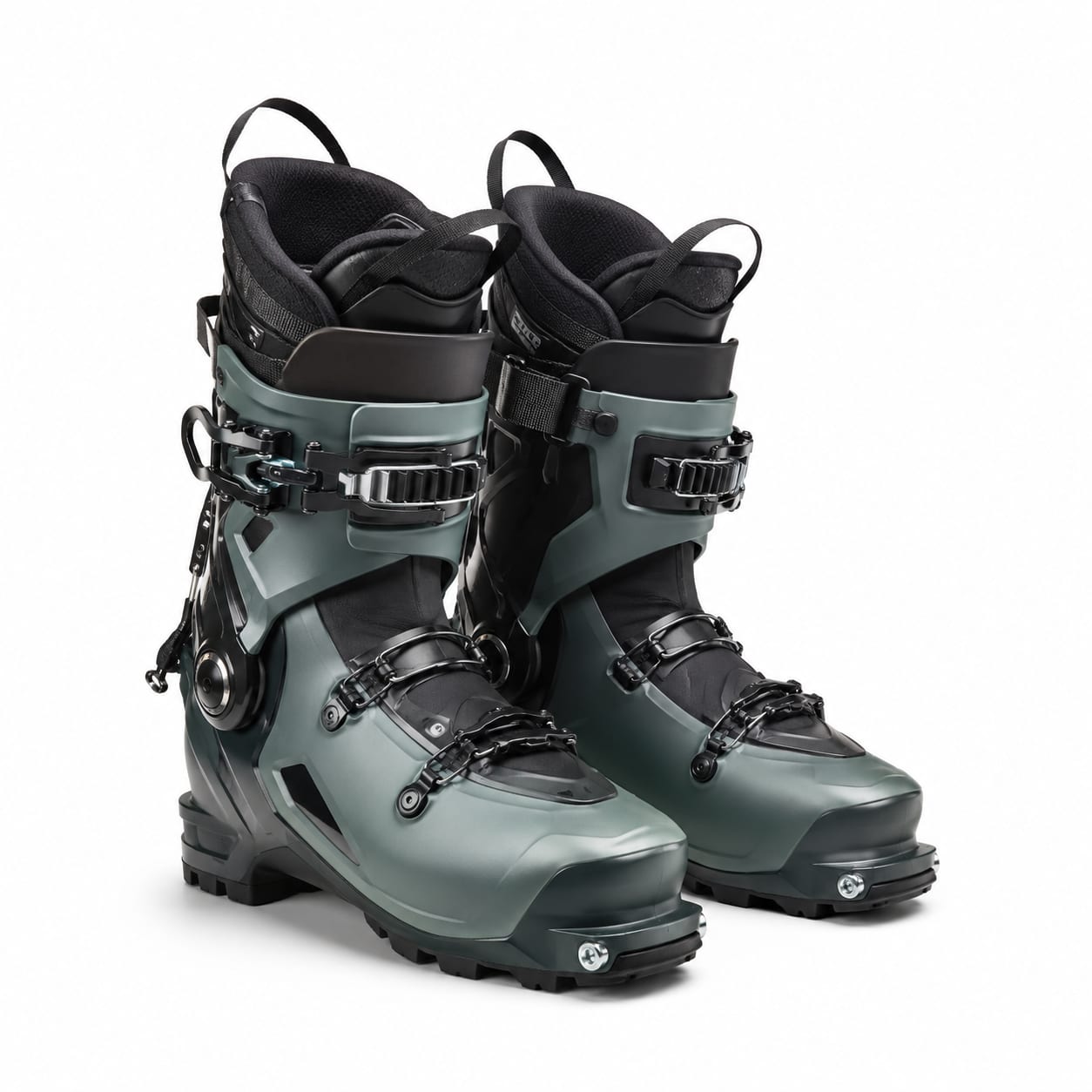
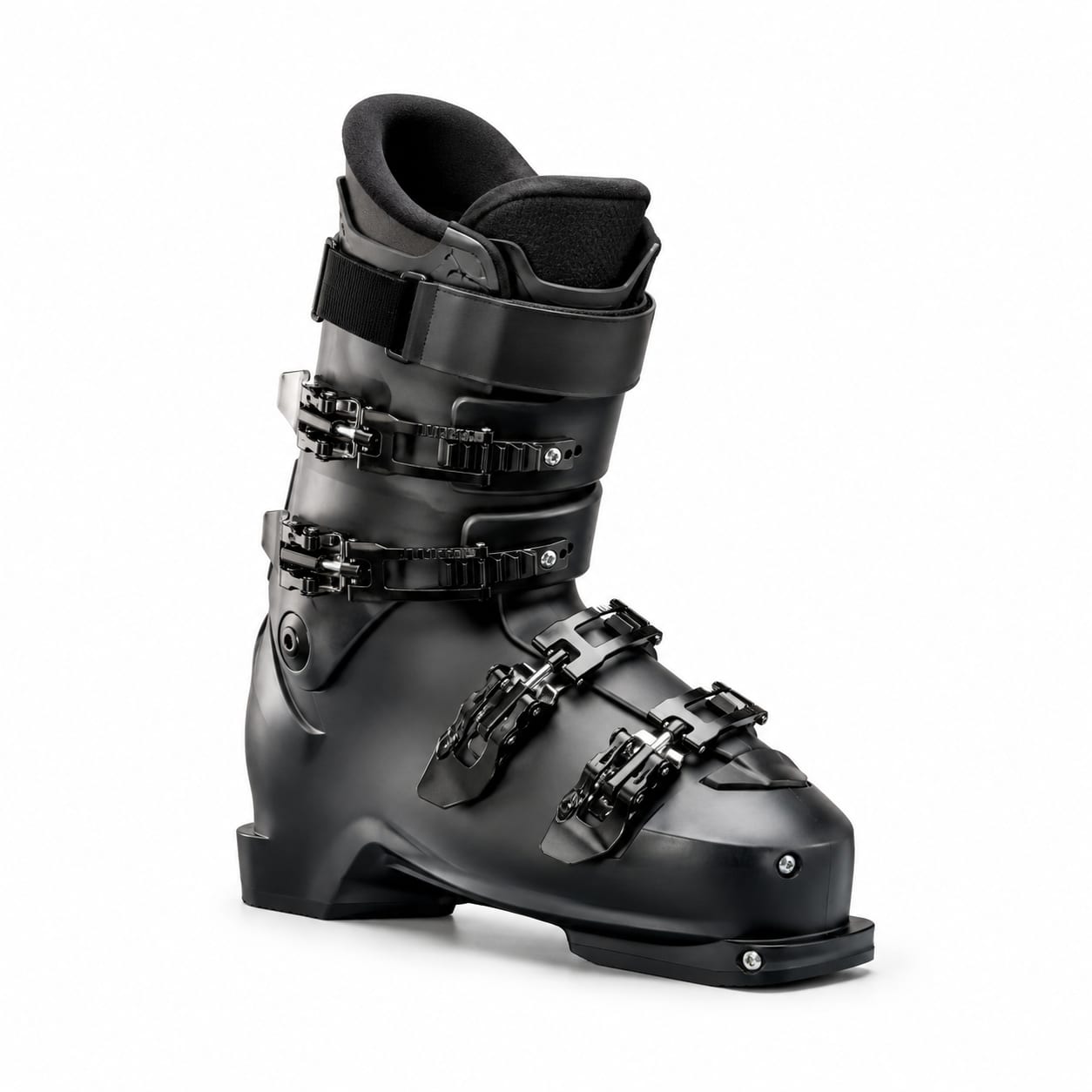
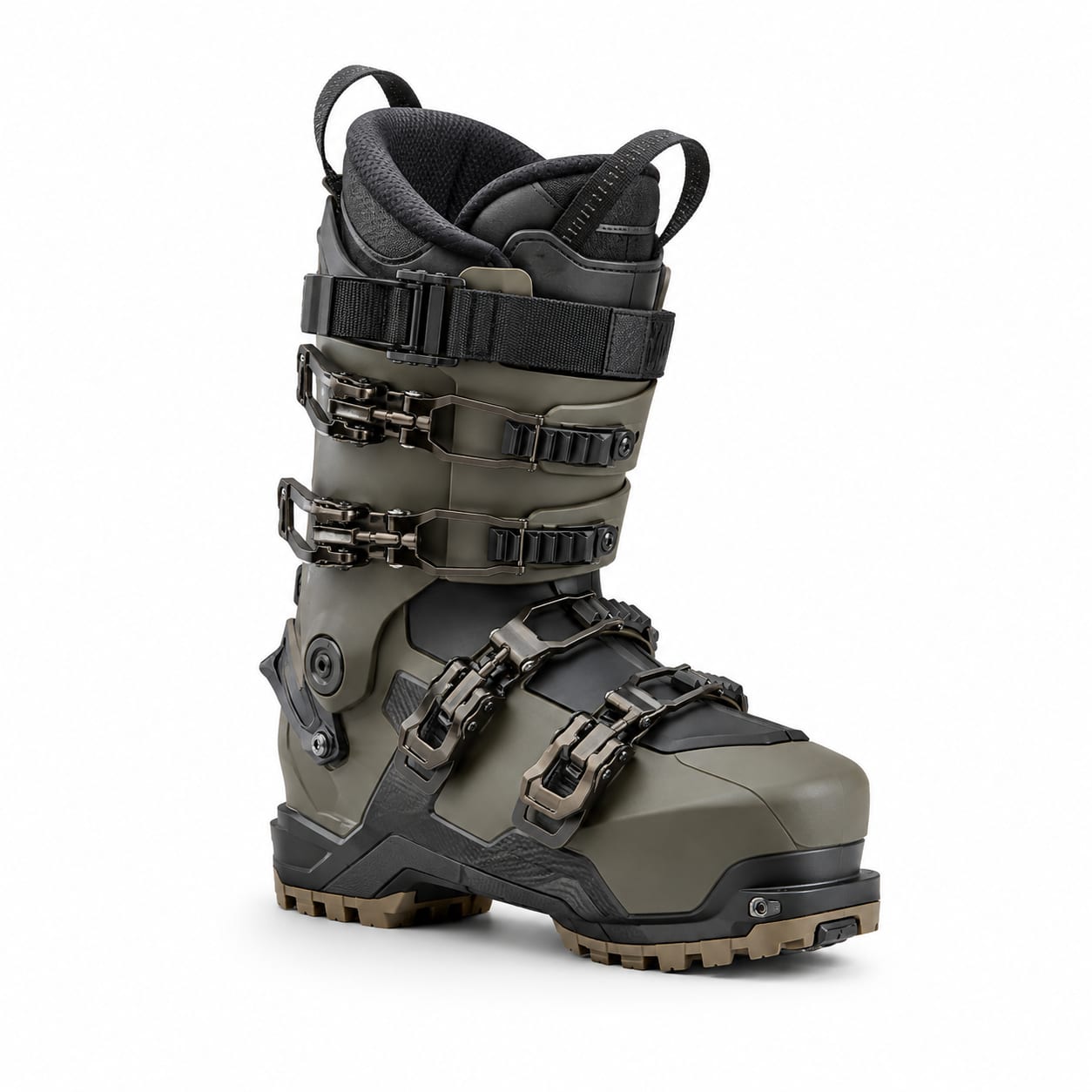
Resort ski boots with a walk mode mechanism for easier hiking, sidecountry access, and lodge navigation without sacrificing downhill performance.

Hike & Ride boots deliver the best of both worlds for resort skiers who value downhill performance but want the freedom to walk comfortably, hike to sidecountry gates, or simply navigate parking lots and base lodges without the clunky stiff-legged shuffle of traditional alpine boots. They feature a walk mode that unlocks the cuff for natural stride, GripWalk soles for traction on snow and ice, and construction that prioritizes alpine performance first and hiking capability second.

$350 – $850mid tierintermediateadvanced

Best known for

Walk mode for easy hiking and lodge walkingGripWalk soles for traction off-snowResort-first downhill performance with added mobilitySidecountry and gate access without touring bootsComfortable walking in parking lots and base areas
Hike & Ride / Walk-Mode Resort Boots

Guide

Detailed overview

Hike & Ride boots, also called walk-mode resort boots, are alpine ski boots engineered with a cuff-release mechanism that allows the upper cuff to pivot freely for walking and hiking. Unlike touring boots—which prioritize uphill efficiency and are often too soft for aggressive resort skiing—Hike & Ride boots are built on alpine performance platforms first, with walk capability added as a convenience and access feature. They typically feature 4 buckles, moderate-to-stiff flex ratings (100–130), and GripWalk rubber soles that provide dramatically better traction on icy walkways and packed snow compared to traditional hard plastic DIN soles. The walk mode range of motion is generally 25–45 degrees, sufficient for comfortable hiking to sidecountry gates, short boot packs, and walking around the resort, though not as efficient as the 50–70 degree range found on dedicated touring boots. These boots have become one of the fastest-growing segments in skiing as resorts expand sidecountry access and skiers discover how much more pleasant the overall experience is when you can actually walk to the lift without waddling.

The Hike & Ride category emerged from a simple frustration: resort skiers were tired of clomping through parking lots and base lodges like stiff-legged robots, and they wanted access to sidecountry terrain without committing to the compromises of a touring boot. Early solutions were clunky, with walk mechanisms that felt sloppy when locked in ski mode, but modern Hike & Ride boots have refined the engineering to the point where there is virtually no downhill performance penalty compared to traditional alpine boots. The walk mode mechanisms are now robust, with solid engagement in ski mode and smooth release for hiking, and many models use the same shell architecture as their non-walk-mode siblings.

GripWalk soles have become a defining feature of this category, and for good reason. The rockered rubber profile grips icy walkways, packed snow, and slick lodge floors far better than traditional flat plastic soles. This is not a minor quality-of-life improvement—it fundamentally changes the pre-ski and post-ski experience, especially at resorts with long walks from parking to lift. However, GripWalk soles require GripWalk-compatible bindings, so always verify your binding compatibility before purchasing. Most modern bindings from the last several seasons are GW-compatible, but older bindings may not be.

For skiers who regularly duck ropes to access sidecountry gates, hike to terrain via boot packs, or simply want a more comfortable experience walking around the resort, Hike & Ride boots are an obvious choice. The weight penalty over non-walk-mode alpine boots is minimal—typically 100–200 grams per pair—and the walk mechanism adds negligible bulk. The only real trade-off is price: walk-mode boots tend to cost $50–150 more than equivalent non-walk models in the same brand's lineup. For many skiers, the convenience and capability are well worth the premium.

Flex and fit in this category mirror the all-mountain and freeride segments, with most models ranging from 100 to 130 flex and offering last widths from 97mm (low volume) to 102mm (medium-wide volume). The skill level target is solidly intermediate to advanced, though some softer models (100 flex) can work for progressing intermediates who want the walk feature. Shell materials are typically polyurethane or composite builds, prioritizing consistent flex and durability over the weight savings of polyamide or Pebax found in touring boots. Liners are usually heat-moldable Intuition-style or thermo-formable stock liners, providing good customization for the resort-focused skier.

One important consideration: while Hike & Ride boots can handle short tours and sidecountry laps, they are not designed for dedicated backcountry use. The walk range is limited compared to touring boots, the weight is significantly higher, and the GripWalk soles lack tech fittings for pin bindings unless you choose a specific hybrid model. If your skiing involves more than 20% uphill travel, consider a proper touring boot instead. But for the 80%+ resort skier who wants freedom to roam a little, Hike & Ride is the ideal solution.

Quick facts

Primary purpose
Resort skiing with occasional short hikes to sidecountry or hike-to terrain
Popular brands
SalomonTecnicaNordicaAtomicDalbello
Typical terrain
resortsidecountryhike-to terraingroomed runsshort bootpacks

What makes it different

Walk mode for convenience not touring; Downhill performance prioritized over weight; Heavier than AT boots; Better skiing than touring boots

Recommended ranges

How this type usually specs out

Each spec is explained in plain language, then we show what buyers usually look for on this type.

Boot Type / Discipline

Boot Type

What it means

The primary intended use category of the ski boot, which determines overall construction, features, and performance characteristics.

Typical for this type

All Mountain Or Freeride

In practice

Hike & Ride boots are classified as all-mountain or freeride depending on the model. All-mountain models handle the full resort gamut; freeride models lean toward off-piste performance with slightly wider last widths and more aggressive walk ranges.

Compared to other types

Unlike pure frontside boots which lack walk mode entirely, or touring boots which sacrifice downhill precision, Hike & Ride boots sit between all-mountain and freeride categories with walk capability added.

Why it matters: The boot type determines the overall construction philosophy. All-mountain Hike & Ride boots are more versatile for mixed resort terrain, while freeride models prioritize powder and off-piste performance with slightly more walk capability.

Flex Rating (Stiffness)

Flex Rating

What it means

A numerical index indicating how resistant the boot cuff is to forward bending. Higher numbers mean stiffer boots that resist flex more, providing more precise power transfer but requiring more strength and technique to drive.

Typical for this type

100–130

Most common pick: 110

In practice

Most Hike & Ride boots fall in the 100–130 flex range, with 110 being the most common. This provides the stiffness needed for aggressive resort skiing while remaining manageable for hiking and walking.

Compared to other types

Stiffer than touring boots (typically 90–120 flex) and similar to all-mountain alpine boots. Softer than dedicated race boots (130–150). The flex is optimized for resort performance first, unlike touring boots which may go softer for uphill comfort.

Why it matters: Flex determines how much power you can deliver to the ski and how responsive the boot feels. Too soft and you lose precision on steep or fast terrain; too stiff and the boot becomes fatiguing and difficult to drive, especially when walking.

Last Width (Forefoot Width)

Last Width

What it means

The width of the boot shell at the widest point (forefoot/ball area), measured in millimeters. This is the single most important fit dimension for comfort and control.

Typical for this type

97–102mm

Most common pick: 99mm

In practice

Hike & Ride boots are available across the width spectrum but most commonly fall in the 97–102mm range. Many models are offered in multiple last widths (e.g., 97mm LV, 99mm MV, 102mm HV) within the same model line.

Compared to other types

Slightly wider on average than frontside boots (95–98mm) and similar to freeride boots. Touring boots can be narrower or wider depending on whether they prioritize performance or comfort.

Why it matters: Proper last width is the single most important factor for both comfort and control. Hike & Ride boots tend to be slightly more generous in fit than race-oriented models because their users prioritize all-day comfort alongside performance.

Volume / Instep Height

Volume / Instep Height

What it means

The overall internal volume and height of the boot through the instep and midfoot area. Categorized as low, medium, or high volume, this affects both comfort and heel hold.

Typical for this type

Medium Volume Or High Volume

In practice

Most Hike & Ride boots are medium volume, accommodating the widest range of foot shapes. Many models offer low-volume and high-volume versions within the same line. High-volume options are common because walk-mode users often prioritize comfort.

Compared to other types

More generous volume than frontside and race boots, similar to freeride boots. Touring boots vary widely but often have lower volume for performance skinning and downhill control.

Why it matters: Instep volume affects both comfort and heel hold. Hike & Ride boots need to be comfortable for walking as well as skiing, so medium-to-high volume is more common than the low-volume designs found in race-oriented boots.

Shell Material

Shell Material

What it means

The primary plastic or composite material used in the boot shell and cuff, which affects weight, stiffness, cold-weather performance, and ease of entry.

Typical for this type

Polyurethane Pu Or Composite

In practice

Composite construction is very common in Hike & Ride boots, using PU in the lower shell for power transfer and Grilamid or similar lightweight material in the upper cuff to reduce weight and improve walk range. Full PU shells are also common for maximum durability and consistent flex.

Compared to other types

Unlike touring boots which frequently use full Grilamid or Pebax for weight savings, Hike & Ride boots prioritize PU or composite for better downhill performance. Frontside and race boots are almost exclusively PU.

Why it matters: Composite builds offer the best balance of downhill power (PU lower) and walk-mode efficiency (lighter cuff). Full PU is more durable and consistent in cold temperatures but heavier. Grilamid-only shells are rare in this category as they sacrifice too much downhill performance.

Liner Type

Liner Type

What it means

The type of inner boot/liner that provides insulation, cushioning, and customizable fit around the foot and ankle.

Typical for this type

Intuition Or Thermo Formable

In practice

Most mid-to-high-end Hike & Ride boots come with Intuition-style heat-moldable foam liners. Entry-level models in this category may use standard thermo-formable liners. Custom foam injection is rare in this segment.

Compared to other types

Similar liner quality to freeride and all-mountain alpine boots. Touring boots may use lighter liners to save weight. Race boots may use custom foam for maximum precision.

Why it matters: Heat-moldable liners are essential for achieving a precise fit that works for both skiing and walking. Intuition liners provide excellent insulation and hold their shape better over time, which matters when you're using walk mode regularly and the liner experiences more varied flex patterns.

Number of Buckles

Buckle Count

What it means

The number of closure buckles on each boot. More buckles provide finer adjustment and more even closure pressure, while fewer buckles save weight and simplify entry.

Typical for this type

4

In practice

Virtually all Hike & Ride resort boots have 4 buckles. This is the standard for alpine performance and provides the precise closure needed for aggressive skiing. 3-buckle designs exist in the touring space but are rare in this resort-focused category.

Compared to other types

Same as all-mountain, frontside, and freeride alpine boots. Touring boots commonly use 2–3 buckles for weight savings. Race boots always use 4 buckles.

Why it matters: 4 buckles provide the closure precision and power transfer expected for resort skiing. Fewer buckles would compromise downhill performance for minimal weight savings that aren't relevant for resort use.

Walk Mode / Hike Mechanism

Walk Mode

What it means

A mechanism that unlocks the cuff from the lower shell, allowing a greater range of forward motion for walking, hiking, or skinning.

Typical for this type

True (Defining Feature)

In practice

Walk mode is the defining feature of this subcategory. Every boot in this category has a mechanism that unlocks the cuff from the lower shell for walking and hiking. The mechanism is typically a lever on the back of the cuff that is easy to operate with gloves.

Compared to other types

This is the key differentiator from standard alpine boots (which lack walk mode). Touring boots also have walk mode but with greater range of motion. The walk mechanism quality in Hike & Ride boots has improved dramatically and now offers near-zero performance compromise in ski mode.

Why it matters: Without walk mode, this subcategory wouldn't exist. It enables comfortable walking in parking lots, lodges, and base areas, plus hiking to sidecountry gates and short boot packs. The mechanism must be robust—engaging firmly in ski mode with no play, and releasing smoothly for walking.

Walk Range of Motion (Degrees)

Walk Range of Motion

What it means

The total range of forward cuff rotation when in walk mode, measured in degrees. Greater range makes walking, skinning, and hiking easier and more natural.

Typical for this type

25–45 degrees

Most common pick: 35 degrees

In practice

Hike & Ride boots typically offer 25–45 degrees of cuff rotation in walk mode, with most models around 35 degrees. This is sufficient for comfortable walking, lodge navigation, and short hikes to sidecountry gates, but less than the 50–70 degrees found in touring boots.

Compared to other types

More range than non-walk-mode alpine boots (0 degrees in ski mode). Less than dedicated touring boots (50–70 degrees). Freeride boots with walk mode are similar (30–45 degrees). The range reflects the resort-first design priority.

Why it matters: Greater walk range makes walking and hiking more natural and less fatiguing. 35 degrees is a sweet spot that provides good mobility without requiring the cuff design compromises of touring boots. If you plan longer hikes or boot packs, look for models at the higher end (40+ degrees).

Boot Sole Length (BSL)

Boot Sole Length

What it means

The length of the boot sole in millimeters, critical for binding setup and adjustment. Different from mondo point size; the same size boot can have different BSL across brands.

Typical for this type

Varies by mondo size (263–340mm across all sizes)

Most common pick: 310mm

In practice

BSL varies by size and brand. A typical men's 27.0 (US 9) Hike & Ride boot has a BSL around 310–315mm. GripWalk soles may add 1–2mm compared to flat alpine soles. Always check the specific BSL for your size when setting up bindings.

Compared to other types

BSL is determined by size, not subcategory. However, GripWalk soles on Hike & Ride boots may have slightly different BSL measurements than flat-soled alpine boots in the same size. Touring boots with tech fittings have different sole standards entirely.

Why it matters: BSL is critical for binding adjustment. When switching from a non-walk-mode boot to a Hike & Ride boot, the BSL may differ even at the same mondo size. GripWalk-compatible bindings must be adjusted to the correct BSL for safe function.

Forward Lean Angle

Forward Lean

What it means

The angle of the cuff relative to vertical, positioning the skier's body forward over the skis. Affects stance, balance, and the ability to drive the ski tips.

Typical for this type

14–17 degrees

Most common pick: 15 degrees

In practice

Hike & Ride boots typically have 14–17 degrees of forward lean, with many offering adjustable lean settings (e.g., 14° or 16° options). 15 degrees is the most common default. Adjustable forward lean is a valuable feature in this category.

Compared to other types

Similar to all-mountain and freeride boots. Race boots tend toward 17–20 degrees. Touring boots may have less forward lean (12–15°) for more natural walking. The adjustable lean feature is more common in Hike & Ride boots than in standard alpine boots.

Why it matters: Forward lean affects your stance and how aggressively you can drive the ski tips. Adjustable lean lets you fine-tune your position for different conditions—more upright for casual cruising and walking comfort, more forward for aggressive skiing.

GripWalk Sole Compatibility

GripWalk Compatible

What it means

Whether the boot features a GripWalk sole profile (rockered, rubberized) that requires GripWalk-compatible bindings for safe use.

Typical for this type

Gripwalk

In practice

The vast majority of Hike & Ride boots feature GripWalk soles. The rockered rubber profile provides dramatically better traction on ice, packed snow, and slick surfaces compared to alpine standard soles. This is a core feature of the category, not an optional upgrade.

Compared to other types

GripWalk is standard in this category but optional or unavailable on many frontside and race boots. Touring boots use tech soles with pin fittings. Alpine standard soles are still common on budget all-mountain boots. Hike & Ride boots almost universally feature GripWalk.

Why it matters: GripWalk soles transform the off-snow experience—walking to the lift, navigating icy parking lots, and traversing packed walkways becomes safe and comfortable rather than treacherous. CRITICAL: GripWalk boots require GripWalk-compatible bindings. Using them in non-GW bindings is dangerous and can cause prerelease.

Weight Per Pair (grams)

Weight Per Pair

What it means

The total weight of both boots in grams. Weight significantly affects touring efficiency and all-day fatigue, with lighter boots being easier on the uphill but sometimes sacrificing downhill performance.

Typical for this type

3200–4000g

Most common pick: 3600g

In practice

Hike & Ride boots typically weigh 3200–4000g per pair, with most models clustering around 3500–3700g. The walk mechanism and GripWalk sole add minimal weight compared to equivalent non-walk-mode alpine boots. Composite shells can reduce weight slightly.

Compared to other types

Heavier than touring boots (1800–3200g) but similar to standard alpine boots (3500–4500g). Slightly lighter than some freeride boots. The weight is appropriate for resort-first performance with added walk capability.

Why it matters: Weight matters less for resort skiing than for touring, but lighter boots reduce fatigue over a full day. The walk mechanism and GripWalk sole add roughly 100–200g per pair compared to non-walk equivalents—a negligible penalty for the convenience gained.

Micro-Adjustable Buckles

Micro-Adjustable Buckles

What it means

Whether the buckles can be fine-tuned with a screw mechanism for precise tension adjustment beyond the standard catch positions.

Typical for this type

True

In practice

Most Hike & Ride boots in the mid-to-high price range feature micro-adjustable buckles. This allows fine-tuning of closure tension throughout the day as feet swell or conditions change—particularly useful when alternating between skiing and walking modes.

Compared to other types

Similar to all-mountain and freeride boots at comparable price points. Touring boots may omit micro-adjustment to save weight. Race boots almost always have micro-adjustable buckles.

Why it matters: Micro-adjustment is valuable in this category because feet tend to swell differently when walking versus skiing. Being able to fine-tune buckle tension without removing the boot is a meaningful convenience, especially during transitions at gates or after hiking.

Power Strap Type

Power Strap

What it means

The velcro or mechanical strap at the top of the cuff that provides additional closure power and fine-tuning of upper cuff tension.

Typical for this type

Wide Velcro Or Buckle Strap

In practice

Most Hike & Ride boots use wide velcro power straps (40mm+), providing good closure power and easy adjustment. Some high-end models feature mechanical/buckle straps for maximum precision. Standard 30mm velcro straps are found on entry-level models.

Compared to other types

Similar to freeride and all-mountain boots. Race boots more commonly use mechanical buckle straps. Touring boots may use standard or wide velcro. The power strap type is a minor consideration in this category.

Why it matters: The power strap fine-tunes upper cuff closure and affects how securely your shin engages the cuff. Wide velcro is the sweet spot for this category—more powerful than standard straps but easier to adjust than mechanical straps, which matters when you're frequently switching between walk and ski modes.

Cuff Alignment / Cant Adjustment

Cuff Alignment Adjustment

What it means

The ability to adjust the lateral angle of the cuff relative to the lower shell, accommodating bowlegged or knock-kneed stances for proper edge engagement.

Typical for this type

True

In practice

Most Hike & Ride boots offer cuff alignment adjustment, allowing lateral cuff angle to be tuned for bowlegged or knock-kneed stances. This is a standard feature in the mid-to-high price range where most Hike & Ride boots sit.

Compared to other types

Similar availability to all-mountain and freeride boots. Less common on entry-level boots and some touring boots. Race boots almost always offer cuff alignment. It's a valuable feature for the off-piste-capable Hike & Ride user.

Why it matters: Proper cuff alignment ensures both edges engage equally, which is especially important for skiers who venture off-piste where edge hold on both sides matters. If you've struggled with one-sided edge engagement, cuff alignment can help significantly.

Recommended Skill Level

Recommended Skill Level

What it means

The skier ability level the boot is designed and optimized for, which correlates with flex, features, and overall construction philosophy.

Typical for this type

Intermediate to Expert

Most common pick: Advanced

In practice

Hike & Ride boots are primarily designed for intermediate to expert skiers. The typical 100–130 flex range and performance-oriented construction suit skiers who are confident on blues and blacks and want to explore sidecountry. Some softer models (100 flex) work for strong intermediates.

Compared to other types

More advanced-oriented than entry-level all-mountain boots (beginner/intermediate, 60–90 flex). Similar to freeride boots. Touring boots span a wider skill range. If you're a true beginner, consider a softer all-mountain boot without walk mode first.

Why it matters: Choosing a boot that matches your ability ensures you can effectively control the ski without fatigue or discomfort. A boot that's too stiff for your ability will fight you all day; too soft and you'll lack precision on challenging terrain. Hike & Ride boots tend to sit in the performance range, so honest self-assessment is important.

Evaluation

Strengths and trade-offs

Pros

What this type does best

Walk mode transforms the resort experience

Critical

Being able to walk normally to the lift, through the lodge, and across parking lots instead of stiff-legged waddling is a game-changer. It reduces fatigue before you even start skiing and makes the entire day more pleasant.

Sidecountry and gate access without touring boots

Critical

Hike & Ride boots let you duck ropes, hike to gates, and access sidecountry terrain that's unreachable from the lift without committing to the compromises of a touring boot. The walk range is sufficient for most resort-accessed hikes and boot packs.

GripWalk soles provide excellent traction

High

The rockered rubber GripWalk sole grips icy surfaces, packed snow, and slick floors far better than traditional hard plastic soles. This significantly reduces the risk of slips and falls in parking lots and base areas.

Minimal downhill performance compromise

High

Modern Hike & Ride boots have refined walk mechanisms that engage solidly in ski mode with virtually no play or slop. The downhill performance is comparable to equivalent non-walk-mode alpine boots from the same brand.

Negligible weight penalty

Medium

The walk mechanism and GripWalk sole add only 100–200g per pair compared to non-walk equivalents. For resort skiing, this weight difference is imperceptible and well worth the convenience gained.

Adjustable forward lean for versatility

Medium

Many Hike & Ride boots offer adjustable forward lean, letting you fine-tune your stance for different conditions and skiing styles. More upright for casual days, more forward for aggressive charging.

Wide availability of fit options

Medium

Because this is a fast-growing category, most major brands offer Hike & Ride models in multiple last widths and volume options, making it easier to find a good fit than with niche boot categories.

Cons

Trade-offs to be aware of

Requires GripWalk-compatible bindings

Significant

GripWalk soles will not safely function in non-GripWalk bindings. If you have older bindings, you may need to replace them or choose a different boot. Using GripWalk boots in incompatible bindings can cause dangerous prerelease.

Higher price than equivalent non-walk boots

Moderate

Hike & Ride boots typically cost $50–150 more than the equivalent non-walk-mode model in the same brand's lineup. The walk mechanism and GripWalk sole add manufacturing cost that is passed to the consumer.

Walk range insufficient for dedicated touring

Moderate

The 25–45 degree walk range is adequate for resort hiking and short boot packs but noticeably less efficient than the 50–70 degree range of touring boots for sustained skinning. If you plan significant uphill travel, these boots will feel limiting.

Slightly more complex with potential failure points

Minor

The walk mode mechanism adds moving parts that could potentially fail, freeze, or accumulate ice. While modern mechanisms are reliable, they require occasional maintenance and represent an additional point of potential issue compared to simpler boots.

Not compatible with tech/pin bindings (most models)

Moderate

Most Hike & Ride boots lack tech fittings and are not compatible with pin-style touring bindings. If you want to use tech bindings for backcountry tours, you'll need a dedicated touring boot or a specific hybrid model.

Best for

Terrain

All resort terrain (groomers, moguls, trees)Sidecountry accessed via gatesShort boot packs and hike-to terrainMixed on-piste and off-piste resort days

Snow conditions

All conditions (groomed, powder, crud, ice)Post-storm sidecountry accessIcy parking lots and walkways (GripWalk benefit)

Skill level

IntermediateAdvancedExpert

Riding style

All-mountain resort skiingFreeride resort with sidecountryAdventure skiing (exploring beyond groomers)Resort-based powder hunting

Rider profile

Resort skier who hates clunky walking in bootsSidecountry enthusiast who skis resort 80%+ of the timeSkier who hikes to gates or terrain via boot packsSkier who values convenience and comfort off the slopesSkier transitioning from pure resort to exploring sidecountry

Not ideal for

Reasons

Walk range is too limited for efficient skinning and long toursToo heavy for dedicated backcountry use compared to touring bootsLacks tech fittings for pin bindings (most models)Beginners may find typical flex ratings too stiff and demandingRace-specific features and extreme stiffness are not the focus

Terrain

Dedicated backcountry with sustained skinningSki mountaineering objectivesLong touring approaches

Skill level

Beginner (most models are too stiff and performance-oriented)Racers who need maximum edge precision and race-specific features

Riding style

Dedicated backcountry touringCompetitive ski racingPark and pipe (softer freestyle boots are better)

Compare

How it stacks up

This page

Hike & Ride / Walk-Mode Resort Boots

Walk mode enables comfortable walking, hiking, and sidecountry access. GripWalk soles provide vastly superior traction off-snow. More versatile for skiers who want to explore beyond the lift-served boundary.

Alternative

Standard All-Mountain Alpine Boots (no walk mode)

Slightly lower price. No walk mechanism to potentially fail or add weight. Compatible with all alpine bindings without GripWalk requirement. Marginally simpler construction.

Bottom line

Choose Hike & Ride unless you are certain you will never hike or value easy walking. The convenience and capability gains far outweigh the modest price premium and negligible weight difference.

This page

Hike & Ride / Walk-Mode Resort Boots

Significantly better downhill performance with stiffer flex and more robust construction. 4-buckle closure provides precise power transfer. No compromise in edge hold or responsiveness on steep, fast terrain. Warmer and more comfortable for all-day resort skiing.

Alternative

Touring / AT Boots

Much lighter (1800–3200g vs 3200–4000g). Greater walk range (50–70° vs 25–45°) for efficient skinning. Tech fittings for pin bindings. Better for sustained uphill travel and multi-lap touring.

Bottom line

Choose Hike & Ride if you ski resort 80%+ of the time and only occasionally hike to sidecountry. Choose touring boots if you regularly skin uphill, do multi-lap tours, or spend more than 20% of your time in the backcountry.

This page

Hike & Ride / Walk-Mode Resort Boots

Hike & Ride and freeride boots with walk mode overlap significantly. Hike & Ride models tend to be slightly more resort-focused with marginally better on-piste performance and more conventional all-mountain geometry.

Alternative

Freeride Boots (with walk mode)

Freeride boots may offer slightly more walk range, wider last widths for powder performance, and more aggressive off-piste features like rubberized soles with better rock scrambling capability.

Bottom line

The distinction is often marketing rather than engineering. If you primarily ski resort with occasional sidecountry, either category works well. Focus on fit, flex, and specific model features rather than the label.

This page

Hike & Ride / Walk-Mode Resort Boots

Walk mode and GripWalk soles provide dramatically better off-snow mobility. More versatile for exploring off-piste and sidecountry. Generally more comfortable for all-day wear with slightly more generous fit options.

Alternative

Frontside / Piste Boots

Maximum edge precision and power transfer for high-speed carving. Stiffer flex options (130+) for expert racers. Lower profile and tighter fit for ultimate responsiveness. Often slightly lighter without walk mechanism.

Bottom line

Choose frontside boots only if you exclusively ski groomers at high speed and never hike or walk significant distances. For any skier who values mobility or explores beyond the piste, Hike & Ride is the better choice.

Shopping

Buying tips

  • 1

    Verify your bindings are GripWalk-compatible before purchasing. Look for the GW symbol on your bindings. Using GripWalk boots in non-compatible bindings is dangerous.

  • 2

    Try on both walk-mode and non-walk versions of the same boot if available. Confirm the walk mechanism engages firmly with no play in ski mode—any slop will translate to lost performance on the slopes.

  • 3

    If you plan to hike to sidecountry gates or terrain, prioritize models with 40+ degrees of walk range. The difference between 30° and 45° is very noticeable on steep boot packs.

  • 4

    Don't over-flex for your ability just because you want the walk feature. Hike & Ride boots are available from 100 flex upward—choose the flex that matches your skiing, not your hiking ambitions.

  • 5

    Look for models with adjustable forward lean. This lets you experiment with different stances and find what works best for your body and skiing style, which is especially valuable when transitioning between walking and skiing modes.

  • 6

    Consider the walk mechanism design. Lever-style mechanisms on the back of the cuff are easiest to operate with gloves. Some mechanisms are more prone to icing in wet conditions—read reviews about real-world performance.

  • 7

    If you have older bindings that aren't GripWalk-compatible, factor the cost of new bindings into your budget. It may be more economical to choose a boot with alpine standard soles if you're not ready to replace bindings.

  • 8

    Heat-mold the liner at a professional shop. This is especially important for Hike & Ride boots because the liner experiences more varied flex patterns (walking and skiing) and needs to fit precisely in both modes.

Care

Maintenance notes

  • Keep the walk mode mechanism clean and free of ice buildup. After skiing in wet or icy conditions, clear any ice from the mechanism before switching modes to prevent damage or jamming.
  • Lubricate the walk mode pivot points periodically with a silicone-based lubricant. Avoid petroleum-based products that can degrade plastic components.
  • GripWalk rubber soles wear faster than hard plastic soles, especially on abrasive surfaces like concrete and asphalt. Minimize walking on pavement to extend sole life. Replacement soles are available for some models.
  • Always verify the walk mode is fully engaged in ski mode before descending. A partially engaged mechanism can cause unexpected cuff release and loss of control.
  • Inspect buckle function regularly, especially the lower buckles that experience more stress during walking. Micro-adjust mechanisms can accumulate debris—clean them periodically.
  • Store boots with buckles loosely fastened and walk mode in ski position. This prevents deformation of the shell and maintains proper cuff alignment during the off-season.
  • If the walk mechanism becomes stiff or difficult to operate, do not force it. Ice or debris may be obstructing the mechanism. Allow the boot to warm to room temperature and clean the mechanism before attempting to switch modes.

Progression

Skill development path

Hike & Ride boots are typically a second or third boot purchase for skiers who have developed solid intermediate skills and are expanding beyond groomed runs. The progression usually goes: beginner all-mountain boot (soft flex, no walk mode) → intermediate all-mountain boot (medium flex) → Hike & Ride boot (medium-stiff flex with walk mode) as the skier starts exploring sidecountry and values walking convenience. Some strong intermediates can start with a 100-flex Hike & Ride boot as their first serious purchase, but true beginners should start softer. As skills advance, skiers may move to stiffer Hike & Ride models (120–130 flex) or transition to dedicated touring boots if backcountry becomes a primary focus. The Hike & Ride category is also popular among expert skiers who have no need for touring boots but appreciate the convenience of walk mode for resort skiing.

FAQ

Common questions

Each question has a dedicated page with a full answer and links to the buying guide.

Can I use Hike & Ride boots with my existing alpine bindings?

It depends on your bindings. Most Hike & Ride boots have GripWalk soles, which require GripWalk-compatible bindings (look for the GW symbol). Many modern bindings from the last 5–7 years are GW-compatible, but older bindings typically are not. Using GripWalk boots in non-compatible bindings can cause dangerous prerelease. Check your bindings before purchasing, or look for Hike & Ride models available with alpine standard soles if your bindings aren't GW-compatible.

Is there a performance penalty for having walk mode?

In modern Hike & Ride boots, the performance penalty is negligible. The walk mechanisms are engineered to engage firmly with no play when locked in ski mode. Independent tests have shown that current walk-mode boots perform comparably to their non-walk equivalents on the downhill. The only real trade-offs are slightly higher weight (100–200g per pair) and higher price.

Can I use Hike & Ride boots for backcountry touring?

Hike & Ride boots can handle short sidecountry laps and resort-accessed backcountry, but they are not ideal for dedicated touring. The walk range (25–45°) is less efficient for skinning than touring boots (50–70°), the weight is significantly higher, and most models lack tech fittings for pin bindings. If you plan to do more than occasional sidecountry laps, consider a proper touring boot or a hybrid model with tech fittings.

What's the difference between Hike & Ride boots and freeride boots with walk mode?

The distinction is often more marketing than engineering. Both categories feature walk mode, GripWalk soles, and 4-buckle alpine performance. Freeride boots may lean slightly toward off-piste performance with wider last widths and more aggressive walk ranges, while Hike & Ride boots may be slightly more on-piste oriented. In practice, many boots could be classified in either category. Focus on specific model features, fit, and flex rather than the category label.