
3-piece boots have a natural advantage for park skiing because their design inherently absorbs shock through the removable tongue and independent cuff. They also tend to have more consistent flex throughout the range of motion and are easier to get on and off. However, modern 2-piece overlap freestyle boots with dedicated shock inserts perform very well too. It comes down to personal preference and fit—both designs work well for park skiing.
Ski Boots · Freestyle / Park Ski Boots
Are 3-piece (tongue-style) boots like Full Tilt better for park skiing?
Related gear types
If this answer nudged you toward a different style, these guides compare specs and trade-offs.
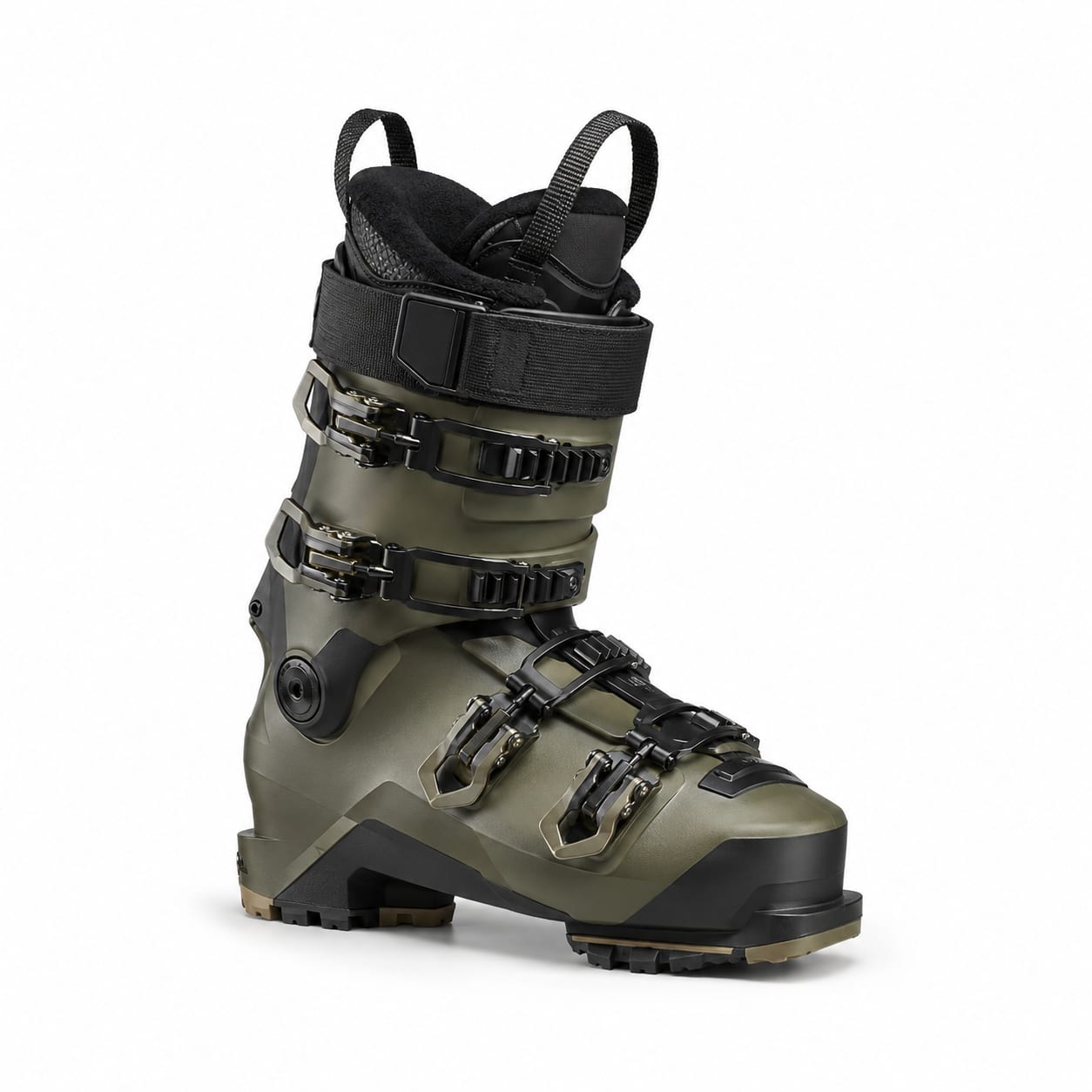
All-Mountain Ski Boots
$300 – $850
Versatile ski boots designed to handle the widest range of terrain and conditions at a resort.
Balanced flex patternMedium last width (97-104mm)GripWalk-compatible soles
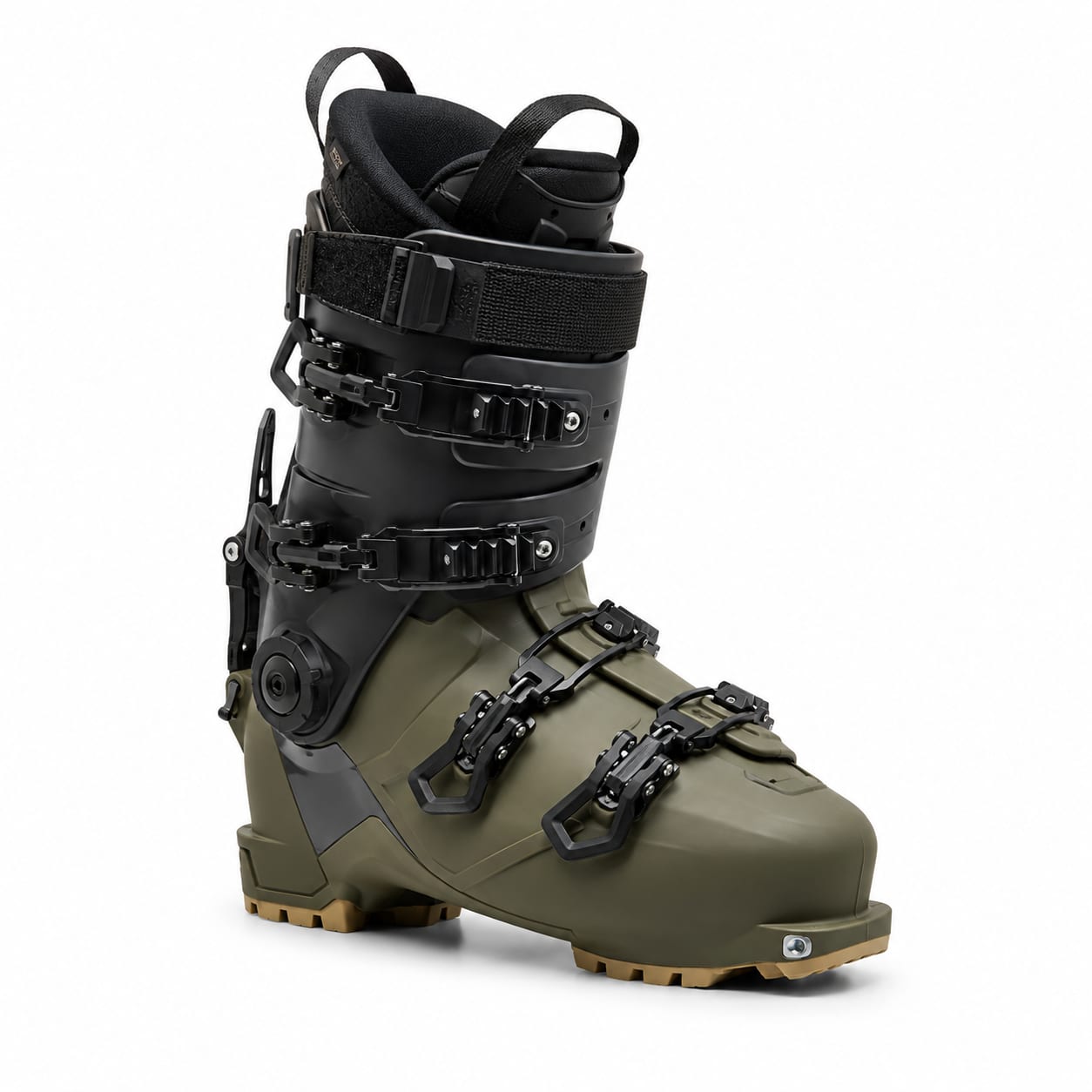
Freeride / Big Mountain Ski Boots
$450 – $1100
Powerful boots built for aggressive off-piste skiing in deep snow and steep, technical terrain.
Stiff flex (120-150)Wider last (98-104mm)Often includes walk mode
More questions
- Can I use freestyle ski boots for regular all-mountain skiing?
- What flex rating should I choose for park skiing?
- Do I really need shock absorption in park boots, or is it a gimmick?
- Can I use freestyle boots with touring bindings for backcountry access?