
It's absolutely not a gimmick. Shock-absorption systems—whether rubber heel inserts, 3-piece shell designs, or specialized dampening materials—significantly reduce the impact forces that travel through your body on landings. Over a full park session with dozens of jumps, this cumulative reduction in impact loading makes a real difference in joint health and fatigue. If you're hitting jumps of any size, shock absorption is a must-have feature.
Ski Boots · Freestyle / Park Ski Boots
Do I really need shock absorption in park boots, or is it a gimmick?
Related gear types
If this answer nudged you toward a different style, these guides compare specs and trade-offs.
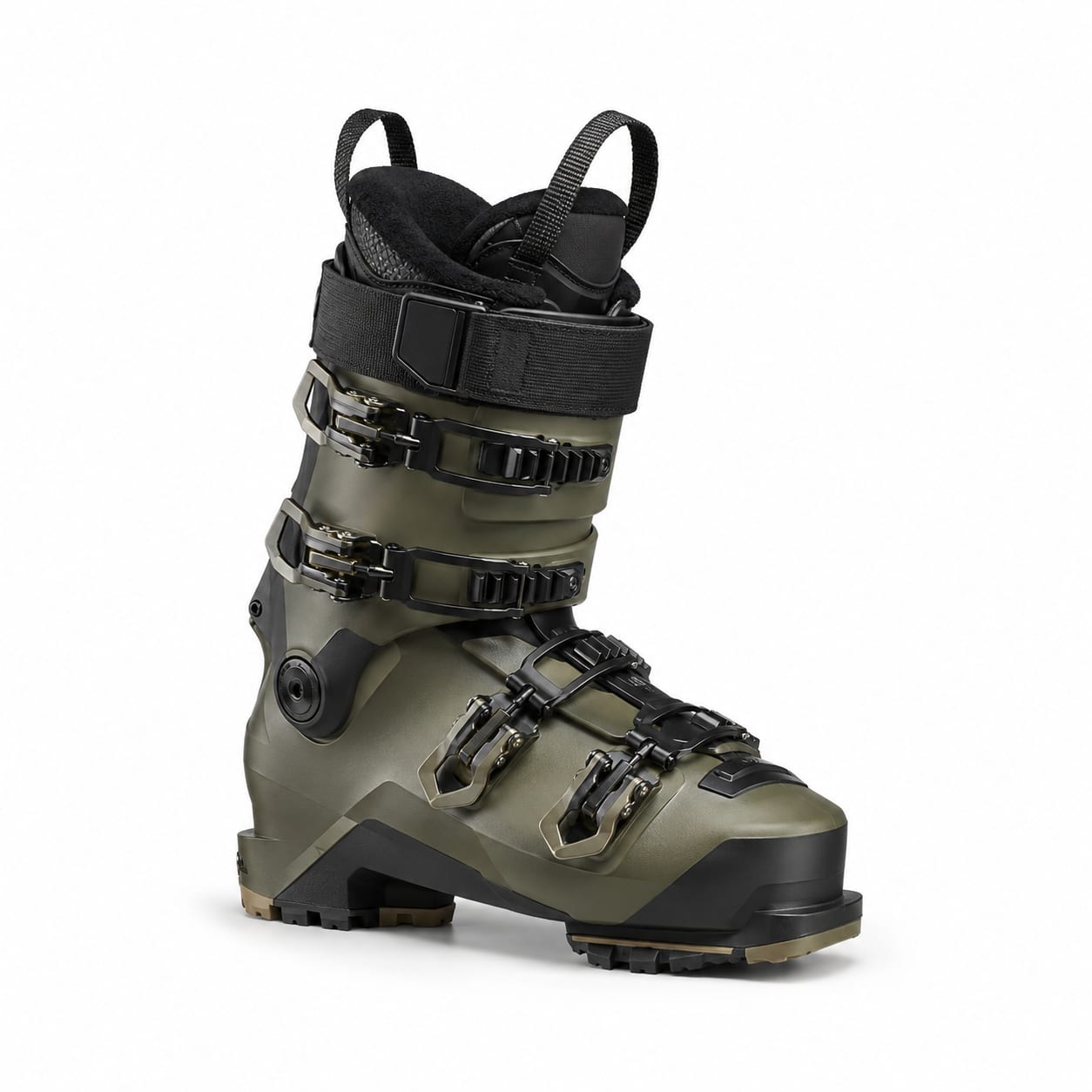
All-Mountain Ski Boots
$300 – $850
Versatile ski boots designed to handle the widest range of terrain and conditions at a resort.
Balanced flex patternMedium last width (97-104mm)GripWalk-compatible soles
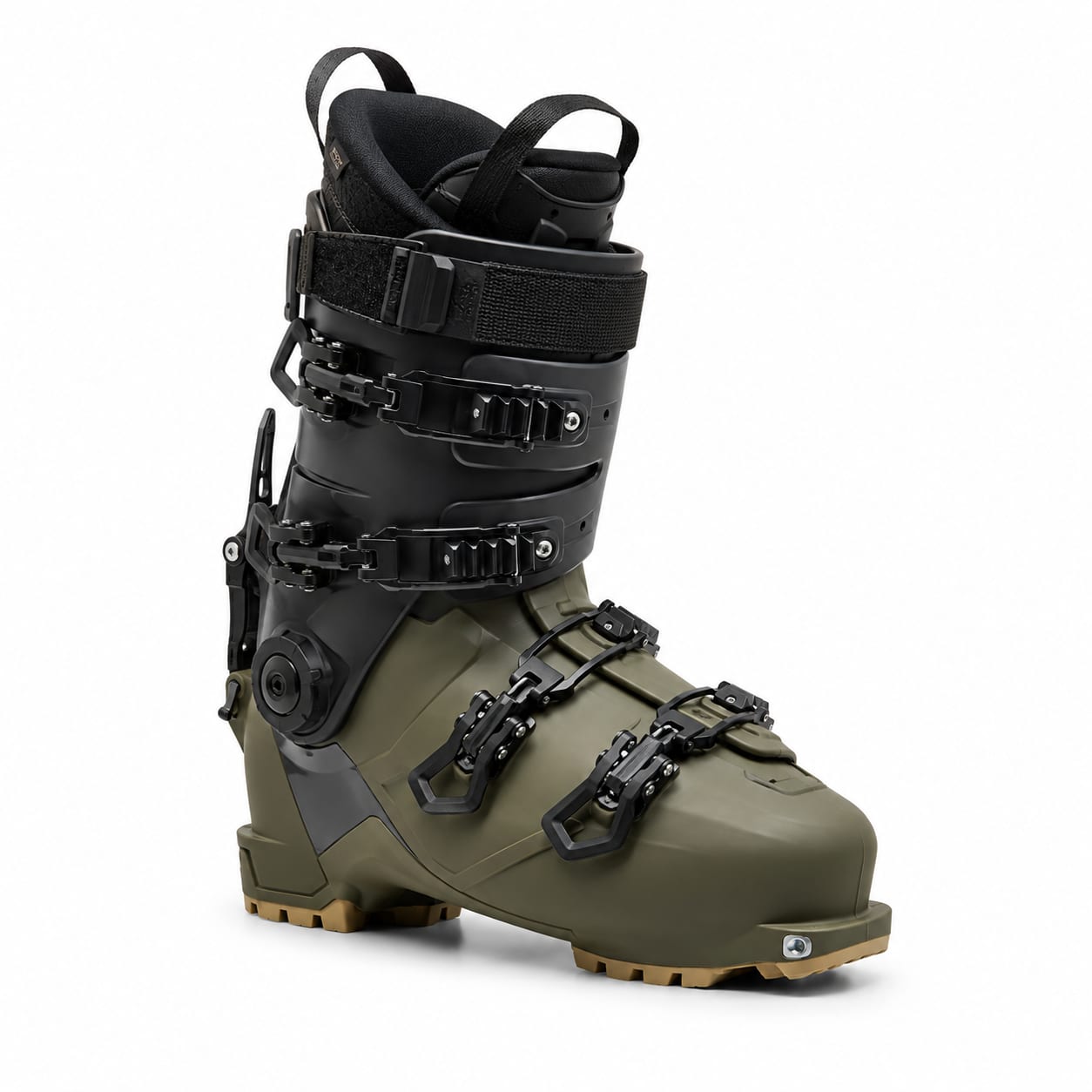
Freeride / Big Mountain Ski Boots
$450 – $1100
Powerful boots built for aggressive off-piste skiing in deep snow and steep, technical terrain.
Stiff flex (120-150)Wider last (98-104mm)Often includes walk mode
More questions
- Can I use freestyle ski boots for regular all-mountain skiing?
- What flex rating should I choose for park skiing?
- Are 3-piece (tongue-style) boots like Full Tilt better for park skiing?
- Can I use freestyle boots with touring bindings for backcountry access?