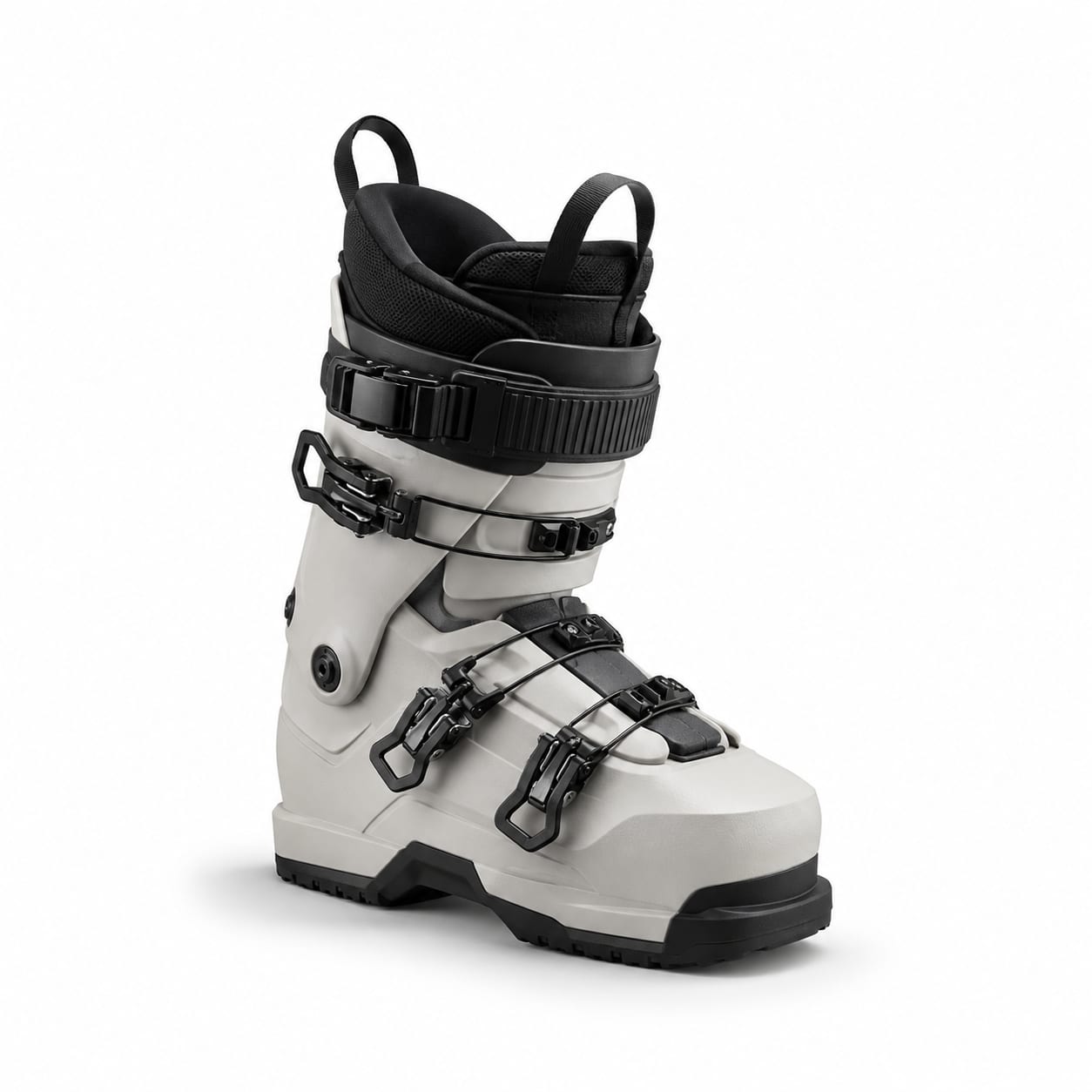
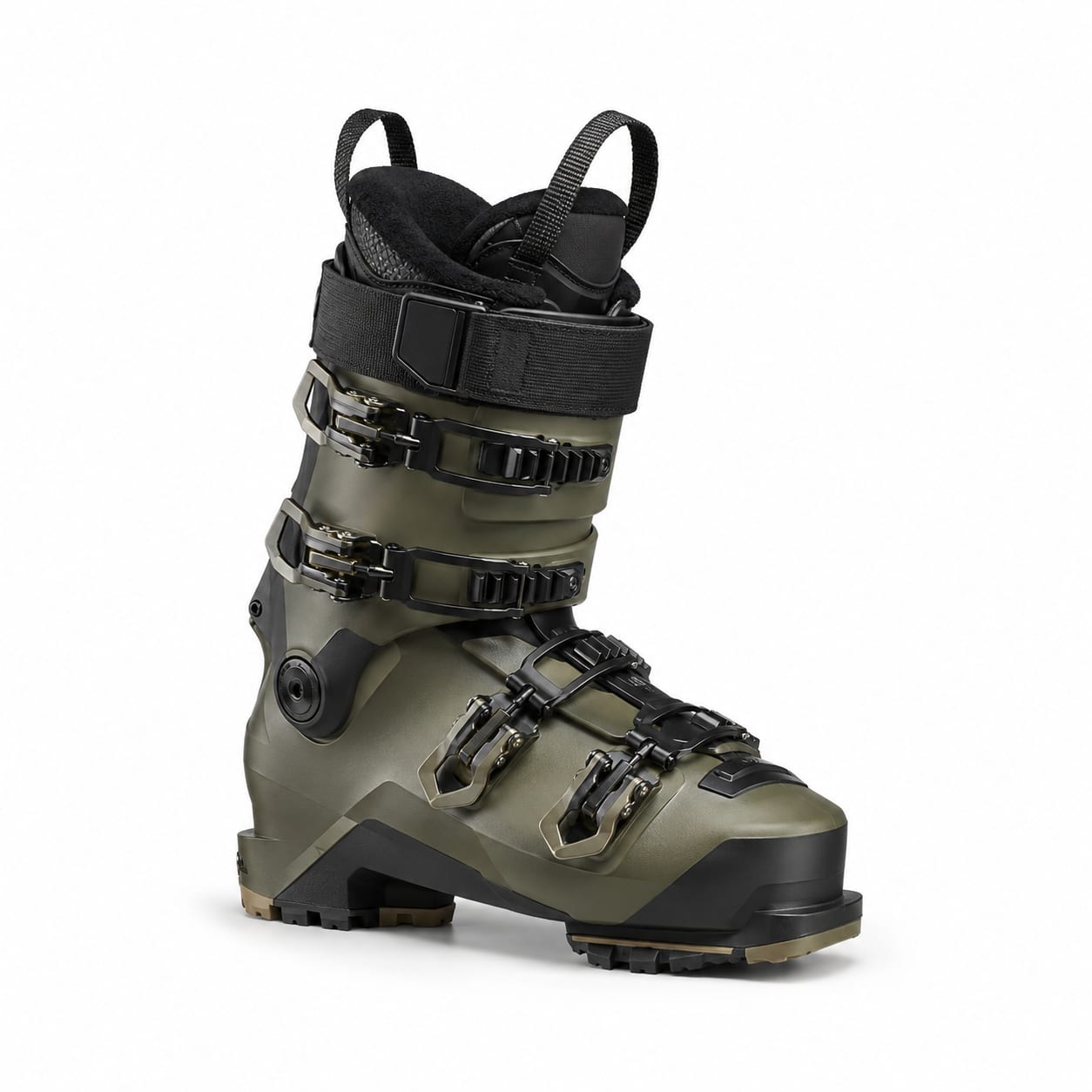
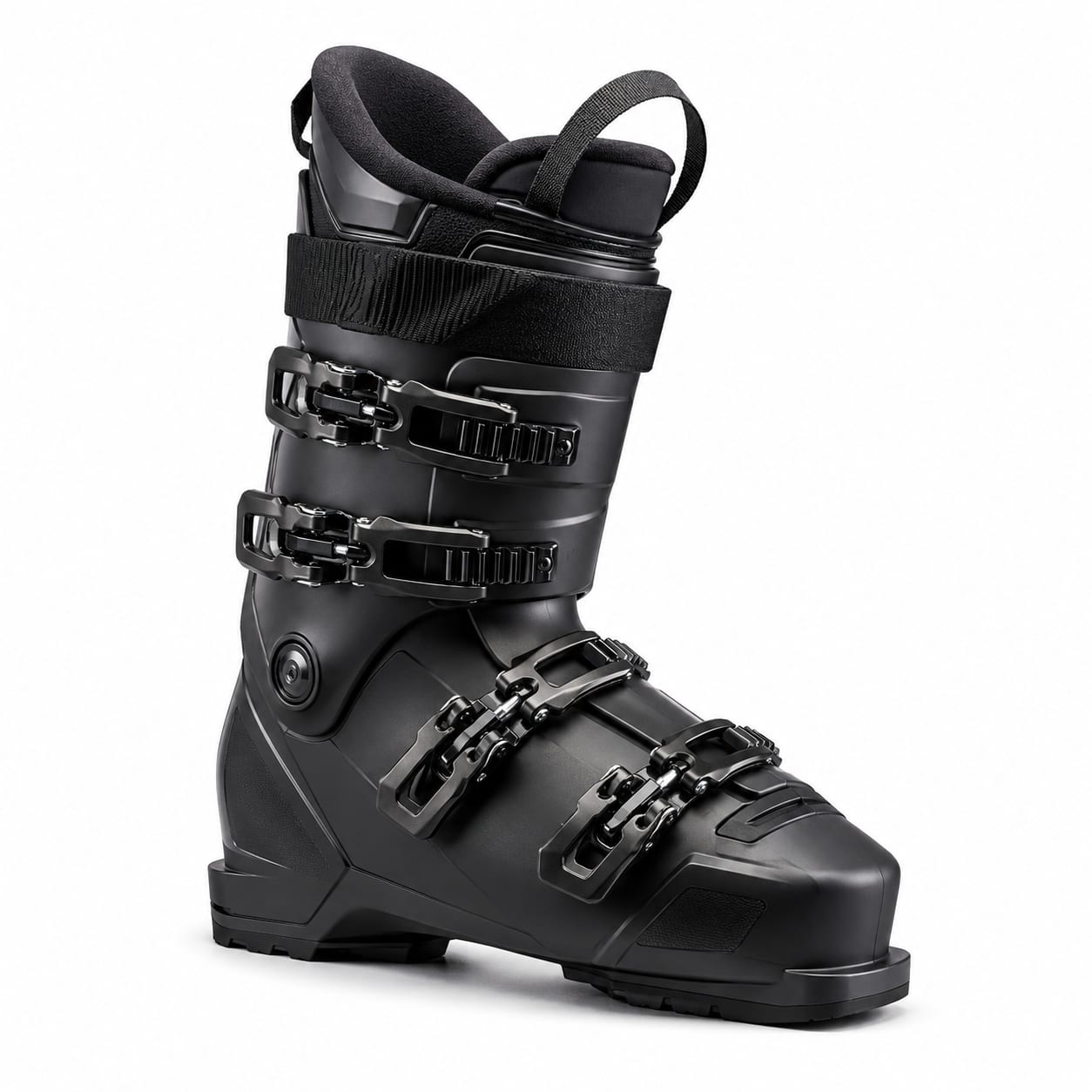
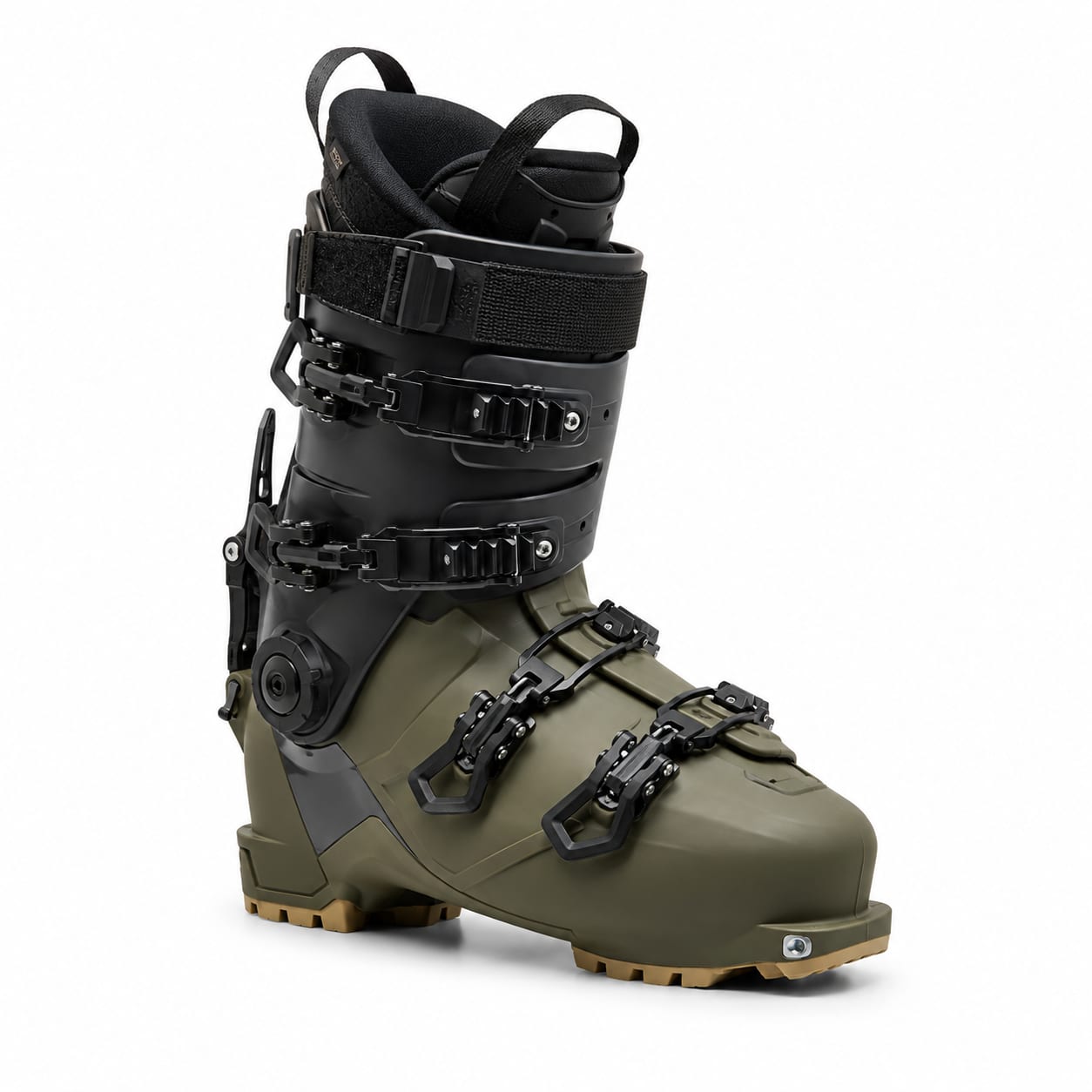
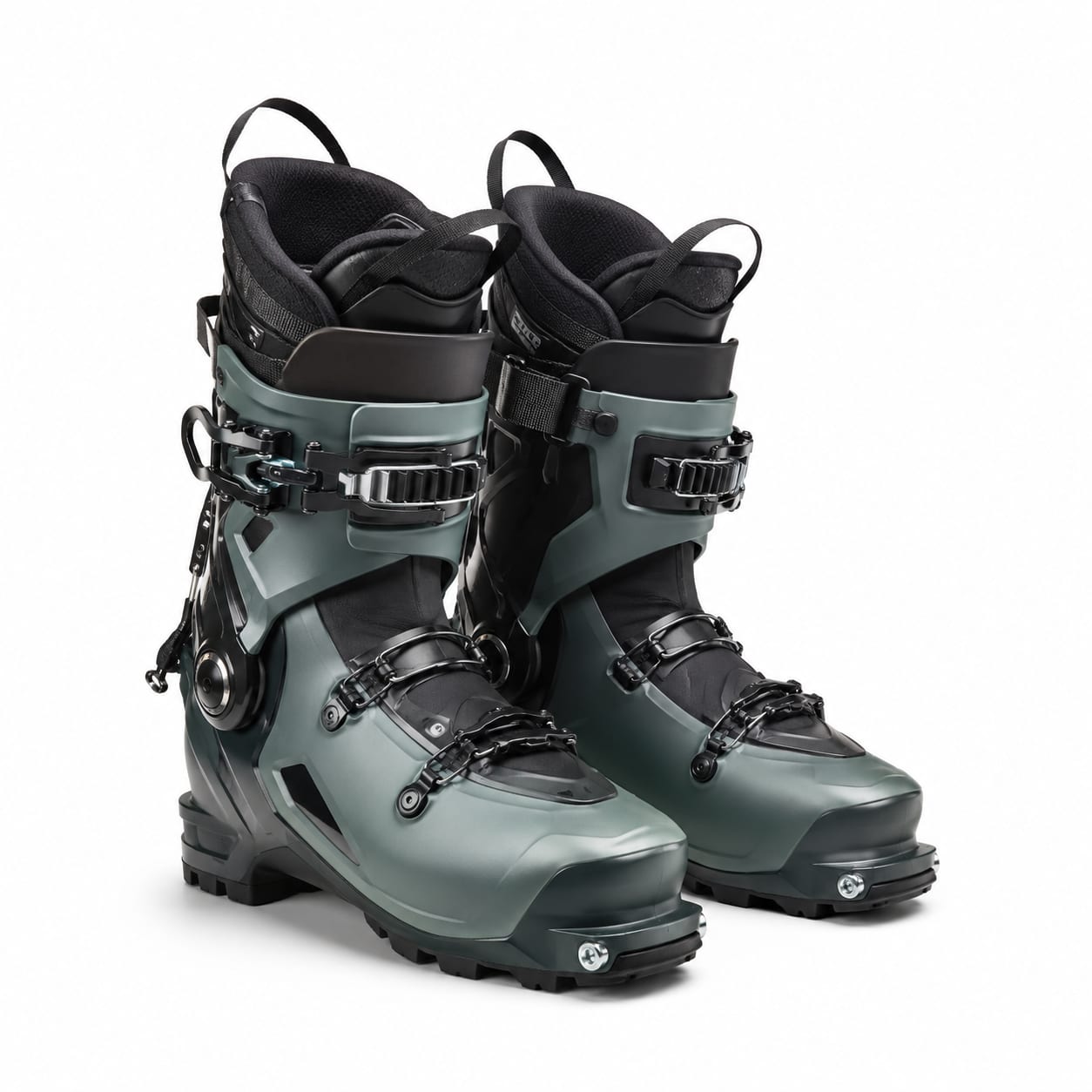
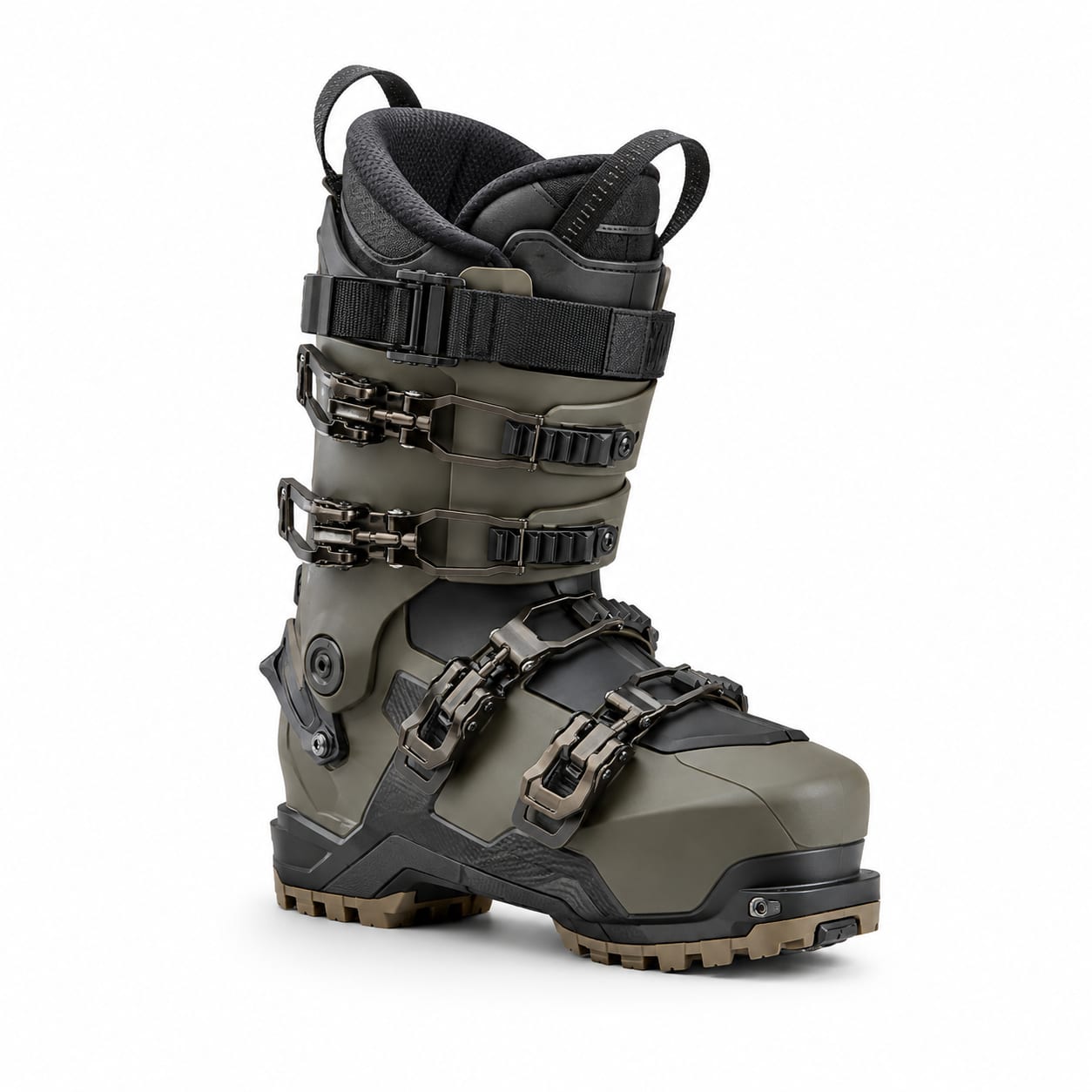
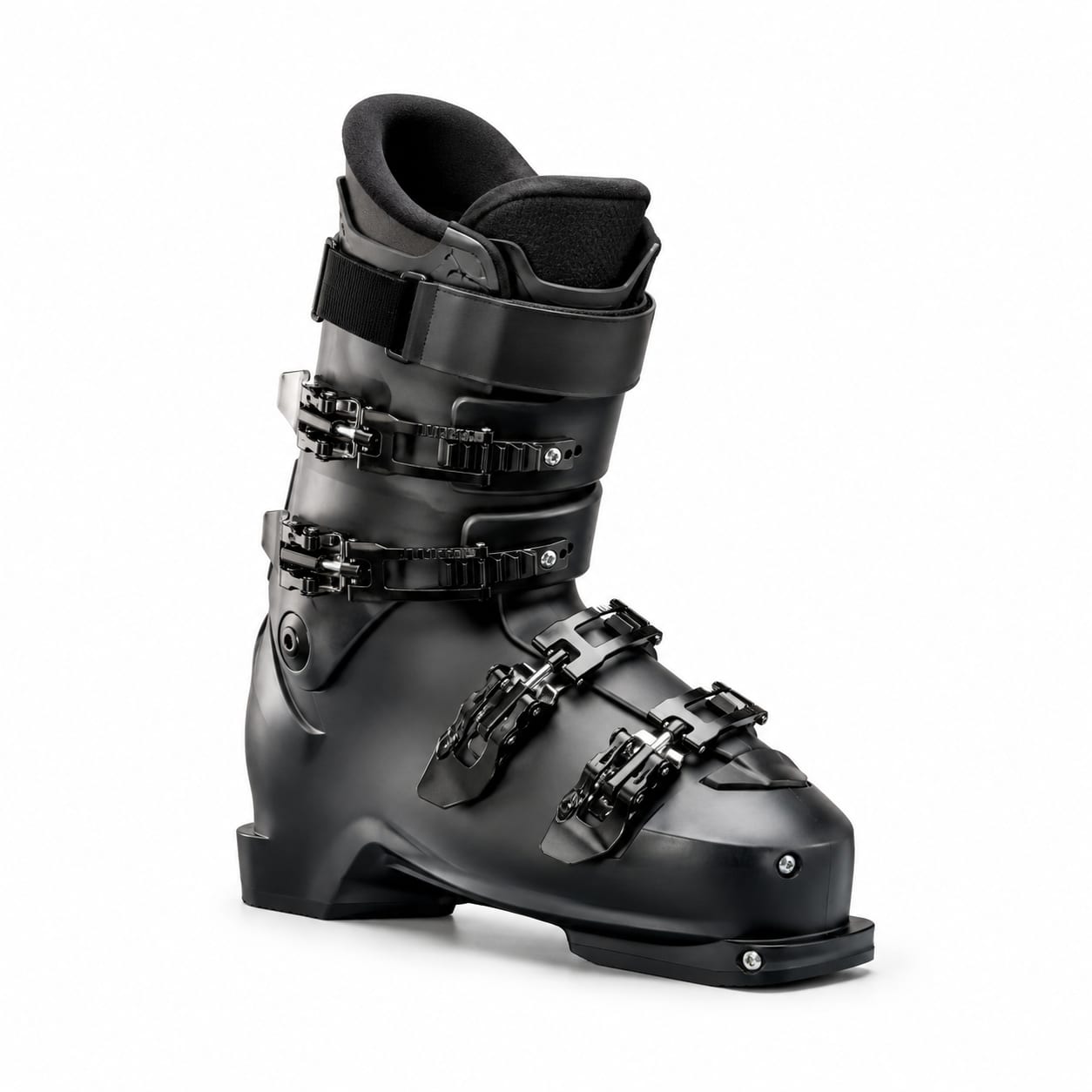
Freestyle / Park ski boots occupy a unique niche in the ski boot world, prioritizing feel, forgiveness, and impact absorption over the raw power transfer and edge precision that define frontside or race boots. Designed specifically for terrain park, halfpipe, and urban skiing, these boots feature softer flex ratings that allow skiers to press, butter, and manipulate their skis with greater ease. The softer flex also makes them more forgiving on landings, reducing the jarring forces that travel through the body when coming up short or landing flat. Most freestyle boots incorporate dedicated shock-absorption technology—typically rubber or elastomer inserts in the heel and sometimes toe of the shell—that dampen impact forces far better than standard alpine boots. This is a critical feature for park skiers who may take dozens of jumps per session. The last width in freestyle boots tends to run slightly wider (99–102mm) compared to race or frontside boots, reflecting the reality that park skiers spend long days lapping features and need comfort that doesn't compromise control. Liners are typically heat-moldable foam (Intuition-style or thermo-formable) that provide both cushioning and a customizable fit. While freestyle boots excel in the park and pipe, they are less suited to high-speed carving, icy groomers, or aggressive all-mountain charging, where their softer flex translates to reduced edge hold and less precise power transfer.
Freestyle / Park ski boots are the unsung heroes of the terrain park, purpose-engineered to handle the unique demands of jump landings, rail slides, and halfpipe transitions that other boot categories simply aren't built for. The defining characteristic is a softer flex—typically ranging from 70 to 100 on the flex index—which allows skiers to feel their skis more naturally, press and butter with less effort, and absorb landings without the harsh, unforgiving feedback that stiffer boots deliver. This softer flex isn't a compromise; it's a design choice that directly serves the needs of park skiers who prioritize maneuverability and impact management over maximum edge pressure.
The shock-absorption systems found in freestyle boots are perhaps their most important differentiator. Most models feature rubber or elastomer inserts embedded in the heel area of the shell, and some extend this dampening to the toe as well. These inserts compress upon impact, absorbing energy that would otherwise travel directly through the heel, ankle, knee, and spine. For a skier taking 30–50 jumps in a single park session, this cumulative impact reduction is not just a comfort feature—it's a joint-preservation feature. Brands like Full Tilt (formerly Raichle) have built their entire freestyle identity around this concept with their 3-piece shell design that naturally absorbs shock through the tongue and cuff architecture.
Fit-wise, freestyle boots tend to offer slightly wider last widths and more generous instep volumes than their frontside counterparts. This isn't because park skiers have wider feet—it's because comfort during long park sessions matters, and a boot that causes foot pain after two hours cuts your day short. The trade-off is that a slightly roomier fit can mean marginally less precision, but at the speeds and angles typical of park skiing, this is rarely a performance liability. Most modern freestyle boots use heat-moldable Intuition-style liners that provide excellent cushioning and can be customized to lock down the heel while maintaining forefoot comfort.
Sole design is another area where freestyle boots diverge from the alpine mainstream. Many feature rubberized, grippy soles that make hiking to the top of the pipe, climbing onto rails, and walking on icy catwalks significantly easier and safer. Some models are GripWalk-compatible, though park skiers should verify binding compatibility carefully—especially with rental or resort bindings. The 4-buckle configuration remains standard, with micro-adjustable buckles increasingly common on mid-range and above models, allowing skiers to fine-tune closure tension throughout the day as feet swell from repeated impacts.
For skiers who spend 70% or more of their time in the terrain park, halfpipe, or hitting urban features, freestyle boots are the clear choice. They're also a solid option for lighter-weight or less aggressive all-mountain skiers who prefer a softer, more forgiving ride. However, skiers who split their time evenly between the park and all-mountain charging should consider all-mountain freestyle hybrids, and those who primarily ski fast groomers or steep off-piste lines will find freestyle boots too soft and imprecise for their needs.