
Hike & Ride boots can handle short sidecountry laps and resort-accessed backcountry, but they are not ideal for dedicated touring. The walk range (25–45°) is less efficient for skinning than touring boots (50–70°), the weight is significantly higher, and most models lack tech fittings for pin bindings. If you plan to do more than occasional sidecountry laps, consider a proper touring boot or a hybrid model with tech fittings.
Ski Boots · Hike & Ride / Walk-Mode Resort Boots
Can I use Hike & Ride boots for backcountry touring?
Related gear types
If this answer nudged you toward a different style, these guides compare specs and trade-offs.
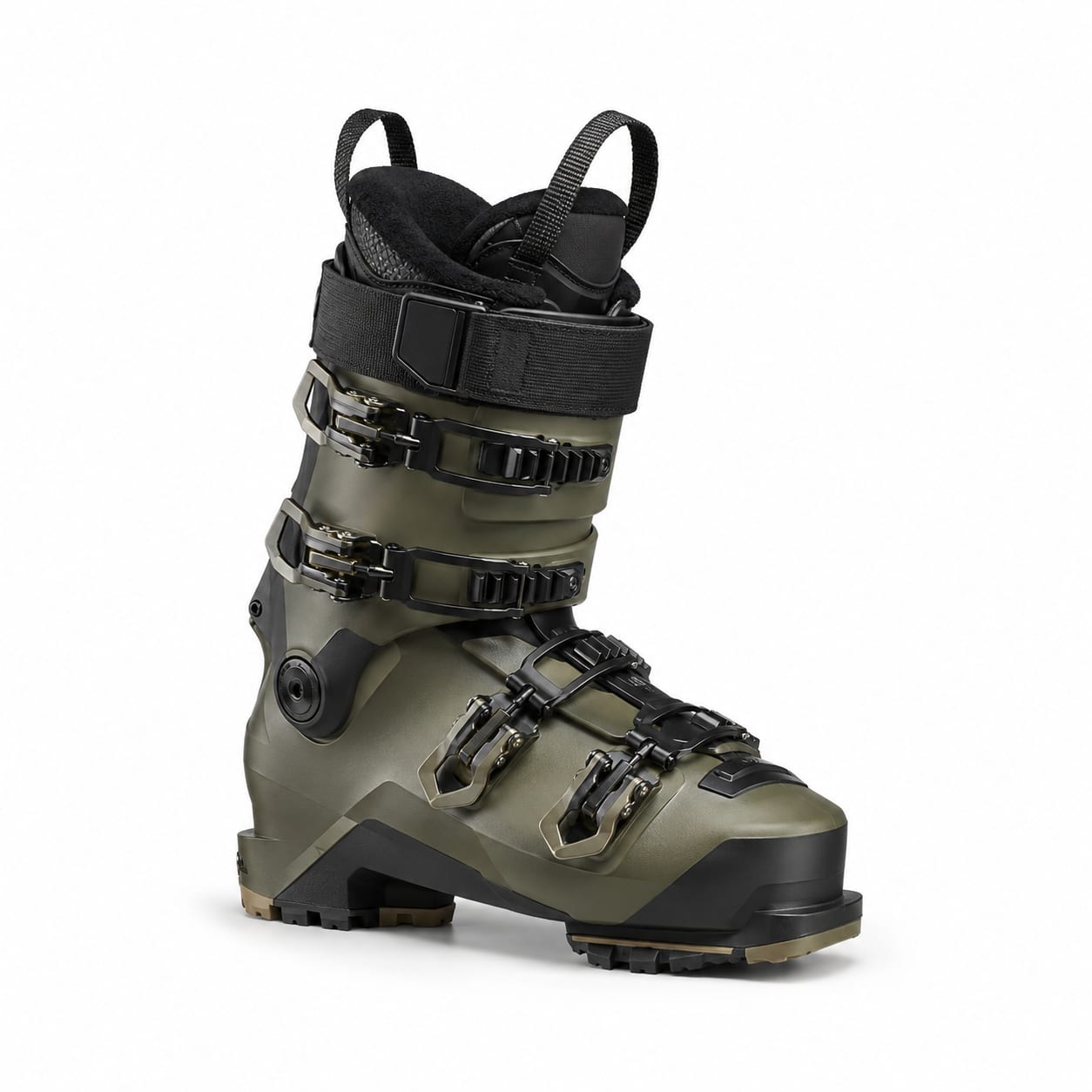
All-Mountain Ski Boots
$300 – $850
Versatile ski boots designed to handle the widest range of terrain and conditions at a resort.
Balanced flex patternMedium last width (97-104mm)GripWalk-compatible soles
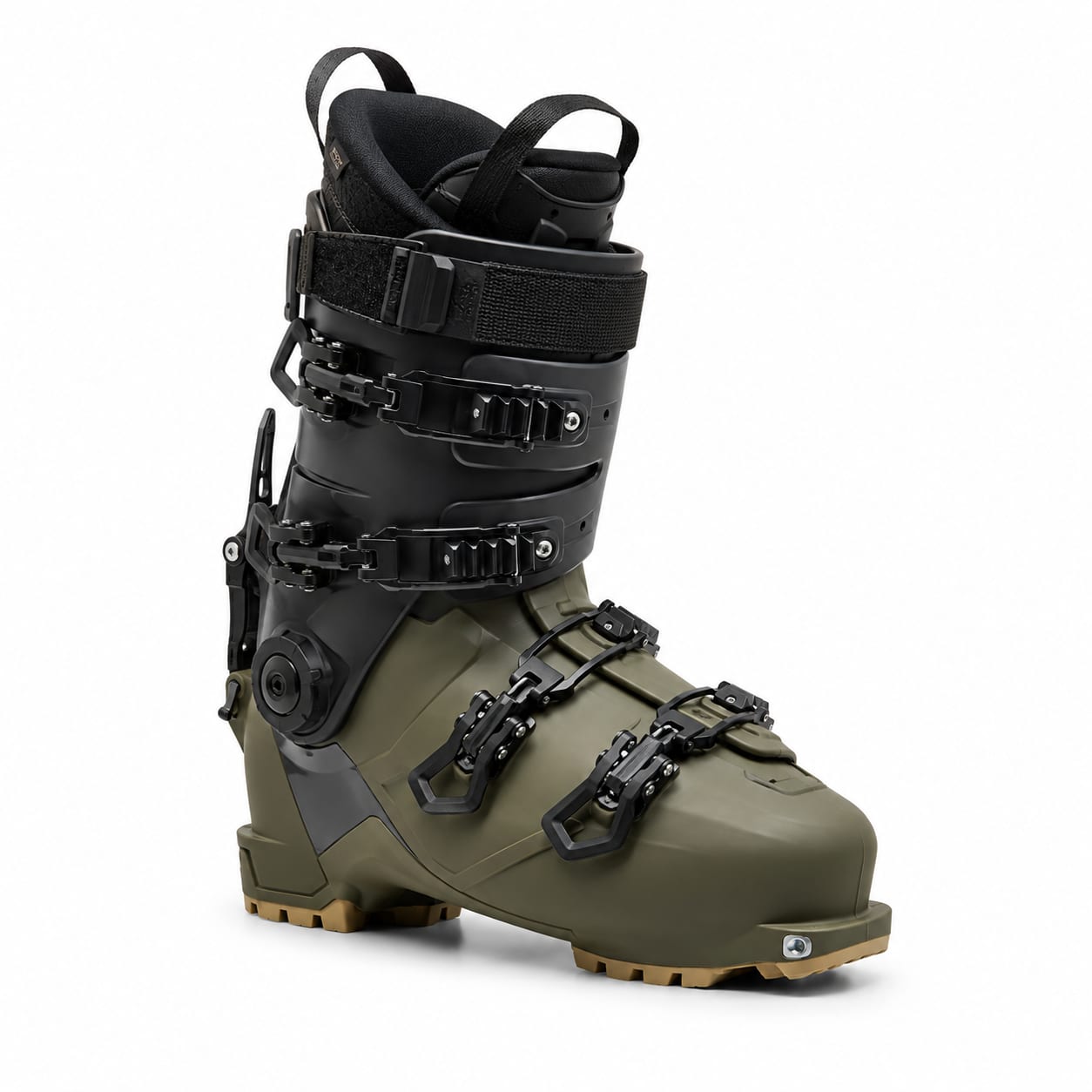
Freeride / Big Mountain Ski Boots
$450 – $1100
Powerful boots built for aggressive off-piste skiing in deep snow and steep, technical terrain.
Stiff flex (120-150)Wider last (98-104mm)Often includes walk mode
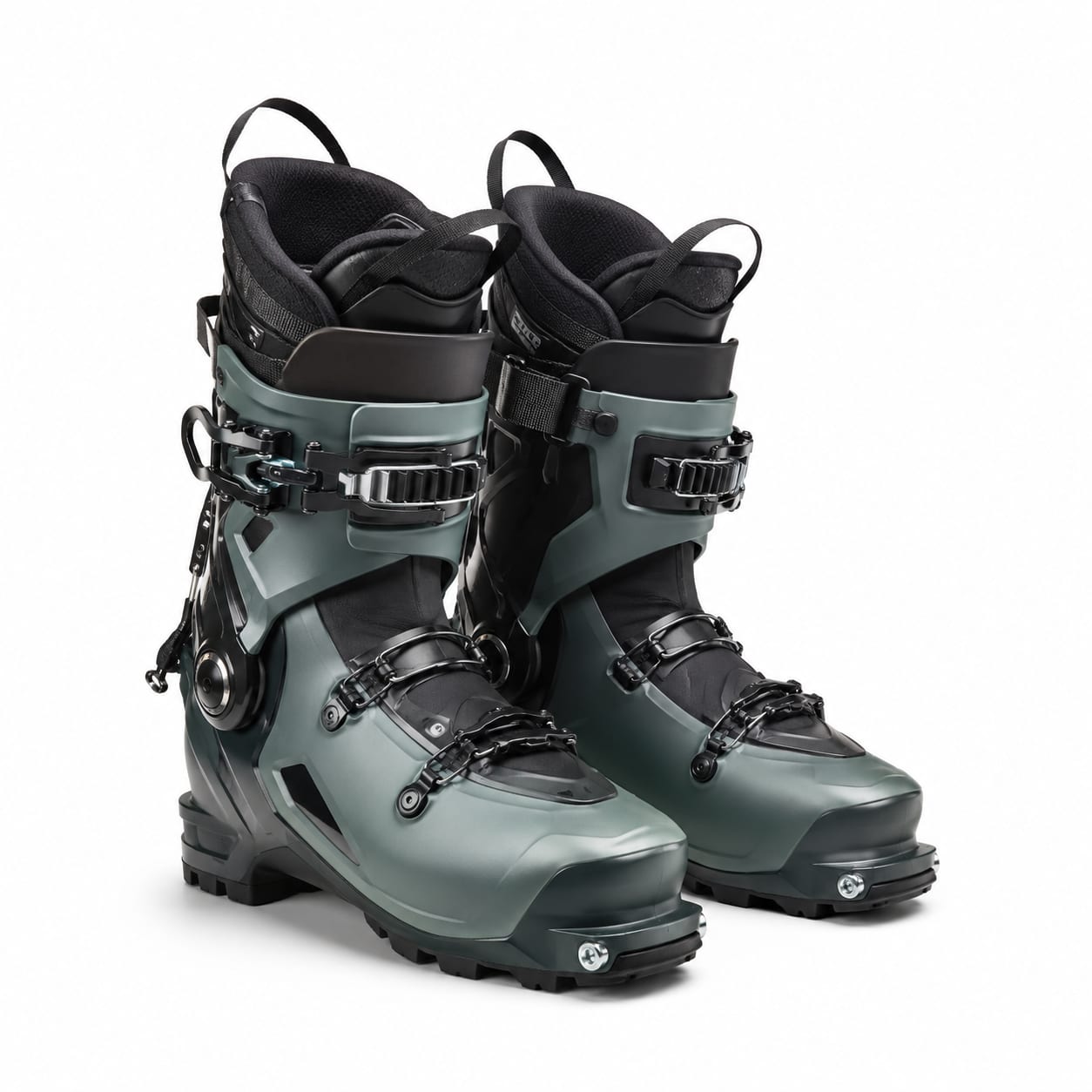
Alpine Touring (AT) / Backcountry Ski Boots
$400 – $1300
Lightweight boots with walk mode and tech-compatible soles designed for uphill skinning and downhill skiing in the backcountry.
Walk mode with 50-70° range of motionTech binding compatibilityLightweight construction (1.2-1.8kg per boot)
More questions
- Can I use Hike & Ride boots with my existing alpine bindings?
- Is there a performance penalty for having walk mode?
- What's the difference between Hike & Ride boots and freeride boots with walk mode?
- Do I really need walk mode if I only ski resort?