
For casual or recreational skiers, combi boots serve both disciplines adequately. However, if you ski both regularly or want to optimize performance, separate boots are recommended. Classic boots are low-cut with very flexible soles for maximum kick efficiency, while skate boots have higher cuffs for lateral support and slightly stiffer soles for push-off power. Using a skate boot for classic restricts ankle motion and reduces kick efficiency; using a classic boot for skate lacks the lateral support needed for stable V1/V2 technique.
Ski Boots · Nordic / Cross-Country Ski Boots
Do I need separate boots for classic and skate skiing?
Related gear types
If this answer nudged you toward a different style, these guides compare specs and trade-offs.
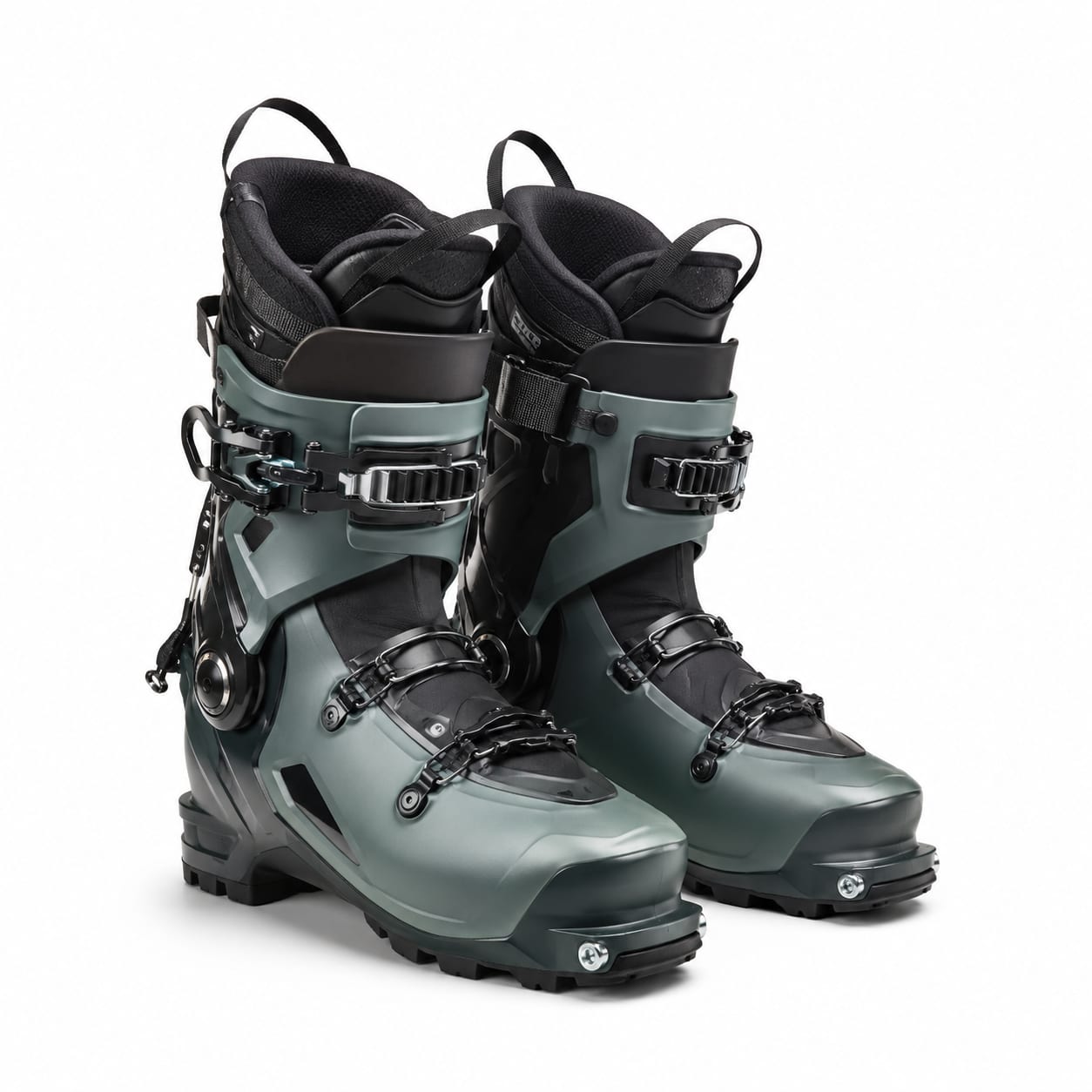
Alpine Touring (AT) / Backcountry Ski Boots
$400 – $1300
Lightweight boots with walk mode and tech-compatible soles designed for uphill skinning and downhill skiing in the backcountry.
Walk mode with 50-70° range of motionTech binding compatibilityLightweight construction (1.2-1.8kg per boot)
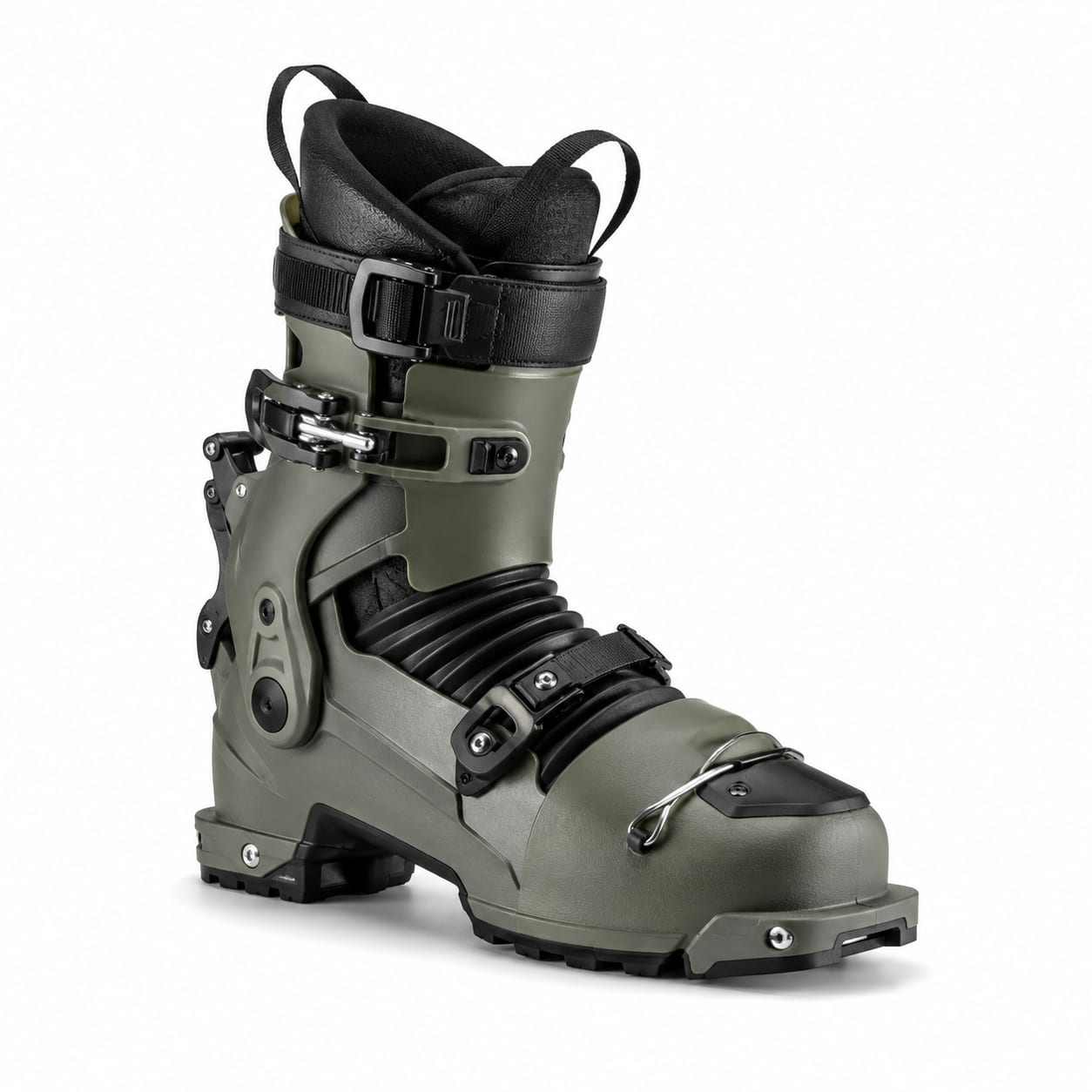
Telemark Ski Boots
$300 – $750
Boots designed for free-heel telemark skiing with flexible bellows and 75mm or NTN binding compatibility.
Flexible bellows under ball of foot75mm duckbill or NTN sole compatibilityHigher cuff for support
More questions
- Can I use Nordic boots with alpine bindings or at a downhill ski resort?
- What is the difference between NNN, Prolink, and SNS binding systems?
- How do I prevent cold feet in Nordic boots?
- How should Nordic boots fit compared to alpine boots?