
Cold feet are a common Nordic issue due to lower heat generation than alpine skiing. Strategies include: (1) Ensure boots fit properly—too tight restricts circulation, (2) Use quality merino wool Nordic socks, not cotton or thick alpine socks, (3) Add aftermarket insulated insoles, (4) Choose boots with built-in insulation or reflective heat liners for cold conditions, (5) Keep your core warm—cold extremities often start with inadequate core insulation, (6) Do up your laces snugly but not overtight, (7) Stay active and maintain pace to generate body heat, (8) Use chemical toe warmers on very cold days.
Ski Boots · Nordic / Cross-Country Ski Boots
How do I prevent cold feet in Nordic boots?
Related gear types
If this answer nudged you toward a different style, these guides compare specs and trade-offs.
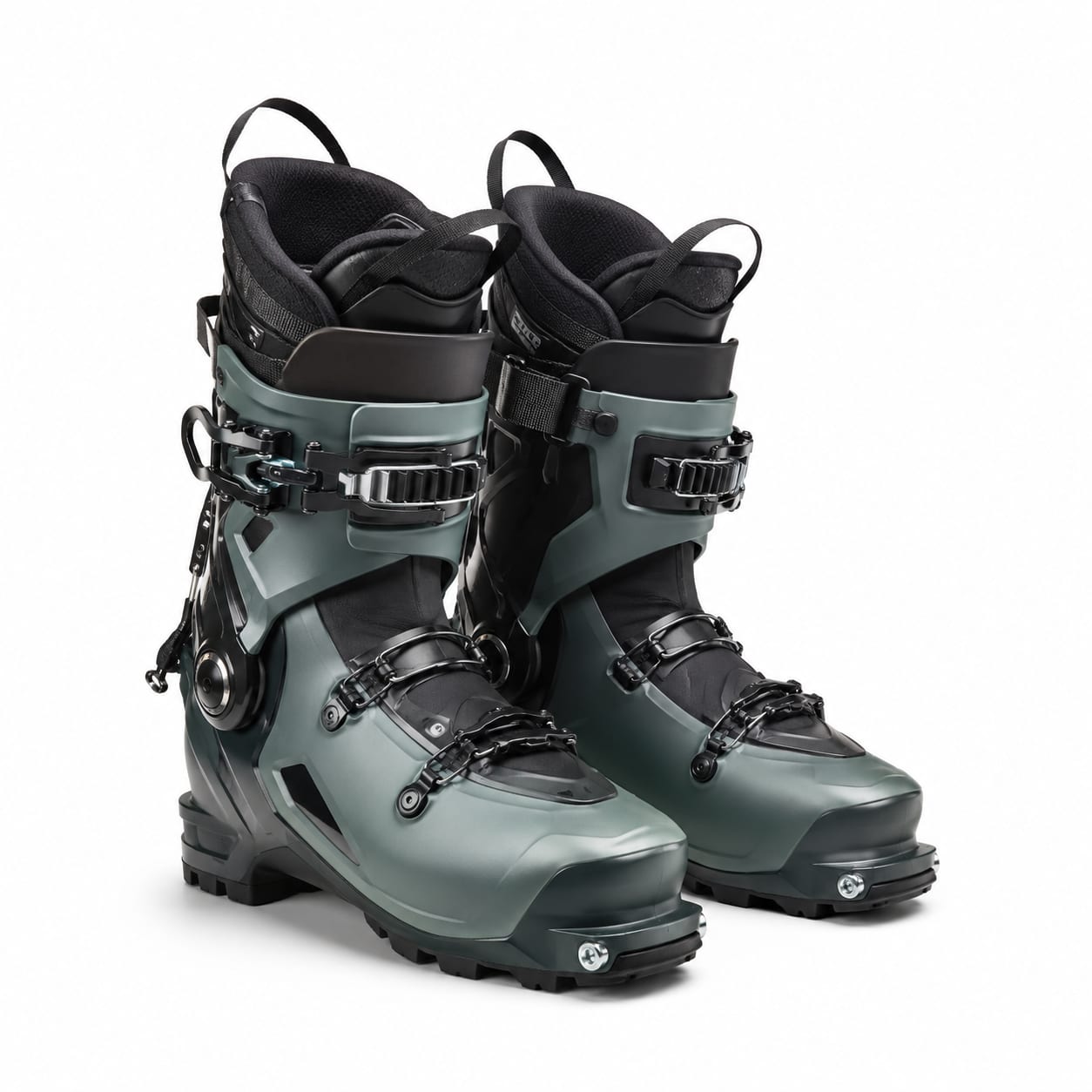
Alpine Touring (AT) / Backcountry Ski Boots
$400 – $1300
Lightweight boots with walk mode and tech-compatible soles designed for uphill skinning and downhill skiing in the backcountry.
Walk mode with 50-70° range of motionTech binding compatibilityLightweight construction (1.2-1.8kg per boot)
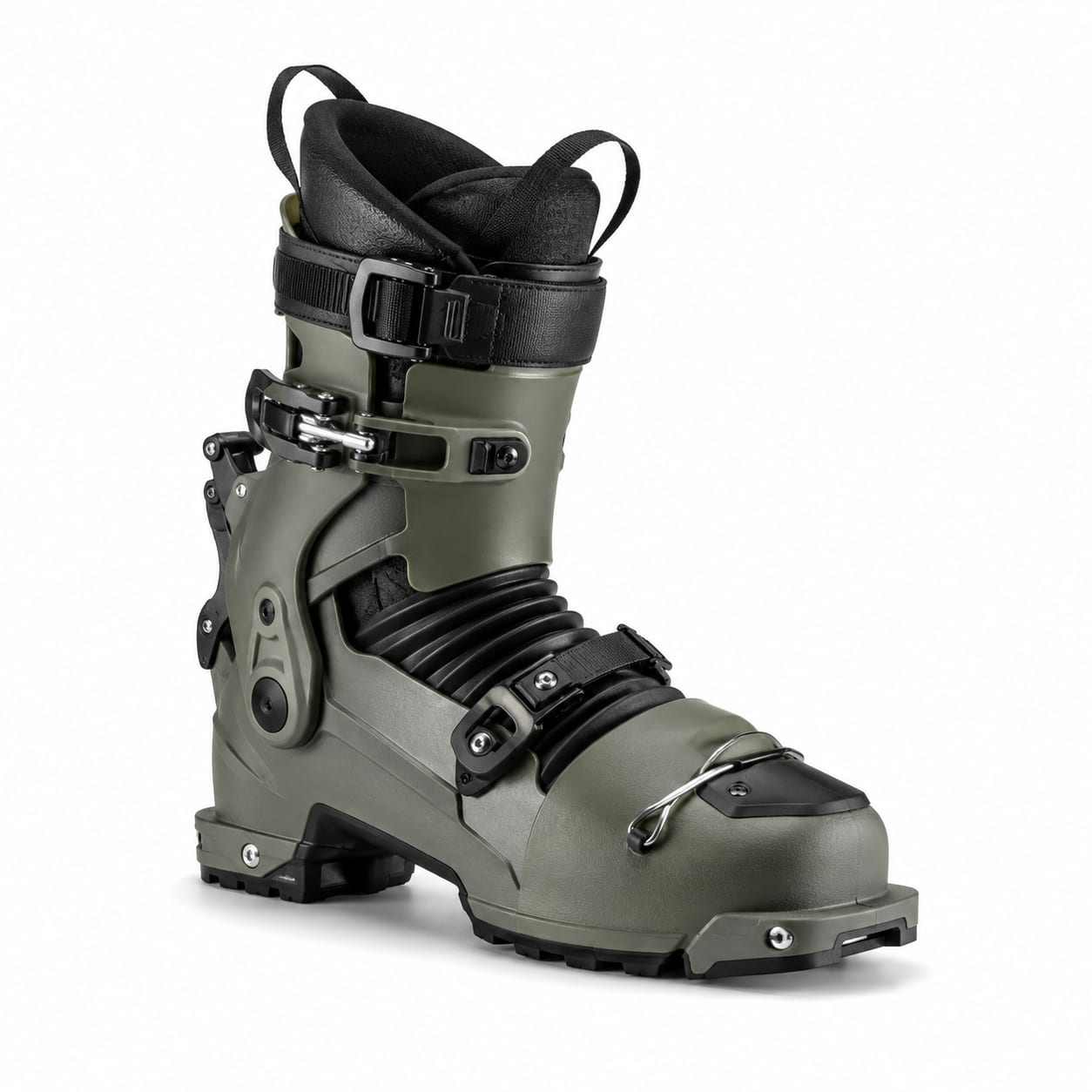
Telemark Ski Boots
$300 – $750
Boots designed for free-heel telemark skiing with flexible bellows and 75mm or NTN binding compatibility.
Flexible bellows under ball of foot75mm duckbill or NTN sole compatibilityHigher cuff for support
More questions
- Can I use Nordic boots with alpine bindings or at a downhill ski resort?
- What is the difference between NNN, Prolink, and SNS binding systems?
- Do I need separate boots for classic and skate skiing?
- How should Nordic boots fit compared to alpine boots?