
Only if you have a high-VLT lens (70-90%) or clear lens. Your standard all-mountain lens with 20-35% VLT will be dangerously dark for night skiing under limited lighting. If you night ski regularly, invest in a dedicated clear or yellow/gold high-VLT lens—many quick-swap goggle systems offer these as accessories. If you night ski only occasionally, consider an affordable second goggle with a clear lens rather than investing in a premium spare lens you rarely use.
Ski Goggles · All-Mountain Ski Goggles
Can I use my all-mountain goggles for night skiing?
Related gear types
If this answer nudged you toward a different style, these guides compare specs and trade-offs.
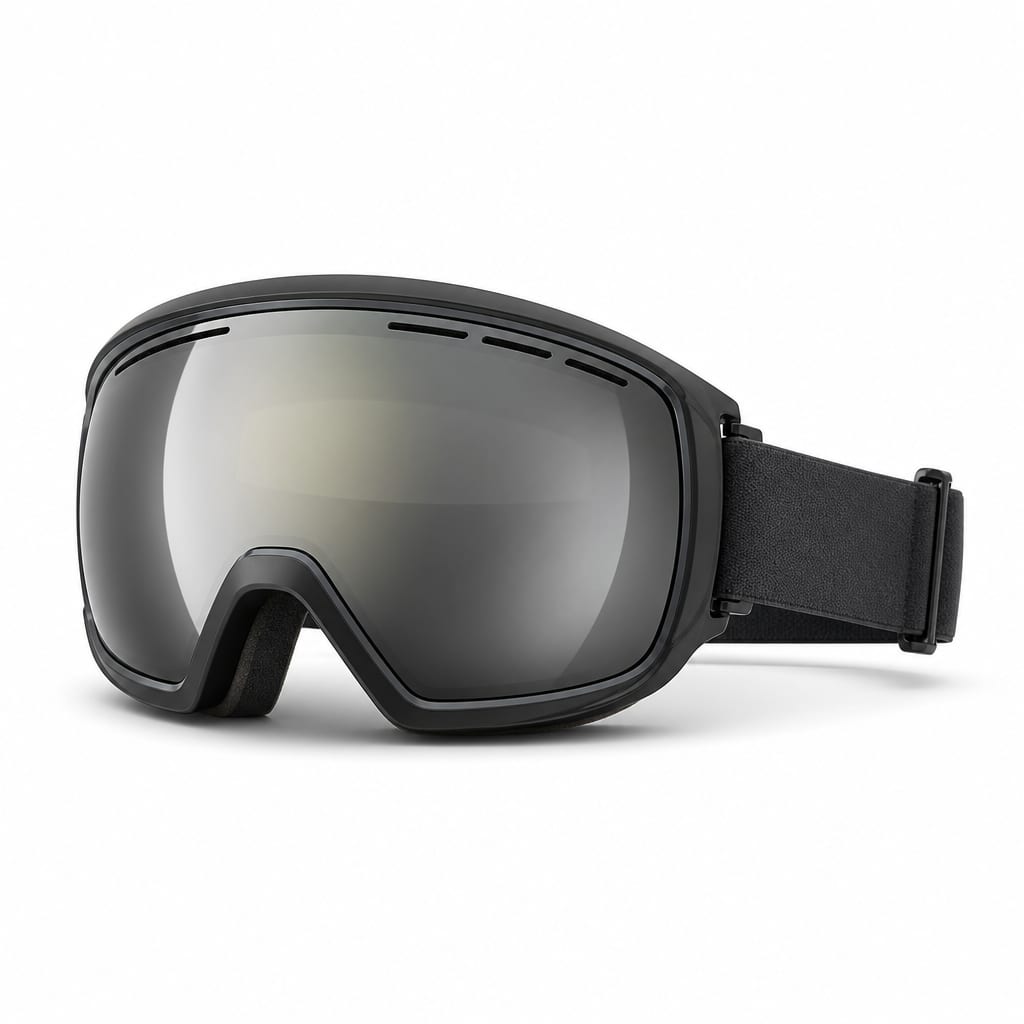
Spherical Lens Ski Goggles
$100 – $350
Goggles featuring horizontally and vertically curved lenses for superior optics and reduced glare.
dual-axis curved lenswider field of viewreduced peripheral distortion
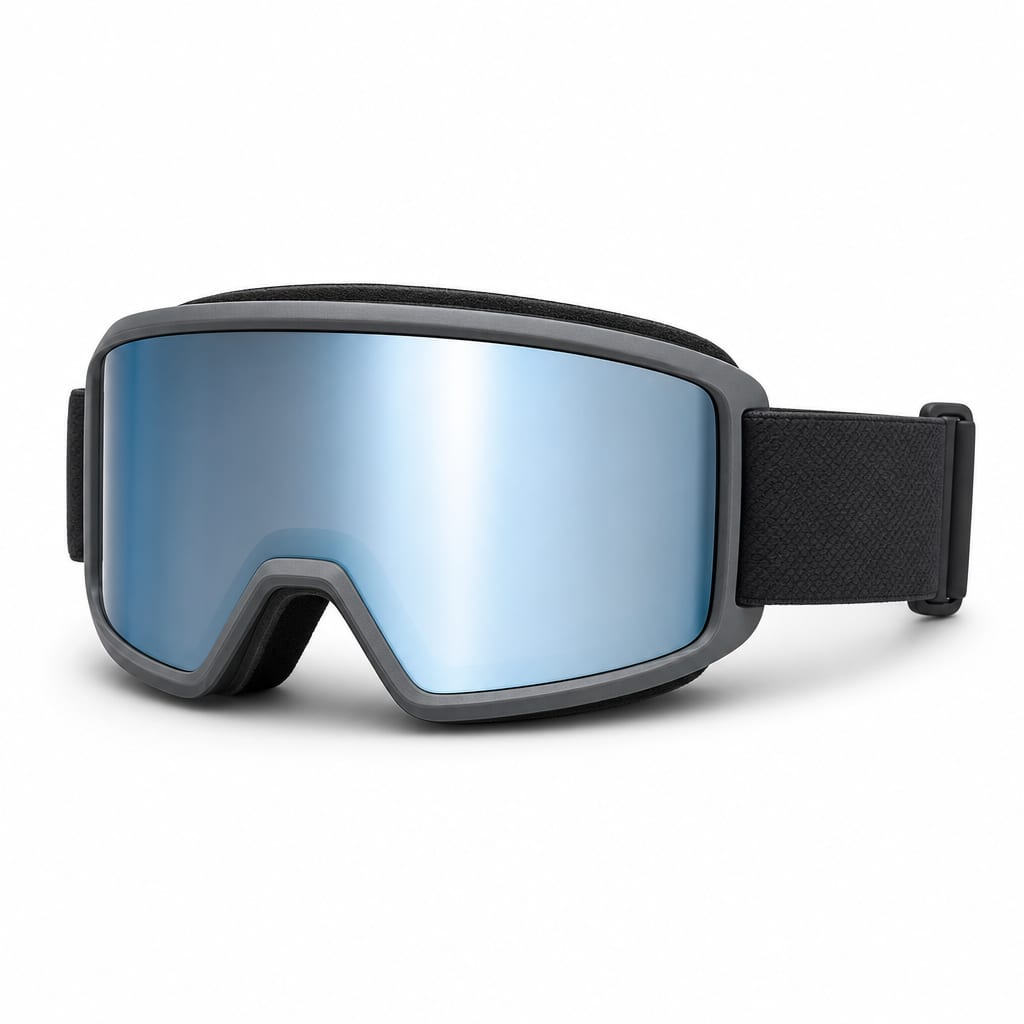
Cylindrical Lens Ski Goggles
$40 – $200
Goggles with horizontally curved flat lenses offering a classic look at accessible price points.
single-axis horizontal curveflat vertical profilelower price point
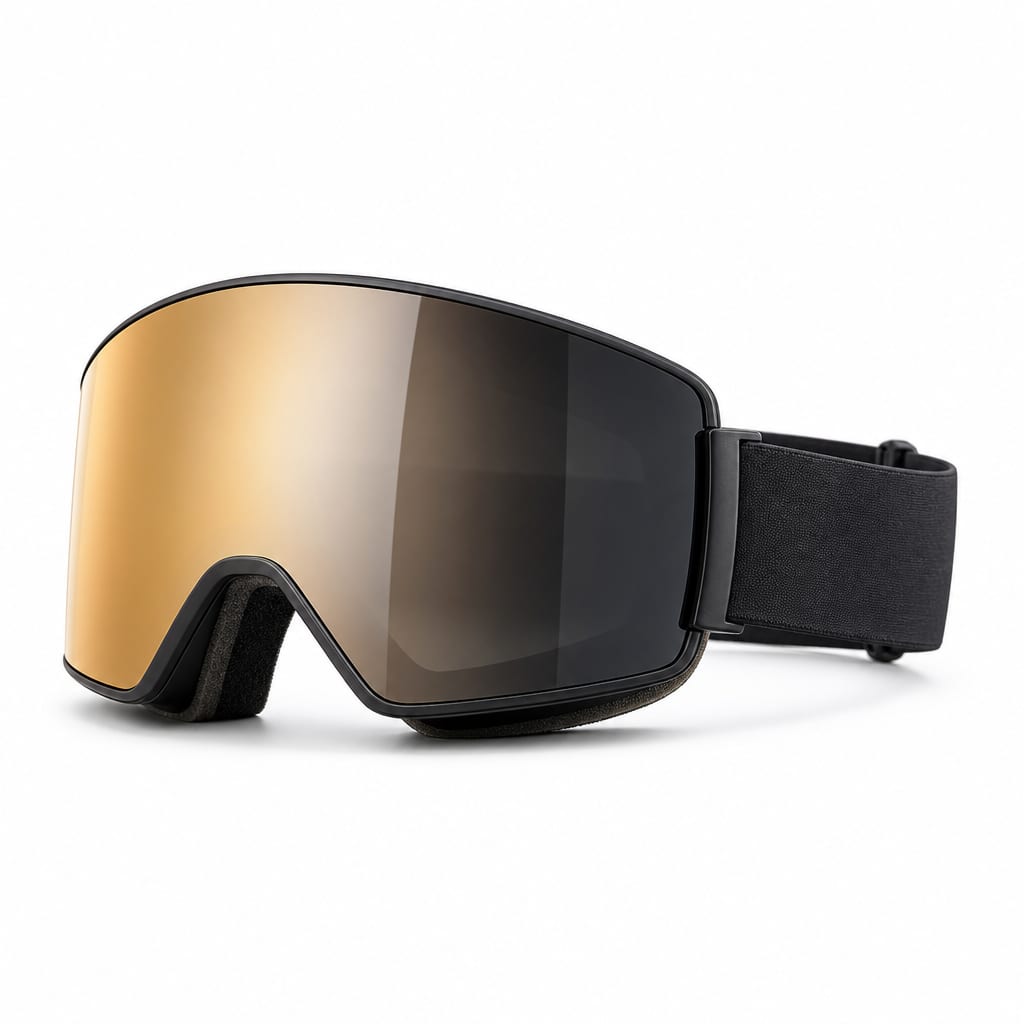
Photochromic Ski Goggles
$120 – $350
Goggles with light-reactive lenses that automatically adjust tint to changing conditions.
auto-darkening lenseswide VLT rangeUV-reactive technology
More questions
- What VLT percentage should I look for in an all-mountain goggle?
- Are magnetic quick-swap lenses worth the extra cost?
- Should I get polarized lenses for all-mountain skiing?
- How do I know if I need an Asian/Low Bridge fit?