What it means
The curvature profile of the goggle lens, affecting optical clarity, distortion, and field of view.
Typical for this type
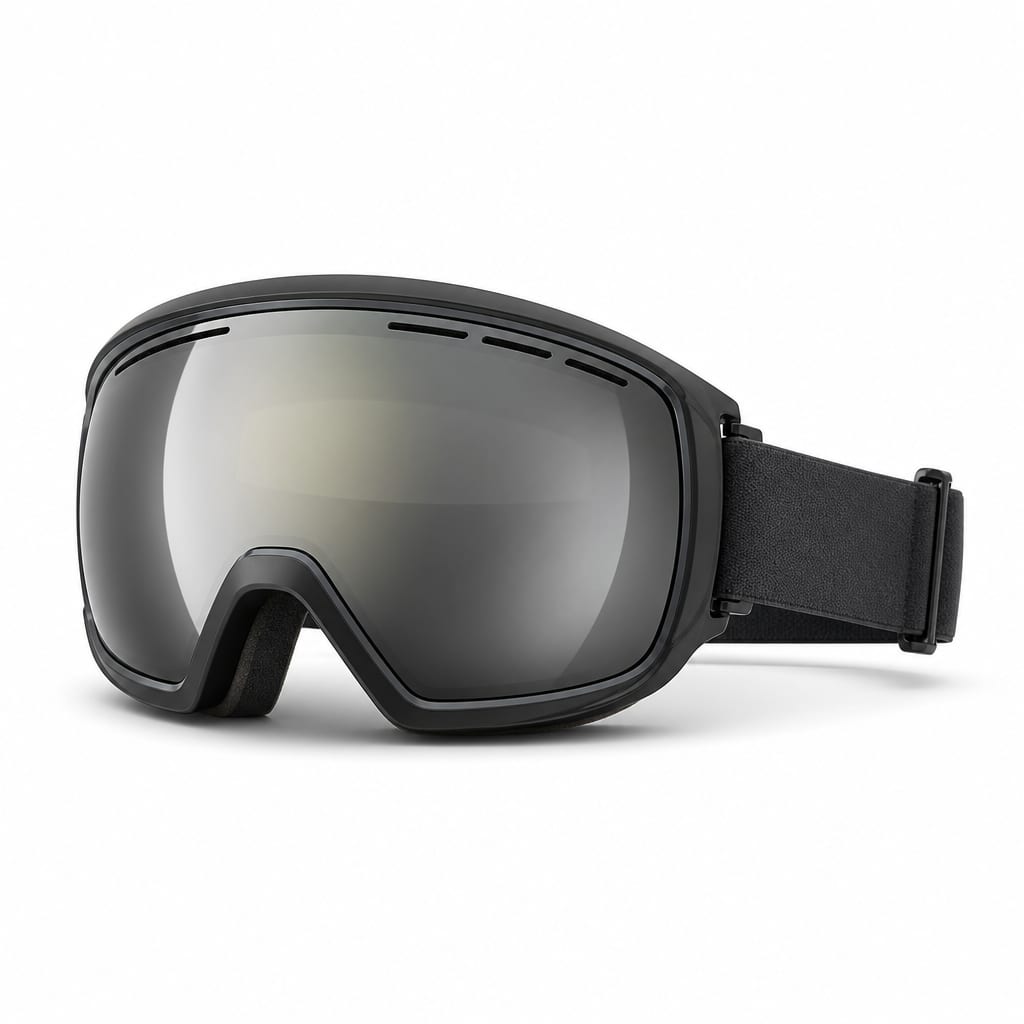
Spherical For Best Optical Performance; Toric For Style With Wide Horizontal View; Cylindrical For Budget
Most common pick: Spherical Or Toric
In practice
All-mountain goggles most commonly feature spherical lenses for their superior optical clarity and minimal edge distortion, though toric lenses have gained popularity for their modern look and wide horizontal field of view. Cylindrical options exist at lower price points and remain popular for their classic aesthetic.
Compared to other types
Racing goggles almost exclusively use spherical lenses for maximum peripheral clarity. Park/freestyle goggles often use cylindrical lenses for their retro look and lower profile. All-mountain goggles offer the most shape variety, reflecting their versatility-first design philosophy.
Why it matters: Lens shape directly affects how accurately you perceive terrain features across your field of view. On the mountain, where you encounter varied light and terrain, distortion at the periphery can cause missed moguls, unseen skiers, or misjudged distances.
VLT (%)
Visible Light Transmission
What it means
The percentage of visible light that passes through the lens, determining brightness and suitability for different weather conditions.
Typical for this type
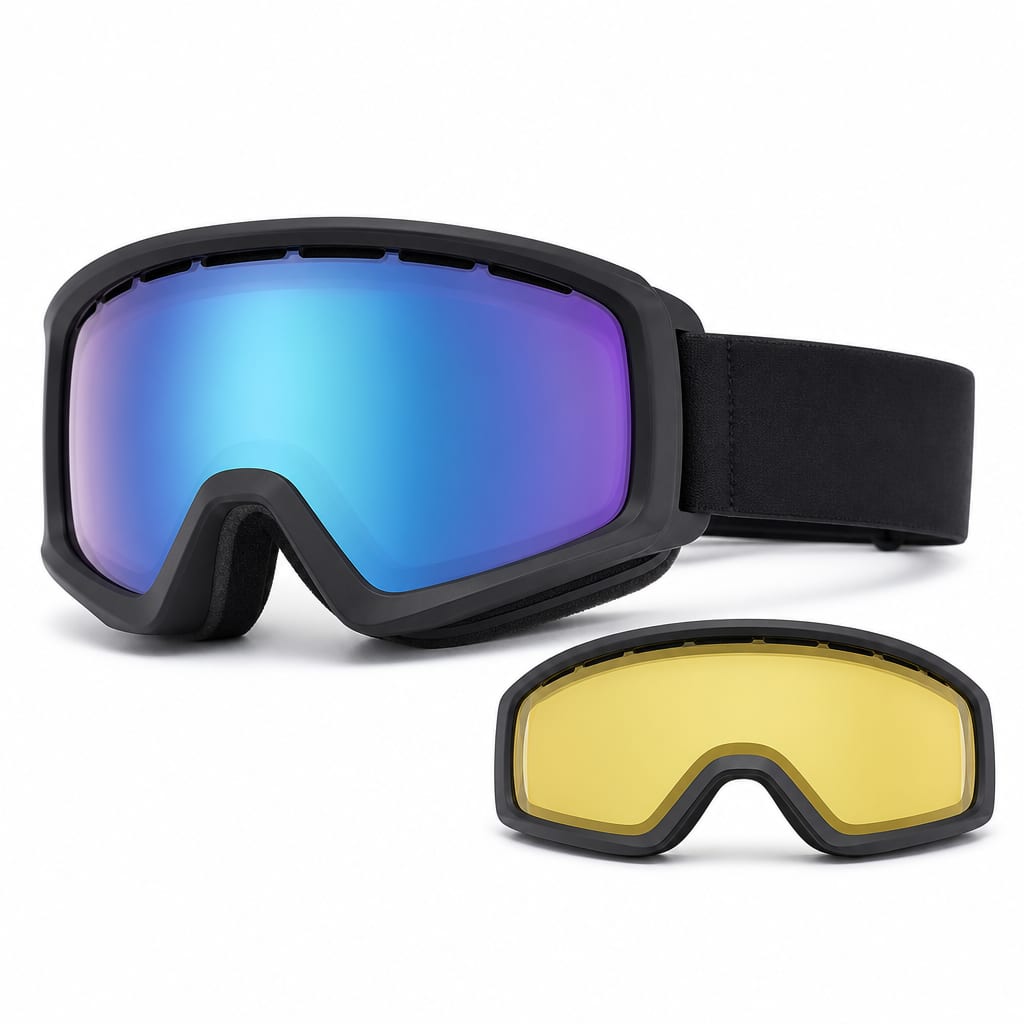
Stock Lens 18-35% For Versatile All-Day Use; Add A Spare Lens At 60-80% For Storm Days
Most common pick: 20-35%
In practice
All-mountain goggles typically ship with a mid-range VLT lens that handles partly cloudy to sunny conditions. This range provides enough tint for bright stretches while still allowing sufficient light transmission for overcast periods. Riders who frequently encounter storms or flat light should carry a high-VLT spare.
Compared to other types
Glacier/high-altitude goggles target 5-15% VLT for extreme brightness. Night racing goggles use 80-90% VLT. All-mountain goggles occupy the middle ground, with the expectation that riders may supplement with additional lenses.
Why it matters: VLT is the single most important spec for matching your goggles to conditions. A lens that's too dark in flat light is dangerous—you can't see terrain features. A lens that's too light in bright sun causes eye strain and fatigue. All-mountain riders face both extremes in a single day.
What it means
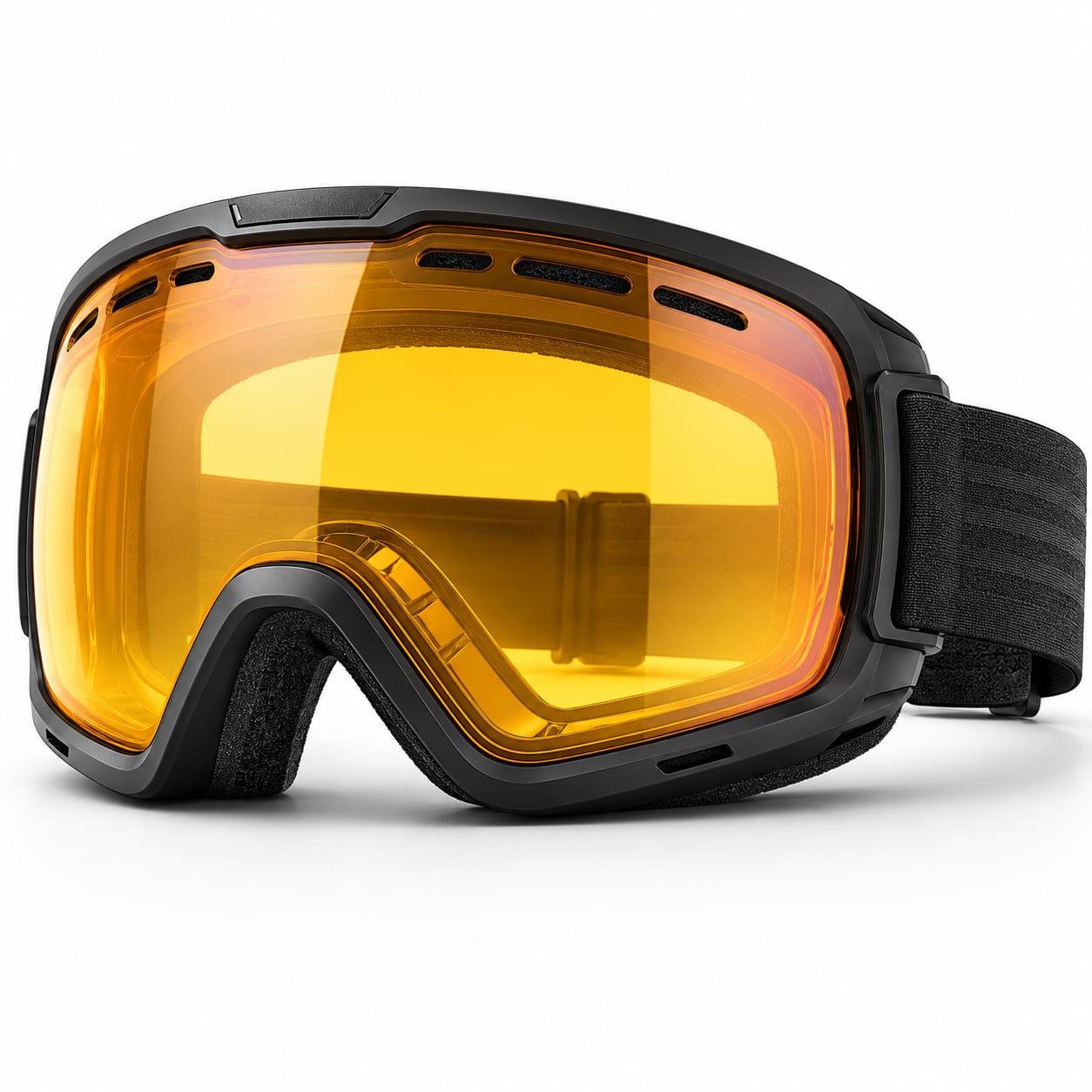
The color tint of the lens, which filters light differently to enhance contrast and definition in specific conditions.
Typical for this type
Rose/Copper/Amber As Primary Tint For Best All-Around Contrast; Consider Photochromic For Maximum Convenience
In practice
Rose, copper, and amber tints dominate all-mountain goggles because they enhance contrast and depth perception across the widest range of conditions. These warm tints reveal terrain texture in flat light, differentiate snow from ice, and remain comfortable in partial sun. Photochromic lenses are increasingly popular for riders who want one lens that adapts automatically.
Compared to other types
Park goggles often feature bold mirror tints prioritizing style over function. Racing goggles use highly specific tints matched to course conditions. All-mountain goggles prioritize versatile contrast enhancement that works across the most conditions.
Why it matters: Contrast enhancement is critical for reading snow texture, spotting ice patches, and navigating moguls. In flat light—which all-mountain riders encounter frequently—tint choice can be the difference between seeing the next mogul and catching unexpected air.
What it means
The overall size of the goggle frame and lens, determining field of view and face fit compatibility.
Typical for this type
Medium For Most Adults; Large For Maximum Field Of View; Small/Youth For Smaller Faces; Asian Fit If You Experience Nose-Bridge Gaps
Most common pick: Medium Or Large
In practice
All-mountain goggles are most commonly available in medium and large frame sizes, reflecting the adult rider demographic. Medium fits the majority of faces with a balanced field of view, while large/oversized frames maximize peripheral vision for riders who prioritize awareness. Asian/Low Bridge fits are increasingly available across price points.
Compared to other types
Junior/racing goggles tend toward smaller, more streamlined frames. Oversized freeride goggles push maximum lens surface. All-mountain goggles favor medium-to-large proportions that balance field of view with universal fit.
Why it matters: Proper frame size ensures a complete seal against your face—gaps cause fogging, cold air infiltration, and pressure points. An oversized goggle on a small face leaves nose-bridge gaps; an undersized goggle restricts your field of view and pinches.
Anti-Fog System
Anti-Fog System
What it means
The technology and design features preventing lens fogging, including dual-layer construction, coatings, and ventilation.
Typical for this type
Dual Lens + Premium Anti-Fog Coating Minimum; Essential For High-Exertion Or Variable Weather Riding
In practice
Quality all-mountain goggles feature dual-lens construction with a premium anti-fog coating as standard. The dual-lens design creates a thermal barrier that prevents the inner lens from reaching the dew point, while the hydrophilic coating actively manages residual moisture. This combination handles the temperature swings of riding lifts in cold air then skiing hard in warmer lower elevations.
Compared to other types
Budget and rental goggles may use dual-lens-only or even single-lens construction. Backcountry-specific goggles sometimes add active ventilation. All-mountain goggles at the mid-to-premium tier consistently offer dual-lens + premium coating as the baseline.
Why it matters: Fogging is the number one complaint among goggle users. On the mountain, a fogged lens means you're skiing blind—dangerous for you and others. All-mountain riders are especially susceptible because they alternate between high-exertion runs and cold lift rides.
Lens Interchangeability
Lens Interchangeability
What it means
The system and ease with which lenses can be swapped to adapt to changing light conditions.
Typical for this type
Magnetic Quick-Swap For Riders Who Frequently Change Lenses; Mechanical Quick-Swap For Good Swapability At Lower Cost; Traditional Frame Swap Acceptable If You Only Swap Pre-Trip
Most common pick: Magnetic Quick-Swap Or Mechanical Quick-Swap
In practice
All-mountain goggles increasingly feature quick-swap lens systems, with magnetic attachment becoming the premium standard. This reflects the reality that mountain conditions change throughout the day, and riders benefit from adapting their lens choice. Mechanical quick-swap systems using clips or sliders offer similar functionality at a lower price point.
Compared to other types
Racing goggles are typically fixed-lens (racers choose their lens pre-race). Park goggles often use traditional frame swap. All-mountain goggles have driven the quick-swap innovation because their riders face the most variable conditions.
Why it matters: The ability to swap lenses on the mountain—quickly, with gloves on—dramatically extends the useful range of a single goggle. A morning bluebird can become an afternoon whiteout, and riders with quick-swap systems can adapt in seconds rather than suffering through the wrong lens.
UV Protection
UV Protection
What it means
The level of ultraviolet radiation blocking provided by the lens, critical for eye health at altitude.
Typical for this type
UV400 Is Non-Negotiable For Any Quality All-Mountain Goggle
Most common pick: UV400 (100% UVA/UVB)
In practice
All reputable all-mountain goggles feature UV400 protection, blocking 100% of UVA and UVB radiation. This is essential because UV exposure increases approximately 10-12% per 1,000 meters of altitude, and snow reflects up to 80% of UV radiation back toward your face. At typical mountain elevations, your eyes receive significantly more UV than at sea level.
Compared to other types
UV400 is standard across all quality goggle subcategories. The distinction only appears at the extreme budget/rental level where UV380 or basic UV coatings may be found. All-mountain goggles from reputable brands universally offer UV400.
Why it matters: UV damage to eyes is cumulative and irreversible. Photokeratitis (snow blindness) is an acute risk, while long-term exposure contributes to cataracts and macular degeneration. All-mountain riders spend full days at altitude—UV400 protection is a health requirement, not a luxury.
Over-the-Glasses (OTG) Compatible
Over-the-Glasses (OTG) Compatible
What it means
Whether the goggle is designed to accommodate prescription eyeglasses underneath without discomfort or fogging.
Typical for this type
OTG Compatible If You Wear Prescription Glasses; Otherwise Standard Fit Is Fine
Most common pick: Varies By Model—Many All-Mountain Goggles Offer OTG Versions
In practice
Many all-mountain goggle models come in OTG-compatible versions with deeper frame channels, notched temples for glasses arms, and additional interior volume. However, not all all-mountain goggles are OTG, so glasses wearers must specifically seek this feature. The all-mountain category offers more OTG options than specialized categories.
Compared to other types
Racing and freestyle goggles rarely offer OTG options due to their streamlined profiles. All-mountain goggles have the broadest OTG availability because their larger frames more easily accommodate glasses.
Why it matters: If you wear prescription glasses, wearing them under non-OTG goggles causes temple pressure, poor seal, and double fog risk. OTG goggles are engineered to accommodate glasses without compromising comfort or fog management.
Field of View
Field of View
What it means
The peripheral vision range provided by the goggle, measured in degrees of horizontal and vertical visibility.
Typical for this type
170-190 degrees for strong all-around awareness; 190+ degrees for maximum peripheral vision
Most common pick: 170-190 degrees horizontal
In practice
All-mountain goggles typically offer 170-190 degrees of horizontal field of view, with spherical and oversized models reaching toward the upper end. This range provides sufficient peripheral awareness to spot merging skiers, read terrain transitions, and navigate tight trees without the extreme width of dedicated freeride goggles.
Compared to other types
Oversized freeride goggles push 200+ degrees. Racing goggles prioritize wide horizontal view with minimal vertical distraction. All-mountain goggles balance horizontal and vertical field of view for versatile terrain navigation.
Why it matters: Peripheral vision on the mountain means safety—seeing other skiers approaching from the side, spotting obstacles at the edge of your line, and reading terrain that's not directly ahead. All-mountain riders need enough peripheral vision for awareness without sacrificing optical quality at the edges.
What it means
Whether the lens includes polarization to reduce glare from reflective snow surfaces.
Typical for this type
Non-Polarized Recommended For Most All-Mountain Riders; Polarized Acceptable If You Rarely Encounter Ice And Prioritize Glare Reduction
Most common pick: Most Are Non-Polarized; Some Models Offer Polarized Options
In practice
Most all-mountain goggles are non-polarized because polarization can make it harder to distinguish ice from snow—a critical safety concern. However, some models offer polarized lenses for riders who ski in bright conditions with significant snow glare and value the comfort of reduced squinting. The trade-off is real: polarization filters reflected light, which means ice patches lose their telltale sheen.
Compared to other types
Glacier goggles frequently use polarization for extreme glare. Park and racing goggles are typically non-polarized. All-mountain goggles lean non-polarized but offer the most polarized options because of the category's breadth.
Why it matters: On the mountain, detecting ice can prevent serious falls. Polarization reduces glare beautifully but can camouflage ice patches by filtering the reflected light that makes ice visible. All-mountain riders encounter varied snow conditions, making this trade-off particularly relevant.
Mirror Coating
Mirror Coating
What it means
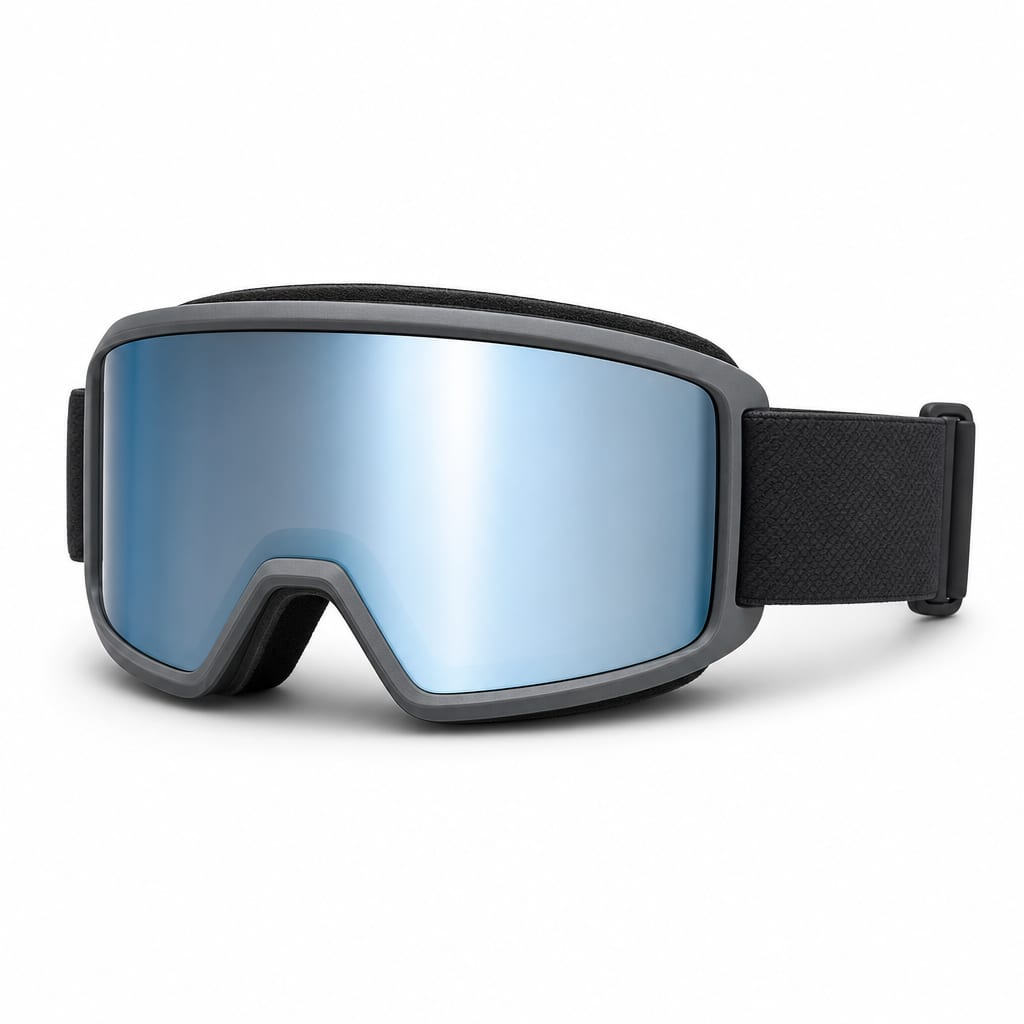
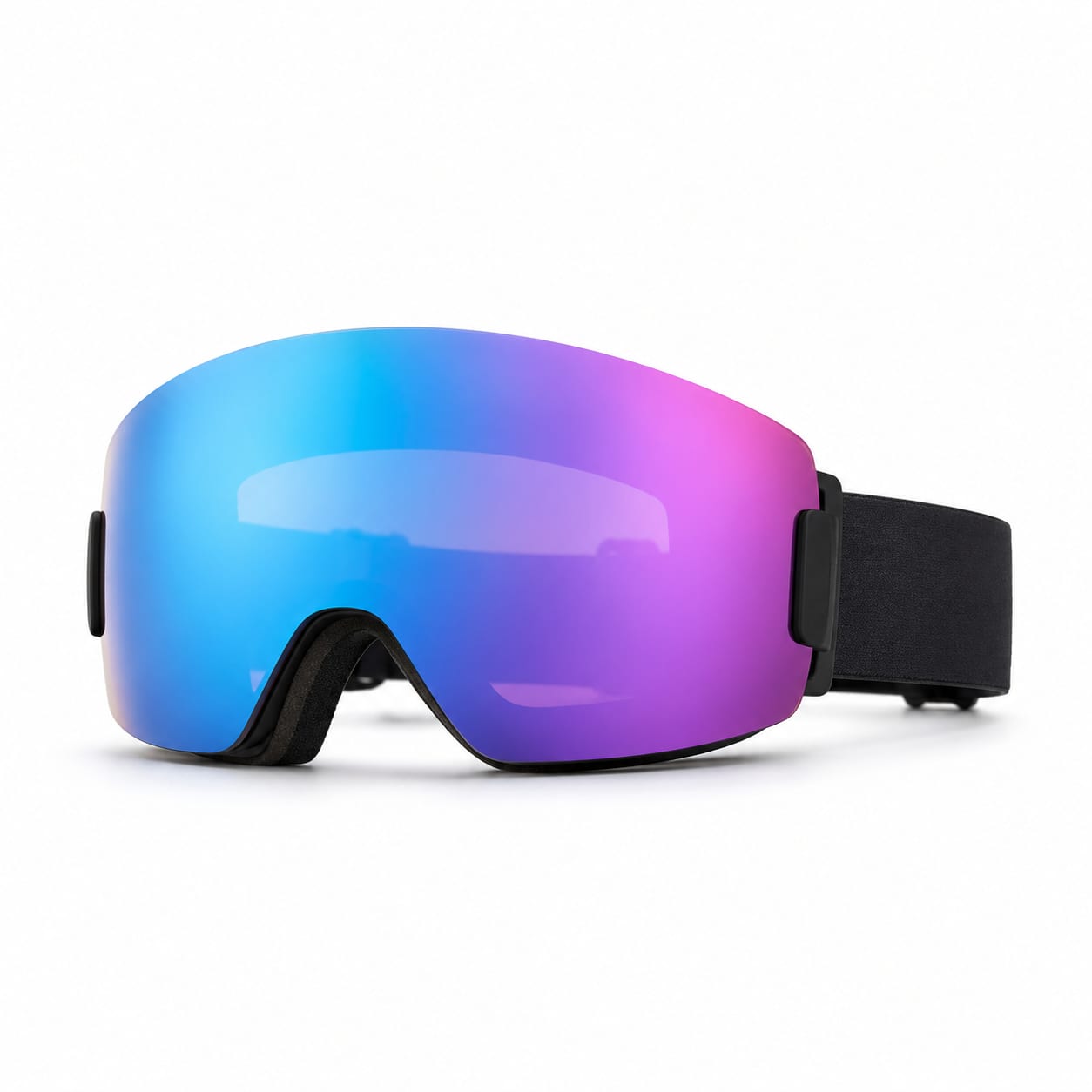
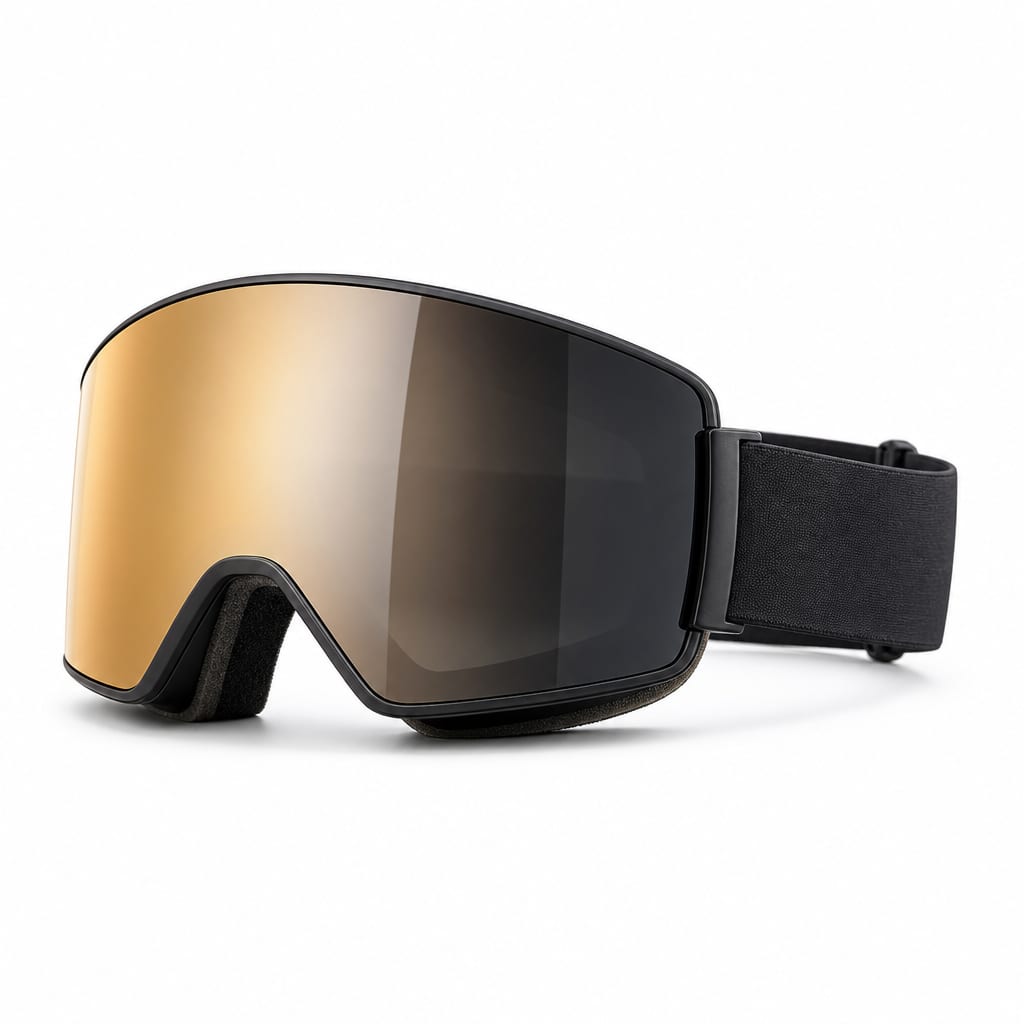
Reflective coating on the outer lens surface that bounces additional light away, reducing glare and VLT.
Typical for this type
Full Mirror For The Sunny-Day Spare Lens; Partial/Flash Mirror For The Versatile All-Day Lens; No Mirror For The Storm-Day Spare
Most common pick: Partial/Flash Mirror Or Full Mirror
In practice
All-mountain goggles commonly feature partial or full mirror coatings on their included lenses. The mirror coating serves a dual purpose: it reduces additional incoming light (lowering effective VLT by 5-15%) and it provides a stylish aesthetic. Many all-mountain goggles ship with a partial mirror on the versatile stock lens, with full mirror available on darker spare lenses.
Compared to other types
Park goggles often feature bold full mirrors for style. Night/storm goggles use no mirror for maximum light transmission. All-mountain goggles typically offer a range of mirror options across their lens lineup to match varying conditions.
Why it matters: Mirror coatings are functional, not merely cosmetic. They reduce glare beyond what the base tint achieves, which matters on bright days at altitude. However, mirror coatings are the most scratch-prone part of any lens and require careful cleaning with microfiber only.
Ventilation Design
Ventilation Design
What it means
The airflow system built into the goggle frame to manage moisture and prevent fogging during activity.
Typical for this type
Enhanced Passive Ventilation Is The Sweet Spot; Active Ventilation For Chronic Fog Sufferers Or Glasses Wearers
In practice
Quality all-mountain goggles feature enhanced passive ventilation with larger, strategically placed frame vents and optimized airflow channels. This design moves moist air out and fresh air through the goggle using natural airflow from forward motion, without the weight and complexity of powered fans. It's effective for the vast majority of riders and conditions.
Compared to other types
Racing goggles use minimal vents to reduce drag at speed. Backcountry goggles may feature active ventilation for high-exertion skinning. All-mountain goggles prioritize enhanced passive ventilation as the best balance of effectiveness, simplicity, and weight.
Why it matters: Ventilation works in concert with anti-fog coatings and dual-lens construction to keep your vision clear. Stagnant humid air inside the goggle is what causes fogging, and well-designed ventilation prevents that moisture from accumulating. All-mountain riders need reliable fog prevention because they alternate between high-exertion skiing and cold, still lift rides.
What it means
The multi-layer foam padding that creates a seal against the face, affecting comfort, fit, and moisture management.
Typical for this type
Triple Layer + Moisture Wicking For All-Day Comfort; Triple Layer Standard For Typical Resort Days; Avoid Dual Layer Or Single Layer For Regular Use
Most common pick: Triple Layer Standard Or Triple Layer + Moisture Wicking
In practice
Mid-to-premium all-mountain goggles feature triple-layer face foam with a firm base layer for structure, a medium mid-layer for cushioning, and a soft top layer against the skin. Premium models add moisture-wicking treatment to the top layer, which actively pulls sweat away from the skin during high-exertion runs. This multi-density construction maintains a consistent seal while managing comfort over full days on the mountain.
Compared to other types
Racing goggles use minimal foam for a low-profile fit. Budget goggles use single or dual-layer foam. All-mountain goggles at the mid-to-premium tier consistently offer triple-layer foam because all-day comfort is a core requirement.
Why it matters: Face foam is the interface between the goggle and your face—it determines comfort, seal quality, and fog prevention. Compressed or degraded foam creates gaps that let cold air and moisture in, causing fogging and pressure points. Quality foam makes the difference between forgetting you're wearing goggles and constantly adjusting them.
Helmet Compatibility
Helmet Compatibility
What it means
How well the goggle integrates with ski helmets in terms of fit, strap grip, and gap-free interface.
Typical for this type
Universal Compatible Minimum; Seamless Integration If Buying Helmet And Goggle Together From The Same Brand
In practice
Most all-mountain goggles are designed for universal helmet compatibility, with frame shapes and strap lengths that work with the majority of popular ski helmets. Silicone-backed straps provide grip on helmet surfaces. Some brands design goggle-helmet pairs for seamless integration with no gaper gap, which is ideal if you're buying both simultaneously.
Compared to other types
Racing goggles are often designed for specific racing helmets. Oversized freeride goggles may have limited compatibility with smaller helmets. All-mountain goggles prioritize broad compatibility because their riders use the widest variety of helmet brands and models.
Why it matters: Gaper gap—the space between your goggle top and helmet brim—lets cold air hit your forehead and can channel moisture into the goggle causing fogging. A goggle that integrates well with your specific helmet eliminates this issue and keeps you comfortable all day.
Frame Material
Frame Material
What it means
The primary material used in the goggle frame, affecting flexibility, cold-weather performance, and durability.
Typical for this type
TPU Is The Standard And Should Be Expected; Avoid Rigid Plastic Frames
Most common pick: TPU (Thermoplastic Polyurethane)
In practice
Quality all-mountain goggles use TPU frames that remain flexible in extreme cold, conform to the face for a consistent seal, and provide enough flex for lens swaps. TPU is impact-resistant and durable across seasons, making it the industry standard for any goggle worth buying. This material choice is one reason quality goggles can survive the inevitable drops and packed-snow impacts of mountain use.
Compared to other types
All quality goggle subcategories use TPU frames. The distinction only appears at the budget/rental level where rigid plastic may be used. For all-mountain goggles from reputable brands, TPU is universal.
Why it matters: In sub-zero temperatures, frame flexibility matters for both comfort and function. A rigid frame that becomes brittle in the cold can crack on impact, fail to seal properly, and make lens changes nearly impossible. TPU maintains its properties across the temperature range skiers actually encounter.
Prescription Lens Compatible
Prescription Lens Compatible
What it means
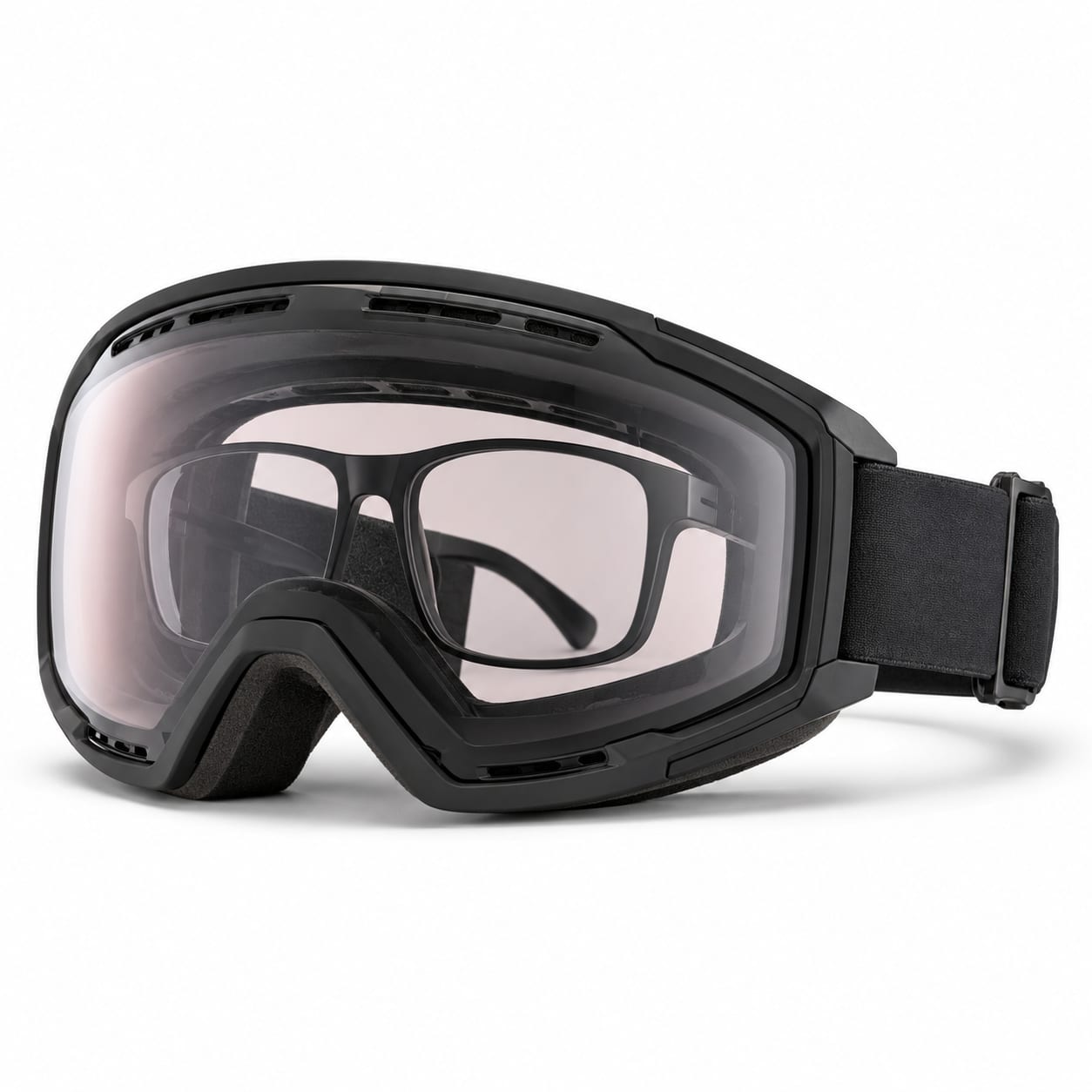
Whether the goggle supports prescription vision correction through inserts or Rx-able lens options.
Typical for this type
Rx Insert Compatible If You Wear Glasses; Direct Rx Lens Available For The Cleanest Solution; OTG As A Fallback
Most common pick: Rx Insert Compatible (Sold Separately) Or Not Rx Compatible
In practice
Many all-mountain goggles are compatible with prescription inserts sold separately, which clip behind the main lens and can be fitted with your custom Rx by an optometrist. Some premium models offer direct Rx lenses manufactured with your correction built in. The all-mountain category offers more Rx options than most specialized categories, though not every model supports prescription solutions.
Compared to other types
Racing and freestyle goggles rarely offer Rx compatibility due to their specialized designs. All-mountain goggles have the broadest Rx support because they serve the widest range of riders, including many who prioritize practical vision solutions.
Why it matters: Roughly 60% of adults wear prescription eyewear, and vision correction on the mountain is a safety issue. Squinting through uncorrected vision while navigating terrain at speed is dangerous. Rx inserts solve both vision and fog issues simultaneously by eliminating the need to wear glasses under the goggle.