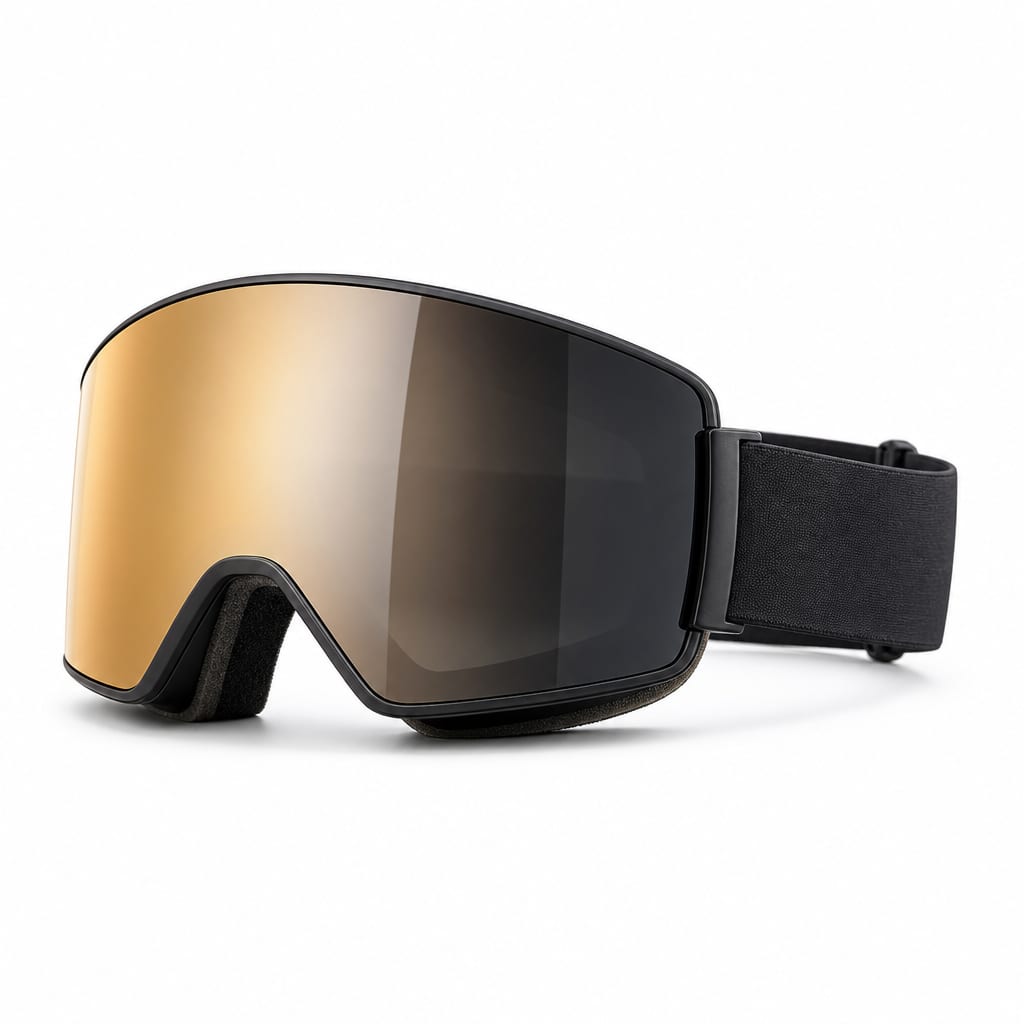
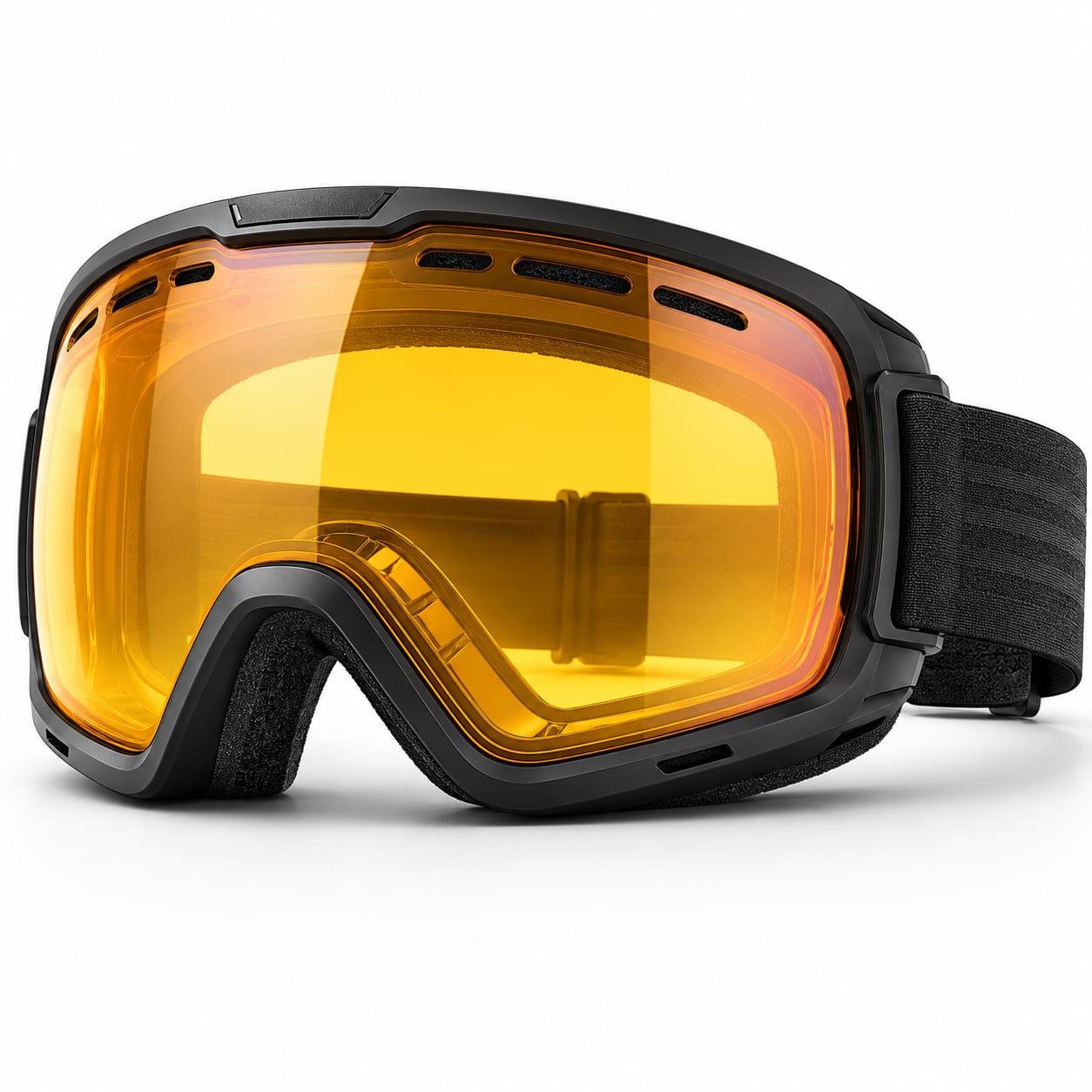
Kitvore.com

Kitvore.com

Specs that matter. Gear that fits.

Ski Goggles · Subcategory

Cylindrical Lens Ski Goggles

Classic flat-profile ski goggles with horizontally curved lenses that deliver reliable eye protection at an accessible price point.

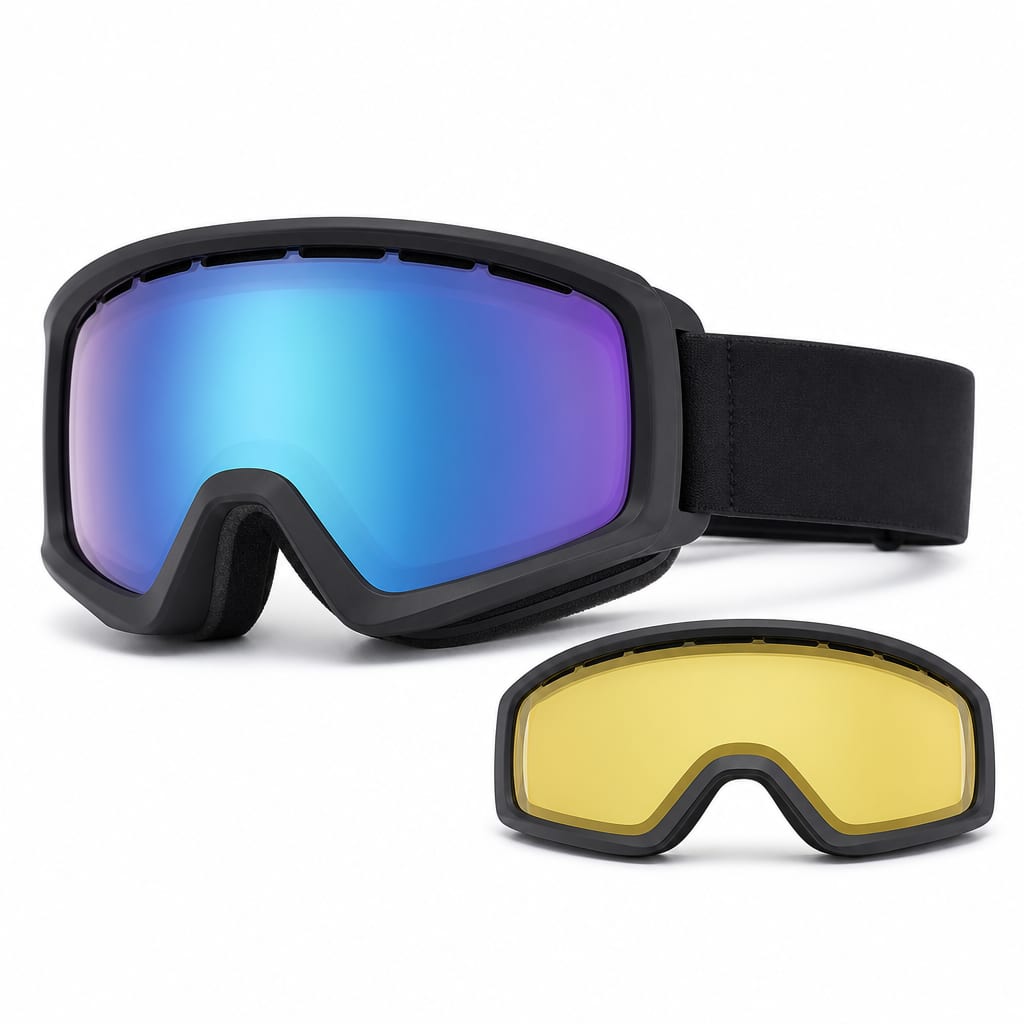
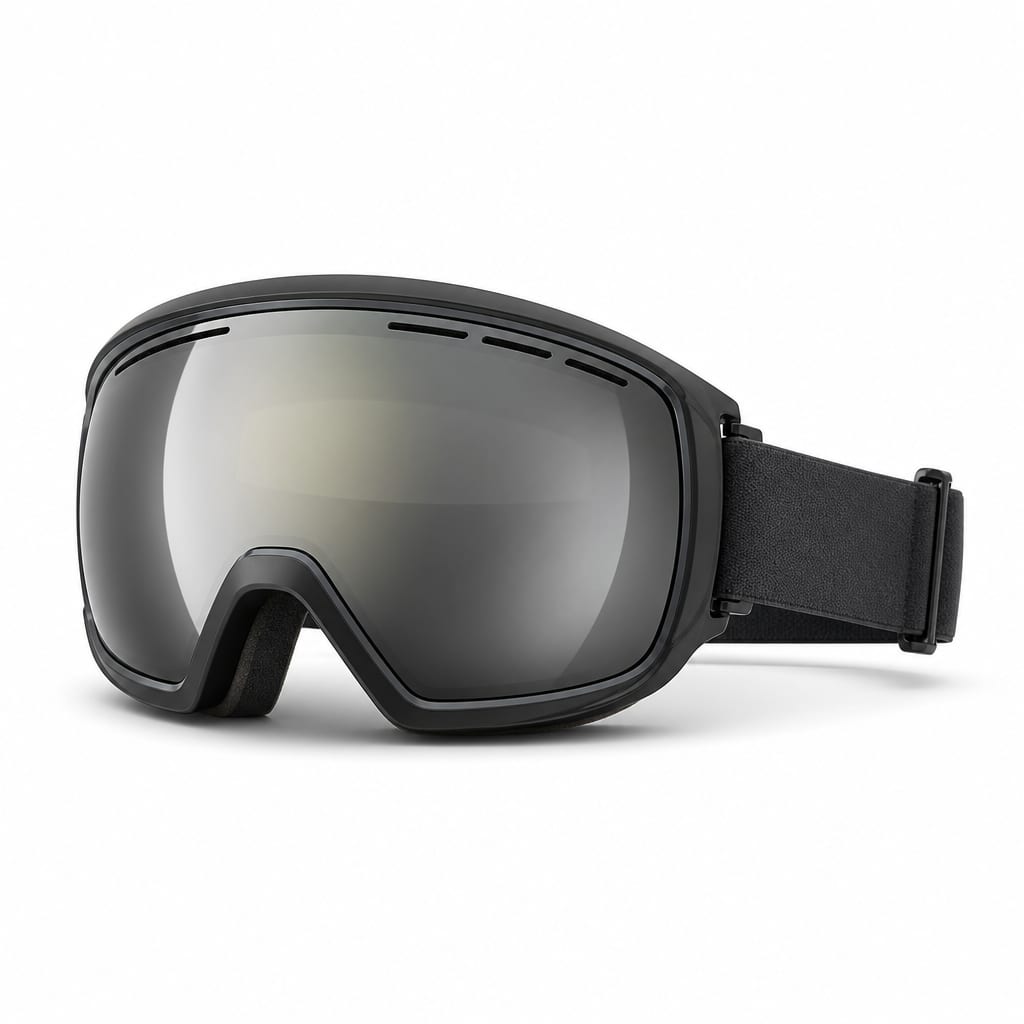
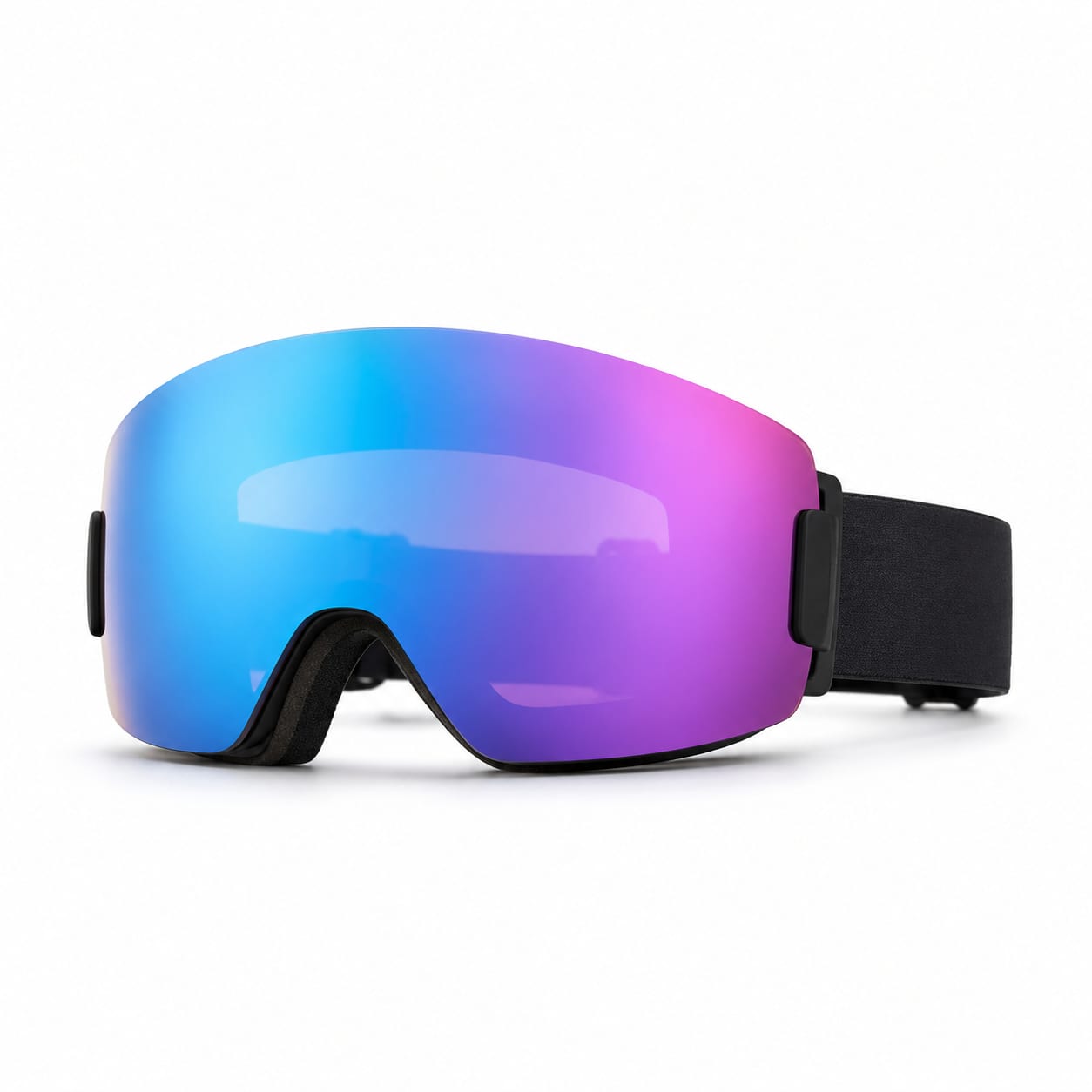
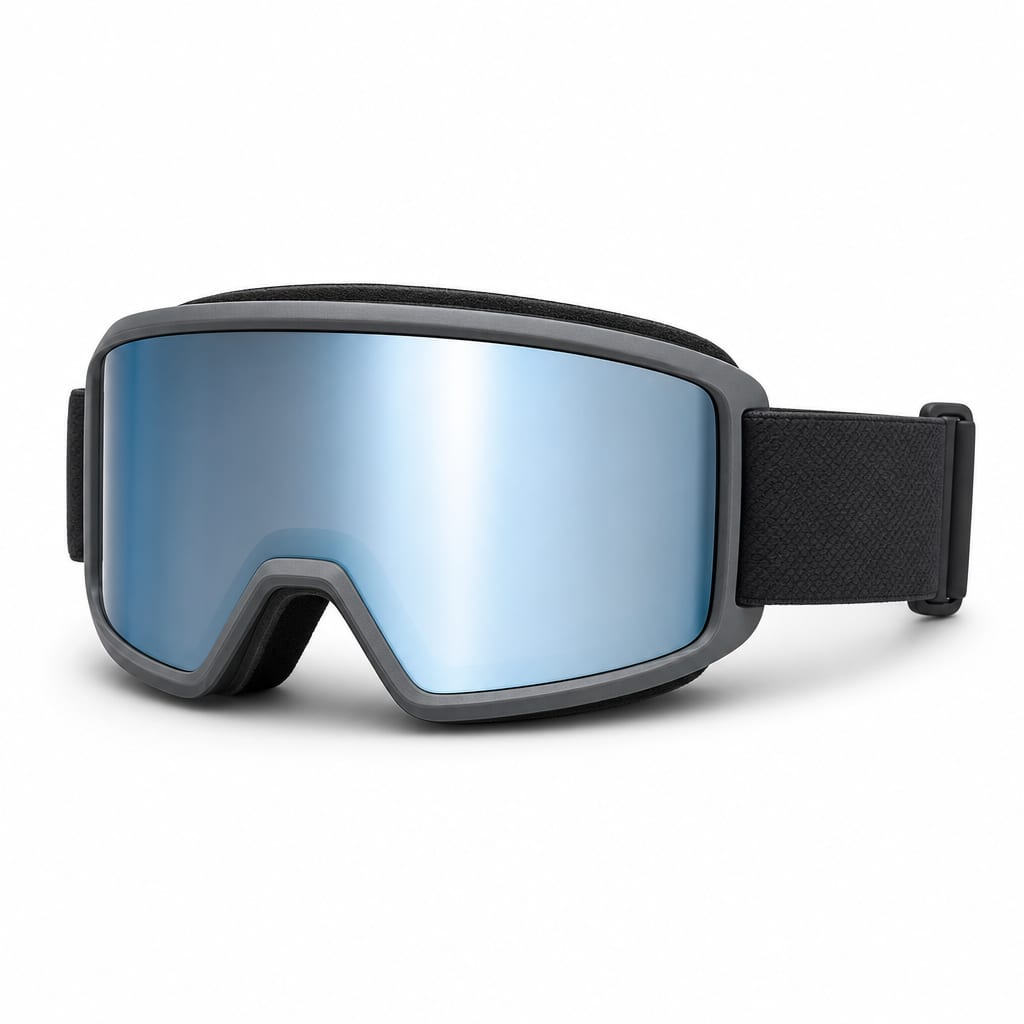
Cylindrical lens ski goggles feature lenses that curve horizontally but remain flat vertically, creating the traditional goggle silhouette most riders recognize. While they don't match the optical precision of spherical lenses, cylindrical goggles offer excellent central clarity, proven fog resistance, and straightforward lens swapping — all at significantly lower prices. They remain the go-to choice for park riders, casual skiers, and anyone who values function over premium optics.

$40 – $200budget tierbeginnerintermediateadvanced

Best known for

Affordable pricing compared to spherical alternativesClassic low-profile goggle aestheticReliable central optical clarityWide availability of replacement lensesPopularity among park and street riders
Cylindrical Lens Ski Goggles

Guide

Detailed overview

Cylindrical lens ski goggles are defined by their lens construction: curved side-to-side to wrap the face but flat top-to-bottom. This manufacturing approach produces a lens with a single axis of curvature, resulting in the traditional rectangular goggle profile that has been the industry standard for decades. The flat vertical plane means light passes through with minimal bending along that axis, but the horizontal curve can introduce slight peripheral distortion — objects at the far edges of your vision may appear slightly stretched or compressed compared to how they look through a spherical lens. For the majority of skiers and snowboarders, this distortion is barely noticeable during normal riding. Cylindrical lenses are significantly less expensive to produce than spherical or toric alternatives, which translates to lower retail prices and makes them the most accessible entry point into quality snow sports eyewear. The category spans from basic budget models under $40 to well-equipped mid-range options around $80–$150 that include features like quick-swap lens systems, premium anti-fog coatings, and triple-layer face foam.

Cylindrical lens ski goggles have been the backbone of the snow sports eyewear market since the earliest days of modern goggle design. Their construction — a lens curved horizontally to follow the contour of the face but left flat vertically — represents a practical balance between optical performance and manufacturing cost. This single-axis curvature is simpler and less expensive to produce than the compound curves of spherical lenses, and those savings are passed directly to the consumer. For many riders, especially those who spend most of their time on groomed runs, in the terrain park, or skiing casually with friends, cylindrical goggles provide everything they need without paying for optical refinements they won't notice.

The primary optical trade-off with cylindrical lenses occurs at the periphery. Because the lens is flat vertically, light entering from above and below passes straight through without distortion, but the horizontal curve can cause slight magnification or compression of objects viewed through the lens edges. In practical terms, a skier approaching from your side might appear slightly closer or farther than they actually are when seen through the far edge of your goggle. Central vision — where your eyes naturally focus during most riding — remains clear and accurate. Park riders often prefer cylindrical goggles specifically because the lower profile sits closer to the face, reducing the 'bug-eye' look and providing a more natural feel when spinning and grabbing.

One underappreciated advantage of cylindrical lenses is their compatibility with lens interchangeability systems. The simpler lens shape flexes more predictably, making traditional frame-swap mechanisms easier to operate. Many of the most popular and user-friendly quick-swap goggle systems on the market use cylindrical lenses. Replacement lenses are also more widely available and less expensive than their spherical counterparts, which matters if you like to carry a low-light backup lens for storm days. The flat vertical profile also tends to pack slightly flatter in a goggle sleeve or pocket, taking up less space in your gear bag.

Fog management in cylindrical goggles is generally on par with spherical models when comparing equivalent anti-fog systems. The dual-lens thermal barrier that prevents fogging works the same way regardless of lens shape. However, cylindrical goggles sometimes have slightly less internal air volume than oversized spherical models, which can mean marginally faster humidity buildup during high-exertion activities like backcountry touring. For resort skiing with normal exertion levels, this difference is negligible. The key fog-prevention factors — dual-lens construction, anti-fog coating quality, and ventilation design — matter far more than lens shape alone.

The cylindrical goggle market in 2024 and beyond offers remarkable value. Models in the $60–$120 range frequently include features that were premium just a few seasons ago: magnetic quick-swap lenses, triple-layer moisture-wicking foam, and advanced anti-fog coatings. Brands continue to invest in cylindrical platforms because they remain the highest-volume segment of the market. If you're budget-conscious, a well-chosen cylindrical goggle with the right lens tint for your typical conditions will outperform a poorly-chosen spherical goggle every time. The smart money goes to matching your goggle's features — especially VLT and lens tint — to your actual skiing, not to chasing the most expensive lens shape.

Quick facts

Primary purpose
Provide reliable eye protection with a classic aesthetic at an accessible price
Popular brands
OakleySmithDragonSpyAnon
Typical terrain
terrain parksgroomed runshalfpipeurban features

What makes it different

Flat vertical lens profile creates classic goggle look; More affordable than spherical due to simpler manufacturing

Recommended ranges

How this type usually specs out

Each spec is explained in plain language, then we show what buyers usually look for on this type.

Lens Shape

Lens Shape

What it means

The curvature profile of the goggle lens, affecting optical clarity, distortion, and field of view.

Typical for this type

Cylindrical (Defining Characteristic Of This Subcategory)

In practice

Cylindrical lenses curve horizontally to wrap the face but remain flat vertically, creating the classic rectangular goggle profile. This is the defining feature of this subcategory.

Compared to other types

Spherical lenses curve both horizontally and vertically for superior peripheral clarity and less distortion but cost significantly more. Toric lenses offer an asymmetric middle ground. Cylindrical is the most affordable and traditional option.

Why it matters: Lens shape determines optical distortion characteristics, field of view, goggle profile, and price point. Cylindrical lenses prioritize affordability and a low-profile look over the edge-to-edge clarity of spherical designs.

VLT (%)

Visible Light Transmission

What it means

The percentage of visible light that passes through the lens, determining brightness and suitability for different weather conditions.

Typical for this type

15-25% for primary all-around lens; carry a 40-65% spare for low light

Most common pick: 18-25% (with included lens)

In practice

Most cylindrical goggles ship with a mid-VLT lens suitable for partly cloudy to sunny conditions. This covers the most common on-mountain lighting but leaves riders under-equipped for storms and flat light without a spare lens.

Compared to other types

VLT ranges are identical across lens shapes — the difference is that cylindrical goggles' cheaper replacement lenses make building a quiver of conditions-specific lenses more affordable than with spherical models.

Why it matters: VLT is the single most important spec for on-hill visibility. A mismatched VLT makes terrain features invisible and dramatically increases fatigue and risk. Cylindrical goggles' lower price makes owning multiple lenses more feasible.

Lens Tint/Color

Lens Tint

What it means

The color tint of the lens, which filters light differently to enhance contrast and definition in specific conditions.

Typical for this type

Rose/Copper/Amber For Primary Lens; Yellow/Gold Or Clear For Low-Light Spare

Most common pick: Rose Copper (Most Common Included Tint)

In practice

Rose and copper tints dominate included cylindrical goggle lenses because they enhance contrast in the widest range of conditions. This tint category reveals terrain texture in flat light while remaining tolerable in sun.

Compared to other types

Tint options are equivalent across lens shapes. However, the lower cost of cylindrical replacement lenses makes it more practical to own condition-specific tints rather than relying on one do-everything lens.

Why it matters: Contrast-enhancing tints are especially valuable with cylindrical lenses because they help compensate for the slight peripheral distortion by making terrain features more visible in the central viewing area where clarity is strongest.

Frame Size

Frame Size

What it means

The overall size of the goggle frame and lens, determining field of view and face fit compatibility.

Typical for this type

Match to Face Size: Small For Youth/Small Faces, Medium For Most Adults, Large For Wide Faces Or Maximum FOV

In practice

Medium is the most common frame size in cylindrical goggles, fitting the majority of adult faces. Cylindrical goggles are available in all frame sizes from youth to oversized.

Compared to other types

Cylindrical goggles tend to have slightly smaller lens surface areas than equivalently-sized spherical models because the flat vertical profile doesn't extend as far. This can make large cylindrical goggles feel less oversized than large spherical ones.

Why it matters: Proper frame size ensures a complete face seal (preventing fog and cold), comfortable strap tension, and helmet compatibility. An oversized cylindrical goggle on a small face creates gaps; an undersized one restricts vision.

Anti-Fog System

Anti-Fog System

What it means

The technology and design features preventing lens fogging, including dual-layer construction, coatings, and ventilation.

Typical for this type

Dual Lens + Standard Coating Minimum; Dual Lens + Premium Coating For Frequent Skiers Or High Exertion

Most common pick: Dual Lens Standard Coating

In practice

Most cylindrical goggles in the $50–$120 range feature dual-lens construction with a standard anti-fog coating. This provides reliable fog resistance for typical resort skiing. Premium coatings appear in upper-range cylindrical models.

Compared to other types

Anti-fog performance is determined by the coating and dual-lens construction, not lens shape. A cylindrical goggle with premium coating will outperform a spherical goggle with standard coating. Don't assume spherical means better fog resistance.

Why it matters: Fogging is the number one complaint among goggle users. Cylindrical goggles with dual-lens construction and proper coating perform well in normal conditions but may fog during high-exertion activities like hiking to backcountry lines or skiing in wet snow.

Lens Interchangeability

Lens Interchangeability

What it means

The system and ease with which lenses can be swapped to adapt to changing light conditions.

Typical for this type

Magnetic Quick-Swap For Maximum Convenience; Mechanical Quick-Swap For Good Balance Of Price And Swapability

Most common pick: Frame Swap

In practice

Traditional frame-swap systems remain most common in cylindrical goggles due to their lower cost and the easier flex characteristics of cylindrical lenses. However, magnetic and mechanical quick-swap systems are increasingly available in mid-range cylindrical models.

Compared to other types

Spherical and toric goggles have adopted magnetic quick-swap systems more rapidly at premium price points. Cylindrical goggles offer the widest range of interchangeability options across price tiers, from fixed lenses to magnetic systems.

Why it matters: Cylindrical lenses flex more predictably than spherical lenses, making frame-swap mechanisms easier to operate. This is a practical advantage — even budget cylindrical goggles with frame-swap systems are relatively easy to change lenses on compared to spherical equivalents.

UV Protection

UV Protection

What it means

The level of ultraviolet radiation blocking provided by the lens, critical for eye health at altitude.

Typical for this type

UV400 (100% UVA/UVB) — Non-Negotiable For Any Quality Goggle

Most common pick: Uv400

In practice

Virtually all cylindrical goggles from reputable brands offer UV400 protection, blocking 100% of UVA and UVB radiation. This is a baseline safety feature that should never be compromised regardless of price point.

Compared to other types

UV protection is identical across lens shapes when comparing reputable brands. The only risk is with ultra-budget cylindrical goggles from unknown manufacturers that may not meet UV400 claims. Always verify UV400 certification.

Why it matters: UV exposure at altitude with snow reflection can cause photokeratitis (snow blindness) and long-term eye damage. UV protection is completely independent of lens tint darkness — even clear UV400 lenses provide full protection.

Over-the-Glasses (OTG) Compatible

Over-the-Glasses (OTG) Compatible

What it means

Whether the goggle is designed to accommodate prescription eyeglasses underneath without discomfort or fogging.

Typical for this type

True If You Wear Prescription Glasses; Otherwise Not A Factor

Most common pick: False (Most Cylindrical Goggles Are Not OTG)

In practice

Most cylindrical goggles are not specifically designed for OTG use. The lower internal volume and closer-to-face profile of cylindrical designs leaves less room for glasses frames. Dedicated OTG cylindrical models exist but are less common than OTG spherical options.

Compared to other types

Spherical goggles, with their larger internal volume and deeper frame, are more frequently offered in OTG-compatible designs. Cylindrical OTG options exist but the selection is more limited.

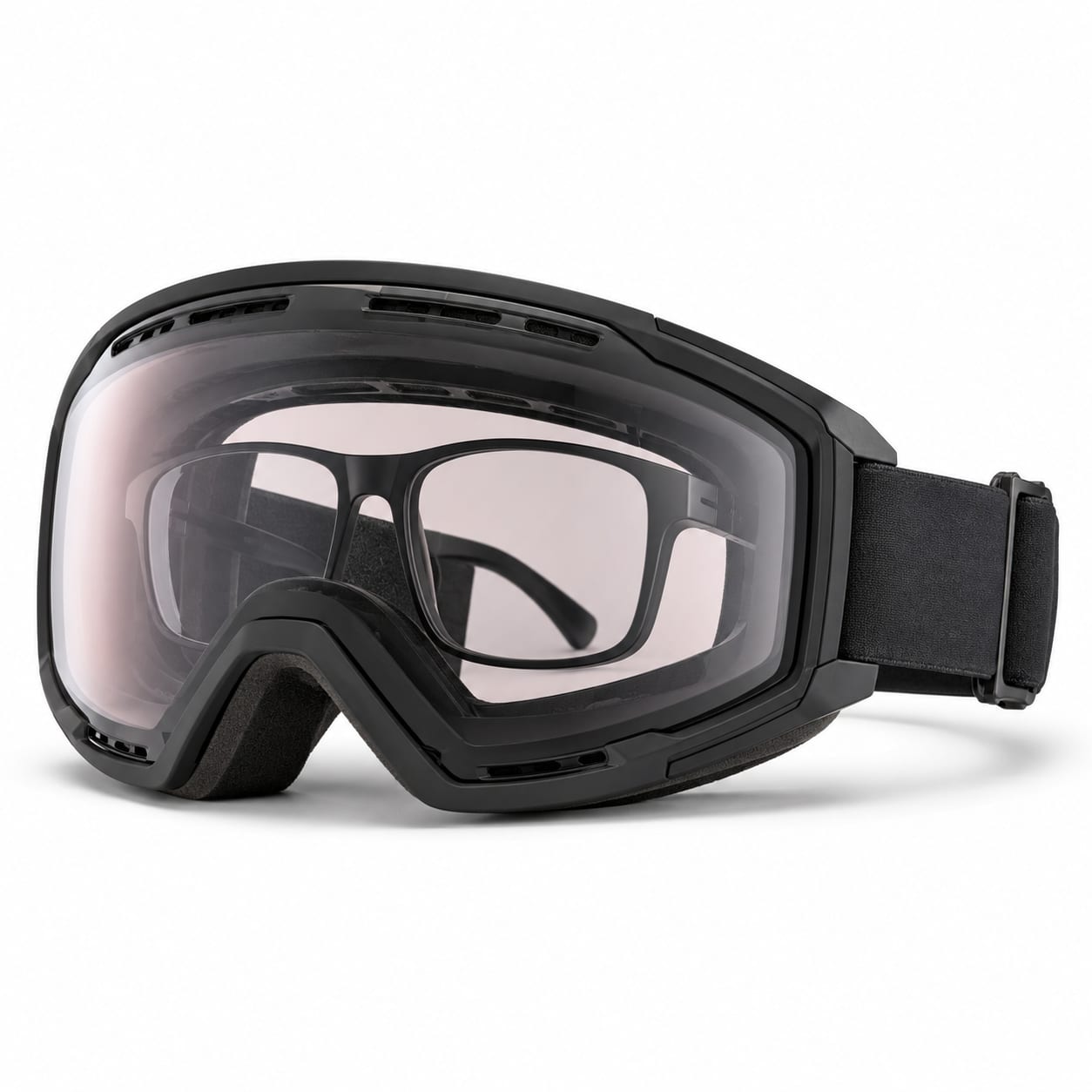
Why it matters: Wearing non-OTG goggles over glasses causes temple pressure, fogging between glasses and goggle lens, and potential discomfort. If you wear glasses, seek out specifically designated OTG cylindrical models or consider Rx inserts.

Field of View

Field of View

What it means

The peripheral vision range provided by the goggle, measured in degrees of horizontal and vertical visibility.

Typical for this type

160-175 degrees for good peripheral awareness; above 170 is excellent for this subcategory

Most common pick: 155-170 degrees horizontal

In practice

Cylindrical goggles typically offer 155–170 degrees of horizontal field of view, which is slightly less than spherical or oversized spherical models that can reach 180+ degrees. The flat vertical profile limits vertical field of view compared to spherical designs.

Compared to other types

Spherical goggles typically offer 170–190+ degrees horizontal FOV due to their curved-vertical profile that extends visibility upward and downward. Toric lenses fall between cylindrical and spherical. The FOV gap is most noticeable when scanning for obstacles in your periphery.

Why it matters: Peripheral vision helps you spot other skiers, terrain changes, and obstacles without turning your head. While cylindrical goggles provide adequate peripheral vision for most riding, racers and freeriders navigating tight spaces may benefit from wider spherical options.

Polarized

Polarized Lens

What it means

Whether the lens includes polarization to reduce glare from reflective snow surfaces.

Typical for this type

Non-Polarized Preferred By Most Skiers; Polarized Available For Bright Conditions If Ice Detection Is Not Critical

Most common pick: False

In practice

Most cylindrical goggles are not polarized. Polarization reduces glare from reflective snow but can make it harder to distinguish icy patches from soft snow — a significant safety concern. Some cylindrical models offer polarized options.

Compared to other types

Polarization availability is similar across lens shapes. The ice-detection trade-off applies equally regardless of lens shape. Some premium spherical goggles offer polarized options, but the consideration is the same.

Why it matters: On hard-packed and icy conditions common in Eastern North America and early-season skiing everywhere, the ability to see ice patches is critical. Polarization can mask these hazards by reducing the glare differential between ice and snow.

Mirror Coating

Mirror Coating

What it means

Reflective coating on the outer lens surface that bounces additional light away, reducing glare and VLT.

Typical for this type

Full Mirror For Sunny Conditions; No Mirror For Low-Light Spare Lenses; Partial Mirror For All-Around Use

Most common pick: Partial Mirror

In practice

Many mid-range cylindrical goggles feature partial or flash mirror coatings that provide modest additional glare reduction without dramatically affecting VLT. Full mirror coatings are available on higher-end cylindrical models.

Compared to other types

Spherical lenses tend to hide minor scratches better due to their compound curvature reflecting light at varying angles. Cylindrical lenses' flat vertical profile can make scratches on mirror coatings more visible. Handle and clean all mirrored lenses with care.

Why it matters: Mirror coatings are functional, not just cosmetic — they bounce additional light away from the lens surface. On cylindrical goggles, mirror coatings are more susceptible to visible scratching because the flat vertical profile presents a larger uniform surface that shows imperfections clearly.

Ventilation Design

Ventilation Design

What it means

The airflow system built into the goggle frame to manage moisture and prevent fogging during activity.

Typical for this type

Enhanced Passive Ventilation For Best Balance; Standard Passive Adequate For Casual Resort Skiing

Most common pick: Standard Passive

In practice

Standard passive ventilation with basic frame cutouts is most common in cylindrical goggles. Enhanced passive systems with larger, strategically-placed vents appear in mid-to-upper range models. Active (powered) ventilation is rare in cylindrical goggles.

Compared to other types

Spherical goggles, especially oversized models, have more internal air volume which can buffer humidity buildup slightly better. However, ventilation design quality matters far more than lens shape — a well-vented cylindrical goggle outperforms a poorly-vented spherical one.

Why it matters: Cylindrical goggles' slightly lower internal volume compared to oversized spherical models means humidity can build up faster during high exertion. Adequate ventilation is essential to complement the dual-lens anti-fog system, especially for skiers who run hot or tour in the backcountry.

Face Foam

Face Foam

What it means

The multi-layer foam padding that creates a seal against the face, affecting comfort, fit, and moisture management.

Typical for this type

Triple Layer Standard Minimum For Regular Skiers; Triple Layer + Moisture Wicking For All-Day Comfort

Most common pick: Dual Layer

In practice

Dual-layer foam is common on budget-to-mid-range cylindrical goggles. Triple-layer foam appears in models above $80 and provides noticeably better comfort and seal for full-day skiing. Premium moisture-wicking top layers are found in upper-range cylindrical goggles.

Compared to other types

Premium spherical goggles more commonly include triple-layer moisture-wicking foam as standard. In the cylindrical category, this is more often an upgrade feature. Always check foam spec when comparing similarly-priced cylindrical and spherical options.

Why it matters: Face foam creates the seal that keeps cold air, wind, and moisture out while managing sweat. Compressed or inadequate foam leads to gaps, fogging, and pressure points. Cylindrical goggles' closer-to-face fit means foam quality directly impacts comfort more than with deeper spherical frames.

Helmet Compatibility

Helmet Compatibility

What it means

How well the goggle integrates with ski helmets in terms of fit, strap grip, and gap-free interface.

Typical for this type

Universal Compatible For Flexibility; Seamless Integration If Buying Helmet And Goggle Together From Same Brand

Most common pick: Universal Compatible

In practice

Most cylindrical goggles are designed with universal helmet compatibility, using standard proportions and adjustable silicone-backed straps. Their lower profile typically integrates well with most helmet designs without gaper gap issues.

Compared to other types

Oversized spherical goggles can create gaper gap more easily due to their taller lens profile. Cylindrical goggles' more compact vertical dimension often integrates more cleanly with helmet brims and edges, especially on helmets with lower-profile goggle straps.

Why it matters: Cylindrical goggles' flatter profile often creates a more seamless helmet interface than bulky spherical models. The lower stack height between forehead and helmet means less potential for gaper gap. Always verify fit with your specific helmet.

Frame Material

Frame Material

What it means

The primary material used in the goggle frame, affecting flexibility, cold-weather performance, and durability.

Typical for this type

TPU Flexible For All Quality Goggles; Avoid Rigid Plastic At Any Price

Most common pick: Tpu Flexible

In practice

TPU (thermoplastic polyurethane) frames are standard on quality cylindrical goggles across price ranges. TPE compounds appear on some mid-range models. Rigid plastic frames should be avoided as they become brittle in cold and prevent lens flexing for swaps.

Compared to other types

Frame material quality is consistent across lens shapes at equivalent price points. The flexibility of TPU is especially beneficial for cylindrical goggles with frame-swap lens systems, where the frame must flex to accept and release the lens.

Why it matters: TPU frames remain flexible in extreme cold, conform to the face for a better seal, and allow the frame flex needed for lens changes. Rigid plastic frames crack, create pressure points, and make lens swaps nearly impossible without damage.

Prescription Lens Compatible

Prescription Lens Compatible

What it means

Whether the goggle supports prescription vision correction through inserts or Rx-able lens options.

Typical for this type

Rx Insert Compatible Or Included If You Wear Glasses; Not A Factor For Contact Lens Users

Most common pick: Not Rx Compatible

In practice

Most cylindrical goggles are not Rx-compatible out of the box. Some mid-range and premium cylindrical models offer Rx insert compatibility as an accessory. Direct Rx cylindrical lenses are rare. OTG use or contact lenses remain the most common vision solutions.

Compared to other types

Spherical goggles more frequently offer Rx insert options and direct Rx lenses due to their larger internal volume accommodating inserts more easily. Cylindrical Rx options are growing but remain more limited in selection.

Why it matters: Glasses wearers need a vision strategy before hitting the slopes. Cylindrical goggles' lower internal volume makes OTG use less comfortable than with deeper spherical frames. Rx inserts solve both vision and double-fog issues but add cost.

Evaluation

Strengths and trade-offs

Pros

What this type does best

Significantly lower price than spherical alternatives

Critical

Cylindrical goggles typically cost 30-50% less than equivalent spherical models from the same brand. This makes quality features like dual-lens anti-fog, good ventilation, and decent face foam accessible to budget-conscious riders.

Lower-profile, classic aesthetic

High

The flat vertical lens creates a sleeker, less bulbous look that many riders prefer. Park riders and street-oriented snowboarders often choose cylindrical goggles specifically for the cleaner profile and reduced 'bug-eye' appearance.

Affordable replacement and spare lenses

High

Cylindrical replacement lenses cost less to manufacture, making it more economical to build a quiver of conditions-specific lenses. A low-light spare lens for a cylindrical goggle often costs $20-40 less than the spherical equivalent.

Easier traditional lens swaps

Medium

The simpler single-curve lens flexes more predictably, making frame-swap mechanisms easier to operate without risking lens damage. Even without quick-swap systems, changing cylindrical lenses is generally more straightforward.

Good helmet integration with less gaper gap

Medium

The lower vertical profile of cylindrical goggles typically creates a cleaner interface with helmet brims. There's less material stacking between forehead and helmet, reducing the dreaded gaper gap that causes cold and fogging.

Widest selection across all price points

Medium

Cylindrical goggles remain the highest-volume segment of the market, meaning more models, more colorways, and more features available at every price tier. This gives buyers more options to find the exact combination of features they want.

Compact storage and packing

Medium

The flatter vertical profile packs more efficiently in goggle sleeves, jacket pockets, and gear bags. Cylindrical goggles take up slightly less space than spherical models of equivalent frame size, which matters for travel and backcountry packs.

Cons

Trade-offs to be aware of

Peripheral distortion at lens edges

Moderate

The flat vertical profile causes slight magnification and compression of objects viewed through the far edges of the lens. While central vision is clear, peripheral objects may appear slightly distorted in shape or distance.

Narrower field of view than spherical alternatives

Moderate

Cylindrical goggles typically offer 155-170 degrees horizontal FOV compared to 170-190+ for spherical models. The flat vertical profile also limits upward and downward visibility compared to the vertical curve of spherical lenses.

More glare potential on flat vertical surface

Minor

The flat vertical section of a cylindrical lens can catch and reflect light more directly than the curved surface of a spherical lens, creating potential glare spots in certain sun angles. This is most noticeable on bright days at low sun angles.

Limited OTG and Rx options

Moderate

The lower internal volume and closer-to-face fit of cylindrical goggles means fewer OTG-compatible models and Rx insert options compared to spherical designs. Glasses wearers may find the selection restrictive.

Mirror coating scratches more visible

Minor

The flat vertical surface of cylindrical lenses reflects light uniformly, making any scratches or imperfections in mirror coatings more visible than on spherical lenses where the compound curvature helps disguise minor marks.

Perceived as less premium

Minor

Despite functional adequacy for most riders, cylindrical goggles carry a perception of being 'budget' or 'basic' compared to spherical alternatives. This social factor may matter to riders concerned with equipment image.

Best for

Terrain

Terrain parksGroomed runsUrban and street featuresHalfpipe

Snow conditions

Partly cloudy to sunny (with appropriate VLT)Variable conditions (with spare lens)All conditions (with lens quiver)

Skill level

BeginnerIntermediateAdvanced park riders

Riding style

Park and pipeCasual resort cruisingStreet and urbanBudget-conscious all-mountain

Rider profile

Budget-conscious skiers and snowboardersPark riders who prefer low-profile gogglesCasual riders who ski 5-15 days per seasonParents buying for growing kidsRiders who want multiple lenses without premium pricingSkiers who prioritize helmet integration over maximum FOV

Not ideal for

Reasons

Peripheral distortion can delay hazard recognition at high speeds in complex terrainNarrower field of view reduces peripheral awareness in tight spaces like trees and chutesElite competitors may benefit from the optical precision of spherical lenses where marginal gains matterLower internal volume may fog more during high-exertion backcountry touring

Terrain

Steep technical freeride lines requiring maximum peripheral visionTight gladed runs where peripheral awareness is safety-critical

Skill level

Professional racers who need every optical advantageElite freeriders navigating complex terrain at speed

Riding style

Competitive racingHigh-speed big mountain freerideBackcountry touring in complex terrain

Compare

How it stacks up

This page

Cylindrical Lens Ski Goggles

30-50% lower price, lower-profile aesthetic, easier lens swaps with traditional frames, cheaper replacement lenses, better helmet integration with less gaper gap

Alternative

Spherical Lens Ski Goggles

Superior peripheral clarity with no edge distortion, wider field of view (especially vertically), less glare from curved surface, more OTG and Rx options, premium perception

Bottom line

Choose cylindrical if budget matters, you prefer a low-profile look, or you primarily ride park and groomers. Choose spherical if you ski varied terrain at speed, need maximum peripheral vision, or want the best possible optical clarity regardless of cost.

This page

Cylindrical Lens Ski Goggles

Lower price, simpler and more proven design, wider availability of models and replacement lenses, easier to find on sale

Alternative

Toric Lens Ski Goggles

Wider horizontal field of view than cylindrical, less peripheral distortion, modern distinctive styling, better vertical visibility than cylindrical while costing less than spherical

Bottom line

Choose cylindrical for maximum value and proven simplicity. Choose toric if you want wider peripheral vision than cylindrical provides without paying spherical prices, and you appreciate the modern aesthetic.

This page

Cylindrical Lens Ski Goggles

More compact and lighter weight, better helmet compatibility, less face coverage in warm weather, easier to store and pack, lower price

Alternative

Oversized/Max-Fo Goggles

Massively wider field of view, maximum peripheral awareness, often spherical lens for superior optics, popular freeride aesthetic

Bottom line

Choose cylindrical if you value a compact fit, better helmet integration, and lower cost. Choose oversized/max-FOV if peripheral vision is your top priority and you prefer the modern freeride look.

Shopping

Buying tips

  • 1

    Prioritize lens tint and VLT over frame features — a cylindrical goggle with the right tint for your conditions will outperform a spherical goggle with the wrong tint every time.

  • 2

    If buying one goggle, choose a rose/copper/amber tint with 18-25% VLT as your all-around lens, then add a high-VLT spare (50-70%) for storm days. Cylindrical spare lenses are affordable enough to make this practical.

  • 3

    Look for cylindrical goggles with magnetic or mechanical quick-swap systems in the $80-130 range — this feature dramatically improves your adaptability to changing conditions and is increasingly available at mid-range prices.

  • 4

    Always try on with your helmet before buying. Cylindrical goggles generally integrate well, but strap length and goggle strap slot compatibility vary between brands.

  • 5

    Don't assume you need spherical lenses if you're a casual or intermediate skier. The peripheral distortion of cylindrical lenses is barely noticeable during normal resort riding and the savings can go toward a better lens tint or spare lens.

  • 6

    Check the anti-fog spec carefully — dual-lens construction with at least standard anti-fog coating should be your minimum. Single-lens cylindrical goggles at rock-bottom prices will fog and ruin your day.

  • 7

    Consider Asian/Low Bridge fit if you experience any gap at the nose bridge, regardless of your ethnicity. This fit solves a common fogging issue and is increasingly available in cylindrical models.

  • 8

    If you wear glasses, specifically seek out OTG-designated cylindrical models or look for Rx insert compatibility. Standard cylindrical goggles rarely accommodate glasses comfortably due to lower internal volume.

Care

Maintenance notes

  • Never touch or wipe the inner lens — the anti-fog coating is extremely fragile and once damaged, cannot be restored. If inner lens gets wet, let it air dry completely.
  • Always store goggles in their microfiber bag or hard case after use. Never leave them on a helmet or dashboard where they can get scratched, crushed, or overheated.
  • Allow goggles to air dry fully before storing in enclosed cases. Storing damp goggles promotes mold growth and degrades foam and anti-fog coatings.
  • Clean outer lenses by rinsing with water first to remove grit, then gently blot with the provided microfiber bag. Never wipe dry lenses — grit causes scratches, especially visible on mirror coatings.
  • Replace goggles when face foam becomes permanently compressed, loses its shape, or no longer creates a complete seal against your face. This typically happens after 2-4 seasons of regular use.
  • Avoid leaving goggles in hot cars or near heaters. TPU frames are heat-resistant but extreme temperatures degrade foam, anti-fog coatings, and elastic straps prematurely.
  • If your cylindrical goggle has a frame-swap lens system, practice changing lenses at home in warm conditions before attempting it on the mountain in the cold with numb fingers.

Progression

Skill development path

Cylindrical goggles are appropriate for all skill levels but are most commonly purchased by beginners and intermediates due to their accessible pricing. As riders progress, some upgrade to spherical lenses for the optical advantages in variable terrain, while others — particularly park riders and those who prioritize aesthetics — remain loyal to cylindrical goggles throughout their progression. The key insight is that lens shape alone does not limit your riding; choosing the right VLT and tint for conditions matters far more than the curvature profile of the lens. Advanced riders who stay with cylindrical goggles often do so because they've found a model with the right fit, features, and lens options for their specific needs, and the optical differences don't impact their riding style.

FAQ

Common questions

Each question has a dedicated page with a full answer and links to the buying guide.

Are cylindrical goggles good enough for serious skiing?

Yes, absolutely. Cylindrical goggles provide clear central vision and adequate peripheral awareness for the vast majority of skiing situations. The optical differences between cylindrical and spherical lenses are most noticeable at the far edges of your peripheral vision, which you rarely rely on for critical decisions during normal riding. Many professional park riders and experienced skiers use cylindrical goggles by choice. Focus on getting the right VLT and tint for your conditions — that matters far more than lens shape.

Will I notice the peripheral distortion of cylindrical lenses?

Most skiers don't notice it during normal riding. The distortion occurs at the far edges of your peripheral vision where your eyes don't focus sharply anyway. You might notice it if you specifically look for it — objects at the extreme periphery may appear slightly stretched or compressed. If you're skiing fast through tight trees or navigating complex terrain where split-second peripheral awareness matters, spherical lenses provide a measurable advantage. For groomed runs, park, and general resort skiing, the distortion is functionally irrelevant.

Can I swap lenses on cylindrical goggles easily?

It depends on the interchangeability system. Cylindrical lenses are actually easier to swap than spherical lenses in traditional frame-swap systems because the simpler single-curve shape flexes more predictably. Many modern cylindrical goggles now offer magnetic or mechanical quick-swap systems that allow lens changes in seconds, even with gloves on. If you anticipate changing lenses on the mountain, prioritize a quick-swap system over traditional frame-swap designs.

Why are cylindrical goggles cheaper than spherical ones?

The price difference comes primarily from manufacturing complexity. Cylindrical lenses require forming a single horizontal curve, which is simpler and faster to produce. Spherical lenses must be precisely curved on two axes simultaneously, requiring more sophisticated manufacturing processes, tighter quality control, and higher rejection rates for optical imperfections. The raw materials are similar — you're paying for the more complex manufacturing, not better materials.