What it means
The curvature profile of the goggle lens, affecting optical clarity, distortion, and field of view.
Typical for this type
Spherical Or Toric
In practice
Low-light goggles overwhelmingly feature spherical lenses, which minimize distortion at the periphery and provide the widest possible field of view—critical when visibility is already compromised by flat light conditions.
Compared to other types
Spherical lenses are more strongly recommended for low-light goggles than for sunny-day goggles, where central clarity is the priority. In storm conditions, every degree of peripheral vision counts.
Why it matters: In flat light, your peripheral vision is already degraded by the lack of contrast. Spherical lenses preserve the maximum usable field of view with minimal edge distortion, helping you spot terrain changes and other skiers that might otherwise disappear in the whiteout.
VLT (%)
Visible Light Transmission
What it means
The percentage of visible light that passes through the lens, determining brightness and suitability for different weather conditions.
Typical for this type
60–90%
Most common pick: 70%
In practice
Low-light goggles require high VLT to maximize the amount of available light reaching the eye. Typical VLT ranges from 60% for variable low-light to 90%+ for night skiing or extremely heavy overcast.
Compared to other types
Sunny-day goggles typically have 8–18% VLT, all-mountain goggles 20–45% VLT, while low-light goggles start at 60% VLT. This is the widest VLT gap between any goggle subcategories, making it the most impactful lens change you can make.
Why it matters: VLT is the single most important specification for low-light goggles. Too low a VLT in flat light means you literally cannot see terrain features. A 70% VLT lens can reveal moguls, ice, and snow texture that a 25% VLT lens renders completely invisible.
What it means
The color tint of the lens, which filters light differently to enhance contrast and definition in specific conditions.
Typical for this type
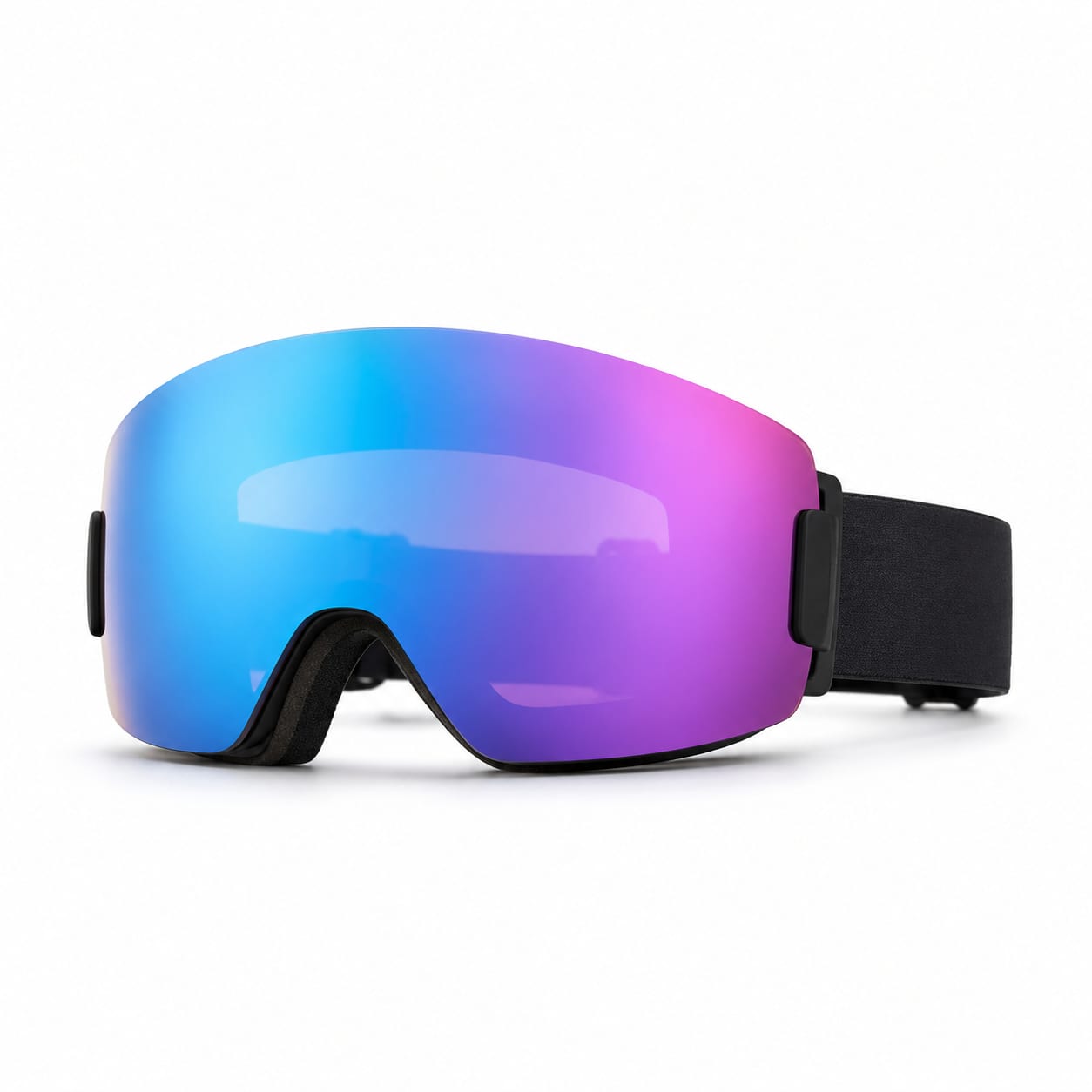
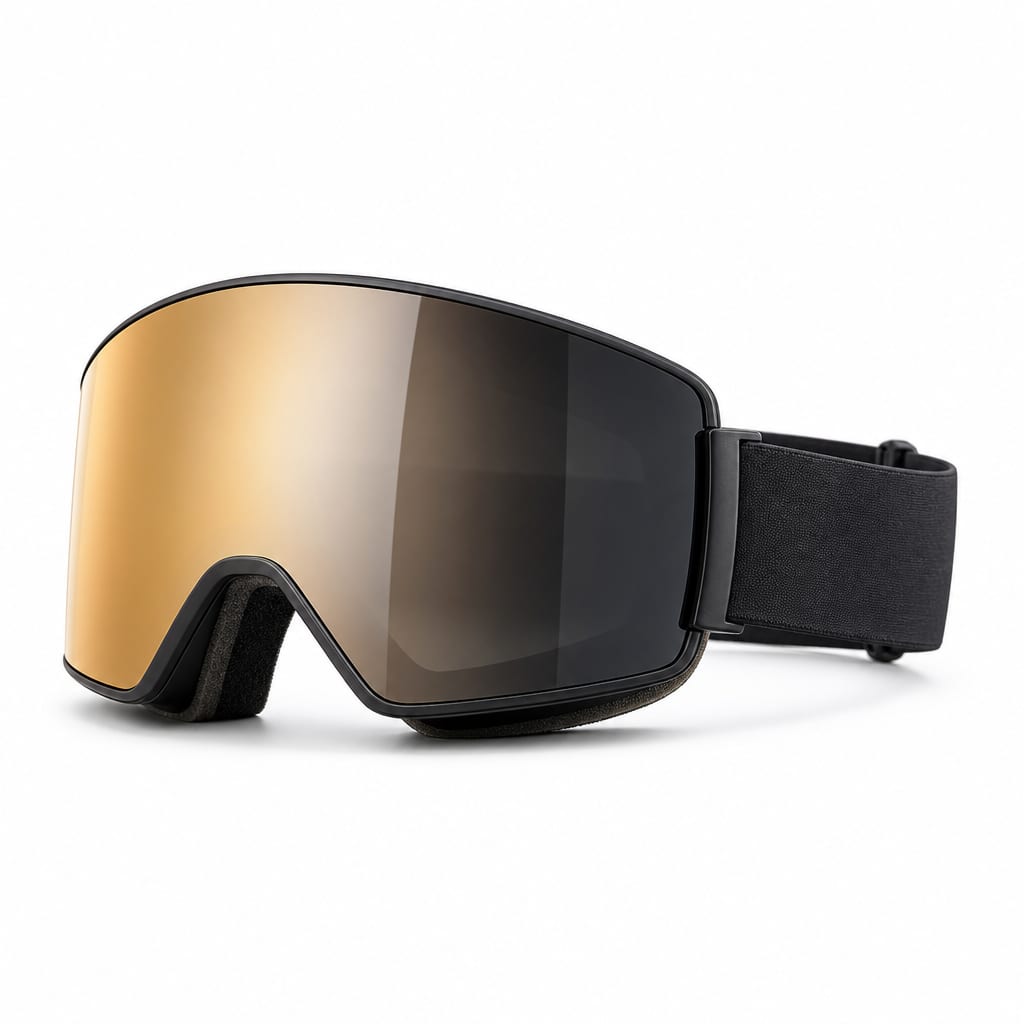
Yellow Gold Or Rose Copper
In practice
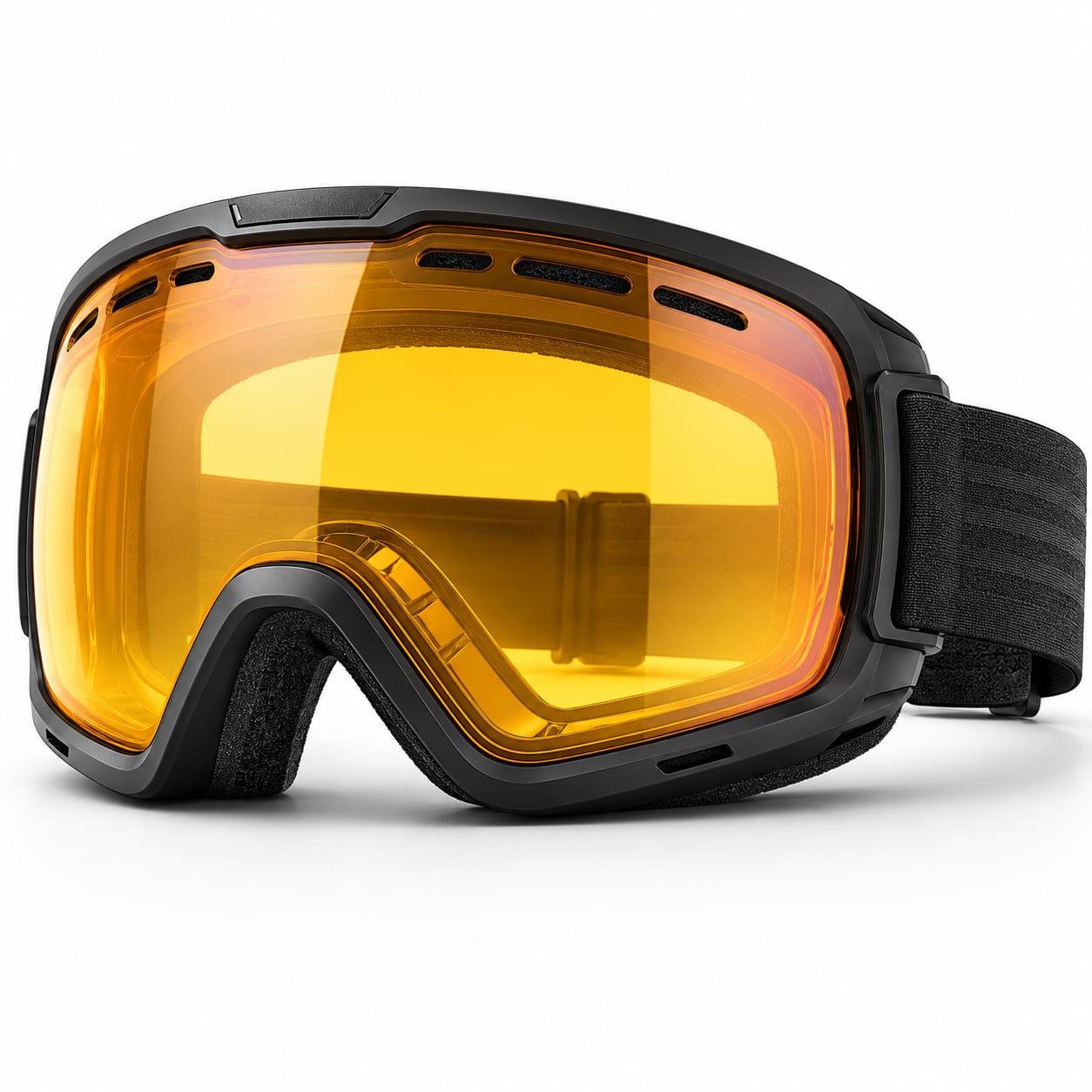
Yellow and gold tints provide maximum brightness and contrast in the lowest light conditions. Rose and amber tints offer excellent contrast with slightly better versatility across low-to-medium conditions.
Compared to other types
Unlike sunny-day goggles that use gray or mirror tints to reduce brightness, low-light goggles use warm contrast-enhancing tints that would be overwhelming in bright sun but are transformative in flat light. Photochromic lenses are a compelling alternative for riders who want one lens to handle variable conditions.
Why it matters: Tint color determines how effectively the lens enhances contrast in flat light. Warm-toned tints (yellow, gold, amber, rose) actively filter light to reveal terrain definition, while neutral or cool tints simply transmit more light without improving depth perception or snow texture visibility.
What it means
The overall size of the goggle frame and lens, determining field of view and face fit compatibility.
Typical for this type
Medium Or Large
In practice
Medium and large frames dominate the low-light category because wider lenses provide more peripheral vision—a critical advantage when flat light already reduces visual definition.
Compared to other types
Low-light goggles skew slightly larger than sunny-day goggles for the peripheral vision advantage, but the difference is subtle. Fit quality always trumps size—gaps in a storm mean water intrusion and fogging.
Why it matters: In storm conditions, maximizing your field of view helps compensate for reduced contrast. Larger lenses provide more usable peripheral vision. However, proper face seal is paramount in wet conditions, so never choose a size that doesn't fit your face properly.
Anti-Fog System
Anti-Fog System
What it means
The technology and design features preventing lens fogging, including dual-layer construction, coatings, and ventilation.
Typical for this type
Dual Lens Premium Coating
In practice
Premium dual-lens construction with high-quality anti-fog coating is essential for low-light goggles because storm conditions—wet snow, high humidity, temperature swings, and exertion—create the most fog-prone environment possible.
Compared to other types
Low-light goggles demand the highest tier of anti-fog performance more than any other subcategory. A sunny-day goggle that fogs occasionally is annoying; a storm goggle that fogs is completely debilitating.
Why it matters: A fogged lens in a whiteout removes your only visual reference entirely. Standard anti-fog coatings that perform adequately in dry cold may fail in the wet, humid conditions typical of storms. Premium coatings are specifically formulated for these conditions.
Lens Interchangeability
Lens Interchangeability
What it means
The system and ease with which lenses can be swapped to adapt to changing light conditions.
Typical for this type
Magnetic Quick Swap Or Mechanical Quick Swap
In practice
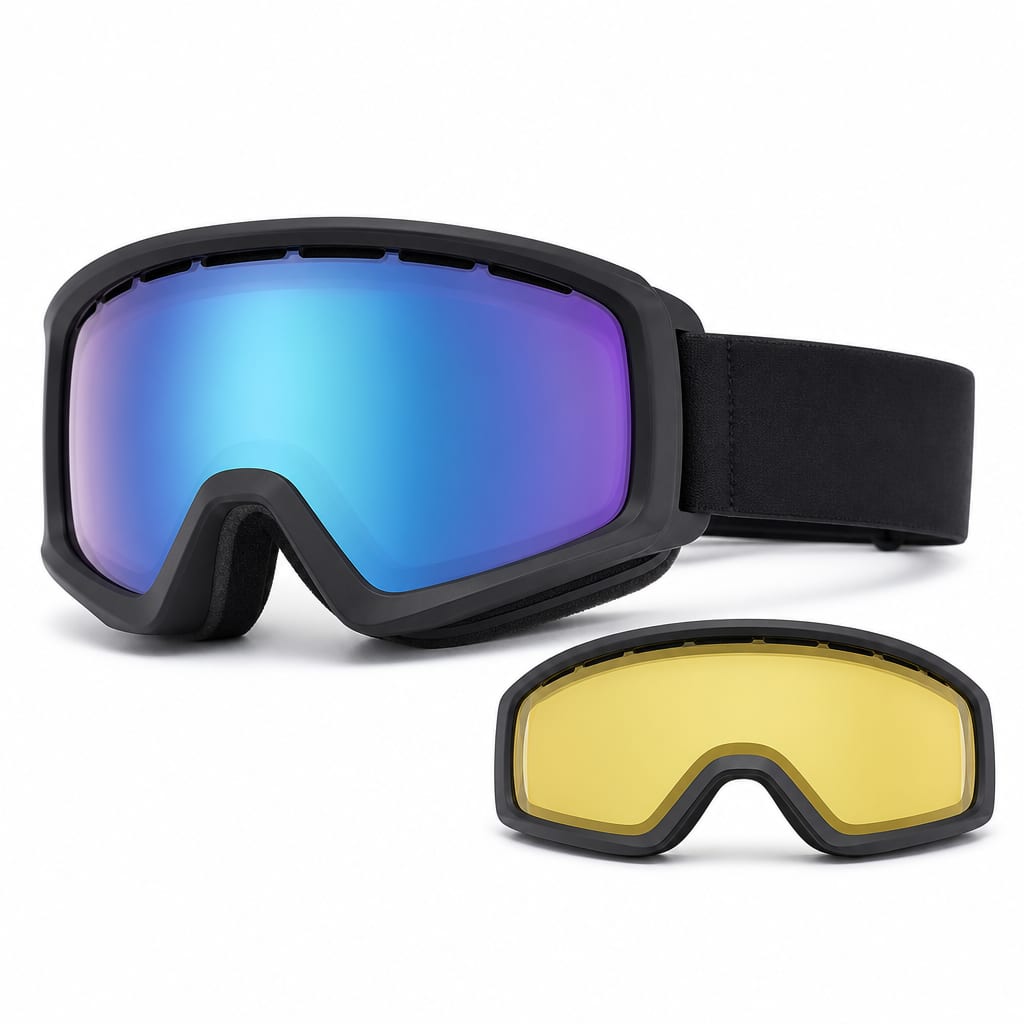
Quick-swap lens systems are especially valuable for low-light goggles because conditions change rapidly—storms clear, clouds roll in, and the ability to swap lenses on the lift is a major advantage.
Compared to other types
Lens interchangeability is more valuable for low-light goggles than for dedicated sunny-day goggles because storm conditions are more variable and unpredictable. Riders who own a low-light goggle specifically benefit from having a mid-VLT spare lens ready.
Why it matters: Storm conditions are inherently variable. A low-light lens that's perfect at 9 AM may be too bright by noon when the storm breaks. Magnetic quick-swap systems allow lens changes in under 10 seconds with gloves on, making real-time adaptation practical.
UV Protection
UV Protection
What it means
The level of ultraviolet radiation blocking provided by the lens, critical for eye health at altitude.
Typical for this type
Uv400
In practice
UV400 protection (100% UVA/UVB blocking) remains essential even in overcast and storm conditions. UV radiation penetrates clouds and reflects off snow at full intensity regardless of visible light levels.
Compared to other types
UV protection requirements are identical across all goggle subcategories. The risk is actually higher with low-light goggles because the lighter tint may create a false sense of safety, and users may wear them for longer continuous periods during storm days.
Why it matters: A dangerous misconception is that UV protection matters less on cloudy days. In reality, UV reflects off snow at 80%+ efficiency and passes through clouds. Low-light goggles with high VLT but without UV400 protection would be worse than no goggles at all for eye health.
Over-the-Glasses (OTG) Compatible
Over-the-Glasses (OTG) Compatible
What it means
Whether the goggle is designed to accommodate prescription eyeglasses underneath without discomfort or fogging.
Typical for this type
Varies By Individual Need
Most common pick: False
In practice
OTG compatibility is a personal requirement rather than a subcategory standard. Glasses wearers should specifically seek OTG low-light goggles, as the combination of glasses and goggles in humid storm conditions creates double fog risk.
Compared to other types
OTG compatibility matters more in low-light goggles than in other subcategories because the fog risk is significantly higher in storm conditions. Glasses wearers should consider this a higher priority when selecting storm goggles.
Why it matters: For glasses wearers, storm conditions are the most challenging scenario for fog management. The humidity that fogs goggles also fogs glasses underneath. OTG goggles with enhanced ventilation are critical, and prescription inserts may be the better solution.
Field of View
Field of View
What it means
The peripheral vision range provided by the goggle, measured in degrees of horizontal and vertical visibility.
Typical for this type
165–200 degrees horizontal
Most common pick: 175 degrees horizontal
In practice
Low-light goggles benefit from wider fields of view because peripheral vision is already compromised by flat light. Maximizing the visible area helps compensate for reduced contrast and definition.
Compared to other types
Field of view is more important in low-light goggles than in sunny-day goggles where high contrast makes peripheral objects easily visible. In flat light, every additional degree of peripheral vision is valuable.
Why it matters: In a whiteout, other skiers, terrain features, and obstacles at the edge of your vision may be the only warnings you get. A wider field of view provides more opportunity to detect hazards that flat light makes difficult to see.
What it means
Whether the lens includes polarization to reduce glare from reflective snow surfaces.
Typical for this type
False (Non-Polarized)
In practice
Low-light goggles should almost always be non-polarized. Polarization reduces the glare that actually helps define snow surface texture and ice patches in flat light, and it can make flat-light conditions even more difficult to read.
Compared to other types
This is a key differentiator from sunny-day goggles where polarization is a matter of personal preference. In low-light goggles, non-polarized is strongly recommended by virtually all experts and manufacturers.
Why it matters: In low light, the subtle reflective differences between snow, ice, and hardpack are some of the few visual cues available. Polarization eliminates these differences, potentially making flat light even flatter. Non-polarized lenses preserve every available visual distinction.
Mirror Coating
Mirror Coating
What it means
Reflective coating on the outer lens surface that bounces additional light away, reducing glare and VLT.
Typical for this type
No Mirror
In practice
Low-light goggles should have no mirror coating, as mirror coatings reduce light transmission—the opposite of what's needed in flat light. Even partial mirror coatings can reduce VLT by 5–10%, which is counterproductive in low-light conditions.
Compared to other types
This is the opposite of sunny-day goggles where full mirror coatings are desirable. Some low-light lenses feature a very light flash mirror for style, but functionally, no mirror is optimal for maximum light transmission.
Why it matters: Every percentage point of VLT matters in flat light. A mirror coating that reduces VLT from 70% to 60% can noticeably degrade visibility in the most challenging conditions. No mirror ensures maximum light transmission.
Ventilation Design
Ventilation Design
What it means
The airflow system built into the goggle frame to manage moisture and prevent fogging during activity.
Typical for this type
Enhanced Passive Or Active Vent
In practice
Enhanced passive ventilation is the minimum for low-light goggles, with active ventilation as a premium option. Storm conditions create the highest fog risk of any skiing scenario due to humidity, wet snow, and exertion.
Compared to other types
Ventilation is more critical in low-light goggles than in any other subcategory. Standard passive ventilation that works fine on dry cold days may fail completely in the wet, humid conditions where low-light goggles are used.
Why it matters: In a whiteout, a fogged goggle doesn't just reduce visibility—it eliminates it entirely. Enhanced ventilation channels maintain airflow even when snow is accumulating on the frame, and active ventilation provides insurance for chronic fog sufferers or glasses wearers.
What it means
The multi-layer foam padding that creates a seal against the face, affecting comfort, fit, and moisture management.
Typical for this type
Triple Layer Moisture Wicking Or Triple Layer Standard
In practice
Moisture-wicking triple-layer foam is ideal for low-light goggles because storm conditions involve wet snow, high humidity, and physical exertion—all of which introduce significant moisture to the face foam.
Compared to other types
Moisture-wicking foam is more valuable in low-light goggles than in other subcategories because storm conditions produce dramatically more moisture. Dual-layer or single-layer foam that performs adequately in dry conditions may become saturated and ineffective in storms.
Why it matters: In storm conditions, face foam must manage significantly more moisture than in dry conditions. Moisture-wicking top layers pull sweat and meltwater away from the skin, maintaining the seal and preventing water from reaching the inner lens. Saturated foam is a primary pathway for fogging.
Helmet Compatibility
Helmet Compatibility
What it means
How well the goggle integrates with ski helmets in terms of fit, strap grip, and gap-free interface.
Typical for this type
Universal Compatible Or Seamless Integration
In practice
Good helmet compatibility is especially important for low-light goggles because gaps between the helmet and goggle frame allow cold air and blowing snow to reach the face and lens, promoting fogging and discomfort.
Compared to other types
Helmet compatibility matters more for low-light goggles than for fair-weather goggles because the consequences of poor integration (blowing snow, moisture intrusion, fogging) are more severe in storm conditions.
Why it matters: In storm conditions, wind-driven snow exploits any gap between helmet and goggle. A gaper gap that's merely cold on a sunny day becomes a conduit for blowing snow and moisture in a storm, directly contributing to fogging and facial discomfort.
Frame Material
Frame Material
What it means
The primary material used in the goggle frame, affecting flexibility, cold-weather performance, and durability.
Typical for this type
Tpu Flexible
In practice
TPU frames are standard for quality low-light goggles. Flexibility is important for maintaining a seal in cold storm conditions and for lens interchangeability, which is especially valuable for this subcategory.
Compared to other types
Frame material requirements are similar across subcategories, but the flexibility of TPU is especially valuable for low-light goggles that may need frequent lens swaps as conditions change throughout a storm day.
Why it matters: Storm conditions often involve temperature fluctuations. TPU remains flexible in extreme cold, ensuring the frame maintains its seal against the face. Rigid frames that become brittle in cold weather can develop gaps or even crack, which is catastrophic in a whiteout.
Prescription Lens Compatible
Prescription Lens Compatible
What it means
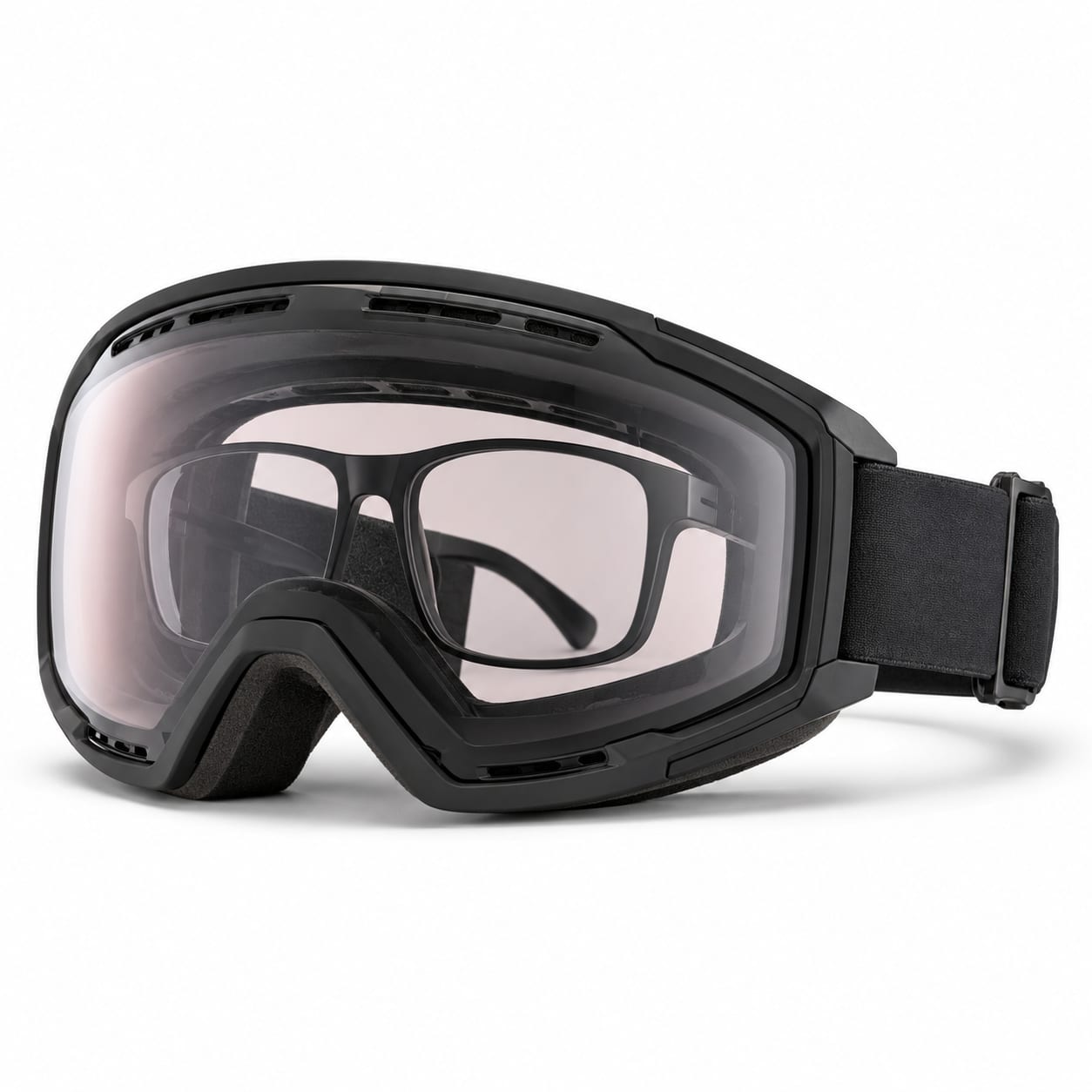
Whether the goggle supports prescription vision correction through inserts or Rx-able lens options.
Typical for this type
Rx Insert Included Or Rx Insert Compatible
In practice
Prescription inserts are particularly valuable for low-light goggles because wearing glasses under goggles in humid storm conditions creates severe double-fog risk. An Rx insert eliminates the glasses layer entirely.
Compared to other types
Rx inserts are more strongly recommended for low-light goggles than for other subcategories because the fog risk with glasses is highest in storm conditions. The investment in an Rx insert pays dividends specifically when you need clear vision most.
Why it matters: For glasses wearers, storm skiing with glasses under goggles is the worst-case scenario for fogging. The humidity fogs both the glasses and the goggle inner lens. Rx inserts remove the glasses layer, dramatically reducing fog risk while maintaining clear vision.