Kitvore.com

Kitvore.com

Specs that matter. Gear that fits.

Ski Goggles · Subcategory

Prescription / Rx Insert Ski Goggles

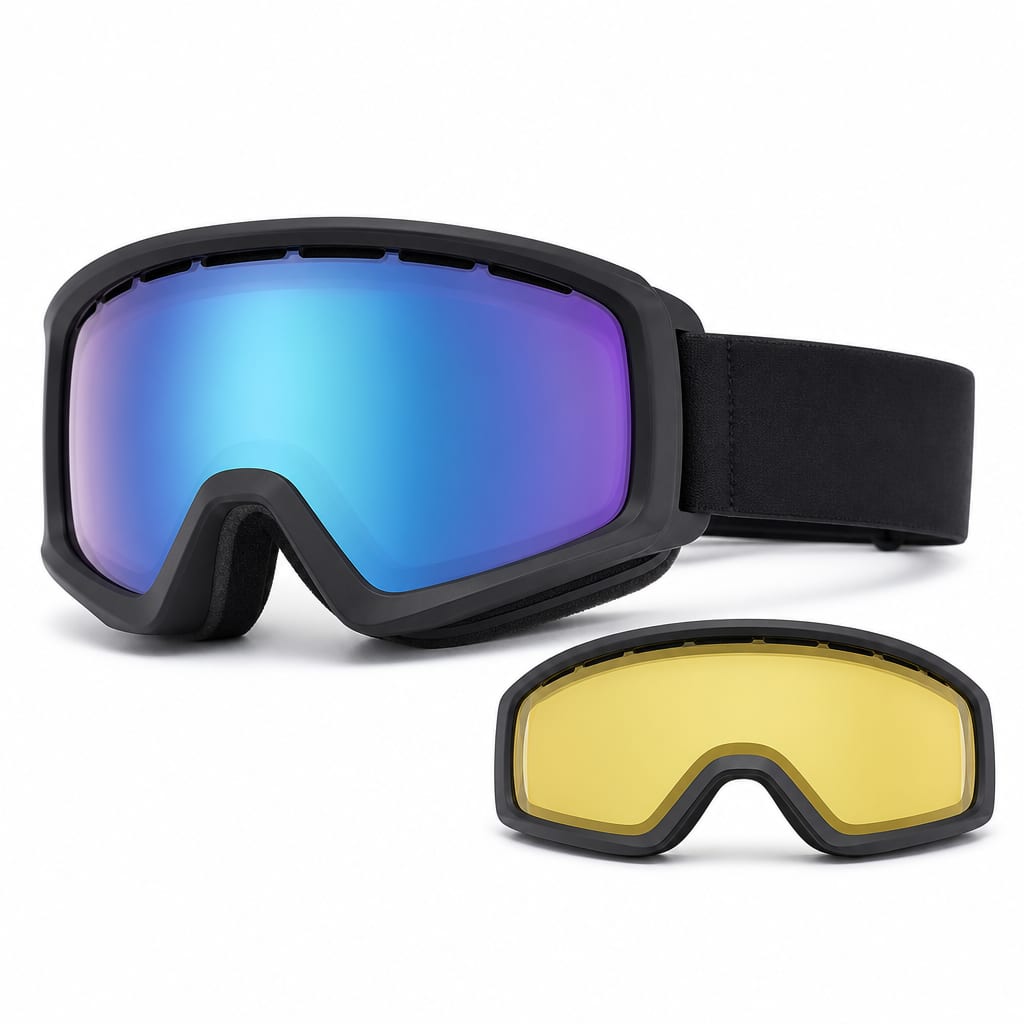
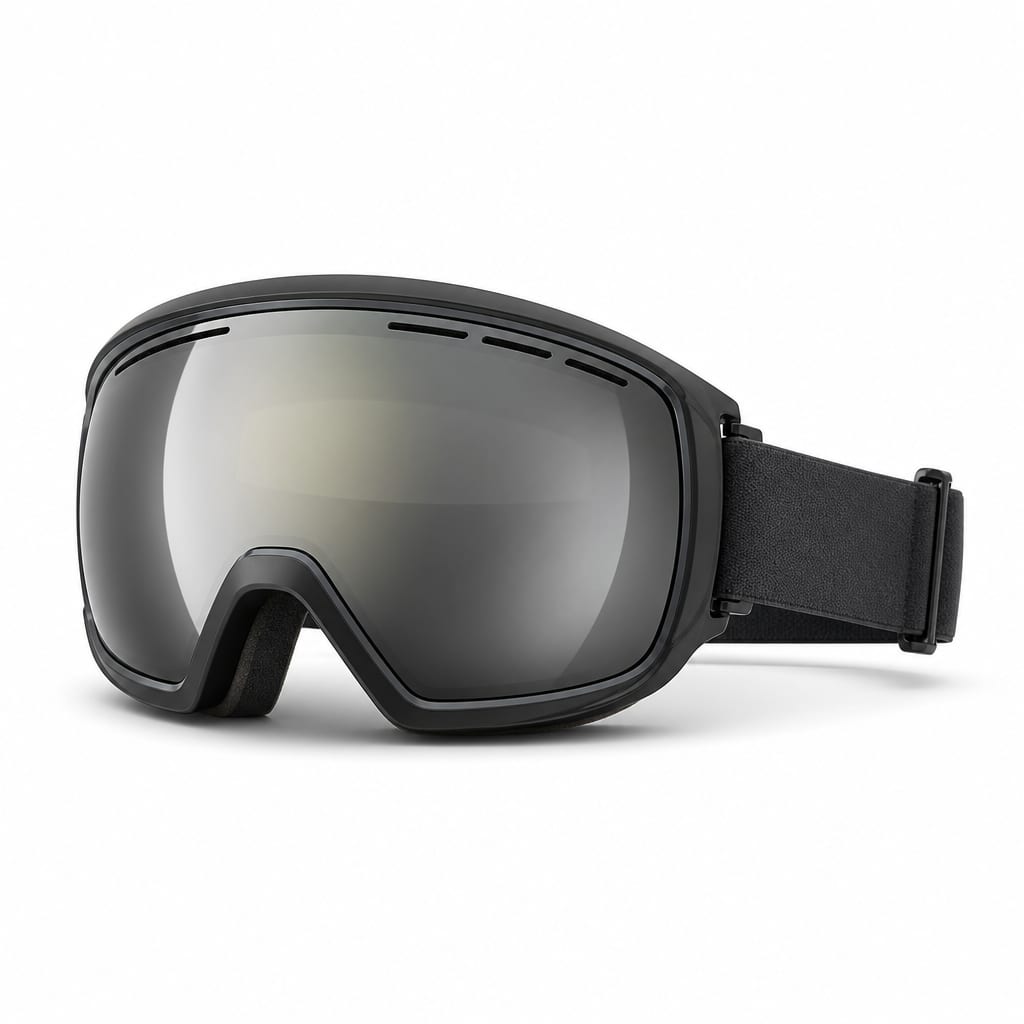
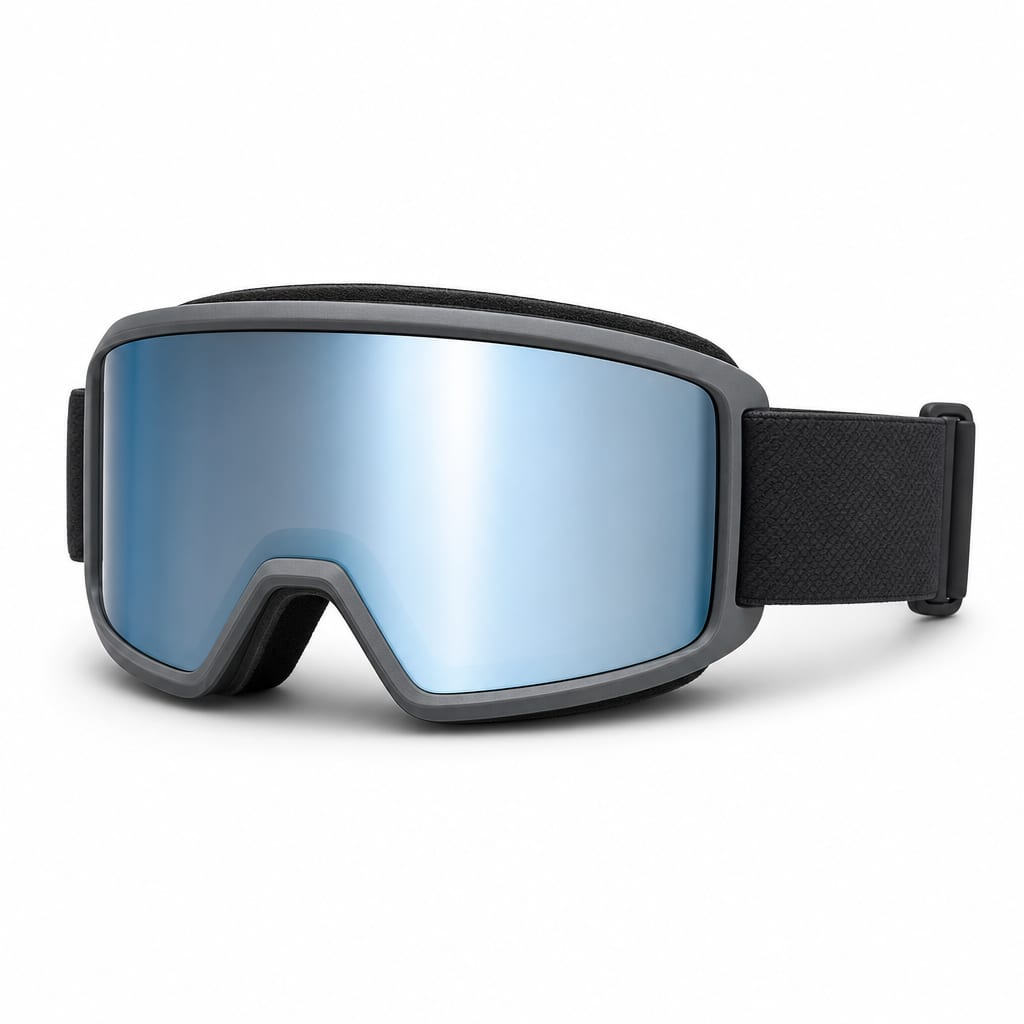
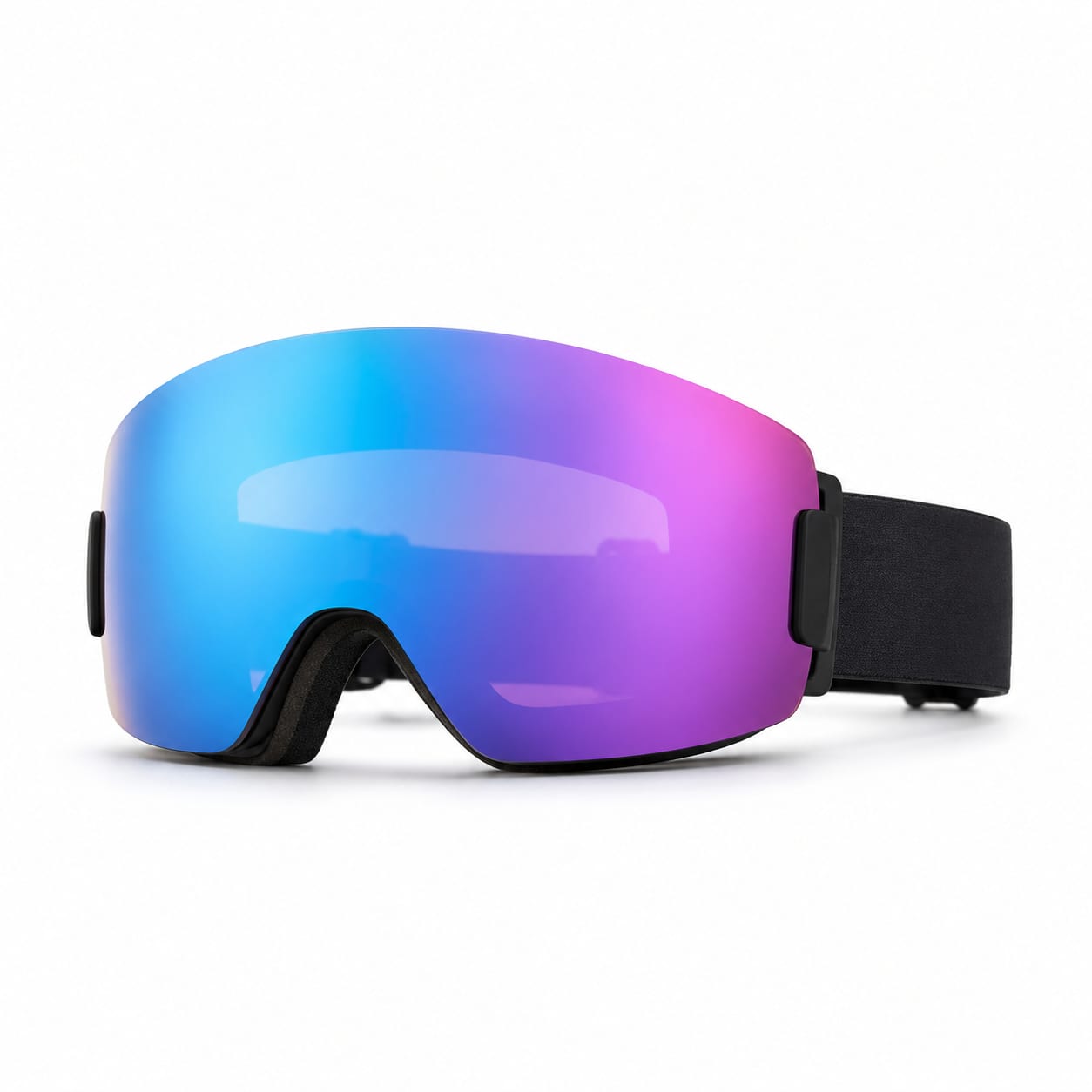
Ski goggles with integrated prescription lens inserts that deliver clear vision correction without the fogging and discomfort of wearing glasses underneath.

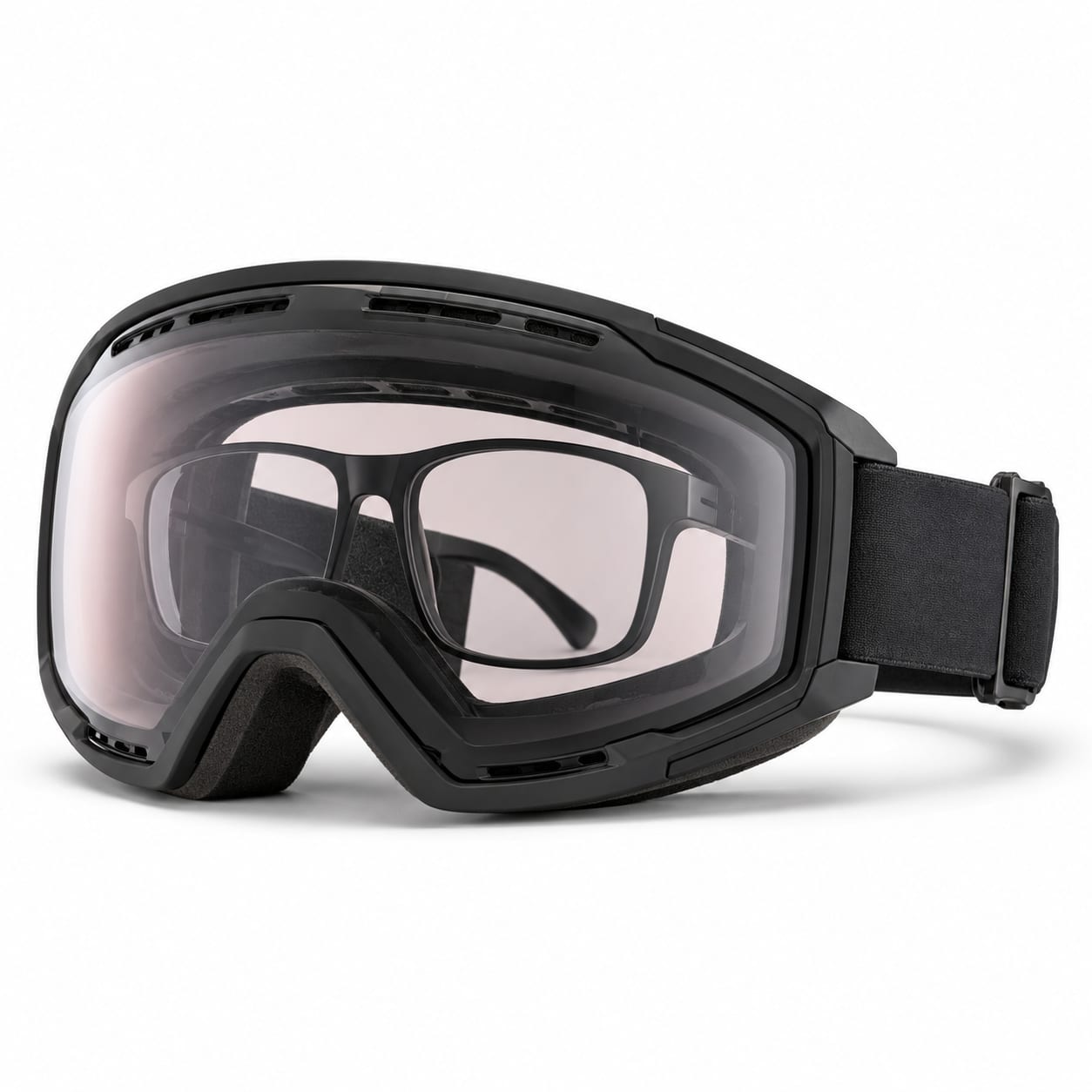
Prescription / Rx Insert Ski Goggles solve the long-standing problem for glasses wearers on the mountain: how to see clearly without dealing with double-fogging, pressure points, and compromised fit from wearing eyeglasses under goggles. By incorporating a custom prescription insert that mounts behind the primary goggle lens, these goggles provide corrected vision in a sealed, fog-managed system. They are the premium solution for skiers and snowboarders who need vision correction and want the same performance, comfort, and lens technology as non-prescription goggles.

$150 – $400premium tierbeginnerintermediateadvanced

Best known for

Eliminating the double-fog problem of wearing glasses under gogglesProviding clear, corrected vision without contact lensesIntegrated prescription inserts that mount behind the goggle lensBetter seal and comfort compared to OTG goggles for glasses wearers
Prescription / Rx Insert Ski Goggles

Guide

Detailed overview

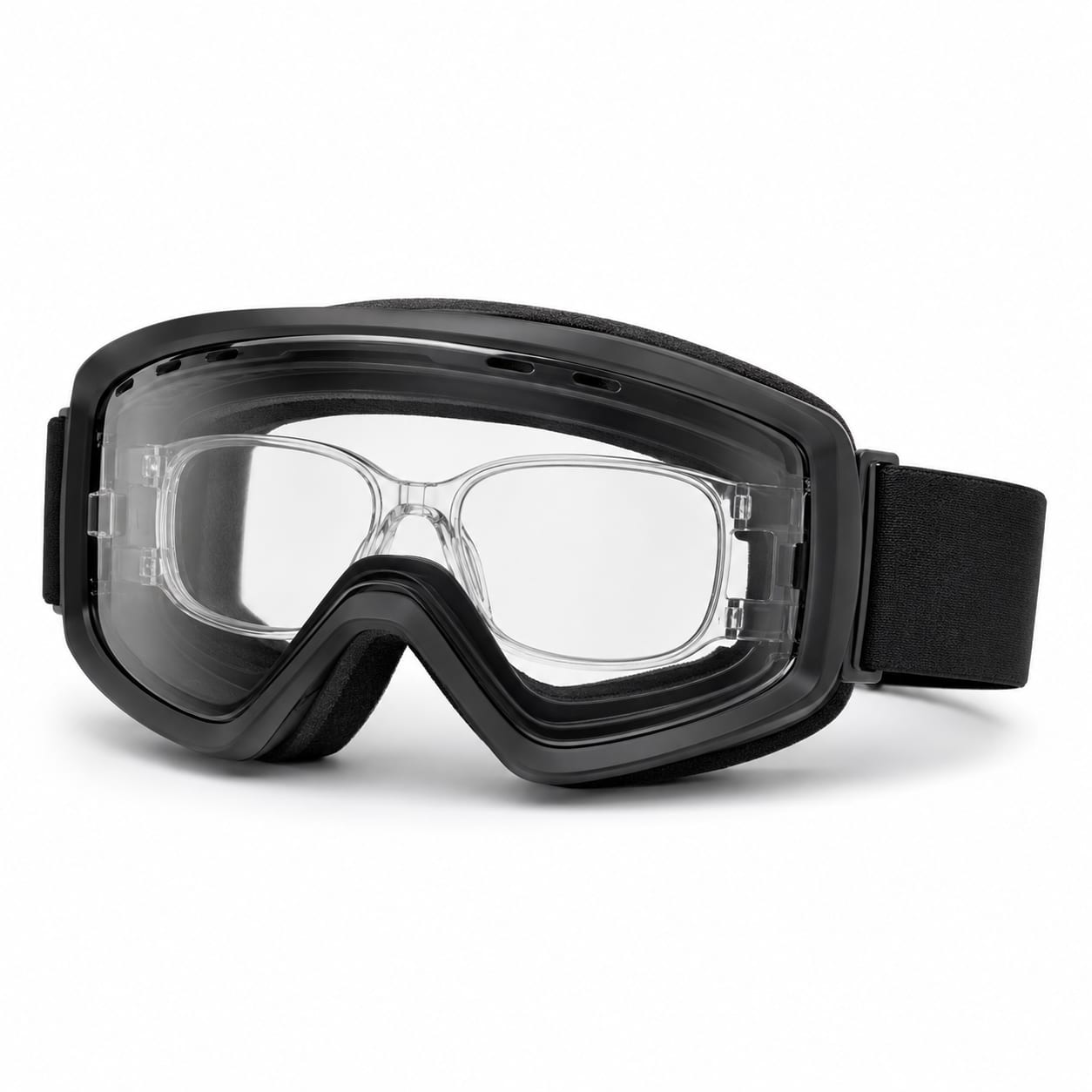
Prescription / Rx Insert Ski Goggles are purpose-built for the significant portion of skiers and snowboarders who require vision correction on the mountain. Unlike OTG (Over-the-Glasses) goggles that simply make room for eyeglasses underneath, Rx insert goggles feature a dedicated prescription lens carrier that snaps or screws into the inner goggle frame, positioning corrected optics behind the primary outer lens. This design eliminates the gap between glasses and face that causes chronic fogging, removes temple-arm pressure points, and allows the goggle to seal properly against the face. The insert is typically a small rimless or thin-framed carrier that an optometrist fits with your specific prescription. Most systems allow the insert to be transferred between compatible goggle frames or swapped when your prescription changes. While the upfront cost is higher than standard goggles, the improvement in comfort, fog resistance, and visual clarity makes Rx insert goggles the preferred choice for serious riders who need vision correction.

For glasses wearers, skiing has always presented a frustrating dilemma: wear contacts and risk dry eyes at altitude, squeeze glasses under OTG goggles and battle constant fogging, or ski without correction and sacrifice depth perception and safety. Prescription / Rx Insert Ski Goggles were engineered to end this compromise. By integrating a prescription lens carrier directly into the goggle's inner frame, these goggles deliver corrected vision within a fully sealed, thermally managed system that performs identically to non-prescription goggles from the outside.

The core innovation is the Rx insert itself—a lightweight carrier, usually made of thin acetate or flexible polymer, that holds prescription lenses custom-ground to your exact correction. The insert mounts behind the primary goggle lens using clips, magnets, or a snap-in mechanism, positioning the prescription optics in the same visual plane where your glasses would normally sit. Because the insert is fully enclosed within the goggle's sealed environment, it benefits from the same dual-lens thermal barrier and anti-fog coatings that protect the outer lens. This dramatically reduces the fogging that plagues OTG setups, where warm air from your face meets the cold surface of your glasses inside an already-humid goggle chamber.

Fit and comfort see major improvements with Rx insert goggles compared to OTG alternatives. Without temple arms pressing against your temples inside the goggle strap, there are no pressure headaches after a few hours on the slopes. The goggle foam seals completely against your face, blocking wind and snow infiltration that commonly occurs around the arms and bridge of glasses in OTG setups. This complete seal also means the ventilation system works as designed, channeling airflow across both the outer lens and the insert to manage moisture effectively. Many glasses wearers report that Rx insert goggles feel identical to wearing non-prescription goggles—a revelation for those accustomed to the compromises of OTG solutions.

The main trade-offs are cost and convenience. Rx insert goggles typically cost 20–40% more than equivalent non-prescription models, and you will need to visit an optometrist to have the insert fitted with your prescription lenses, which adds both expense and lead time. If your prescription changes, you will need new insert lenses rather than simply swapping glasses. Additionally, the insert slightly reduces the inner volume of the goggle, which can increase fogging risk in poorly ventilated models—making anti-fog quality and ventilation design even more critical selection criteria for this subcategory. Despite these considerations, for anyone who needs vision correction and skis regularly, Rx insert goggles represent the single biggest quality-of-life upgrade available in snow sports eyewear.

Quick facts

Primary purpose
Provide integrated vision correction for skiers who need prescription lenses
Popular brands
SportRxSmithOakleyJulboBollé
Typical terrain
all terrainresortbackcountry

What makes it different

Prescription lens is integrated into the goggle system rather than worn separately; Eliminates double-lens fogging issues of OTG setups

Recommended ranges

How this type usually specs out

Each spec is explained in plain language, then we show what buyers usually look for on this type.

Lens Shape

Lens Shape

What it means

The curvature profile of the goggle lens, affecting optical clarity, distortion, and field of view.

Typical for this type

Spherical Or Toric

In practice

Spherical lenses are strongly preferred for Rx insert goggles because they provide the most distortion-free optics across the entire field of view. Since the prescription insert sits behind the outer lens, any distortion in the outer lens compounds with the correction in the insert, making optical quality of the primary lens especially important.

Compared to other types

While spherical lenses are a luxury in standard goggles, they are closer to a necessity for Rx insert goggles. The optical penalty for cylindrical distortion is amplified when a prescription insert is involved.

Why it matters: Distortion at the edges of a cylindrical lens can interact with the prescription insert to create swimmy or disorienting peripheral vision, which is already a concern for riders relying on corrected optics. Spherical lenses minimize this interaction.

VLT (%)

Visible Light Transmission

What it means

The percentage of visible light that passes through the lens, determining brightness and suitability for different weather conditions.

Typical for this type

18–45% for primary lens; consider a second low-VLT lens for sunny days

Most common pick: 25%

In practice

VLT selection for Rx insert goggles follows the same condition-based logic as standard goggles. However, because changing lenses requires also considering the insert behind it, many Rx goggle users opt for a versatile mid-range VLT as their primary lens and invest in a photochromic option for maximum adaptability.

Compared to other types

No significant VLT difference versus standard goggles. The key consideration is that if you invest in an interchangeable lens system, ensure the Rx insert is compatible with all lens options and does not need to be removed during swaps.

Why it matters: Choosing the right VLT is critical for safety and comfort. Glasses wearers who have struggled with fogging in OTG setups may be tempted to remove goggles in flat light—proper VLT selection reduces this temptation.

Lens Tint/Color

Lens Tint

What it means

The color tint of the lens, which filters light differently to enhance contrast and definition in specific conditions.

Typical for this type

Rose Copper As Primary; Photochromic As Upgrade For Variable Conditions

In practice

Rose/copper/amber tints are especially recommended for Rx insert goggle users because they provide the best contrast enhancement in flat light—the very conditions where uncorrected or poorly corrected vision is most dangerous. Photochromic tints are also popular in this subcategory because they reduce the need for lens swaps, which are slightly more involved when an Rx insert is present.

Compared to other types

The tint preference is similar to standard goggles, but photochromic lenses carry extra value for Rx insert users because they minimize the frequency of lens changes, which involve working around the insert.

Why it matters: Contrast-enhancing tints help compensate for the slight reduction in visual acuity that can occur with insert-based correction compared to direct prescription lenses. Better contrast means safer riding in the variable conditions where depth perception matters most.

Frame Size

Frame Size

What it means

The overall size of the goggle frame and lens, determining field of view and face fit compatibility.

Typical for this type

Medium to Large; Avoid Small Frames

In practice

Rx insert goggles need sufficient inner volume to accommodate the insert without it touching the wearer's face or eyelashes. Medium and large frames provide this space. Small or youth-sized frames may not have enough interior room for the insert plus adequate ventilation clearance.

Compared to other types

Standard goggles can work well in small frame sizes for smaller faces. Rx insert goggles generally cannot—this is one of the few subcategories where frame size has a hard minimum requirement based on the insert's physical presence.

Why it matters: An insert that sits too close to the face or eyelashes will fog faster and may be physically uncomfortable. Insufficient inner volume also restricts airflow between the insert and outer lens, undermining the anti-fog system.

Anti-Fog System

Anti-Fog System

What it means

The technology and design features preventing lens fogging, including dual-layer construction, coatings, and ventilation.

Typical for this type

Dual Lens Premium Coating Strongly Recommended; Active Vent For Chronic Fog Sufferers

In practice

The anti-fog system is arguably the most critical dimension for Rx insert goggles. The insert adds an additional surface that can fog, and it reduces the air volume inside the goggle, meaning moisture builds up faster. Premium anti-fog coatings on both the outer lens and the insert itself are essential. Some high-end models coat the insert with anti-fog treatment at the factory.

Compared to other types

Rx insert goggles demand a higher tier of anti-fog performance than standard goggles. Where a standard goggle with dual_lens_standard_coating may suffice for casual use, the same system in an Rx insert goggle will likely fog during exertion due to reduced inner air volume.

Why it matters: Fogging was the primary problem that drove the development of Rx insert goggles as an alternative to OTG setups. If the anti-fog system is inadequate, the insert goggles can fog just as badly as wearing glasses under goggles—defeating the entire purpose of the product.

Lens Interchangeability

Lens Interchangeability

What it means

The system and ease with which lenses can be swapped to adapt to changing light conditions.

Typical for this type

Magnetic Quick Swap Or Mechanical Quick Swap Preferred

In practice

Lens interchangeability is valuable for Rx insert goggles but must be evaluated carefully. The best systems allow the outer lens to be swapped while the Rx insert remains mounted inside the frame. Magnetic quick-swap systems are ideal because they allow fast, glove-friendly changes without disturbing the insert. Some older designs require removing the insert to change lenses, which is a significant drawback.

Compared to other types

Lens interchangeability is equally desirable in standard goggles but carries extra complexity in Rx insert models. Always verify that the interchangeability system works with the insert in place before purchasing.

Why it matters: If you cannot swap lenses easily, you are locked into one VLT for the day—problematic in variable mountain weather. Systems that require insert removal for lens changes add time, risk of insert damage, and fumbling with small parts in cold conditions.

UV Protection

UV Protection

What it means

The level of ultraviolet radiation blocking provided by the lens, critical for eye health at altitude.

Typical for this type

Uv400 (Non-Negotiable)

In practice

UV400 protection is standard and non-negotiable in quality Rx insert goggles. The outer goggle lens provides the UV barrier; the prescription insert does not need UV coating itself since it sits behind the protected outer lens. This is actually an advantage over wearing regular prescription glasses under OTG goggles, where the glasses may not have adequate UV protection.

Compared to other types

No difference versus standard goggles. The UV protection comes from the outer lens, which meets the same standards regardless of whether an insert is present.

Why it matters: At altitude, UV radiation is 30–40% stronger than at sea level, and snow reflects up to 80% of UV back upward. Full UV400 protection from the outer lens ensures your eyes are completely shielded regardless of your prescription insert's coating.

Over-the-Glasses (OTG) Compatible

Over-the-Glasses (OTG) Compatible

What it means

Whether the goggle is designed to accommodate prescription eyeglasses underneath without discomfort or fogging.

Typical for this type

False (Not Needed—Rx Insert Replaces The Need For OTG)

In practice

Rx insert goggles are generally not designed to be OTG compatible because the insert occupies the space where glasses would sit. This is by design: the Rx insert replaces the need for wearing glasses underneath. If you occasionally want to wear your regular glasses instead of the insert (e.g., lodge breaks), look for models with removable inserts that also have enough space for thin-frame glasses.

Compared to other types

OTG goggles prioritize interior space for glasses frames. Rx insert goggles prioritize a sealed, insert-integrated system. They represent fundamentally different approaches to the same problem, with Rx inserts offering superior fog management and OTG offering convenience and lower cost.

Why it matters: Understanding that Rx insert goggles and OTG goggles are alternative solutions—not complementary features—helps set correct expectations. You choose one approach or the other; combining both is impractical.

Field of View

Field of View

What it means

The peripheral vision range provided by the goggle, measured in degrees of horizontal and vertical visibility.

Typical for this type

160–190 degrees horizontal

Most common pick: 170 degrees horizontal

In practice

Field of view in Rx insert goggles is typically 5–10 degrees narrower than equivalent non-insert models due to the insert's rim or frame edges at the periphery. Rimless inserts minimize this reduction. Spherical lens models with oversized frames provide the widest field of view while accommodating the insert.

Compared to other types

Standard goggles without inserts offer the full field of view the lens geometry provides. Rx insert goggles sacrifice a small amount of peripheral vision to the insert's edges, though rimless designs minimize this penalty to near-irrelevance.

Why it matters: The insert's physical edges can create a subtle frame within a frame effect at the periphery. While most users adapt quickly, riders who rely on maximum peripheral vision for racing or freeride should seek rimless inserts and spherical oversized lenses.

Polarized

Polarized Lens

What it means

Whether the lens includes polarization to reduce glare from reflective snow surfaces.

Typical for this type

False Preferred By Most; True Acceptable For Dedicated Sunny-Condition Lens

In practice

Polarization is a personal preference in Rx insert goggles, with a slight lean toward non-polarized. The reasoning: glasses wearers who depend on corrected vision often prioritize contrast and depth perception over glare reduction, and non-polarized contrast-enhancing tints (rose/copper) serve this need better. Additionally, polarization's ice-masking effect is more concerning for riders who may already have slightly reduced visual acuity from the insert.

Compared to other types

The polarization decision is similar to standard goggles, but the stakes of the ice-detection trade-off are slightly higher for Rx insert users who may have marginally reduced visual acuity compared to riders with perfect vision or contact lens users.

Why it matters: For Rx insert users, the priority is maximizing terrain readability through corrected, contrast-enhanced vision. Polarization can help with glare but may reduce the ability to distinguish ice from snow—a trade-off that is more consequential when you are already managing the visual complexity of an insert system.

Mirror Coating

Mirror Coating

What it means

Reflective coating on the outer lens surface that bounces additional light away, reducing glare and VLT.

Typical for this type

Partial Mirror For Versatility; Full Mirror For Sunny-Condition Spare Lens

In practice

Partial/flash mirror coatings are popular for Rx insert goggles because they provide modest additional glare reduction without dramatically shifting the VLT, maintaining the versatility that many insert users value. Since mirror coatings are on the outer lens only, they work identically regardless of the insert behind it.

Compared to other types

No functional difference versus standard goggles. The mirror coating is on the outer lens surface and operates independently of the insert.

Why it matters: Mirror coatings are purely functional on the outer lens and do not interact with the Rx insert. Choose based on your typical light conditions, but be aware that full mirror coatings are the most scratch-prone part of the lens and Rx insert users who change lenses less frequently may prefer the durability of partial mirror or no-mirror options.

Ventilation Design

Ventilation Design

What it means

The airflow system built into the goggle frame to manage moisture and prevent fogging during activity.

Typical for this type

Enhanced Passive Minimum; Active Vent For Heavy Sweaters Or Warm-Climate Skiing

In practice

Enhanced passive ventilation is the baseline recommendation for Rx insert goggles because the insert reduces internal air volume and creates additional surfaces where moisture can condense. Larger, well-designed ventilation channels are essential to maintain airflow across both the outer lens inner surface and the insert surfaces. Active ventilation (powered fans) is worth considering for chronic fog sufferers.

Compared to other types

Rx insert goggles are more demanding of ventilation performance than standard goggles. A ventilation system rated as 'standard_passive' in a regular goggle would likely underperform with an insert installed, making enhanced or active ventilation a practical necessity.

Why it matters: The insert effectively divides the goggle's interior into two chambers, each of which needs adequate airflow. Ventilation design that works adequately in a standard goggle may be insufficient when an insert restricts airflow paths. Enhanced or active ventilation compensates for this.

Face Foam

Face Foam

What it means

The multi-layer foam padding that creates a seal against the face, affecting comfort, fit, and moisture management.

Typical for this type

Triple Layer Standard Minimum; Triple Layer Moisture Wicking Preferred

In practice

Triple-layer foam is important for Rx insert goggles because the insert slightly reduces the goggle's internal volume, making a perfect facial seal more critical for fog prevention. Any gap in the seal allows warm moist air to enter and fog the insert. Moisture-wicking top layers help manage the sweat that can accumulate around the nose bridge where the insert sits closest to the face.

Compared to other types

While triple-layer foam is a comfort upgrade in standard goggles, it approaches necessity in Rx insert models. The insert makes fog management less forgiving, so the foam seal must be excellent.

Why it matters: A compromised seal is more consequential in Rx insert goggles because fog on the insert is harder to clear than fog on the outer lens—you cannot simply pull the goggle away from your face to vent the insert without removing the goggle entirely.

Helmet Compatibility

Helmet Compatibility

What it means

How well the goggle integrates with ski helmets in terms of fit, strap grip, and gap-free interface.

Typical for this type

Universal Compatible Or Seamless Integration

In practice

Helmet compatibility follows the same principles as standard goggles, but Rx insert users should be especially vigilant about gaper gap. A gap between the goggle and helmet allows cold air to channel directly across the goggle lens, which can cause the insert to fog even in a well-ventilated system. Universal compatibility is common; seamless brand-matched integration provides the most reliable seal.

Compared to other types

The helmet compatibility requirement is the same as standard goggles, but the consequence of poor integration (gaper gap leading to insert fogging) is more severe for Rx insert users.

Why it matters: Cold air channeling through a gaper gap can create a temperature differential that fogs the insert even when the outer lens stays clear. This is a fog pathway unique to the mountain environment that is exacerbated by the insert's presence.

Frame Material

Frame Material

What it means

The primary material used in the goggle frame, affecting flexibility, cold-weather performance, and durability.

Typical for this type

Tpu Flexible (Standard And Recommended)

In practice

TPU frames are standard for quality Rx insert goggles and are especially important because the frame must flex slightly to accommodate the insert's mounting mechanism. Rigid frames cannot provide the consistent pressure needed to hold the insert securely while maintaining the goggle's facial seal.

Compared to other types

No difference versus standard quality goggles. TPU is the industry standard and is especially important for Rx insert models due to the insert mounting requirements.

Why it matters: The insert mounting system relies on the frame's flexibility to grip and position the insert correctly. A frame that becomes brittle in cold could allow the insert to shift or rattle, which is both annoying and potentially vision-disrupting.

Prescription Lens Compatible

Prescription Lens Compatible

What it means

Whether the goggle supports prescription vision correction through inserts or Rx-able lens options.

Typical for this type

Rx Insert Included Preferred; Rx Insert Compatible Acceptable; Rx Lens Available For Premium Solution

In practice

This is the defining dimension of the subcategory. Most Rx insert goggles come with the insert included, which you take to an optometrist to have fitted with your prescription lenses. Some models offer the insert as a separate accessory. A growing number of premium models offer direct Rx lenses where the goggle lens itself is made with your prescription, eliminating the insert entirely for the cleanest optical solution.

Compared to other types

This dimension is what defines this subcategory versus all others. Standard goggles are not_rx_compatible. OTG goggles are also typically not_rx_compatible but solve the vision problem through a different approach (accommodating glasses rather than integrating correction).

Why it matters: The prescription solution type determines your cost, convenience, and optical quality. Included inserts are the most common and cost-effective. Direct Rx lenses offer the best optics but at premium prices and with longer lead times. Compatible-but-separate inserts add hidden cost if you do not budget for them.

Evaluation

Strengths and trade-offs

Pros

What this type does best

Eliminates double-fog problem

Critical

The sealed insert system removes the warm-air gap between glasses and face that causes chronic fogging in OTG setups. The insert benefits from the goggle's dual-lens thermal barrier and anti-fog coatings, providing dramatically better fog resistance than wearing glasses under any goggle.

No temple-arm pressure or discomfort

High

Without glasses frames pressed against your temples by the goggle strap, there are no pressure headaches, no sore spots after long days, and no interference with helmet fit. The comfort improvement over OTG goggles is immediately noticeable and significant on multi-day ski trips.

Complete facial seal blocks wind and snow

High

The goggle foam seals fully against your face without glasses arms creating gaps. This prevents wind and blowing snow from entering around the edges, keeps your face warmer, and allows the ventilation system to work as designed rather than being disrupted by glasses frames.

Full access to premium goggle lens technology

High

Rx insert goggles use the same high-quality outer lenses as non-prescription models, meaning you get the full benefit of spherical optics, photochromic tints, mirror coatings, and quick-swap systems. Your vision correction does not limit your lens options.

Insert is transferable between compatible frames

Medium

Many Rx insert systems allow you to move the insert between compatible goggle models from the same brand. If you want different goggles for different conditions or replace a damaged frame, your custom prescription insert can often be reused, saving money on re-fitting.

Better peripheral vision than OTG goggles

Medium

Without thick glasses frames visible at the edges of your vision, peripheral awareness is improved. Rimless inserts are nearly invisible in your field of view, providing a visual experience much closer to wearing non-prescription goggles or contact lenses.

No need for contact lenses on the mountain

Medium

Contact lenses can dry out at altitude, cause irritation in cold wind, and present hygiene challenges in mountain environments. Rx insert goggles eliminate the need for contacts entirely, which is especially valuable for multi-day trips and backcountry travel.

Cons

Trade-offs to be aware of

Higher total cost than standard or OTG goggles

Moderate

Rx insert goggles cost 20–40% more than equivalent non-prescription models, and you must also pay for prescription lenses to be fitted into the insert by an optometrist. Total cost including the prescription lenses can be 50–100% more than a standard goggle.

Requires optometrist visit and lead time

Moderate

You cannot buy Rx insert goggles and use them immediately. The insert must be fitted with your prescription by an optometrist, which requires an appointment, lens fabrication, and typically 1–2 weeks of lead time. This makes spontaneous purchases and replacements impractical.

Insert reduces internal air volume, increasing fog risk

Moderate

The insert occupies space inside the goggle, reducing the air volume available to buffer moisture. In poorly ventilated goggles or during high-exertion activities like backcountry touring, this can lead to insert fogging even with anti-fog coatings. Premium ventilation is essential.

Limited frame size options for small faces

Significant

The insert requires a minimum internal volume, which eliminates most small and youth-sized frames from consideration. Riders with smaller faces may struggle to find Rx insert goggles that fit properly while still accommodating the insert with adequate clearance.

Prescription changes require new insert lenses

Minor

If your prescription changes, you cannot simply swap glasses—you need new lenses fitted into the insert, requiring another optometrist visit and the associated cost. This is an ongoing expense that standard goggle users do not face.

Insert can be difficult to clean and maintain

Minor

The insert's inner surface (closest to your face) can accumulate oils and moisture, and cleaning it requires removing the insert from the goggle. The insert's anti-fog coating is delicate and can be damaged by improper cleaning, just like the outer lens inner surface.

Best for

Terrain

All-mountainGroomed runsBackcountryFreerideMoguls

Snow conditions

All conditionsVariable lightFlat lightStorm daysCold temperatures

Skill level

IntermediateAdvancedExpert

Riding style

All-mountain cruisingCarvingBackcountry touringFreerideRacing

Rider profile

Glasses wearers who ski 10+ days per seasonRiders who experience chronic fogging with OTG gogglesContact lens intolerant skiersBackcountry skiers who need reliable vision in all conditionsRiders who get pressure headaches from glasses under gogglesSkiers with strong prescriptions that distort in OTG setups

Not ideal for

Reasons

Casual skiers (under 5 days per year) may not justify the cost and lead timeRiders with very small faces who cannot find a frame that accommodates the insertPeople with mild prescriptions who can comfortably wear contactsSkiers who need vision correction only for reading and can ski without correctionBudget-constrained buyers who cannot absorb the optometrist fitting cost

Skill level

Beginners who are unsure if they will continue skiing

Compare

How it stacks up

This page

Prescription / Rx Insert Ski Goggles

Dramatically better fog resistance, no temple pressure, complete facial seal, better peripheral vision, and access to premium lens technology. The insert is integrated into the goggle's thermal management system rather than fighting against it.

Alternative

OTG (Over-the-Glasses) Goggles

Lower cost, no optometrist visit required, works with your existing glasses, immediately usable, and allows you to remove goggles at lunch while keeping your glasses on for clear vision off the slopes.

Bottom line

Choose Rx insert goggles if you ski regularly and are frustrated by OTG fogging and discomfort. Choose OTG goggles if you ski occasionally, have a mild prescription, or need the convenience of wearing your regular glasses both on and off the slopes.

This page

Prescription / Rx Insert Ski Goggles

No risk of contact lens dryness, irritation, or loss on the mountain. No need to handle contacts in cold, dry, or windy conditions. Better for multi-day trips where contact hygiene is challenging. No altitude-related dry eye issues.

Alternative

Standard / Universal Fit Goggles (with Contact Lenses)

Lower cost, wider selection of goggle models and styles, no insert-related fog risk, maximum internal air volume for fog resistance, and the simplest possible setup with no custom fitting required.

Bottom line

If you can comfortably wear contact lenses all day in cold, dry, high-altitude conditions, standard goggles with contacts offer the simplest and most affordable solution. Choose Rx insert goggles if contacts cause you discomfort, dryness, or hygiene issues on the mountain.

This page

Prescription / Rx Insert Ski Goggles

Rx insert goggles can also have photochromic outer lenses, so this is not an either/or choice. The Rx insert's advantage is vision correction, not light adaptation. However, combining an Rx insert with a photochromic outer lens provides the ultimate adaptive vision system for glasses wearers.

Alternative

Photochromic Ski Goggles

Standalone photochromic goggles without an insert have more internal volume and simpler fog management. They are also less expensive than the combined Rx insert + photochromic lens solution.

Bottom line

If you need vision correction, Rx insert goggles are your starting point—you can then choose photochromic or fixed-tint outer lenses based on your conditions. If you do not need correction, photochromic goggles offer great versatility without the insert complexity.

This page

Prescription / Rx Insert Ski Goggles

Many Rx insert goggles also feature magnetic quick-swap systems, so these categories overlap. The Rx insert advantage is vision correction; the magnetic advantage is convenience. The best Rx insert goggles combine both features, allowing outer lens swaps while the insert stays in place.

Alternative

Magnetic Quick-Swap Goggles

Non-prescription magnetic quick-swap goggles are simpler, lighter, and less expensive. Without the insert, there is more internal volume for fog management and no concern about insert compatibility with different lenses.

Bottom line

If you need vision correction, seek out Rx insert goggles that also feature magnetic quick-swap—the combination is excellent. If you do not need correction, standard magnetic quick-swap goggles offer the same convenience at lower cost and complexity.

Shopping

Buying tips

  • 1

    Verify that the Rx insert can remain in place during outer lens swaps. Some older or budget designs require removing the insert to change lenses, which is a major inconvenience on the mountain.

  • 2

    Choose spherical lenses over cylindrical for Rx insert goggles—the reduction in peripheral distortion is more noticeable and important when a prescription insert is involved.

  • 3

    Budget for the total cost including optometrist fitting. The goggle price is only part of the expense; prescription lenses for the insert typically add $80–$200 depending on your correction complexity.

  • 4

    Prioritize enhanced passive ventilation or active ventilation. The insert reduces internal air volume, making adequate airflow more critical than in standard goggles.

  • 5

    If you have a strong prescription (above ±4.00), consider direct Rx lens options where the goggle lens itself is made with your correction. Strong prescriptions in inserts can have edge thickness and optical distortion issues.

  • 6

    Test fit with your helmet before committing. Rx insert goggles are typically medium-to-large frames, and you need to confirm there is no gaper gap with your specific helmet model.

  • 7

    Ask about insert transferability between goggle models within the same brand. This can save significant money if you want different goggles for different conditions or need to replace a damaged frame.

  • 8

    If you ski in variable conditions, consider pairing your Rx insert goggle with a photochromic outer lens. This minimizes the need for lens swaps, which are slightly more involved with an insert in place.

  • 9

    Order your Rx insert goggles well before your ski trip. The optometrist fitting process typically takes 1–2 weeks, and rush orders cost extra.

Care

Maintenance notes

  • Never touch or wipe the inner surface of the insert—its anti-fog coating is just as delicate as the outer lens inner coating and cannot be restored once damaged.
  • Remove the insert periodically and clean it with a microfiber cloth and lens cleaner approved for anti-fog coatings. Oils from your face can accumulate on the insert over time.
  • After skiing, remove the goggle from your helmet and allow both the outer lens and insert to air dry completely before storing. Storing while damp promotes fog and can degrade anti-fog coatings.
  • Store goggles in the provided soft pouch, never in a hard case while damp. Hard cases trap moisture against the insert and outer lens, accelerating coating degradation.
  • Inspect the insert mounting clips or mechanism regularly. A loose insert can rattle, shift your visual alignment, or create gaps that allow fog-causing moisture between the insert and outer lens.
  • If your prescription changes, update the insert lenses promptly. Skiing with an outdated prescription in your insert is just as dangerous as skiing with outdated glasses.
  • Avoid leaving goggles in hot vehicles. High temperatures degrade foam, anti-fog coatings, and can warp the insert frame, affecting its fit in the goggle.

Progression

Skill development path

Rx insert goggles are not tied to skiing skill progression in the traditional sense—they are tied to the rider's vision correction needs. However, the decision to invest in Rx insert goggles often coincides with a rider's commitment to the sport. Beginners who wear glasses typically start with OTG goggles or contact lenses because they are uncertain about their long-term involvement in skiing. As riders progress and spend more days on the mountain, the limitations of OTG fogging and contact lens discomfort become increasingly frustrating, driving the upgrade to Rx insert goggles. Intermediate and advanced riders who ski 10+ days per season and wear glasses will see the most dramatic improvement from switching to Rx insert goggles. The investment is justified by the frequency of use and the performance demands of more challenging terrain and conditions where clear, fog-free vision is safety-critical.

FAQ

Common questions

Each question has a dedicated page with a full answer and links to the buying guide.

How do I get my prescription fitted into the insert?

Purchase the Rx insert goggle, then take the insert and your current prescription to any optometrist or optical shop. They will order prescription lenses ground to your correction and fit them into the insert carrier. The process is identical to ordering prescription eyeglasses—just bring the insert instead of choosing frames. Turnaround is typically 1–2 weeks. Some online retailers partner with optical labs and can ship the complete goggle with your prescription already installed.

Can I swap the outer lens with the Rx insert in place?

In most modern Rx insert goggles, yes—the insert mounts to the goggle frame, not the outer lens, so you can swap lenses while the insert stays in position. Magnetic and mechanical quick-swap systems make this especially easy. However, some budget models require removing the insert to access the lens mounting points. Always verify this capability before purchasing if lens interchangeability matters to you.

Will the insert fog as badly as my glasses do under OTG goggles?

No—this is the primary advantage of Rx insert goggles. The insert sits inside the goggle's sealed, dual-lens thermal barrier and benefits from the same anti-fog coatings and ventilation as the outer lens. Your glasses under OTG goggles are exposed to warm face air on one side and cold goggle air on the other, creating the fogging problem. The insert is fully enclosed in the goggle's climate-controlled environment, dramatically reducing fog risk. However, the insert does reduce internal air volume, so premium ventilation is still important.

What if my prescription changes—do I need new goggles?

No, you only need new lenses fitted into the existing insert. The goggle itself remains the same. Take the insert to your optometrist for new prescription lenses, just as you would get new glasses with an updated prescription. The insert carrier is reusable. This is one reason to choose a quality insert system—durable carriers can last through multiple prescription changes and even transfer to new goggle frames within the same brand.