
Electrochromic lenses adjust tint electronically at the push of a button, typically shifting VLT from ~10% to ~70% in seconds. Photochromic lenses adapt automatically based on UV exposure but can take 30-90 seconds to transition and may not darken fully in very cold temperatures. Electrochromic gives you manual control and faster response, but requires battery power. Photochromic is automatic and battery-free but slower and temperature-dependent. Both eliminate the need to swap lenses, but electrochromic offers more precise control.
Ski Goggles · Smart / Electronic Ski Goggles
How do electrochromic lenses compare to photochromic lenses for skiing?
Related gear types
If this answer nudged you toward a different style, these guides compare specs and trade-offs.
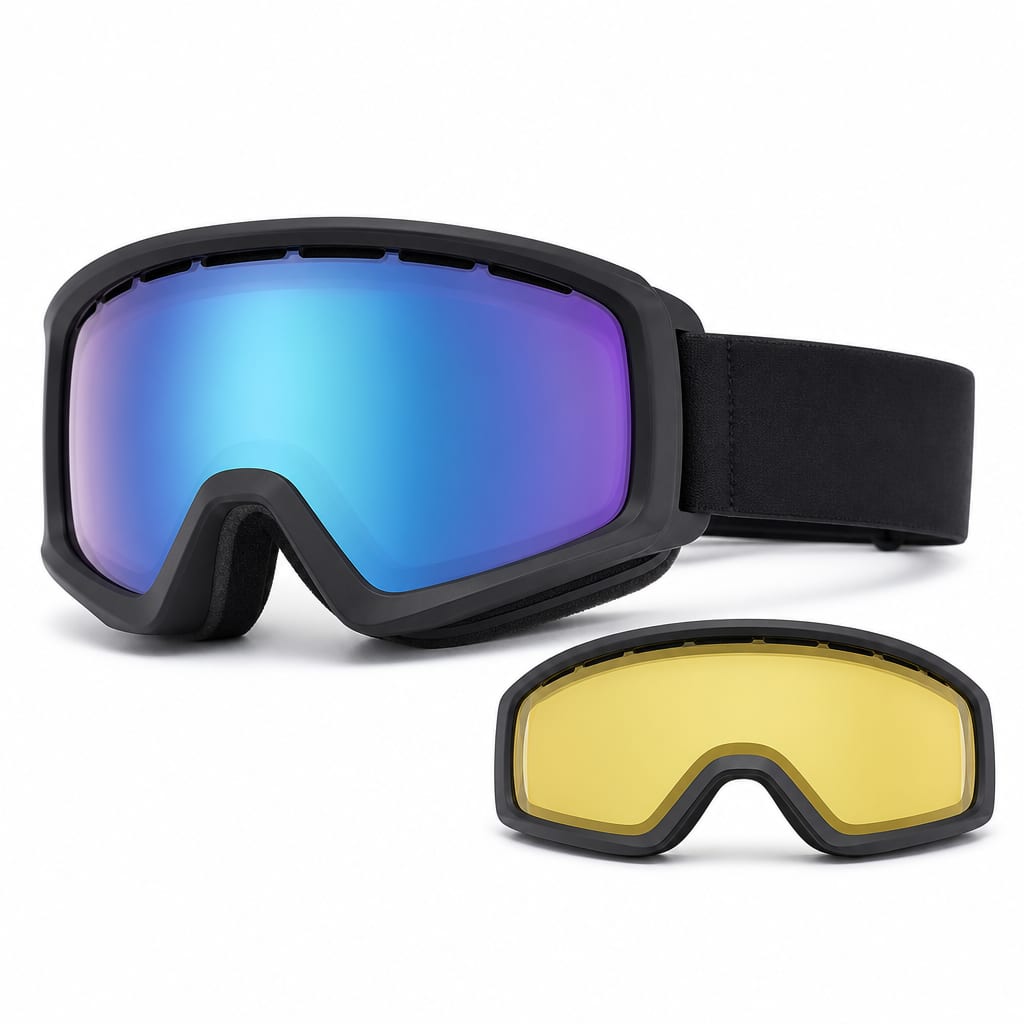
All-Mountain Ski Goggles
$50 – $250
Versatile goggles designed for general use across varied terrain and light conditions.
versatile lens tintshelmet-compatible framesmoderate VLT range
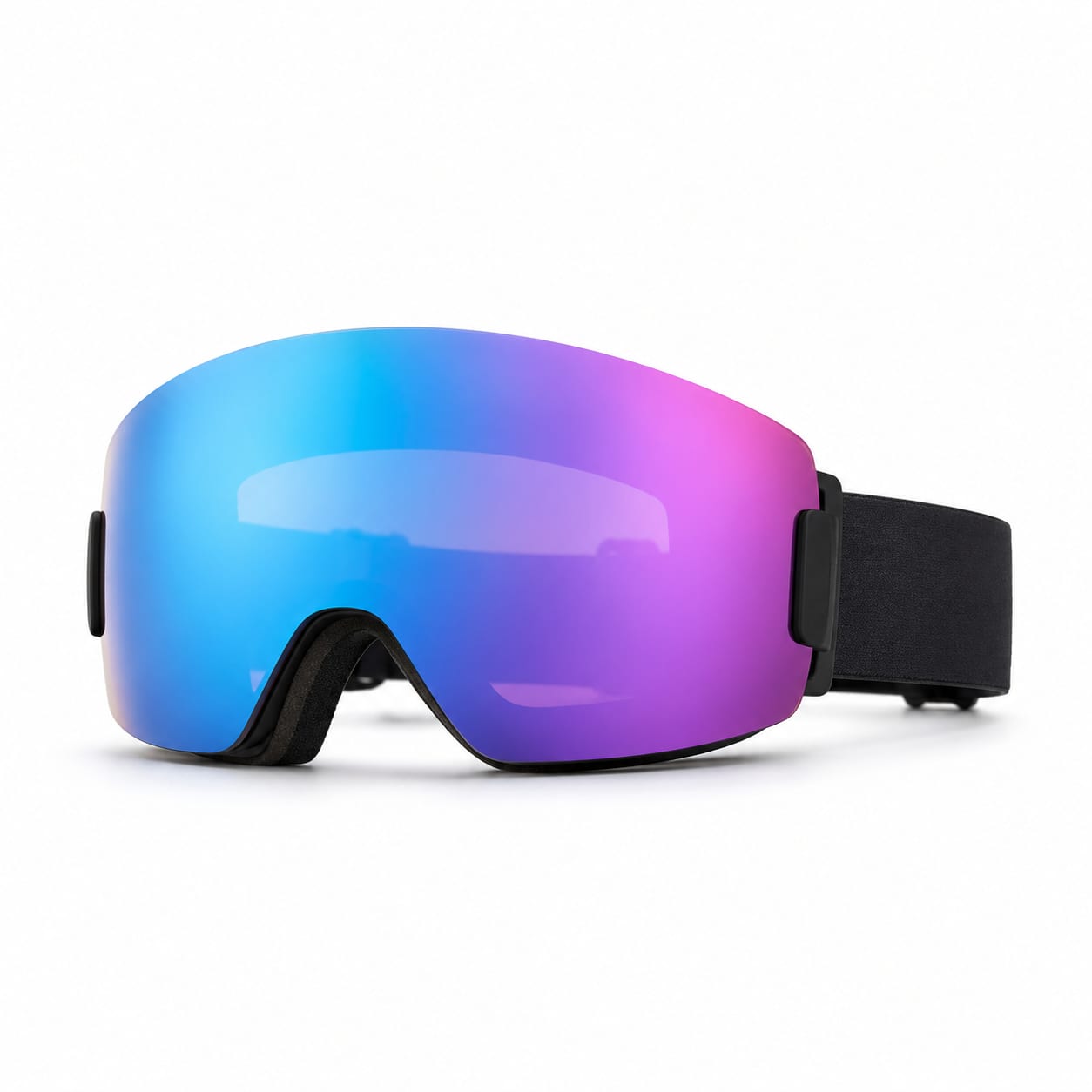
Frameless Ski Goggles
$80 – $300
Goggles with minimal or no frame structure maximizing field of view and modern aesthetics.
minimal frame visibilitymaximum peripheral visionmagnetic lens attachment
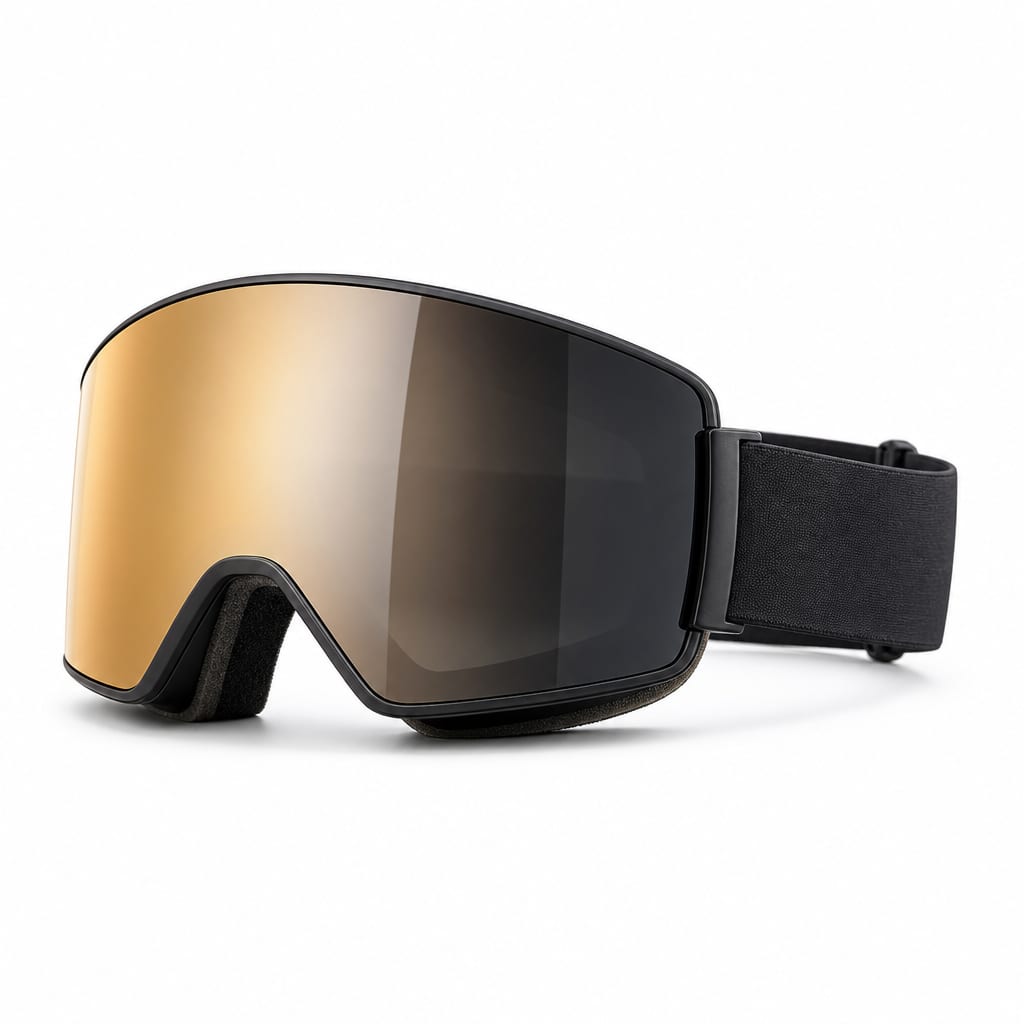
Photochromic Ski Goggles
$120 – $350
Goggles with light-reactive lenses that automatically adjust tint to changing conditions.
auto-darkening lenseswide VLT rangeUV-reactive technology
More questions
- How long does the battery last on smart ski goggles?
- Can I still use smart goggles if the battery dies?
- Is the HUD display distracting while skiing?
- Are smart goggles worth the extra cost compared to premium traditional goggles?