
Firm compression should feel snug and supportive but never painful, numbing, or tingly. If your feet feel cold or numb within 15-20 minutes of putting on the socks and boots, the compression may be too firm or the sock may be too small. Other signs of excessive compression include visible deep indentations when you remove the sock, or a pins-and-needles sensation. If you experience these symptoms, try moderate compression (15-20 mmHg) or size up. Never sacrifice circulation for compression—the performance benefits only work when blood flow is improved, not restricted.
Ski Socks · Race Ski Socks
How do I know if the compression is too tight?
Related gear types
If this answer nudged you toward a different style, these guides compare specs and trade-offs.
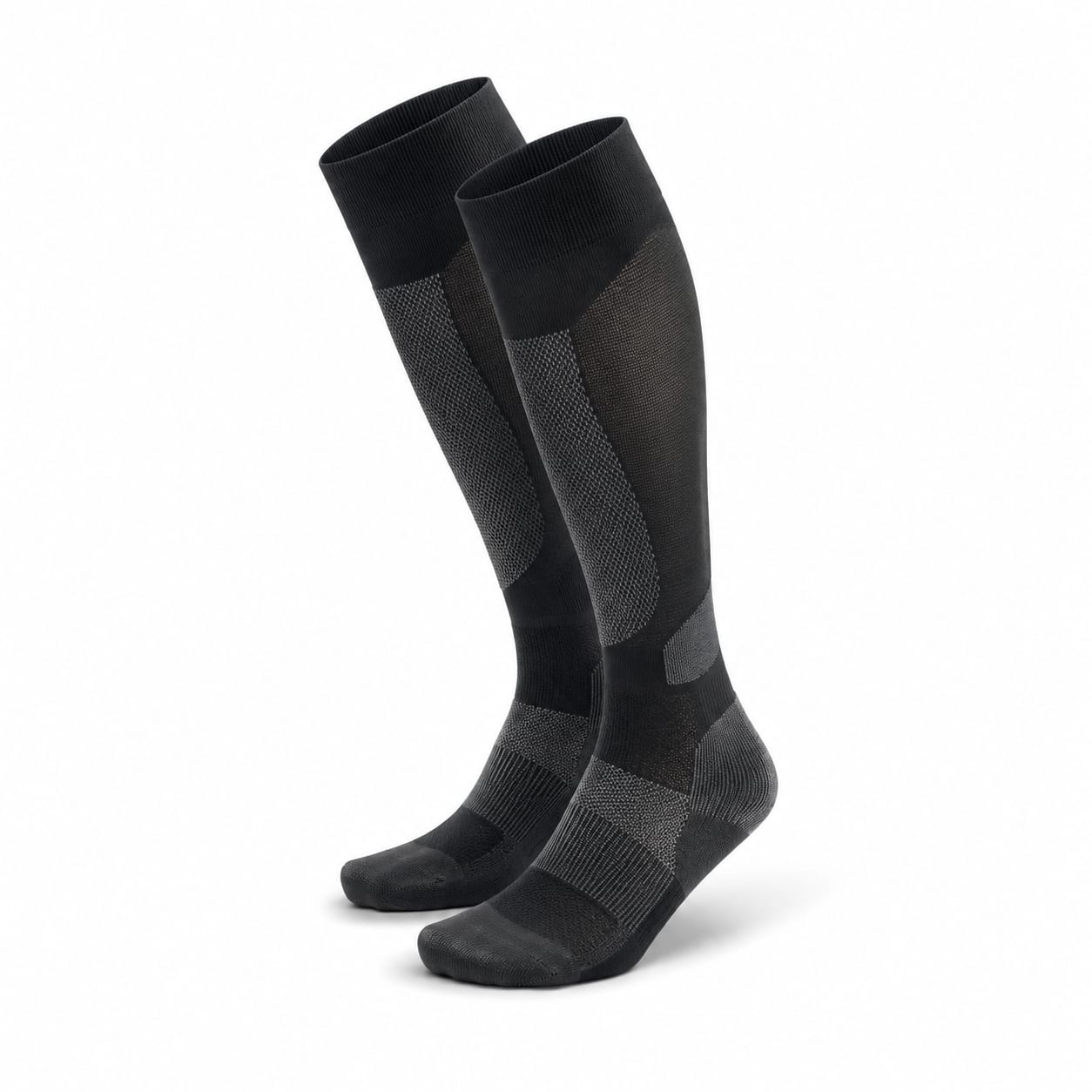
Lightweight Ski Socks
$15 – $38
Minimal-cushion ski socks designed for a responsive, close-to-boot fit with maximum feel and temperature regulation in mild conditions.
ultra-thin constructionminimal or no cushion zonesover-the-calf height
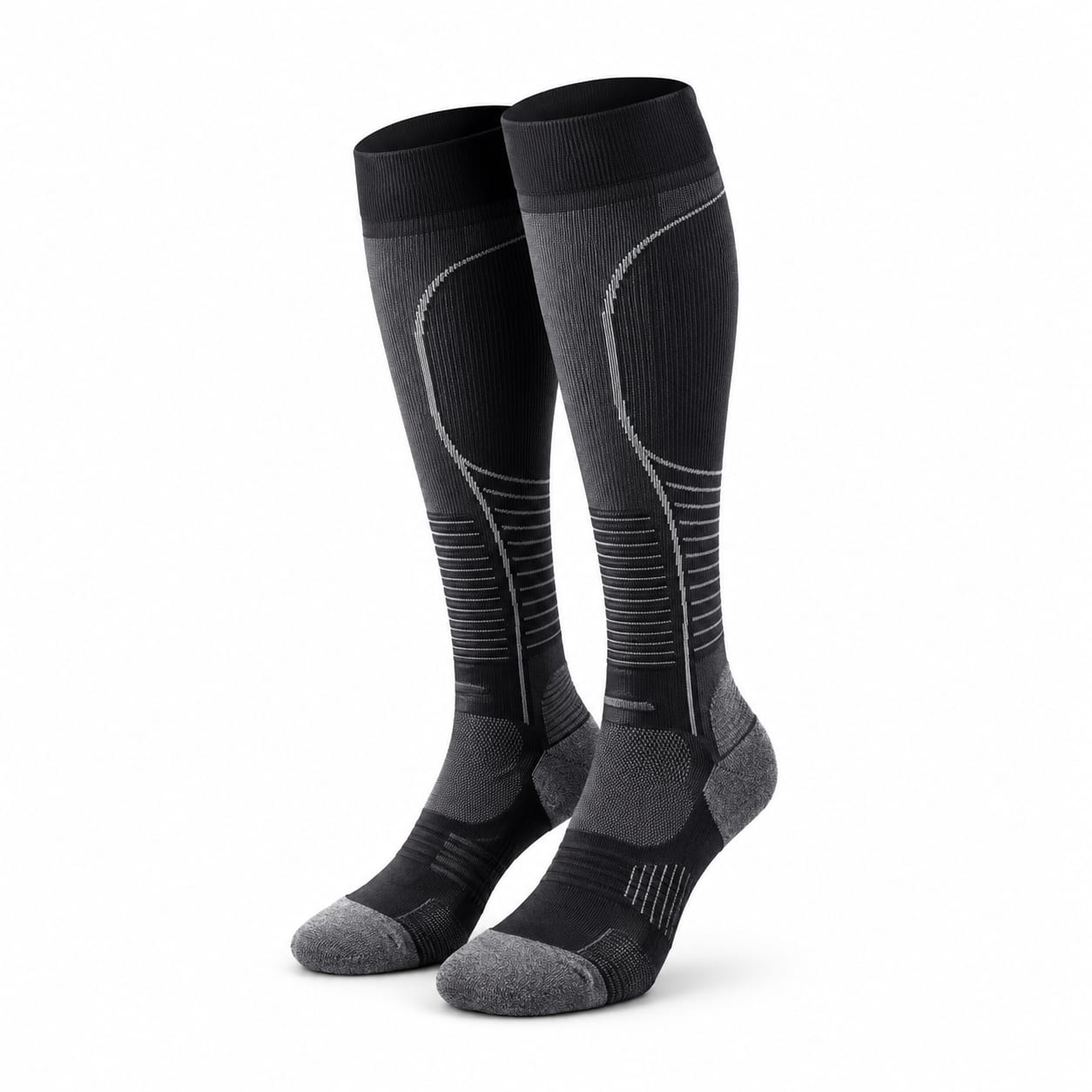
Compression Ski Socks
$25 – $60
Graduated compression ski socks that improve blood flow, reduce fatigue, and enhance recovery during and after skiing.
graduated compressiontight fitover-the-calf height
More questions
- Why are race ski socks so thin? Don't my feet need cushioning?
- Can I wear race ski socks for regular recreational skiing?
- Do I really need left/right specific socks?
- Why are race socks more expensive than regular ski socks?