Kitvore.com

Kitvore.com

Specs that matter. Gear that fits.

Ski Underwear · Subcategory

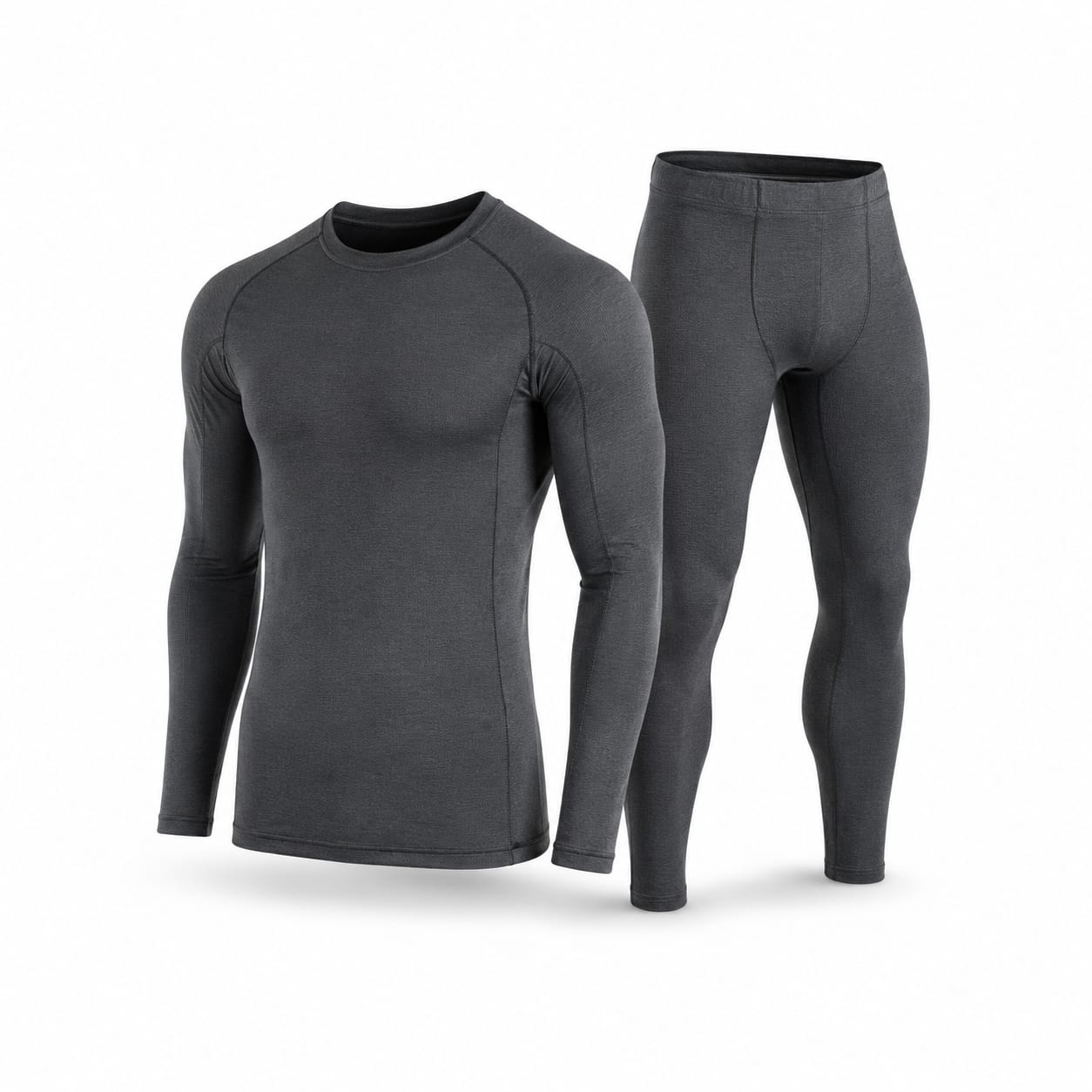
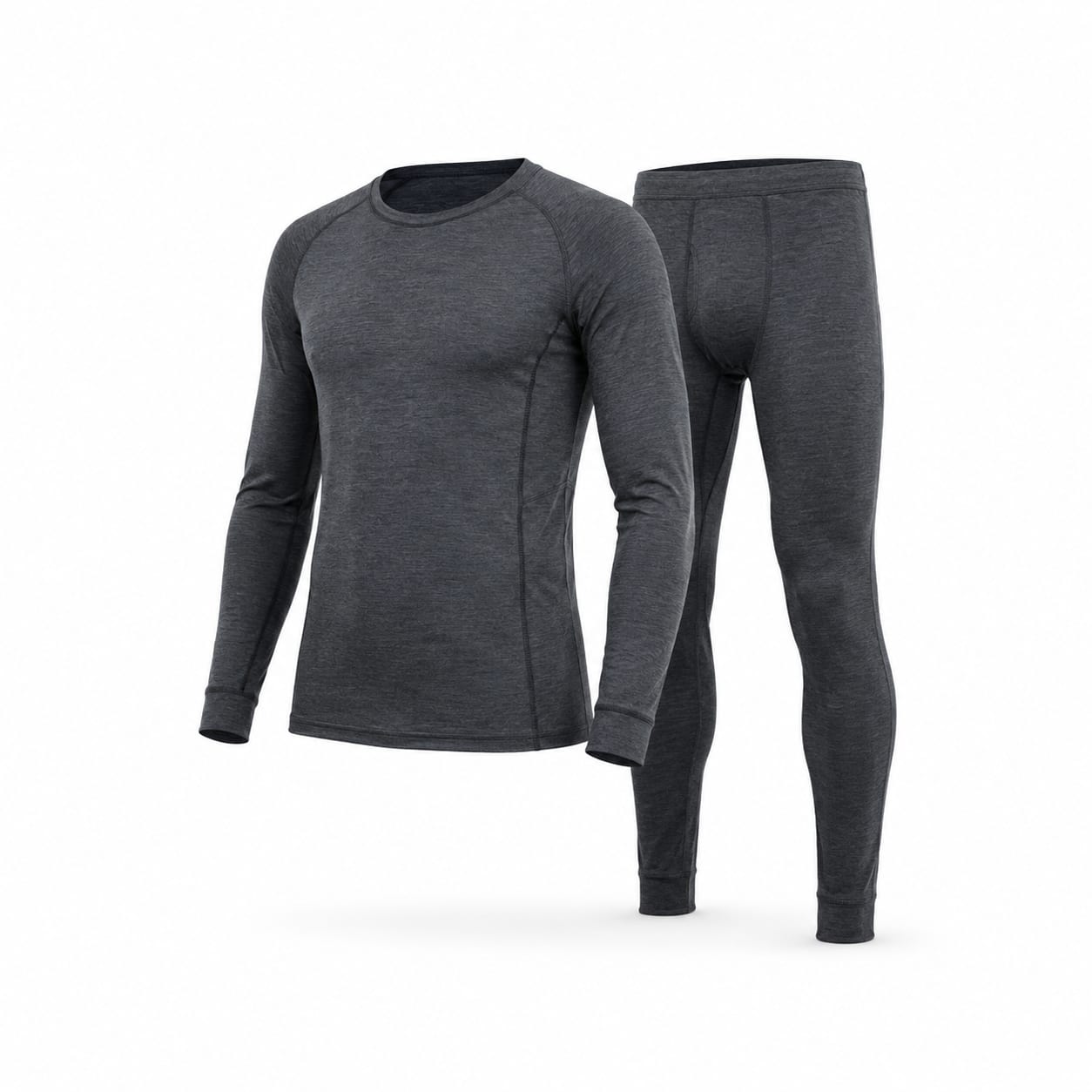
Heated Base Layers

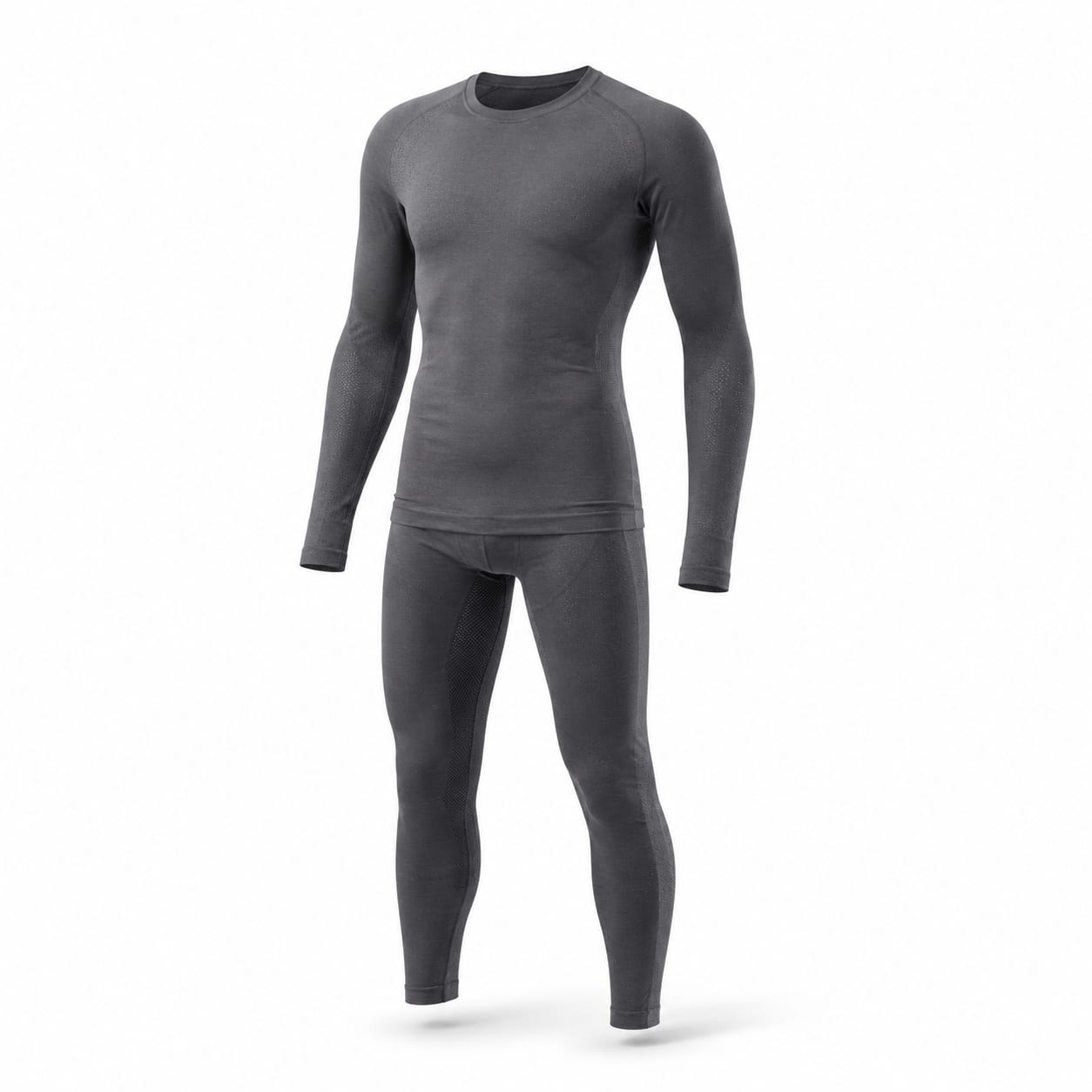
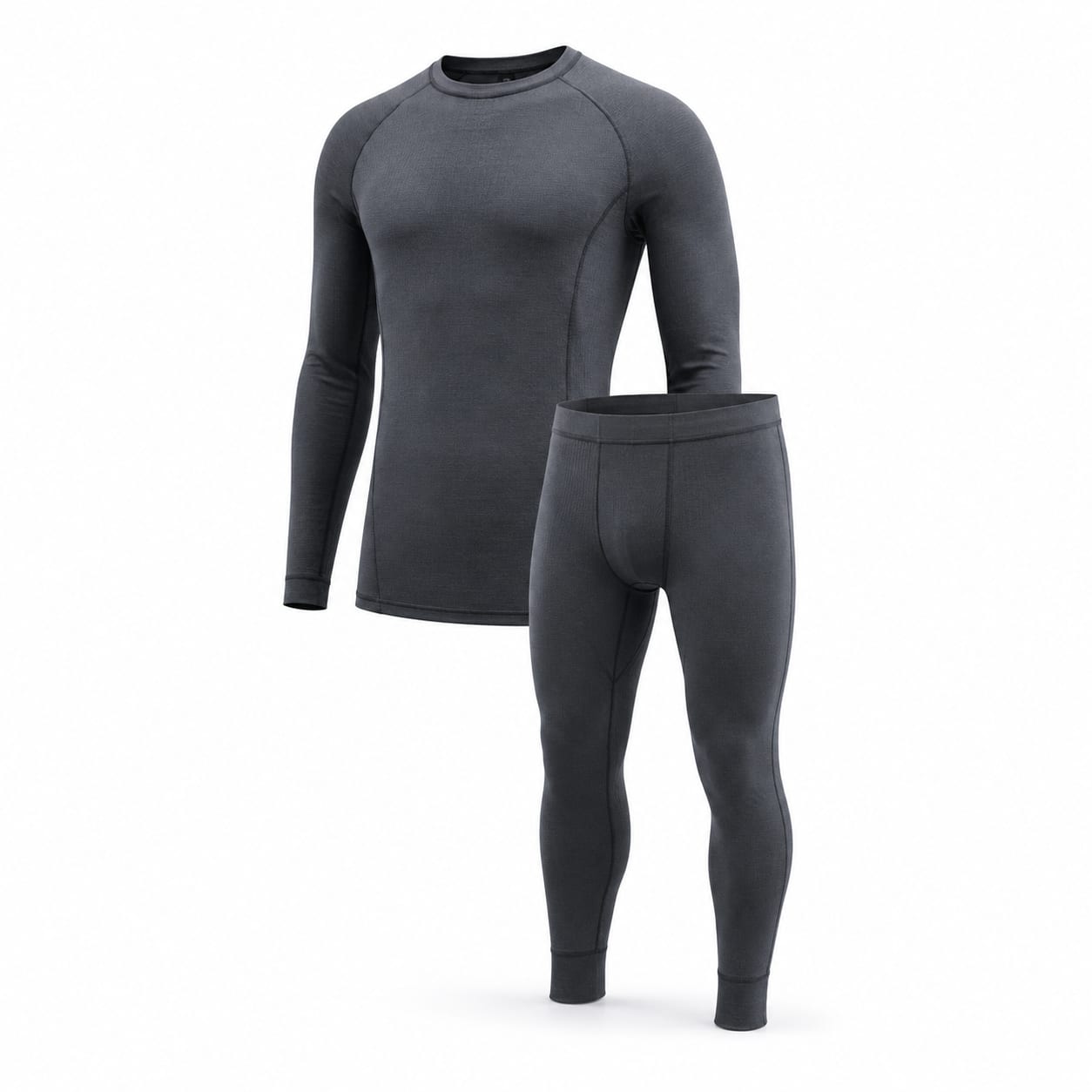
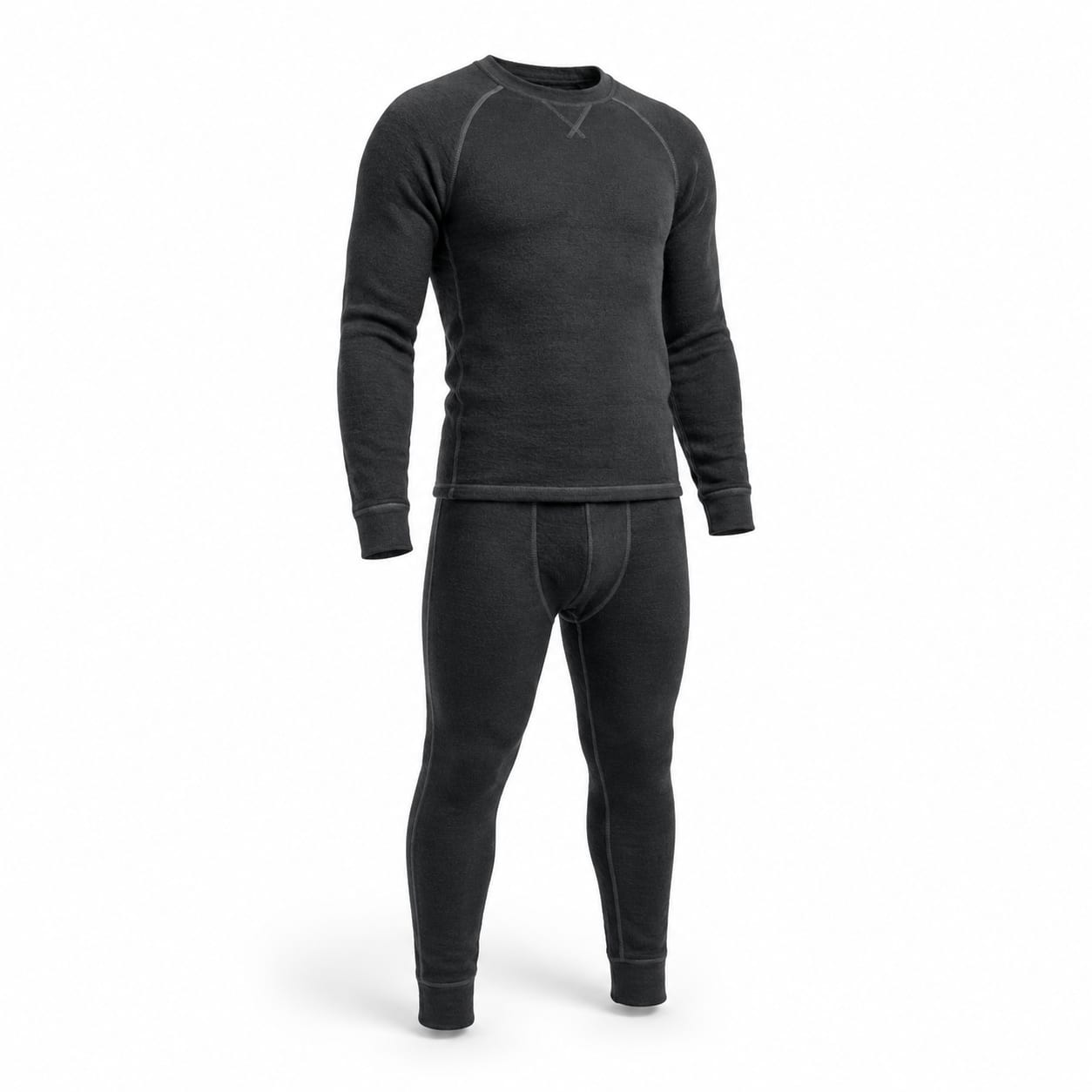
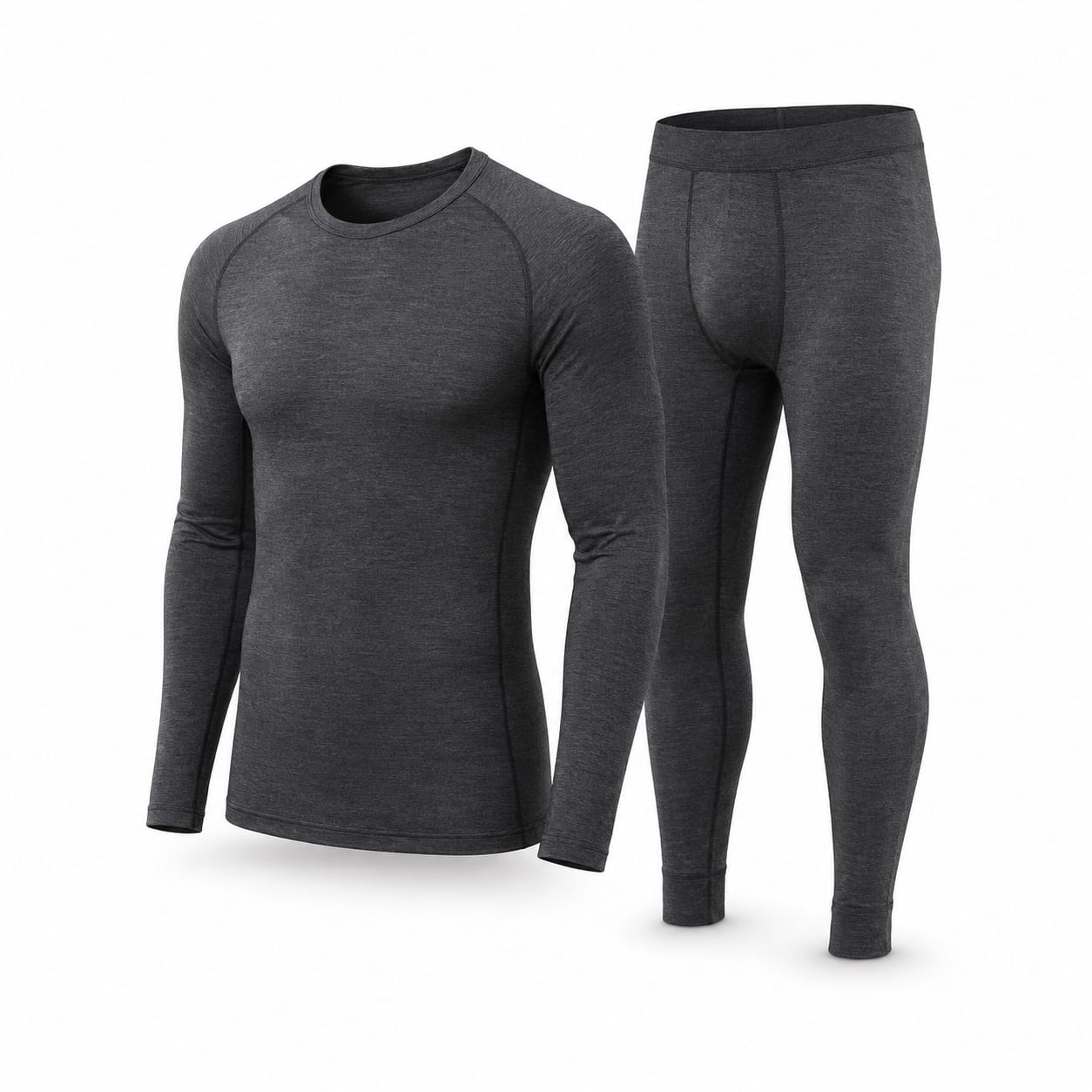
Battery-powered base layers with integrated heating elements that deliver active, adjustable warmth on the coldest ski days.

Heated base layers are the ultimate cold-weather solution for skiers who run cold, have poor circulation, or face extreme temperatures. Unlike traditional base layers that only trap body heat, heated base layers use carbon-fiber or similar heating elements powered by rechargeable lithium-ion batteries to actively warm your core, back, or full torso. With multiple heat settings, you can dial in comfort from the lift line to the summit, making these a game-changer for riders who otherwise cut days short due to cold.

$80 – $300premium tierbeginnerintermediateadvanced

Best known for

Active, battery-powered warmth on demandMultiple heat settings for adjustable comfortExtended ski days in extreme coldRelief for riders with poor circulation or Raynaud's
Heated Base Layers

Guide

Detailed overview

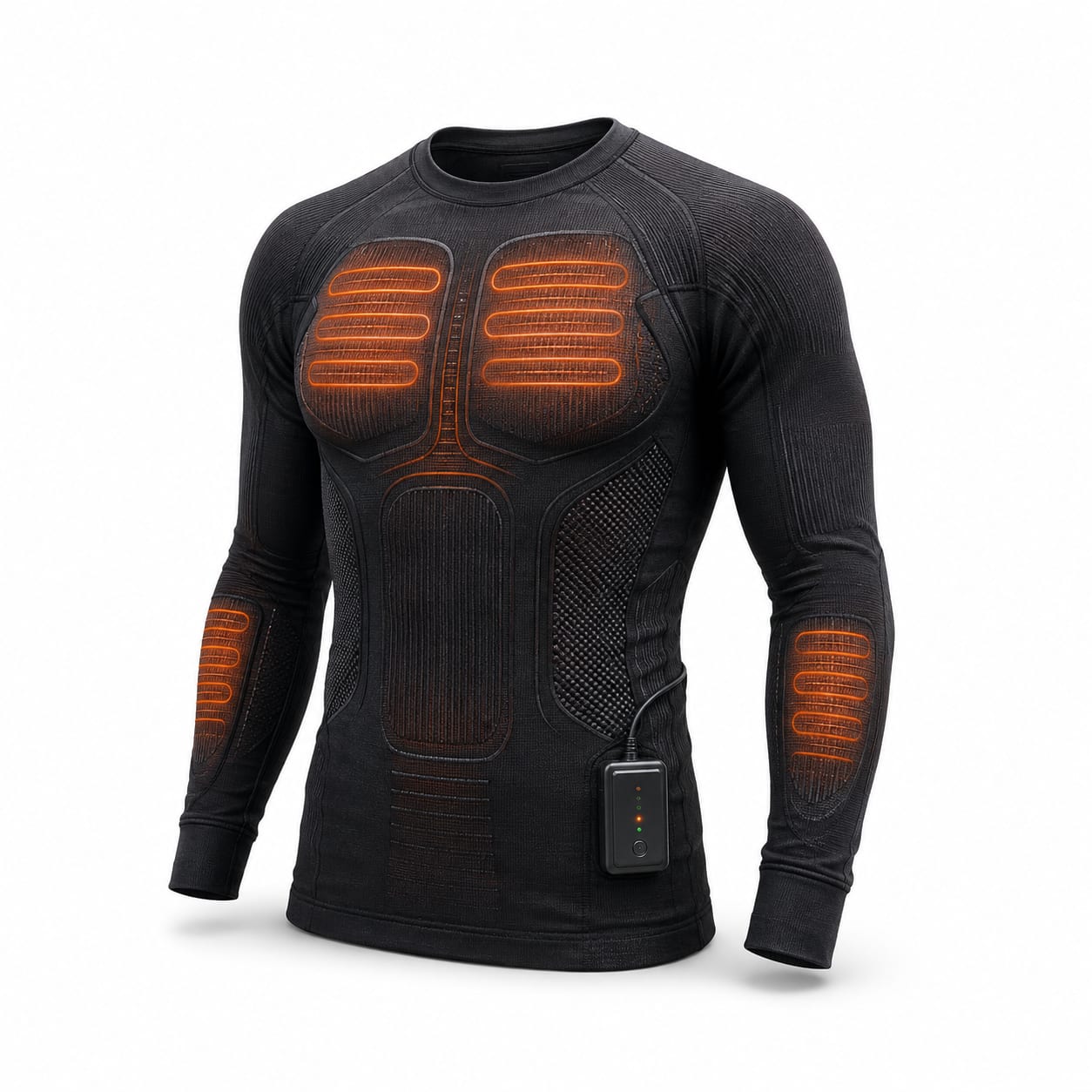
Heated base layers represent the convergence of wearable technology and technical winter apparel. These garments embed thin, flexible heating elements—typically carbon fiber or metallic fiber mesh—into strategic zones of a moisture-wicking base layer. Powered by compact lithium-ion batteries (usually 5,000–10,000 mAh), they deliver 2–8 hours of active heating per charge depending on the setting. Most models offer three heat levels (low, medium, high) controlled via a small button on the garment or a Bluetooth-connected smartphone app. The heating zones are typically placed at the lower back, chest, and sometimes the neck or shoulders, targeting areas where cold sensitivity is highest. While the technology adds weight and cost, the ability to generate your own warmth transforms the skiing experience for those who struggle with cold on the mountain.

Heated base layers have evolved from niche gadgets to legitimate performance gear over the past decade, driven by advances in flexible heating elements and battery technology. Early versions were bulky, unreliable, and offered tepid warmth at best. Modern heated base layers use ultra-thin carbon fiber heating panels that are virtually undetectable beneath the fabric, and high-capacity lithium-polymer batteries that can sustain meaningful heat output for a full day on the mountain. The heating elements are strategically placed at the lower back (kidney area), chest, and sometimes the neck—zones where cold penetrates most and where warmth provides the greatest perceived comfort benefit.

The key advantage of heated base layers over simply wearing thicker traditional layers is adjustability. On a typical ski day, your heat output varies dramatically: you generate significant warmth during aggressive runs or skinning up, then lose heat rapidly sitting on a cold chairlift. Traditional base layers force a compromise—warm enough for the lift means too hot during activity, or comfortable while active means freezing at rest. Heated base layers solve this by letting you toggle heat output up or down in seconds. Turn it off during a high-output run, then crank it to high on the chairlift ride back up. This dynamic temperature regulation is something no passive insulation system can match.

However, heated base layers come with real trade-offs. The battery packs, while compact, add bulk and weight—typically 150–250 grams per battery, and most tops require one or two batteries. Batteries must be charged before each use, and cold temperatures reduce battery capacity, sometimes significantly. A battery rated for 6 hours at room temperature may deliver only 3–4 hours in sub-zero conditions. The heating elements also add a layer of complexity to washing—most require removing the batteries and sometimes the control units before hand-washing or using a gentle machine cycle. Perhaps the biggest barrier is cost: quality heated base layers typically run $150–$350, compared to $60–$150 for premium non-heated options.

For the right rider, though, heated base layers are transformative. Skiers with poor circulation, Raynaud's syndrome, or who simply run cold report dramatic improvements in comfort and endurance on the mountain. Ski instructors, patrollers, and parents who spend extended periods standing in the cold also benefit enormously. Even aggressive skiers who normally don't need extra warmth appreciate having a heated layer as insurance on the coldest days of the season. As battery technology continues to improve and prices gradually decrease, heated base layers are becoming an increasingly practical option for a wider range of winter sports enthusiasts.

Quick facts

Primary purpose
Adjustable, on-demand warmth for extreme cold or skiers with circulation issues
Popular brands
Mobile WarmingActionHeatVenture HeatGerbingLenz
Typical terrain
extreme coldvariable conditionsdeep winter resort skiing

What makes it different

Only base layer category with active heating; adjustable warmth on demand; requires battery management

Recommended ranges

How this type usually specs out

Each spec is explained in plain language, then we show what buyers usually look for on this type.

Material Type

Material Type

What it means

The primary fabric composition of the base layer, which determines moisture management, odor resistance, warmth, durability, and care requirements.

Typical for this type

Synthetic Polyester Or Wool Blend

In practice

Heated base layers predominantly use synthetic polyester because it integrates well with heating elements, wicks moisture effectively, and withstands the thermal cycling of active heating. Wool-synthetic blends are emerging as a premium option, combining merino's odor resistance with the structural support needed for embedded heating panels.

Compared to other types

Unlike non-heated base layers where merino wool dominates, heated base layers favor synthetics because the heating element integration is simpler and more reliable with polyester's consistent knit structure. Merino-only heated options are rare.

Why it matters: The base fabric must wick sweat away from skin efficiently since the heating elements can increase perspiration. It also needs to be durable enough to protect the heating elements through repeated washing and wear.

Weight Class

Weight Class

What it means

The fabric weight category, which correlates with warmth, bulk, and intended temperature range. Measured in grams per square meter (g/m²) of fabric.

Typical for this type

Lightweight to midweight (150–260 g/m²)

In practice

Most heated base layers fall in the midweight range because they need enough fabric structure to house and protect the heating elements and wiring channels. Lightweight versions exist but may feel the heating element more against the skin; heavyweight is unnecessary since the active heating provides warmth.

Compared to other types

Heated base layers can use lighter fabric weights than non-heated equivalents because the active heating compensates for less passive insulation. A midweight heated layer can feel warmer than a heavyweight non-heated layer.

Why it matters: The fabric must be substantial enough to protect the heating elements and route wiring without creating pressure points, but not so thick that the heat can't reach your skin effectively.

Fit Type

Fit Type

What it means

How closely the garment conforms to the body, affecting moisture wicking efficiency, layering compatibility, and freedom of movement.

Typical for this type

Slim to Compression

In practice

A slim or form-fitting cut is essential for heated base layers because the heating elements must maintain close contact with the body to transfer warmth efficiently. Air gaps between the heating panel and skin dramatically reduce perceived warmth.

Compared to other types

Fit is even more critical for heated base layers than non-heated ones. While a slightly loose traditional base layer just reduces wicking efficiency, a loose heated base layer renders the heating elements significantly less effective.

Why it matters: If the heating elements don't sit flush against your body, much of the generated heat is lost to the air gap rather than warming you. A close fit ensures maximum heat transfer and even warmth distribution.

Top Style

Top Style

What it means

The neckline and design of the upper-body base layer, affecting ventilation, layering, and comfort.

Typical for this type

Zip Neck Half Or Crew Neck

In practice

Half-zip mock necks are the most common style for heated tops because the zip allows easy temperature regulation without relying solely on the heating elements. The battery and controller are typically housed in a pocket near the hem, and the zip doesn't interfere with the wiring.

Compared to other types

Heated base layers favor zip-neck styles more strongly than non-heated options because the combination of active heating and passive venting provides unmatched temperature regulation.

Why it matters: Having both mechanical venting (zip) and electronic heating gives you the widest range of temperature control. The mock neck also protects the neck—a high-heat-loss area—when zipped up.

Bottom Style

Bottom Style

What it means

The length and design of the lower-body base layer, affecting coverage, layering, and boot compatibility.

Typical for this type

Full Length Or Three Quarter

In practice

Full-length heated bottoms are most common because they can incorporate heating elements along the thigh and quad muscles. 3/4 length options exist for skiers concerned about boot fit, but they sacrifice potential heating zones in the lower leg.

Compared to other types

Heated bottoms are less common than heated tops, and full-length dominates because the heating value proposition is stronger with more coverage area. 3/4 heated bottoms are a niche product.

Why it matters: Full-length bottoms allow heating elements to cover more of the large muscle groups in the legs, which is especially beneficial for riders with cold thighs or poor leg circulation.

Moisture Wicking

Moisture Wicking

What it means

The garment's ability to pull perspiration away from the skin and spread it across the fabric surface for evaporation. Critical for staying dry and warm during active skiing.

Typical for this type

Good to Excellent

In practice

Heated base layers must have good to excellent moisture wicking because the heating elements can increase sweating, especially on higher settings. The fabric needs to move this moisture away quickly so it doesn't cool against the skin when the heater cycles off.

Compared to other types

Moisture wicking is arguably more critical for heated base layers than non-heated ones because the heating elements can increase perspiration rates beyond what you'd experience with passive insulation alone.

Why it matters: Active heating can create a false sense of warmth that leads to heavier sweating. If that moisture isn't wicked away efficiently, you'll feel clammy and cold when you step outside or turn the heat down—potentially worse than wearing no heater at all.

Odor Resistance

Odor Resistance

What it means

The garment's ability to resist bacterial growth and associated odors over multiple wears. Affects how many days you can wear the base layer between washes on multi-day trips.

Typical for this type

Moderate to Good

In practice

Most heated base layers use synthetic polyester, which inherently has lower odor resistance than merino wool. Some models incorporate silver-ion or polygiene treatments to improve odor control, but these treatments degrade over time with washing.

Compared to other types

Heated base layers generally have worse odor resistance than merino-based non-heated options. The synthetic fabric required for heating element integration is a trade-off against the multi-day freshness that merino provides.

Why it matters: Because heated base layers are expensive and require careful washing (removing batteries, gentle cycles), you may be tempted to wear them multiple days. Moderate odor resistance means you'll likely notice odor after 1–2 full days of active wear.

Seam Construction

Seam Construction

What it means

The type and placement of seams, which affect chafing potential, durability, and comfort under layers and gear.

Typical for this type

Flatlock Or Seamless

In practice

Flatlock seams are the standard for heated base layers because they lay flat under layers and don't interfere with the heating element placement. Seamless construction is appearing in premium heated options, which eliminates any potential chafing from seams near heating panels.

Compared to other types

Seam construction matters similarly across all base layer types, but heated base layers have the additional consideration of seam placement relative to heating elements and wiring channels.

Why it matters: Seams near heating elements can create pressure points or hot spots. Flatlock or seamless construction ensures the heating panels sit smoothly against the body and that no seam presses into you where the element generates warmth.

Stretch

Stretch

What it means

The garment's ability to stretch and recover, affecting freedom of movement and long-term fit retention.

Typical for this type

Four Way Preferred

In practice

4-way stretch is strongly preferred for heated base layers because the heating elements and wiring need to move with your body without pulling or creating tension. Elastane content (typically 3–8%) allows the garment to stretch while keeping heating panels in contact with the skin.

Compared to other types

Stretch is more important for heated base layers than non-heated ones because the embedded heating elements and wiring add structure that can restrict movement if the fabric itself doesn't stretch adequately.

Why it matters: Without adequate stretch, dynamic movements can pull the heating elements away from your body, creating cold spots and reducing heating efficiency. Stretch also prevents the wiring from feeling restrictive or creating pressure points during movement.

Gender

Gender

What it means

The intended gender fit of the garment, which affects cut, proportions, and anatomical features.

Typical for this type

Gender-Specific Recommended

Most common pick: Mens And Womens

In practice

Heated base layers are available in both men's and women's specific fits, and choosing the correct gender cut is especially important because the heating elements must align with your body's anatomy for effective heat transfer.

Compared to other types

Gender-specific fit matters more for heated base layers than non-heated ones because misaligned heating elements don't just fit poorly—they actively fail to deliver warmth where you need it.

Why it matters: Women's heated base layers position heating elements based on female anatomy—different torso proportions, kidney placement, and chest coverage. A poor gender fit means heating elements may not align with the body zones they're designed to warm.

Warmth Rating

Warmth Rating

What it means

The perceived warmth level of the garment, combining material, weight, and construction into a single comparative metric.

Typical for this type

Moderate to Extreme (Depending On Heat Setting)

Most common pick: High

In practice

Heated base layers are unique because their warmth rating is variable. On low settings, they provide moderate passive warmth plus gentle heating. On high settings, they can deliver extreme warmth that surpasses even the thickest heavyweight traditional base layers. The passive warmth alone (without power) is typically moderate.

Compared to other types

Heated base layers are the only subcategory with adjustable warmth. A single heated layer can replace multiple traditional layers of different weights, giving you one garment that adapts from spring conditions to sub-zero cold.

Why it matters: The variable warmth rating is the core value proposition—you get a range of warmth from a single garment. On high, most heated base layers can maintain 100–130°F surface temperature at the heating panels for 2–3 hours.

Thumbholes

Thumbholes

What it means

Whether the top includes thumbholes at the cuff to keep sleeves in place and provide hand coverage during layering.

Typical for this type

True Preferred

In practice

Thumbholes are common on heated base layer tops because they keep sleeves anchored and maintain the position of any wrist or forearm heating elements. They also seal the gap between glove and sleeve—a critical cold-leak point.

Compared to other types

Thumbholes are more frequently included on heated base layers than on non-heated options because the cold-weather focus of heated gear makes this feature more valued by the target audience.

Why it matters: For heated base layers, thumbholes serve double duty: they prevent sleeve ride-up (which could shift heating elements out of position) and they extend warmth coverage to the wrist area where many people feel cold first.

Gusseted Crotch

Gusseted Crotch

What it means

Whether the bottom base layer includes a diamond or triangular fabric panel at the crotch for enhanced mobility and reduced seam stress.

Typical for this type

True Preferred

In practice

Gusseted crotches are common on heated base layer bottoms because the wiring that runs from the battery (typically at the waistband) to the heating elements in the thighs needs freedom to flex without pulling or pinching at the crotch intersection.

Compared to other types

A gusseted crotch is more functionally important in heated base layer bottoms than in non-heated ones because it protects the wiring infrastructure in addition to providing mobility benefits.

Why it matters: The gusseted crotch provides extra range of motion and reduces stress on the wiring channels that often run through the crotch area. This prevents wire fatigue and maintains comfort during deep bends and sitting on chairlifts.

Fly Type

Fly Type

What it means

The type of front opening on men's base layer bottoms, affecting convenience and comfort.

Typical for this type

Vertical Fly Or Horizontal Fly

In practice

Vertical fly is most common on men's heated base layer bottoms. Some performance models use horizontal fly for a lower profile. The fly type has no interaction with the heating system.

Compared to other types

No significant difference from non-heated base layers in terms of fly type relevance.

Why it matters: Fly type is a minor convenience feature that doesn't affect heating performance. Choose based on personal preference.

Body-Mapped Construction

Body-Mapped Construction

What it means

Whether the garment uses strategically placed fabric zones with different weights, textures, or knit structures to optimize warmth and breathability where needed.

Typical for this type

True Strongly Preferred

In practice

Body mapping is essentially built into heated base layers by design—the heating elements are placed in specific zones (lower back, chest, sometimes neck) while high-sweat areas like underarms use lighter, more breathable fabric without heating panels. This is the core design philosophy of heated base layers.

Compared to other types

Heated base layers are inherently body-mapped by virtue of their zoned heating design, even if the fabric itself is uniform. The best models combine element placement with fabric zoning for a doubly optimized garment.

Why it matters: The strategic placement of heating elements is itself a form of body mapping. Premium heated base layers take this further by using different fabric weights in heated vs. non-heated zones, optimizing both warmth and breathability.

UPF Rating

UPF Rating

What it means

Ultraviolet Protection Factor rating indicating how effectively the fabric blocks UV radiation. Relevant for high-altitude spring skiing.

Typical for this type

None Rated to Upf 30

In practice

Most heated base layers do not carry a UPF rating, though the dense synthetic fabric typically provides some inherent UV protection. This is a minor consideration given that heated base layers are primarily used in cold, low-UV winter conditions.

Compared to other types

UPF rating matters less for heated base layers than for lightweight spring-oriented base layers. The use cases rarely overlap with high-UV conditions.

Why it matters: UV protection is rarely a priority for heated base layer buyers since these garments are designed for the coldest, darkest days of winter when UV exposure is minimal.

Waistband Type

Waistband Type

What it means

The style and construction of the waistband on bottom base layers, affecting comfort under layers and during movement.

Typical for this type

Wide Yoga Or Integrated

In practice

Wide yoga-style waistbands are common on heated base layer bottoms because they provide a comfortable, flat surface for the battery pocket that typically sits at the waistband. The wide band distributes the weight of the battery pack and prevents it from bouncing or digging in.

Compared to other types

Waistband type matters more for heated base layers than non-heated ones because the battery pack adds weight and bulk that the waistband must support. This makes wide yoga-style and drawcord options more functionally important.

Why it matters: The waistband must accommodate and support the battery pack (150–250g) without sagging, bouncing, or creating pressure points. A wide, flat waistband is far more comfortable with a battery attached than a narrow elastic band.

Evaluation

Strengths and trade-offs

Pros

What this type does best

Adjustable warmth on demand

Critical

Unlike any passive insulation, heated base layers let you increase or decrease warmth in seconds with the push of a button. This eliminates the too-hot-while-skiing, too-cold-on-the-lift problem that plagues traditional layering.

Extended time on the mountain

Critical

Riders who normally cut days short due to cold report being able to ski full days comfortably with heated base layers. The active heating effectively extends your cold-weather range by 10–20°F.

Relief for cold-sensitive riders

High

For skiers with poor circulation, Raynaud's syndrome, or who simply run cold, heated base layers can be the difference between enjoying the sport and suffering through it. The targeted warmth at the lower back and core provides meaningful comfort for medical conditions.

Reduced layering bulk

High

A single heated base layer can replace a traditional base layer plus a mid-layer, reducing bulk and improving mobility. This is especially valuable under tight-fitting ski shells.

Insurance for unexpected cold

Medium

Even if you don't need active heating most days, having it available means you're prepared for sudden temperature drops, wind chill, or conditions colder than forecasted. It's warmth insurance.

Even heat distribution

Medium

Well-designed heated base layers distribute warmth across large panels rather than creating hot spots. The carbon fiber heating elements provide a broad, even heat that feels natural and comfortable.

Cons

Trade-offs to be aware of

High cost

Significant

Quality heated base layers cost $150–$350, roughly 2–3x the price of premium non-heated base layers. The batteries add another $30–$80 each if you want spares. This is a significant investment for a garment with electronics that may eventually fail.

Battery limitations

Significant

Batteries last 2–8 hours depending on heat setting, and cold temperatures reduce capacity. You must remember to charge batteries before each ski day, and carrying spares adds weight and bulk. A dead battery means no heating—unlike passive layers that always work.

Battery bulk and weight

Moderate

Battery packs weigh 150–250g each and create a noticeable bulge at the waistband or in a pocket. Most tops require one or two batteries, and bottoms may require their own. This added weight and bulk can be annoying, especially under fitted outerwear.

Care complexity

Moderate

Washing heated base layers requires removing batteries and sometimes detaching controllers. Most must be hand-washed or machine-washed on gentle cycle in a laundry bag. You cannot tumble dry them. This is more effort than throwing a traditional base layer in the wash.

Potential for electronics failure

Moderate

Heating elements, wiring, controllers, and batteries are all potential failure points. A broken wire or failed controller can render the heating function useless, leaving you with an expensive regular base layer. Warranty coverage varies significantly between brands.

Reduced breathability at heating zones

Minor

The heating element panels are slightly less breathable than the surrounding fabric, which can create localized moisture buildup during high-output activity. This is manageable but noticeable on warm days or during aggressive skiing.

Best for

Terrain

Cold resort skiingHigh-altitude skiingWind-exposed terrainBackcountry skiing in extreme cold

Snow conditions

Sub-zero temperaturesHigh wind chillBitter cold days (below 10°F / -12°C)Extended lift ridesStationary or slow-paced activities

Skill level

BeginnerIntermediateAdvancedExpert

Riding style

Recreational resort skiingSki patrolSki instructionSlow-paced cruisingBackcountry touring (as backup warmth)

Rider profile

Riders who run coldSkiers with poor circulation or Raynaud'sSki instructors and patrollersParents supervising kids on the slopesOlder skiers with decreased cold toleranceAnyone who cuts ski days short due to cold

Not ideal for

Reasons

Overkill for mild winter conditions above 25°FBattery weight and bulk unnecessary for short sessionsCost is hard to justify for occasional skiersAggressive, hot-running skiers may never need the heating functionHigh-output touring generates enough body heat to make active heating counterproductive

Terrain

Spring skiing in warm conditionsIndoor ski facilities

Riding style

High-output backcountry touring (overheating risk)Park and pipe (excess warmth and bulk)Warm-weather skiing

Compare

How it stacks up

This page

Heated Base Layers

Active, adjustable heating that merino cannot match. Merino provides only passive insulation—you cannot turn up the warmth on a cold chairlift. Heated base layers also allow a lighter, less bulky layering system.

Alternative

Merino Wool Base Layers

Merino is significantly cheaper, requires no batteries or charging, has excellent odor resistance for multi-day wear, is easier to care for, and will never have electronics failures. Merino also breathes more naturally without heating panel zones.

Bottom line

Choose heated base layers if you consistently struggle with cold despite proper merino layering. Choose merino if you don't have cold issues and want simplicity, reliability, and better odor resistance.

This page

Heated Base Layers

The ability to generate warmth rather than just retain it. Synthetic base layers are limited to trapping whatever body heat you produce, while heated layers add external warmth. This is transformative for sedentary periods like chairlift rides.

Alternative

Synthetic Polyester Base Layers

Standard synthetic base layers are much cheaper ($30–$80), lighter, simpler to use and wash, and have no battery dependency. They also dry faster and are more durable over years of regular use.

Bottom line

Choose heated if cold is your primary limiting factor on the mountain. Choose standard synthetic if you're budget-conscious, run warm, or prefer simplicity.

This page

Heated Base Layers

Active heating that no blend can replicate. Blends offer a balance of odor resistance and durability, but they're still passive insulation. Heated layers provide warmth on demand that blends simply cannot deliver.

Alternative

Wool-Synthetic Blend Base Layers

Blends are more versatile across a wider temperature range without battery management, cost less, offer better odor resistance, and are easier to maintain. They're also more durable long-term without electronics to fail.

Bottom line

Choose heated base layers for extreme cold or medical needs. Choose wool-synthetic blends for all-around skiing where you want some odor resistance and durability without the complexity and cost of electronics.

This page

Heated Base Layers

Full base layer coverage with heating, including sleeves and the ability to layer under any outerwear. Heated vests leave arms uncovered and don't manage moisture across your full torso. Heated base layers also integrate seamlessly into your existing layering system.

Alternative

Heated Vests

Heated vests are typically cheaper, have larger heating panels, and can be worn over a base layer for more flexible layering. They're easier to put on and take off mid-day and don't require the close-to-skin fit that heated base layers demand.

Bottom line

Choose heated base layers if you want integrated heating as part of your moisture-management layering system. Choose heated vests if you want to add heating over your existing base layer or prefer the flexibility of a mid-layer heating option.

Shopping

Buying tips

  • 1

    Check battery capacity (measured in mAh) and realistic runtime at each heat setting. A 7,400 mAh battery typically provides 2–3 hours on high, 4–6 on medium, and 6–8 on low. Buy spare batteries for full-day skiing.

  • 2

    Verify the number and placement of heating zones. The most effective heated tops have at least 3 zones: lower back (kidneys), upper back, and chest. Avoid models with only a single small heating panel.

  • 3

    Look for models with Bluetooth app control—it's far easier to adjust heat settings from your phone than to reach under layers to find a small button, especially with gloves on.

  • 4

    Confirm that batteries are removable for washing and that replacement batteries are available for purchase separately. Proprietary batteries that can't be replaced turn the garment into e-waste when the battery inevitably degrades.

  • 5

    Size for a close fit. The heating elements must be in contact with your body to work effectively. If between sizes, size down rather than up for heated base layers.

  • 6

    Check the warranty carefully. Heating elements and electronics have different warranty terms than the garment itself. Look for at least a 1-year warranty on the heating system and 2+ years on the garment.

  • 7

    Consider whether you need both top and bottom. Most riders benefit most from a heated top (core warmth perception) and can use a quality non-heated bottom. Heated bottoms are worth it only if you have specific issues with cold legs.

  • 8

    Test the heat settings at home before taking it to the mountain. Understand how the controls work, how long the battery lasts at each setting, and how the garment feels under your ski jacket before you're standing in the cold.

Care

Maintenance notes

  • Always remove batteries and detach controllers before washing. Most models have a quick-connect plug near the hem for this purpose.
  • Hand wash in cold water or use a gentle machine cycle inside a mesh laundry bag. Never use fabric softener—it can coat the heating elements and reduce their effectiveness.
  • Do not tumble dry. Lay flat or hang to air dry. Heat from a dryer can damage the heating elements and wiring.
  • Store with batteries removed and partially charged (40–60%) rather than fully depleted. Lithium-ion batteries degrade faster when stored at 0% charge.
  • Charge batteries every 2–3 months during the off-season to maintain battery health. Store batteries in a cool, dry place away from direct sunlight.
  • Inspect wiring connections at the start of each season. Look for frayed wires, loose connections, or damaged plugs. Do not use if you see any damage to the electrical components.
  • Avoid sitting directly on the battery pack on hard chairlift seats—this can damage the battery over time. Position the battery pocket to the side or front when possible.

Progression

Skill development path

Heated base layers are beneficial across all skill levels, but the use case shifts with experience. Beginners benefit most because they spend more time standing, falling, and riding lifts—periods of low heat production where active heating matters most. Intermediate riders who are building stamina and still taking frequent breaks also see significant value. Advanced and expert skiers may only deploy heated layers on the coldest days or for specific situations like early-morning first chairs, but they appreciate the adjustability during variable-output backcountry tours. The key progression is learning to manage the heat settings proactively—turning heat down before you start sweating and up before you get cold, rather than reacting after discomfort sets in.

FAQ

Common questions

Each question has a dedicated page with a full answer and links to the buying guide.

How long do heated base layer batteries last on the mountain?

Battery life depends on the capacity (typically 5,000–10,000 mAh) and heat setting. On high, expect 2–3 hours; on medium, 4–6 hours; on low, 6–8 hours. Cold temperatures reduce battery capacity by 15–30%, so real-world runtime in sub-zero conditions will be shorter. Carrying a spare battery is recommended for full-day skiing.

Can I wash a heated base layer in a washing machine?

Most heated base layers can be machine-washed on a gentle cycle after removing the batteries and controllers. Always use a mesh laundry bag, cold water, and mild detergent. Never use fabric softener or bleach. Do not tumble dry—air dry only. Check the manufacturer's specific care instructions, as some models require hand washing.

Are heated base layers safe? Can they overheat or cause burns?

Quality heated base layers from reputable brands have multiple safety features including overheat protection, short-circuit protection, and automatic shutoff. The heating elements typically max out at 130°F (54°C), which is warm but not burn-inducing against the skin. Always follow the manufacturer's instructions and stop using the garment if you notice any unusual heat, smell, or malfunction.

Do heated base layers work if the battery dies?

Yes, a heated base layer without power functions as a normal (typically midweight) base layer. You won't have the active heating, but the garment still provides passive insulation and moisture wicking. This is why it's important to choose a heated base layer that works well as a standalone base layer, not just as a heating device.