
It depends on your skiing style and ability. If you're an aggressive skier who charges at high speeds and wants maximum edge hold on firm snow, a single metal layer (titanal) provides noticeable benefits in stability, edge grip, and dampening. If you ski at moderate speeds, prefer a lighter, more nimble feel, or are still developing your technique, skis without metal are more forgiving and easier to control. Double metal layers are overkill for most all-mountain skiers.
Skis · All-Mountain Skis
Do I need metal layers in my all-mountain skis?
Related gear types
If this answer nudged you toward a different style, these guides compare specs and trade-offs.
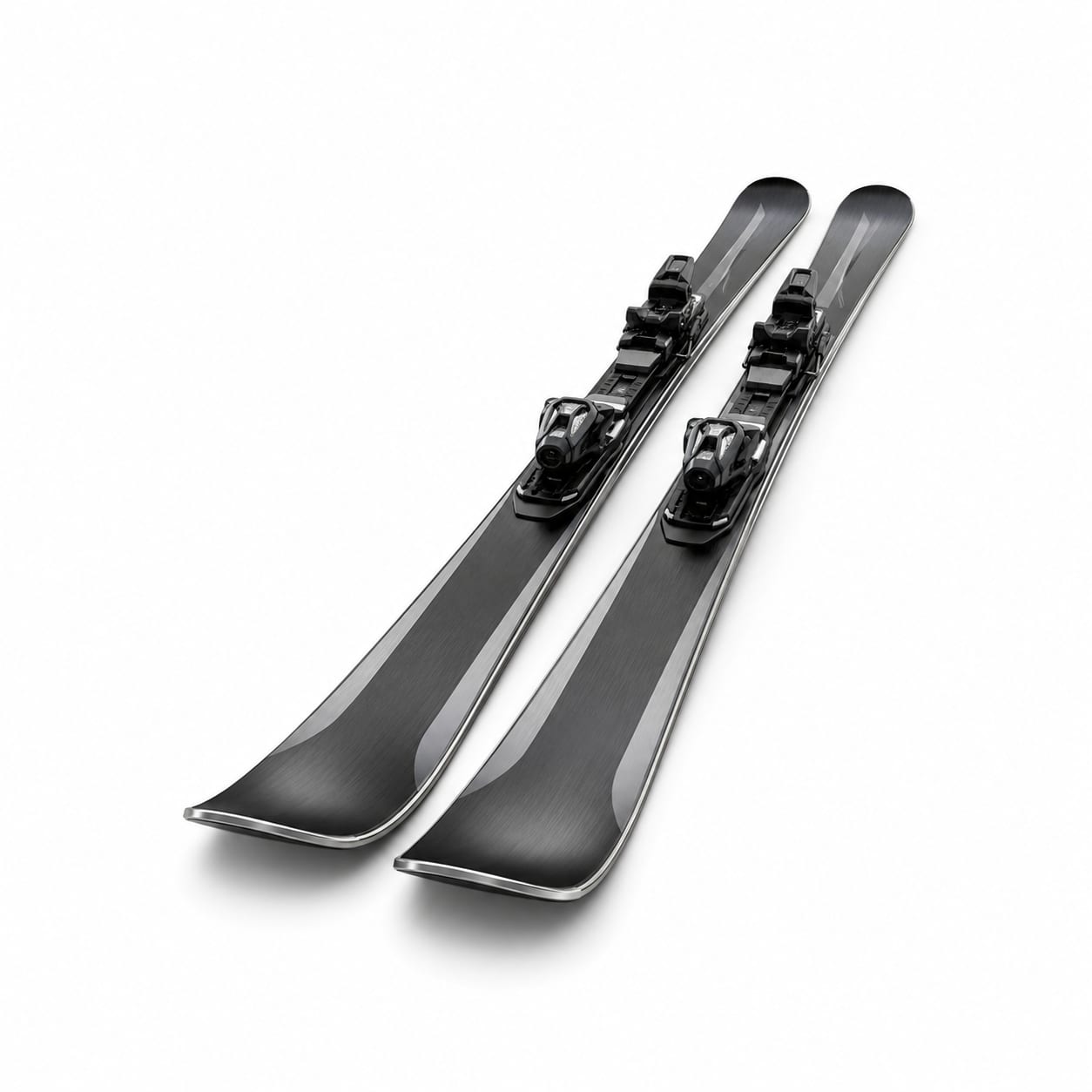
Frontside / Carving Skis
$400 – $1100
Narrow-waisted skis optimized for edge grip and precise turns on groomed snow.
Waist width under 85mmTraditional camberShorter turn radius (11–17m)
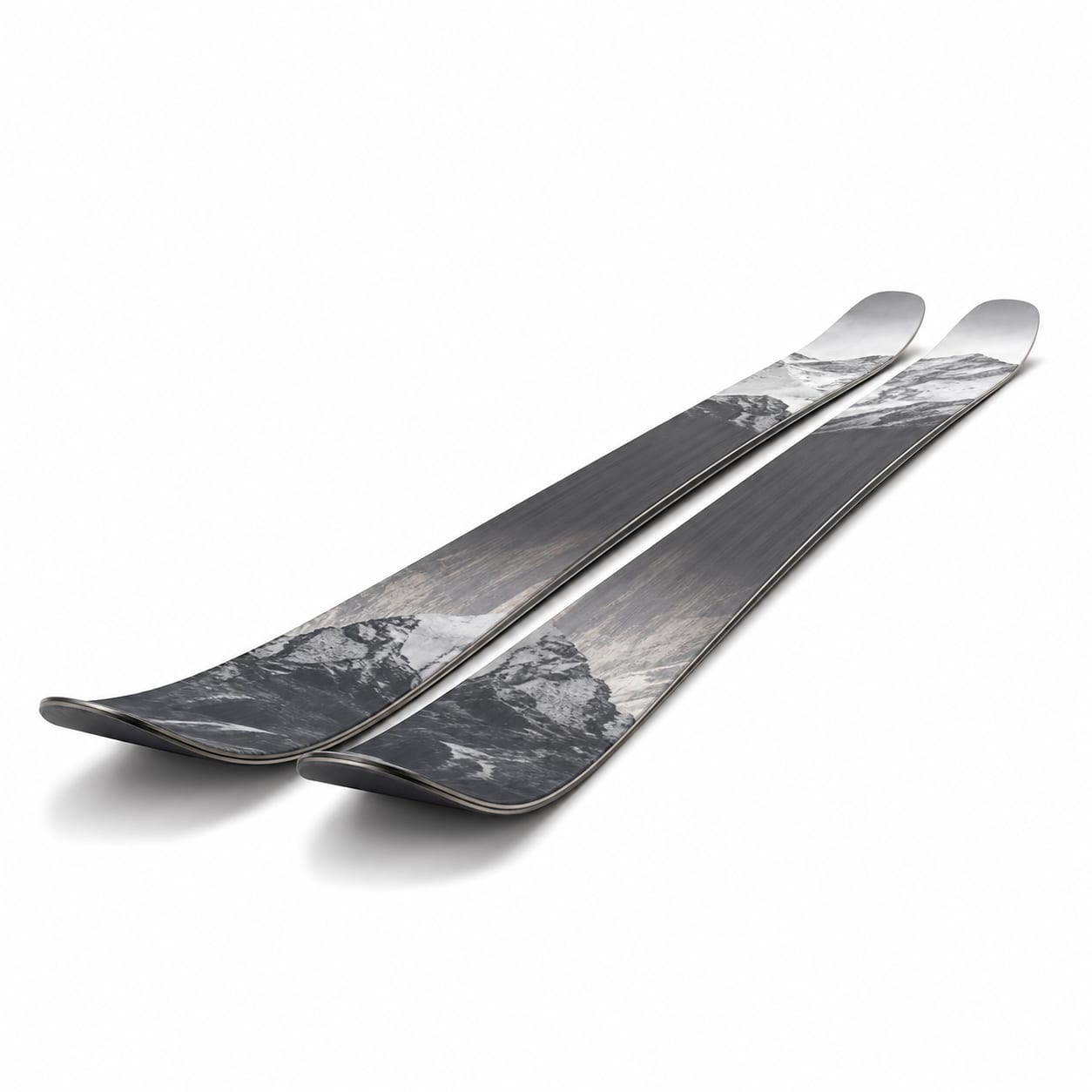
Freeride / Big Mountain Skis
$500 – $1200
Wide, stable skis built for charging steep, ungroomed terrain and variable off-piste snow conditions.
Waist width 100–115mmSignificant tip and tail rockerStiff flex for stability
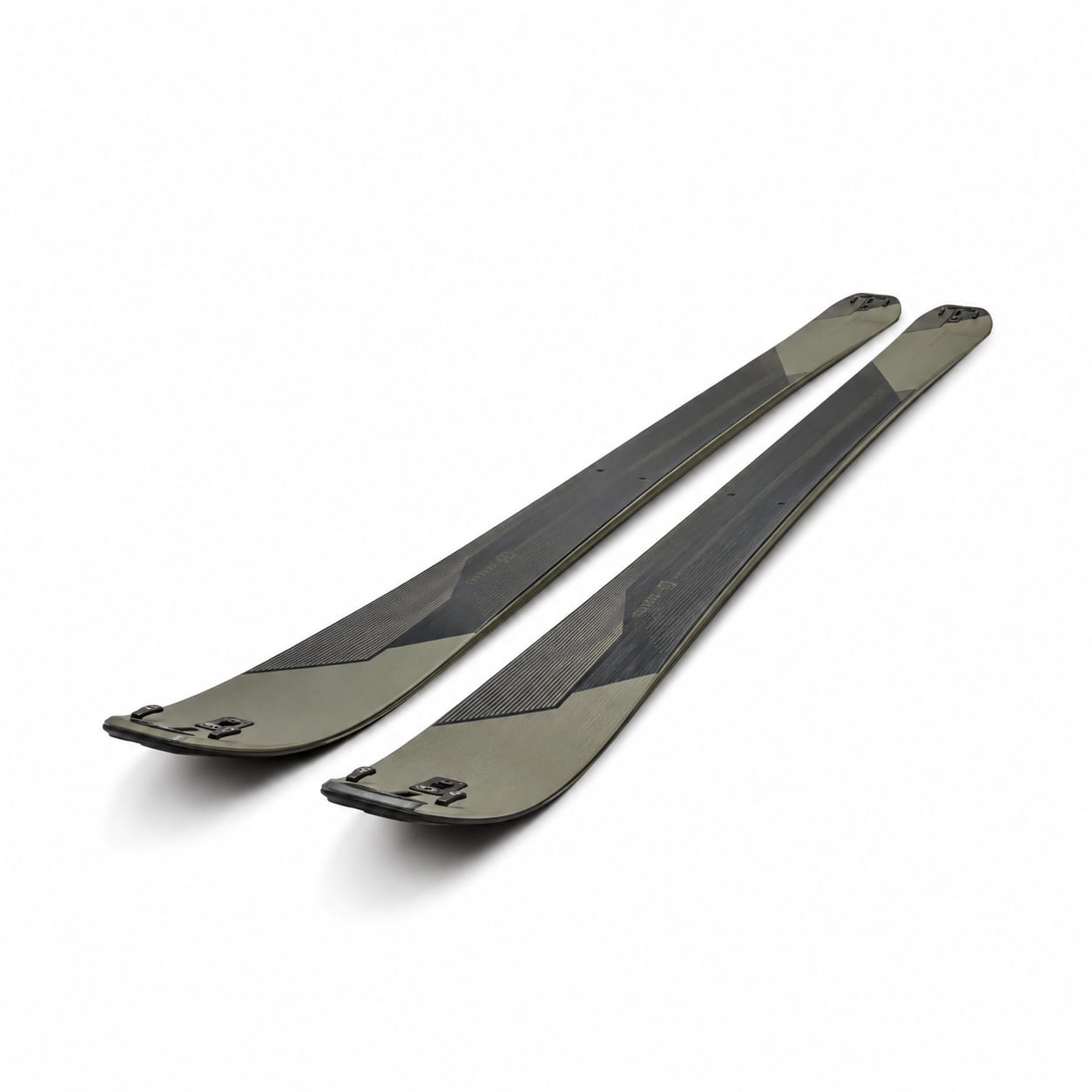
Alpine Touring (AT) / Backcountry Skis
$450 – $1200
Lightweight skis designed for uphill skinning travel and downhill performance in the backcountry.
Lightweight constructionWaist width 85–110mmRocker-camber profiles for mixed snow
More questions
- What waist width should I choose for an all-mountain ski?
- Can I use all-mountain skis in deep powder?
- Should I get all-mountain skis or all-mountain wide skis?
- How do I know if an all-mountain ski is frontside-biased or freeride-biased?