
Not necessarily—many skiers choose similar widths for both. However, backcountry snow is often softer and less tracked than resort snow, so you may want a slightly wider ski for the backcountry (e.g., 100mm AT vs. 90mm resort). Conversely, if you ski a very wide resort ski (110mm+) for powder, you might go narrower for touring to save weight and improve firm-snow performance. The 95–105mm range is the most versatile for backcountry use.
Skis · Alpine Touring (AT) / Backcountry Skis
Do I need a different width AT ski than my resort ski?
Related gear types
If this answer nudged you toward a different style, these guides compare specs and trade-offs.
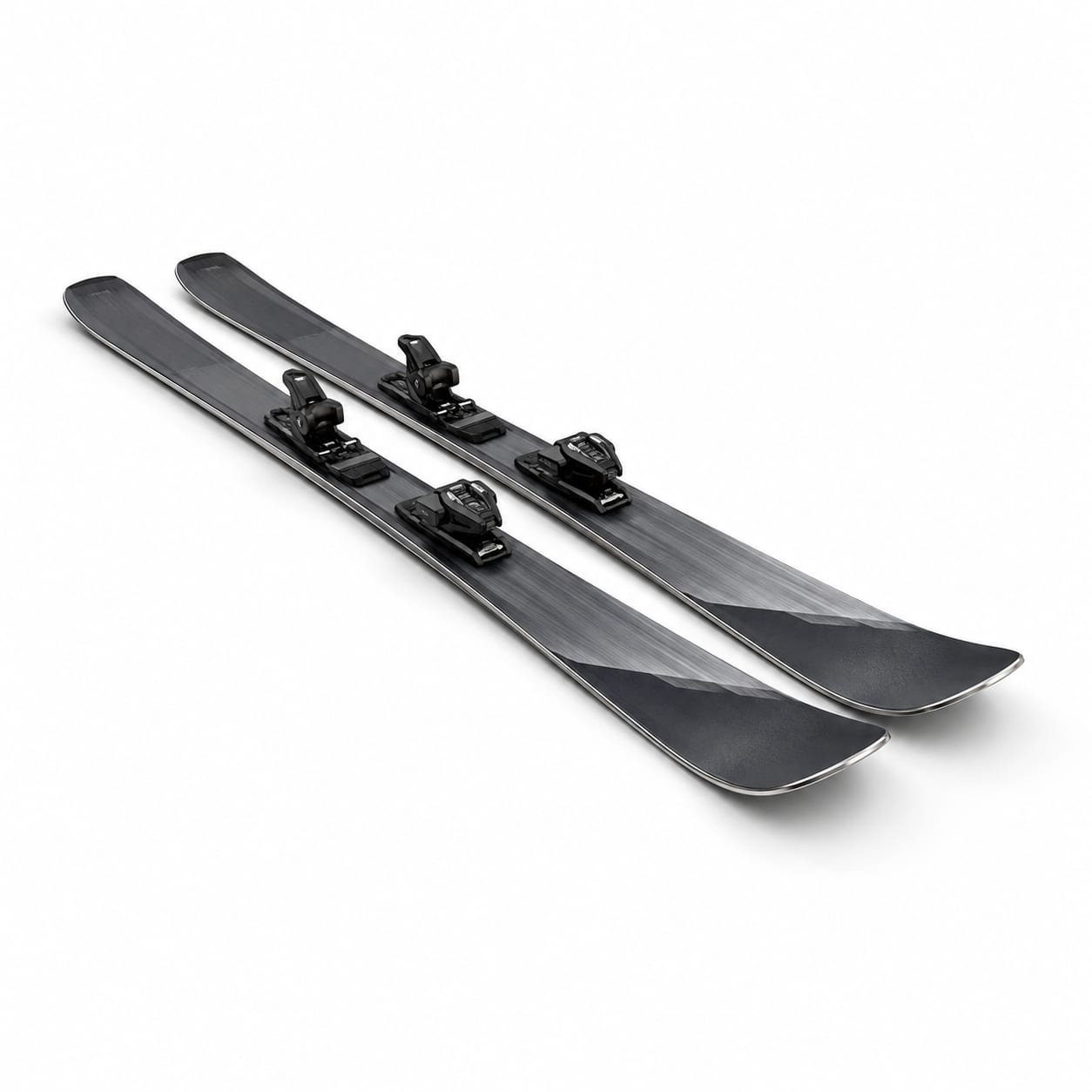
All-Mountain Skis
$350 – $950
Versatile skis designed to handle the widest range of resort conditions, from groomed runs to light powder.
Waist width 85–105mmRocker-camber-rocker or tip rocker profilesMedium turn radius (15–20m)
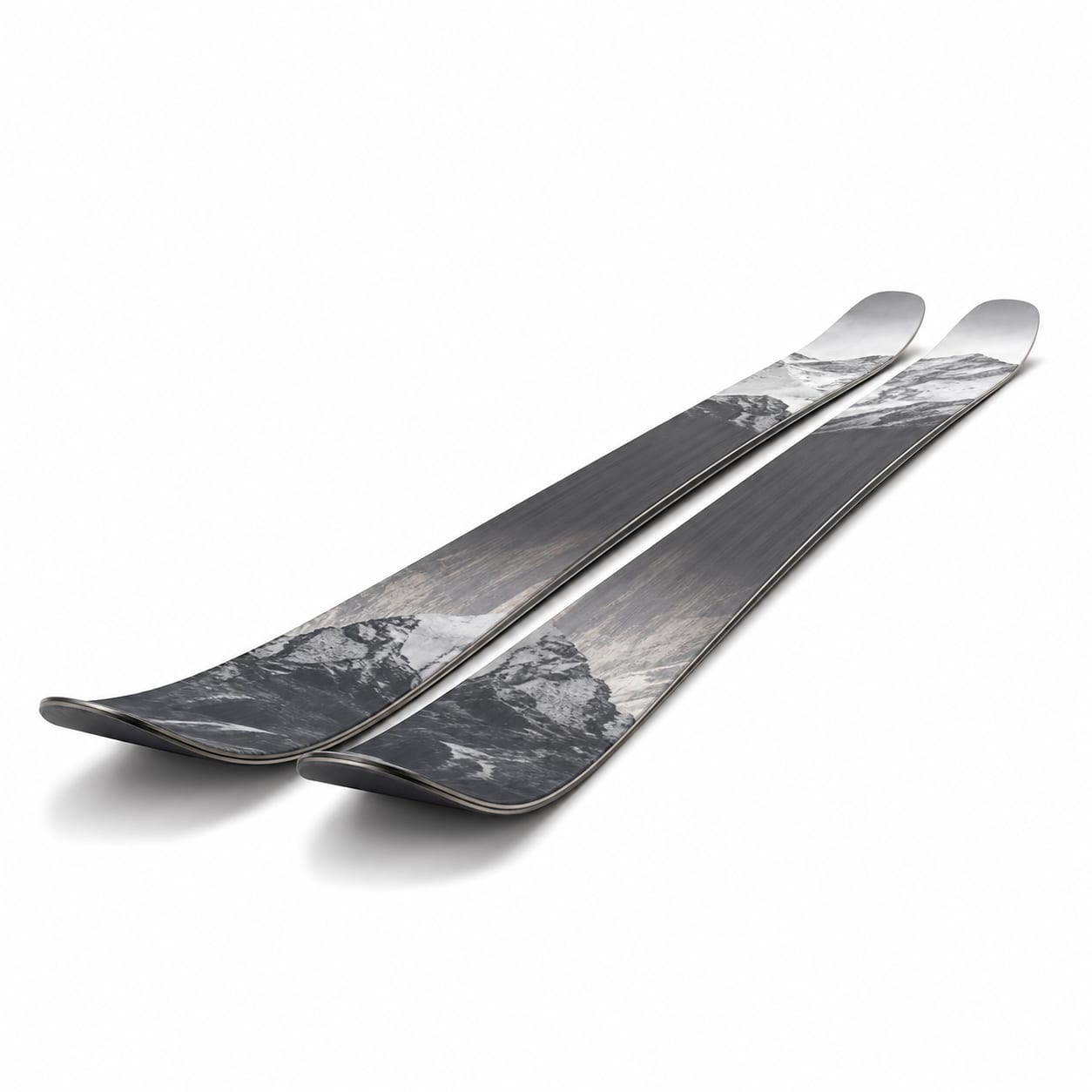
Freeride / Big Mountain Skis
$500 – $1200
Wide, stable skis built for charging steep, ungroomed terrain and variable off-piste snow conditions.
Waist width 100–115mmSignificant tip and tail rockerStiff flex for stability
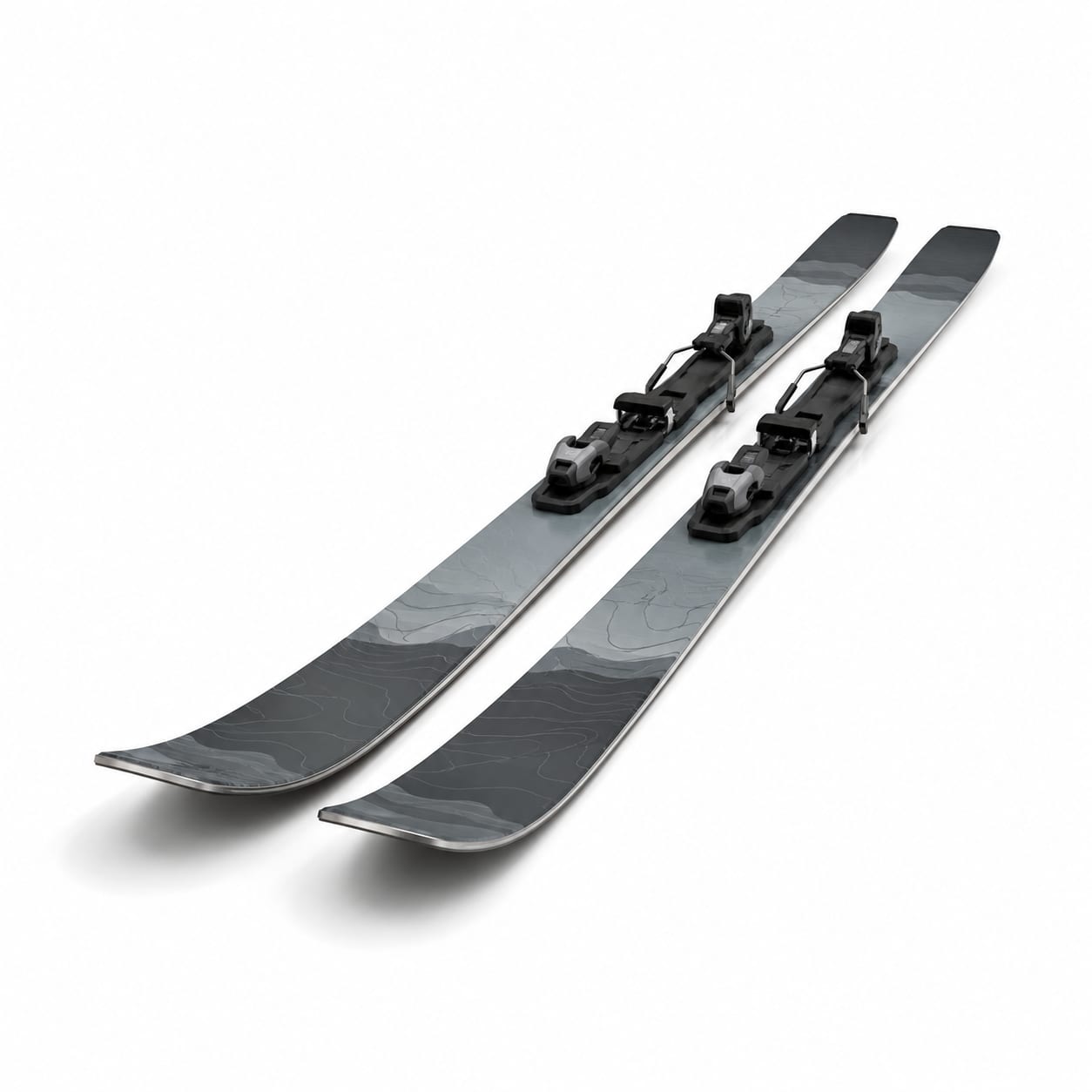
Nordic Backcountry / Touring Skis
$200 – $600
Wider, more rugged nordic skis for off-track exploration and light backcountry touring.
Waist width 60–80mmPartial or full metal edgesWaxless bases common
More questions
- Can I use AT skis at the resort?
- How much should my AT skis weigh?
- Can I mount touring bindings on any ski?
- What's the difference between a touring ski and a freeride ski with touring bindings?