
The main differences are weight, construction, and binding compatibility. Touring skis are purpose-built to be lighter (often 500–1500g less per pair), with lightweight cores, no metal layers, and optimized construction for uphill efficiency. Freeride skis with touring bindings prioritize downhill performance—they're damper, more stable at speed, and often have metal reinforcement, but they're significantly heavier on the uphill. Choose based on whether you value uphill efficiency or downhill performance more.
Skis · Alpine Touring (AT) / Backcountry Skis
What's the difference between a touring ski and a freeride ski with touring bindings?
Related gear types
If this answer nudged you toward a different style, these guides compare specs and trade-offs.
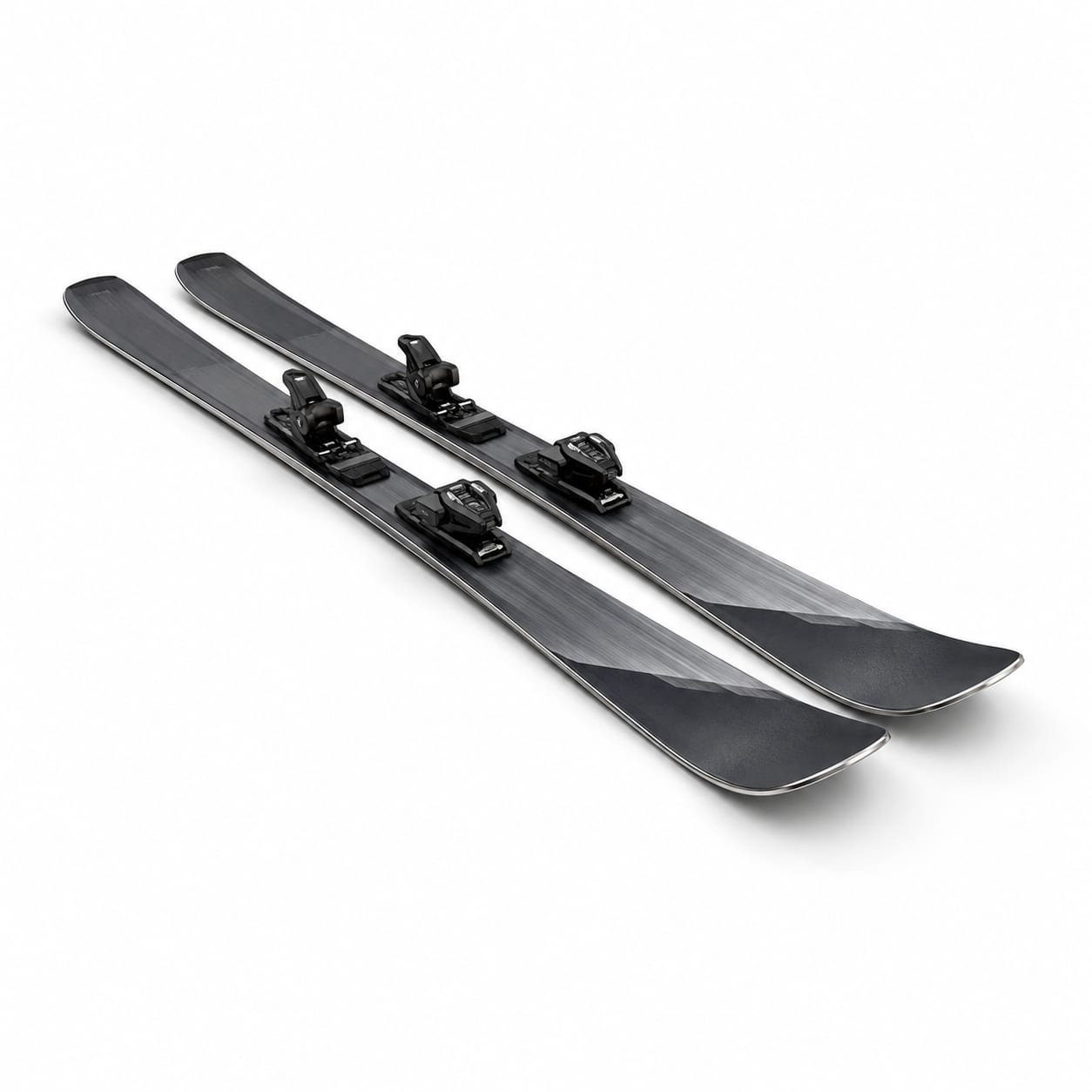
All-Mountain Skis
$350 – $950
Versatile skis designed to handle the widest range of resort conditions, from groomed runs to light powder.
Waist width 85–105mmRocker-camber-rocker or tip rocker profilesMedium turn radius (15–20m)
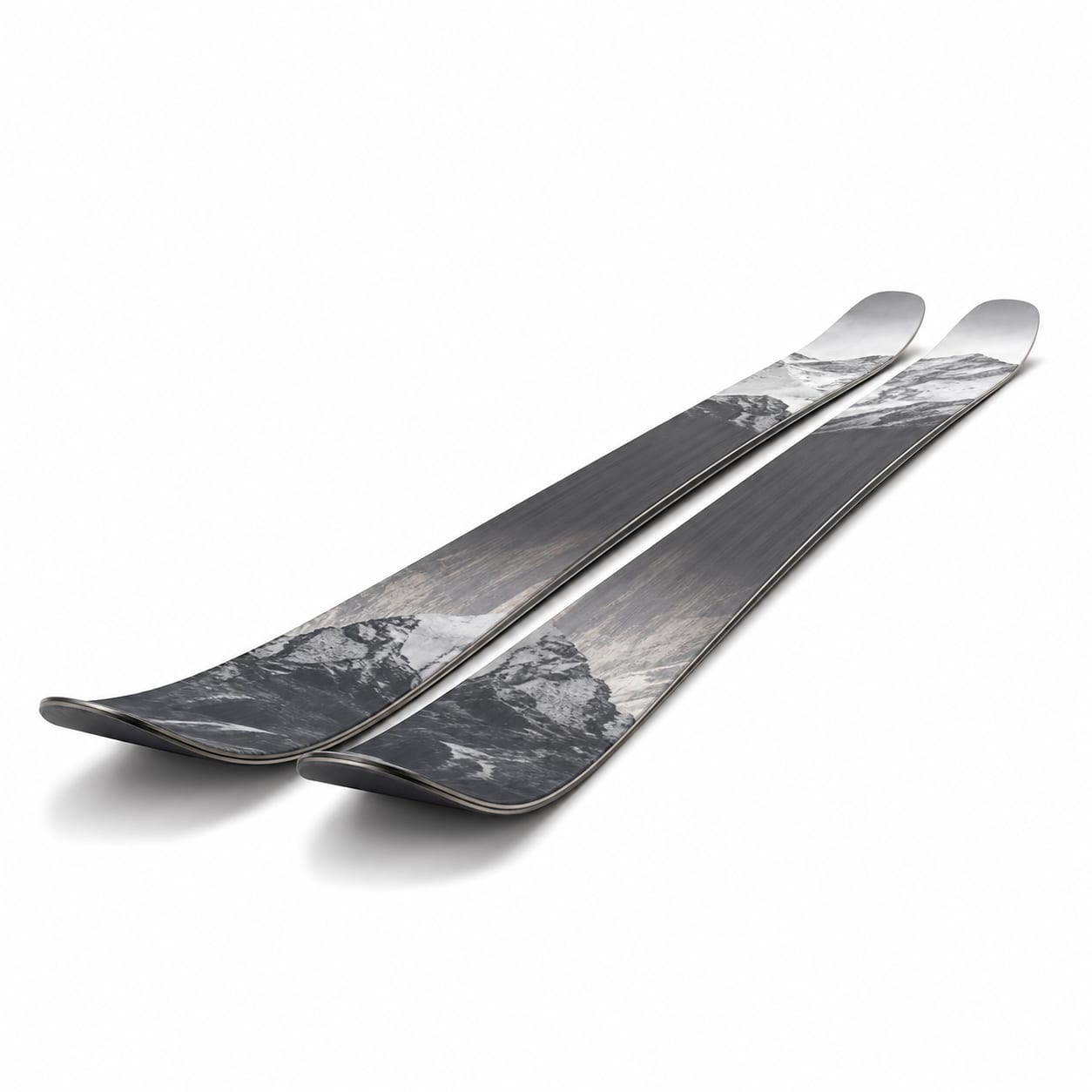
Freeride / Big Mountain Skis
$500 – $1200
Wide, stable skis built for charging steep, ungroomed terrain and variable off-piste snow conditions.
Waist width 100–115mmSignificant tip and tail rockerStiff flex for stability
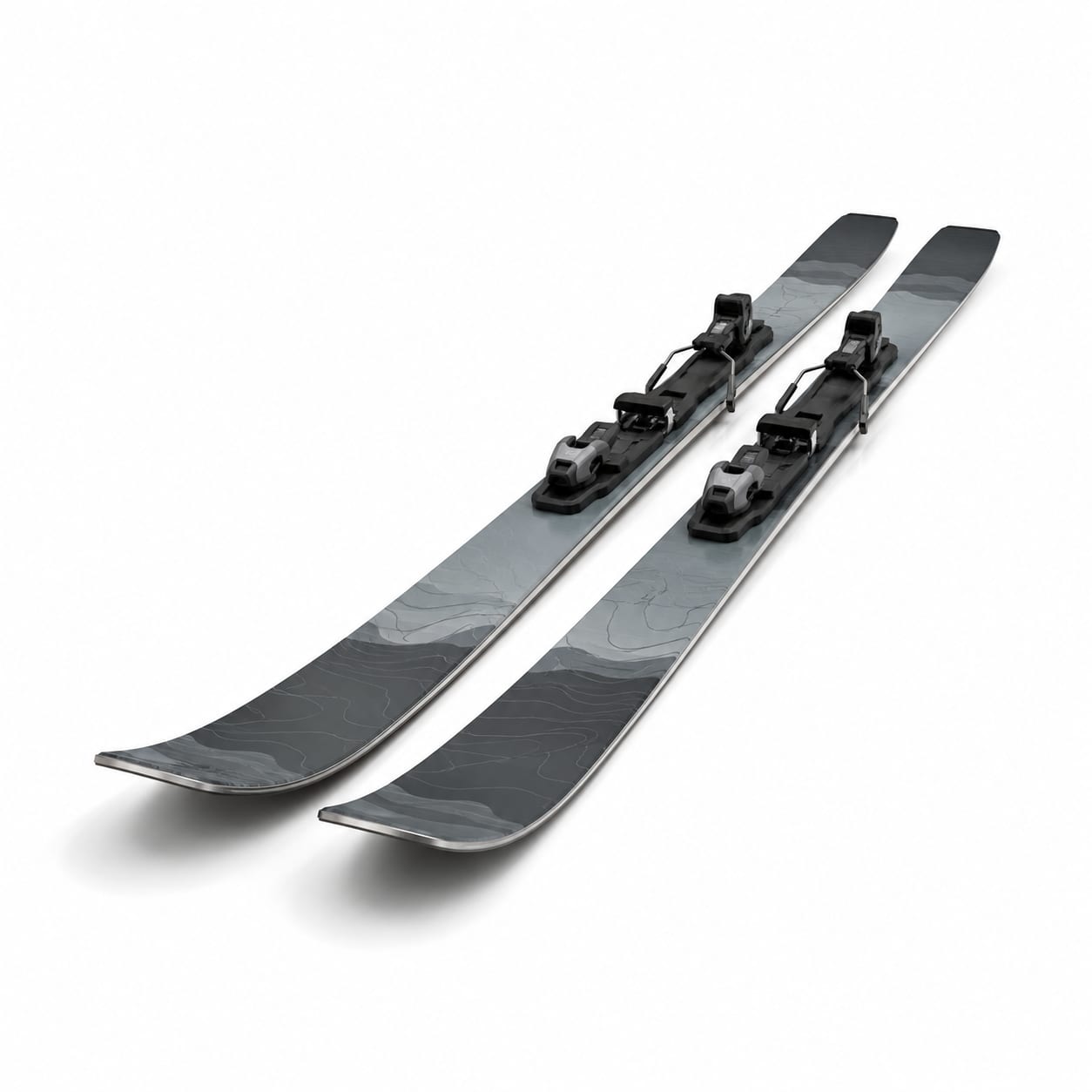
Nordic Backcountry / Touring Skis
$200 – $600
Wider, more rugged nordic skis for off-track exploration and light backcountry touring.
Waist width 60–80mmPartial or full metal edgesWaxless bases common
More questions
- Can I use AT skis at the resort?
- How much should my AT skis weigh?
- Do I need a different width AT ski than my resort ski?
- Can I mount touring bindings on any ski?