
Skis · FAQ
Questions about Freeride / Big Mountain Skis
Straight answers on fit, specs, and when this type makes sense — each topic has its own page with links back to the buying guide.
Open Freeride / Big Mountain Skis guide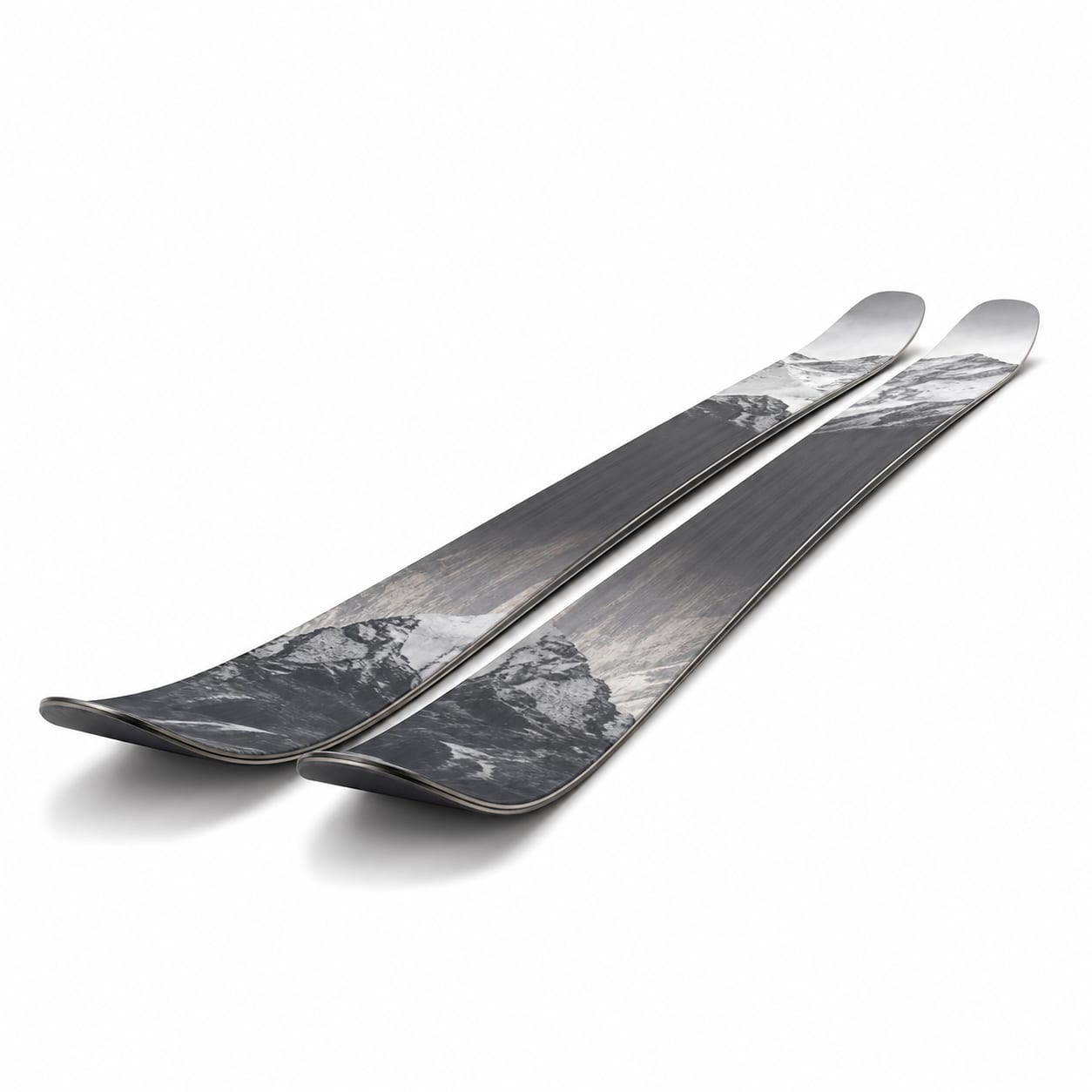
6 topics
Pick a question
Every answer links to the full subcategory guide and related gear types when it helps you decide.
How wide should my freeride skis be?
For most freeride skiers, 105–115mm underfoot is the sweet spot. Go with 105–110mm if you ski a mix of off-piste and resort terrain, or if your home area gets moderate snowfall. Choose 110–118mm if you consistently ski deep powder and prioritize flotation above all else. Over 118mm is reserved for dedicated powder days or heli/cat-skiing where bottomless snow is guaranteed. Remember that wider skis are harder to manage on firm snow and in tight terrain, so choose the narrowest width that still provides adequate flotation for your typical conditions.
Read answer →02Can I use freeride skis as my everyday resort ski?
It depends on where you ski and how often you see fresh snow. At resorts with frequent powder (Alta, Whistler, Jackson Hole, Niseko), a freeride ski in the 105–110mm range can work as a daily driver because soft snow is common. At resorts with predominantly firm or groomed conditions (most East Coast resorts, many European areas), a freeride ski will feel sluggish and frustrating on most days. A better approach for many skiers is to own a narrower all-mountain ski for everyday use and a dedicated freeride ski for powder days and off-piste missions.
Read answer →03Do I need metal in my freeride skis?
For most aggressive freeride skiers, yes—a single layer of titanal significantly improves edge hold, dampening, and stability at speed, all of which matter in the variable conditions freeride skis encounter. If you are a lighter or less aggressive skier, or if you prioritize a more playful, surfy feel over maximum charging capability, a no-metal freeride ski may suit you better. Double metal is only recommended for the heaviest, most aggressive chargers who ski at the highest speeds and need maximum stability. If you tour frequently, consider that metal adds significant weight.
Read answer →04How do freeride skis handle icy or firm conditions?
Honestly, not well compared to narrower, more cambered skis. The wide waist requires more effort to roll onto edge, and the rocker reduces effective edge contact. However, freeride skis with camber underfoot, stiff flex, and metal reinforcement can still hold an edge on firm snow—they just require more input from the skier. If you regularly encounter firm conditions (windblown ridges, refrozen traverses, sun crust), prioritize freeride models with more camber underfoot, stiffer flex, and metal layers. If firm snow is rare in your freeride terrain, you can prioritize rocker and width for better soft-snow performance.
Read answer →05Should I get freeride skis with touring binding compatibility?
If you do any backcountry touring—even occasional sidecountry laps—yes, hybrid binding compatibility is worth having. It gives you the flexibility to mount touring bindings for uphill travel without needing a separate ski. If you exclusively access terrain via lifts (including slackcountry accessed through resort gates), standard flat alpine mounting is fine and may offer slightly more binding options. The key consideration is whether the weight of a freeride ski is acceptable for the amount of uphill travel you do—heavy freeride skis are punishing on long skin approaches.
Read answer →06What length freeride ski should I get?
A good starting point is 5–10cm longer than your all-mountain ski, or at your height to 10cm above. The extra length provides more flotation surface and stability at speed, and the generous rocker means the ski will feel shorter than its measured length. For example, a 180cm skier who normally rides 175cm all-mountain skis might choose 180–185cm freeride skis. Heavier or more aggressive skiers should size toward the longer end; lighter or more cautious skiers can stay shorter. If you primarily ski tight trees and chutes, err on the shorter side for maneuverability.
Read answer →