
It depends on where you ski and how often you see fresh snow. At resorts with frequent powder (Alta, Whistler, Jackson Hole, Niseko), a freeride ski in the 105–110mm range can work as a daily driver because soft snow is common. At resorts with predominantly firm or groomed conditions (most East Coast resorts, many European areas), a freeride ski will feel sluggish and frustrating on most days. A better approach for many skiers is to own a narrower all-mountain ski for everyday use and a dedicated freeride ski for powder days and off-piste missions.
Skis · Freeride / Big Mountain Skis
Can I use freeride skis as my everyday resort ski?
Related gear types
If this answer nudged you toward a different style, these guides compare specs and trade-offs.
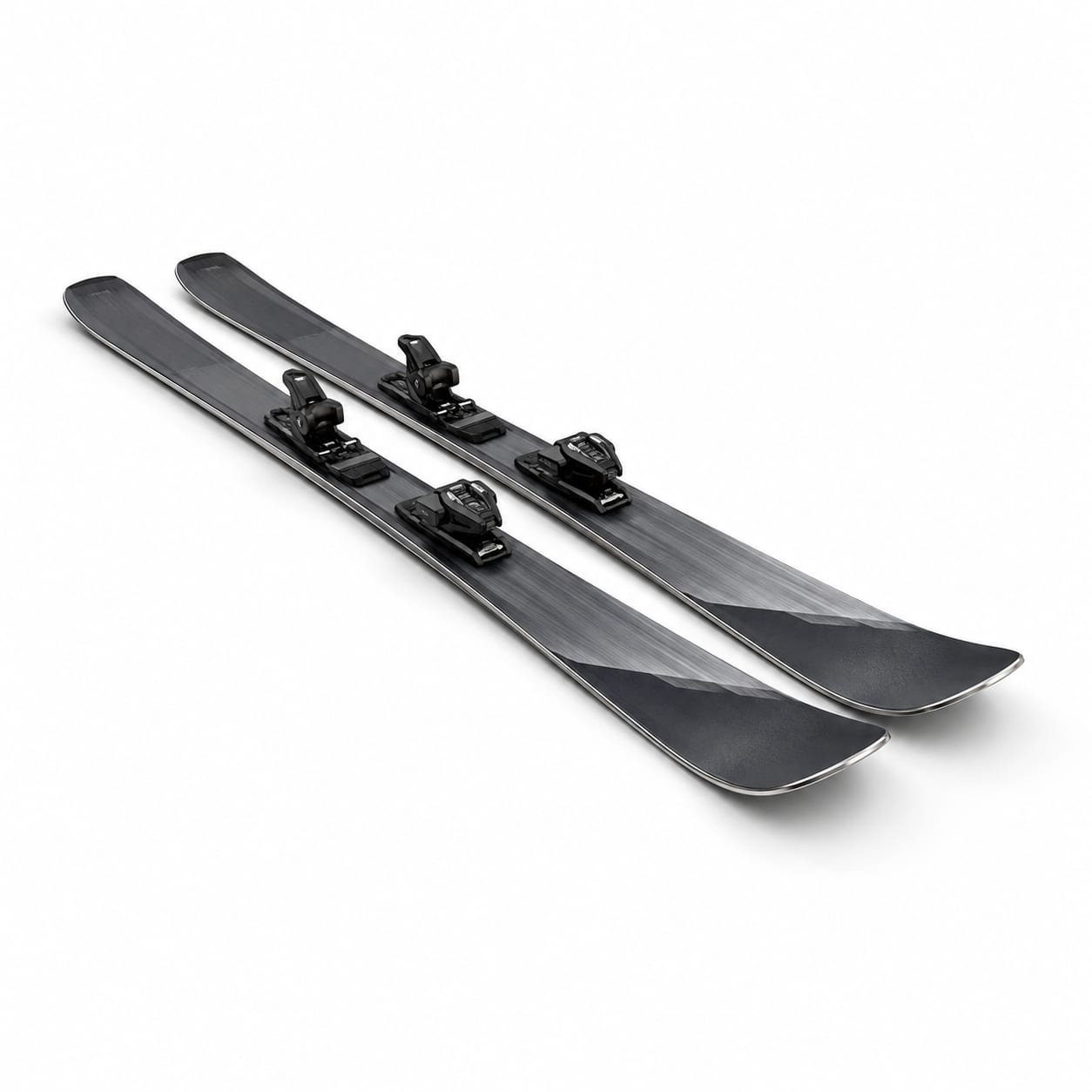
All-Mountain Skis
$350 – $950
Versatile skis designed to handle the widest range of resort conditions, from groomed runs to light powder.
Waist width 85–105mmRocker-camber-rocker or tip rocker profilesMedium turn radius (15–20m)
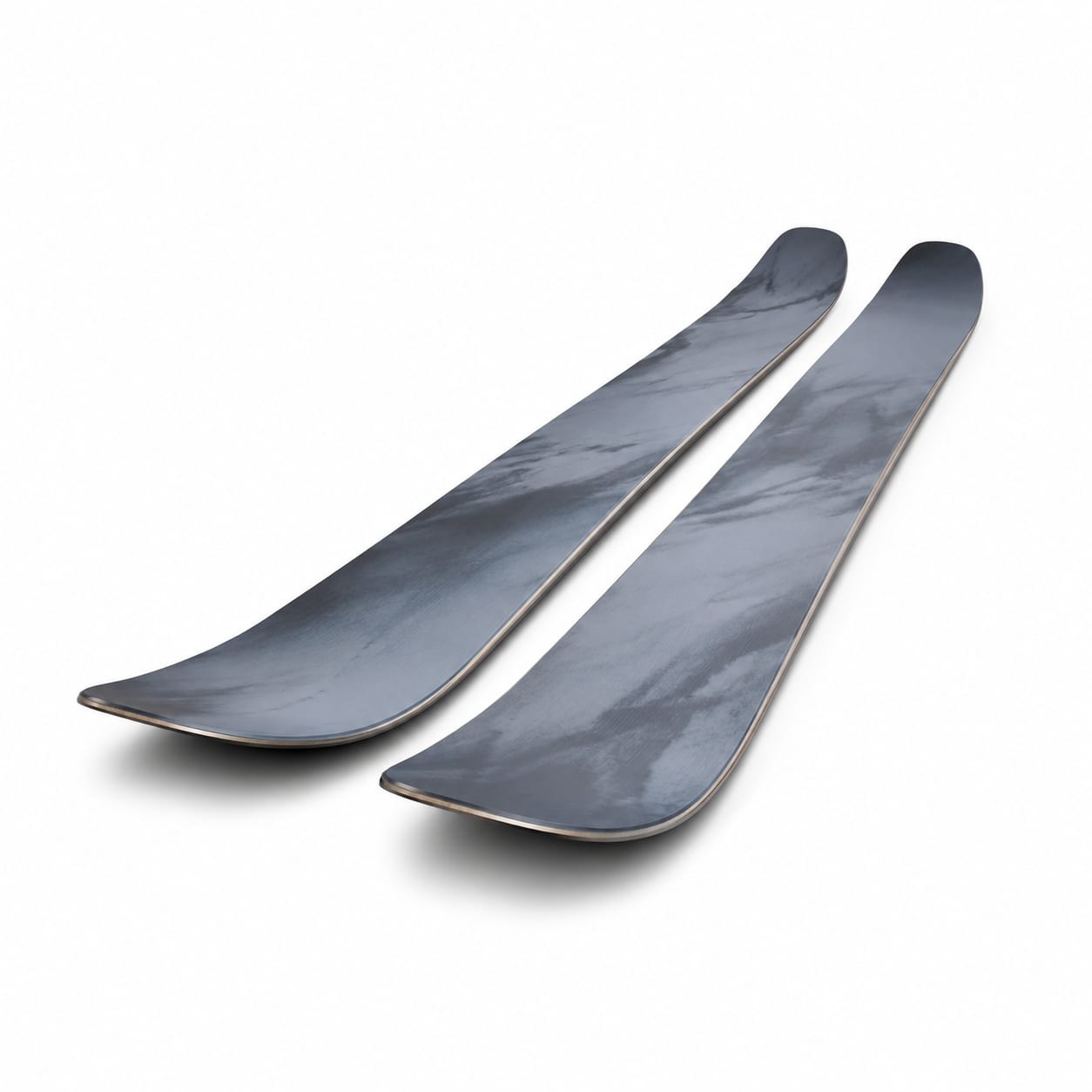
Powder Skis
$500 – $1300
Ultra-wide skis purpose-built for maximum flotation and surfy feel in deep snow.
Waist width 110mm+Aggressive tip and tail rockerOften reverse or full camber
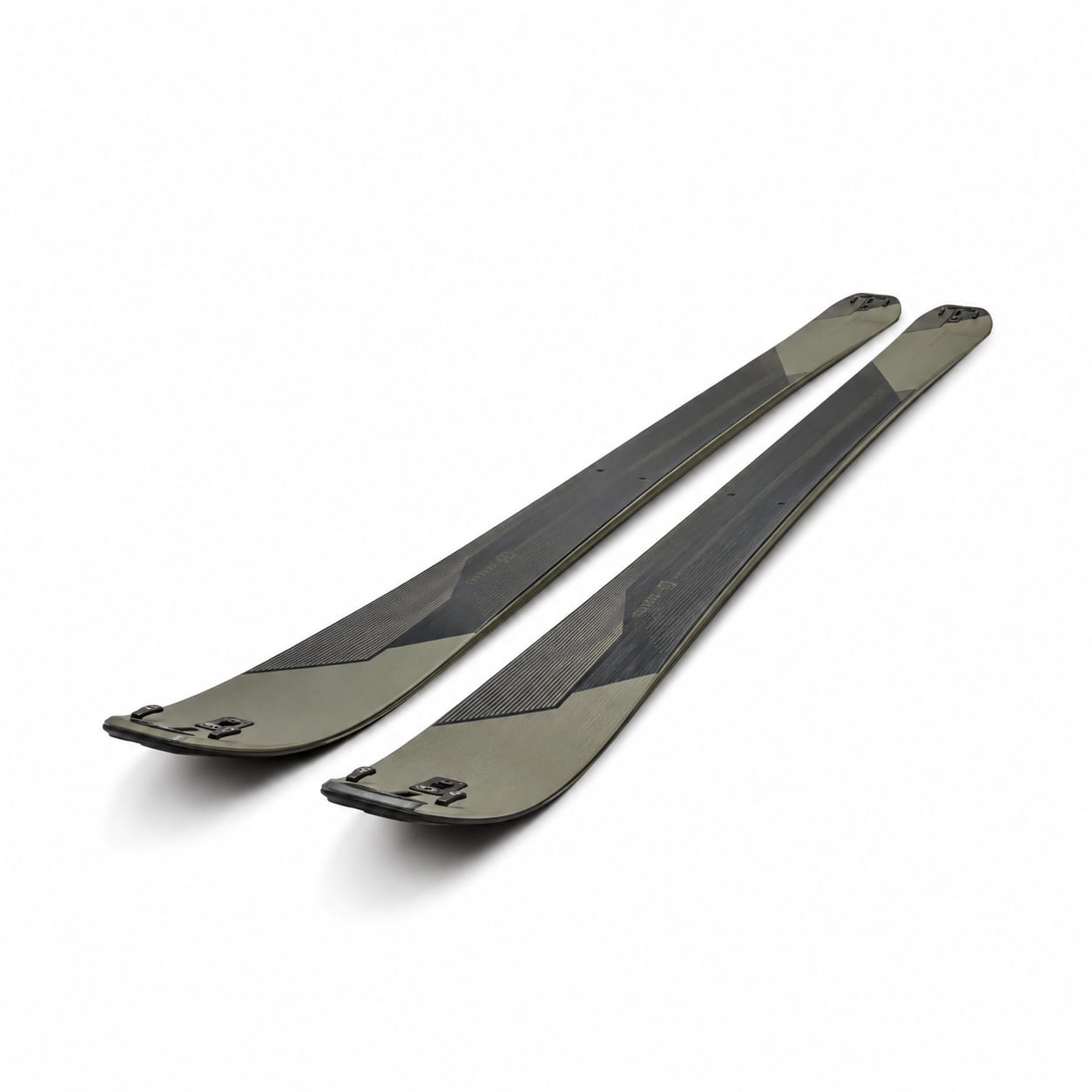
Alpine Touring (AT) / Backcountry Skis
$450 – $1200
Lightweight skis designed for uphill skinning travel and downhill performance in the backcountry.
Lightweight constructionWaist width 85–110mmRocker-camber profiles for mixed snow
More questions
- How wide should my freeride skis be?
- Do I need metal in my freeride skis?
- How do freeride skis handle icy or firm conditions?
- Should I get freeride skis with touring binding compatibility?