
Honestly, not well compared to narrower, more cambered skis. The wide waist requires more effort to roll onto edge, and the rocker reduces effective edge contact. However, freeride skis with camber underfoot, stiff flex, and metal reinforcement can still hold an edge on firm snow—they just require more input from the skier. If you regularly encounter firm conditions (windblown ridges, refrozen traverses, sun crust), prioritize freeride models with more camber underfoot, stiffer flex, and metal layers. If firm snow is rare in your freeride terrain, you can prioritize rocker and width for better soft-snow performance.
Skis · Freeride / Big Mountain Skis
How do freeride skis handle icy or firm conditions?
Related gear types
If this answer nudged you toward a different style, these guides compare specs and trade-offs.
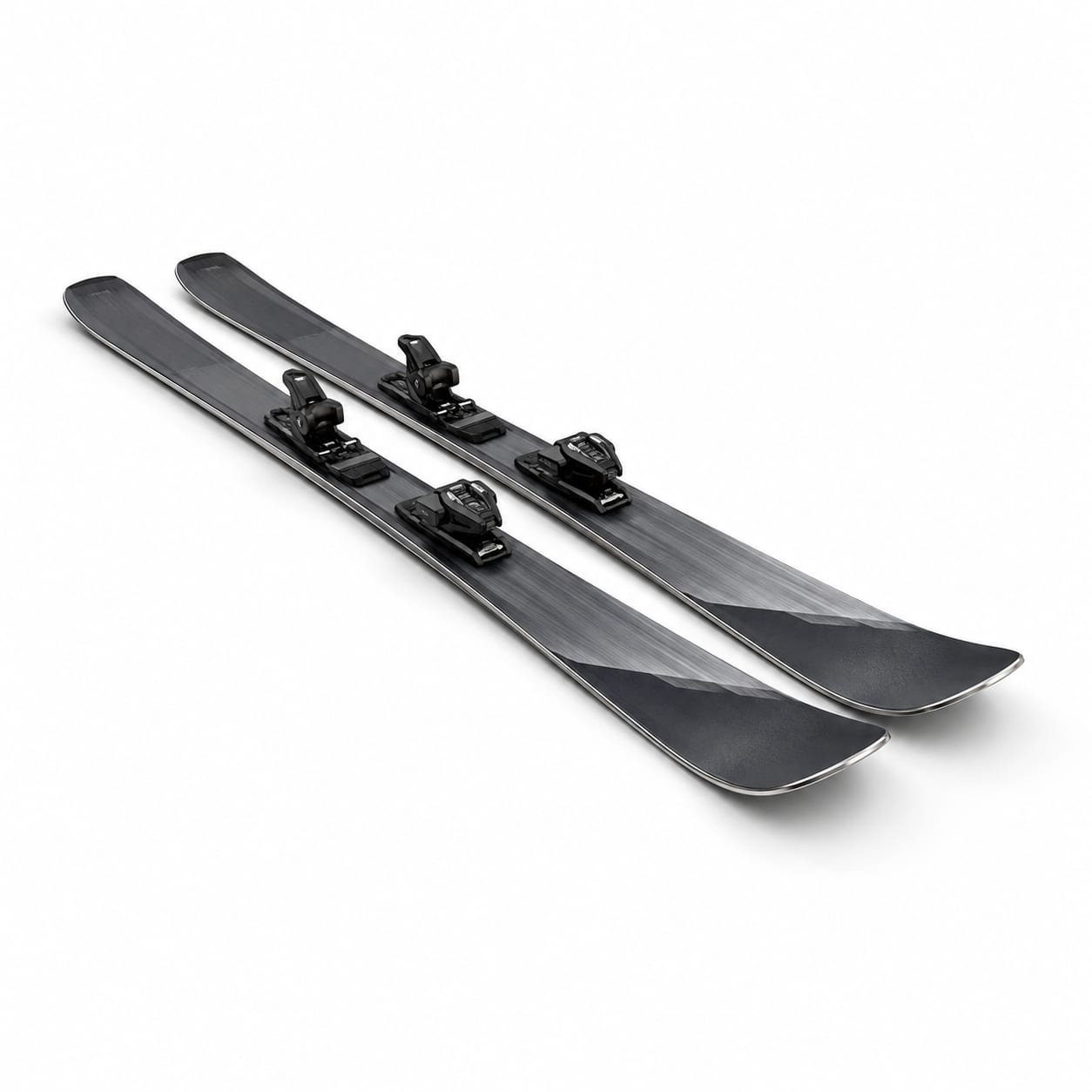
All-Mountain Skis
$350 – $950
Versatile skis designed to handle the widest range of resort conditions, from groomed runs to light powder.
Waist width 85–105mmRocker-camber-rocker or tip rocker profilesMedium turn radius (15–20m)
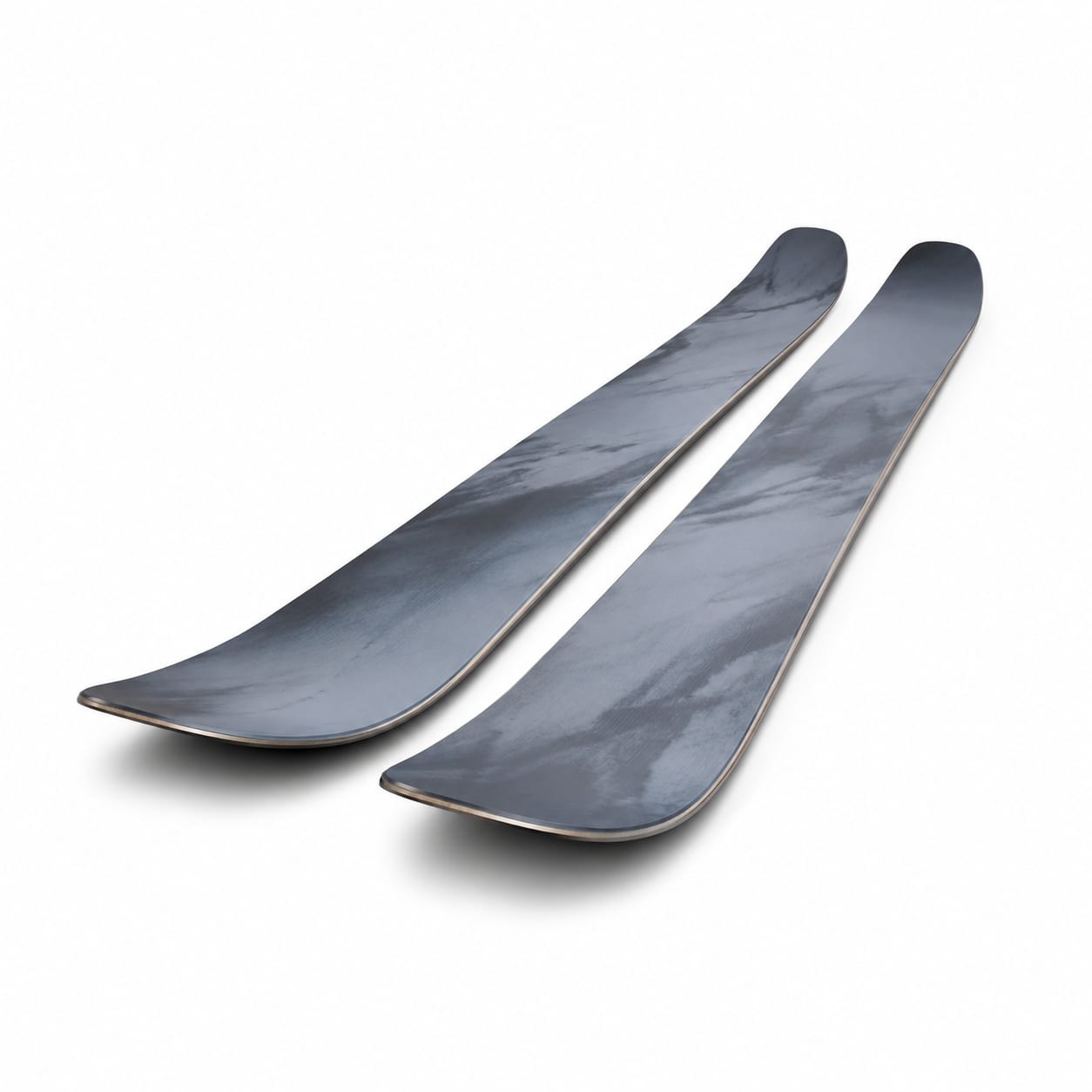
Powder Skis
$500 – $1300
Ultra-wide skis purpose-built for maximum flotation and surfy feel in deep snow.
Waist width 110mm+Aggressive tip and tail rockerOften reverse or full camber
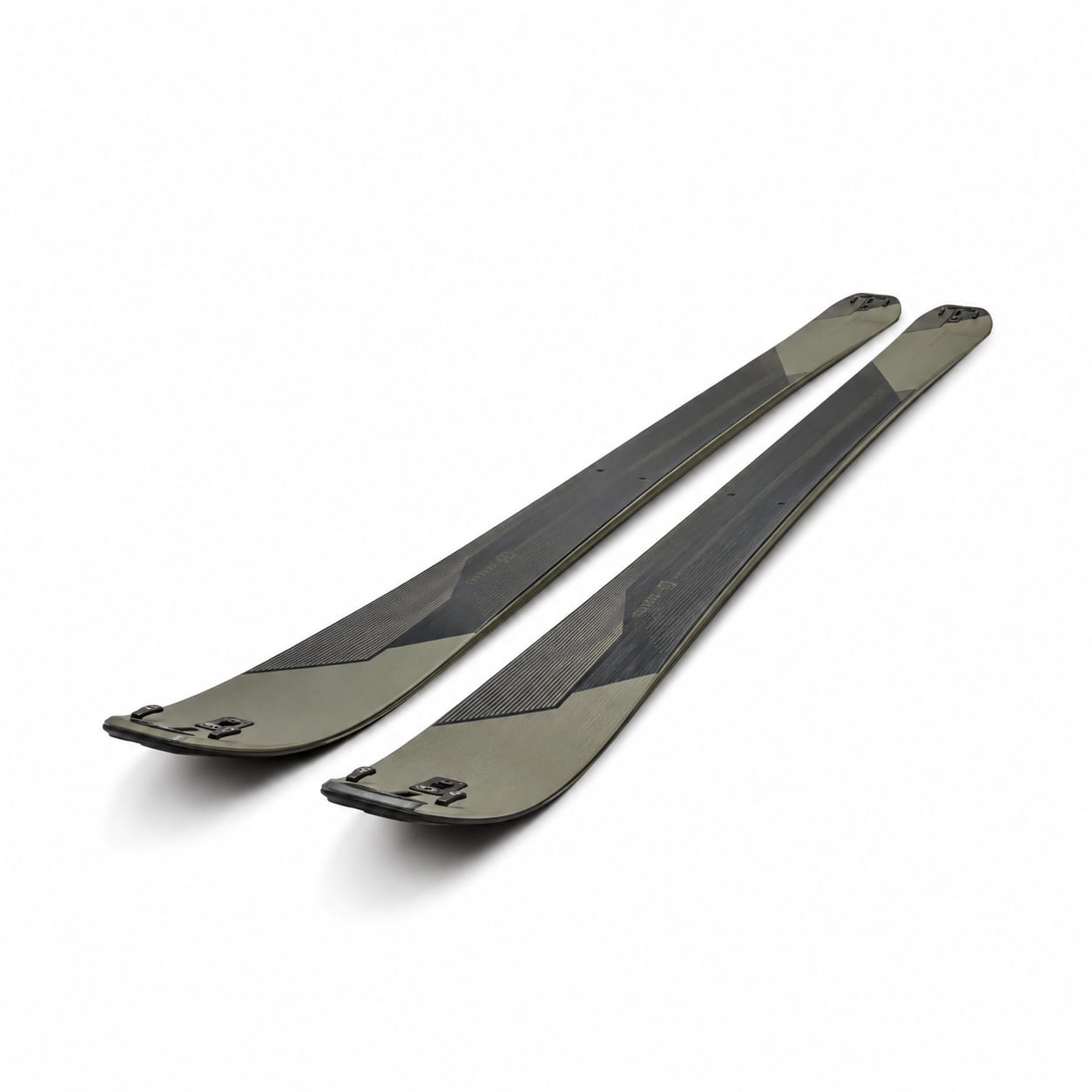
Alpine Touring (AT) / Backcountry Skis
$450 – $1200
Lightweight skis designed for uphill skinning travel and downhill performance in the backcountry.
Lightweight constructionWaist width 85–110mmRocker-camber profiles for mixed snow
More questions
- How wide should my freeride skis be?
- Can I use freeride skis as my everyday resort ski?
- Do I need metal in my freeride skis?
- Should I get freeride skis with touring binding compatibility?