
If you do any backcountry touring—even occasional sidecountry laps—yes, hybrid binding compatibility is worth having. It gives you the flexibility to mount touring bindings for uphill travel without needing a separate ski. If you exclusively access terrain via lifts (including slackcountry accessed through resort gates), standard flat alpine mounting is fine and may offer slightly more binding options. The key consideration is whether the weight of a freeride ski is acceptable for the amount of uphill travel you do—heavy freeride skis are punishing on long skin approaches.
Skis · Freeride / Big Mountain Skis
Should I get freeride skis with touring binding compatibility?
Related gear types
If this answer nudged you toward a different style, these guides compare specs and trade-offs.
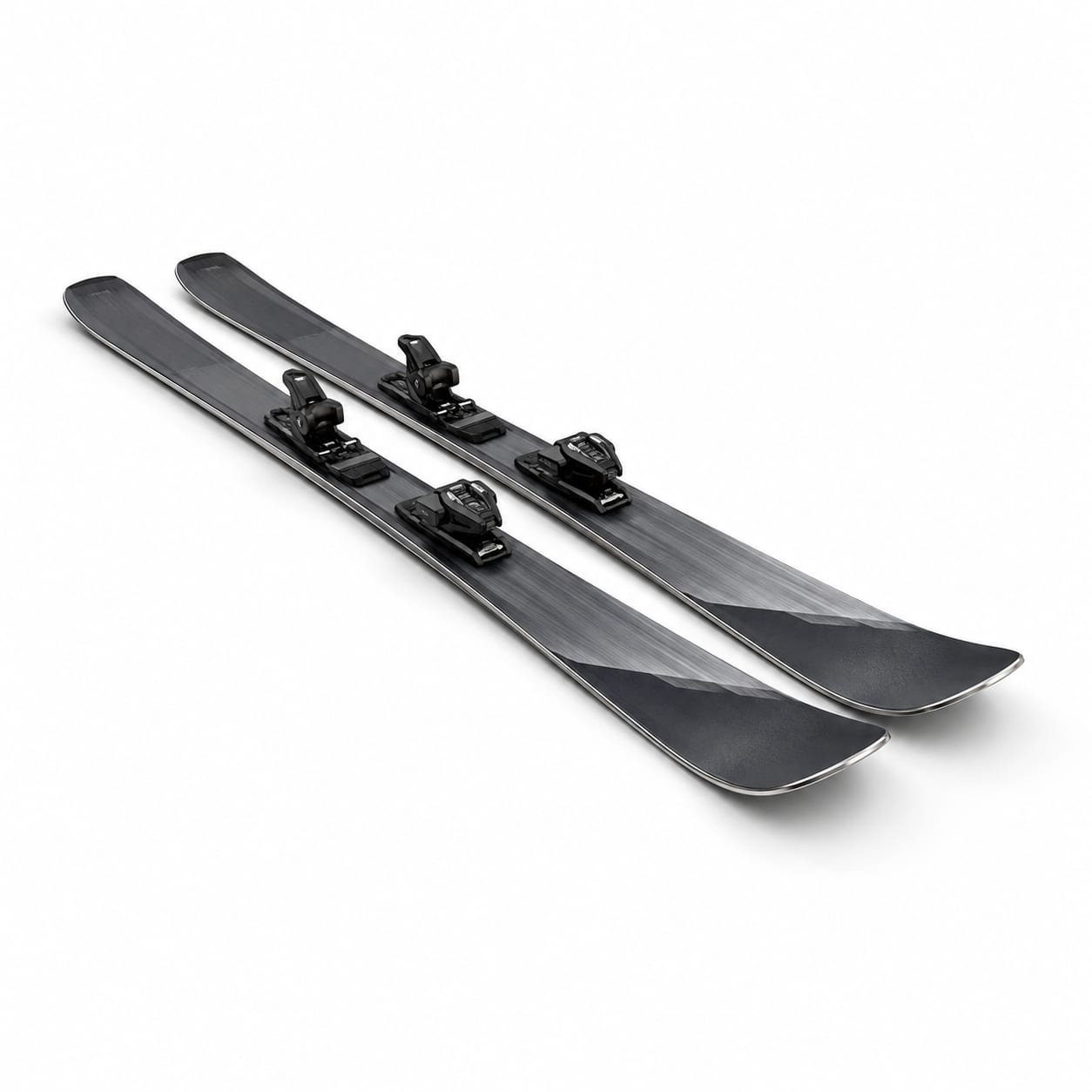
All-Mountain Skis
$350 – $950
Versatile skis designed to handle the widest range of resort conditions, from groomed runs to light powder.
Waist width 85–105mmRocker-camber-rocker or tip rocker profilesMedium turn radius (15–20m)
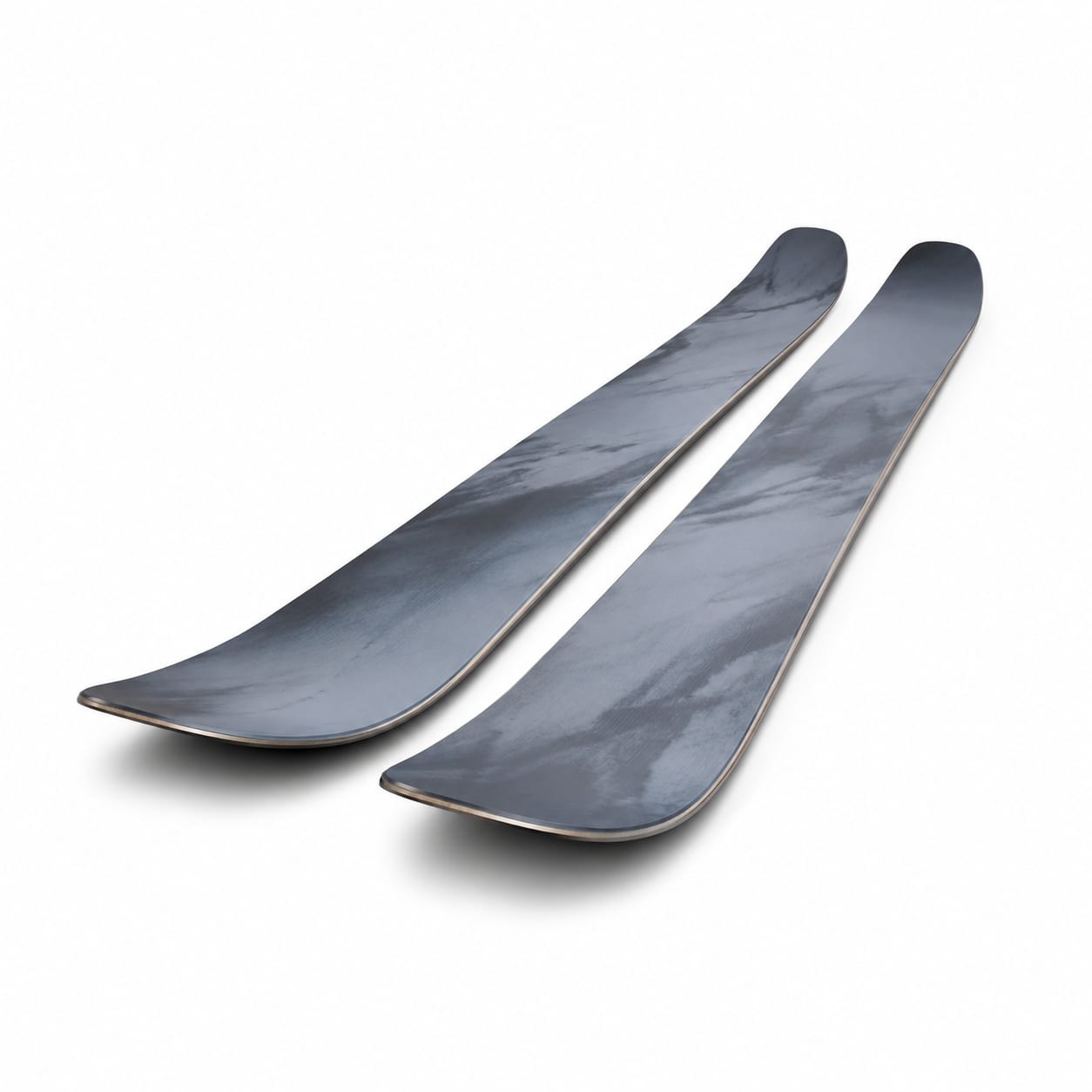
Powder Skis
$500 – $1300
Ultra-wide skis purpose-built for maximum flotation and surfy feel in deep snow.
Waist width 110mm+Aggressive tip and tail rockerOften reverse or full camber
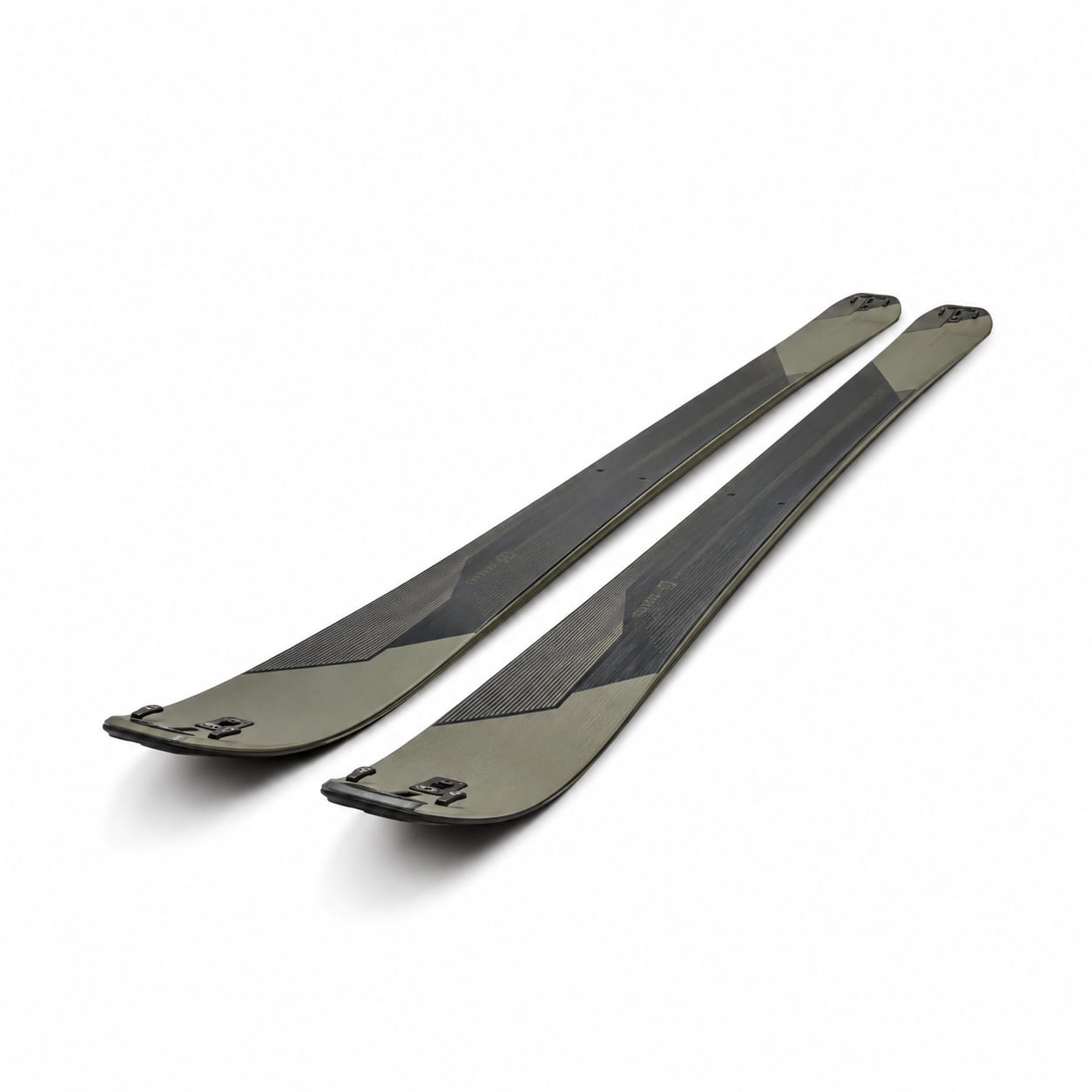
Alpine Touring (AT) / Backcountry Skis
$450 – $1200
Lightweight skis designed for uphill skinning travel and downhill performance in the backcountry.
Lightweight constructionWaist width 85–110mmRocker-camber profiles for mixed snow
More questions
- How wide should my freeride skis be?
- Can I use freeride skis as my everyday resort ski?
- Do I need metal in my freeride skis?
- How do freeride skis handle icy or firm conditions?