
A good starting point is 5–10cm longer than your all-mountain ski, or at your height to 10cm above. The extra length provides more flotation surface and stability at speed, and the generous rocker means the ski will feel shorter than its measured length. For example, a 180cm skier who normally rides 175cm all-mountain skis might choose 180–185cm freeride skis. Heavier or more aggressive skiers should size toward the longer end; lighter or more cautious skiers can stay shorter. If you primarily ski tight trees and chutes, err on the shorter side for maneuverability.
Skis · Freeride / Big Mountain Skis
What length freeride ski should I get?
Related gear types
If this answer nudged you toward a different style, these guides compare specs and trade-offs.
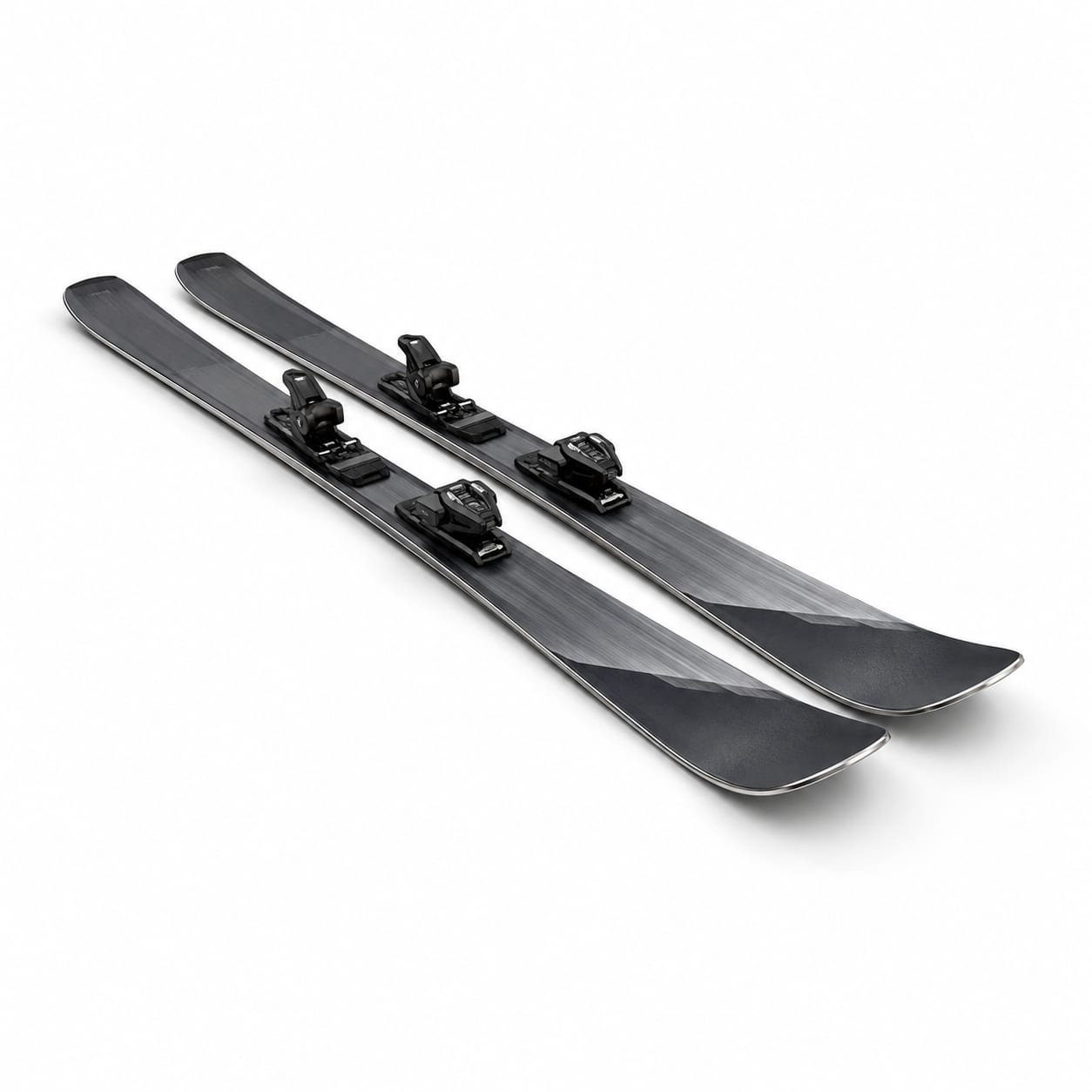
All-Mountain Skis
$350 – $950
Versatile skis designed to handle the widest range of resort conditions, from groomed runs to light powder.
Waist width 85–105mmRocker-camber-rocker or tip rocker profilesMedium turn radius (15–20m)
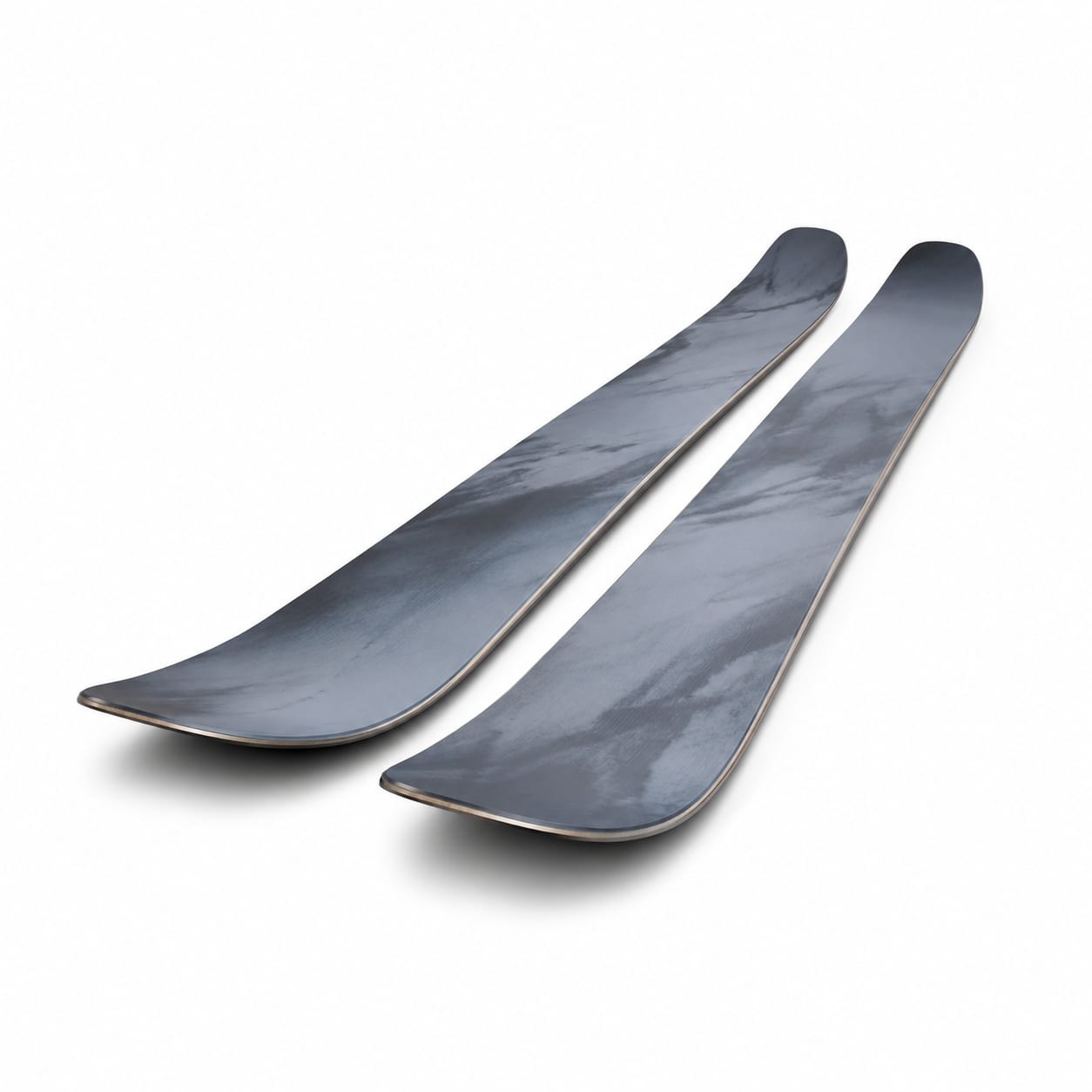
Powder Skis
$500 – $1300
Ultra-wide skis purpose-built for maximum flotation and surfy feel in deep snow.
Waist width 110mm+Aggressive tip and tail rockerOften reverse or full camber
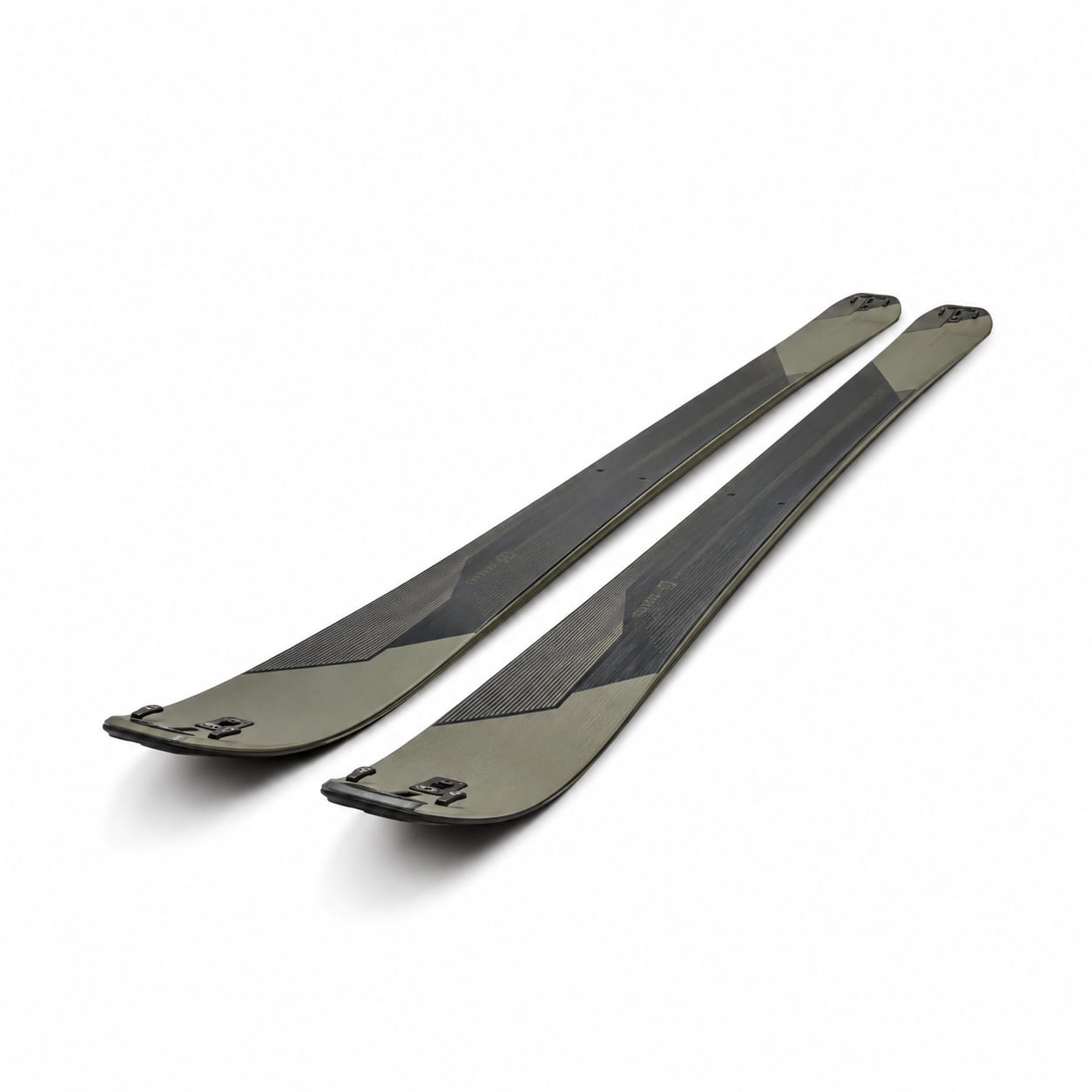
Alpine Touring (AT) / Backcountry Skis
$450 – $1200
Lightweight skis designed for uphill skinning travel and downhill performance in the backcountry.
Lightweight constructionWaist width 85–110mmRocker-camber profiles for mixed snow
More questions
- How wide should my freeride skis be?
- Can I use freeride skis as my everyday resort ski?
- Do I need metal in my freeride skis?
- How do freeride skis handle icy or firm conditions?