Kitvore.com

Kitvore.com

Specs that matter. Gear that fits.

Snow Jacket · Subcategory

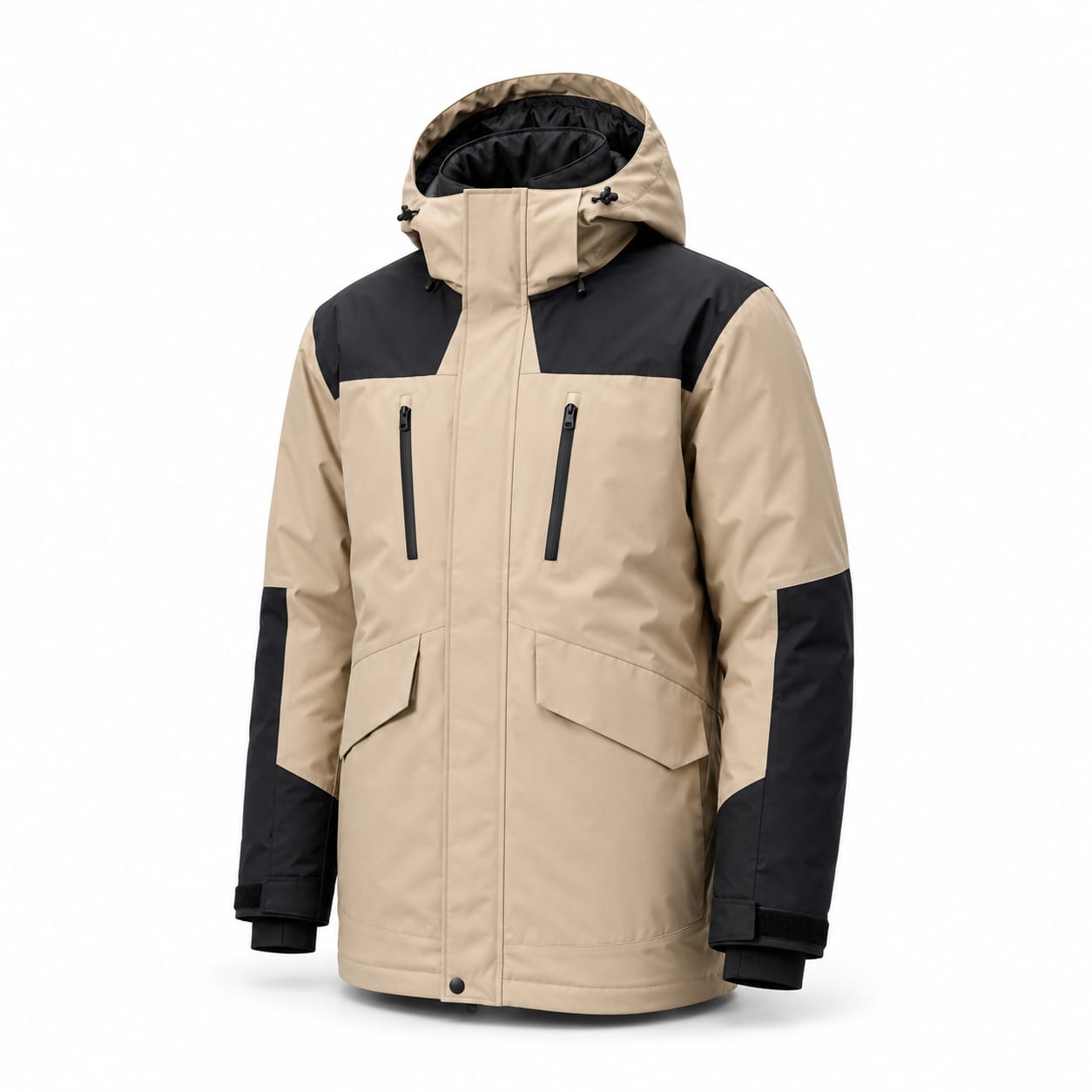
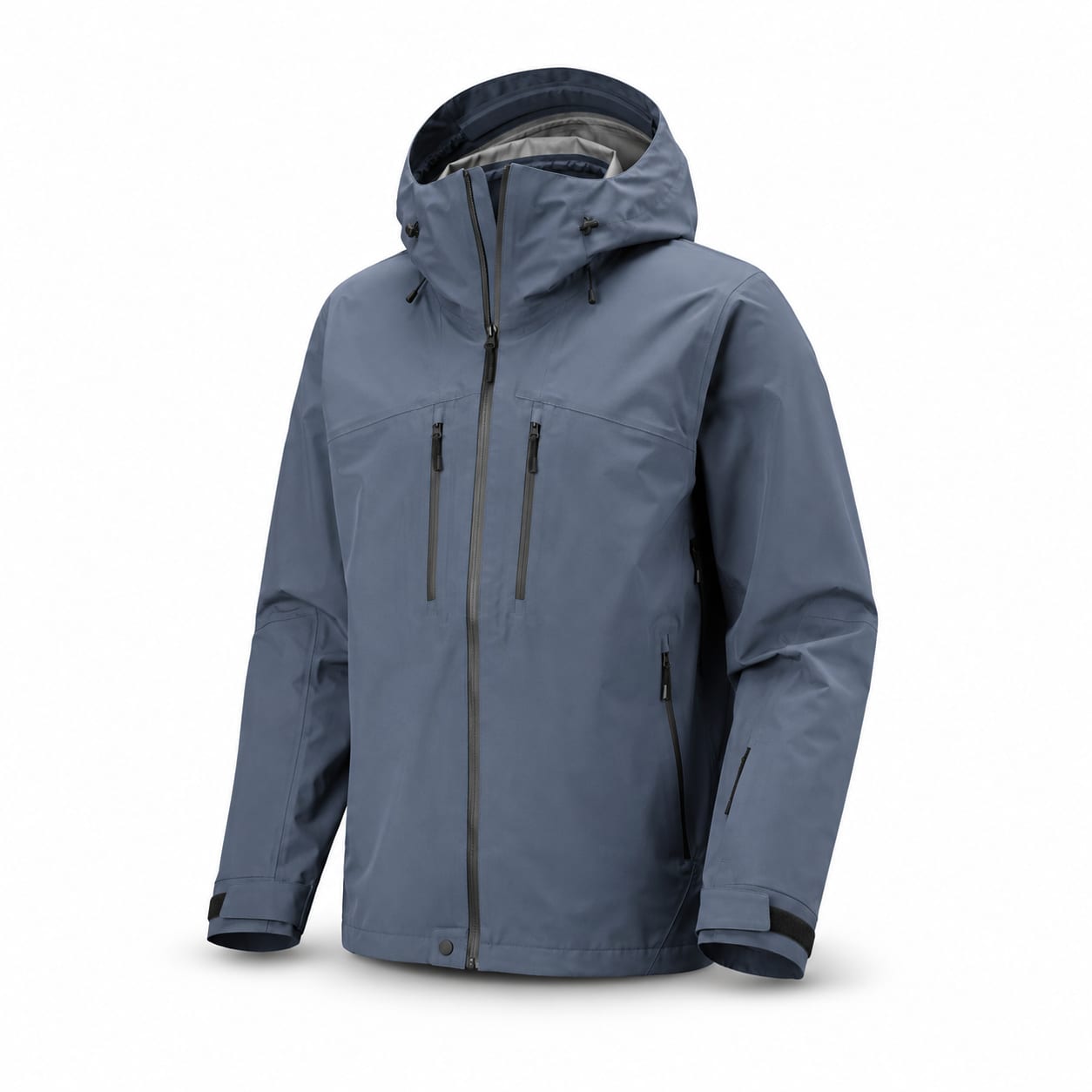
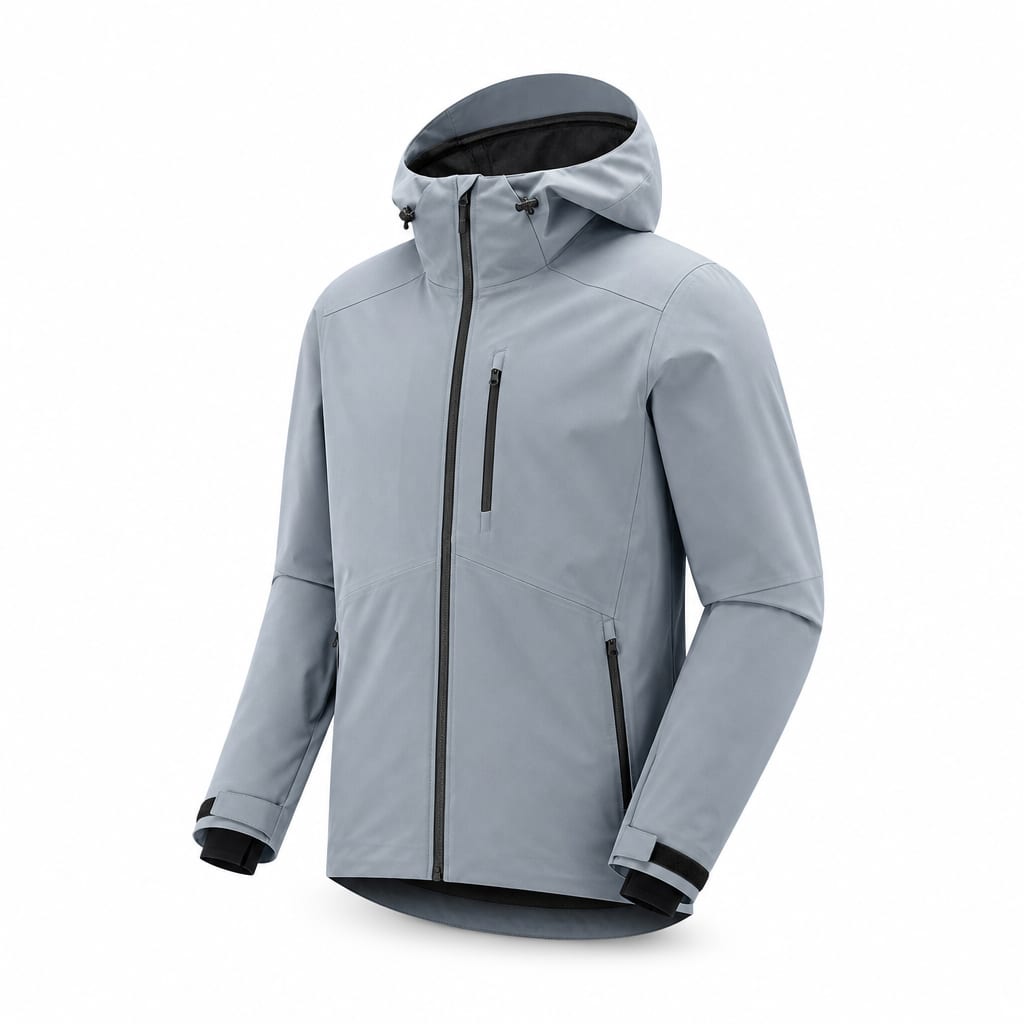
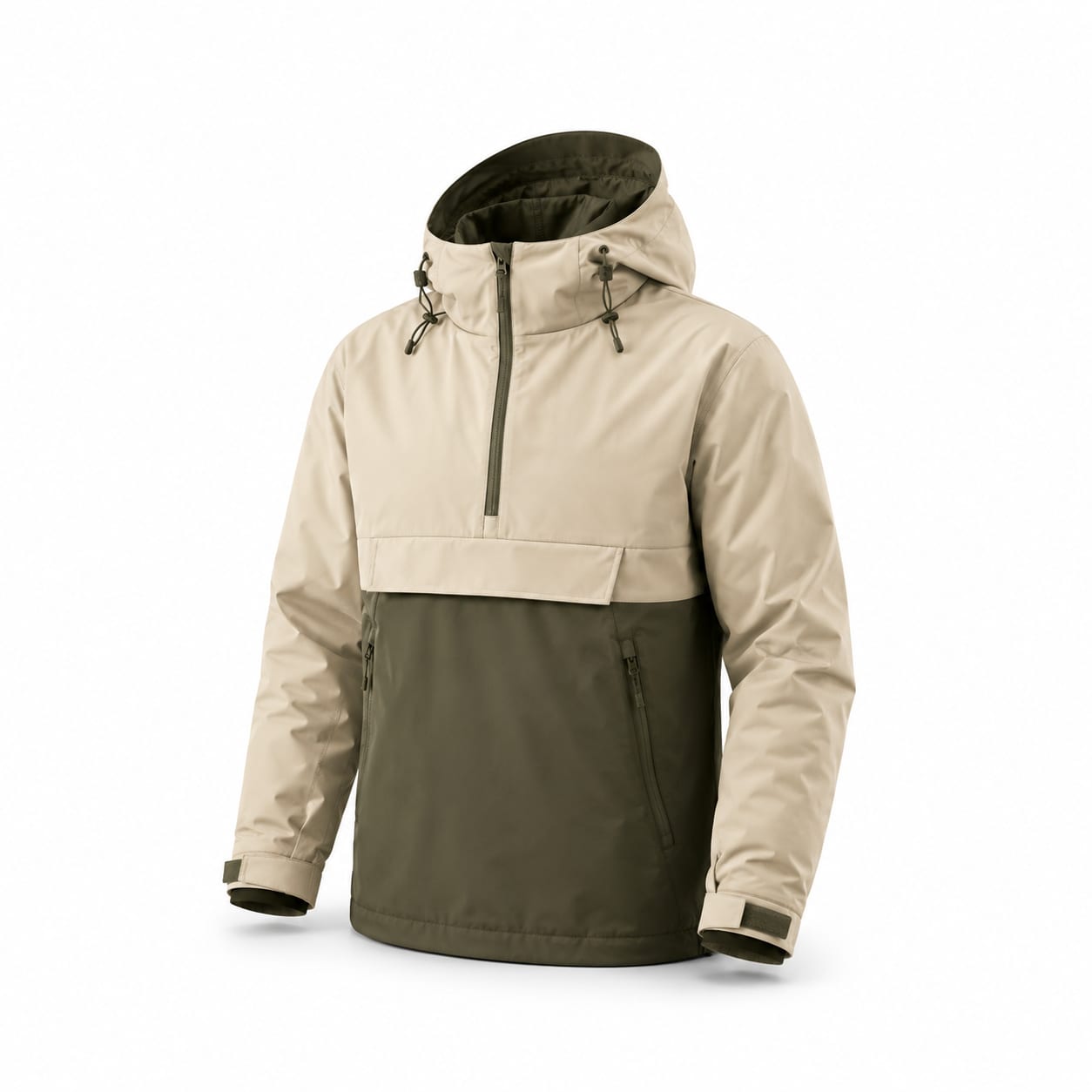
3-in-1 System Snow Jacket

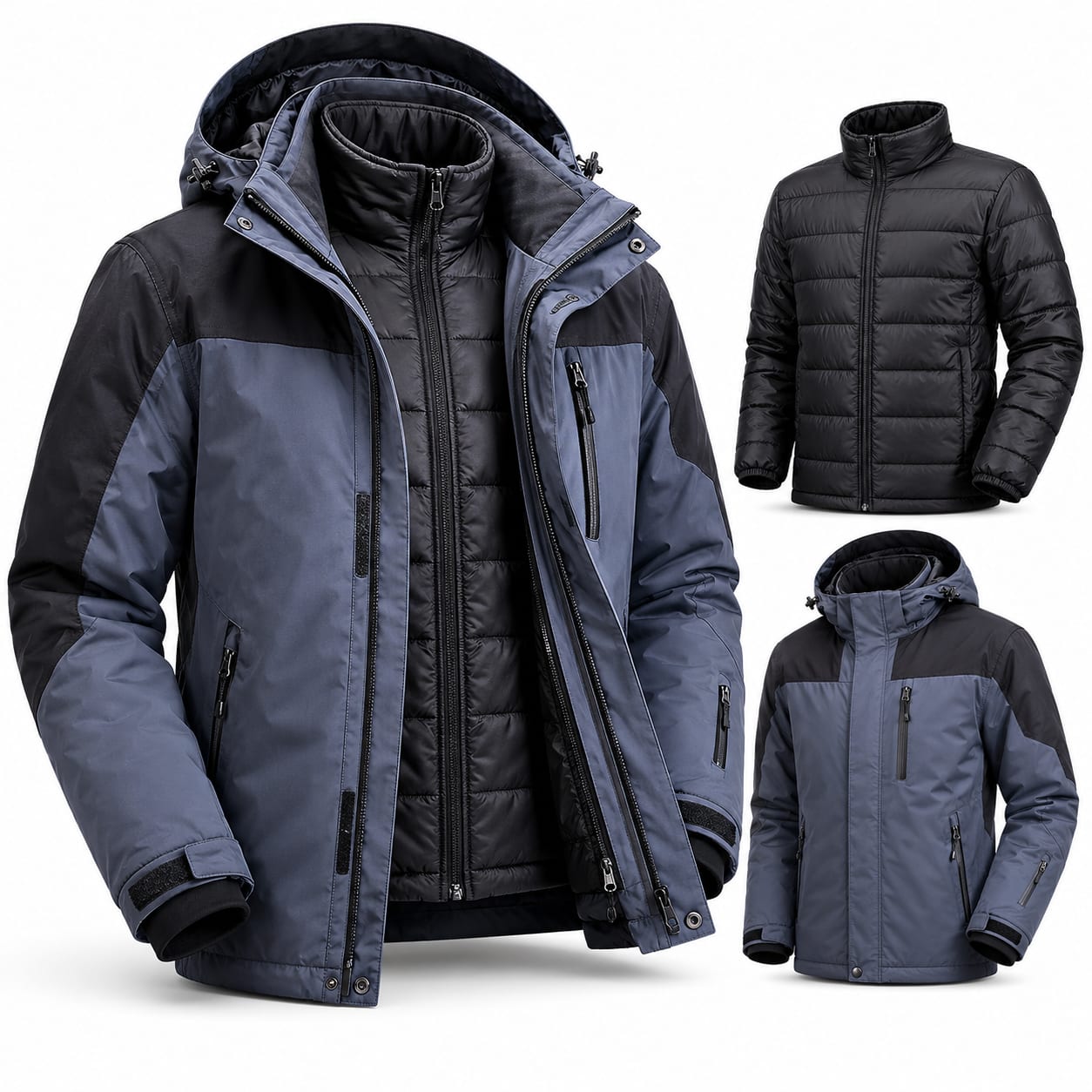
A versatile two-piece jacket system pairing a waterproof shell with a removable insulated liner, giving you three wearing options in one package.

The 3-in-1 System Snow Jacket is the Swiss Army knife of winter outerwear. It combines a weatherproof outer shell with a zip-in insulated mid-layer, letting you wear the full system for cold storm days, the shell alone for warm or wet conditions, or the liner alone for dry après-ski comfort. Ideal for riders who want maximum versatility from a single purchase and face widely varying conditions throughout the season.

$130 – $500mid tierbeginnerintermediate

Best known for

Versatility across weather conditionsThree jackets in one purchaseAdaptability from deep winter to spring ridingValue for money compared to buying separate piecesConvenience of a matched layering system
3-in-1 System Snow Jacket

Guide

Detailed overview

The 3-in-1 System Snow Jacket is designed around a simple but powerful concept: pair a waterproof-breathable outer shell with a removable insulated liner, connected via a integrated zipper system, to create a single garment that adapts to virtually any mountain condition. Wear both layers zipped together for maximum warmth on frigid powder days. Remove the liner and wear the shell alone when temperatures rise or precipitation turns wet. Unzip the liner and wear it solo as a casual jacket for dry, mild conditions or après-ski socializing. This three-mode adaptability makes the 3-in-1 one of the most practical and popular snow jacket configurations, especially for riders who experience the full arc of a winter season from icy January mornings to slushy spring afternoons.

The 3-in-1 System Snow Jacket solves one of the most common dilemmas in winter sports: how do you dress for conditions that can swing twenty degrees between the morning's first chair and the afternoon's final run? Rather than buying a dedicated insulated jacket for cold days and a separate shell for warm ones, the 3-in-1 system gives you both in a single, integrated package. The outer shell provides the weather protection—blocking wind, repelling water, and sealing out snow—while the inner liner delivers the warmth, trapping body heat with synthetic or down insulation. Zipped together, they function as a cohesive cold-weather system; separated, each piece serves its own purpose.

The key advantage of the 3-in-1 system is its adaptability across an entire season. In early winter, when temperatures plummet and storms roll through, you wear the full system for maximum protection and warmth. As the season transitions to spring, you might shed the liner on sunny afternoons and ride in the shell with just a base layer underneath. On dry, mild days at the resort or around town, the liner alone becomes a comfortable standalone jacket. This flexibility means you are never over-dressed or under-prepared, and you effectively get three garments for the price of one—a compelling value proposition for cost-conscious riders.

However, the 3-in-1 system does involve some trade-offs compared to dedicated shells or insulated jackets. The interface zipper that connects the two layers adds weight and can create a slightly less streamlined feel than a purpose-built single-layer jacket. Breathability can be compromised when both layers are worn together, as moisture vapor must pass through the liner, the interface, and the shell membrane. The fit must accommodate both layers, which means the shell may feel slightly roomy when worn alone, and the liner may not fit perfectly as a standalone piece. Additionally, the insulation in the liner is typically moderate—usually 60–100g synthetic—meaning the combined system may not match the warmth of a heavily insulated dedicated jacket for extreme cold.

Despite these compromises, the 3-in-1 System Snow Jacket remains one of the best choices for resort riders who value versatility and practicality. It is particularly well-suited for families, seasonal renters, and riders who experience a wide range of conditions but do not want to invest in multiple specialized jackets. Modern 3-in-1 systems from reputable brands have significantly improved the interface between layers, with better zipper designs, more breathable liners, and slimmer profiles that reduce the bulkiness that plagued earlier generations. If your riding consists primarily of lift-served resort days across the full winter season, and you want one jacket that handles everything from blower powder to corn snow, the 3-in-1 system is hard to beat.

Quick facts

Primary purpose
Provide adaptable weather protection across multiple seasons and conditions through a modular design
Popular brands
ColumbiaThe North FaceHelly HansenMarmotCAMELSki-Doo
Typical terrain
ResortGroomed runsCasual winter wear

What makes it different

Three wearing configurations; best value per use; often heavier and less refined than dedicated shells or insulated jackets

Recommended ranges

How this type usually specs out

Each spec is explained in plain language, then we show what buyers usually look for on this type.

Waterproof Rating

Waterproof Rating

What it means

The hydrostatic head rating measuring how much water pressure the fabric can resist before leaking, expressed in millimeters. Higher numbers indicate better waterproofing.

Typical for this type

10, 000–15, 000mm

Most common pick: 10, 000mm

In practice

Most 3-in-1 jackets feature a 10,000mm waterproof rating on the outer shell, which handles moderate to heavy snowfall adequately. Premium models may reach 15,000–20,000mm. The liner provides no waterproofing when worn alone.

Compared to other types

3-in-1 shells typically have moderate waterproof ratings, lower than dedicated backcountry shells (20,000mm+) but comparable to most resort insulated jackets. The dual-layer system means water has an extra barrier to penetrate when both pieces are worn.

Why it matters: The shell is your only weather barrier in this system, so its waterproof rating determines your protection in all three wearing modes. Since the liner is not waterproof, the shell must carry the full burden of storm protection.

Breathability Rating

Breathability Rating

What it means

Measures how much water vapor (sweat) can pass through the fabric over 24 hours, expressed in g/m². Higher numbers mean better moisture management and less clamminess during exertion.

Typical for this type

8, 000–15, 000 g/m²/24hr

Most common pick: 8, 000 g/m²/24hr

In practice

Breathability in 3-in-1 jackets is typically moderate, around 8,000–10,000 g/m². When both layers are worn together, effective breathability decreases because moisture must pass through the liner and shell sequentially.

Compared to other types

Less breathable than dedicated shells (15,000–25,000 g/m²) when worn as a complete system. Comparable to standard insulated jackets. The shell alone breathes better but still typically uses mid-range membranes.

Why it matters: The layered construction inherently impedes breathability compared to a single-shell system. This makes pit zips and other ventilation features especially important on 3-in-1 jackets to compensate for reduced vapor transmission.

Insulation Type

Insulation Type

What it means

The primary insulation material used in the jacket, which determines warmth-to-weight ratio, packability, and performance when wet.

Typical for this type

Synthetic (Most Common), Down (Premium Models), Hybrid (Rare)

In practice

The liner in most 3-in-1 systems uses synthetic insulation (PrimaLoft, Thinsulate, or brand-specific fills). Synthetic is preferred because it retains warmth when damp—an important consideration since the liner may be worn alone in varied conditions. Down liners exist in premium models but are less common.

Compared to other types

Unlike dedicated insulated jackets where insulation is integrated into the shell, the 3-in-1 separates insulation into a removable layer. This means the insulation is not body-mapped to the shell's design and may not be as efficiently distributed as in a purpose-built insulated jacket.

Why it matters: Synthetic insulation in the liner ensures reliable warmth even if the liner gets damp from sweat or light precipitation when worn alone. Down offers better warmth-to-weight but loses effectiveness if wet, which is risky for a standalone liner without waterproof protection.

Insulation Weight

Insulation Weight

What it means

The amount of insulation in the jacket, measured in grams. Higher numbers indicate more warmth but also more bulk. Often given as body/sleeve (e.g., 80g/60g).

Typical for this type

60–100g body, 40–80g sleeves

Most common pick: 80g body / 60g sleeves

In practice

3-in-1 liners typically use moderate insulation weights in the 60–100g range for the body and 40–60g for the sleeves. This provides solid warmth when combined with the shell but remains comfortable when the liner is worn alone indoors or in mild conditions.

Compared to other types

Moderate compared to dedicated insulated jackets which may use 120–150g+ for extreme cold. The 3-in-1 compensates with the shell's windproofing and weather protection when both layers are combined, but will not match the raw warmth of a heavily insulated single-layer jacket.

Why it matters: The insulation weight must strike a balance—warm enough for cold days when paired with the shell, but not so heavy that the liner is uncomfortably warm when worn alone. This is why 3-in-1 liners rarely exceed 100g even in the body.

Jacket Fit

Jacket Fit

What it means

The overall cut and silhouette of the jacket, affecting layering capacity, mobility, and style.

Typical for this type

Regular (Most Common), Relaxed (Some Models)

In practice

Most 3-in-1 jackets feature a regular fit to accommodate the liner underneath the shell without excessive bulk. The shell is cut slightly roomier than a standalone shell to allow for the zipped-in liner, while the liner itself fits closer to the body.

Compared to other types

Slightly roomier in the shell than a dedicated shell jacket, which is cut close for layering flexibility. Not as relaxed as freestyle-oriented jackets. The fit compromise is inherent to the 3-in-1 design—neither layer fits as perfectly as a purpose-built standalone piece.

Why it matters: The fit must work in all three configurations. The shell needs room for the liner when zipped in but shouldn't feel like a tent when worn alone. The liner should fit comfortably on its own without looking like an undergarment. This dual-fit requirement is one of the trickiest design challenges for 3-in-1 systems.

Seam Sealing

Seam Sealing

What it means

The method used to seal stitched seams, which are the weakest points for water entry. Critical for actual waterproof performance beyond the fabric rating.

Typical for this type

Critically Taped (Most Common), Fully Taped (Premium Models)

In practice

Most 3-in-1 jackets use critically taped seams on the shell, sealing the shoulders, hood, and other high-exposure areas. Fully seam-sealed shells are found on premium models but add cost that can push the 3-in-1 price above what most buyers expect.

Compared to other types

Comparable to mid-range insulated jackets. Less likely to feature fully taped seams than dedicated backcountry shells, which almost always have full seam sealing. The liner has no seam sealing as it is not designed for weather exposure.

Why it matters: Since the shell is your only weather barrier, seam sealing quality directly impacts real-world waterproof performance. Critical taping handles most resort conditions, but sustained heavy snow or wet climates may expose the limitations at non-taped seams.

Hood Type

Hood Type

What it means

The style and functionality of the jacket's hood, including whether it accommodates a helmet and how it adjusts.

Typical for this type

Helmet Compatible Fixed (Standard), Helmet Compatible Detachable (Some Models)

In practice

The shell in a 3-in-1 system almost always features a helmet-compatible fixed hood. The hood must be large enough to fit over a helmet with the liner zipped in, which means it may feel slightly oversized when the shell is worn alone without the liner.

Compared to other types

Similar to most resort jackets. The hood may be slightly bulkier than a dedicated shell hood due to the need to accommodate the liner. Some 3-in-1 systems include a hood on the liner as well, which can create double-hood bulk when both layers are worn.

Why it matters: The hood sizing must account for the bulk of the liner underneath, making it larger than a standalone shell hood. This can result in a slightly loose fit when the shell is worn alone, though adjustment systems help compensate. The liner may have its own small hood or collar for standalone use.

Ventilation

Ventilation

What it means

The type and location of zippered vents that allow rapid heat and moisture release during high-exertion activities without fully unzipping the jacket.

Typical for this type

Pit Zips (Essential), Mesh Lined Vents (Preferred)

Most common pick: Pit Zips, Mesh Lined Vents

In practice

Pit zips are standard on 3-in-1 shells and are especially important because the dual-layer construction reduces effective breathability. Mesh-lined pit zips are common to prevent snow from entering through open vents when the liner is not zipped in.

Compared to other types

Comparable ventilation features to most resort jackets. Pit zips are arguably more important here than on a dedicated shell because the 3-in-1 system has lower effective breathability when both layers are worn. Some 3-in-1 jackets also have chest vents for additional airflow.

Why it matters: Ventilation is critical on 3-in-1 jackets because the combined layers trap more heat and moisture than a single-layer system. Without effective pit zips, you risk overheating and internal condensation during high-exertion moments like hiking to terrain or warm spring days.

Powder Skirt

Powder Skirt

What it means

An elasticized or snap-closure band around the inside hem of the jacket that seals against the waist to prevent snow from entering from below, especially during falls in deep snow.

Typical for this type

Detachable (Ideal), Fixed (Common On Budget Models)

In practice

Many 3-in-1 jackets feature detachable powder skirts on the shell, allowing you to remove it for spring conditions or when the shell is worn alone in milder weather. Fixed powder skirts are common on budget models. The liner does not have a powder skirt.

Compared to other types

Similar to mid-range resort jackets. Detachable powder skirts are especially well-suited to the 3-in-1 concept since riders are already buying into the idea of adaptable features. Dedicated shells often skip powder skirts, while insulated jackets more commonly have fixed skirts.

Why it matters: A detachable powder skirt adds to the 3-in-1's versatility philosophy—use it when you need snow protection in deep powder, remove it when you want less bulk and better ventilation on groomer days. This aligns perfectly with the adaptable nature of the 3-in-1 system.

Wrist Seals / Cuffs

Wrist Seals / Cuffs

What it means

The closure system at the jacket cuffs that seals around the wrists to prevent cold air, snow, and water from entering the sleeves.

Typical for this type

Velcro Cuff With Inner Gaiter (Preferred), Velcro Cuff Only (Budget Models)

In practice

3-in-1 shells typically feature velcro-adjustable cuffs with inner stretch gaiters. The gaiters are important because the liner's sleeves must pass through the shell cuffs, and the gaiter helps seal the gap between liner and shell at the wrist.

Compared to other types

Comparable to most mid-range and premium snow jackets. The inner gaiter is particularly valuable on 3-in-1 systems because it helps manage the dual-layer sleeve interface. Budget 3-in-1 models may only have velcro cuffs without gaiters.

Why it matters: The interface between the liner and shell at the cuffs is a potential entry point for cold air and snow. Inner gaiters with thumbholes help keep both layers properly aligned and prevent the liner sleeves from pulling back inside the shell during active riding.

Membrane Technology

Membrane Technology

What it means

The specific waterproof-breathable membrane or coating technology used in the jacket's construction. This is the core technology that determines real-world performance.

Typical for this type

Proprietary Membrane (Most Common), Gore Tex (Premium Models)

In practice

Most 3-in-1 jackets use proprietary membranes from their respective brands (e.g., The North Face DryVent, Columbia Omni-Tech, Marmot MemBrain). GORE-TEX membranes appear in premium 3-in-1 models but significantly increase the price point.

Compared to other types

Less likely to feature GORE-TEX than dedicated technical shells, which almost universally use premium membranes. The proprietary membranes in 3-in-1 jackets are typically mid-range performers. DWR-only coatings are rare in 3-in-1 systems because the shell must provide genuine waterproofing as the system's weather barrier.

Why it matters: The membrane determines the shell's real-world waterproof-breathable performance. Proprietary membranes vary widely in quality—some approach GORE-TEX performance while others are noticeably less breathable. Since the 3-in-1 already has breathability challenges from the dual-layer design, a better membrane can meaningfully improve comfort.

Pocket Configuration

Pocket Configuration

What it means

The types, positions, and features of pockets on the jacket. Affects storage, convenience, and access to essentials while riding.

Typical for this type

Hand Warmer (Essential), Lift Pass (Highly Recommended), Chest Pocket (Useful), Internal Media (Common), Internal Mesh (Valuable)

Most common pick: Hand Warmer, Lift Pass, Chest Pocket, Internal Media

In practice

3-in-1 jackets typically offer comprehensive pocket configurations on the shell, including hand warmer pockets, a lift pass pocket, and often chest pockets. The liner usually has simpler pockets—typically just hand warmer pockets and perhaps one internal pocket. Internal mesh dump pockets on the shell are valuable for stashing the liner when not in use.

Compared to other types

Comparable pocket configurations to most resort-oriented jackets. The 3-in-1 may have slightly fewer internal organization options than some dedicated insulated jackets because the liner takes up internal space. The lift pass pocket is especially important for the resort-focused rider who is the typical 3-in-1 buyer.

Why it matters: Pocket access can be complicated by the liner interface. When both layers are zipped together, shell pockets should be fully accessible. When the liner is worn alone, its simpler pocket layout is adequate for casual use. Internal mesh pockets on the shell are useful for temporarily stashing the liner if you remove it mid-day.

Jacket Length

Jacket Length

What it means

The overall length of the jacket, affecting coverage, snow protection, and style. Measured from center back collar to hem.

Typical for this type

Regular (Standard), Long (Some Snowboard-Oriented Models)

In practice

Most 3-in-1 jackets feature regular length shells that end at the hip, providing standard coverage that works well with most snow pants. The liner is typically slightly shorter than the shell to prevent it from hanging below the hem when zipped in.

Compared to other types

Similar to most resort jackets. Less likely to feature the extended/long lengths popular in freestyle snowboard jackets, as the 3-in-1 system is primarily designed for all-mountain versatility rather than park-specific style. Cropped lengths are essentially nonexistent in 3-in-1 designs.

Why it matters: The shell must be long enough to overlap with your pants and provide coverage when sitting on cold chairlifts. The liner's length must be proportioned to fit neatly within the shell without extending past the hem. A mismatch in length between the two layers can cause bunching or exposed areas.

RECCO Reflector

RECCO Reflector

What it means

A passive rescue reflector embedded in the jacket that can be detected by RECCO detector equipment used by ski patrol and search and rescue teams.

Typical for this type

True (Increasingly Common), False (Budget Models)

In practice

RECCO reflectors are increasingly common in mid-range and premium 3-in-1 jackets, embedded in the shell layer. The reflector adds negligible weight and cost while providing an additional safety margin for rescue detection.

Compared to other types

Comparable to mid-range and premium resort jackets. Less universally present than on dedicated backcountry shells, where RECCO is nearly standard. Budget 3-in-1 models may omit RECCO to reduce cost.

Why it matters: While not a replacement for an avalanche beacon, a RECCO reflector provides passive rescue capability that works even if you are unconscious. Since 3-in-1 jackets are popular with casual and intermediate riders who may occasionally venture into sidecountry terrain, the RECCO reflector is a worthwhile safety feature.

Primary Activity / Use Case

Primary Activity / Use Case

What it means

The intended riding activity or environment the jacket is optimized for. Jackets designed for different activities prioritize different features and performance characteristics.

Typical for this type

Resort Skiing, Resort Snowboarding, All Mountain (Primary Targets)

Most common pick: Resort Skiing, All Mountain

In practice

3-in-1 jackets are primarily designed for resort and all-mountain use, where conditions vary widely throughout the day and season. They are not ideal for backcountry touring (too heavy and insufficiently breathable when combined) or dedicated freestyle (too bulky for park mobility).

Compared to other types

More versatile across conditions than any single-purpose jacket, but less optimized for any specific activity. A dedicated touring shell breathes better, a dedicated insulated jacket is warmer, and a dedicated freestyle jacket offers more mobility. The 3-in-1 trades specialization for breadth.

Why it matters: The 3-in-1 system's strength is adaptability across the range of conditions encountered in a typical resort day—from cold morning lifts to sunny afternoon groomers. This makes it an excellent choice for the majority of recreational riders who stick to lift-served terrain.

Fabric Denier / Durability

Fabric Denier / Durability

What it means

The thickness and durability of the outer face fabric, measured in denier. Higher denier fabrics are more abrasion-resistant and durable but heavier and less packable.

Typical for this type

50–100 denier (shell), 20–40 denier (liner)

Most common pick: 70 denier

In practice

3-in-1 shells typically use 50–100 denier face fabrics, with 70D being common. This provides good durability for resort use without excessive weight. The liner uses lighter 20–40D fabrics since it is protected by the shell when both layers are worn together.

Compared to other types

Comparable denier to most mid-range resort jackets. Heavier than ultralight touring shells (10–30D) but lighter than heavy-duty freeride jackets (100–150D). The dual-layer construction provides some inherent durability advantage—when both layers are worn, the liner adds a buffer against abrasion from the inside.

Why it matters: The shell must be durable enough to withstand regular resort use, chairlift rubbing, and occasional contact with branches or edges. The liner can be lighter since it is shielded by the shell during active riding, but should still be robust enough for standalone casual wear.

Evaluation

Strengths and trade-offs

Pros

What this type does best

Exceptional Versatility

Critical

Three wearing configurations—shell + liner, shell alone, liner alone—cover virtually every condition from midwinter storms to spring sunshine to dry après-ski evenings. One purchase handles an entire season.

Strong Value Proposition

Critical

Buying a 3-in-1 system is typically less expensive than purchasing a separate shell and insulated mid-layer of comparable quality. You get three functional garments for the price of one integrated system.

Matched Layering System

High

The shell and liner are designed to work together, with compatible zipper systems, proper length ratios, and coordinated fits. This eliminates the guesswork of building a layering system from separate pieces that may not interface well.

Convenient Mid-Day Adaptation

High

If the weather changes during the day, you can remove or add the liner without returning to your car or locker. The liner stuffs into a pack easily, giving you instant adaptability on the mountain.

Liner as Casual Piece

Medium

The insulated liner works well as a standalone jacket for dry, mild conditions—perfect for walking around the resort village, driving to the mountain, or wearing around town. Extends the useful life of the garment beyond ski season.

Beginner-Friendly

Medium

New riders who are unsure what conditions they will encounter or how they will ride benefit from the 3-in-1's adaptability. It removes the risk of buying the wrong type of jacket for your first season.

Travel Efficiency

Medium

Packing one 3-in-1 jacket instead of two separate pieces saves luggage space on ski trips. The liner can serve as your casual jacket at the destination, reducing the total number of garments you need to bring.

Cons

Trade-offs to be aware of

Reduced Breathability When Combined

Moderate

Wearing both layers together creates a double-barrier system that impedes moisture vapor transfer more than a single-layer jacket. Sweat can accumulate between the layers, leading to clamminess during high-exertion activities.

Compromised Fit in Each Mode

Moderate

The shell must be roomy enough to accommodate the liner, which means it fits loosely when worn alone. The liner must fit closely enough to work as a mid-layer, which means it may feel restrictive as a standalone jacket. Neither layer fits as perfectly as a purpose-built standalone garment.

Added Weight and Bulk

Moderate

The interface zipper system and dual-layer construction add weight compared to a single jacket. When both layers are worn, the system is noticeably bulkier than a dedicated insulated jacket with integrated insulation.

Limited Warmth for Extreme Cold

Moderate

The liner's insulation is typically moderate (60–100g) to remain comfortable when worn alone. In extreme cold conditions (below -15°C / 5°F), the combined system may not provide enough warmth compared to a heavily insulated dedicated jacket (120–150g+).

Interface Zipper Vulnerability

Minor

The zipper connecting the shell and liner is a potential failure point. If it breaks or jams, the system loses its integrated functionality. The zipper can also create a slight draft line along the front closure when both layers are zipped together.

Not Ideal for Backcountry Touring

Significant

The combined weight, reduced breathability, and moderate insulation make the 3-in-1 system poorly suited for high-exertion uphill travel. Touring requires lightweight, highly breathable shells with separate layering—precisely the opposite of what a 3-in-1 system optimizes for.

Best for

Terrain

Groomed resort runsMixed on-piste and light off-pisteAll-mountain resort terrainVariable snow conditions

Snow conditions

Variable winter conditionsCold mornings warming to mild afternoonsMixed precipitation daysFull season range from midwinter to spring

Skill level

BeginnerIntermediateAdvanced (resort-focused)

Riding style

All-mountain cruisingResort explorationCasual resort ridingFamily skiing and riding

Rider profile

Resort riders who experience the full seasonCost-conscious buyers wanting maximum valueCasual riders who want one jacket for everythingFamilies renting seasonal equipmentTravelers wanting to pack lightNew riders unsure of their needs

Not ideal for

Reasons

Too heavy and insufficiently breathable for sustained uphill travelBulk of dual-layer system restricts mobility for park tricksModerate insulation insufficient for extreme cold without additional layeringFit compromises reduce performance for specialized riding stylesInterface system adds complexity that dedicated riders do not need

Terrain

Backcountry touring terrainSteep technical mountaineeringDedicated terrain park

Skill level

Expert backcountry ridersProfessional-level riders with specific needs

Riding style

High-exertion touring and skinningFreestyle park riding requiring maximum mobilitySpeed-focused racing

Compare

How it stacks up

This page

3-in-1 System Snow Jacket

Far more versatile—can adapt to warm conditions by removing the liner, while an insulated jacket traps heat regardless of conditions. The liner serves as a standalone casual piece. Better value per wearing configuration.

Alternative

Insulated Snow Jacket

Sleeker, lighter profile with no interface zipper bulk. Integrated insulation is often body-mapped for more efficient warmth distribution. Better breathability since there is no liner layer to impede vapor transfer. Can be warmer in extreme cold with higher insulation weights.

Bottom line

Choose the 3-in-1 if you ride across the full season and experience wide temperature swings. Choose an insulated jacket if you primarily ride in consistently cold conditions and prefer a streamlined, single-layer feel.

This page

3-in-1 System Snow Jacket

Includes built-in insulation, so you do not need to purchase and manage a separate mid-layer. The matched liner guarantees proper fit and interface with the shell. More convenient for riders who do not want to think about layering systems.

Alternative

Shell Snow Jacket (Hardshell)

Significantly more breathable and lighter. Complete freedom to choose any mid-layer for the conditions—fleece, puffy, or none. More packable and better for travel where you might need the shell for non-skiing activities. No interface zipper to fail or create drafts.

Bottom line

Choose the 3-in-1 if you want a simple, all-in-one solution and primarily ride resort. Choose a shell if you value maximum breathability, prefer building your own layering system, or venture into the backcountry.

This page

3-in-1 System Snow Jacket

The 3-in-1 offers three wearing modes versus the lightweight insulated jacket's single mode. The shell alone provides better storm protection than a lightweight insulated jacket's typically thinner face fabric. The liner can be worn casually off the mountain.

Alternative

Lightweight Insulated Jacket (60–80g)

Lighter, less bulky, and more comfortable for active riding. No interface zipper or dual-layer bulk. Often more stylish and streamlined. Better for riders who run hot or ride in mild climates where the 3-in-1's full system is overkill.

Bottom line

Choose the 3-in-1 if you need the versatility of multiple wearing modes and ride in varied conditions. Choose a lightweight insulated jacket if you primarily ride in mild to moderate cold and prefer a simpler, lighter garment.

This page

3-in-1 System Snow Jacket

Far more versatile for variable conditions. The 3-in-1 can shed its liner for warm days, while a heavy insulated jacket has no such option—you simply overheat. Better for spring skiing and milder conditions. The liner works as a standalone piece.

Alternative

Heavy Insulated Jacket (120g+)

Significantly warmer in extreme cold. No interface zipper or dual-layer bulk. Often features body-mapped insulation for more efficient warmth. Simpler construction means fewer potential failure points. Better for riders who consistently ride in very cold climates.

Bottom line

Choose the 3-in-1 for versatility across the season. Choose a heavily insulated jacket if you ride primarily in consistently cold climates (below -10°C / 14°F) and rarely encounter warm conditions where you would want to shed insulation.

Shopping

Buying tips

  • 1

    Test the fit in all three wearing modes—shell + liner, shell alone, and liner alone. Each configuration should feel comfortable and functional, not just the full system.

  • 2

    Check the interface zipper quality. A smooth, robust zipper is critical because it is the mechanism that makes the 3-in-1 system work. Stiff or cheap zippers will frustrate you every time you connect or disconnect the layers.

  • 3

    Look for a liner with its own pockets and a stand-up collar. These features make the liner much more functional as a standalone piece. A liner without pockets is essentially just an undergarment.

  • 4

    Prioritize pit zips and ventilation features. The dual-layer construction reduces effective breathability, so active ventilation becomes more important than on a single-layer jacket. Full-length pit zips are preferable to short ones.

  • 5

    Consider whether the liner has a hood. A hooded liner provides better standalone functionality but can create bulk and double-hood awkwardness when both layers are worn together. Many riders prefer a hoodless liner with a high collar.

  • 6

    Verify that the shell's waterproof rating is at least 10,000mm. Since the shell is your only weather barrier in all three modes, it needs genuine waterproofing, not just water-resistant coating. Look for a proper membrane, not just DWR treatment.

  • 7

    If you run hot, consider sizing up in the shell so you can wear it comfortably over just a base layer without the liner. If you run cold, ensure the liner's insulation weight is sufficient (80g+ body) for your typical conditions.

  • 8

    Check if the liner is reversible or has a different exterior finish on each side. Some 3-in-1 liners offer this feature, giving you even more style options when wearing the liner alone.

Care

Maintenance notes

  • Wash the shell and liner separately according to their specific care instructions. The shell typically requires technical detergent and occasional DWR reactivation via low-heat tumble drying. The liner may have different washing requirements based on its insulation type.
  • Reapply DWR treatment to the shell at least once per season, or whenever water stops beading on the surface. The shell's water repellency is critical since it serves as your primary weather barrier in all three wearing modes.
  • Lubricate the interface zipper periodically with zipper wax or silicone spray to keep it operating smoothly. A sticky interface zipper is the most common functional complaint on 3-in-1 systems.
  • Store the jacket with the liner detached to prevent compression of the liner's insulation and to allow both pieces to breathe. Hanging storage is preferable to stuffing in a bag.
  • Inspect the interface zipper and connection points before each season. The zipper is the most critical and most vulnerable component of the 3-in-1 system—early detection of wear can prevent mid-season failure.
  • If the liner uses synthetic insulation, it can be machine washed and dried on low heat. If it uses down, follow down-specific care instructions including tumble drying with tennis balls to restore loft.
  • Avoid storing damp liners zipped inside the shell, as this can promote mildew and degrade both the liner's insulation and the shell's membrane over time.

Progression

Skill development path

The 3-in-1 System Snow Jacket is an excellent starting point for beginners who are unsure what conditions they will encounter and want maximum adaptability while they learn their preferences. As riders progress and develop clearer preferences—consistently riding in specific conditions, pursuing backcountry touring, or focusing on park freestyle—they may eventually graduate to more specialized jackets optimized for their specific needs. However, many intermediate and advanced resort riders continue to prefer the 3-in-1 system for its day-to-day versatility, particularly those who ride across the full season from December through April. The 3-in-1 is less about skill level and more about riding style and conditions variability—it remains a top choice for any resort rider who values adaptability over specialization.

FAQ

Common questions

Each question has a dedicated page with a full answer and links to the buying guide.

Can I wear the liner from a 3-in-1 jacket with a different shell?

Technically yes, but the liner will not zip into a different shell's interface zipper. You can wear the liner as a mid-layer under any shell, just like you would wear any insulated mid-layer. However, you lose the integrated connection system and may experience fit or bunching issues since the liner was designed to pair specifically with its matching shell. For the best experience, use the liner with its intended shell or as a standalone piece.

Is a 3-in-1 jacket warm enough for very cold days below -15°C (5°F)?

It depends on the liner's insulation weight and your activity level. Most 3-in-1 liners use 60–100g synthetic insulation, which provides moderate warmth. For temperatures below -15°C, you may need to add an extra mid-layer (like a fleece) under the liner, or choose a 3-in-1 system with a heavier insulated liner (100g+). Riders who consistently face extreme cold may be better served by a dedicated heavily insulated jacket with 120–150g+ insulation.

Why does my 3-in-1 jacket feel clammy when I am wearing both layers?

The dual-layer construction reduces effective breathability because moisture vapor must pass through both the liner and the shell membrane. This can cause sweat to accumulate between the layers, especially during high-exertion activities like hiking or warm spring skiing. To mitigate this, open your pit zips early and often, consider removing the liner on warm days, and choose a 3-in-1 with a higher breathability rating on the shell membrane.

Are 3-in-1 jackets good for backcountry touring?

3-in-1 jackets are not ideal for backcountry touring. The combined system is too heavy and not breathable enough for sustained uphill travel. The liner adds warmth that you typically do not need while skinning uphill, and the reduced breathability can lead to dangerous sweat accumulation in cold conditions. For touring, a lightweight, highly breathable shell with a separate, packable mid-layer that you can put on during stops is a much better choice.