
As a general guide: wear both layers together below 20°F (-7°C) with a base layer; wear both layers without a base layer from 20-30°F (-7 to -1°C); wear the shell alone with a mid-layer from 30-45°F (-1 to 7°C); and wear the shell alone over a light base layer above 45°F (7°C). These ranges vary based on your activity level and personal temperature preference. Start with more warmth and vent or remove the liner if you overheat—it is easier to cool down than to warm up on the mountain.
Snow Pants · 3-in-1 Snow Pants
How do I know which configuration to wear for different temperatures?
Related gear types
If this answer nudged you toward a different style, these guides compare specs and trade-offs.
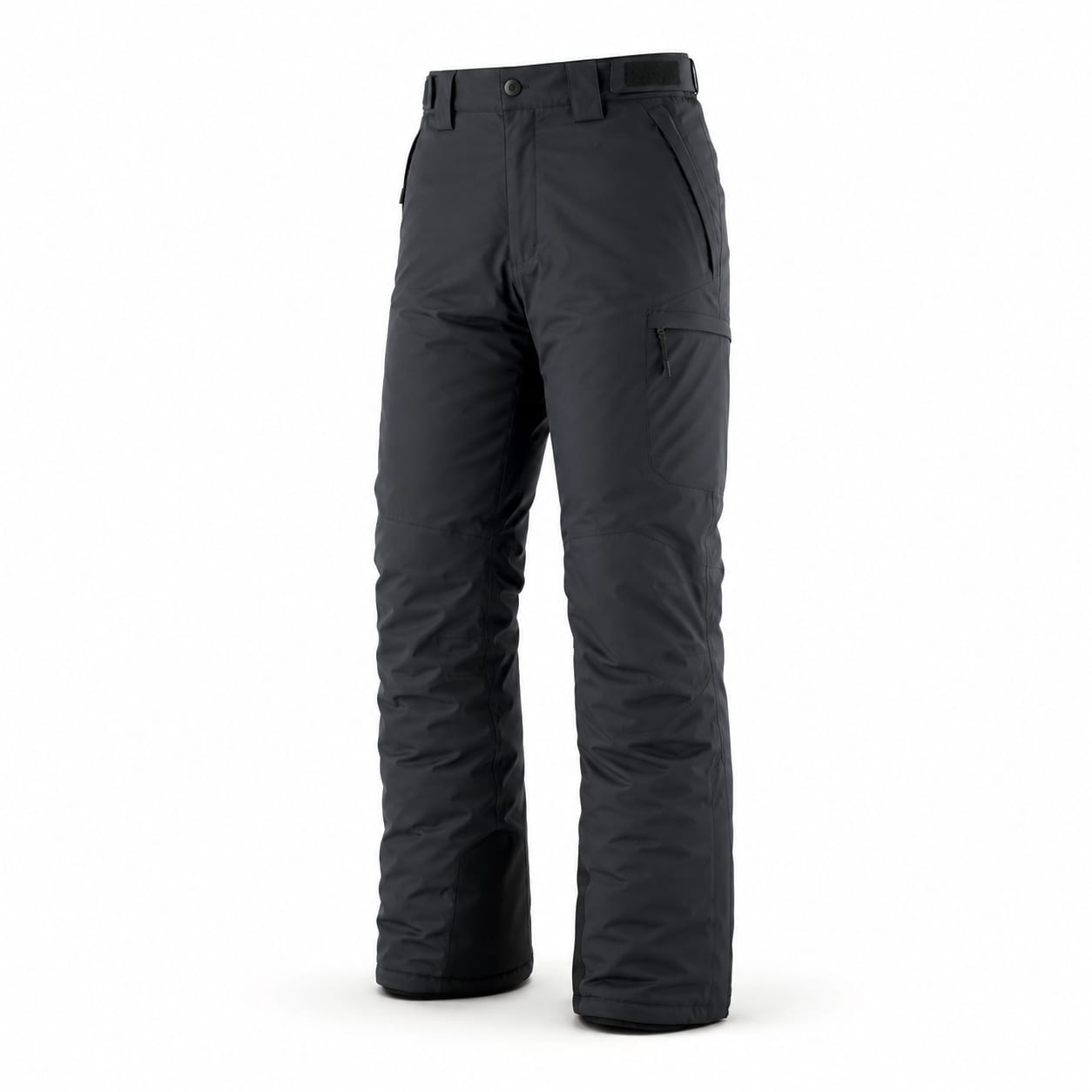
Insulated Snow Pants
$60 – $450
Snow pants with built-in synthetic or down insulation for all-in-one warmth and weather protection.
built-in insulationwaterproof outer shellsingle-layer convenience
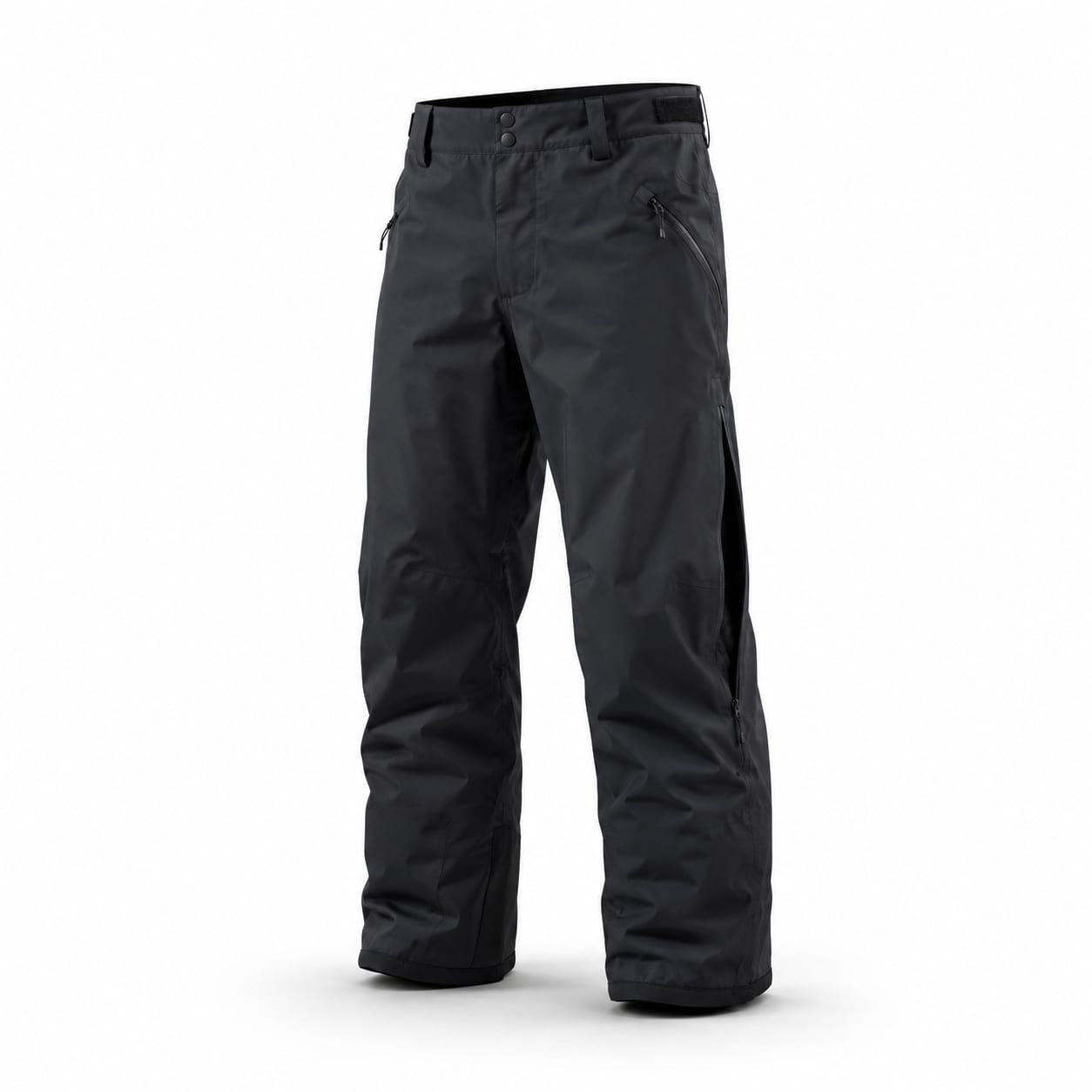
Shell Snow Pants
$100 – $600
Uninsulated waterproof pants designed for layering, offering maximum versatility and temperature regulation.
no insulationwaterproof-breathable membranelayering-compatible fit
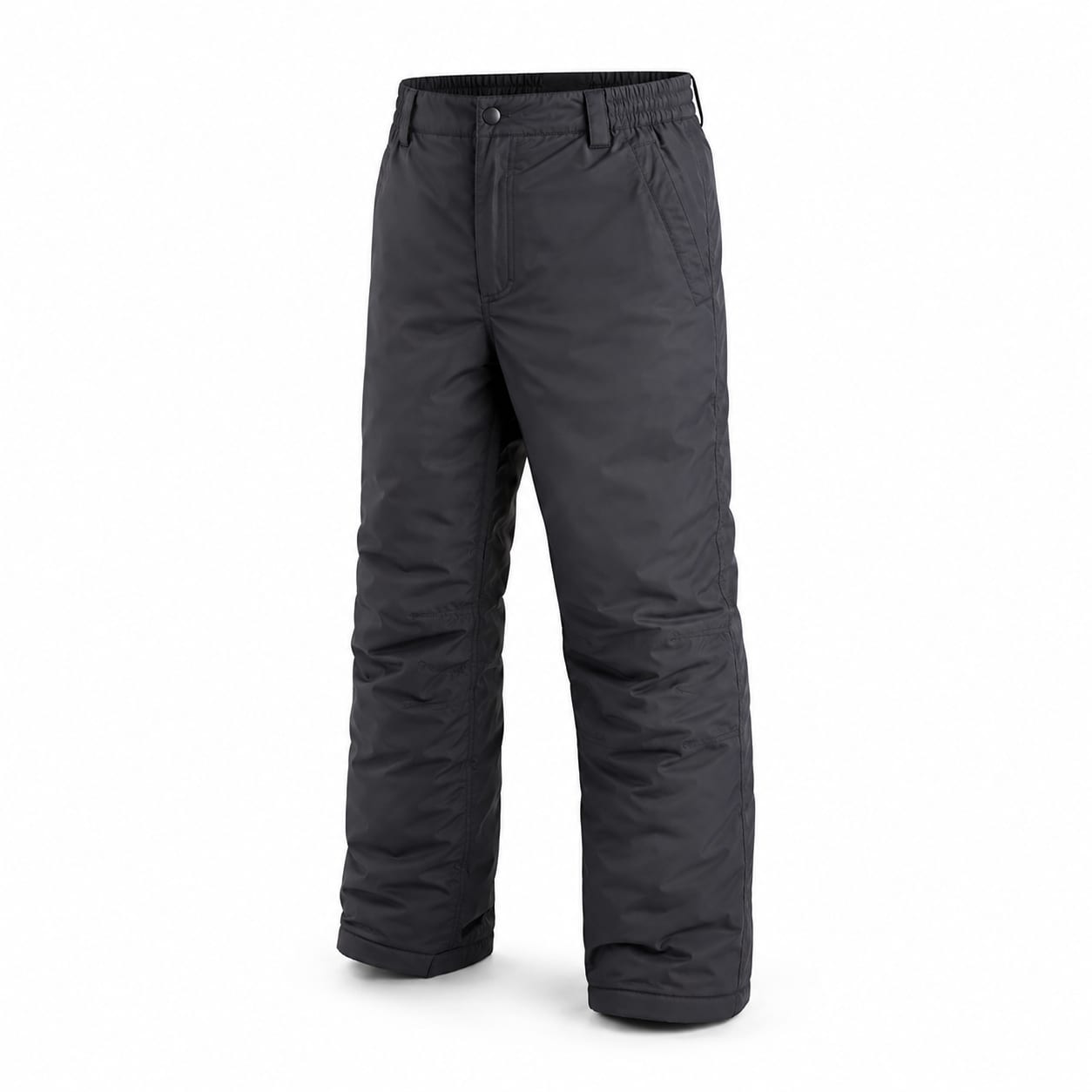
Casual/Recreational Snow Pants
$25 – $100
Budget-friendly snow pants designed for light snow play, sledding, and occasional winter sports rather than serious riding.
budget constructionbasic waterproofingminimal features
More questions
- Can I wear the liner by itself as a regular winter pant?
- Are 3-in-1 pants too bulky for active riding?
- What happens if the liner zipper breaks? Can I still use the pants?
- Are 3-in-1 pants warm enough for extremely cold conditions like -20°F (-29°C)?