Kitvore.com

Kitvore.com

Specs that matter. Gear that fits.

Snow Pants · Subcategory

3-in-1 Snow Pants

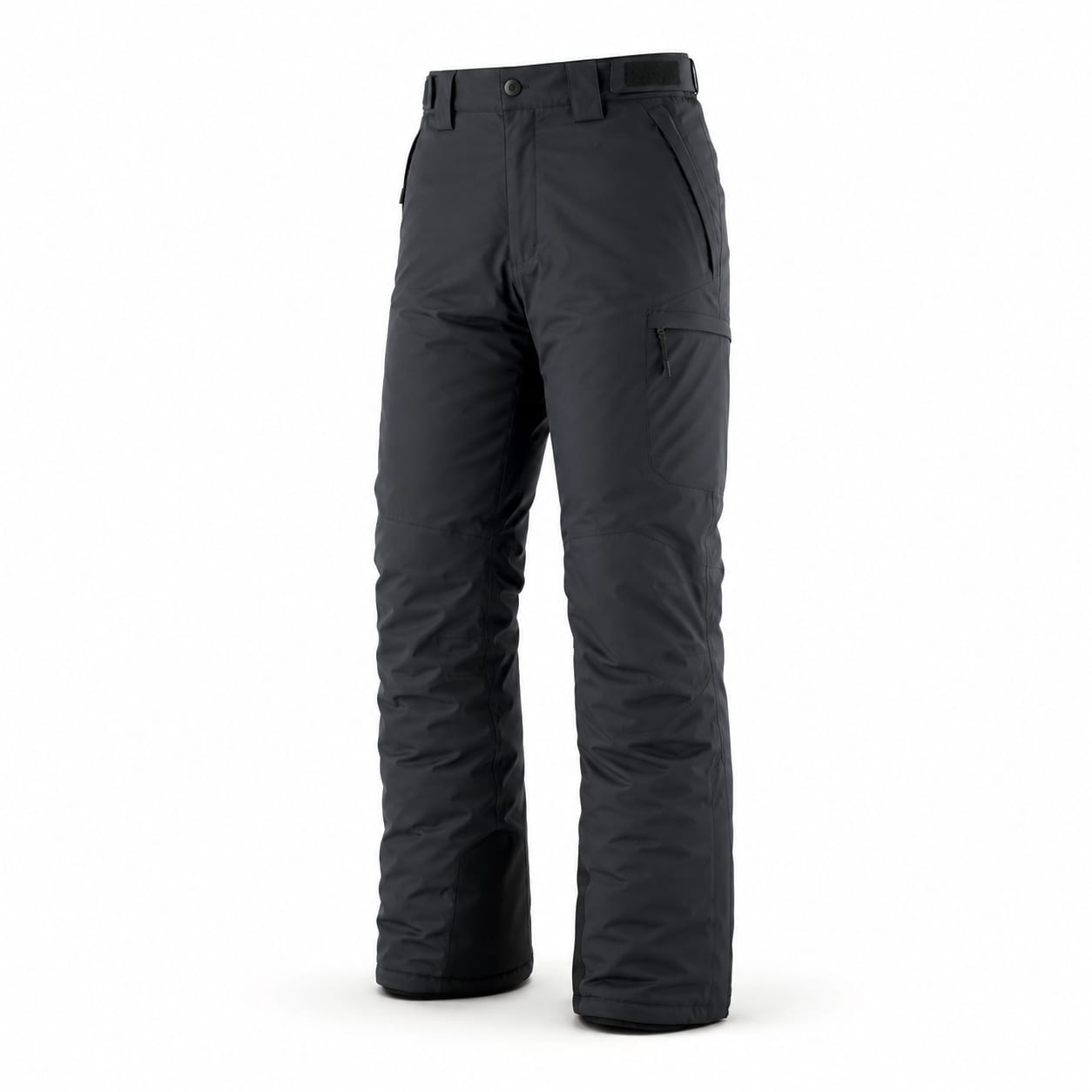
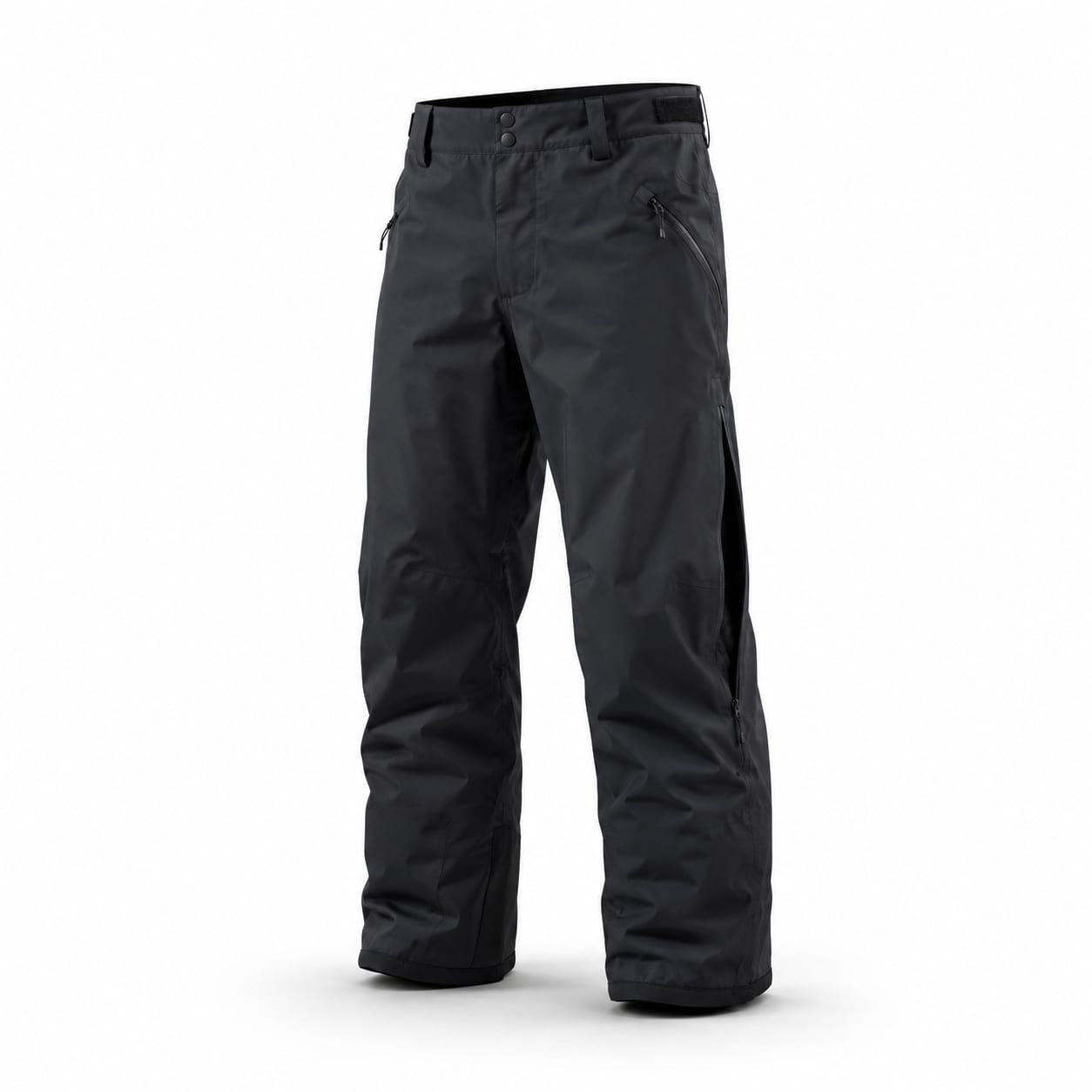
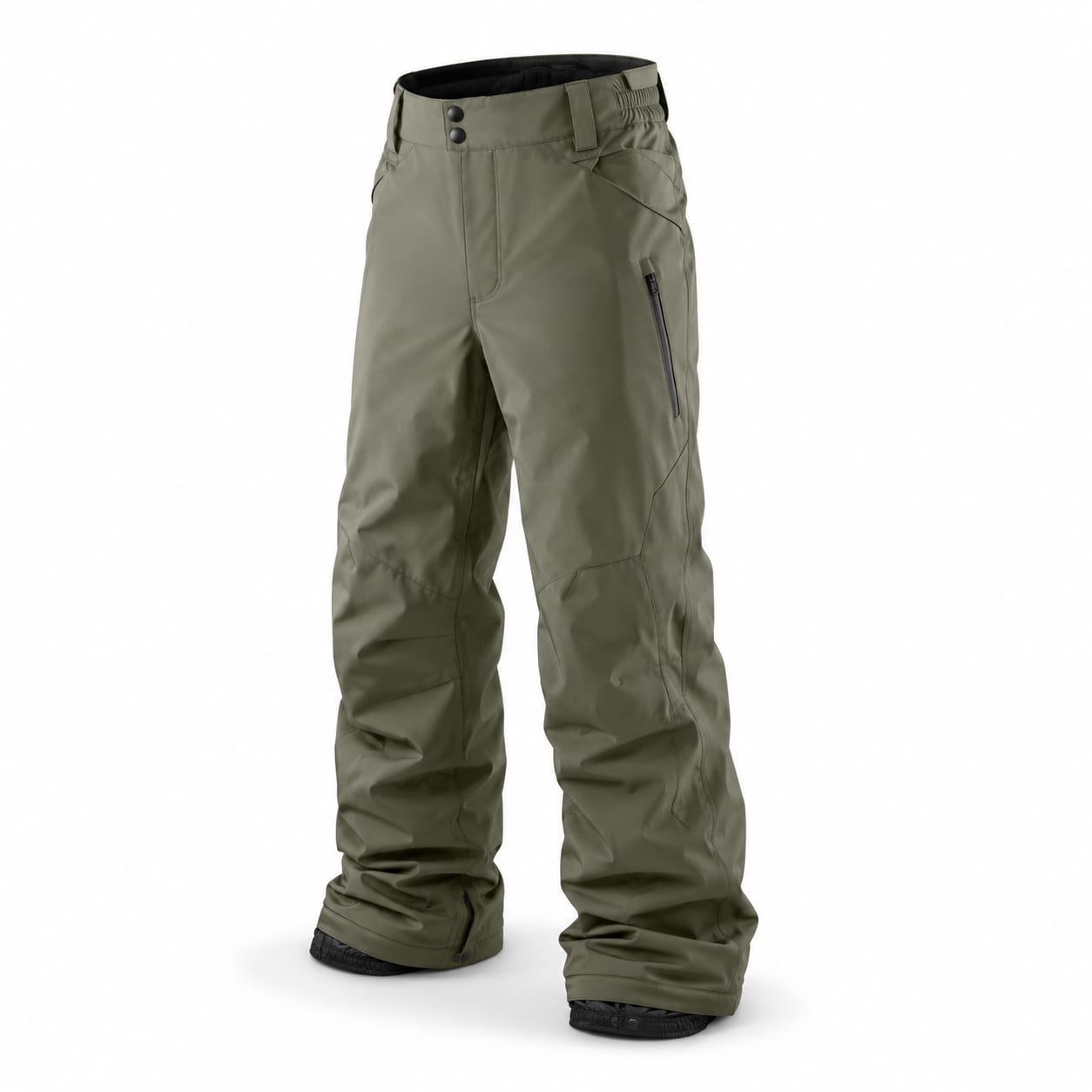
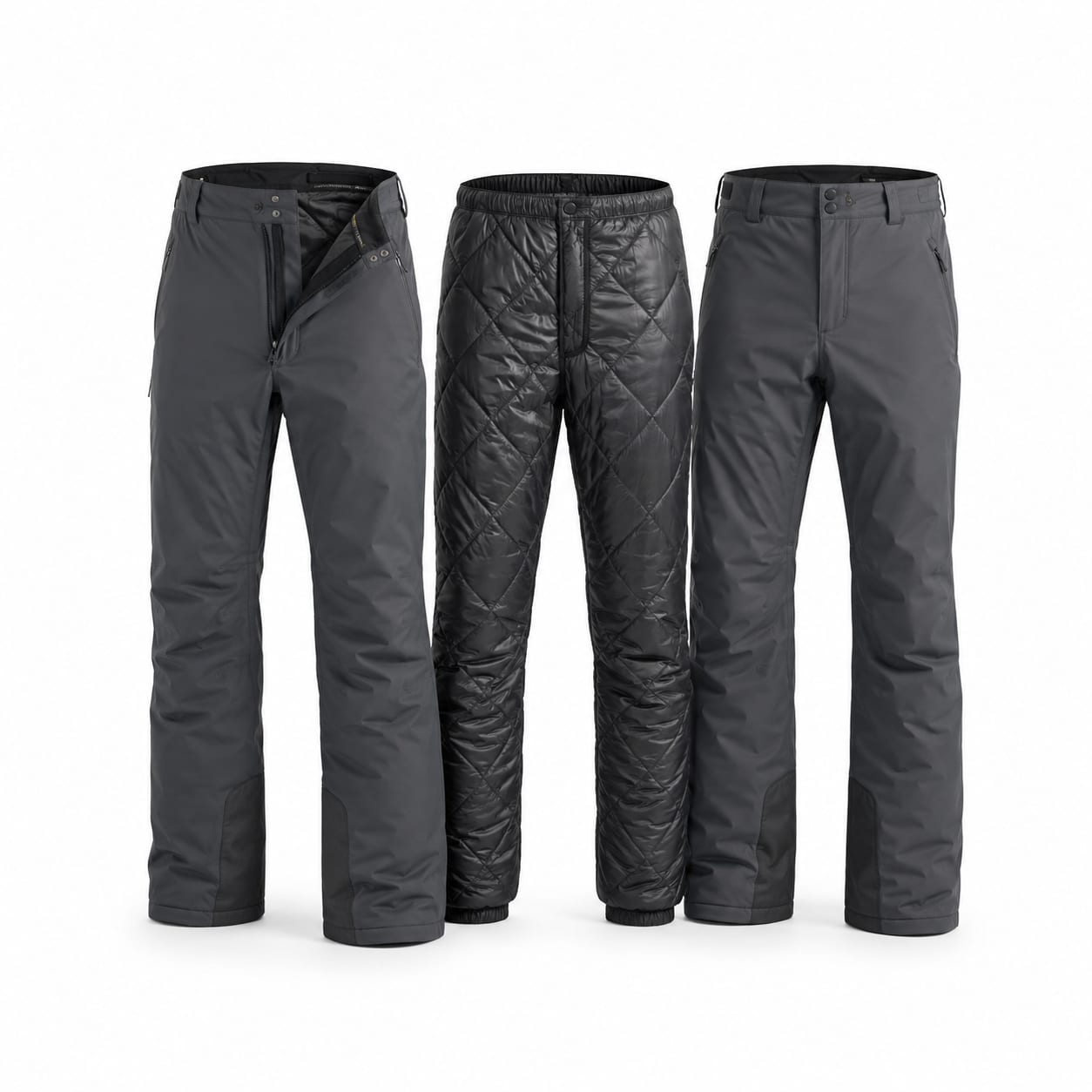
Versatile snow pants with a waterproof shell and removable insulated liner that can be worn together or separately for three distinct configurations.

3-in-1 snow pants deliver unmatched versatility by combining a waterproof outer shell with a zip-out insulated liner. Wear the shell alone on warm spring days, the liner alone for casual cold-weather comfort, or both together for maximum warmth in frigid conditions. Ideal for riders who face variable temperatures, travel to different resorts, or want one pant system that handles the entire season without buying multiple pairs.

$100 – $350mid tierbeginnerintermediate

Best known for

Three-wear versatility in a single garmentRemovable insulated liner for temperature adaptabilityExcellent value compared to buying separate shell and insulated pantsAll-season readiness from deep winter to spring slush
3-in-1 Snow Pants

Guide

Detailed overview

3-in-1 snow pants are a modular outerwear system consisting of a waterproof outer shell and a removable insulated inner liner that connect via zippers, snaps, or loop attachments. This design allows riders to configure their pants for three distinct scenarios: shell-only for warm or high-output days, liner-only for apres-ski or casual cold weather, and the full combined system for maximum protection in bitter cold. The concept mirrors the popular 3-in-1 jacket category but applied to lower-body protection, where temperature regulation is equally critical. The shell component typically features a waterproof-breathable membrane with fully or critically taped seams, while the liner provides insulation ranging from lightweight fleece to synthetic fill. This modular approach eliminates the common dilemma of choosing between insulated pants for cold days and shell pants for warm days, making 3-in-1 pants particularly appealing for riders who experience wide temperature swings, travel to different climates, or simply want maximum value from a single purchase.

3-in-1 snow pants represent the most versatile approach to lower-body snow protection available today. By integrating a waterproof shell with a removable insulated liner, these pants solve one of the most frustrating problems in winter sports gear: the need for different pants for different conditions. On a deep January powder day at a Colorado resort, you wear both layers for maximum warmth and protection. When spring arrives and the sun softens the snow, you shed the liner and ride in the shell alone. And when the mountain closes but the cold lingers, the liner serves as a comfortable standalone pant for apres-ski activities or running errands in winter weather.

The engineering challenge of 3-in-1 pants lies in making the interface between shell and liner seamless and non-bulky. Quality models use full-length side zippers that allow the liner to attach securely without creating pressure points or restricting movement. The best designs ensure that when both layers are worn together, the combination feels like a single unified garment rather than two separate pants awkwardly layered. This requires careful pattern matching between shell and liner, strategic placement of connection points, and thoughtful consideration of how the layers interact during dynamic movement.

Compared to dedicated insulated pants, 3-in-1 systems do carry a slight weight and bulk penalty due to the dual-layer construction and connecting hardware. However, this trade-off is minimal in modern designs and is far outweighed by the versatility benefit for most riders. The shell component of a 3-in-1 system is typically comparable in performance to a standalone shell pant, featuring the same waterproof membranes, seam sealing, and ventilation features. The liner, while not as technically refined as a dedicated mid-layer pant, provides more than adequate insulation for on-mountain use.

3-in-1 pants are particularly well-suited for families, destination skiers, and riders who experience dramatic temperature shifts throughout a single day. They are also an excellent choice for beginners who may not yet know their temperature preferences and want the flexibility to adapt as they develop their riding style. The value proposition is compelling: instead of purchasing a shell pant for warm days and an insulated pant for cold days, a single 3-in-1 system covers the full spectrum at a price point typically lower than buying both separately.

The main considerations when evaluating 3-in-1 pants are the quality of the shell-liner interface, the performance level of each individual component, and the overall fit when layers are combined. Some budget models cut corners on the shell waterproofing or liner insulation quality, so it is important to assess each component on its own merits. The best 3-in-1 pants feature shells with 10,000mm+ waterproof ratings, fully taped seams, and effective ventilation, paired with liners that provide genuine warmth without excessive bulk.

Quick facts

Primary purpose
Provide maximum versatility through a modular design that adapts to varying weather conditions across the season
Popular brands
The North FaceColumbiaHelly HansenColumbiaMarmot
Typical terrain
resort skiingvarying seasonal conditionstravel skiing

What makes it different

Modular liner system allows wearing shell, liner, or both; unique versatility among snow pant types

Recommended ranges

How this type usually specs out

Each spec is explained in plain language, then we show what buyers usually look for on this type.

Insulation Type

Insulation Type

What it means

The type of insulation used in the pants, determining warmth, packability, and moisture management.

Typical for this type

Synthetic Insulation Or Fleece Lined Liner

In practice

3-in-1 pants feature a removable liner that is most commonly synthetic insulated (40-60g) or fleece-lined. The shell component has no insulation, functioning as a standalone shell when worn alone. Synthetic insulation in the liner is preferred because it retains warmth if the liner gets damp from sweat or snow, which is important since the liner may be worn separately in casual settings.

Compared to other types

Unlike dedicated insulated pants which use a single fixed insulation type, 3-in-1 pants offer the flexibility of shell (no insulation) when worn alone, plus the liner's insulation when combined. This effectively gives you two insulation types in one system, though the liner insulation is typically lighter than dedicated insulated pants.

Why it matters: The insulation type in the liner determines the warmth range of the system. Synthetic insulation provides the best balance of warmth, moisture resistance, and ease of care for a removable liner that will be worn in multiple configurations.

Waterproof Rating

Waterproof Rating

What it means

The water column rating (mm) indicating how much water pressure the fabric can withstand before leaking. Higher numbers mean better waterproofing.

Typical for this type

10000-20000 mm

Most common pick: 10000 mm

In practice

The shell component of 3-in-1 pants typically features 10,000-20,000mm waterproof rating. This range handles most resort conditions effectively. The liner component is not waterproof and relies on the shell for moisture protection when worn together.

Compared to other types

3-in-1 pants typically match the waterproof rating of mid-range shell pants but may fall short of premium dedicated shells that reach 20,000-30,000mm. The trade-off is that you get insulation versatility instead of maximum waterproofing.

Why it matters: Since the shell is your only waterproof barrier in this system, its rating is critical. When wearing the liner alone, you have no waterproof protection, so the shell's performance must be reliable for all on-mountain conditions.

Breathability Rating

Breathability Rating

What it means

The moisture vapor transmission rate (g/m²/24hr) measuring how much sweat vapor can escape through the fabric. Higher numbers mean better breathability.

Typical for this type

8000-15000 g/m²/24hr

Most common pick: 8000 g/m²/24hr

In practice

Breathability in 3-in-1 pants is moderate because the dual-layer system creates more resistance to moisture vapor transmission. The shell alone may breathe well, but when combined with the liner, overall breathability decreases. Typical ratings range from 8,000-15,000 g/m²/24hr for the shell component.

Compared to other types

3-in-1 pants generally have lower effective breathability than standalone shell pants when both layers are worn, due to the double-layer barrier. However, the ability to remove the liner and wear the shell alone provides breathability flexibility that fixed-insulation pants cannot match.

Why it matters: The dual-layer construction can trap moisture between shell and liner, making breathability and ventilation features especially important. Riders who run hot should prioritize higher breathability ratings and effective venting.

Fit Type

Fit Type

What it means

The overall cut and silhouette of the pants, affecting style, mobility, layering capacity, and snow protection.

Typical for this type

Regular Or Relaxed

In practice

3-in-1 pants are most commonly regular fit to accommodate the liner layer without excessive bulk. The shell must be cut slightly roomier than a standalone shell to fit over the liner comfortably, while the liner itself is typically trimmer to avoid bunching.

Compared to other types

3-in-1 pants tend to fit slightly roomier than dedicated shell pants to accommodate the liner, but less baggy than freestyle-oriented insulated pants. The fit must work as a system rather than being optimized for a single configuration.

Why it matters: Fit is crucial in 3-in-1 pants because the garment must work in three configurations. Too slim and the liner won't fit smoothly under the shell; too baggy and the shell feels oversized when worn alone. Regular fit provides the best balance across all three wear modes.

Style Type

Style Type

What it means

Whether the pants are standard waist-height or bib-style with shoulder straps and extended coverage.

Typical for this type

Pants Or Convertible

In practice

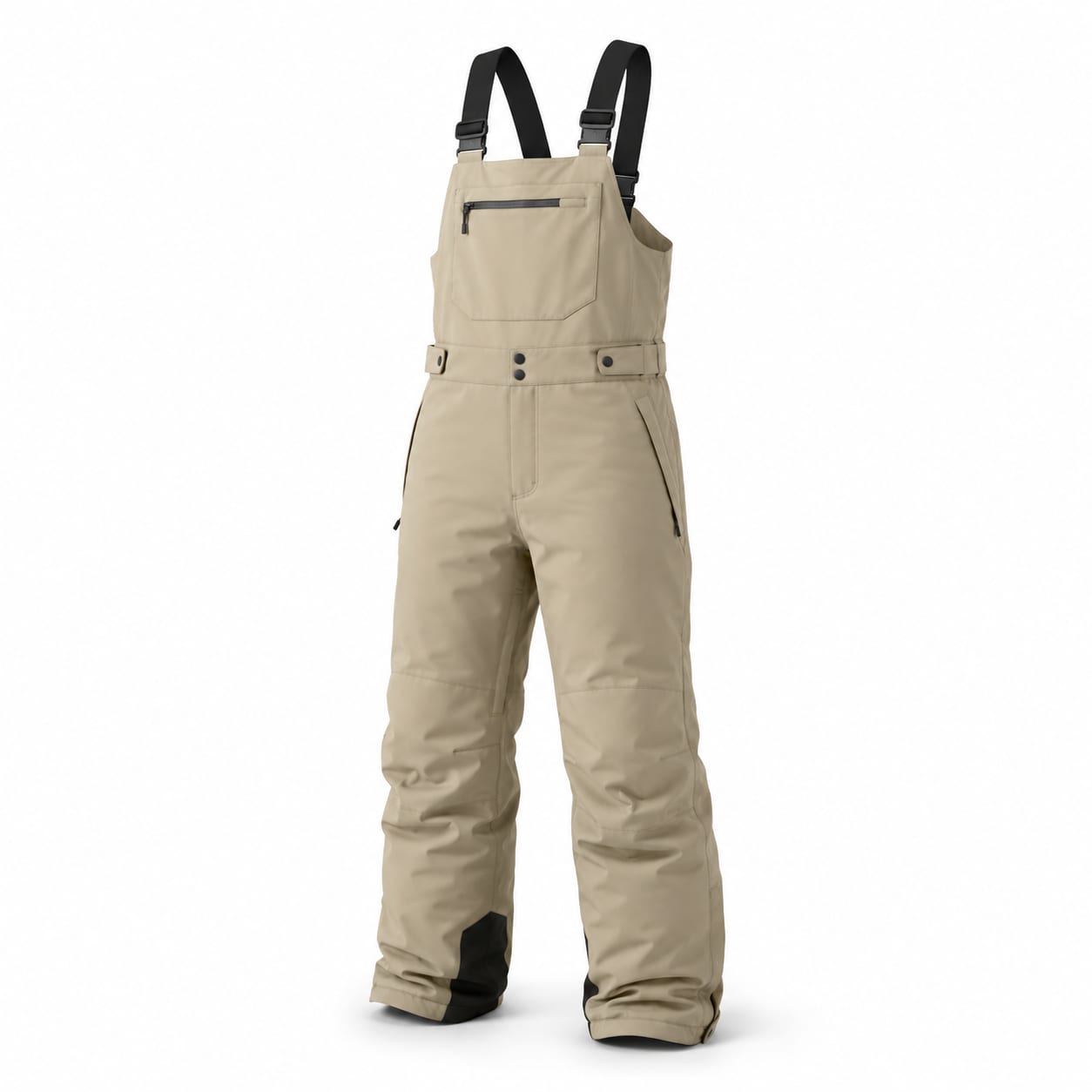
Most 3-in-1 snow pants are standard waist-height pants. The dual-layer system adds enough complexity without incorporating bib construction. Some models include removable suspenders for added security, effectively creating a convertible style option.

Compared to other types

3-in-1 pants are less commonly available in bib styles compared to dedicated insulated or shell pants, as the bib adds significant complexity to the modular design. Riders who need bib-style snow protection may need to choose a dedicated bib instead.

Why it matters: Standard pants style keeps the 3-in-1 system manageable in terms of weight, complexity, and ease of use. Adding bib construction to an already modular system would increase cost and reduce the convenience of liner removal.

Insulation Weight

Insulation Weight

What it means

The amount of insulation in grams, directly correlating to warmth level. Higher grams mean more warmth but more bulk.

Typical for this type

30-60 g (liner only)

Most common pick: 40 g

In practice

The removable liner in 3-in-1 pants typically contains 30-60g of synthetic insulation. This provides moderate warmth when worn alone and substantial warmth when combined with base layers under the shell. The total system warmth is comparable to 60-80g fixed-insulation pants when accounting for the air gap between layers.

Compared to other types

3-in-1 liner insulation is typically lighter than dedicated insulated pants (which often use 60-80g) because the system relies on the air gap between shell and liner for additional warmth. This makes the liner more comfortable for standalone wear but means the combined system may not match the warmest dedicated insulated pants.

Why it matters: The liner insulation weight determines the warmest configuration of the system. Too little insulation and the combined system won't handle extreme cold; too much and the liner becomes bulky and uncomfortable when worn alone.

Ventilation System

Ventilation System

What it means

The type and placement of zippered vents that allow rapid temperature regulation during high-output activities.

Typical for this type

Inner Thigh Or Mesh Lined Vents

In practice

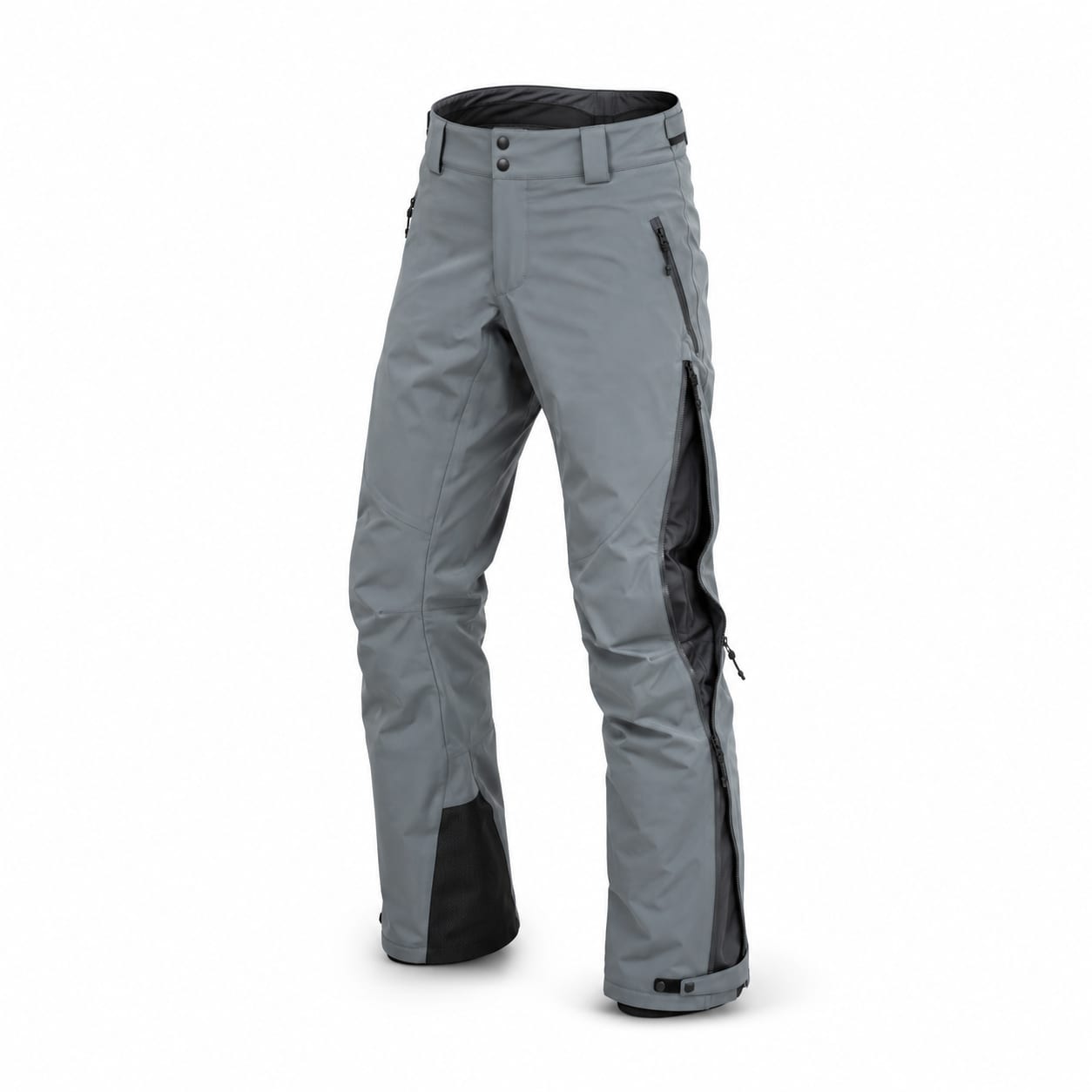
Inner thigh vents are the most common ventilation system on 3-in-1 pants. The vents are located on the shell layer and function normally when the shell is worn alone. When the liner is attached, the vents still work but may require routing through the liner's vent openings on well-designed models.

Compared to other types

3-in-1 pants may have less effective ventilation than standalone shell pants when both layers are worn, as the liner can block airflow through the shell vents. The best designs include coordinated vent openings in both shell and liner.

Why it matters: Ventilation is especially important in 3-in-1 pants because the dual-layer system can trap heat and moisture. Effective vents allow you to dump heat quickly without removing the liner, which is more convenient than fully detaching layers on the mountain.

Seam Sealing

Seam Sealing

What it means

The method and extent of seam sealing, which is critical for preventing water entry at stitched seams.

Typical for this type

Critically Taped to Fully Taped

In practice

3-in-1 pants typically feature critically taped seams on mid-range models and fully taped seams on premium options. The seam sealing applies only to the shell component; the liner does not require waterproof seam sealing.

Compared to other types

3-in-1 pants at a given price point may have less comprehensive seam sealing than dedicated shell pants because the liner component adds cost that must be absorbed somewhere. Premium 3-in-1 models match the fully taped construction of comparable standalone shells.

Why it matters: Since the shell is your only waterproof barrier, seam sealing quality directly impacts the system's weather protection. Critically taped seams are adequate for most resort conditions, but fully taped seams provide better long-term waterproofing assurance.

Snow Gaiters

Snow Gaiters

What it means

Built-in elastic or adjustable cuffs at the pant leg bottom that seal around boots to prevent snow entry.

Typical for this type

Adjustable Gaiter Or Elastic Gaiter

In practice

3-in-1 pants typically include adjustable gaiters with snap or hook closures on the shell component. The liner may have a simpler elastic cuff or no gaiter at all, since it relies on the shell for snow protection when worn together.

Compared to other types

3-in-1 pants generally match the gaiter quality of comparable standalone shell pants. The liner's lack of gaiters is not a drawback since it is designed to be worn under the shell on the mountain.

Why it matters: The gaiter on the shell must accommodate varying boot sizes and provide a reliable snow seal. Adjustable gaiters offer better long-term performance and can be tightened or loosened depending on boot bulk.

Reinforcement Panels

Reinforcement Panels

What it means

Extra-durable fabric panels at high-wear areas like cuffs, hems, and inner legs to prevent damage from edges, boots, and abrasion.

Typical for this type

Cuff Reinforcement to Scuff Guard

In practice

The shell component of 3-in-1 pants typically includes cuff reinforcement to protect against edge cuts and boot abrasion. Some premium models extend this to a full scuff guard up the inner leg. The liner does not require reinforcement since it is protected by the shell.

Compared to other types

3-in-1 pants typically offer similar reinforcement to mid-range dedicated pants. The dual-layer construction actually provides extra durability at the cuff since both layers overlap in this high-wear zone.

Why it matters: Reinforcement on the shell is important for durability since this is the layer exposed to ski/board edges and boot friction. The liner's lack of reinforcement is acceptable because it is shielded by the shell during on-mountain use.

Waist Adjustment

Waist Adjustment

What it means

The mechanism for adjusting waist fit without a belt, ensuring secure fit and snow seal at the waist.

Typical for this type

Velcro Side Tabs Or Buckle Side Tabs

In practice

3-in-1 pants commonly use Velcro side tabs for waist adjustment, allowing riders to fine-tune the fit whether wearing the shell alone, liner alone, or both together. Buckle side tabs are found on premium models and offer more durable adjustment.

Compared to other types

3-in-1 pants benefit even more from waist adjustment than single-layer pants because of the varying bulk between configurations. The adjustment range needs to be wider to accommodate the liner layer.

Why it matters: Waist adjustment is particularly important in 3-in-1 pants because the fit must work across three configurations with different bulk levels. Side tabs allow you to tighten the shell when worn alone and loosen it when the liner is attached.

Pocket Configuration

Pocket Configuration

What it means

The number, type, and placement of pockets for storing essentials like pass, phone, snacks, and tools.

Typical for this type

Hand Warmer And Pass Pocket Minimum

Most common pick: Hand Warmer, Pass Pocket, Cargo Pockets

In practice

3-in-1 pants typically feature hand warmer pockets on the shell, an RFID pass pocket on the lower leg, and often cargo pockets on the thighs. The liner may have simpler pocketing, typically just hand pockets, since it is often worn as a casual standalone garment.

Compared to other types

3-in-1 pants may have slightly fewer pockets on the shell than dedicated shell pants because some pocket space is allocated to the liner. However, the combined system often provides more total storage than single-layer pants.

Why it matters: Pocket configuration in 3-in-1 pants must serve dual purposes: on-mountain functionality when wearing the shell and casual convenience when wearing the liner alone. Both layers should have at least hand pockets for their respective use cases.

Shell Material

Shell Material

What it means

The primary outer fabric type, affecting durability, weight, stretch, noise, and overall feel.

Typical for this type

Nylon Or Gore Tex

In practice

The shell component of 3-in-1 pants is most commonly made from nylon with a waterproof-breathable membrane or coating. Premium models may use Gore-Tex laminates for superior performance. The liner is typically a soft polyester or nylon with insulation sandwiched between an outer and inner fabric layer.

Compared to other types

3-in-1 pants at a given price point may use slightly lower-spec shell materials than dedicated shell pants because the liner adds cost. However, the shell performance is still adequate for most riders' needs.

Why it matters: The shell material determines the system's weather protection and durability. Since the shell is the only waterproof barrier, its material quality is critical. Nylon provides the best balance of durability and weight for most 3-in-1 applications.

Articulation

Articulation

What it means

Pre-shaped or articulated knees and hips designed to match the natural riding position, reducing fabric bunching and improving mobility.

Typical for this type

Articulated Knees to Fully Articulated

In practice

3-in-1 pants typically feature articulated knees on the shell component to maintain mobility when the liner is attached. The liner may have simpler construction since it is a less structured garment. Premium models may offer fully articulated construction on both layers.

Compared to other types

3-in-1 pants may have slightly less effective articulation than dedicated pants because the two layers must work together without bunching or binding. Well-designed models coordinate the articulation between shell and liner for smooth movement.

Why it matters: Articulation is important in 3-in-1 pants because the dual-layer system can restrict movement more than a single layer. Pre-shaped knees on the shell help compensate for the added bulk of the liner and maintain freedom of movement.

DWR Coating

DWR Coating

What it means

Durable Water Repellent treatment on the outer fabric that causes water to bead up and roll off rather than soaking into the face fabric.

Typical for this type

True (Essential)

In practice

3-in-1 pants feature DWR coating on the shell component to cause water to bead and roll off the outer fabric. This is essential for maintaining breathability and preventing the shell from wetting out. The liner does not require DWR treatment.

Compared to other types

3-in-1 pants have the same DWR requirements as standalone shell pants. Regular reapplication is important, and the dual-layer system makes shell wet-out more consequential since the liner provides no moisture backup.

Why it matters: DWR coating on the shell is critical because if the outer fabric wets out, breathability is compromised and moisture can reach the liner. Since the liner is not waterproof, a compromised shell directly impacts comfort and warmth.

Inseam Length

Inseam Length

What it means

The measurement from the crotch seam to the bottom of the pant leg, determining proper length and coverage.

Typical for this type

30-34 inches

Most common pick: 32 inches

In practice

3-in-1 pants are available in similar inseam lengths to other snow pants, typically 30-34 inches in regular sizes. The shell and liner share the same inseam length and are designed to be matched. Some brands offer short and long options.

Compared to other types

3-in-1 pants have the same inseam considerations as other snow pants, with the added requirement that the shell and liner lengths must be compatible. This is generally not an issue in properly designed systems but can be a problem with mismatched aftermarket layering.

Why it matters: Proper inseam length is important in 3-in-1 pants because the shell and liner must align properly at the cuff. If the liner is significantly shorter than the shell, it can ride up and create cold spots at the ankle.

Evaluation

Strengths and trade-offs

Pros

What this type does best

Three-Configuration Versatility

Critical

Wear the shell alone for warm days, the liner alone for casual cold weather, or both together for maximum warmth. One pant system handles the entire season's conditions without needing multiple pairs.

Excellent Value Proposition

High

A 3-in-1 system typically costs less than buying a separate shell pant and insulated pant, while providing the functionality of both. This makes it one of the best value options in snow pants.

Temperature Adaptability On The Fly

High

The ability to add or remove the liner allows you to adapt to changing conditions throughout the day without returning to the lodge or vehicle. Morning cold snaps and afternoon warm-ups are easily managed.

Travel-Friendly Simplicity

High

For destination skiers and snowboarders, 3-in-1 pants eliminate the need to pack multiple pant options. One garment covers all expected conditions, saving luggage space and weight.

Liner Serves As Casual Wear

Medium

The removable liner functions as a comfortable standalone pant for apres-ski activities, lodge lounging, or running errands in cold weather. This extends the garment's usefulness beyond the mountain.

Beginner-Friendly Flexibility

Medium

New riders who haven't yet determined their temperature preferences benefit from the ability to experiment with different configurations. The system adapts as beginners learn whether they run hot or cold.

Coordinated Layer Performance

Medium

Unlike mixing separate shell and mid-layer pants from different brands, 3-in-1 systems are designed to work together. The fit, vent alignment, and attachment points are engineered as a unified system.

Cons

Trade-offs to be aware of

Added Bulk and Weight

Moderate

The dual-layer construction with attachment hardware makes 3-in-1 pants heavier and bulkier than single-layer alternatives. When both layers are worn, the combined system can feel cumbersome compared to a dedicated insulated pant.

Reduced Breathability When Combined

Moderate

Wearing both layers creates a double-barrier to moisture vapor transmission, reducing effective breathability compared to a single well-ventilated layer. This can lead to moisture buildup between layers during high-output activities.

Liner Attachment Complexity

Minor

Connecting and disconnecting the liner requires dealing with zippers, snaps, or loops that can be fiddly, especially with cold hands or gloves. The attachment system adds potential failure points over time.

Limited Shell-Only Performance

Moderate

The shell component of 3-in-1 pants is often slightly heavier and less refined than a dedicated shell pant because it must accommodate the liner attachment system. It may not match the performance of a purpose-built shell for backcountry use.

Fit Compromises Across Configurations

Minor

The shell must be cut to fit over the liner, which means it may feel slightly loose when worn alone. Conversely, the liner must fit smoothly under the shell, which may make it feel restrictive when worn alone. No single configuration is perfectly optimized.

Fewer Style and Bib Options

Minor

The 3-in-1 category has fewer model options than dedicated shell or insulated pants, limiting choices in fit, style, color, and features. Bib-style 3-in-1 pants are particularly rare.

Best for

Terrain

All-mountain resortGroomed runsMixed conditionsVariable weather resorts

Snow conditions

Variable temperaturesCold mornings warming to mild afternoonsMixed snow and weatherFull winter season

Skill level

BeginnerIntermediateAdvanced (resort-focused)

Riding style

All-mountainCasual resort ridingFamily skiingDestination travel

Rider profile

Traveling skiers and snowboarders who visit different climatesRiders who experience wide temperature swings at their home mountainBudget-conscious buyers wanting maximum versatility per dollarBeginners still learning their temperature preferencesFamilies who share gear or need adaptable optionsCasual riders who want one pant for the entire season

Not ideal for

Reasons

The added weight and bulk are counterproductive for uphill travel and touringBreathability limitations during high-output activities lead to moisture management issuesCompetitive riders need purpose-built gear optimized for their specific disciplineFreestyle riders may find the dual-layer system too restrictive for dynamic movementRiders in consistently cold or consistently warm climates don't need the modular versatility

Terrain

Backcountry touringSteep technical mountaineering

Skill level

Expert backcountry ridersProfessional riders with specific performance needs

Riding style

High-output backcountry touringCompetitive racingPark and pipe (excess bulk restricts movement)

Compare

How it stacks up

This page

3-in-1 Snow Pants

3-in-1 pants include built-in insulation for cold days, eliminating the need to purchase and manage separate mid-layers. The all-in-one system is more convenient and often more affordable than buying a shell plus separate insulated layers.

Alternative

Shell Snow Pants

Dedicated shell pants are lighter, more breathable, and offer better performance for high-output activities like backcountry touring. They provide more precise layering control and are available in a wider range of styles and technical specifications.

Bottom line

Choose 3-in-1 pants if you ride primarily at resorts and value convenience and versatility. Choose shell pants if you tour, ride aggressively, or prefer building a custom layering system with separate mid-layers.

This page

3-in-1 Snow Pants

3-in-1 pants offer far more temperature versatility than fixed-insulation pants. You can remove the liner for warm days, while insulated pants leave you overheating with no way to reduce warmth beyond opening vents.

Alternative

Insulated Snow Pants

Dedicated insulated pants are typically lighter and less bulky than a 3-in-1 system worn in combined mode. They offer a cleaner fit and may provide better mobility since they are designed as a single optimized garment rather than a modular system.

Bottom line

Choose 3-in-1 pants if you ride in variable conditions or travel to different resorts. Choose insulated pants if you consistently ride in cold conditions and prefer the streamlined feel and lighter weight of a single-layer garment.

This page

3-in-1 Snow Pants

3-in-1 pants provide significantly more warmth in the combined configuration and offer the flexibility to remove the liner entirely. Fleece-lined pants have fixed warmth that cannot be adjusted, and they provide less insulation than a 3-in-1 system with a synthetic-lined liner.

Alternative

Fleece-Lined Snow Pants

Fleece-lined pants are simpler, lighter, and often less expensive than 3-in-1 systems. They have a softer, more comfortable feel against the skin and fewer potential failure points since there are no removable components or attachment hardware.

Bottom line

Choose 3-in-1 pants if you need maximum warmth versatility and ride in conditions ranging from cold to mild. Choose fleece-lined pants for casual resort riding in moderate conditions where simplicity and comfort are priorities.

This page

3-in-1 Snow Pants

3-in-1 pants are easier to put on and take off, especially for bathroom breaks, and offer the liner-removal feature that bibs typically lack. They are also less expensive and available in more style options than 3-in-1 bibs, which are rare.

Alternative

Bib Snow Pants

Bib pants provide superior snow protection at the waist and core warmth from the chest coverage. They keep snow out during falls in deep powder and eliminate the gap between pants and jacket that standard waist-height pants cannot seal.

Bottom line

Choose 3-in-1 pants if you prioritize temperature versatility and convenience. Choose bibs if you regularly ride deep powder, fall often, or prioritize maximum snow protection over modular warmth.

Shopping

Buying tips

  • 1

    Test the fit in all three configurations before purchasing. The shell should feel comfortable alone and not excessively loose, while the liner should fit smoothly without bunching under the shell.

  • 2

    Check that the shell vents align with openings in the liner. The best 3-in-1 designs coordinate vent placement between layers so airflow is not blocked when both are worn together.

  • 3

    Examine the liner attachment system closely. Full-length zippers provide the most secure connection but add weight. Snap or loop systems are lighter but may allow the liner to shift during active riding.

  • 4

    Consider the liner's standalone usefulness. A liner with pockets and a presentable appearance doubles as a casual winter pant, adding value. Flimsy liners that only function as an under-layer limit the system's versatility.

  • 5

    Don't assume the shell matches standalone shell pant performance. Some 3-in-1 systems use lower-spec membranes to keep the combined price competitive. Check the waterproof and breathability ratings of the shell specifically.

  • 6

    Size up if you are between sizes, especially if you plan to wear substantial base layers under the liner. The combined system needs more room than you might expect, and a too-tight fit restricts movement and compresses insulation.

  • 7

    Look for models where the liner attaches at the waist only rather than with full-length zippers. Waist-only attachment reduces bulk in the legs while still keeping the liner from sliding down, and it allows more natural movement.

Care

Maintenance notes

  • Wash the shell and liner separately according to their specific care instructions. The shell typically requires technical wash and DWR reactivation, while the liner may tolerate standard detergent.
  • Reapply DWR coating to the shell when water stops beading on the surface. Use a technical wash-in treatment or spray-on DWR product designed for waterproof-breathable fabrics.
  • Never use fabric softener on either component, as it clogs the pores of waterproof-breathable membranes and reduces performance permanently.
  • Store the shell and liner separated during the off-season to prevent compression of the liner's insulation and allow any residual moisture to fully evaporate.
  • Inspect the attachment zippers and snaps before each season. Lubricate zippers with beeswax or specialized zipper lubricant to ensure smooth operation in cold conditions.
  • Repair any small tears or punctures in the shell promptly with specialized repair tape (like Tenacious Tape) to prevent moisture intrusion that could damage the liner.
  • Dry both components thoroughly after each use before storing. Trapped moisture between shell and liner can lead to mildew, especially if stored while damp.

Progression

Skill development path

3-in-1 snow pants are an excellent starting point for beginners who are still learning their temperature preferences on the mountain. The modular system allows new riders to experiment with different warmth levels without investing in multiple garments. As riders progress and develop consistent preferences, some transition to dedicated shell pants with custom layering systems for more precise temperature control, or to specialized insulated pants if they consistently ride in cold conditions. However, many intermediate and advanced resort riders continue to prefer 3-in-1 pants for their convenience and adaptability, particularly those who ride at mountains with variable conditions or who travel to different resorts. The key progression point is when a rider's needs become specialized enough that the compromises of a modular system outweigh the versatility benefits—such as taking up backcountry touring, where weight and breathability become critical, or competitive racing, where purpose-built gear provides measurable advantages.

FAQ

Common questions

Each question has a dedicated page with a full answer and links to the buying guide.

Can I wear the liner by itself as a regular winter pant?

Yes, most 3-in-1 liners are designed to function as standalone casual pants. They typically have a clean enough appearance for apres-ski activities, running errands, or casual winter wear. However, the liner is not waterproof or windproof, so it is best suited for dry, calm cold weather. Check that the liner has its own pockets if you plan to wear it alone frequently, as some budget models omit pockets on the liner.

How do I know which configuration to wear for different temperatures?

As a general guide: wear both layers together below 20°F (-7°C) with a base layer; wear both layers without a base layer from 20-30°F (-7 to -1°C); wear the shell alone with a mid-layer from 30-45°F (-1 to 7°C); and wear the shell alone over a light base layer above 45°F (7°C). These ranges vary based on your activity level and personal temperature preference. Start with more warmth and vent or remove the liner if you overheat—it is easier to cool down than to warm up on the mountain.

Are 3-in-1 pants too bulky for active riding?

Modern 3-in-1 pants are significantly less bulky than earlier generations, but they do carry more weight and bulk than single-layer alternatives. For resort riding, most people do not find the bulk problematic. If you are doing high-output activities like backcountry touring or aggressive freestyle riding, the added bulk and reduced breathability may be noticeable. Try the pants in the combined configuration and simulate your typical riding movements before purchasing.

What happens if the liner zipper breaks? Can I still use the pants?

If the liner attachment system fails, you can still wear both components separately—the shell functions as a standalone shell pant, and the liner works as a casual pant. You can also layer them together without the attachment system, though the liner may shift or bunch during active movement. This is one advantage of 3-in-1 pants over fixed-insulation pants: even if the connection system fails, you still have two functional garments rather than one broken one.