Kitvore.com

Kitvore.com

Specs that matter. Gear that fits.

Snow Pants · Subcategory

Shell Snow Pants

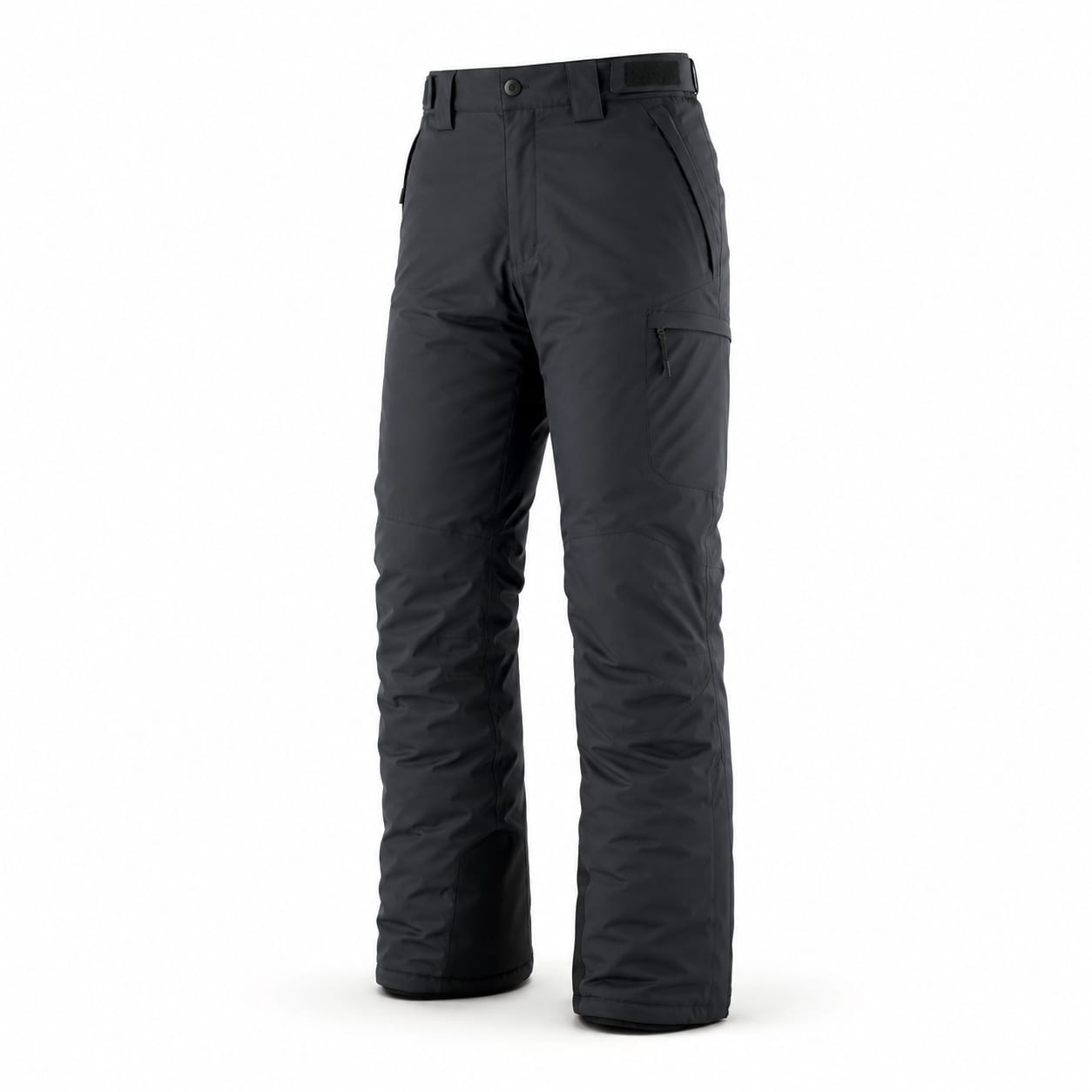
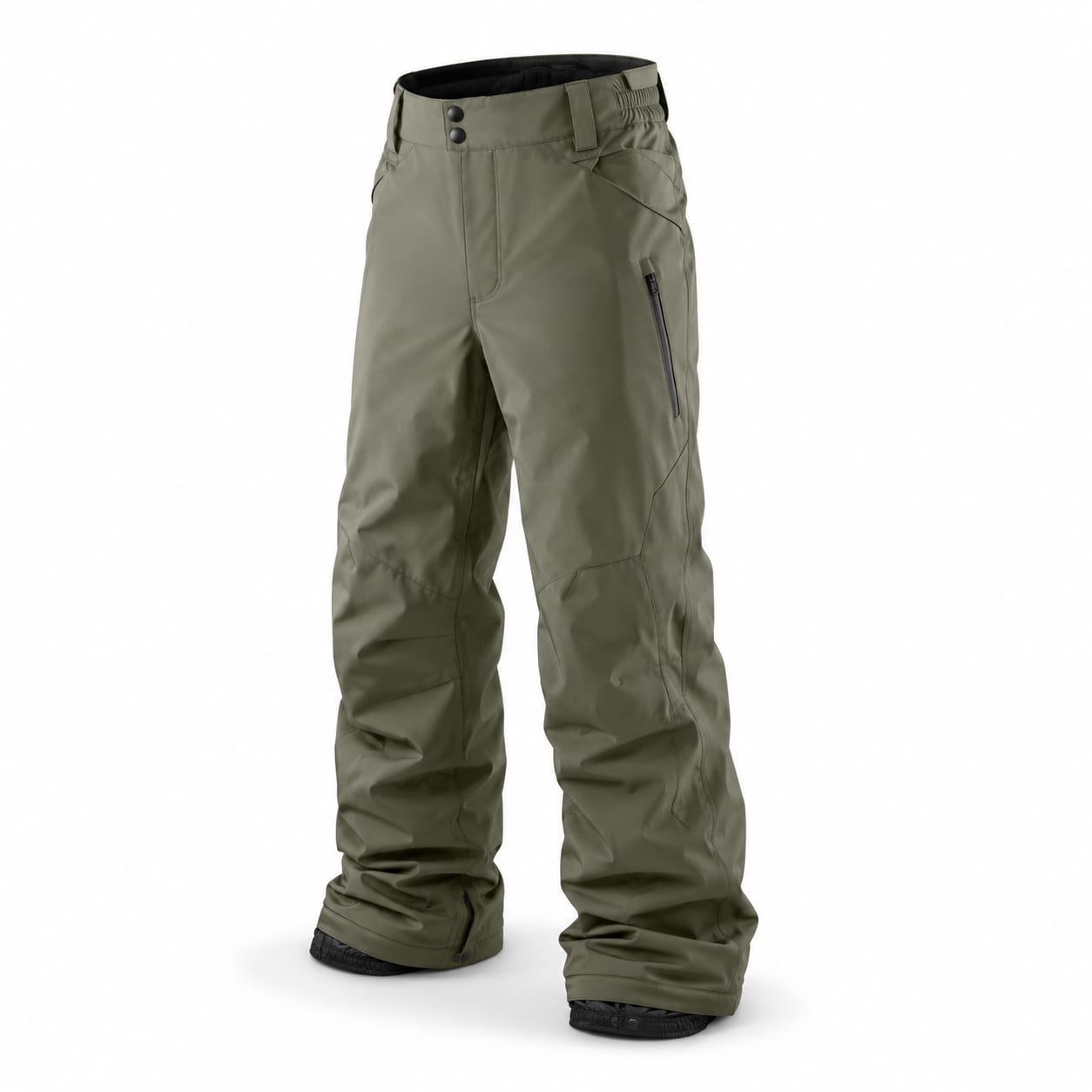
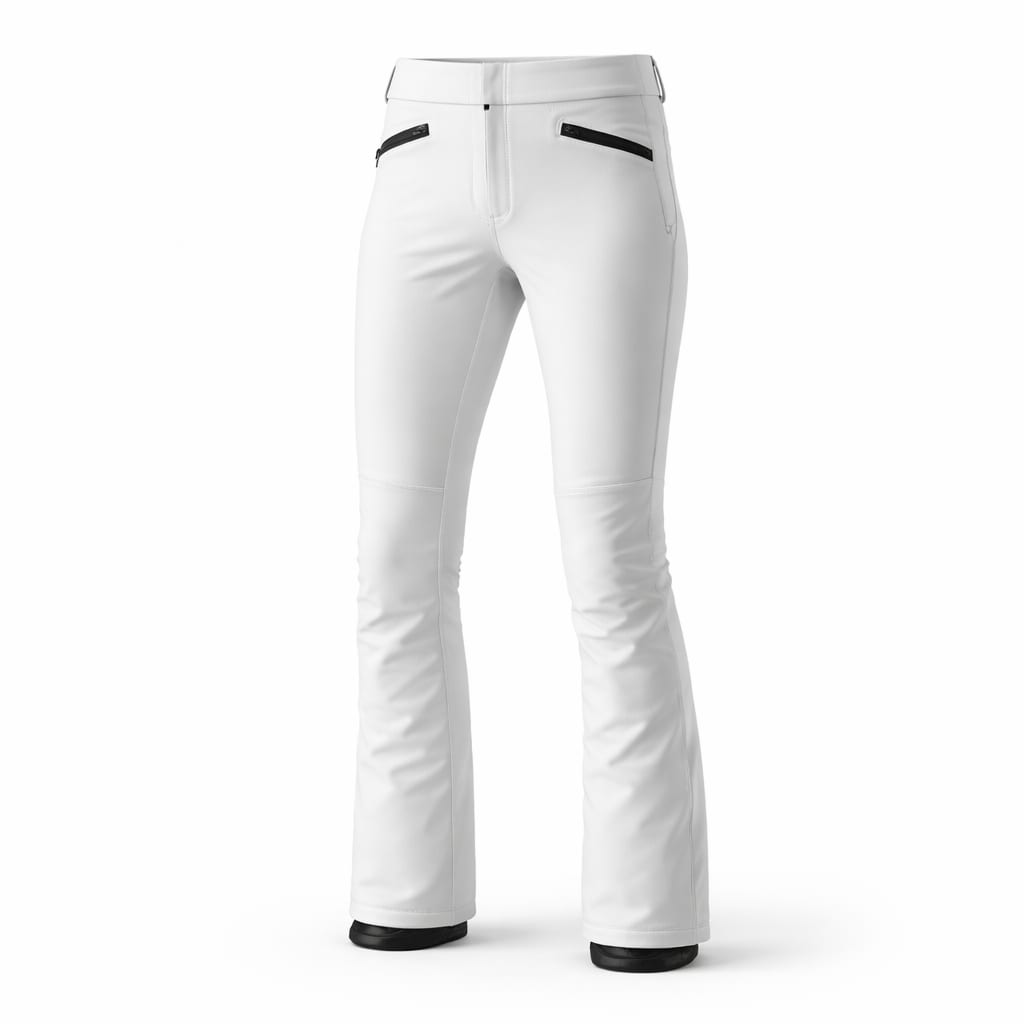
Uninsulated, highly versatile snow pants designed for maximum breathability and layering control.

Shell snow pants are the go-to choice for riders who value adaptability over built-in warmth. With no insulation, they rely on your layering system to manage temperature, making them ideal for backcountry touring, spring sessions, and anyone who runs hot. Their streamlined construction typically delivers superior breathability and lighter weight compared to insulated alternatives, while premium models offer top-tier waterproofing to keep you dry in the harshest conditions.

$100 – $600premium tierintermediateadvancedexpert

Best known for

Maximum layering versatilitySuperior breathability for high-output activitiesLightweight, low-bulk constructionBackcountry and touring performanceSpring skiing and warm-weather riding
Shell Snow Pants

Guide

Detailed overview

Shell snow pants are uninsulated outer layers built from waterproof-breathable fabrics, designed to be worn over base and mid-layers for customizable warmth. Unlike insulated or fleece-lined alternatives, shell pants contain no built-in thermal material, giving riders complete control over their temperature regulation through strategic layering. This makes them the preferred choice for backcountry touring, sidecountry exploration, and resort riders who naturally run hot or ride in variable conditions. The absence of insulation allows manufacturers to focus construction quality on weather protection, breathability, and durability, often resulting in premium seam sealing, high waterproof ratings, and robust ventilation systems. Shell pants also tend to be lighter and more packable than insulated options, making them ideal for travel and multi-day trips where weight and space matter.

Shell snow pants represent the most versatile approach to lower-body protection on the mountain. By removing insulation from the equation, these pants put temperature control entirely in the rider's hands through layering. A lightweight merino base layer paired with shell pants suffices for warm spring days, while adding a fleece mid-layer transforms the same pants into a deep-winter system. This adaptability is why shell pants are the overwhelming choice among backcountry guides, ski patrol professionals, and experienced touring riders who encounter dramatic temperature swings during a single outing.

The construction quality of shell pants often exceeds that of insulated alternatives at similar price points because manufacturers allocate budget toward premium membranes, seam sealing, and fabric technology rather than insulation material. This means you'll frequently find Gore-Tex laminates, fully taped seams, and high-denier nylon shells on mid-range shell pants—features typically reserved for premium insulated models. The trade-off is that you must invest in quality base and mid-layers to achieve comparable warmth, which can increase the total system cost.

Breathability is where shell pants truly shine. Without insulation trapping moisture against your body, sweat vapor escapes more efficiently through the membrane, keeping you drier during high-output activities like skinning up ridgelines or hiking to backcountry gates. When combined with well-designed inner thigh vents or full side zips, shell pants offer unmatched temperature regulation that insulated pants simply cannot match. This is critical for touring, where you generate significant heat on the ascent but need weather protection on the cold descent.

For resort riders, shell pants are an excellent choice if you frequently find yourself unzipping vents or removing layers mid-day. They're also ideal for riders who visit multiple destinations with varying climates—one shell pant system can handle everything from coastal Washington powder to Colorado bluebird days with the right layering adjustments. However, they require more knowledge and effort to layer correctly, and beginners may find insulated pants more forgiving out of the box.

Quick facts

Primary purpose
Provide waterproof protection with maximum breathability and layering versatility for variable conditions
Popular brands
Arc'teryxPatagoniaFlylowOutdoor ResearchMarmotBlack Crows
Typical terrain
variable resort conditionsspring skiingmixed weather days

What makes it different

No insulation allows complete layering control; typically more breathable than insulated options

Recommended ranges

How this type usually specs out

Each spec is explained in plain language, then we show what buyers usually look for on this type.

Insulation Type

Insulation Type

What it means

The type of insulation used in the pants, determining warmth, packability, and moisture management.

Typical for this type

Shell No Insulation (By Definition)

In practice

Shell snow pants have zero built-in insulation by design. All warmth comes from separate base and mid-layers worn underneath.

Compared to other types

Unlike synthetic-insulated (20-60g), down-insulated, or fleece-lined pants, shell pants provide no standalone warmth. They are the only option that allows precise, on-the-fly temperature control through layering adjustments.

Why it matters: This is the defining characteristic of the subcategory. No insulation means maximum versatility, superior breathability, and lighter weight, but requires a deliberate layering strategy to stay warm.

Waterproof Rating

Waterproof Rating

What it means

The water column rating (mm) indicating how much water pressure the fabric can withstand before leaking. Higher numbers mean better waterproofing.

Typical for this type

10000-20000 mm

Most common pick: 15000 mm

In practice

Shell pants typically feature higher waterproof ratings than insulated alternatives because weather protection is their primary function. 10,000mm handles most resort conditions, while 15,000-20,000mm is common for premium models aimed at backcountry use.

Compared to other types

Shell pants tend to have higher average waterproof ratings (15,000mm+) compared to fleece-lined or budget insulated pants (5,000-10,000mm), as they target more serious riders and demanding conditions.

Why it matters: Since shell pants provide no insulation benefit, their value hinges on weather protection. A higher waterproof rating ensures the pants justify their place in your kit by keeping you dry in sustained wet snow, deep powder, and coastal storm cycles.

Breathability Rating

Breathability Rating

What it means

The moisture vapor transmission rate (g/m²/24hr) measuring how much sweat vapor can escape through the fabric. Higher numbers mean better breathability.

Typical for this type

10000-25000 g/m²/24hr

Most common pick: 15000 g/m²/24hr

In practice

Shell pants consistently offer the highest breathability ratings because there is no insulation layer impeding moisture vapor transmission. 15,000-20,000 g/m² is typical for quality models, with premium Gore-Tex Pro shells reaching 25,000+ g/m².

Compared to other types

Shell pants significantly outperform insulated alternatives in breathability. Fleece-lined pants typically rate 5,000-8,000 g/m², while synthetic-insulated pants range 8,000-12,000 g/m². The gap is most noticeable during sustained aerobic output.

Why it matters: Superior breathability is one of the primary advantages of shell pants. Without insulation trapping moisture, sweat escapes more efficiently, keeping you dry during high-output activities like touring, hiking, and aggressive riding.

Fit Type

Fit Type

What it means

The overall cut and silhouette of the pants, affecting style, mobility, layering capacity, and snow protection.

Typical for this type

Regular to Relaxed

In practice

Regular fit is most common because it accommodates varying layering thicknesses without excess bulk. Relaxed fits are popular among snowboarders and riders who layer heavily. Slim fits are less common because they restrict layering—the primary purpose of shell pants.

Compared to other types

Shell pants benefit more from regular or relaxed fits than insulated pants because layering bulk varies. Insulated pants have a more predictable internal volume since warmth is built in.

Why it matters: Since shell pants rely on layering for warmth, the fit must accommodate base layers, mid-layers, and occasional thick fleece without restricting movement or compressing insulation. Too tight defeats the layering purpose; too baggy catches wind and reduces efficiency.

Style Type

Style Type

What it means

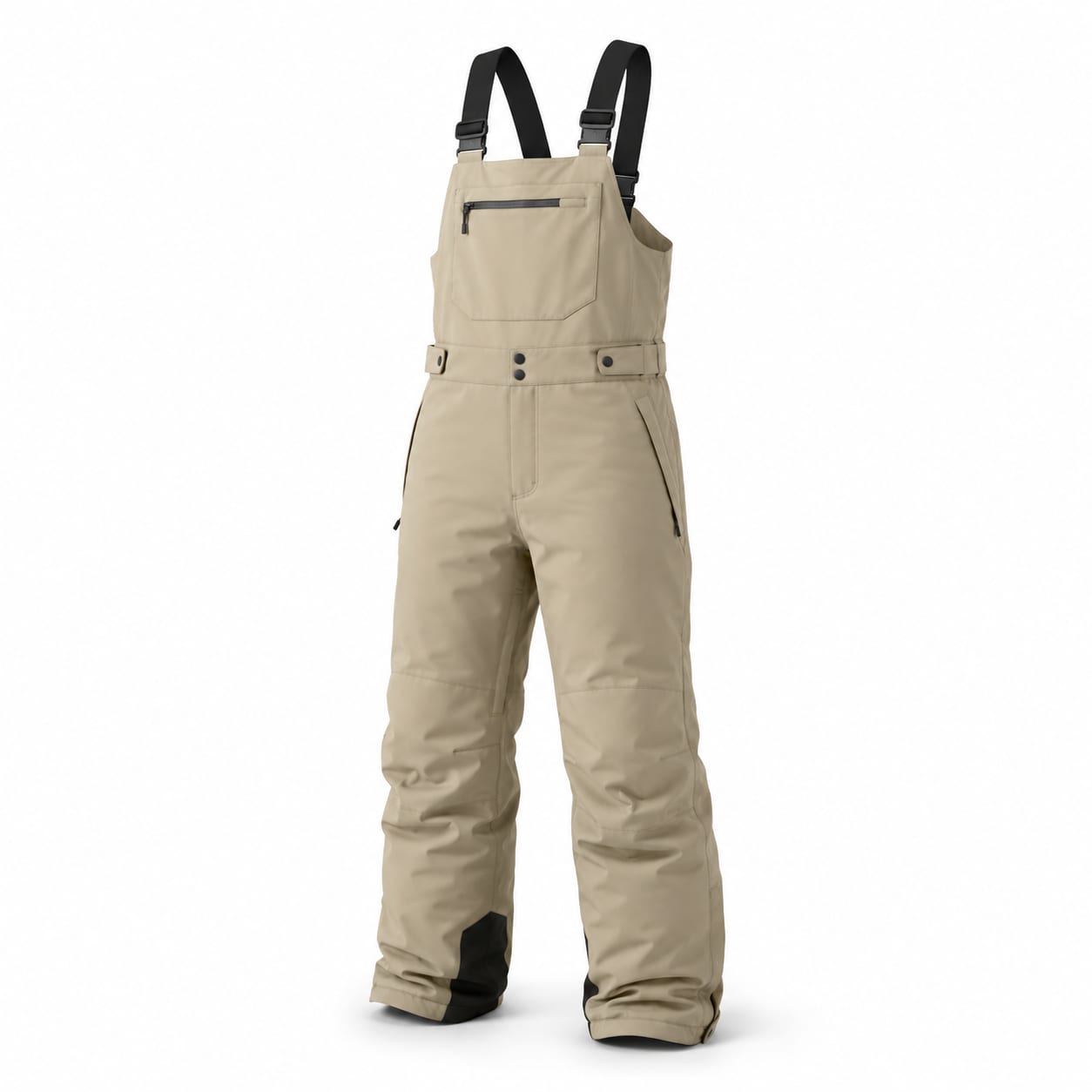
Whether the pants are standard waist-height or bib-style with shoulder straps and extended coverage.

Typical for this type

Pants Or Bib Depending On Use Case

In practice

Standard pants are most common, but bib-style shell pants are increasingly popular for backcountry and deep powder use. The bib style complements shell design by providing additional core coverage and snow seal without adding insulation.

Compared to other types

Shell bibs are especially popular compared to insulated bibs because the lack of bulk in the chest area makes them more comfortable for touring and high-movement activities.

Why it matters: Bib-style shell pants are particularly effective because the extended coverage replaces the need for a separate mid-layer on your torso, streamlining your layering system. Standard pants offer simplicity and easier bathroom access.

Insulation Weight

Insulation Weight

What it means

The amount of insulation in grams, directly correlating to warmth level. Higher grams mean more warmth but more bulk.

Typical for this type

0 g (by definition)

In practice

Shell pants have zero grams of insulation. All thermal regulation comes from layering underneath the waterproof-breathable shell.

Compared to other types

Insulated pants range from 20g (light synthetic) to 80g+ (heavy insulation). Shell pants at 0g offer the lightest pant weight but require separate layers that add to total system weight.

Why it matters: Zero insulation weight means shell pants are lighter, more packable, and more breathable than any insulated alternative. However, you must factor in the weight and bulk of your layering system when comparing total carried weight.

Ventilation System

Ventilation System

What it means

The type and placement of zippered vents that allow rapid temperature regulation during high-output activities.

Typical for this type

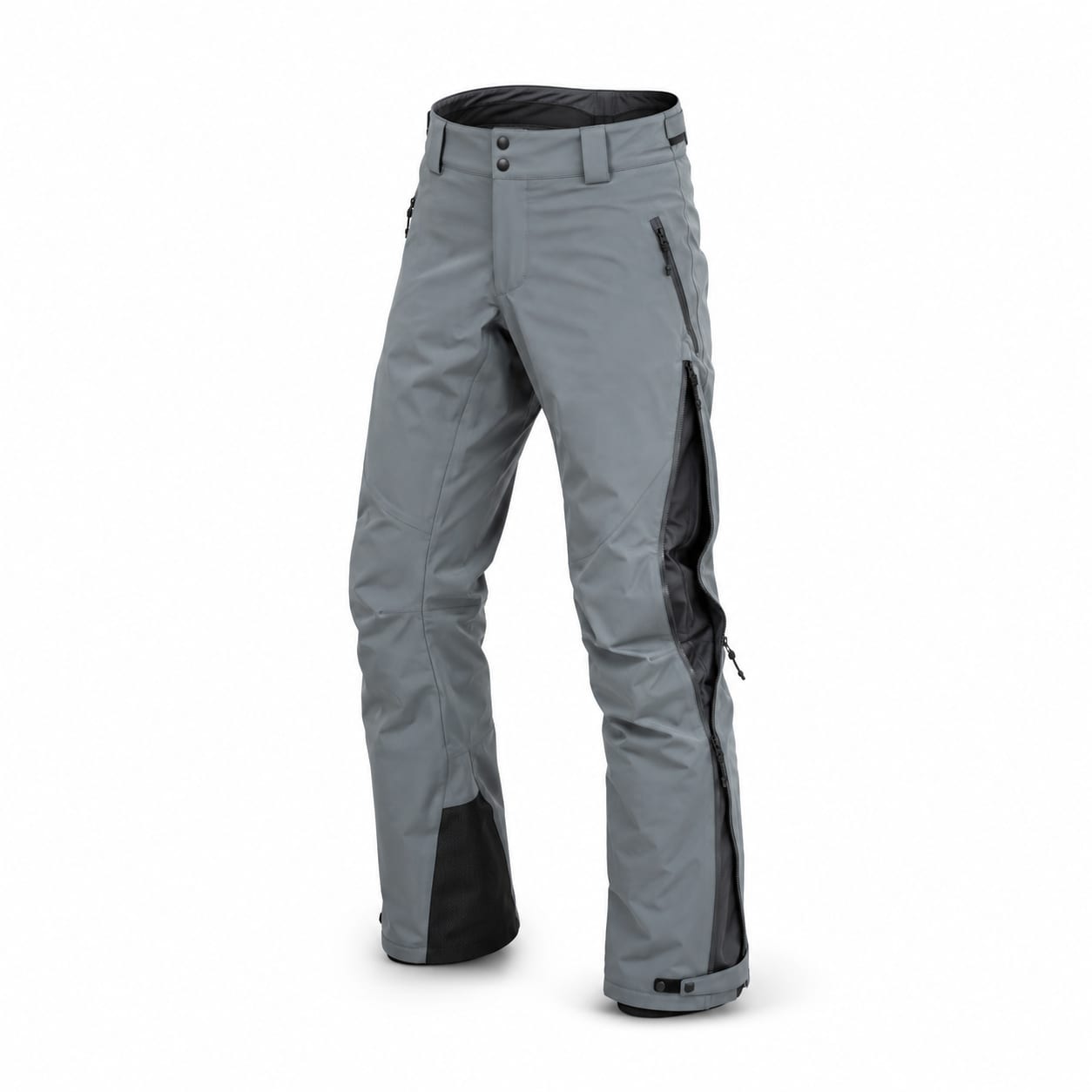
Inner Thigh With Mesh Lining, Or Full Side Zip For Touring

In practice

Inner thigh vents are standard on quality shell pants. Mesh-lined versions are preferred for powder protection. Full side zips are common on touring-oriented shell pants for maximum temperature regulation and easy on/off over boots.

Compared to other types

Shell pants almost always feature better ventilation systems than insulated pants because their target audience demands it. Budget insulated pants frequently omit vents entirely, while shell pants at the same price point typically include them.

Why it matters: Ventilation is critical for shell pants because they are often worn during high-output activities where rapid heat dumping is essential. Well-designed vents complement the inherent breathability advantage of uninsulated construction.

Seam Sealing

Seam Sealing

What it means

The method and extent of seam sealing, which is critical for preventing water entry at stitched seams.

Typical for this type

Fully Taped Minimum; Welded Seams For Premium

In practice

Fully taped seams are the standard for quality shell pants because their primary function is weather protection. Critically taped seams appear on budget shell models but undermine the core purpose. Welded seams are found on premium touring shells.

Compared to other types

Shell pants are more likely to feature fully taped or welded seams than insulated pants at comparable prices, as their target market demands higher weather protection standards.

Why it matters: Since shell pants provide no insulation, their entire value proposition rests on keeping you dry. Poor seam sealing defeats high waterproof ratings and renders the pants ineffective in sustained wet conditions.

Snow Gaiters

Snow Gaiters

What it means

Built-in elastic or adjustable cuffs at the pant leg bottom that seal around boots to prevent snow entry.

Typical for this type

Adjustable Gaiter Preferred; Elastic Gaiter Acceptable

In practice

Adjustable gaiters with snap or hook closures are most common on shell pants because they provide a secure, customizable seal around various boot sizes. Elastic gaiters appear on mid-range models.

Compared to other types

Shell pants are less likely to omit gaiters than casual insulated or fleece-lined pants, as they target more serious riders who encounter deeper snow more frequently.

Why it matters: Gaiters are essential for keeping snow out of your boots in deep powder and during falls. Since shell pants are often used in backcountry and deep snow conditions, reliable gaiters are a functional necessity, not a luxury.

Reinforcement Panels

Reinforcement Panels

What it means

Extra-durable fabric panels at high-wear areas like cuffs, hems, and inner legs to prevent damage from edges, boots, and abrasion.

Typical for this type

Cuff Reinforcement Minimum; Full Scuff Guard For Aggressive Use

In practice

Cuff reinforcement is standard on shell pants to protect against edge cuts and boot abrasion. Full scuff guards appear on touring and professional-grade models that see extreme wear.

Compared to other types

Shell pants may be more susceptible to edge damage than insulated pants because the outer fabric is typically lighter and lacks a backing insulation layer. Reinforcement is therefore more critical.

Why it matters: Shell pants are often a significant investment, and reinforcement panels protect that investment by preventing premature wear at high-abrasion zones. The lightweight shell fabric is more vulnerable to edge damage than thicker insulated materials.

Waist Adjustment

Waist Adjustment

What it means

The mechanism for adjusting waist fit without a belt, ensuring secure fit and snow seal at the waist.

Typical for this type

Velcro Side Tabs Or Buckle Side Tabs

In practice

Velcro side tabs are most common, allowing quick adjustment over varying layer thicknesses. Buckle side tabs appear on premium models for greater durability and precision. Both are effective for dialing in fit across different layering combinations.

Compared to other types

Waist adjustment matters more for shell pants than insulated pants because the layering bulk underneath changes significantly between warm and cold days.

Why it matters: Since shell pants are worn over varying layer thicknesses, waist adjustment is more important than on insulated pants with a predictable internal volume. Side tabs let you fine-tune the fit whether you're wearing a thin base layer or a thick fleece mid-layer.

Pocket Configuration

Pocket Configuration

What it means

The number, type, and placement of pockets for storing essentials like pass, phone, snacks, and tools.

Typical for this type

Hand Warmer + Pass Pocket Minimum; Add Cargo Pockets For Storage Needs

Most common pick: Hand Warmer, Pass Pocket

In practice

Hand warmer pockets and an RFID pass pocket are the standard configuration. Cargo pockets appear on freestyle-oriented shells. Touring shells may have fewer pockets to save weight.

Compared to other types

Shell pants tend to have more streamlined pocket configurations than insulated cargo-style pants, prioritizing function and weight savings over storage volume.

Why it matters: Since shell pants lack insulation, hand warmer pockets with fleece lining are especially valued for comfort on cold lift rides. Pass pocket placement on the lower left leg aligns with most resort RFID scanners.

Shell Material

Shell Material

What it means

The primary outer fabric type, affecting durability, weight, stretch, noise, and overall feel.

Typical for this type

Nylon For Durability; Gore Tex For Premium Performance; Stretch Fabric For Freestyle/Touring

In practice

Nylon is the most common shell material, offering excellent durability and weather resistance. Gore-Tex laminates are prevalent in premium shell pants for best-in-class waterproof-breathable balance. Stretch fabrics appear in freestyle and touring models prioritizing mobility.

Compared to other types

Shell pants more frequently feature premium materials like Gore-Tex and high-denier nylon because their target audience values performance and is willing to pay for it. Insulated pants at similar prices often use cheaper shell materials with the budget going toward insulation.

Why it matters: The shell material is the entire pant in uninsulated designs—there's no insulation to hide behind. Material quality directly determines weather protection, breathability, durability, and comfort.

Articulation

Articulation

What it means

Pre-shaped or articulated knees and hips designed to match the natural riding position, reducing fabric bunching and improving mobility.

Typical for this type

Articulated Knees Minimum; Fully Articulated For Premium

In practice

Articulated knees are common on quality shell pants, reducing fabric bunching behind the knee during the bent riding position. Fully articulated construction with gusseted crotch appears on premium models aimed at touring and aggressive riding.

Compared to other types

Shell pants are more likely to feature articulation than budget insulated pants because their target audience rides more aggressively and values mobility.

Why it matters: Since shell pants are often worn during high-movement activities like touring and freestyle, articulation significantly improves comfort and mobility. It also prevents fabric bunching that can compress mid-layers and reduce their insulating effectiveness.

DWR Coating

DWR Coating

What it means

Durable Water Repellent treatment on the outer fabric that causes water to bead up and roll off rather than soaking into the face fabric.

Typical for this type

True (Essential)

In practice

DWR coating is standard on all quality shell pants. It causes water to bead up and roll off the face fabric rather than soaking in, which maintains breathability and prevents the fabric from wetting out.

Compared to other types

DWR matters equally across all subcategories, but shell pants are more likely to have high-quality DWR treatments because their performance depends entirely on the shell fabric's properties.

Why it matters: DWR is critical for shell pants because if the face fabric wets out, breathability drops dramatically and the waterproof membrane cannot function properly. Regular DWR maintenance is essential for long-term performance.

Inseam Length

Inseam Length

What it means

The measurement from the crotch seam to the bottom of the pant leg, determining proper length and coverage.

Typical for this type

30-34 inches depending on height; ensure coverage past boot top when seated

Most common pick: 32 inches

In practice

32 inches is the most common regular inseam. Shell pants should be slightly longer than casual pants to ensure coverage when knees are bent on lifts and in riding position. Many brands offer short (30"), regular (32"), and long (34") options.

Compared to other types

Inseam length considerations are similar across subcategories, but shell pants may be more likely to offer multiple inseam options because their target audience is more performance-oriented and demands precise fit.

Why it matters: Proper inseam length ensures your shell pants cover the gap between pant hem and boot top in all positions. Too short exposes skin or base layers to snow; too long causes dragging and premature cuff wear.

Evaluation

Strengths and trade-offs

Pros

What this type does best

Maximum Layering Versatility

Critical

Adapt to any temperature by adjusting base and mid-layers. One pair of shell pants handles everything from warm spring days to bitter cold with the right layering system.

Superior Breathability

Critical

Without insulation impeding moisture transfer, shell pants allow sweat vapor to escape more efficiently, keeping you drier during high-output activities like touring and hiking.

Lighter Weight and Lower Bulk

High

Zero insulation means shell pants weigh less and pack smaller than insulated alternatives, making them ideal for travel and backcountry use where every ounce matters.

Better Construction for the Price

High

Manufacturers can allocate budget toward premium membranes, seam sealing, and fabric quality rather than insulation, often resulting in better weather protection at a given price point.

Faster Drying

High

Shell pants dry significantly faster than insulated alternatives because there's no insulation to hold moisture. This is a major advantage for multi-day trips and backcountry camping.

Longer Lifespan

Medium

Insulation degrades and clumps over time, reducing warmth. Shell pants have no insulation to degrade, so their effective lifespan is often longer with proper DWR maintenance.

Ideal for Variable Conditions

Medium

Riders who encounter temperature swings throughout the day or visit multiple destinations benefit from the ability to fine-tune warmth without changing pants.

Cons

Trade-offs to be aware of

Requires Layering Knowledge

Significant

You must understand how to layer effectively to stay warm. Improper layering can leave you cold or cause overheating and excessive sweating. Not beginner-friendly in this regard.

Higher Total System Cost

Moderate

While shell pants themselves may cost less than premium insulated pants, you must invest in quality base layers and mid-layers separately. The total layering system often costs more than a single insulated pant.

Less Convenient for Quick Sessions

Minor

If you're grabbing a quick resort lap or helping kids gear up, the extra step of layering takes more time than throwing on insulated pants and heading out.

Cold When Stationary Without Layers

Moderate

Shell pants provide zero standalone warmth. If you're standing around at the base, sitting on a cold lift, or taking a long break without adequate mid-layers, you will get cold faster than with insulated pants.

Layering Can Feel Restrictive

Minor

Multiple layers can bunch up, restrict movement, or create pressure points if not carefully selected and fitted. This is less of an issue with a single insulated garment.

Best for

Terrain

BackcountrySidecountryOpen bowlsTree runsSpring corn snowVariable mountain terrain

Snow conditions

Variable temperaturesSpring conditionsWet coastal snowDeep powder (with proper layers)High-output activitiesMulti-day trips

Skill level

IntermediateAdvancedExpert

Riding style

Backcountry touringSidecountry explorationAggressive all-mountainFreerideSpring park sessions

Rider profile

Riders who run hotBackcountry tourers and splitboardersTraveling riders visiting multiple climatesLayering-savvy experienced ridersWeight-conscious backcountry travelersResort riders who overheat in insulated pants

Not ideal for

Reasons

Requires layering knowledge that beginners may lackZero standalone warmth means cold waits at the base or on lifts without proper mid-layersTotal system cost with quality layers exceeds insulated pant pricingExtra time needed to layer properly before each sessionNot forgiving of layering mistakes—wrong combination leaves you cold or sweaty

Terrain

Indoor ski slopesVery cold midwestern resorts without proper layering knowledge

Skill level

Beginners who haven't learned layering

Riding style

Static lift-riding in extreme cold without movementCasual lodge-to-lodge social skiing

Compare

How it stacks up

This page

Shell Snow Pants

Far superior breathability, lighter weight, faster drying, and complete temperature control through layering. Better construction quality at the same price point since budget goes to shell performance rather than insulation.

Alternative

Insulated Snow Pants

Built-in warmth without needing to think about layering. More forgiving for beginners and casual riders. Warmer when stationary on cold lifts. Simpler to use—just put them on and go.

Bottom line

Choose shell pants if you tour, ride aggressively, run hot, or encounter variable conditions. Choose synthetic insulated pants if you primarily ride resorts in consistent cold, prefer simplicity, or are new to the sport.

This page

Shell Snow Pants

Dramatically better breathability and weather protection. More versatile across temperature ranges. Higher quality construction and materials at similar prices. Won't overheat during active riding like fleece-lined pants often do.

Alternative

Fleece-Lined Snow Pants

Soft, comfortable feel against skin or base layers. Mild warmth without the complexity of layering. Lower price point. Good for casual resort days and beginners who want simple comfort.

Bottom line

Choose shell pants for any serious riding or variable conditions. Fleece-lined pants are fine for casual resort days in moderate cold, but they lack the breathability and versatility for active or diverse riding.

This page

Shell Snow Pants

Far better breathability and moisture management. No risk of down clumping or losing loft from sweat exposure. More versatile across conditions. Better for active use where down's warmth is excessive.

Alternative

Insulated Snow Pants

Exceptional warmth-to-weight ratio for extreme cold. Unmatched lightweight warmth for static activities like lift riding in bitter temperatures. More packable than layering systems for the same warmth.

Bottom line

Choose shell pants for active riding and variable conditions. Choose down-insulated pants only for extreme cold with low activity levels, and avoid them entirely for backcountry use where sweat can compromise down performance.

This page

Shell Snow Pants

Simpler construction with fewer potential failure points. Maximum breathability throughout, not just in targeted zones. Complete layering control rather than predetermined insulation placement. Often lighter overall.

Alternative

Insulated Snow Pants

Strategic insulation placement provides warmth where needed (core, seat) while maintaining breathability in high-heat zones. Good balance for riders who want some built-in warmth without full insulation bulk.

Bottom line

Choose shell pants if you want complete control and maximum breathability. Choose hybrid insulated pants if you want some built-in warmth for cold lift rides but still value breathability for active riding.

Shopping

Buying tips

  • 1

    Invest in a quality merino wool base layer first—it makes or breaks the shell pant experience. A good base layer manages moisture and provides foundational warmth that shell pants depend on.

  • 2

    Size up if you plan to layer thick mid-layers underneath. Try shell pants on with your warmest intended mid-layer to ensure comfortable fit without restriction.

  • 3

    Prioritize fully taped seams over high waterproof ratings—a 10,000mm pant with fully taped seams will keep you drier than a 20,000mm pant with critically taped seams in sustained wet conditions.

  • 4

    Look for mesh-lined inner thigh vents at minimum. Full side zips are worth the premium if you tour or ride in dramatic temperature swings.

  • 5

    Don't skimp on the shell material. Nylon or Gore-Tex shells outperform polyester in durability and weather protection, and since the shell is the entire pant, material quality matters more than in insulated alternatives.

  • 6

    Consider bib-style shell pants if you ride deep powder or hate snow down your pants. The lack of insulation makes shell bibs less bulky and more comfortable than insulated bibs.

  • 7

    Check for cuff reinforcement—shell fabric is more vulnerable to edge cuts than insulated fabric, and repairs are costly. Full scuff guards are worth it if you ride aggressively.

  • 8

    Maintain your DWR coating from day one. Use technical wash instead of regular detergent, and reapply DWR treatment when water stops beading on the fabric surface.

Care

Maintenance notes

  • Wash with technical fabric wash (Nikwax Tech Wash, Grangers Performance Wash) only—never use regular detergent, which strips DWR coating and clogs membrane pores.
  • Reapply DWR treatment every 10-20 washes or whenever water stops beading on the fabric surface. Spray-on treatments offer more precise application; wash-in treatments are more convenient.
  • Tumble dry on low heat when the care label allows—heat helps reactivate DWR treatment on many shell fabrics.
  • Store hanging rather than stuffed in a bag to maintain membrane performance and prevent mildew.
  • Inspect seam tape annually for peeling or delamination, especially at high-stress areas like the crotch and knees.
  • Patch small cuts and punctures promptly with gear repair tape (Tenacious Tape) to prevent moisture ingress and further damage.
  • Avoid sitting on rough or abrasive surfaces (parking lot asphalt, rocky surfaces) which can damage the shell fabric—use a sit pad or your jacket.

Progression

Skill development path

Shell snow pants are best suited for intermediate-to-expert riders who have developed enough mountain experience to understand their personal temperature regulation needs and layering preferences. Beginners often find insulated pants more forgiving because they don't yet know how they'll react to different conditions and activity levels. As riders progress—especially those who venture into backcountry, ride multiple resorts, or push their fitness—they naturally gravitate toward shell pants for the control and breathability they offer. The transition to shell pants often coincides with investing in a proper layering system (merino base layer, fleece mid-layer) and learning to manage vents proactively rather than reactively.

FAQ

Common questions

Each question has a dedicated page with a full answer and links to the buying guide.

Are shell snow pants warm enough for winter riding?

Yes, shell pants can be just as warm as insulated pants when paired with proper base and mid-layers. The key is investing in quality layers—a merino wool base layer and a fleece or synthetic mid-layer under shell pants provides comparable warmth to 40-60g insulated pants. The advantage is you can remove the mid-layer when temperatures rise, something you can't do with built-in insulation.

What layers should I wear under shell snow pants?

Start with a moisture-wicking base layer (merino wool or synthetic, 150-250g weight). Add a fleece mid-layer (100-200 weight) for cold days. For extreme cold, consider a lightweight synthetic insulated mid-layer. Avoid cotton at all costs—it retains moisture and loses insulation when damp. Your layering system should be easy to add or remove as conditions change throughout the day.

Why are shell pants more expensive than some insulated pants?

Quality shell pants often cost more because they use premium waterproof-breathable membranes (like Gore-Tex), fully taped seams, and high-denier face fabrics. Manufacturers allocate the budget toward weather protection technology rather than insulation. However, budget shell pants exist too—just be wary of models that cut costs on seam sealing and membrane quality, as these are the features that make shell pants worthwhile.

Can I use shell snow pants for backcountry touring?

Shell pants are the preferred choice for backcountry touring. Their superior breathability prevents moisture buildup during high-output ascents, and the ability to dump heat through vents keeps you comfortable during temperature swings between climbing and descending. Look for models with full side zips for maximum ventilation and easy on/off over touring boots, and prioritize lightweight construction.