Kitvore.com

Kitvore.com

Specs that matter. Gear that fits.

Snow Pants · Subcategory

Insulated Snow Pants

Snow pants with built-in synthetic or down insulation for reliable warmth in cold conditions.

Insulated snow pants are the go-to choice for skiers and snowboarders who prioritize warmth and convenience on cold resort days. By integrating thermal insulation into the garment, they eliminate the need for bulky mid-layers, keeping you comfortable from first chair to last run.

$60 – $450mid tierbeginnerintermediateadvanced

Best known for

Built-in warmthAll-in-one convenienceCold weather comfortNo need for mid-layers
Insulated Snow Pants

Guide

Detailed overview

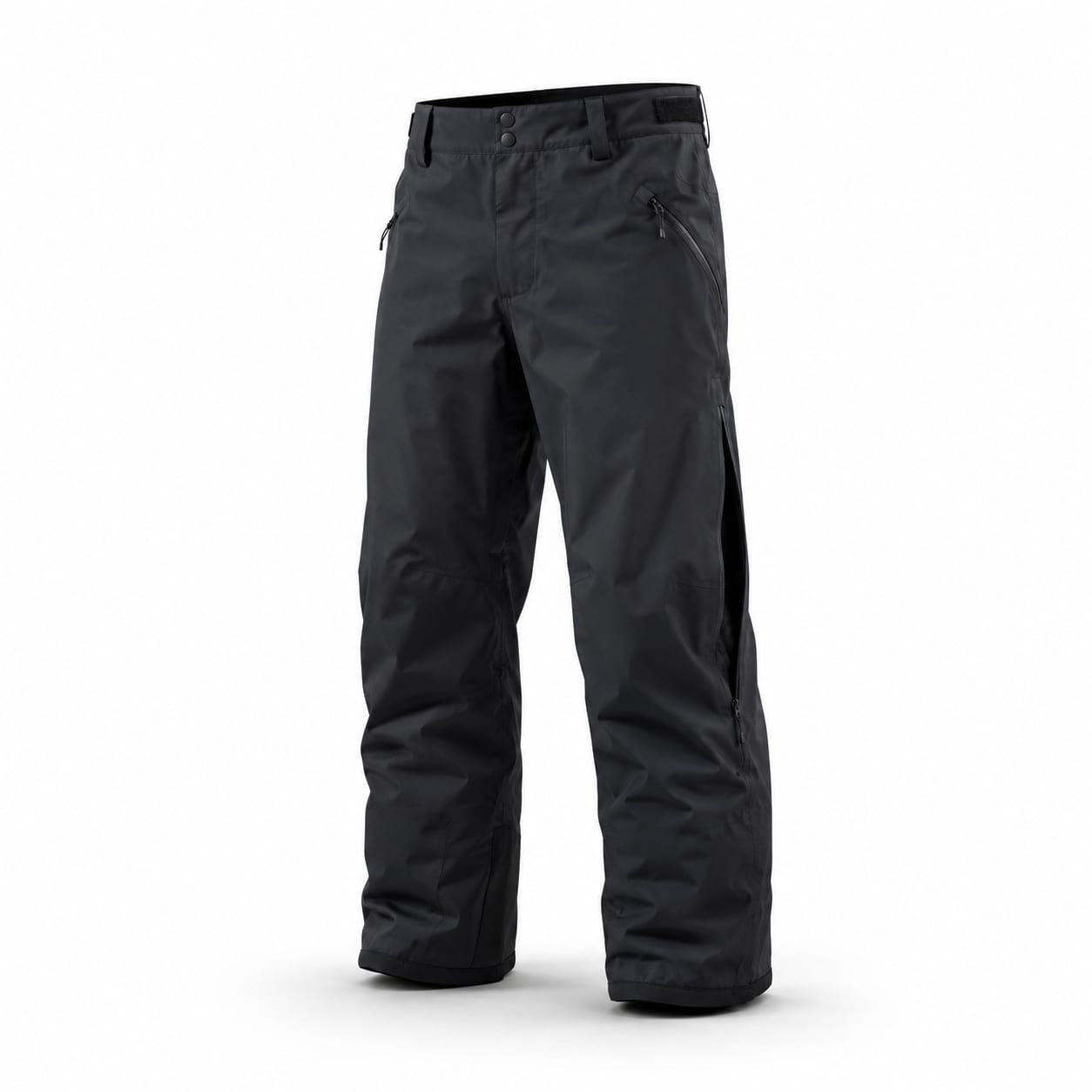
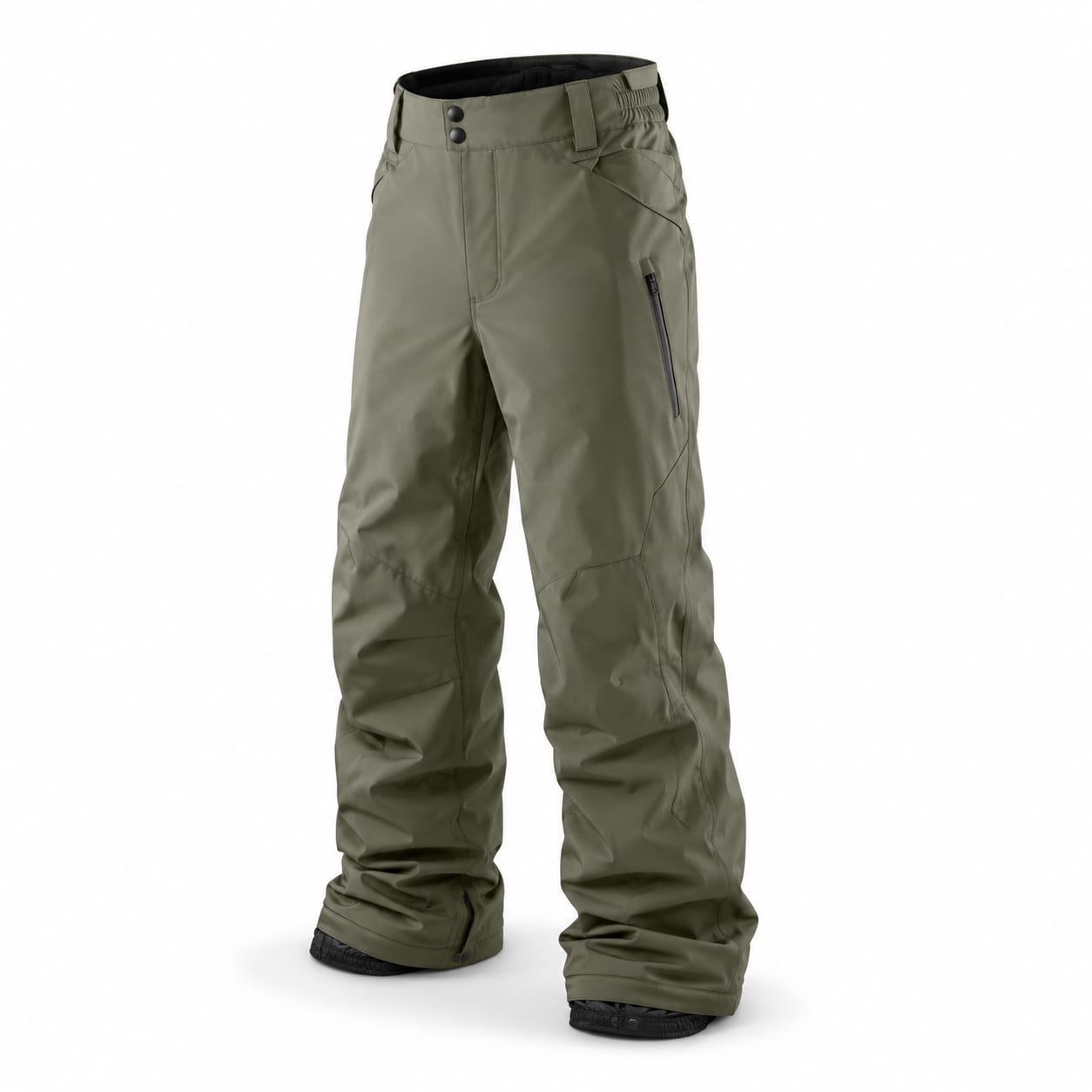
Insulated snow pants feature built-in thermal insulation—typically synthetic, down, or a hybrid—to keep your legs warm in freezing temperatures. Unlike shell pants that require careful layering, insulated pants offer an all-in-one solution that simplifies your kit. They are ideal for resort riders, beginners, and anyone who runs cold, providing reliable warmth even when sitting on snowy chairlifts. The insulation weight typically ranges from 40g to 60g for standard winter conditions, with heavier options available for extreme cold. While they offer superior convenience and warmth, they are less versatile than shell pants in mild weather and can cause overheating during high-output activities like backcountry touring.

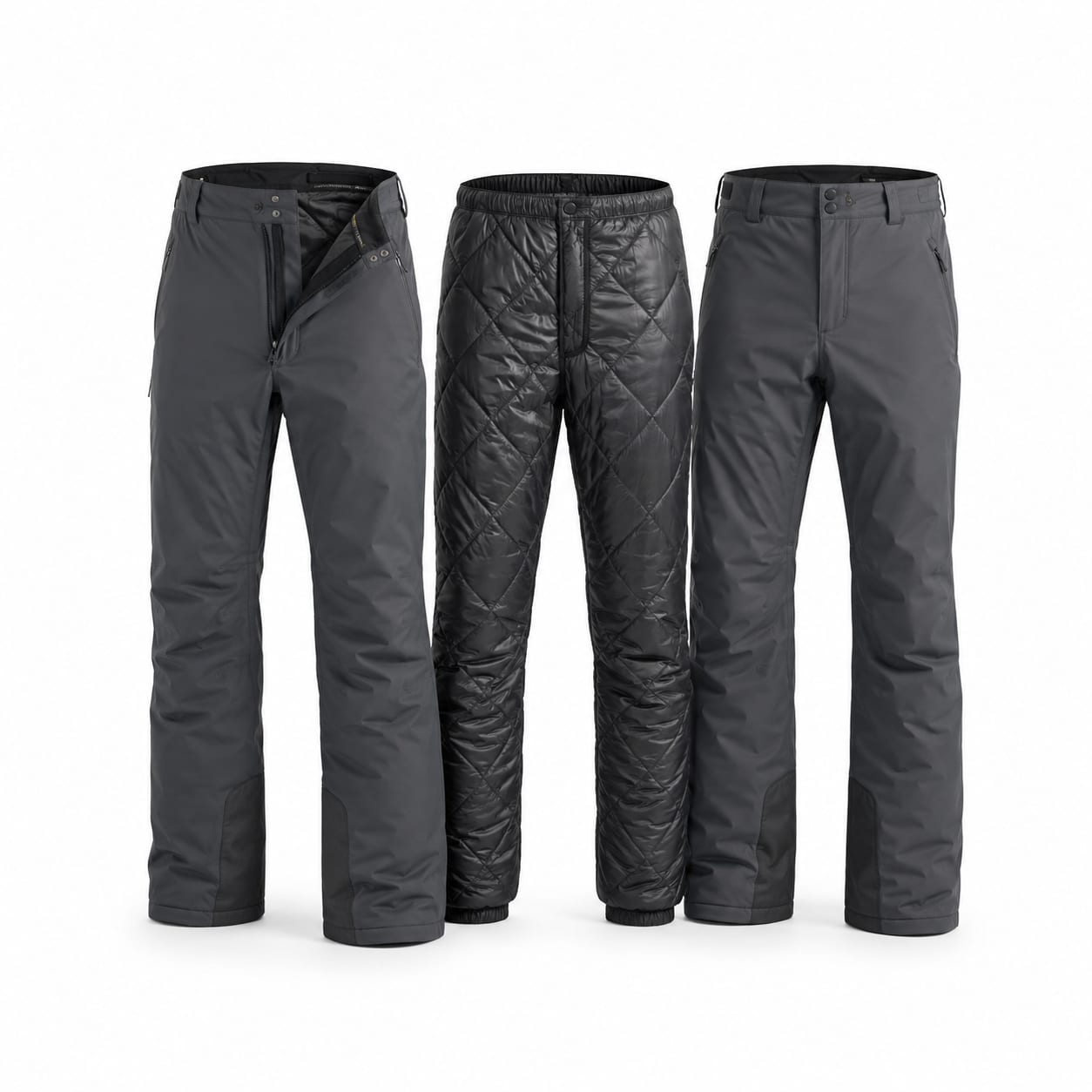
Insulated snow pants are designed for riders who want maximum warmth with minimal fuss. By integrating a layer of synthetic or down insulation between the waterproof shell and inner lining, these pants trap body heat effectively, making them the preferred choice for freezing resort days, icy chairlift rides, and riders who naturally run cold. The integrated insulation means you don't have to strategize a complex layering system; a simple base layer underneath is usually all you need to stay toasty from morning to afternoon.

The type of insulation matters significantly. Synthetic insulation, such as PrimaLoft or Thinsulate, is the most common and practical choice. It retains its warming properties even if it gets damp from internal sweat or external moisture, and it dries quickly. Down insulation offers a superior warmth-to-weight ratio and packs down smaller, but it loses its insulating ability when wet, making it better suited for extremely cold, dry climates. Hybrid insulation strategically places synthetic materials in areas prone to moisture (like the seat and knees) and down in the core areas for the best of both worlds.

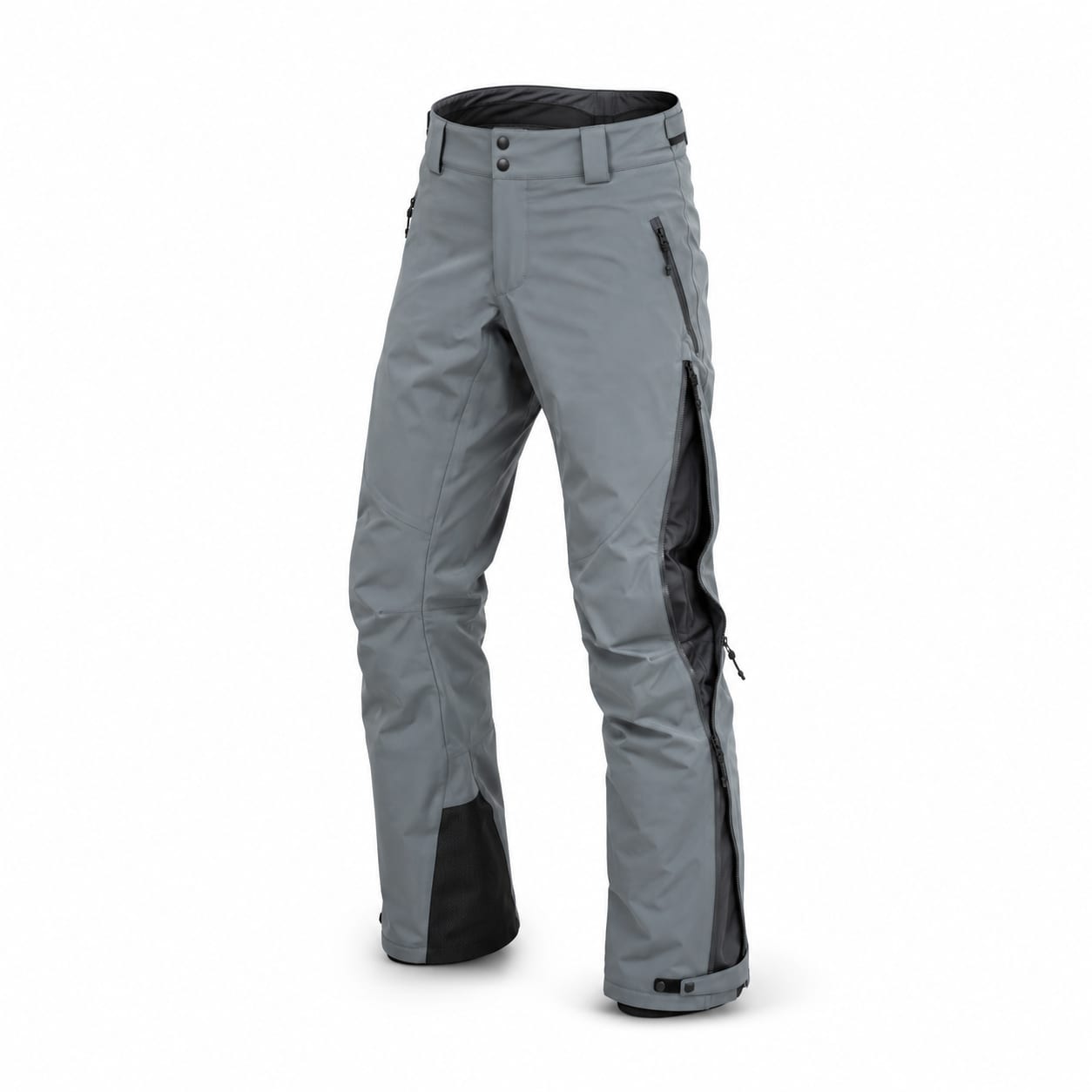
The primary trade-off with insulated pants is breathability and versatility. Because they are designed to trap heat, they can cause excessive sweating during high-output activities like hiking to a line or aggressive mogul skiing. This is why adequate venting—specifically mesh-lined inner thigh vents—is absolutely critical on insulated models. Without the ability to dump heat quickly, you risk soaking your base layers in sweat, which will eventually make you cold when you stop moving.

Choosing the right insulation weight is key to comfort. For active riders in average winter temperatures (15°F to 30°F), a light insulation of 40g is usually sufficient. For colder days or less active riding, 60g provides a noticeable bump in warmth. Weights of 80g or more are reserved for extreme cold, sub-zero temperatures, or sedentary activities like ice fishing or sitting on slow, windy lifts. Over-insulating is a common mistake that leads to discomfort, so it's often better to size your insulation for average days and add a mid-layer on the coldest days.

Caring for insulated snow pants requires a bit more attention than standard shells. Washing them with technical detergents and avoiding fabric softeners preserves the DWR coating and insulation properties. Tumble drying on low heat is often recommended for synthetic insulation to help restore its loft. Always ensure your pants are completely dry before storing them for the season to prevent mildew, which can ruin both the shell fabric and the insulation inside.

Quick facts

Primary purpose
Provide complete warmth and weather protection in a single garment for resort skiing and snowboarding
Popular brands
The North FaceColumbiaHelly HansenBurtonRoxySpyder
Typical terrain
groomed resort runsmixed resort terraincold weather conditions

What makes it different

All-in-one warmth solution without need for layering; most common and widely available style

Recommended ranges

How this type usually specs out

Each spec is explained in plain language, then we show what buyers usually look for on this type.

Insulation Type

Insulation Type

What it means

The type of insulation used in the pants, determining warmth, packability, and moisture management.

Typical for this type

Synthetic Insulation, Hybrid Insulation

In practice

Synthetic insulation is the most common due to its warmth-when-wet properties and affordability, though hybrid options are gaining popularity for optimized performance.

Compared to other types

Unlike shell pants which have no insulation, or fleece-lined which offer minimal warmth, insulated pants provide dedicated thermal protection.

Why it matters: Determines how warm the pants are, how they handle moisture, and how packable they can be.

Waterproof Rating

Waterproof Rating

What it means

The water column rating (mm) indicating how much water pressure the fabric can withstand before leaking. Higher numbers mean better waterproofing.

Typical for this type

10000-20000 mm

Most common pick: 10000 mm

In practice

Most insulated pants feature a 10k-20k waterproof rating to match their use in cold, snowy conditions.

Compared to other types

Similar to shell pants, but waterproofing is arguably more critical here as water ingress can ruin the insulation's thermal properties.

Why it matters: Keeps external moisture out, which is critical because wet insulation loses a significant portion of its warming ability.

Breathability Rating

Breathability Rating

What it means

The moisture vapor transmission rate (g/m²/24hr) measuring how much sweat vapor can escape through the fabric. Higher numbers mean better breathability.

Typical for this type

5000-15000 g/m²/24hr

Most common pick: 8000 g/m²/24hr

In practice

Insulated pants typically have moderate breathability since the insulation itself traps heat and impedes moisture vapor transmission.

Compared to other types

Generally lower breathability than uninsulated shell pants due to the physical barrier of the insulation layer.

Why it matters: Prevents internal moisture buildup from sweat, which can make you cold when you stop moving.

Fit Type

Fit Type

What it means

The overall cut and silhouette of the pants, affecting style, mobility, layering capacity, and snow protection.

Typical for this type

Regular, Relaxed

In practice

Regular and relaxed fits accommodate the insulation and allow for base layers without compressing the material.

Compared to other types

Insulated pants often fit slightly larger or have more internal volume than shell pants to allow insulation to fully loft.

Why it matters: Compressing insulation reduces its loft and effectiveness; you need room for it to trap warm air.

Style Type

Style Type

What it means

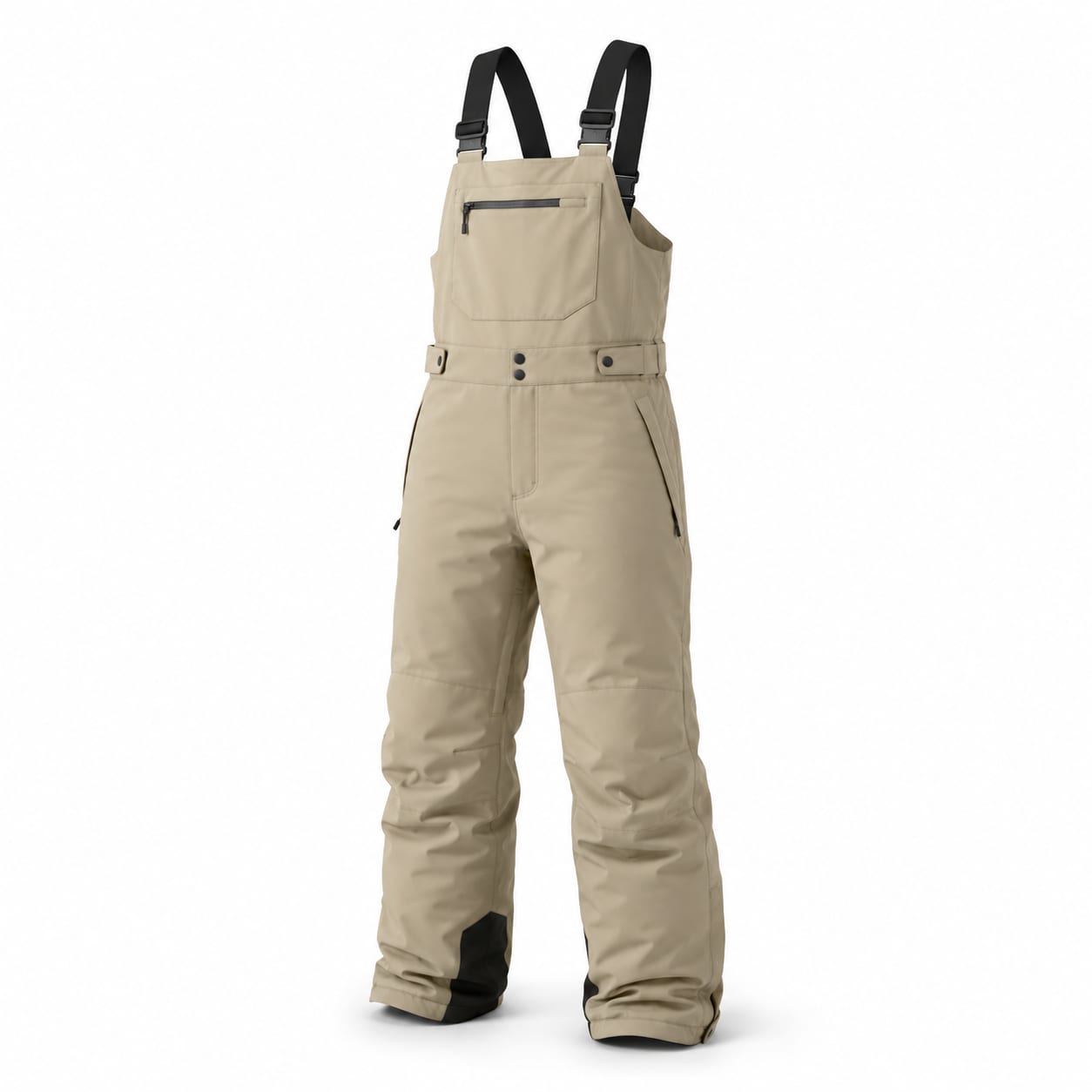
Whether the pants are standard waist-height or bib-style with shoulder straps and extended coverage.

Typical for this type

Pants, Bib

In practice

Available in both standard pants and bibs, with insulated bibs offering exceptional core warmth.

Compared to other types

Insulated bibs are particularly popular for cold weather compared to shell bibs, as the extra coverage maximizes warmth.

Why it matters: Bibs add insulation to the core and prevent snow entry, complementing the insulated design perfectly for deep cold.

Insulation Weight

Insulation Weight

What it means

The amount of insulation in grams, directly correlating to warmth level. Higher grams mean more warmth but more bulk.

Typical for this type

40g-60g

In practice

40-60g of synthetic insulation provides solid warmth for resort riding without excessive bulk.

Compared to other types

Heavier than fleece-lined pants (which have negligible gram weight) and obviously more than shell pants (0g).

Why it matters: Directly correlates to warmth; too much causes overheating and restricted movement, too little defeats the purpose of insulated pants.

Ventilation System

Ventilation System

What it means

The type and placement of zippered vents that allow rapid temperature regulation during high-output activities.

Typical for this type

Inner Thigh, Mesh Lined Vents

In practice

Inner thigh vents are crucial for dumping heat quickly since the insulation traps body heat aggressively.

Compared to other types

More critical than on shell pants because once you overheat in insulated pants, the moisture has a harder time escaping.

Why it matters: Allows you to regulate temperature without unzipping the pants fully, which is vital to prevent internal sweating.

Seam Sealing

Seam Sealing

What it means

The method and extent of seam sealing, which is critical for preventing water entry at stitched seams.

Typical for this type

Critically Taped, Fully Taped

In practice

Critically taped seams balance cost and waterproofing for most resort riders, though fully taped is preferred for wet climates.

Compared to other types

Just as important as shell pants, but the consequences of leaking seams are worse because wet insulation takes a long time to dry.

Why it matters: Prevents water from seeping into the insulation through stitch holes, which can compromise warmth.

Snow Gaiters

Snow Gaiters

What it means

Built-in elastic or adjustable cuffs at the pant leg bottom that seal around boots to prevent snow entry.

Typical for this type

Adjustable Gaiter, Elastic Gaiter

In practice

Adjustable gaiters provide a secure, customizable seal over various boot sizes to keep deep snow out.

Compared to other types

Equally important across subcategories, but wet cuffs are much harder to dry in insulated pants.

Why it matters: Snow inside your boots will melt and soak the pants from the inside, which is disastrous for insulation.

Reinforcement Panels

Reinforcement Panels

What it means

Extra-durable fabric panels at high-wear areas like cuffs, hems, and inner legs to prevent damage from edges, boots, and abrasion.

Typical for this type

Cuff Reinforcement, Scuff Guard

In practice

Cuff reinforcement protects the hem from ski edges and boot scuffing, which is standard on insulated pants.

Compared to other types

Standard across all subcategories, but damaged insulated pants are costlier to replace than thin shell pants.

Why it matters: Extends the life of the pants in high-wear areas, protecting your investment.

Waist Adjustment

Waist Adjustment

What it means

The mechanism for adjusting waist fit without a belt, ensuring secure fit and snow seal at the waist.

Typical for this type

Velcro Side Tabs, Buckle Side Tabs

In practice

Velcro side tabs allow easy adjustment over varying base layers, accommodating the bulk of insulated pants.

Compared to other types

More necessary than on shell pants due to the varying layering needs underneath insulated garments.

Why it matters: Ensures a proper fit whether wearing a thin base layer on warmer days or a thick mid-layer in the deep freeze.

Pocket Configuration

Pocket Configuration

What it means

The number, type, and placement of pockets for storing essentials like pass, phone, snacks, and tools.

Typical for this type

Hand Warmer, Pass Pocket, Cargo Pockets

Most common pick: Hand Warmer, Cargo Pockets

In practice

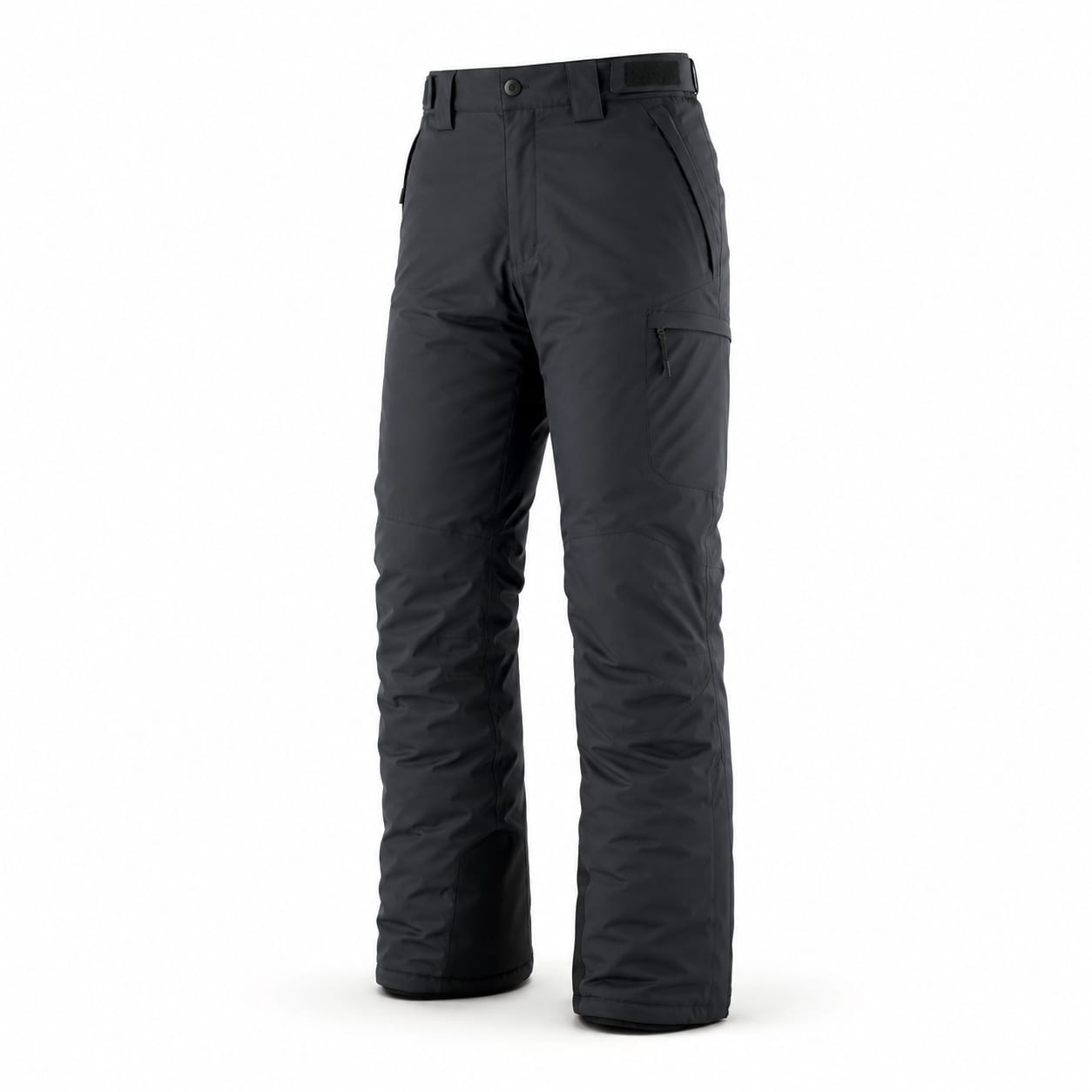
Hand warmer pockets are standard for comfort, with cargo pockets being a popular style choice for additional storage.

Compared to other types

Often feature more or larger pockets than minimalist shell pants, as the target audience values convenience and utility.

Why it matters: Provides storage for essentials and keeps hands warm on cold lift rides, complementing the warmth of the pants.

Shell Material

Shell Material

What it means

The primary outer fabric type, affecting durability, weight, stretch, noise, and overall feel.

Typical for this type

Nylon, Gore Tex

In practice

Nylon is the most common shell material, offering good durability and water resistance to protect the insulation.

Compared to other types

Similar to shell pants, but the face fabric must be robust enough to protect the internal insulation layers from abrasion and moisture.

Why it matters: The shell is the first line of defense against the elements; if it fails, the insulation gets wet.

Articulation

Articulation

What it means

Pre-shaped or articulated knees and hips designed to match the natural riding position, reducing fabric bunching and improving mobility.

Typical for this type

Articulated Knees, Fully Articulated

In practice

Pre-shaped knees reduce bunching of the insulation when the leg is bent in a riding stance.

Compared to other types

More impactful on insulated pants because bunched insulation is not only bulky but also creates localized cold spots where loft is lost.

Why it matters: Improves mobility and prevents cold spots from compressed insulation behind the knee.

DWR Coating

DWR Coating

What it means

Durable Water Repellent treatment on the outer fabric that causes water to bead up and roll off rather than soaking into the face fabric.

Typical for this type

True

In practice

DWR coating is essential to make water bead off the shell fabric, preventing it from wetting out.

Compared to other types

Equally important as shell pants, but the consequences of a wetted-out face fabric are worse due to trapped moisture in the insulation.

Why it matters: If the shell wets out, moisture can penetrate and compromise the insulation, drastically reducing warmth.

Inseam Length

Inseam Length

What it means

The measurement from the crotch seam to the bottom of the pant leg, determining proper length and coverage.

Typical for this type

30-34 inches

Most common pick: 32 inches

In practice

Standard inseam lengths ensure coverage while seated on lifts, preventing exposed skin.

Compared to other types

Consistent across subcategories, though insulated pants may feel slightly shorter due to the bulk of the material.

Why it matters: Proper length prevents snow ingress and skin exposure when knees are bent.

Evaluation

Strengths and trade-offs

Pros

What this type does best

Excellent Built-in Warmth

Critical

Provides reliable thermal protection without the need for bulky mid-layers, keeping you warm on the coldest days.

Convenient All-in-One Design

High

Simplifies your kit by combining a shell and insulating layer, making it easy to grab and go without layering guesswork.

Warm Even When Damp

High

Synthetic insulation retains its warming properties even if it gets slightly damp from sweat or snow, unlike down.

Comfortable on Cold Chairlifts

High

The extra insulation provides a crucial barrier between you and the freezing chairlift seat, keeping you comfortable on long rides.

Fewer Layers to Manage

Medium

Reduces the need to constantly add or remove mid-layers throughout the day, streamlining your comfort management.

Cons

Trade-offs to be aware of

Can Overheat During High-Output Activities

Significant

The insulation that keeps you warm on the chairlift can cause excessive sweating during hiking, touring, or aggressive riding.

Less Versatile Across Temperatures

Moderate

Not easily adaptable to warm spring days; they are purpose-built for cold weather and can be uncomfortably hot when the sun comes out.

Bulky and Restrictive

Moderate

Compared to sleek shell pants, insulated pants add bulk which can restrict mobility and feel heavier on your legs.

Harder to Wash and Dry

Minor

The insulation absorbs water during washing and takes significantly longer to dry than a simple shell pant.

Best for

Terrain

Groomed runsResortMoguls

Snow conditions

Cold weatherFreezing temperaturesDry snowWindy conditions

Skill level

BeginnerIntermediateAdvanced

Riding style

Resort skiingResort snowboardingCasual riding

Rider profile

Cold-natured ridersResort ridersBeginnersLift riders

Not ideal for

Reasons

Traps too much heat during uphill travelBulky for dynamic layering adjustmentsNot versatile for warm spring days

Terrain

Spring skiingHike-to terrain

Riding style

Backcountry touringSkate skiingCross-country

Compare

How it stacks up

This page

Insulated Snow Pants

Built-in warmth and convenience; no need to purchase and manage separate mid-layers.

Alternative

Shell Snow Pants

Maximum versatility, superior breathability, and easier to regulate temperature for high-output activities.

Bottom line

Choose insulated pants for cold resort days and shell pants for backcountry touring or variable spring conditions.

This page

Insulated Snow Pants

Significantly warmer for true winter conditions; better at trapping heat in freezing temperatures.

Alternative

Fleece-Lined Snow Pants

Lighter, more breathable, and more comfortable for mild days or indoor slopes.

Bottom line

Choose insulated pants for freezing temps and deep winter; choose fleece-lined for casual spring riding or if you run very hot.

This page

Insulated Snow Pants

Simpler on/off, lighter weight, and easier bathroom access.

Alternative

Insulated Bib Pants

Superior core warmth, absolute snow seal at the waist, and extra storage with chest pockets.

Bottom line

Choose standard insulated pants for mild cold and convenience; choose insulated bibs for deep powder and extreme cold where maximum snow protection is needed.

Shopping

Buying tips

  • 1

    Match insulation weight to your typical conditions: 40g for moderate cold, 60g+ for deep freeze.

  • 2

    Always ensure they have inner thigh vents; insulated pants without vents will overheat you quickly.

  • 3

    Choose synthetic insulation over down for wet coastal climates; down is best for dry, extremely cold interiors.

  • 4

    Size up if you plan to wear thick base layers, as compressed insulation loses its warming ability.

  • 5

    Look for mesh-lined vents so you can dump heat without letting snow in on powder days.

Care

Maintenance notes

  • Wash with technical detergent (not standard detergent) to preserve DWR coating and insulation loft.
  • Tumble dry on low heat to help reactivate DWR and restore synthetic insulation loft.
  • Never store wet; ensure pants are completely dry before packing away to prevent mold and mildew.
  • Reapply DWR treatment when water stops beading on the shell surface to prevent the fabric from wetting out.

Progression

Skill development path

Insulated snow pants are excellent for beginners who spend time sitting on the ground or on cold lifts. As skills progress to backcountry touring or aggressive riding, many transition to shell pants with separate layering systems for better temperature regulation during high-output ascents.

FAQ

Common questions

Each question has a dedicated page with a full answer and links to the buying guide.