Insulation Type
Insulation Type
What it means
The type of insulation used in the pants, determining warmth, packability, and moisture management.
Typical for this type
Fleece Lined Or Synthetic Insulation
In practice
Casual snow pants most commonly use fleece linings for their soft, comfortable feel and mild warmth, or light synthetic insulation (40-60g) for slightly more thermal performance without the complexity of layering systems.
Compared to other types
Performance and backcountry pants typically use shell (no insulation) designs for layering versatility, while casual pants favor integrated warmth that works on its own. This makes casual pants easier to use but less adaptable to changing conditions.
Why it matters: The insulation type determines whether you need additional layers and how comfortable the pants feel against your skin. Fleece linings offer immediate comfort and mild warmth perfect for moderate resort conditions, while synthetic insulation provides more warmth for colder days without requiring layering knowledge.
Waterproof Rating
Waterproof Rating
What it means
The water column rating (mm) indicating how much water pressure the fabric can withstand before leaking. Higher numbers mean better waterproofing.
Typical for this type
5, 000-10, 000mm
In practice
Most casual snow pants feature waterproof ratings between 5,000 and 10,000mm, which handles typical resort snowfall, light powder, and occasional chairlift spray without leaking.
Compared to other types
Performance resort pants typically offer 10,000-20,000mm and backcountry pants 15,000-20,000mm+ for more demanding conditions. Casual pants trade some waterproofing headroom for lower cost, which is appropriate for their intended use in moderate conditions.
Why it matters: This rating range is adequate for the majority of resort conditions that casual riders encounter. It keeps you dry during normal snowfall and brief exposure to wet conditions, though sustained heavy snow or sitting in slush may eventually cause seepage.
Breathability Rating
Breathability Rating
What it means
The moisture vapor transmission rate (g/m²/24hr) measuring how much sweat vapor can escape through the fabric. Higher numbers mean better breathability.
Typical for this type
5, 000-10, 000 g/m²/24hr
In practice
Breathability ratings in casual snow pants typically match the waterproof rating at 5,000-10,000 g/m²/24hr, which handles the moderate output level of casual resort riding with frequent breaks.
Compared to other types
Performance and backcountry pants offer 15,000-20,000+ g/m²/24hr breathability for high-output activities. Casual pants sacrifice some breathability for cost savings, which is acceptable given the lower intensity and more frequent rest breaks typical of recreational riding.
Why it matters: At casual riding intensities with regular lodge breaks, this breathability level prevents excessive moisture buildup. However, aggressive riders or those who run hot may notice some dampness inside during sustained activity.
What it means
The overall cut and silhouette of the pants, affecting style, mobility, layering capacity, and snow protection.
Typical for this type
Regular Or Relaxed
In practice
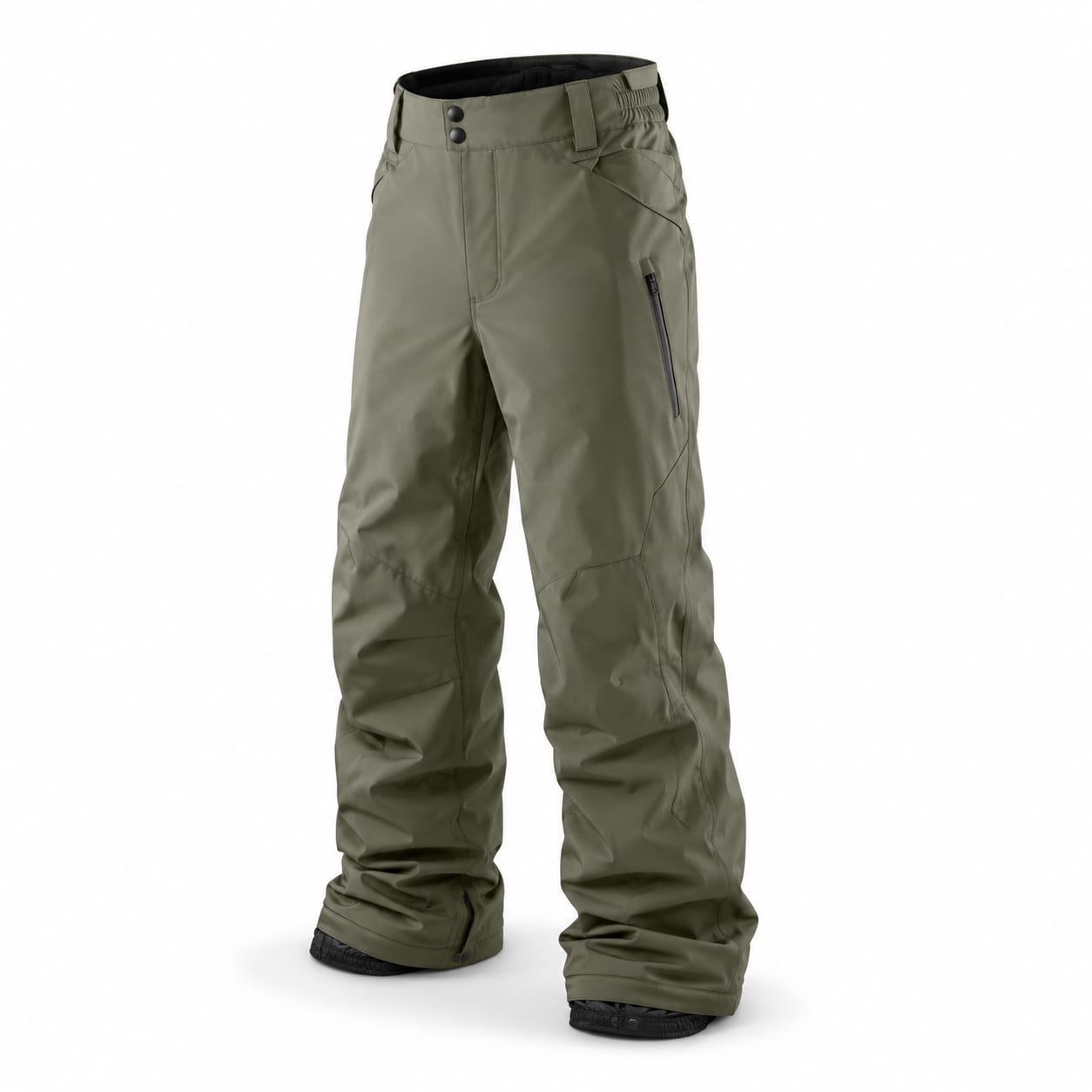
Regular fit is the most common in casual snow pants, offering a comfortable, forgiving cut that accommodates various body types and allows room for a base layer underneath without excess fabric.
Compared to other types
Performance pants may use slim fits for reduced bulk and drag, while freestyle-oriented pants lean relaxed or baggy. Casual pants favor regular fit as the most universally comfortable and flattering option for the broadest range of riders.
Why it matters: A regular or relaxed fit ensures comfort during long days on the mountain and accommodates the range of body types typical of casual riders. It also allows for a base layer underneath without feeling constricted.
What it means
Whether the pants are standard waist-height or bib-style with shoulder straps and extended coverage.
Typical for this type
Pants (Standard Waist-Height)
In practice
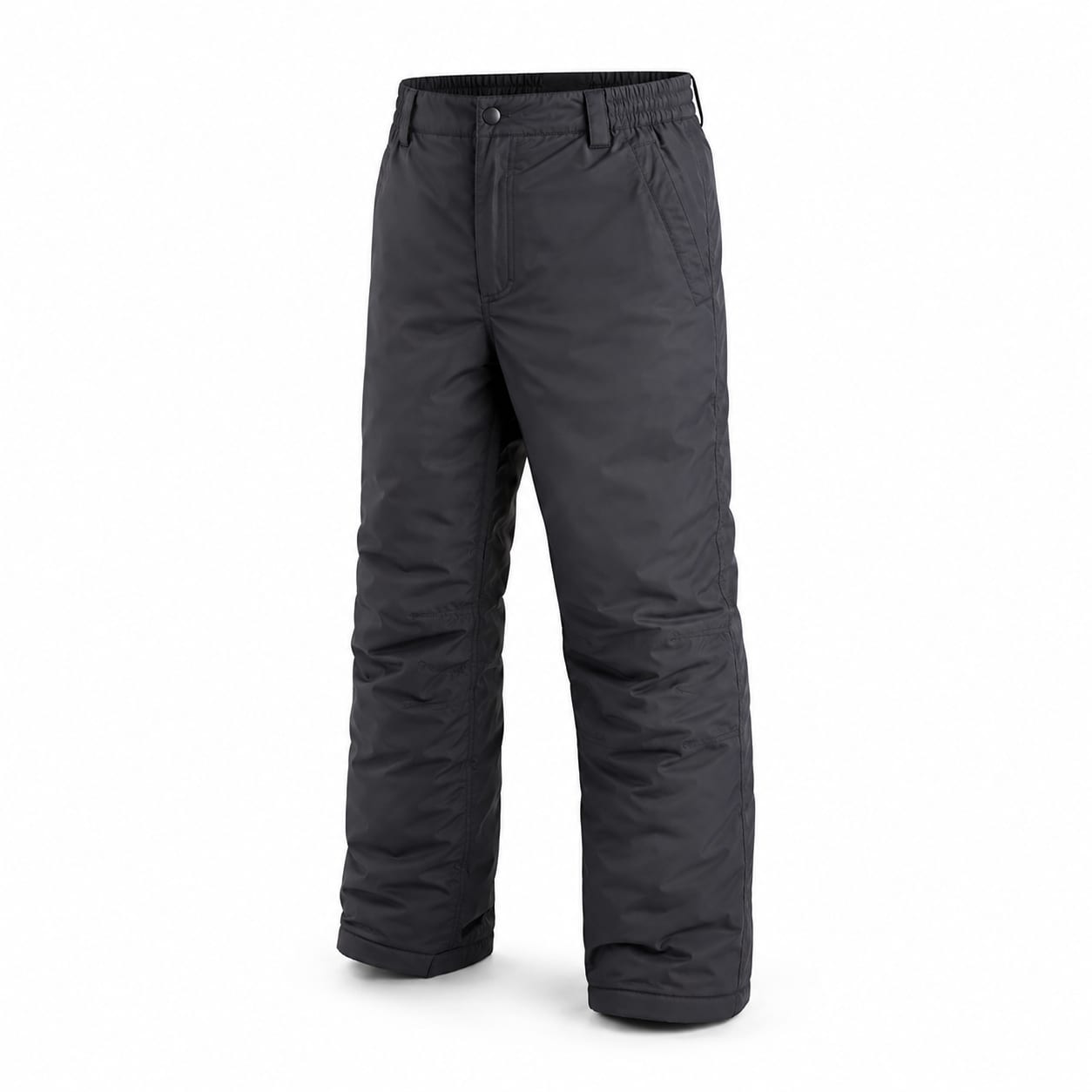
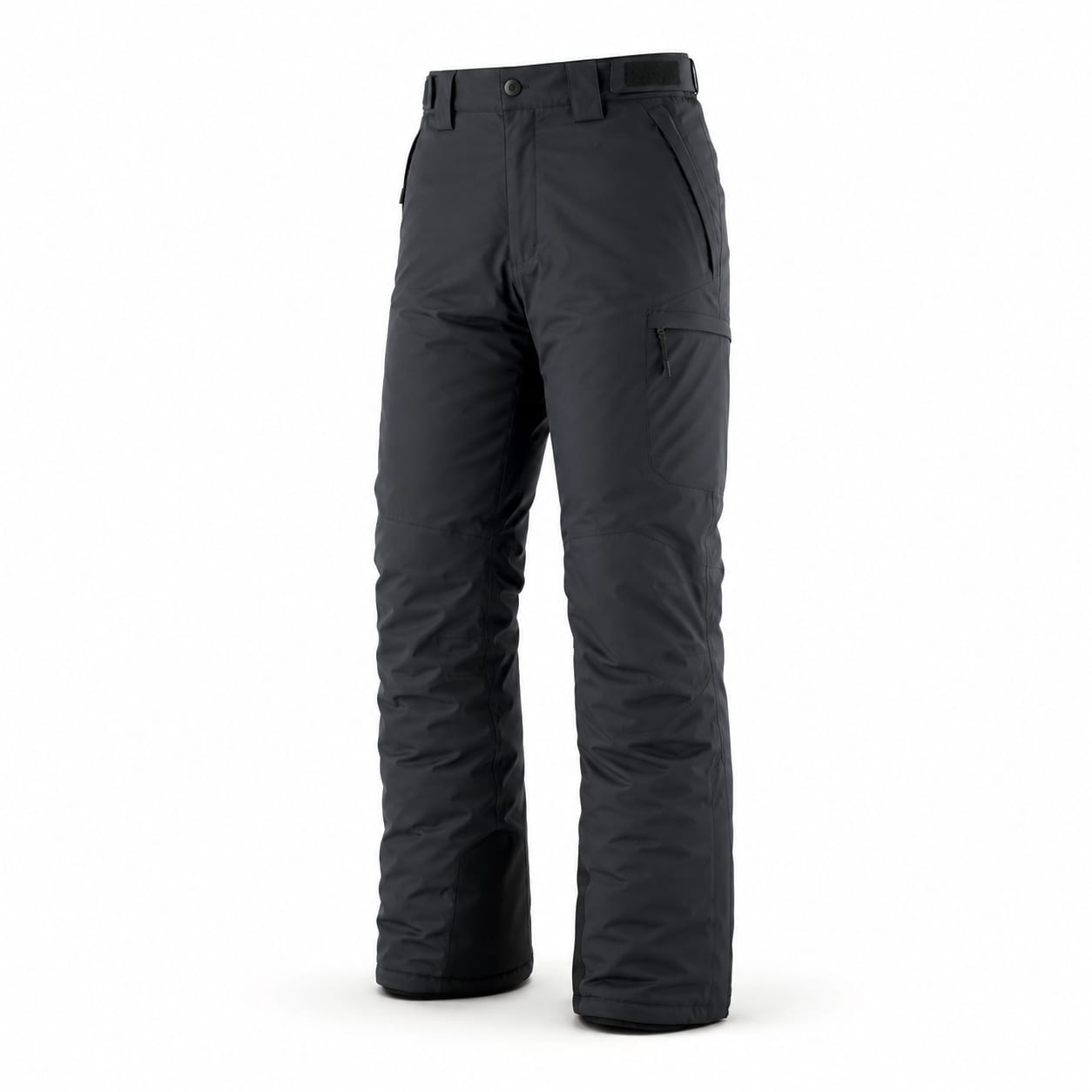
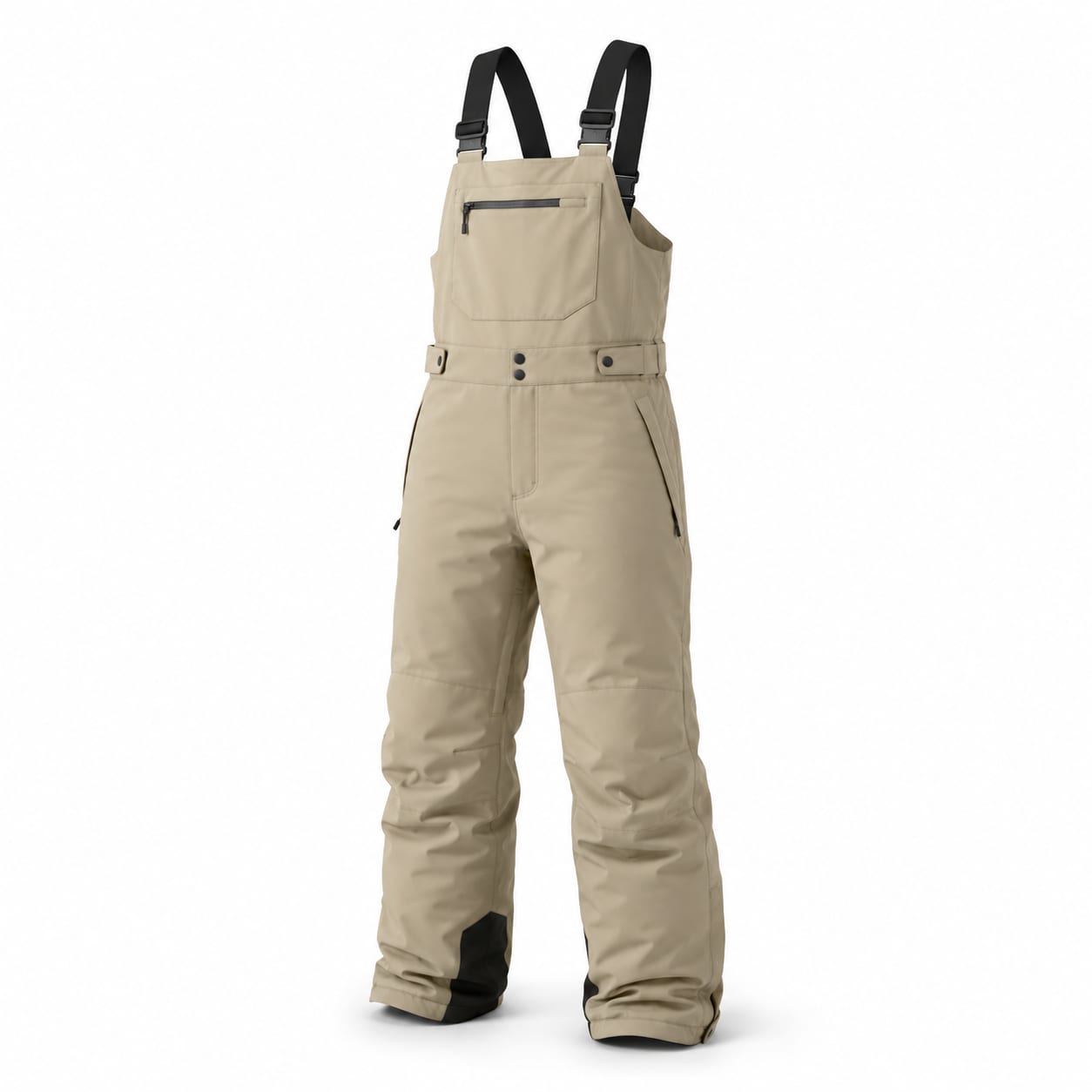
Casual snow pants are overwhelmingly standard waist-height pants rather than bibs, offering simpler on/off convenience and a familiar feel that matches everyday clothing habits.
Compared to other types
Backcountry and performance categories increasingly favor bibs for superior snow protection and core warmth. Casual riders benefit from the simplicity and lower cost of standard pants, especially since deep powder exposure is less common in casual resort riding.
Why it matters: Standard pants are easier to put on and take off, especially for beginners and occasional riders who may not be accustomed to bib construction. They also tend to be less expensive and more widely available in a variety of styles.
Insulation Weight
Insulation Weight
What it means
The amount of insulation in grams, directly correlating to warmth level. Higher grams mean more warmth but more bulk.
Typical for this type
20-60g (or fleece-lined equivalent)
Most common pick: 40-60g
In practice
Casual snow pants typically use 40-60g of synthetic insulation for reliable warmth in standard winter conditions, or a fleece lining that provides equivalent mild warmth without a specific gram weight.
Compared to other types
Shell pants use 0g insulation for layering versatility, while extreme cold pants may use 80g+. Casual pants strike a middle ground that works for most resort conditions without requiring layering expertise.
Why it matters: This insulation weight provides enough warmth for typical resort days (15-30°F / -9 to -1°C) without overheating during moderate activity. It eliminates the need for thick mid-layers, simplifying the dressing process for casual riders.
Ventilation System
Ventilation System
What it means
The type and placement of zippered vents that allow rapid temperature regulation during high-output activities.
Typical for this type
Inner Thigh Or None
In practice
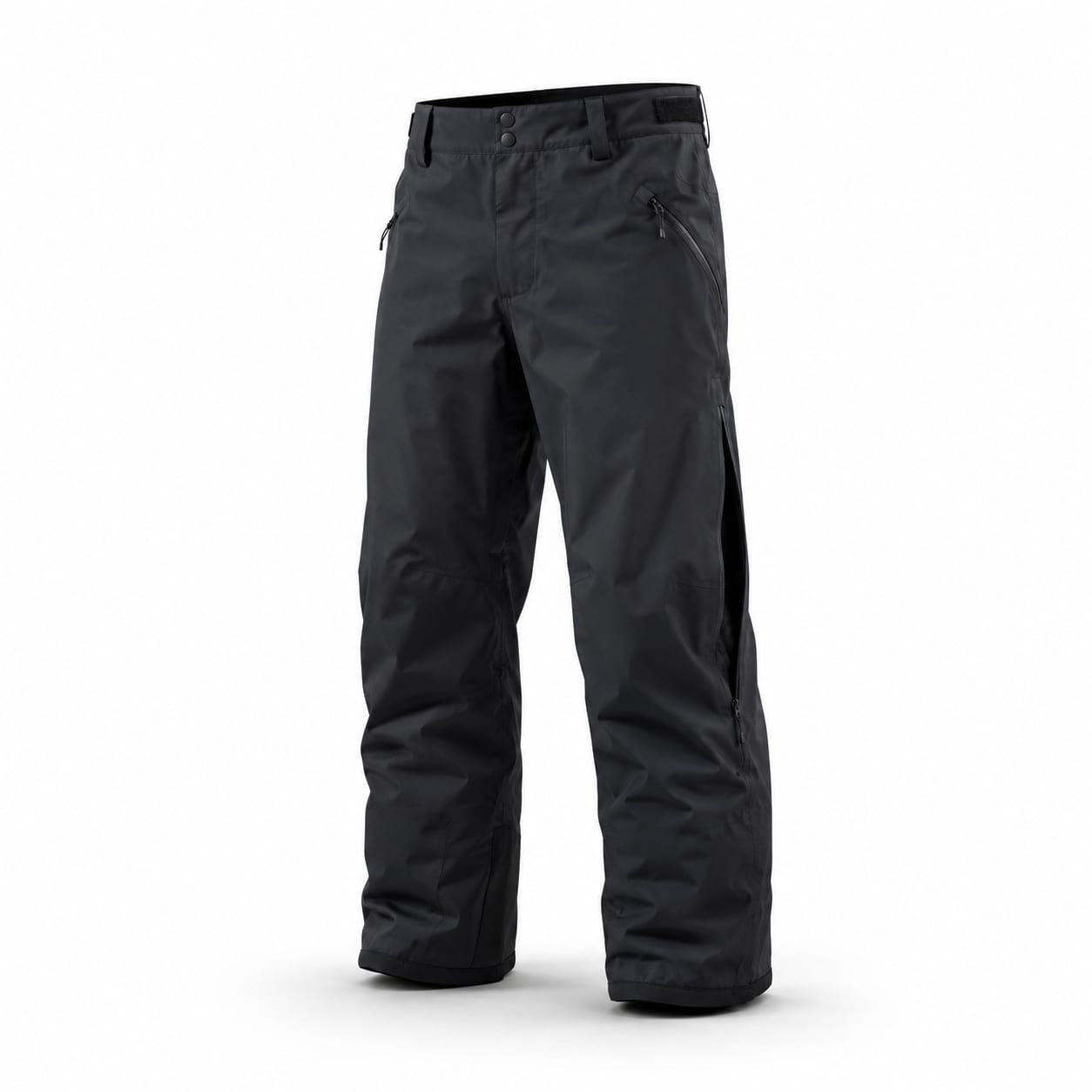
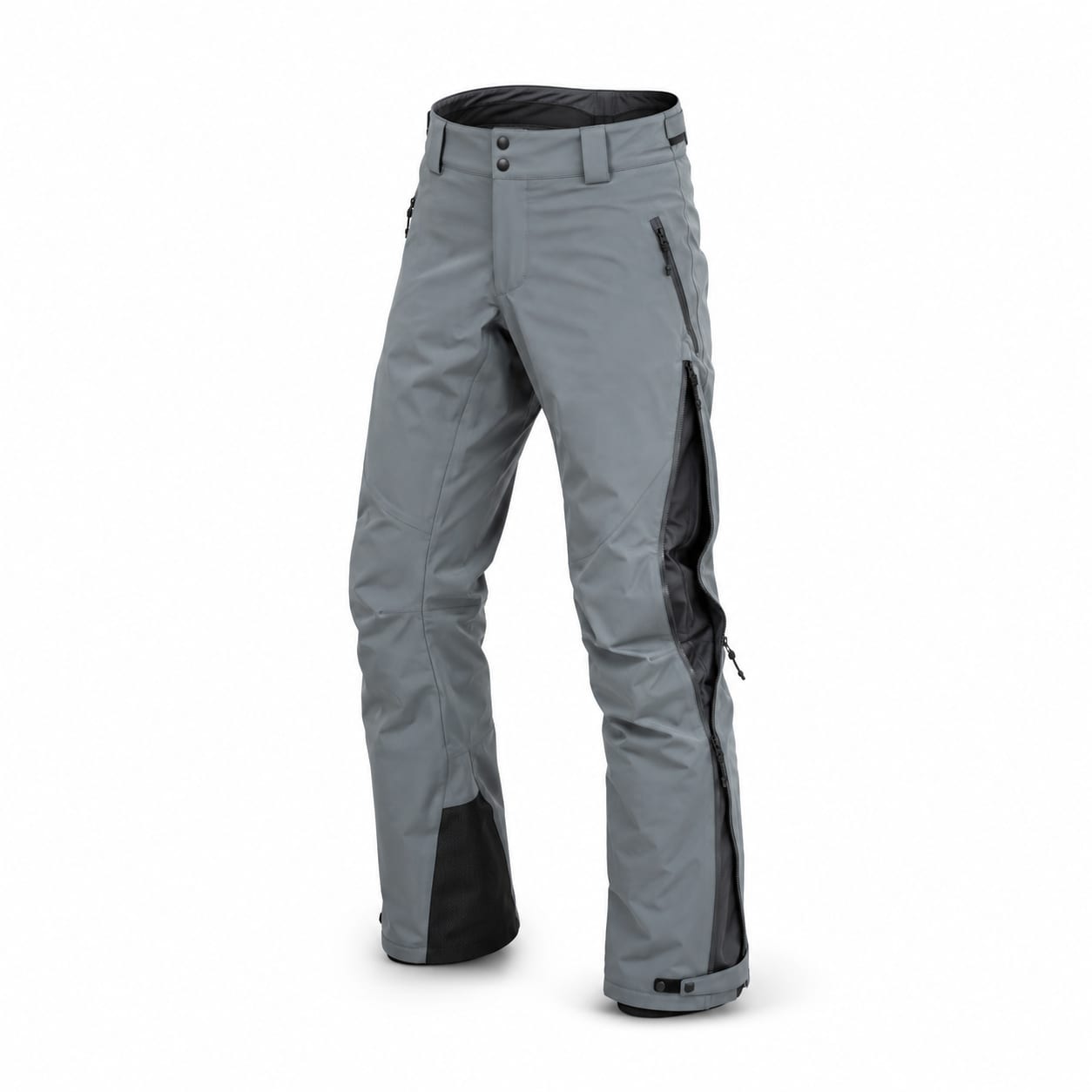
Many casual snow pants include basic inner thigh vents, though budget models may omit vents entirely. When present, vents are typically simple zippered openings without mesh lining.
Compared to other types
Performance pants feature larger mesh-lined vents or full side zips for aggressive temperature regulation. Casual pants have simpler vent systems or none at all, reflecting the lower intensity and more frequent breaks typical of recreational riding.
Why it matters: Even casual riders can benefit from thigh vents during spring conditions or after aggressive runs. However, the absence of vents is tolerable if you ride primarily in cold conditions and take regular indoor breaks.
What it means
The method and extent of seam sealing, which is critical for preventing water entry at stitched seams.
Typical for this type
Critically Taped
In practice
Critically taped seams are the standard in casual snow pants, with waterproof tape applied to high-exposure areas like the waist, cuffs, and zippers while leaving less exposed seams untaped.
Compared to other types
Performance and backcountry pants use fully taped or welded seams for complete waterproofing. Casual pants use critically taped seams as a cost-saving measure that still handles most recreational conditions effectively.
Why it matters: This approach provides adequate protection for typical resort conditions where you are not sitting in slush or exposed to sustained wet snow. It keeps manufacturing costs down while protecting the most vulnerable seam areas.
What it means
Built-in elastic or adjustable cuffs at the pant leg bottom that seal around boots to prevent snow entry.
Typical for this type
Elastic Gaiter Or Adjustable Gaiter
In practice
Elastic gaiters are the most common in casual snow pants, providing a simple stretch-over-boot seal that keeps snow out of your boots during typical resort riding and occasional falls.
Compared to other types
Performance pants often use adjustable gaiters with snaps or hooks for a more secure, customizable seal. Casual pants use simpler elastic gaiters that work well enough for occasional use, though they may lose elasticity over multiple seasons.
Why it matters: Even casual riders encounter snow at boot level during falls, chairlift rides, and walking through powder. Elastic gaiters provide basic protection without the complexity of adjustable systems.
Reinforcement Panels
Reinforcement Panels
What it means
Extra-durable fabric panels at high-wear areas like cuffs, hems, and inner legs to prevent damage from edges, boots, and abrasion.
Typical for this type
Cuff Reinforcement
In practice
Basic cuff reinforcement is common in mid-range casual pants, protecting the hem area from boot friction and edge cuts. Budget models may lack reinforcement entirely.
Compared to other types
Performance and professional pants often feature full scuff guards extending up the inner leg. Casual pants typically have minimal or no reinforcement, which is acceptable for lower-intensity use but may lead to faster wear at the cuffs.
Why it matters: Cuff reinforcement significantly extends the life of snow pants by preventing the most common type of damage—cuts from ski or board edges and abrasion from boot buckles. Even occasional riders will notice the difference over a few seasons.
Waist Adjustment
Waist Adjustment
What it means
The mechanism for adjusting waist fit without a belt, ensuring secure fit and snow seal at the waist.
Typical for this type
Velcro Side Tabs
In practice
Velcro side tabs are the most common waist adjustment system in casual snow pants, offering quick and easy fit customization without the need for a separate belt.
Compared to other types
Premium pants may use more durable buckle side tabs. Casual pants favor Velcro for its simplicity and lower cost, though the Velcro can collect lint and lose effectiveness over time.
Why it matters: Waist adjustment ensures a secure fit that keeps snow out at the waist and prevents pants from sagging during activity. Velcro tabs are intuitive and work well for the range of layering thicknesses casual riders typically use.
Pocket Configuration
Pocket Configuration
What it means
The number, type, and placement of pockets for storing essentials like pass, phone, snacks, and tools.
Typical for this type
Hand Warmer And Optionally Cargo Pockets Or Pass Pocket
Most common pick: Hand Warmer, Cargo Pockets
In practice
Casual snow pants typically include standard hand warmer pockets at the hips and often cargo pockets on the thighs for storing snacks, phones, and other essentials. An RFID pass pocket on the lower leg is increasingly common.
Compared to other types
Performance pants may have fewer but more strategically placed pockets to reduce bulk. Casual pants often emphasize storage capacity and convenience, with cargo pockets being a popular feature for carrying personal items during resort days.
Why it matters: Hand warmer pockets provide comfort on cold chairlift rides, while cargo pockets offer accessible storage for items you want to keep handy. A pass pocket adds convenience at RFID-equipped resorts.
Shell Material
Shell Material
What it means
The primary outer fabric type, affecting durability, weight, stretch, noise, and overall feel.
Typical for this type
Polyester Or Nylon
In practice
Polyester is the most common shell material in casual snow pants due to its low cost and adequate performance for occasional use. Nylon appears in slightly higher-end casual models for better durability.
Compared to other types
Performance pants use nylon or Gore-Tex laminates for superior durability and weather protection. Casual pants use polyester to maintain affordability, accepting somewhat reduced longevity that is acceptable for occasional use.
Why it matters: Polyester shells keep the price down while providing sufficient weather resistance and durability for a few weeks of riding per season. They are lighter than nylon but less abrasion-resistant over the long term.
What it means
Pre-shaped or articulated knees and hips designed to match the natural riding position, reducing fabric bunching and improving mobility.
Typical for this type
Non Articulated (Articulated Knees If Available)
In practice
Most casual snow pants use straight-leg, non-articulated construction to simplify manufacturing and reduce costs. Some mid-range casual models include articulated knees as a comfort upgrade.
Compared to other types
Performance and freestyle pants typically feature articulated knees or fully articulated construction for maximum mobility. Casual pants often skip this feature to reduce cost, which is a reasonable trade-off for the lower-intensity riding typical of this category.
Why it matters: Non-articulated pants may bunch behind the knees when bent, which can cause mild discomfort during a full day of riding. For casual riders who take regular breaks and ride at moderate intensity, this is usually tolerable.
What it means
Durable Water Repellent treatment on the outer fabric that causes water to bead up and roll off rather than soaking into the face fabric.
Typical for this type
True (Standard On Most Models)
In practice
DWR (Durable Water Repellent) coating is standard on nearly all casual snow pants, causing water to bead up and roll off the outer fabric surface rather than soaking in.
Compared to other types
DWR coating is universal across all snow pant categories. The difference is that casual pants may use less durable DWR treatments that require more frequent reapplication, while premium pants often use higher-quality formulations that last longer between treatments.
Why it matters: DWR coating is essential for maintaining the fabric's ability to shed water and prevent the outer layer from becoming saturated. Even budget snow pants include this treatment, though it may wear off faster on lower-quality fabrics.
Inseam Length
Inseam Length
What it means
The measurement from the crotch seam to the bottom of the pant leg, determining proper length and coverage.
Typical for this type
30-33 inches (regular)
Most common pick: 30-32 inches
In practice
Casual snow pants typically come in a standard regular inseam around 30-32 inches, with some brands offering short and long options. The inseam should be slightly longer than your casual pants to account for the riding position.
Compared to other types
All snow pant categories follow similar inseam length principles. Casual pants may offer fewer size options (S/M/L rather than specific inseam lengths), making it important to check measurements before purchasing, especially online.
Why it matters: Proper inseam length ensures coverage when seated on chairlifts and in a bent-knee riding position. Too short exposes skin at the ankle; too long causes dragging and tripping hazards.