Kitvore.com

Kitvore.com

Specs that matter. Gear that fits.

Snow Pants · Subcategory

Bib Snow Pants

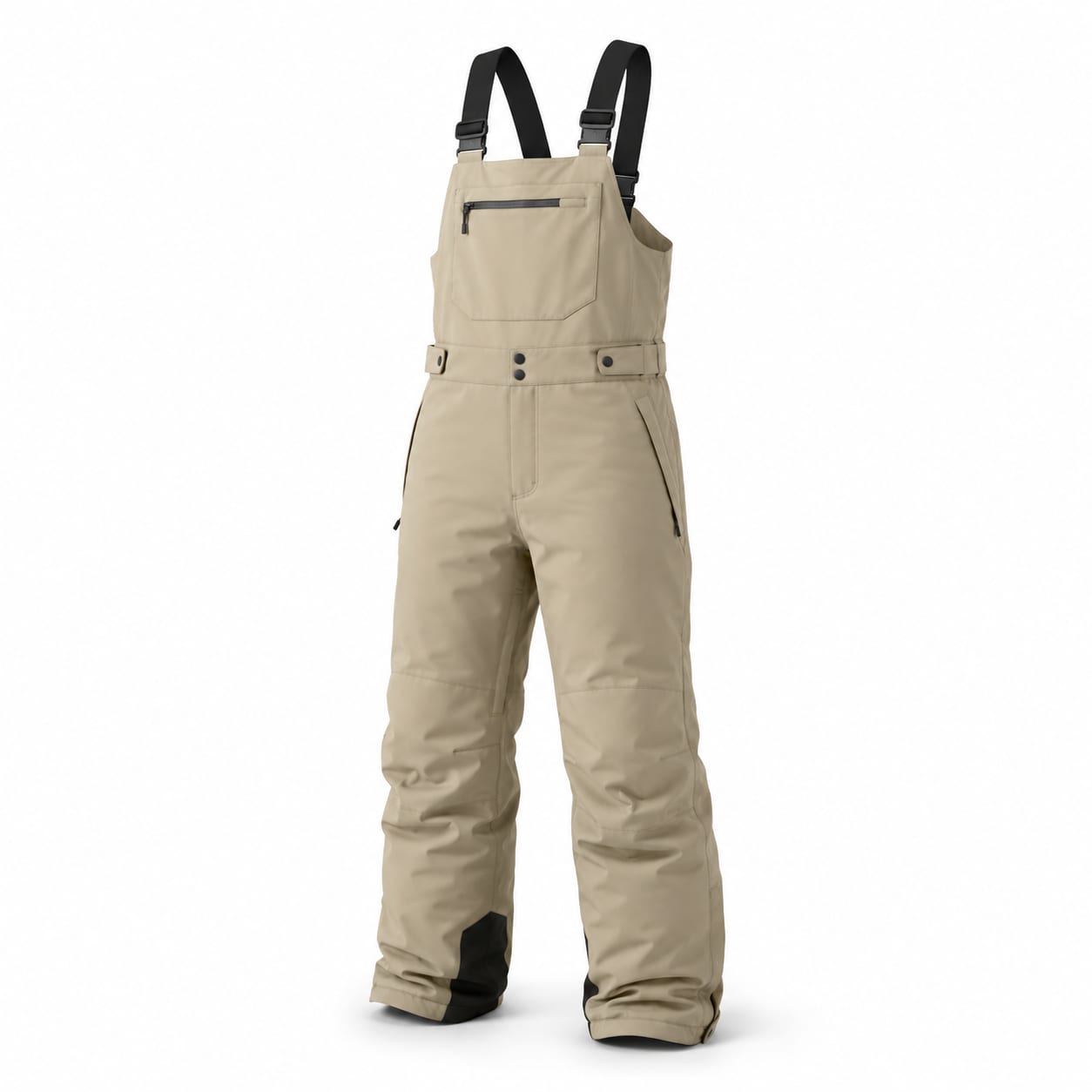
High-coverage snow pants with integrated shoulder straps and chest panel for maximum powder protection and core warmth.

Bib snow pants are the gold standard for deep powder and cold-weather riding. By extending coverage up past the waist with shoulder straps and a chest panel, bibs eliminate the gap where snow can enter during falls or deep turns, while also adding core warmth and secure storage. Once favored mainly by professionals and backcountry riders, bibs have become mainstream for anyone who values staying dry and comfortable in demanding conditions.

$120 – $550premium tierintermediateadvancedexpert

Best known for

Superior snow seal preventing powder from entering at the waistExtra core warmth from chest and back coverageSecure fit that stays in place during aggressive ridingAdded chest pocket storage for phone, pass, and essentialsProfessional-grade protection for patrol and guides
Bib Snow Pants

Guide

Detailed overview

Bib snow pants feature integrated shoulder straps and an extended chest and back panel that rises well above the natural waistline, creating a continuous barrier against snow, wind, and cold. Unlike standard waist-height pants that rely on a jacket-pant interface to keep out the elements, bibs provide self-contained protection that remains effective even if your jacket rides up during a fall, deep turn, or chairlift ride. The shoulder straps keep the pants securely in place without the need for a belt, eliminating sagging and the dreaded plumber's gap. Most bibs include a zip or snap front closure on the chest panel, and many feature a drop-seat or side-zip design for easier bathroom access—a critical consideration that historically deterred some riders from choosing bibs. The chest area typically includes one or more pockets that are uniquely advantageous: they keep items like phones warm against your body (preserving battery life in cold temperatures) and provide secure, easily accessible storage that doesn't interfere with sitting on chairlifts. Modern bibs have evolved significantly from the bulky, utilitarian designs of the past, now offering streamlined fits, stretch fabrics, and thoughtful features that make them viable for everything from resort cruising to backcountry touring.

Bib snow pants have undergone a remarkable transformation in recent years, evolving from niche gear favored by ski patrollers and backcountry purists into one of the most popular styles on the mountain. The core appeal is straightforward: bibs solve the fundamental problem of snow entering at the waist, which is the most common point of failure in any layering system. No matter how well your jacket and pants overlap, aggressive riding, deep powder, and inevitable falls will find the gap. Bibs eliminate this vulnerability entirely by extending the waterproof barrier up to your chest, creating a seal that works independently of your jacket.

The warmth advantage of bibs is often underappreciated but significant. By covering the core area from hips to chest, bibs add a substantial zone of insulation and wind protection that standard pants simply cannot match. This is particularly valuable on cold chairlift rides, where the gap between jacket and pants is most exposed to wind chill. Many riders find they can run lighter base layers with bibs because the additional coverage compensates for reduced insulation elsewhere. The shoulder straps also serve a practical function beyond keeping pants up—they distribute the weight of the garment evenly and prevent the waistband from digging in during long days on the mountain.

Storage is another area where bibs shine. The chest pocket is arguably the best feature that standard pants cannot offer. Positioned against your body and protected from the elements, it keeps your phone warm and accessible, stores your pass securely, and provides a safe spot for snacks or a small camera. Some bibs include multiple chest pockets with organization features, effectively replacing the need for a small backpack on resort days. The pocket positioning is also more convenient while seated on a chairlift, as chest pockets are easier to access than hip pockets when your legs are extended.

The primary trade-off with bibs is bathroom convenience. While modern designs have addressed this with drop-seat zippers, side-entry systems, and full-length front zips, removing bibs for bathroom breaks is inherently more involved than with standard pants. This is the most common reason riders cite for avoiding bibs, and it's a legitimate consideration—particularly for women. However, many riders who switch to bibs report that the benefits far outweigh this inconvenience, and that the bathroom issue becomes routine with practice. The other consideration is layering compatibility: bibs add bulk to the torso area, so you may need to size your jacket slightly larger or choose a bib with a low-profile chest panel if you prefer a trim fit under your shell.

For the 2024-2025 season, bibs continue to dominate new product development across all price points. Nearly every major outerwear brand now offers multiple bib models, from budget-friendly entry options to premium Gore-Tex Pro designs with welded seams and stretch fabrics. The trend toward slimmer, more articulated bibs has made them accessible to riders who previously found them too bulky or restrictive. If you ride in conditions where snow ingestion is likely—which includes most riders who venture off-piste, ride deep powder, or simply fall occasionally—bibs offer a meaningful upgrade in comfort and protection that is difficult to replicate with any other solution.

Quick facts

Primary purpose
Provide maximum snow protection and coverage by extending above the waist with secure shoulder straps
Popular brands
FlylowArc'teryxPatagoniaBurtonDakineOrage
Typical terrain
deep powderbackcountryvariable snow conditionsresort powder days

What makes it different

Over-the-shoulder design prevents snow from entering at waist; provides extra core warmth and coverage

Recommended ranges

How this type usually specs out

Each spec is explained in plain language, then we show what buyers usually look for on this type.

Insulation Type

Insulation Type

What it means

The type of insulation used in the pants, determining warmth, packability, and moisture management.

Typical for this type

Shell No Insulation Or Synthetic Insulation

In practice

Bibs are most commonly found as uninsulated shells, allowing riders to leverage the bib's own core coverage for warmth while customizing insulation through base and mid-layers. Synthetic-insulated bibs (typically 40-60g) are available for riders who want built-in warmth without layering complexity.

Compared to other types

Bibs are more commonly offered as shells than standard pants, because the inherent core coverage reduces the need for built-in insulation. Standard pants more frequently come with fleece linings or light synthetic insulation as a default.

Why it matters: Since bibs already add warmth through chest and back coverage, shell bibs with proper layering provide the most versatile temperature control. Over-insulating a bib can lead to overheating, especially during high-output activities like hiking or touring.

Waterproof Rating

Waterproof Rating

What it means

The water column rating (mm) indicating how much water pressure the fabric can withstand before leaking. Higher numbers mean better waterproofing.

Typical for this type

10000-20000 mm

Most common pick: 15000

In practice

Quality bibs typically start at 10,000mm and range up to 20,000mm+, with 15,000mm being the most common rating for mid-to-premium models. Since bibs are often chosen specifically for deep powder and harsh conditions, manufacturers tend to spec higher waterproof ratings than on standard pants at equivalent price points.

Compared to other types

Bibs generally feature higher waterproof ratings than standard pants at the same price tier, reflecting their positioning as premium weather-protection garments. A $200 bib will typically have a higher waterproof rating than a $200 standard pant.

Why it matters: The whole point of bibs is superior weather protection, so a high waterproof rating ensures the extended coverage area actually keeps you dry. A bib with low waterproofing undermines its primary advantage over standard pants.

Breathability Rating

Breathability Rating

What it means

The moisture vapor transmission rate (g/m²/24hr) measuring how much sweat vapor can escape through the fabric. Higher numbers mean better breathability.

Typical for this type

10000-20000 g/m²/24hr

Most common pick: 12000

In practice

Bibs cover more body surface area than standard pants, which means more fabric that sweat vapor must pass through. Typical breathability ratings range from 10,000 to 20,000 g/m²/24hr, with 12,000-15,000 being the sweet spot for most resort riders. Higher breathability is important for backcountry use.

Compared to other types

Bibs need equal or better breathability than standard pants to compensate for the reduced ventilation at the waist. Standard pants allow some air exchange at the waistline; bibs seal this area completely, making fabric breathability and mechanical venting more critical.

Why it matters: The additional coverage of bibs can trap more heat and moisture, making breathability and venting features especially important. A bib with poor breathability will feel clammy faster than standard pants with the same rating because there is less area for passive air exchange at the waist.

Fit Type

Fit Type

What it means

The overall cut and silhouette of the pants, affecting style, mobility, layering capacity, and snow protection.

Typical for this type

Regular Or Relaxed

In practice

Regular fit is the most common for bibs, providing enough room for layering under both the legs and the chest panel without excess bulk. Relaxed fit bibs are popular among freestyle riders and those who wear thick mid-layers. Slim-fit bibs exist but are less common because the chest panel adds inherent bulk.

Compared to other types

Bibs tend to run slightly looser in the torso than standard pants at the same labeled fit because the chest panel must accommodate varying layer thicknesses. Standard pants only need to fit the waist and legs, giving more flexibility in cut.

Why it matters: Bib fit affects both the legs and the torso. A too-tight bib restricts chest expansion when breathing deeply and limits layering under the chest panel. A too-loose bib can cause the chest panel to shift and the shoulder straps to slide off the shoulders.

Style Type

Style Type

What it means

Whether the pants are standard waist-height or bib-style with shoulder straps and extended coverage.

Typical for this type

Bib

In practice

By definition, this subcategory is bib-style pants with integrated shoulder straps and chest coverage. The bib extends from the waist up to the lower chest or mid-chest, with adjustable shoulder straps securing the garment.

Compared to other types

Bibs provide full chest and back coverage with shoulder straps, unlike standard pants (waist-height only) or convertible/suspender styles (which lack the chest panel). The bib panel is what creates the complete snow seal and enables chest pocket storage.

Why it matters: The bib style is the defining characteristic that provides the superior snow seal, core warmth, and chest pocket storage that distinguish this subcategory from standard pants.

Insulation Weight

Insulation Weight

What it means

The amount of insulation in grams, directly correlating to warmth level. Higher grams mean more warmth but more bulk.

Typical for this type

0-40 g

In practice

Shell bibs (0g insulation) are the most popular because the bib's own coverage provides warmth, and riders prefer to manage temperature through layering. When insulation is present, 40g synthetic is the most common, providing light warmth without excessive bulk in the chest area.

Compared to other types

Bibs typically use less insulation than standard pants because the extended coverage area provides inherent warmth. A 0g shell bib feels warmer than a 0g shell standard pant due to the additional covered body area.

Why it matters: Insulation in the chest panel of a bib can feel overly warm during active riding. Shell bibs with a good mid-layer offer better temperature regulation. If you run cold or ride in extreme conditions, 40g of synthetic insulation adds noticeable warmth without excessive bulk.

Ventilation System

Ventilation System

What it means

The type and placement of zippered vents that allow rapid temperature regulation during high-output activities.

Typical for this type

Inner Thigh Or Mesh Lined Vents

In practice

Inner thigh vents with mesh lining are the standard for quality bibs. The mesh prevents snow from entering through the vents during deep powder turns—a critical feature since bibs are often worn precisely for powder riding. Full side zips are available on backcountry-oriented bibs for maximum temperature control and easy on/off without removing boots.

Compared to other types

Bibs benefit more from mesh-lined vents than standard pants because the sealed waist means all heat must escape through the fabric or vents. Standard pants allow some heat to escape at the waist, making venting slightly less critical.

Why it matters: Because bibs seal the waist area completely, mechanical venting is more important than in standard pants, which allow some passive ventilation at the waist. Effective vents are essential for dumping heat during hikes or warm spring days.

Seam Sealing

Seam Sealing

What it means

The method and extent of seam sealing, which is critical for preventing water entry at stitched seams.

Typical for this type

Fully Taped

In practice

Fully taped seams are the standard for quality bibs, reflecting their positioning as premium weather-protection garments. Since bibs are chosen for demanding conditions, manufacturers rarely cut corners on seam sealing. Critically taped bibs exist at lower price points but are less common than fully taped models.

Compared to other types

Bibs are more likely to feature fully taped seams than standard pants at the same price point, because the additional seams in the chest and shoulder area create more potential leak points that would undermine the bib's weather-protection purpose.

Why it matters: The bib's extended coverage area means more seams that could potentially leak. Fully taped seams ensure the entire garment—from the chest panel to the cuffs—maintains a complete waterproof barrier. This is especially important at the shoulder strap attachment points and the front zipper.

Snow Gaiters

Snow Gaiters

What it means

Built-in elastic or adjustable cuffs at the pant leg bottom that seal around boots to prevent snow entry.

Typical for this type

Adjustable Gaiter

In practice

Adjustable gaiters with snap or hook closures are the most common on bibs, providing a secure, customizable seal around various boot sizes. Since bibs are designed for deep powder, a reliable gaiter seal is considered essential rather than optional.

Compared to other types

Bibs almost universally include gaiters, while some standard pants—especially casual or fashion-oriented models—omit them. The no-gaiter option is extremely rare in bibs because the target user is riding in conditions where snow entry at the cuff is likely.

Why it matters: A bib that seals the waist but leaves the cuffs open to snow entry undermines its purpose. Adjustable gaiters ensure a complete seal from chest to boot, keeping snow out at both the top and bottom of the garment.

Reinforcement Panels

Reinforcement Panels

What it means

Extra-durable fabric panels at high-wear areas like cuffs, hems, and inner legs to prevent damage from edges, boots, and abrasion.

Typical for this type

Cuff Reinforcement Or Scuff Guard

In practice

Cuff reinforcement is standard on bibs, protecting the hem from edge cuts and boot abrasion. Full scuff guards extending up the inner leg are common on premium and professional-grade bibs, particularly those designed for ski patrol or aggressive riding.

Compared to other types

Bibs are slightly more likely to include full scuff guards than standard pants at equivalent price points, reflecting their positioning as durable, professional-grade garments. The reinforcement is also valued because bib wearers tend to ride more days per season.

Why it matters: Bibs are an investment piece that riders expect to last multiple seasons. Reinforcement at high-wear areas extends the garment's lifespan significantly, which is especially important given that bibs typically cost more than standard pants.

Waist Adjustment

Waist Adjustment

What it means

The mechanism for adjusting waist fit without a belt, ensuring secure fit and snow seal at the waist.

Typical for this type

Velcro Side Tabs Or Buckle Side Tabs

In practice

While the shoulder straps are the primary fit mechanism for bibs, most models also include side adjustment tabs at the waist to fine-tune the fit over varying layer thicknesses. Velcro side tabs are most common; buckle side tabs appear on premium models for greater durability.

Compared to other types

Waist adjustment is somewhat less critical for bibs than for standard pants because the shoulder straps provide the primary secure fit. Standard pants rely entirely on the waist closure to stay up, making adjustment more essential.

Why it matters: The shoulder straps handle the primary job of keeping bibs up, but waist adjustment is still important for sealing the gap between the bib and your jacket, and for accommodating different layer combinations. Without waist adjustment, the bib may gap or bunch depending on what you're wearing underneath.

Pocket Configuration

Pocket Configuration

What it means

The number, type, and placement of pockets for storing essentials like pass, phone, snacks, and tools.

Typical for this type

Hand Warmer + Bib Chest Pocket + Pass Pocket

Most common pick: Hand Warmer, Bib Chest Pocket, Pass Pocket

In practice

The bib chest pocket is the signature storage feature of this subcategory, providing secure, body-warmed storage for phones, passes, and small essentials. Most bibs combine this with standard hand warmer pockets and an RFID pass pocket on the lower leg. Cargo pockets appear on freestyle-oriented bibs.

Compared to other types

Bibs offer the unique bib_chest_pocket option that standard pants cannot provide. This pocket is widely considered the best storage location on any snow pant because it is secure, warm, accessible, and protected from the elements. Standard pants are limited to hand, cargo, and pass pockets.

Why it matters: The chest pocket is one of the primary functional advantages of bibs over standard pants. It keeps your phone warm against your body (preventing cold-weather battery drain), stores your pass securely, and is easily accessible while seated on a chairlift. This pocket alone justifies the bib choice for many riders.

Shell Material

Shell Material

What it means

The primary outer fabric type, affecting durability, weight, stretch, noise, and overall feel.

Typical for this type

Nylon Or Gore Tex

In practice

Nylon is the most common shell material for bibs across all price points, offering excellent durability and versatility. Gore-Tex laminates are prevalent in premium bibs designed for serious riders and demanding conditions. Stretch fabrics are increasingly popular in freestyle and backcountry bibs where mobility is prioritized.

Compared to other types

Bibs are more likely to feature premium shell materials like Gore-Tex than standard pants at the same price point, because the target user typically demands higher performance. The larger fabric area also means the benefits of premium materials are more noticeable.

Why it matters: The shell material of a bib affects a larger body area than standard pants, making durability and performance more impactful. A high-quality shell material ensures the extended coverage area actually performs as intended in wet and abrasive conditions.

Articulation

Articulation

What it means

Pre-shaped or articulated knees and hips designed to match the natural riding position, reducing fabric bunching and improving mobility.

Typical for this type

Articulated Knees Or Fully Articulated

In practice

Articulated knees are standard on quality bibs, and fully articulated construction with gusseted crotches appears on premium models. Since bibs are often chosen by aggressive and professional riders, articulation is more commonly included than omitted.

Compared to other types

Bibs are more likely to include articulation than standard pants at the same price point, because the shoulder straps create a mechanical connection between leg movement and the upper body. Without articulation, bending the knees in a bib can cause the chest panel to shift and the shoulder straps to pull.

Why it matters: The shoulder straps of a bib can restrict upward movement of the legs if the garment lacks articulation. Pre-shaped knees and gusseted construction allow the legs to move freely without pulling the chest panel down or creating uncomfortable tension in the shoulders.

DWR Coating

DWR Coating

What it means

Durable Water Repellent treatment on the outer fabric that causes water to bead up and roll off rather than soaking into the face fabric.

Typical for this type

True

In practice

DWR coating is standard on virtually all bibs, as it is essential for maintaining the performance of the waterproof membrane. The larger surface area of bibs makes DWR maintenance especially important—when the face fabric wets out, the entire extended coverage area loses breathability.

Compared to other types

DWR coating is equally important for bibs and standard pants, but the larger fabric area of bibs means the consequences of DWR failure are more severe. A wetted-out bib absorbs more water and becomes heavier than a wetted-out standard pant.

Why it matters: Because bibs cover more area than standard pants, a failure of the DWR coating affects a larger portion of the garment. Regular DWR maintenance is critical for bibs to ensure the waterproof membrane can breathe and the face fabric doesn't absorb water and become heavy.

Inseam Length

Inseam Length

What it means

The measurement from the crotch seam to the bottom of the pant leg, determining proper length and coverage.

Typical for this type

30-34 inches

Most common pick: 32

In practice

Bibs typically come in regular inseam lengths of 30-34 inches, with many brands offering short and long options. The inseam length is especially important for bibs because the shoulder straps affect how the pant hangs—if the inseam is too short, the straps pull the pant up; if too long, the crotch sags and restricts movement.

Compared to other types

Inseam length is more critical for bibs than standard pants because the shoulder straps create a fixed relationship between the crotch position and the chest panel. Standard pants can slide up and down at the waist without affecting other parts of the garment; bibs cannot.

Why it matters: Proper inseam length ensures the bib's crotch sits in the right position relative to your body, which affects both comfort and the function of the shoulder straps. An incorrect inseam can cause the chest panel to sit too high or too low, affecting pocket accessibility and coverage.

Evaluation

Strengths and trade-offs

Pros

What this type does best

Complete Snow Seal at the Waist

Critical

The extended chest and back panel eliminates the gap where snow enters during falls, deep turns, and chairlift rides. This is the single most important advantage of bibs and the primary reason most riders switch.

Superior Core Warmth

High

The additional coverage from hips to chest provides significant insulation and wind protection for the core area. Many riders find they need fewer or lighter base layers with bibs compared to standard pants.

Secure Fit Without Belts

High

Shoulder straps keep bibs securely in place all day without sagging, adjusting, or needing a belt. The pants stay exactly where you want them regardless of how aggressively you move.

Chest Pocket Storage

High

The bib chest pocket provides secure, body-warmed storage that is inaccessible on standard pants. It keeps phones warm and functional, stores passes securely, and is easy to reach while seated on chairlifts.

No Jacket-Pant Gap on Chairlifts

High

When sitting on a chairlift, standard pants often gap at the back where the jacket rides up. Bibs maintain complete coverage in this vulnerable position, keeping cold air and snow off your lower back.

Professional-Grade Protection

Medium

Bibs are the standard issue for ski patrol, guides, and professional riders because they provide the most reliable weather protection in the most demanding conditions. This pedigree translates to durable, well-designed consumer products.

Better Layering Integration

Medium

Bibs create a smooth, continuous barrier that works with any jacket length or style. You don't need to worry about matching jacket-pant overlap lengths or whether your jacket will stay tucked into your pants during activity.

Cons

Trade-offs to be aware of

Bathroom Inconvenience

Significant

Removing bibs for bathroom breaks requires unzipping the chest panel and sliding the shoulder straps down, which is more involved than simply unzipping standard pants. Women's bibs with drop-seat zippers help but don't fully eliminate this issue.

Higher Cost

Moderate

Bibs typically cost $30-80 more than comparable standard pants from the same brand due to the additional fabric, seams, zippers, and shoulder strap hardware. The chest pocket and extended coverage add manufacturing complexity.

Added Bulk Under Jacket

Moderate

The chest panel and shoulder straps add bulk under your jacket, which can affect fit and restrict chest expansion. Riders with trim-fitting jackets may need to size up or choose low-profile bib designs.

Overheating Risk in Warm Conditions

Moderate

The extended coverage that provides warmth in cold conditions can cause overheating during warm spring days or high-output activities. Shell bibs with good vents mitigate this, but the extra covered area is inherently warmer.

More Complex Sizing

Minor

Bibs must fit both the lower body (waist, hips, inseam) and the upper body (chest, shoulder strap length). Finding the right size is more complex than standard pants, especially for riders with non-standard proportions.

Limited Style Options

Minor

Bibs have a distinct look that not everyone prefers. While modern designs are more streamlined, the bib silhouette is inherently different from standard pants and may not suit all style preferences, particularly for fashion-conscious resort riders.

Best for

Terrain

Deep powderBackcountryOff-piste and gladesVariable snow conditionsResort all-mountain

Snow conditions

Deep powder daysCold and windy conditionsWet coastal snowStorm daysVariable conditions

Skill level

IntermediateAdvancedExpert

Riding style

All-mountainFreerideBackcountry touringBig mountainPark and pipe (for chest pocket convenience)

Rider profile

Ski patrollers and instructorsBackcountry guidesRiders who fall frequently (beginners progressing to intermediate)Cold-natured ridersRiders who carry phones and electronics on the mountainDeep powder chasers

Not ideal for

Reasons

Bathroom inconvenience is problematic for riders who take frequent breaksAdded warmth is unnecessary and uncomfortable in mild conditionsChest panel bulk interferes with tight-fitting fashion jacketsHigher cost is hard to justify for occasional riders in dry climatesShoulder straps can be uncomfortable for riders with shoulder or neck issues

Terrain

Spring corn snow with warm temperaturesIndoor dry slopes

Skill level

Absolute beginners who need frequent bathroom breaks

Riding style

Warm-weather park sessionsStreet and urban snowboarding (excess fabric catches on features)

Compare

How it stacks up

This page

Bib Snow Pants

Complete snow seal at the waist, superior core warmth, secure fit without belts, and chest pocket storage. Bibs stay in place during aggressive riding and never gap at the back on chairlifts.

Alternative

Standard Snow Pants

Standard pants are easier to take on and off, especially for bathroom breaks. They are less expensive, lighter weight, and less bulky under jackets. They also offer more style variety and a simpler, more familiar fit.

Bottom line

Choose bibs if you ride in deep powder, cold conditions, or fall often enough that snow enters at the waist. Choose standard pants if you prioritize bathroom convenience, ride primarily in mild conditions, or prefer a simpler garment.

This page

Bib Snow Pants

Bibs provide full chest and back coverage that suspenders cannot match. The chest panel adds warmth, weather protection, and storage that removable suspenders simply do not offer. Bibs are a complete system rather than an add-on.

Alternative

Convertible/Suspender Snow Pants

Convertible pants offer the flexibility to switch between suspender security and standard pant simplicity. They are easier to remove for bathroom breaks because the suspenders detach, and they work well for riders who want security on some days but not others.

Bottom line

Choose bibs if you want maximum weather protection and chest pocket storage. Choose convertible/suspender pants if you want the option to remove the upper attachment for warmer days or easier bathroom access, but still want some waist security.

This page

Bib Snow Pants

Shell bibs with proper layering provide more versatile temperature control than insulated standard pants. The bib's own coverage adds warmth without the bulk of built-in insulation, and you can adjust layers to match conditions precisely.

Alternative

Insulated Snow Pants

Insulated standard pants provide built-in warmth without the need to think about layering. They are simpler to use and often less expensive than a shell bib plus mid-layer combination. They work well for riders who want grab-and-go simplicity.

Bottom line

Choose shell bibs with a good layering system if you ride in variable conditions or high-output activities. Choose insulated standard pants if you want simplicity, primarily ride in consistently cold conditions, and prefer not to manage layers.

Shopping

Buying tips

  • 1

    Try bibs on with your typical riding mid-layer to ensure the chest panel fits comfortably without restricting breathing or movement. The chest area should be snug but not tight when layered.

  • 2

    Check the bathroom access design before buying. Women's bibs should have a drop-seat zipper; men's bibs should have a front zip that opens sufficiently. Test the mechanism in the store to ensure it works smoothly.

  • 3

    Look for adjustable shoulder straps with at least 4 inches of adjustment range. This allows you to customize the crotch height and chest panel position for your torso length.

  • 4

    Prioritize mesh-lined inner thigh vents. Because bibs seal the waist completely, effective mechanical venting is more important than in standard pants. Avoid bibs without vents unless you ride exclusively in very cold conditions.

  • 5

    Consider a shell bib over an insulated bib unless you ride in consistently extreme cold. The bib's own coverage provides significant warmth, and a shell with layering offers better temperature control across varied conditions.

  • 6

    Check the chest pocket size and placement before buying. It should be large enough for your phone and positioned where you can access it easily while wearing gloves. Some bibs have pockets that are too small or awkwardly placed.

  • 7

    If you wear a trim-fitting jacket, bring it when trying on bibs. The chest panel and shoulder straps add bulk that may require sizing up your jacket or choosing a low-profile bib design.

  • 8

    Look for bibs with a low-profile chest panel if you want a less bulky feel under your jacket. Some modern bibs have minimal chest coverage that still seals the waist but adds less bulk than traditional full-chest designs.

Care

Maintenance notes

  • Reapply DWR coating at least once per season, or whenever water stops beading on the fabric surface. The larger surface area of bibs makes DWR maintenance especially important for maintaining breathability.
  • Wash bibs with technical fabric cleaner (not regular detergent) to preserve the waterproof membrane and DWR coating. Close all zippers and velcro before washing to prevent snagging.
  • Inspect and clean the chest zipper regularly. This zipper is critical for bathroom access and is often overlooked during maintenance. Lubricate with zipper wax if it becomes stiff.
  • Check shoulder strap attachments and adjusters for wear at the start of each season. These are high-stress points that can fail over time, especially if you frequently adjust strap length.
  • Store bibs hanging rather than folded to prevent creasing in the chest panel and preserve the waterproof membrane. Avoid storing in direct sunlight, which degrades DWR coating.
  • Patch any small punctures or cuts promptly with repair tape designed for waterproof fabrics. Because bibs cover more area, they are more likely to encounter sharp branches and ski edges.
  • Tumble dry on low heat after washing to reactivate the DWR coating. Check the care label first—some bibs with synthetic insulation require air drying.

Progression

Skill development path

Bibs are suitable for intermediate through expert riders. Beginners may find the bathroom inconvenience frustrating during their learning phase when they take frequent breaks, but the snow protection is actually most valuable for beginners who fall often. As riders progress to intermediate and advanced levels, they spend more time in variable conditions and deep snow where bibs excel. Expert riders, professionals, and backcountry enthusiasts overwhelmingly prefer bibs for their superior weather protection and reliability. The learning curve for bibs is minimal—most riders adjust to the feel and bathroom routine within a few days of riding.

FAQ

Common questions

Each question has a dedicated page with a full answer and links to the buying guide.

Are bib snow pants worth it for casual resort riders?

Yes, if you ride more than 10 days per season or encounter powder and wet snow regularly. The snow seal alone prevents the most common source of discomfort on the mountain—snow down the pants from falls or deep turns. The chest pocket for your phone and the elimination of jacket-pant gap on chairlifts are daily quality-of-life improvements that most riders appreciate immediately after switching.

How do women handle bathroom breaks with bibs?

Most women's bibs include a drop-seat zipper across the back that allows you to pull the bib down without removing the shoulder straps. Some designs use a side-zip entry system instead. While not as quick as standard pants, the process becomes routine with practice. Look for bibs with well-designed drop-seat systems and test the mechanism before buying to ensure it works smoothly with your body shape.

Do bibs replace the need for a mid-layer on my lower body?

Not entirely. Shell bibs still require a base layer for moisture management and a mid-layer for insulation in cold conditions. However, the bib's chest and back coverage adds significant warmth to your core, so you may need less insulation on your upper body. Many riders find they can wear a lighter mid-layer jacket with bibs than they would with standard pants.

Can I wear bibs with any jacket, or do I need a specific type?

Bibs work with virtually any jacket, which is one of their advantages—you don't need to worry about jacket-pant overlap. However, the chest panel and shoulder straps add bulk under your jacket, so very trim-fitting jackets may feel tight. If your jacket is already snug, consider a low-profile bib design or sizing up your jacket slightly. Jackets with a powder skirt work particularly well with bibs.