Kitvore.com

Kitvore.com

Specs that matter. Gear that fits.

Snow Pants · Subcategory

Performance/Fitted Ski Pants

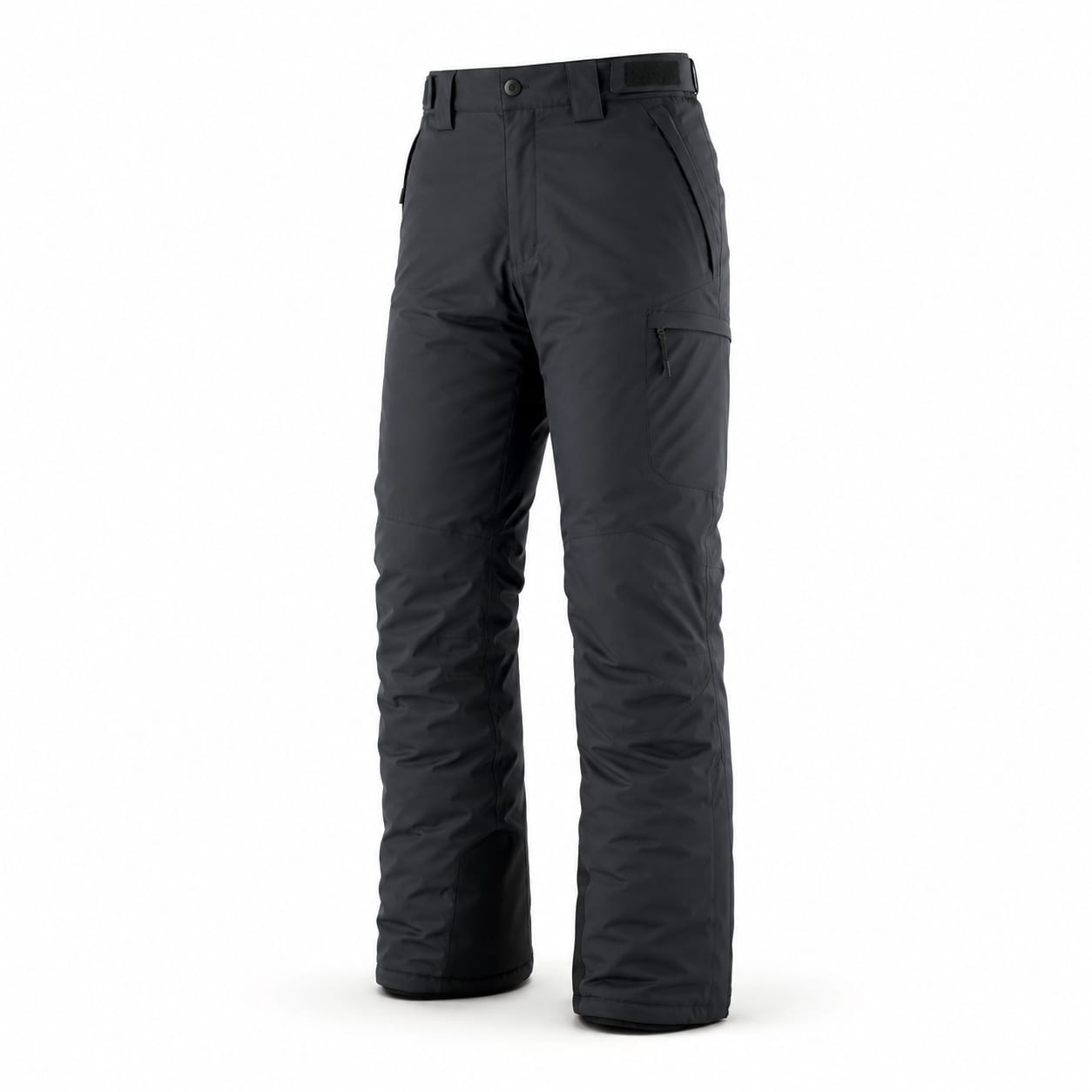
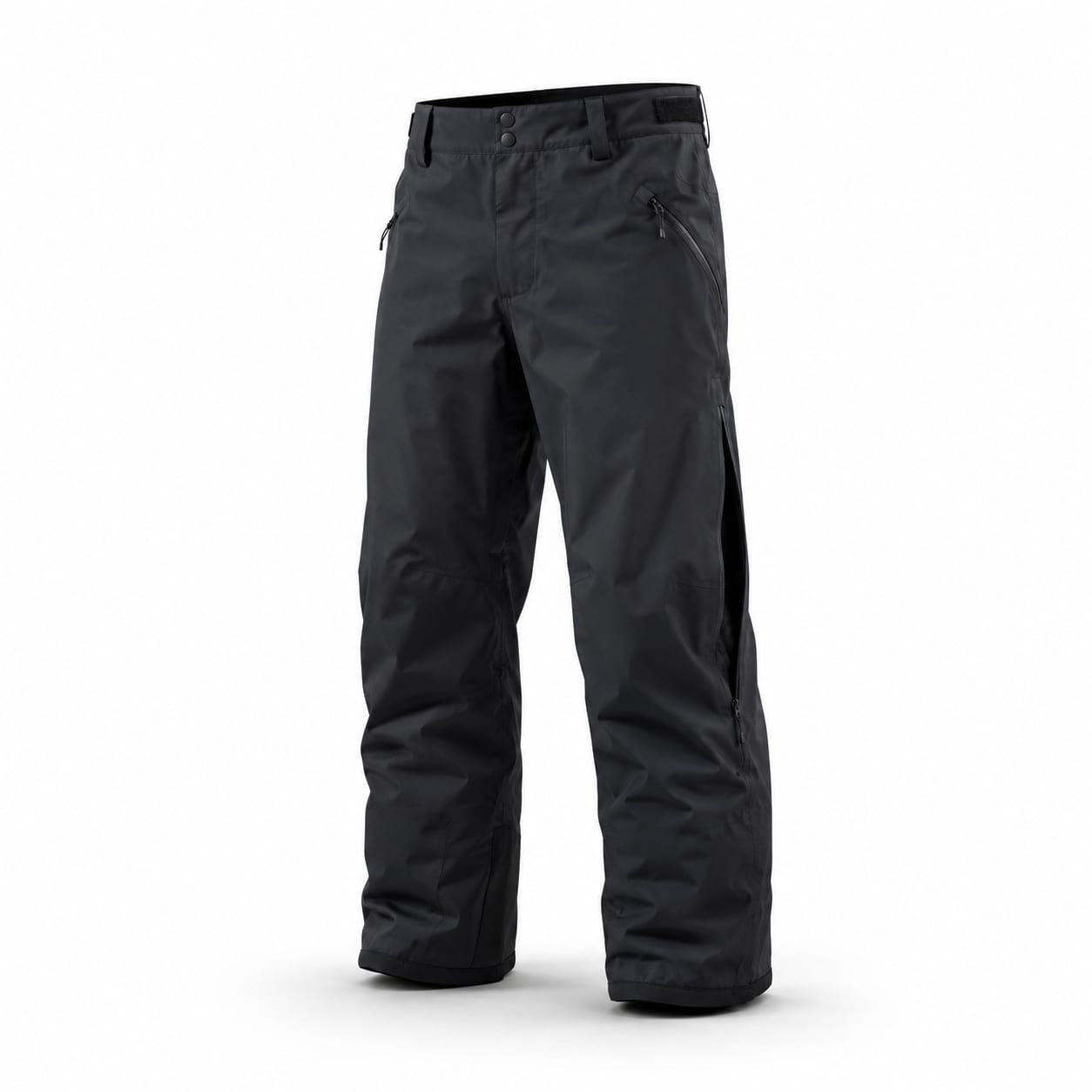
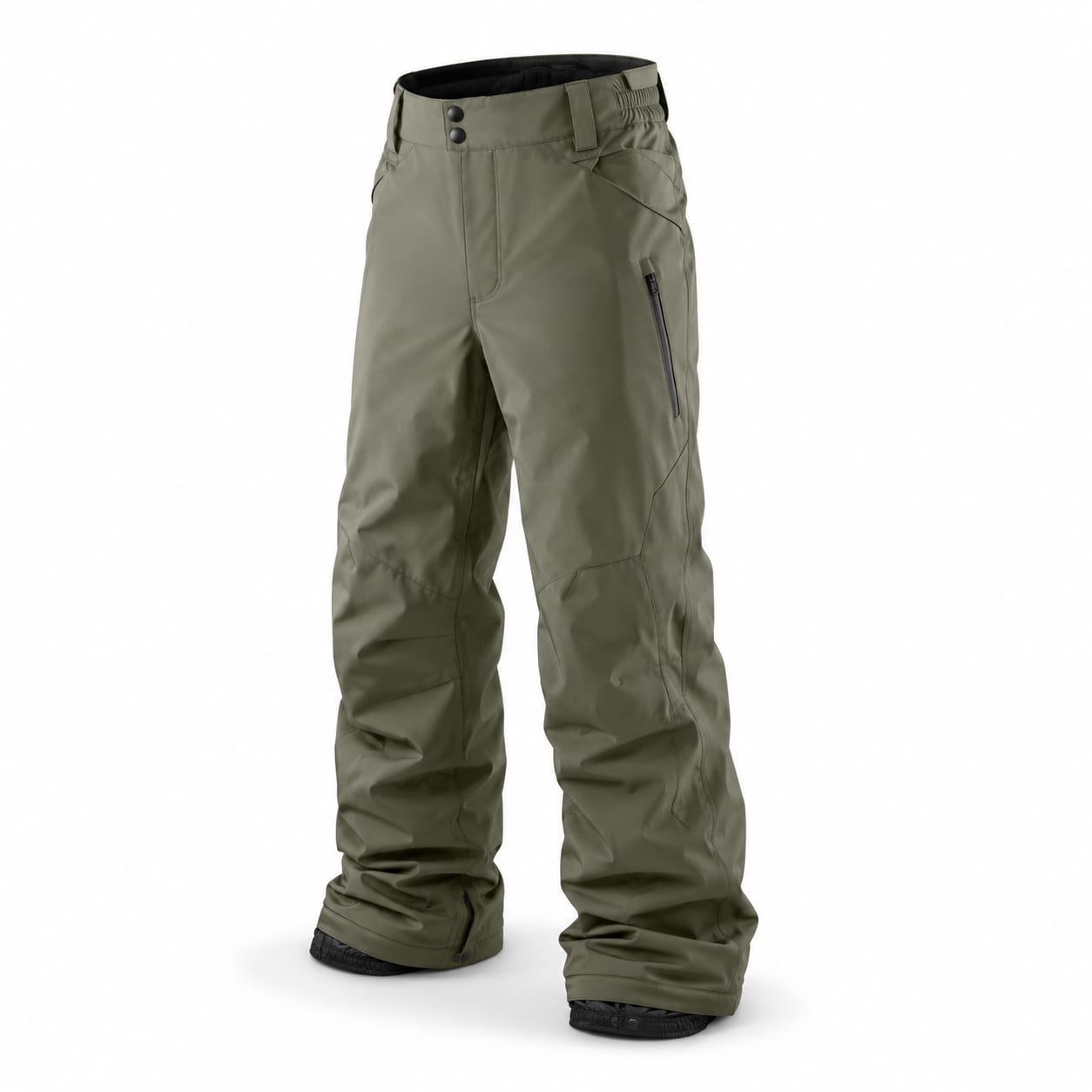
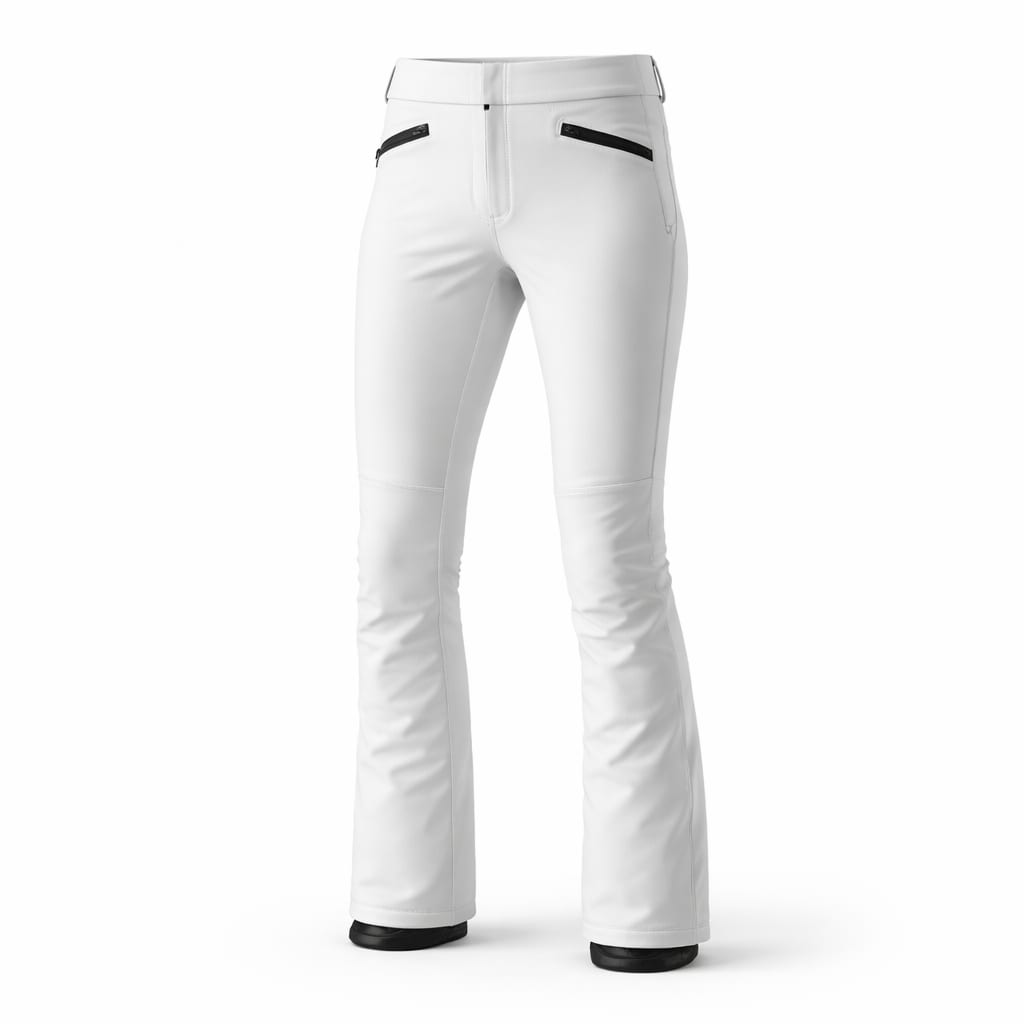
Streamlined, articulated ski pants built for aggressive riders who demand maximum mobility, minimal bulk, and uncompromising weather protection.

Performance/Fitted Ski Pants are the sports car of snow bottoms — sleek, responsive, and engineered for precision. Designed with articulated joints, premium waterproof-breathable membranes, and a body-hugging silhouette, they eliminate excess fabric that catches wind and restricts movement. Whether you're carving groomers at speed, navigating tight tree lines, or charging through variable conditions, these pants move with you, not against you. They're built for skiers who treat every run as a performance opportunity.

$120 – $700premium tieradvancedexpert

Best known for

Streamlined athletic fit that reduces drag and bulkPremium waterproof-breathable membranes like Gore-TexArticulated knees and gusseted construction for unrestricted movementShell-dominant designs optimized for active layering systemsRace-inspired aesthetics and technical feature sets
Performance/Fitted Ski Pants

Guide

Detailed overview

Performance/Fitted Ski Pants represent the intersection of technical engineering and athletic design in snow sports apparel. Unlike relaxed or baggy alternatives, these pants are cut close to the body with strategic articulation that mirrors the biomechanics of aggressive skiing. The slim silhouette isn't merely aesthetic — it reduces wind resistance at speed, eliminates fabric snag hazards in tight terrain, and allows for precise body awareness during technical maneuvers. Construction typically features premium 2-layer or 3-layer laminates with waterproof ratings of 15,000mm or higher, fully taped seams, and high breathability ratings that keep high-output riders dry from the inside out. The shell-dominant approach favors versatility, allowing riders to dial in warmth through base and mid-layers rather than relying on built-in insulation that can't be adjusted. Key design elements include articulated knees, gusseted crotches, mesh-lined inner thigh vents, adjustable waist systems, and reinforced cuffs — all positioned to serve riders who spend full days pushing their limits rather than cruising greens.

Performance/Fitted Ski Pants exist because serious skiers learned long ago that excess fabric is the enemy of performance. When you're driving a carve at 40 mph, baggy pants don't just look out of place — they catch wind like a sail, restrict your range of motion at critical moments, and create a disconnected feeling between your body and your equipment. The fitted silhouette solves these problems by mapping fabric to your body's natural contours while in a skiing stance, not while standing upright in a fitting room.

The engineering behind these pants goes far beyond simple tailoring. Articulated knees are pre-bent to match the flexed position your legs hold while skiing, eliminating the fabric bunching behind the knee that causes discomfort and restricts circulation during long days. Gusseted crotches add rotational freedom for quick edge transitions. Stretch panels in strategic zones accommodate the dynamic range of motion that aggressive skiing demands. Every seam placement, every panel cut, and every feature location is considered against the biomechanics of high-performance skiing.

Weather protection in this category leaves nothing to chance. Premium membranes — Gore-Tex being the gold standard but not the only option — deliver waterproof ratings typically between 15,000 and 25,000mm paired with breathability ratings of 15,000 to 30,000 g/m²/24hr. Fully taped seams are the baseline, not an upgrade. DWR coatings cause moisture to bead and shed before it can saturate the face fabric. The result is a system that keeps you dry from outside precipitation and inside perspiration simultaneously, which is critical when you're working hard enough to sweat through lesser pants in minutes.

The trade-off for this performance focus is reduced layering capacity compared to regular or relaxed fits. These pants are designed to work with a lightweight to midweight base layer and perhaps a thin midlayer — not bulky fleece or heavy insulated layers. Riders who run cold or frequent extremely cold destinations may find the layering constraints limiting. Additionally, the fitted aesthetic isn't for everyone; riders coming from snowboard culture or those who prefer a looser feel may find the silhouette restrictive, even if the actual mobility is superior. Understanding these trade-offs is essential to making the right choice for your riding style and conditions.

Quick facts

Primary purpose
Provide a streamlined, athletic fit for on-piste skiing with minimal excess fabric and a polished appearance
Popular brands
SpyderDescentePhenixBognerKjusGoldwin
Typical terrain
groomed runsrace coursesfront-side terrain

What makes it different

Form-fitting cut distinct from baggy snowboard styles; emphasizes performance look and feel

Recommended ranges

How this type usually specs out

Each spec is explained in plain language, then we show what buyers usually look for on this type.

Insulation Type

Insulation Type

What it means

The type of insulation used in the pants, determining warmth, packability, and moisture management.

Typical for this type

Shell No Insulation Or Synthetic Insulation (20-40g)

In practice

Performance pants overwhelmingly favor shell construction, allowing riders to control warmth through layering. Light synthetic insulation (20-40g) appears in some models for riders who want minimal baseline warmth without layering complexity.

Compared to other types

Unlike casual or insulated pants that often use 40-80g synthetic or fleece linings, performance pants almost always start with a shell-first approach. This prioritizes versatility and breathability over plug-and-play warmth.

Why it matters: Shell construction maximizes breathability and mobility — critical for high-output performance skiing. Built-in insulation adds bulk that compromises the fitted silhouette and can cause overheating during aggressive riding.

Waterproof Rating

Waterproof Rating

What it means

The water column rating (mm) indicating how much water pressure the fabric can withstand before leaking. Higher numbers mean better waterproofing.

Typical for this type

15000-25000 mm

Most common pick: 20000

In practice

Performance pants typically feature 15,000-25,000mm waterproof ratings, with premium models reaching 28,000mm+. This level handles sustained wet snow, deep powder, and long exposure without compromise.

Compared to other types

Higher than casual pants (5,000-10,000mm) and comparable to backcountry-specific models. The premium reflects the expectation that performance riders will encounter and push through conditions that would send casual riders to the lodge.

Why it matters: Aggressive skiers push through variable conditions, spend time in wet snow at lift bases, and can't afford wet-through during long days. High waterproof ratings are non-negotiable when you're committed to riding regardless of weather.

Breathability Rating

Breathability Rating

What it means

The moisture vapor transmission rate (g/m²/24hr) measuring how much sweat vapor can escape through the fabric. Higher numbers mean better breathability.

Typical for this type

15000-30000 g/m²/24hr

Most common pick: 20000

In practice

Performance pants prioritize breathability ratings of 15,000-30,000 g/m²/24hr. High-output skiing generates significant body heat and moisture, demanding fabric that can evacuate sweat vapor rapidly.

Compared to other types

Significantly higher than casual pants (5,000-10,000 g/m²) and insulated models where insulation impedes vapor transfer. Performance pants treat breathability as equally important to waterproofing.

Why it matters: Clammy, sweat-soaked base layers lead to rapid cooling during lift rides and reduced comfort all day. High breathability prevents the greenhouse effect that turns lesser pants into saunas during aggressive riding.

Fit Type

Fit Type

What it means

The overall cut and silhouette of the pants, affecting style, mobility, layering capacity, and snow protection.

Typical for this type

Slim (Primary) Or Regular (For Performance-Leaning Versatility)

In practice

Slim fit is the defining characteristic of this subcategory. Pants are cut close to the body with tapered legs, minimal excess fabric, and articulation that follows anatomical contours in a skiing stance.

Compared to other types

Distinctly slimmer than regular, relaxed, or baggy fits. While other categories prioritize layering room or style-driven looseness, performance pants prioritize aerodynamic efficiency and unrestricted movement through articulation rather than excess fabric.

Why it matters: The slim silhouette reduces wind drag at speed, eliminates fabric interference during technical maneuvers, and provides precise body awareness. It's the functional foundation of the entire performance category.

Style Type

Style Type

What it means

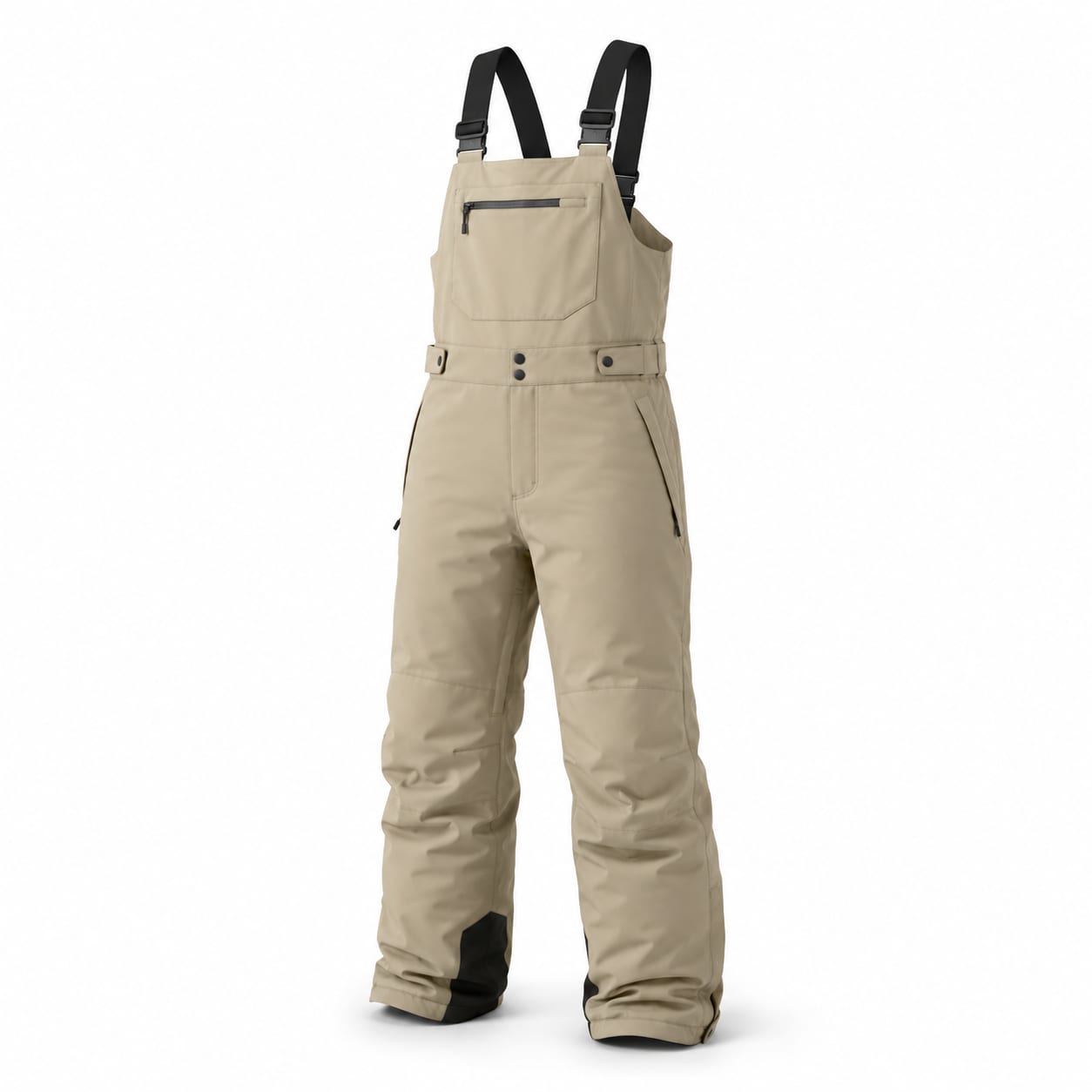
Whether the pants are standard waist-height or bib-style with shoulder straps and extended coverage.

Typical for this type

Pants (Most Common) Or Bib (For Deep Powder Performance)

In practice

Standard pants dominate this category for their lighter weight and simpler layering. However, performance bibs are gaining popularity among riders who want the snow-seal advantages without sacrificing the fitted silhouette.

Compared to other types

Similar distribution to other technical categories, but performance riders more often choose standard pants for the lighter, cooler feel during high-output riding. The fitted cut makes bib versions feel less restrictive than baggy bibs.

Why it matters: Standard pants offer maximum ventilation and simpler layering — preferred by riders who generate significant heat. Bibs add snow protection and core warmth but complicate layering and bathroom breaks.

Insulation Weight

Insulation Weight

What it means

The amount of insulation in grams, directly correlating to warmth level. Higher grams mean more warmth but more bulk.

Typical for this type

0-40 g

In practice

0g (shell) is most common, reflecting the layering-system approach. When insulation is present, it's typically 20-40g of lightweight synthetic like PrimaLoft for mild baseline warmth without bulk.

Compared to other types

Significantly less than insulated casual pants (40-80g) or extreme cold models (80g+). Performance pants treat insulation as an optional supplement rather than a primary feature.

Why it matters: Low insulation weight preserves the slim silhouette and maximizes breathability. Performance riders control temperature through adjustable layering rather than fixed insulation that can't be modified on the fly.

Ventilation System

Ventilation System

What it means

The type and placement of zippered vents that allow rapid temperature regulation during high-output activities.

Typical for this type

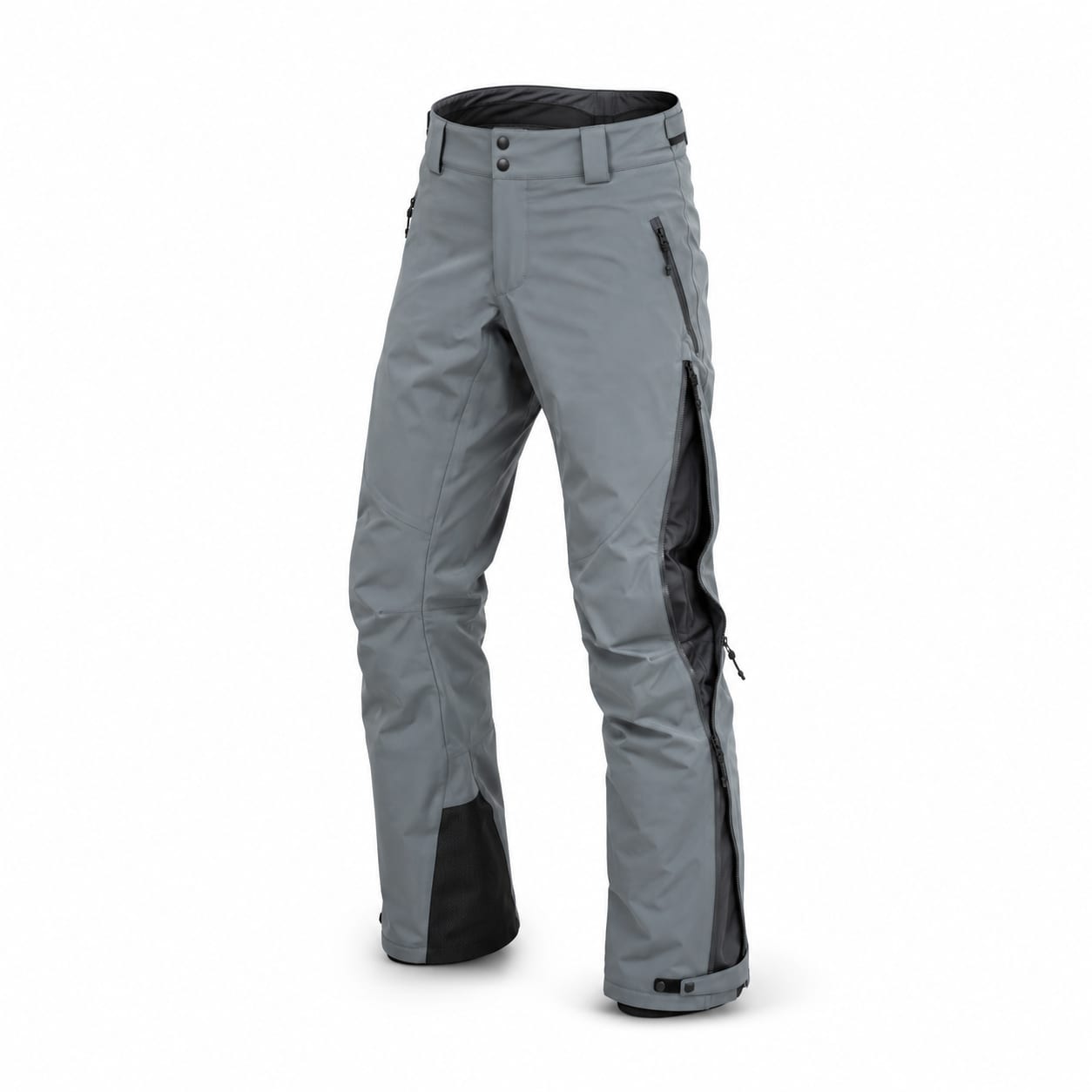
Inner Thigh Or Mesh Lined Vents (Standard); Full Side Zip (Touring Crossover)

In practice

Mesh-lined inner thigh vents are the standard, providing effective heat dumping while preventing snow ingress during falls. Full side zips appear on touring-crossover performance models.

Compared to other types

More consistent vent provision than casual pants (which sometimes lack vents). Mesh lining is more common here than in budget categories, reflecting the expectation that performance riders will use vents actively while riding.

Why it matters: High-output skiing requires rapid temperature regulation. Effective vents allow you to dump heat on the uptrack or during warm spring runs without removing layers — critical for maintaining comfort across varying exertion levels.

Seam Sealing

Seam Sealing

What it means

The method and extent of seam sealing, which is critical for preventing water entry at stitched seams.

Typical for this type

Fully Taped (Standard); Welded Seams (Premium)

In practice

Fully taped seams are the baseline expectation in this category. Every seam is sealed with waterproof tape, ensuring no water ingress through stitch holes regardless of exposure duration.

Compared to other types

Higher standard than casual pants where critically taped seams are common. Welded seams appear on the most premium performance models, offering superior sealing with less bulk than tape.

Why it matters: Performance riders spend full days in variable conditions and can't tolerate wet-through at seams. Fully taped construction is non-negotiable when pants cost $300+ and are expected to perform in any weather.

Snow Gaiters

Snow Gaiters

What it means

Built-in elastic or adjustable cuffs at the pant leg bottom that seal around boots to prevent snow entry.

Typical for this type

Adjustable Gaiter With Snap/Hook

In practice

Adjustable gaiters with snap or hook closures are standard, providing a secure, customizable seal around various boot sizes. The adjustability ensures long-term effectiveness as boots change.

Compared to other types

More likely to feature adjustable rather than simple elastic gaiters compared to mid-range pants. Performance riders demand reliable snow seals and are willing to pay for the durability and customization of adjustable systems.

Why it matters: A proper snow seal at the cuff prevents powder from entering boots during deep snow encounters — a common scenario for performance skiers who seek out untracked terrain. Adjustable systems maintain seal integrity better than simple elastic over time.

Reinforcement Panels

Reinforcement Panels

What it means

Extra-durable fabric panels at high-wear areas like cuffs, hems, and inner legs to prevent damage from edges, boots, and abrasion.

Typical for this type

Cuff Reinforcement (Minimum); Full Scuff Guard (Preferred For Aggressive Riders)

In practice

Cuff reinforcement is standard, protecting the high-wear hem area from edge cuts and boot abrasion. Full scuff guards extending up the inner leg appear on models designed for the most aggressive use.

Compared to other types

More consistently present than in casual or fashion-oriented pants. Full scuff guards are more common in this category than in any other except race-specific gear, reflecting the higher wear rates from aggressive skiing.

Why it matters: Sharp ski edges destroy unreinforced cuffs quickly. Performance skiers, particularly racers and those who carve aggressively, generate more edge-to-cuff contact than casual riders. Reinforcement significantly extends pant life.

Waist Adjustment

Waist Adjustment

What it means

The mechanism for adjusting waist fit without a belt, ensuring secure fit and snow seal at the waist.

Typical for this type

Velcro Side Tabs (Common) Or Buckle Side Tabs (Premium)

In practice

Velcro side tabs are most common for quick, on-the-fly adjustment over varying layer thicknesses. Buckle side tabs appear on premium models for superior durability and precise micro-adjustment.

Compared to other types

More likely to feature buckle systems than casual pants, reflecting the premium price point and the need for precise fit. Integrated belts are rare in this category as they add bulk incompatible with the streamlined aesthetic.

Why it matters: The fitted silhouette requires precise waist sizing to maintain the clean line and prevent sagging. Side tabs allow adjustment across different layering configurations — from thin base layers on warm days to midlayers in cold conditions.

Pocket Configuration

Pocket Configuration

What it means

The number, type, and placement of pockets for storing essentials like pass, phone, snacks, and tools.

Typical for this type

Hand Warmer + Pass Pocket (Essential); Cargo Pockets (Optional, Less Common)

Most common pick: Hand Warmer, Pass Pocket

In practice

Hand warmer pockets and an RFID pass pocket on the lower left leg are standard. Cargo pockets are less common in this category as they add bulk inconsistent with the streamlined silhouette.

Compared to other types

Fewer pockets than freestyle or casual pants where cargo pockets are common. The minimalist approach reflects the performance-first design philosophy — carry what you need, not everything you might want.

Why it matters: Performance pants prioritize clean lines and minimal bulk, so pocket count is deliberately restrained. Essential storage is provided without compromising the aerodynamic profile or adding unnecessary weight.

Shell Material

Shell Material

What it means

The primary outer fabric type, affecting durability, weight, stretch, noise, and overall feel.

Typical for this type

Gore Tex (Premium Standard) Or Nylon (High-Denier)

In practice

Gore-Tex laminates are the most common shell material in this category, delivering proven waterproof-breathable performance. High-denier nylon shells with premium membranes appear as alternatives at slightly lower price points.

Compared to other types

Higher concentration of Gore-Tex and premium membranes than any other category except backcountry-specific gear. Polyester shells, common in budget pants, are essentially absent here due to inferior durability and performance.

Why it matters: The shell material is the foundation of performance — it determines waterproofing, breathability, durability, and feel. Premium laminates like Gore-Tex provide the reliable, consistent performance that aggressive skiers depend on.

Articulation

Articulation

What it means

Pre-shaped or articulated knees and hips designed to match the natural riding position, reducing fabric bunching and improving mobility.

Typical for this type

Articulated Knees (Minimum); Fully Articulated (Ideal)

In practice

Fully articulated construction with pre-shaped knees, contoured hips, and gusseted crotch is the standard. This is a defining feature that enables the slim fit to move without restriction.

Compared to other types

Articulation is more prevalent and more sophisticated here than in any other category. Casual and budget pants often lack articulation entirely, relying on loose fits for mobility. Performance pants achieve mobility through engineering, not excess fabric.

Why it matters: Without articulation, a slim fit would be restrictive and uncomfortable. Articulation is what makes the fitted silhouette functional — it replaces excess fabric volume with engineered panel shapes that accommodate movement.

DWR Coating

DWR Coating

What it means

Durable Water Repellent treatment on the outer fabric that causes water to bead up and roll off rather than soaking into the face fabric.

Typical for this type

True (Essential)

In practice

DWR coating is universal in this category. It causes water to bead and roll off the face fabric, preventing the outer material from saturating and compromising breathability.

Compared to other types

Present across all quality snow pants, but performance riders are more impacted by DWR degradation because they depend on breathability more than casual riders. Regular DWR reapplication is critical for this category.

Why it matters: Without DWR, the face fabric wets out and creates a barrier that blocks the membrane's breathability — turning a $400 pair of pants into a plastic bag. DWR maintenance is essential for preserving the performance you paid for.

Inseam Length

Inseam Length

What it means

The measurement from the crotch seam to the bottom of the pant leg, determining proper length and coverage.

Typical for this type

30-34 inches

Most common pick: 32

In practice

Inseam lengths of 30-34 inches cover most riders, with many brands offering short/regular/long sizing. Performance pants should reach mid-boot when standing to ensure coverage in flexed positions.

Compared to other types

Similar range to other categories, but proper length is more critical with slim fits because there's no excess fabric to compensate for shortness. Many performance brands offer more inseam options than casual lines.

Why it matters: Proper inseam length ensures continuous coverage when knees are bent in a skiing stance — pants that are too short ride up and expose skin at the boot interface. The fitted cut makes correct length more critical than with looser styles.

Evaluation

Strengths and trade-offs

Pros

What this type does best

Unrestricted Mobility Through Articulation

Critical

Pre-shaped knees, gusseted crotches, and contoured panels allow full range of motion without excess fabric. You can carve, pivot, and recover without fighting your pants.

Superior Weather Protection

Critical

High waterproof ratings (15,000-25,000mm+), fully taped seams, and premium membranes keep you dry in the worst conditions. These pants are built to perform when weather would sideline lesser gear.

Excellent Breathability for High-Output Riding

High

Breathability ratings of 15,000-30,000 g/m²/24hr combined with effective venting systems prevent the clammy, sweat-soaked feeling that plagues less technical pants during aggressive riding.

Reduced Wind Drag and Bulk

High

The streamlined silhouette eliminates sail-effect at speed and reduces overall weight and bulk. You feel connected to your skis rather than swimming in fabric.

Precise Layering Control

High

Shell-dominant construction lets you fine-tune warmth through base and mid-layers rather than being locked into a fixed insulation level. Adapt from sub-zero mornings to sunny afternoons without changing pants.

Long-Term Durability

Medium

Premium materials, reinforced cuffs, and quality construction mean these pants last multiple seasons of hard use. The higher initial investment pays off over time compared to replacing cheaper pants annually.

Professional Aesthetic

Medium

The clean, athletic silhouette projects competence and intentionality. You look like you belong on expert terrain — because the pants were designed for it.

Cons

Trade-offs to be aware of

Limited Layering Room

Significant

The slim fit restricts how thick your layers can be. If you run cold or ride in extreme temperatures, you may struggle to fit sufficient insulation underneath. These pants work best with lightweight to midweight base layers.

Premium Price Point

Significant

Performance pants typically range from $250-$600+, with Gore-Tex models often exceeding $400. The technical construction, premium materials, and brand positioning command significant premiums over casual alternatives.

Unforgiving Fit for Body Types

Moderate

The slim, articulated cut is optimized for athletic builds. Riders with larger thighs, hips, or midsections may find the fit uncomfortable or restrictive regardless of sizing. Sizing up often defeats the performance benefits.

Less Casual Versatility

Moderate

These pants look out of place at the après-ski bar and aren't designed for casual resort cruising. The technical aesthetic and fitted silhouette make them feel overdressed for mellow days or social skiing.

Requires Layering Knowledge

Minor

Shell construction demands understanding of layering systems. Without proper base and mid-layers, you'll be cold. Without moisture-wicking base layers, you'll be wet. The performance potential requires informed use.

Best for

Terrain

Groomed runs for carvingSteep and technical terrainTight tree runsBump fieldsVariable mixed conditions

Snow conditions

Variable snow conditionsWet and heavy snowWind-exposed terrainCold mornings transitioning to warm afternoonsFull-day exposure in mixed weather

Skill level

AdvancedExpert

Riding style

Aggressive all-mountain skiingCarvingRace-inspired skiingHigh-speed freerideTechnical steep skiing

Rider profile

Athletic skiers who prioritize performance over comfortRiders who generate significant body heat during aggressive skiingThose who understand and prefer layering systemsSkiers who ride regardless of weather conditionsFormer racers or race-inspired recreational skiers

Not ideal for

Reasons

Beginners won't benefit from performance features and may find the fit restrictiveThe slim fit doesn't accommodate the thick layering needed by cold-natured ridersFreestyle riders prefer relaxed or baggy fits for style and mobility preferencesThe premium price is wasted on riders who only ski a few days per seasonDeep powder may overwhelm standard pants — bibs are better for bottomless days

Terrain

Deep bottomless powder (unless bib version)Terrain parks and freestyle features

Skill level

BeginnerIntermediate (unless committed to progression)

Riding style

Casual cruisingFreestyle and park ridingSnowboarding (different mobility needs and culture)Backcountry touring (unless touring-specific model)

Compare

How it stacks up

This page

Performance/Fitted Ski Pants

Superior breathability, lighter weight, more precise layering control, and unrestricted mobility through articulation. Higher waterproof ratings and fully taped seams provide better weather protection.

Alternative

Insulated Resort Ski Pants

Built-in warmth without layering knowledge required. More forgiving fit accommodates various body types and layering preferences. Lower price point for similar weather protection. Warmer right out of the box.

Bottom line

Choose performance pants if you ride aggressively, generate significant heat, and understand layering. Choose insulated pants if you prefer simplicity, run cold, or ride casually in moderate conditions.

This page

Performance/Fitted Ski Pants

Dramatically better weather protection, superior breathability, reduced wind drag, and more precise mobility through articulation. Lighter weight and more packable. Professional aesthetic.

Alternative

Snowboard Pants

Maximum layering room, unrestricted movement through excess fabric rather than engineering, and cultural authenticity in freestyle contexts. Often less expensive for similar features. More forgiving fit for diverse body types.

Bottom line

Choose performance pants for aggressive skiing where drag and weather protection matter. Choose relaxed pants for freestyle riding, street-style aesthetics, or if you prioritize maximum layering capacity over streamlined performance.

This page

Performance/Fitted Ski Pants

More durable construction for resort abuse, reinforced cuffs for edge contact, and often better aesthetic integration with resort gear. Typically less expensive than touring-specific models.

Alternative

Backcountry/Touring Pants

Full side zips for easy on/off with boots, lighter weight for uphill travel, and features specifically designed for touring like integrated beacon pockets and climb-specific venting. Often more packable.

Bottom line

Choose performance pants for lift-served aggressive skiing. Choose touring pants if you spend significant time skinning uphill, as full side zips and touring-specific features are worth the investment for backcountry use.

This page

Performance/Fitted Ski Pants

Vastly superior weather protection, breathability, mobility, and durability. Premium materials and construction provide reliable performance across all conditions. Articulation enables all-day comfort during aggressive riding.

Alternative

Casual/Budget Snow Pants

Significantly lower price point ($80-200 vs $250-600+). More forgiving fit. Adequate for occasional riders in mild conditions. Less financial risk for beginners unsure about commitment to the sport.

Bottom line

Choose performance pants if you ski 20+ days per season, ride aggressively, or encounter variable conditions. Choose casual pants for occasional resort days, mild conditions, or if you're testing whether you'll commit to the sport.

Shopping

Buying tips

  • 1

    Try pants on in a skiing stance — bend your knees, flex forward, and simulate edge-to-edge movements. The fit should feel unrestricted in motion even if it feels close when standing upright.

  • 2

    Size for your layering system, not your street clothes. Bring your typical ski base layer and midlayer to try on with pants. The pants should fit comfortably over your complete layering system without straining seams.

  • 3

    Prioritize Gore-Tex or equivalent premium membranes if you ride in wet coastal climates. For drier interior climates, high-quality nylon shells with proprietary membranes can perform adequately at lower cost.

  • 4

    Check that inner thigh vents are large enough to actually dump heat — small vents on expensive pants are a red flag. Mesh-lined vents are worth seeking out for powder days.

  • 5

    Verify that the waist adjustment system works over your layering range. Some Velcro tabs lack sufficient range for the difference between a thin base layer and a thick midlayer.

  • 6

    If you're between sizes, consider whether you prioritize the performance fit (size down) or layering versatility (size up). Sizing up in slim-fit pants often defeats the performance benefits.

  • 7

    Look for models with multiple inseam lengths — proper length is more critical with slim fits because there's no excess fabric to compensate for shortness.

  • 8

    Consider bib versions if you regularly ride deep powder or hate snow down your pants. Performance bibs provide the same fitted silhouette with superior snow protection.

Care

Maintenance notes

  • Wash with technical fabric detergent (Nikwax Tech Wash or equivalent) — never use regular detergent, fabric softener, or bleach, which strip DWR coating and clog membrane pores.
  • Reapply DWR treatment when water stops beading on the fabric surface. This typically needs doing every 10-20 washes or once per season for frequent riders. Spray-on treatments offer more precise application than wash-in.
  • Close all zippers and Velcro before washing to prevent snagging and damage to delicate membrane fabrics.
  • Tumble dry on low heat when the care label allows — heat helps reactivate DWR treatment. Never dry on high heat or direct radiators, which can delaminate the waterproof membrane.
  • Store hanging rather than folded for long periods, as creases can eventually compromise seam tape adhesion.
  • Inspect seam tape annually for peeling or lifting, particularly at high-stress areas like the crotch and knees. Professional re-taping is available for premium pants worth preserving.
  • Patch small cuts and abrasions promptly with gear repair tape (Tenacious Tape) to prevent moisture ingress and further damage.
  • Avoid sitting on rough surfaces like concrete or unfinished wood with your pants — the face fabric on lightweight performance shells is more vulnerable to abrasion than heavier casual pants.

Progression

Skill development path

Performance/Fitted Ski Pants are most appropriate for advanced and expert skiers who have developed the technique and fitness to ride aggressively for full days. Intermediate skiers who are actively progressing and committed to improving may benefit from the mobility and weather protection, but should be aware that the fitted cut requires comfort with a close-to-body silhouette. Beginners should start with more forgiving fits and invest in performance pants once they've developed consistent technique and know they'll continue in the sport. The layering knowledge required for shell-dominant designs also assumes some experience with managing body temperature during varying exertion levels on the mountain.

FAQ

Common questions

Each question has a dedicated page with a full answer and links to the buying guide.

Will I be cold in shell pants without insulation?

Not if you layer properly. Shell pants are designed to work with a moisture-wicking base layer (lightweight to midweight merino or synthetic) and optionally a thin midlayer for cold days. This system is actually warmer than lightly insulated pants with poor base layers because it traps air between layers while allowing moisture to escape. The key is using quality base layers — cotton or casual leggings will leave you cold and damp.

Can I fit knee pads under performance ski pants?

It depends on the specific pants and pads. Most slim-fit performance pants have limited room for bulky pads, but low-profile volleyball-style knee pads or thin ski-specific pads (like those from POC or Dainese) often fit. Some performance pants are even designed with internal pad pockets. If knee protection is a priority, look for pants with built-in pad sleeves or size up slightly to accommodate your preferred pads.

Are performance pants worth the premium over regular ski pants?

If you ski 20+ days per season and ride aggressively, yes. The superior breathability prevents the clammy discomfort that ruins days in lesser pants, the articulation reduces fatigue from fighting restrictive fabric, and the weather protection keeps you riding when others retreat to the lodge. Over 3-5 seasons of hard use, the durability often makes them cheaper per-day than replacing budget pants annually. If you ski fewer than 10 days per year in mild conditions, the premium is harder to justify.

How do I know if a slim fit will work for my body type?

Try before you buy if possible, and test mobility in a skiing stance. Athletic builds with proportionate measurements typically work well. If you have significantly larger thighs, hips, or calves relative to your waist, you may find slim fits restrictive regardless of sizing. Some brands offer 'athletic fit' options that maintain a streamlined look with slightly more room in the thighs and seat. Don't force a fit that doesn't work — comfort enables performance.