Kitvore.com

Kitvore.com

Specs that matter. Gear that fits.

Snowboard · Subcategory

Park & Jib Snowboard

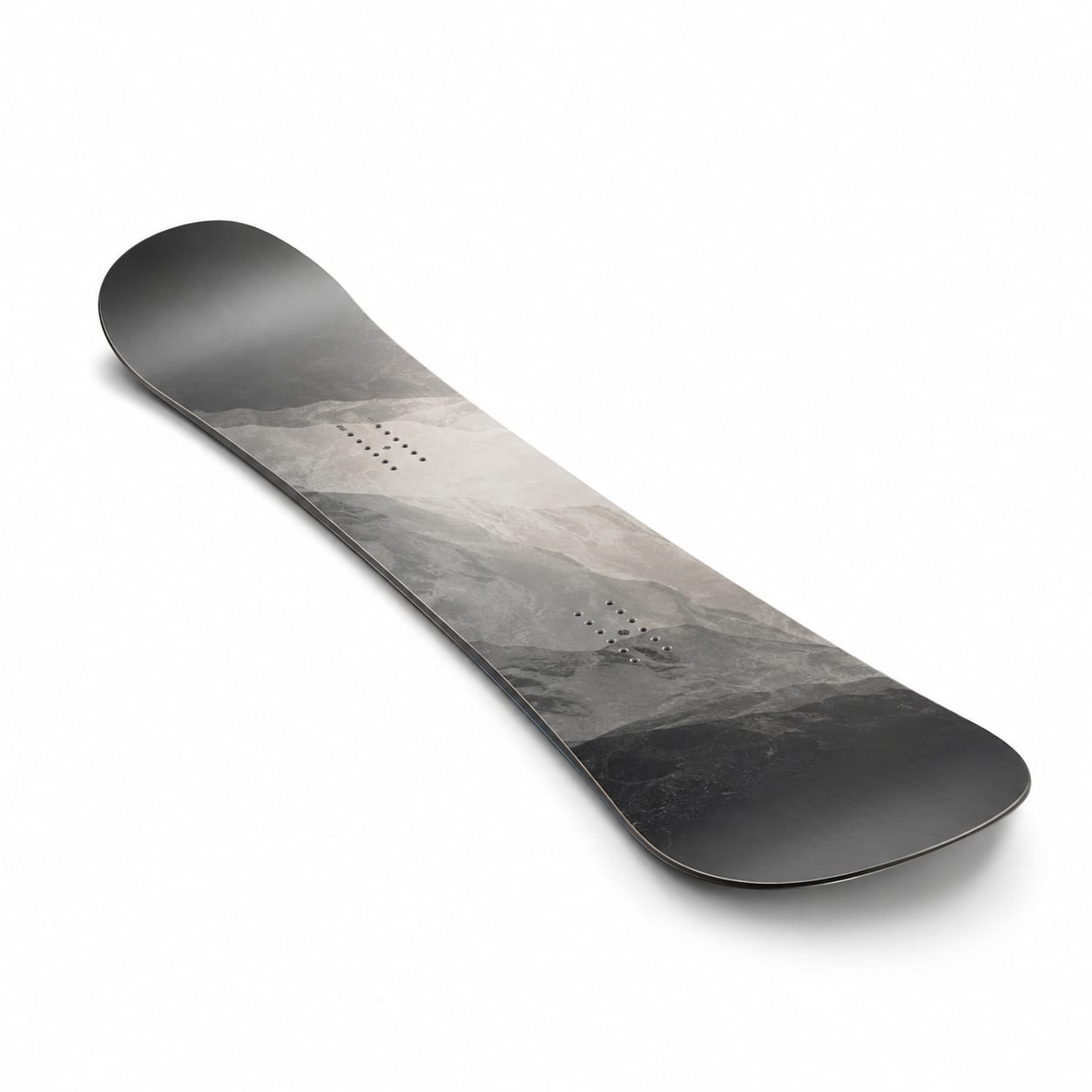
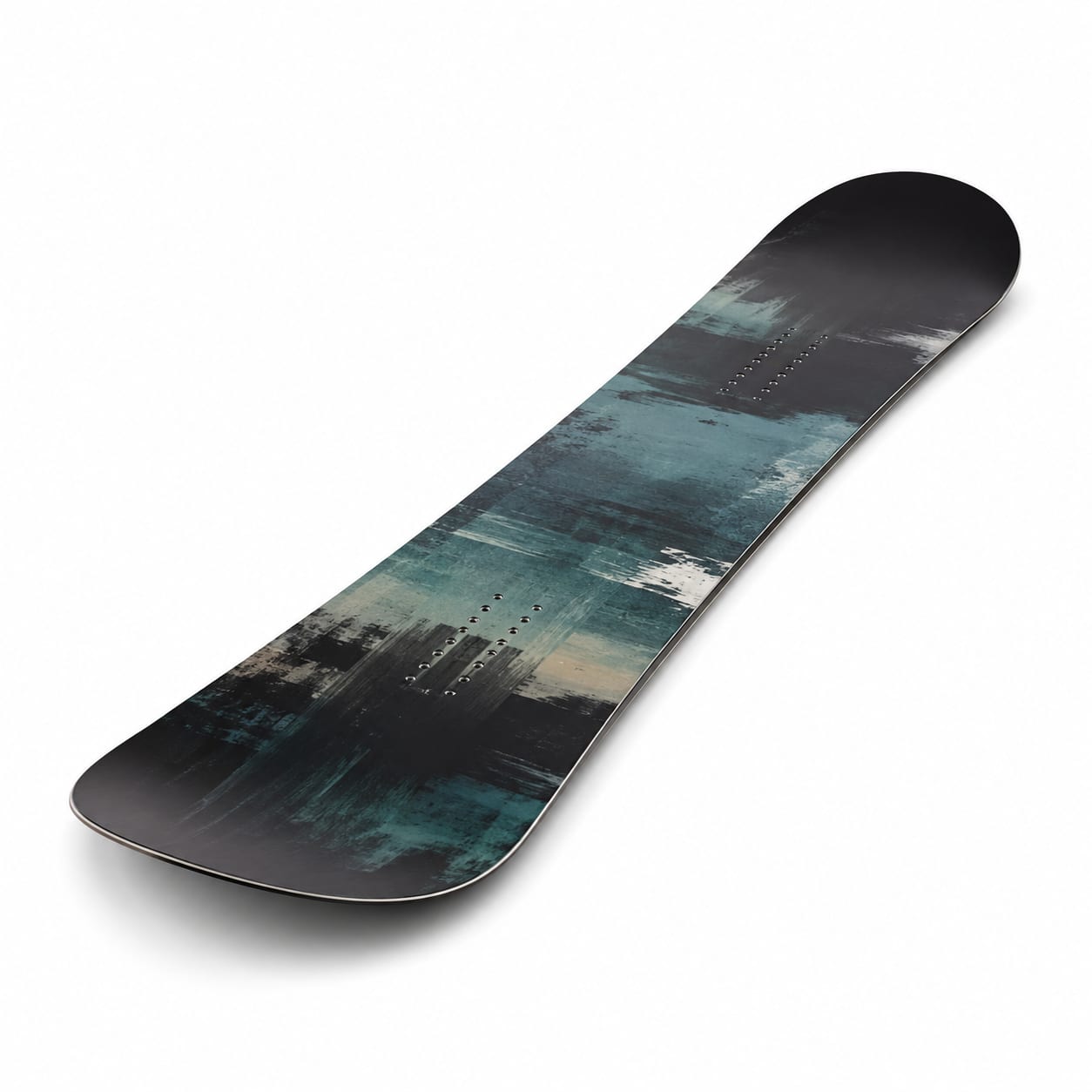
A soft, twin-shaped snowboard purpose-built for terrain park features, rails, boxes, and freestyle trick progression.

Park & Jib snowboards are the skateboards of the mountain—designed for riders who spend their days lapping the terrain park, hitting rails, pressing boxes, and spinning off jumps. With soft flex, true twin shapes, and forgiving camber profiles, these boards make learning tricks easier and styling them out more natural. If your idea of a perfect day involves lap after lap through the park, this is your board.

$250 – $600mid tierintermediateadvancedexpert

Best known for

Effortless pressing and butteringEasy spin initiation and landing switchForgiving feel that reduces edge catches on railsDurable construction built to survive rail impactsPlayful, skate-like riding style
Park & Jib Snowboard

Guide

Detailed overview

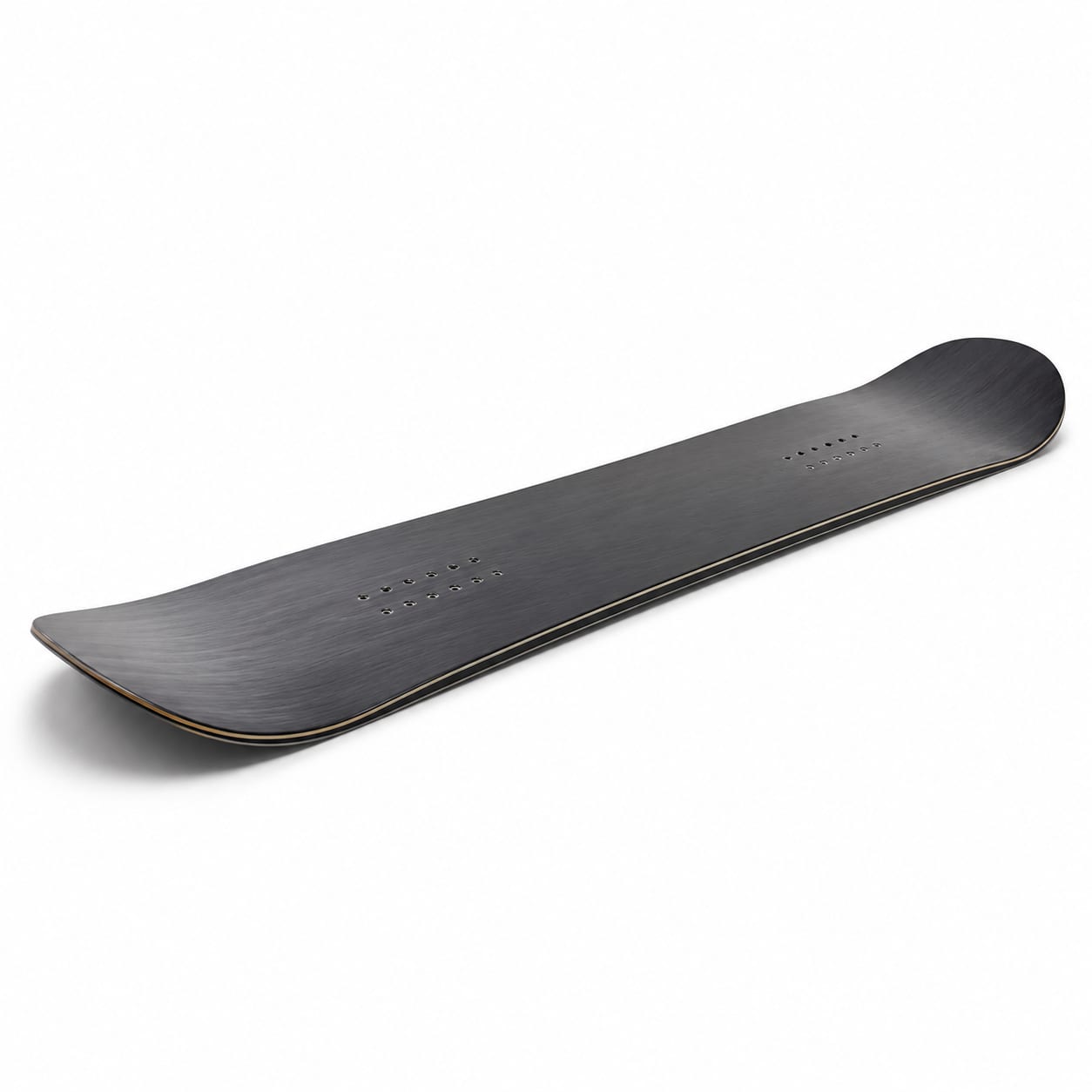
Park & Jib snowboards are specialized freestyle boards optimized for terrain park riding, rail sliding, box pressing, and jump tricks. They feature true twin shapes for identical switch and regular performance, soft flex ratings (typically 1–4 out of 10) for easy pressing and buttering, and camber profiles centered around rocker, flat, or hybrid rocker designs that provide forgiveness on rails and reduce the risk of edge catches. These boards are typically sized 3–6 cm shorter than all-mountain boards of the same rider weight to reduce swing weight and enhance maneuverability in the air. Construction prioritizes durability over weight savings, with reinforced edges, impact-resistant sidewalls, and extruded bases that are easy and cheap to repair after rail damage. The riding experience is playful, loose, and creative—these boards encourage experimentation and reward style over raw speed or power.

Park & Jib snowboards occupy a distinct niche in the snowboard world, designed for riders whose primary focus is the terrain park and street-style features. Unlike all-mountain boards that try to do everything reasonably well, park boards are unapologetically specialized. Every design choice—from the soft flex to the true twin shape to the rocker-dominant camber profile—serves the goal of making freestyle tricks easier to learn, smoother to execute, and more stylish to land.

The defining characteristic of a park and jib board is its flex. With ratings typically between 1 and 4 on a 10-point scale, these boards are soft enough to press on boxes, butter across the flats, and manipulate into positions that would be impossible on a stiffer board. This softness comes with trade-offs: park boards lack the edge hold for aggressive carving, the stability for high-speed charging, and the float for deep powder days. But for their intended purpose—lapping the park from opening to closing—nothing else comes close.

Camber profile selection is critical in this category. Full rocker (reverse camber) boards are the most forgiving and easiest to press, making them ideal for rail-focused riders and those learning jibs. Flat profiles offer a bit more stability for jump approaches and landings while remaining catch-free on rails. Hybrid rocker profiles—rocker between the feet with camber zones outside the inserts—provide the best of both worlds, adding pop for ollies and some edge hold for carving between park features without sacrificing the loose, playful feel that defines the category. Full camber park boards exist but are niche, favored by halfpipe riders and jump specialists who prioritize pop and edge hold over rail forgiveness.

Sizing is another area where park boards differ from the mainstream. Riders typically choose boards 3–6 cm shorter than their all-mountain length, and some go even shorter for street and rail setups. This reduced length lowers swing weight for faster spins and makes the board easier to maneuver on rails and boxes. However, going too short sacrifices stability on jump landings and makes the board squirrelly at speed. The sweet spot depends on your park focus: rail specialists can go shorter, while jump-focused riders should stay closer to their standard length. Weight-based sizing remains the most reliable method—always check the manufacturer's recommended weight range for any board you're considering.

Durability is a major consideration in park board construction. Rails and boxes are abrasive and impact-heavy, leading to edge damage, base gouges, and sidewall cracks that would destroy a less robust board. Park-specific models often feature thicker edges, reinforced sidewalls, and extruded bases that, while slower than sintered alternatives, are far easier and cheaper to repair. Some brands add rubber dampening layers under the inserts to reduce the impact of hard landings. This construction philosophy means park boards are built to be ridden hard and replaced when they wear out, rather than babied for seasons of gentle cruising.

Quick facts

Primary purpose
Rail, box, and technical park feature riding
Popular brands
CapitaRideLobsterSalomonGNUDC
Typical terrain
Terrain parksUrban featuresRail gardens

What makes it different

Maximum softness and durability for rail and box performance, sacrificing all-mountain versatility

Recommended ranges

How this type usually specs out

Each spec is explained in plain language, then we show what buyers usually look for on this type.

Length

Board Length

What it means

The total length of the snowboard measured in centimeters from tip to tail. The primary sizing dimension affecting stability, float, and maneuverability.

Typical for this type

143-158 cm

Most common pick: 148-155 cm

In practice

Park & jib boards are typically ridden 3–6 cm shorter than all-mountain boards for the same rider. This reduces swing weight for spins and makes the board more maneuverable on rails and boxes.

Compared to other types

Significantly shorter than freeride (5–10 cm) and all-mountain (3–6 cm) boards for the same rider. Rail specialists may go even shorter than jump-focused park riders.

Why it matters: Shorter length directly translates to easier spin initiation, quicker rotation, and less board to manage on rails. However, going too short sacrifices stability on jump landings and at speed.

Waist Width

Waist Width

What it means

The narrowest point of the snowboard's running surface, measured in millimeters. Determines boot-to-edge leverage and toe drag risk.

Typical for this type

245-260 mm

Most common pick: 246-254 mm

In practice

Park boards tend toward standard or slightly narrow waist widths for quick edge-to-edge transitions between park features. Wide versions exist for larger-footed riders.

Compared to other types

Similar to all-mountain boards but narrower than powder boards. No need for the extra width that powder float requires.

Why it matters: Narrower widths allow faster edge transitions when setting up for rails and jumps. However, riders with US men's size 11+ boots still need wide models to prevent toe drag on carves and landings.

Profile

Camber Profile

What it means

The longitudinal curvature of the snowboard when laid flat. The single most influential design element on how a board feels and performs.

Typical for this type

Rocker, Flat, Or Hybrid Rocker

Most common pick: Rocker Or Hybrid Rocker

In practice

Rocker and hybrid rocker profiles dominate park and jib boards because they are forgiving on rails (reduced edge catch risk) and easy to press. Flat profiles are also common for riders who want more stability for jumps.

Compared to other types

Unlike freeride boards that use camber or directional camber for edge hold, park boards prioritize forgiveness and pressability. Full camber park boards exist but are primarily for halfpipe and jump specialists.

Why it matters: The camber profile is the single biggest factor in how a park board feels on rails. Rocker lifts the contact points off the snow, making it nearly impossible to catch an edge on a rail or box. Hybrid rocker adds camber zones for pop while maintaining forgiveness.

Shape

Shape

What it means

The outline symmetry of the snowboard. Determines stance positioning, switch capability, and intended riding direction.

Typical for this type

True Twin

In practice

True twin is the standard for park and jib boards, providing identical performance riding regular and switch. This is essential since park riders land switch frequently.

Compared to other types

All-mountain boards often use directional twin for versatility. Freeride and powder boards use directional or tapered directional shapes. Park is the only subcategory where true twin is essentially mandatory.

Why it matters: A true twin shape ensures that switch landings, switch takeoffs, and switch riding feel exactly the same as regular. Any asymmetry would make half your tricks feel different.

Flex

Flex Rating

What it means

The stiffness of the snowboard, typically rated on a 1–10 scale. Affects responsiveness, stability, and ease of turning.

Typical for this type

1-5

Most common pick: 2-4

In practice

Park and jib boards are among the softest in the snowboard world, typically rated 2–4 out of 10. This softness enables easy pressing, buttering, and manipulation on rails. Jib-specific boards may be as soft as 1–2.

Compared to other types

Much softer than freeride (7–9) and all-mountain (5–7) boards. Even freestyle boards designed for jumps tend to be stiffer (4–6) than rail-focused jib boards.

Why it matters: Soft flex is what allows you to lock into presses, butter across the flats, and manipulate the board on rails. A stiff board fights against these movements and makes freestyle tricks significantly harder.

Sidecut Radius

Sidecut Radius

What it means

The radius of the imaginary circle formed by the board's edge curve. Determines the natural turning radius of the board.

Typical for this type

6.5-9.0 m

Most common pick: 7.0-8.5 m

In practice

Park boards typically feature medium sidecut radii that balance quick turn initiation (approaching features) with stability (carving between hits). Some use multi-radius sidecuts for varied turn shapes.

Compared to other types

Similar to all-mountain boards but tighter than freeride boards (8–10m+). Carving boards have the tightest sidecuts for aggressive turns, but park boards don't need that extreme.

Why it matters: A tighter sidecut helps with quick direction changes when setting up for rails and jumps, while a medium radius provides enough stability for speed checks and jump approaches.

Effective Edge

Effective Edge Length

What it means

The length of the edge that actually contacts the snow during a turn, measured in centimeters. Excludes the tip and tail kick areas.

Typical for this type

105-125 cm

Most common pick: 110-120 cm

In practice

Park boards have shorter effective edges relative to their total length due to rocker profiles and blunt tip/tail shapes. This reduces edge hold but enhances maneuverability and spin ease.

Compared to other types

Shorter effective edge than camber-dominant all-mountain and freeride boards of similar total length. Rocker profiles naturally reduce effective edge compared to camber.

Why it matters: A shorter effective edge means less edge to catch on rails and less resistance when initiating spins. The trade-off is reduced grip on hardpack and icy landings.

Stance Setback

Stance Setback

What it means

How far back from the board's center the reference stance position is placed, measured in millimeters. Affects float and directional performance.

Typical for this type

0 mm

In practice

Park and jib boards always feature a centered stance (0mm setback) to ensure identical performance riding regular and switch. Any setback would compromise switch capability.

Compared to other types

All-mountain boards often have 10–20mm setback. Freeride boards have 25–40mm. Powder boards may have 40mm+. Park boards are the only category that should always be centered.

Why it matters: A centered stance is non-negotiable for park riding. It ensures equal nose and tail length for balanced spin dynamics and identical feel in both directions.

Rider Weight Range

Recommended Rider Weight Range

What it means

The manufacturer's recommended rider weight range for optimal board performance. The most important sizing factor beyond board length.

Typical for this type

50-90 kg

Most common pick: 55-80 kg

In practice

Weight ranges for park boards correspond to their shorter lengths. A rider who normally rides a 157cm all-mountain board might ride a 152cm park board, shifting them into a different weight bracket.

Compared to other types

Weight ranges align with the shorter board lengths typical of park boards. The same rider will fit a different size bracket than they would for all-mountain or freeride boards.

Why it matters: Matching your weight to the board's recommended range ensures the flex responds properly. A rider too heavy for a soft park board will overpower it; too light and the board won't flex at all for presses.

Terrain / Riding Style

Terrain Type

What it means

The primary terrain and riding style the board is designed for. The most fundamental categorization used by brands and retailers.

Typical for this type

Freestyle

In practice

Park & jib boards are categorized as freestyle terrain, designed specifically for terrain parks, halfpipes, street features, and freestyle trick riding.

Compared to other types

Distinct from all-mountain (versatility), freeride (off-piste performance), powder (deep snow float), and carving (edge precision). Park boards sacrifice performance in all other categories to maximize freestyle capability.

Why it matters: This classification reflects the board's design priorities: maneuverability, forgiveness, and trick performance over stability, float, or edge hold.

Ability Level

Ability Level

What it means

The rider skill level the board is designed and optimized for.

Typical for this type

Beginner to Advanced

Most common pick: Intermediate

In practice

Park boards span a wide ability range. Soft, rockered models are accessible to beginners learning their first tricks, while stiffer camber models serve advanced riders hitting large jumps and halfpipes.

Compared to other types

More accessible than freeride and carving boards, which typically require advanced skills. Similar accessibility to all-mountain boards but specialized for park terrain.

Why it matters: Beginner and intermediate riders benefit from the forgiving nature of soft, rockered park boards. Advanced riders may prefer stiffer models with more pop for larger features. Choose based on your current trick level, not where you hope to be.

Core Material

Core Material

What it means

The primary wood or composite material forming the board's internal structure. Affects weight, flex, pop, and dampening.

Typical for this type

Poplar Or Asp Enhanced

In practice

Poplar is the most common core in park boards, offering a good balance of flex, pop, and durability. Some premium park boards use aspen with denser stringers for added pop in the tip and tail for ollies and nollies.

Compared to other types

Similar to all-mountain boards. Paulownia is more common in splitboards for weight savings. Bamboo appears in some eco-conscious park models for its lively pop characteristics.

Why it matters: Core material affects the board's pop (crucial for ollies and jumps), weight (relevant for spins), and durability (important for rail impacts). Poplar provides consistent, predictable performance at a reasonable price.

Base Material

Base Material

What it means

The material on the board's running surface that contacts the snow. Affects speed, durability, and maintenance requirements.

Typical for this type

Extruded Or Sintered

In practice

Extruded bases are the standard for park and jib boards because they are easy and cheap to repair after rail damage, require minimal maintenance, and provide adequate speed for park features. Sintered bases appear on higher-end models for riders who want more speed on jump approaches.

Compared to other types

Unlike freeride and all-mountain boards where sintered bases are standard for speed, park boards often default to extruded for durability and low maintenance. Sintered is a premium option for jump-focused riders.

Why it matters: Rails and boxes cause base damage—core shots, gouges, and edge cracks are inevitable. Extruded bases are far easier to repair with a simple P-tex candle and don't require regular waxing. The speed difference is minimal in the park where features are close together.

Nose/Tail Shape

Nose and Tail Shape

What it means

The geometric shape of the board's tip and tail, affecting float, plow-through, and swing weight.

Typical for this type

Blunt

In practice

Blunt nose and tail shapes are the standard for park boards, reducing swing weight for easier spins and providing a larger surface area for pressing on rails and boxes.

Compared to other types

Unlike freeride and powder boards that use pointed shapes for snow displacement and float, park boards use blunt shapes for spin ease and press stability.

Why it matters: Blunt shapes remove unnecessary material from the tip and tail, directly reducing swing weight. This makes 180s, 360s, and beyond noticeably easier. The wider blunt tip also provides a stable platform for nose and tail presses.

Taper

Taper

What it means

The difference between the nose width and tail width of the board, measured in millimeters. Greater taper enhances powder float.

Typical for this type

0 mm

In practice

Park and jib boards have zero taper—the nose and tail are identical widths. This is a requirement of the true twin shape and ensures equal performance in both directions.

Compared to other types

All-mountain boards may have 1–5mm taper. Freeride boards have 6–15mm. Powder specialists have 16mm+. Park boards are always zero taper.

Why it matters: Any taper would make the board perform differently riding switch versus regular, which is unacceptable for park riding where switch landings are constant.

Insert Pattern

Insert Pattern

What it means

The bolt hole pattern on the board for mounting bindings. Determines binding compatibility and stance adjustability.

Typical for this type

2x4 or 4x4

In practice

2x4 insert patterns are common on modern park boards, offering fine stance width adjustment in 2cm increments. This is important for park riders who are particular about their stance positioning for different tricks.

Compared to other types

Similar to all-mountain and freeride boards. Burton Channel systems are also popular in park boards for their infinite adjustability, particularly among riders who frequently experiment with stance positioning.

Why it matters: Precise stance positioning affects balance on rails, pop for jumps, and comfort riding switch. The 2x4 pattern allows micro-adjustments that can make a real difference in trick performance.

Evaluation

Strengths and trade-offs

Pros

What this type does best

Effortless pressing and buttering

Critical

The soft flex and rocker profiles make locking into nose presses, tail presses, and butters significantly easier than on any other board type. The board practically wants to press.

Forgiving on rails and boxes

Critical

Rocker and flat profiles lift contact points off the snow, dramatically reducing the chance of catching an edge on rails. This forgiveness accelerates trick progression and reduces slam frequency.

Easy spin initiation

High

Shorter lengths, blunt shapes, and reduced swing weight make spinning onto and off features noticeably easier. Rotations start faster and require less effort to complete.

Identical switch performance

High

True twin shape with centered stance and zero taper means riding switch feels exactly like riding regular. This is essential for park riding where switch landings and takeoffs are constant.

Durable construction for rail abuse

High

Park-specific models feature reinforced edges, impact-resistant sidewalls, and thicker bases designed to withstand the repeated abuse of rail and box impacts that would destroy other boards.

Low maintenance requirements

Medium

Extruded bases don't require regular waxing and are easy to repair with P-tex. This is ideal for riders who would rather spend time hitting features than tuning their board.

Playful, fun riding feel

Medium

The soft, loose, skate-like feel makes even mellow side hits and flat ground tricks enjoyable. These boards encourage creativity and experimentation in a way stiffer boards don't.

Cons

Trade-offs to be aware of

Poor edge hold on hardpack and ice

Significant

Soft flex and rocker profiles provide minimal edge grip on firm snow. Carving is not this board's strength, and icy jump landings can feel sketchy.

Unstable at high speeds

Moderate

The soft flex that makes pressing easy also causes chatter and instability when pointing it straight. High-speed run-ins to large jumps can feel nervy.

No powder float

Moderate

Short length, zero taper, centered stance, and rocker profiles offer virtually no float in deep snow. Park boards are miserable in powder—plan to rent or borrow on deep days.

Limited versatility outside the park

Moderate

These boards are specialized tools. They can ride groomers and soft snow adequately, but they're not designed for tree runs, steep terrain, or all-mountain exploration.

Can be overpowered by heavier or aggressive riders

Minor

Riders over 85 kg or those with powerful riding styles may find soft park boards too noodly, lacking the pop and response they need even for park riding.

Best for

Terrain

Terrain parkHalfpipeStreet featuresSide hits near park areasMellow groomed runs between park laps

Snow conditions

Soft park snowGroomed park featuresSpring slushMedium-density snowpack

Skill level

BeginnerIntermediateAdvanced

Riding style

FreestyleJibbingRail ridingJump tricksButteringStreet snowboarding

Rider profile

Dedicated park rats who lap the terrain park all dayFreestyle-focused riders progressing through trick levelsStreet snowboarders hitting urban featuresCreative riders who prioritize style and fun over speedLighter riders who benefit from soft flex characteristics

Not ideal for

Reasons

Zero powder float makes deep days unrideableSoft flex chatters at high speeds and on steep terrainRocker profiles lack edge hold for aggressive carvingShort length provides no stability for big mountain linesCentered stance and twin shape offer no directional performance benefits

Terrain

Deep powderSteep backcountry chutesTight tree runs in deep snowLong, high-speed groomer runsIcy race courses

Skill level

Expert riders charging big mountain linesHeavy riders (90kg+) who overpower soft flex

Riding style

FreerideBig mountainAggressive carvingHigh-speed bombingPowder surfing

Compare

How it stacks up

This page

Park & Jib Snowboard

Significantly better for pressing, buttering, and rail tricks. More forgiving on features. Easier spin initiation. More durable construction for rail abuse.

Alternative

All-Mountain Snowboard

Far more versatile across the entire mountain. Better edge hold, stability at speed, and powder capability. Can serve as a one-board quiver.

Bottom line

Choose park & jib if you spend 70%+ of your time in the terrain park. Choose all-mountain if you want to ride the whole mountain and only occasionally hit the park.

This page

Park & Jib Snowboard

Far superior for switch riding, spinning, and rail tricks. More playful and forgiving. Easier to learn tricks on. Better for creative expression.

Alternative

Freeride Snowboard

Dramatically better in powder, steep terrain, and variable snow conditions. More stable at speed. Superior edge hold for aggressive riding. Built for charging, not playing.

Bottom line

These are opposites. Choose park & jib for terrain park focus. Choose freeride if you chase powder and avoid the park. There is very little overlap in use case.

This page

Park & Jib Snowboard

Softer flex makes pressing and buttering easier. More forgiving on rails. Often more durable for rail-specific abuse. Pure true twin ensures perfect switch symmetry.

Alternative

Freestyle Snowboard

More versatile outside the park—better on groomers, in soft snow, and at speed. Medium flex provides more pop for jumps. Can serve as a daily driver for the whole mountain while still performing well in the park.

Bottom line

Choose park & jib if you are a dedicated park rider who wants maximum forgiveness and pressability. Choose all-mountain freestyle if you want strong park performance with enough versatility to enjoy the rest of the mountain.

This page

Park & Jib Snowboard

Can ride switch. Can hit rails and boxes. Can spin and do freestyle tricks. Far more maneuverable in tight spaces. Actually functional in the terrain park.

Alternative

Powder Snowboard

Incomparably better float in deep snow. Designed specifically for untracked powder. Surfy, flowing feel that park boards cannot replicate. Directional shapes excel in their element.

Bottom line

No overlap. Park boards are for the terrain park. Powder boards are for deep snow. If you ride both regularly, you need two boards.

Shopping

Buying tips

  • 1

    Size down 3–6 cm from your all-mountain board length for better spin control and maneuverability. Rail specialists can go even shorter; jump-focused riders should stay closer to their normal length.

  • 2

    Prioritize flex rating over any other spec. If you primarily hit rails and jib features, go as soft as possible (1–3 flex). If you focus on jumps and halfpipe, look for medium-soft flex (3–5) with more pop.

  • 3

    Choose rocker or hybrid rocker profiles for rail riding—they're far more forgiving and reduce edge catches. Flat profiles are a good middle ground if you ride a mix of rails and jumps.

  • 4

    Don't overspend on base material. Extruded bases are ideal for park boards because they're cheap to repair and don't need regular waxing. Save the sintered base money for your freeride board.

  • 5

    Check for park-specific durability features: thicker edges, reinforced sidewalls, and rubber dampening under inserts. These features significantly extend the board's lifespan under rail abuse.

  • 6

    If you have large feet (US men's 11+), look for wide park board models. Toe drag on landings is dangerous and can cause painful edge catches.

  • 7

    Consider a beveled or detuned edge from the factory. Some park boards come with edges pre-dulled between the inserts to prevent rail catches, saving you the work of doing it yourself.

  • 8

    If you ride Burton bindings, Channel system boards offer infinite stance micro-adjustment which is valuable for dialing in your park stance. If you ride other bindings, verify compatibility before purchasing.

Care

Maintenance notes

  • Detune edges between the inserts immediately if the board doesn't come pre-detuned. Sharp edges between your feet are a rail hazard—round them with a gummy stone or file to prevent catching on features.
  • P-tex base damage after every rail session. Don't let gouges accumulate—fill them promptly to prevent water intrusion into the core, which will delaminate and destroy the board.
  • Inspect edge integrity regularly. Rail impacts can crack or pull out edges. Catch edge damage early before it spreads and becomes unrepairable.
  • Extruded bases don't need frequent waxing, but a hot wax every 5–7 days of riding keeps them running fast enough for jump approaches. A slow board makes every feature harder to hit.
  • Check binding screws before every session. Park riding vibrates hardware loose. Carry a snowboard tool and make it a habit to check screws at the start of each day.
  • Store with a thick coat of wax at season end. This protects the base from drying out and prevents rust on edges during summer storage.
  • Accept that park boards have a finite lifespan. Even with perfect maintenance, rail abuse will eventually win. Budget for replacement every 1–3 seasons depending on riding frequency.

Progression

Skill development path

Park & jib boards support a natural skill progression from first slides to advanced tricks. Beginners start with 50/50s (riding straight over boxes) and small jump straight airs on soft, rockered boards that forgive mistakes. As confidence builds, riders progress to boardslides, front boards, and 180s off small jumps—tricks that the board's twin shape and centered stance make approachable. Intermediate riders advance to 270-ons, switch-ups, and 360s, benefiting from the board's easy spin initiation and switch-friendly design. Advanced riders tackle kinked rails, double kinks, 450-ons, and spin variations off large jumps, where the board's pop and durability become critical. Throughout this progression, the forgiving nature of park boards reduces the penalty for mistakes, encouraging the repetition and experimentation that drives improvement. Riders who eventually specialize in large jumps or halfpipe may transition to stiffer, camber-dominant park boards, while dedicated rail riders often stay with the softest, most rockered jib boards throughout their career.

FAQ

Common questions

Each question has a dedicated page with a full answer and links to the buying guide.

How much shorter should my park board be compared to my all-mountain board?

Most riders size down 3–6 cm from their all-mountain board length for park riding. Rail-focused riders can go 5–8 cm shorter for maximum maneuverability, while jump-focused riders should stay closer to 3–4 cm shorter to maintain landing stability. Always verify the board's recommended weight range—sizing by weight is more reliable than sizing by height or by subtracting a fixed number from your all-mountain length.

Should I get a rocker or camber park board?

For rail and jib focus, rocker (reverse camber) is the clear choice—it's far more forgiving on rails, easier to press, and nearly impossible to catch an edge on features. For jump and halfpipe focus, camber or hybrid camber provides more pop for ollies and better edge hold for carving between features. Hybrid rocker is the best all-around park profile, offering forgiveness on rails with enough camber zone pop for jumps. If you're unsure, hybrid rocker is the safest bet.

Do I really need a dedicated park board, or can I just use my all-mountain board in the park?

You can absolutely ride an all-mountain board in the park, and many riders do. However, a dedicated park board will make learning tricks significantly easier due to its softer flex, more forgiving profile, and lighter swing weight. If you ride park 2–3+ days per week, a dedicated park board is worth the investment. If you only occasionally hit the park, your all-mountain board is fine—just be more cautious on rails since stiffer boards with camber profiles are less forgiving.

Why do park boards use extruded bases instead of sintered?

Extruded bases are the standard for park boards because they're much easier and cheaper to repair after rail damage. A P-tex candle fixes most gouges in minutes. Sintered bases, while faster, require professional repair for significant damage and need regular waxing to maintain speed. In the park, where features are close together and you're not doing long traverses, the speed difference between extruded and sintered is minimal. The low-maintenance nature of extruded bases is a practical advantage for riders who'd rather hit features than tune gear.