
Replace your full face helmet after any crash where your head hits the ground or an object, even if damage isn't visible—the EPS foam compresses on impact and loses its protective capability. Replace it every 3–5 years even without crashes, as UV exposure, sweat, and temperature cycling degrade the foam and shell over time. Replace immediately if you notice any cracks in the shell, loose chin bar attachment points, frayed straps, or if the helmet has been dropped from significant height onto a hard surface. Most manufacturers offer crash replacement programs at 30–50% discount.
Cycling Helmet · Full Face Mountain Bike Helmet
When should I replace my full face MTB helmet?
Related gear types
If this answer nudged you toward a different style, these guides compare specs and trade-offs.
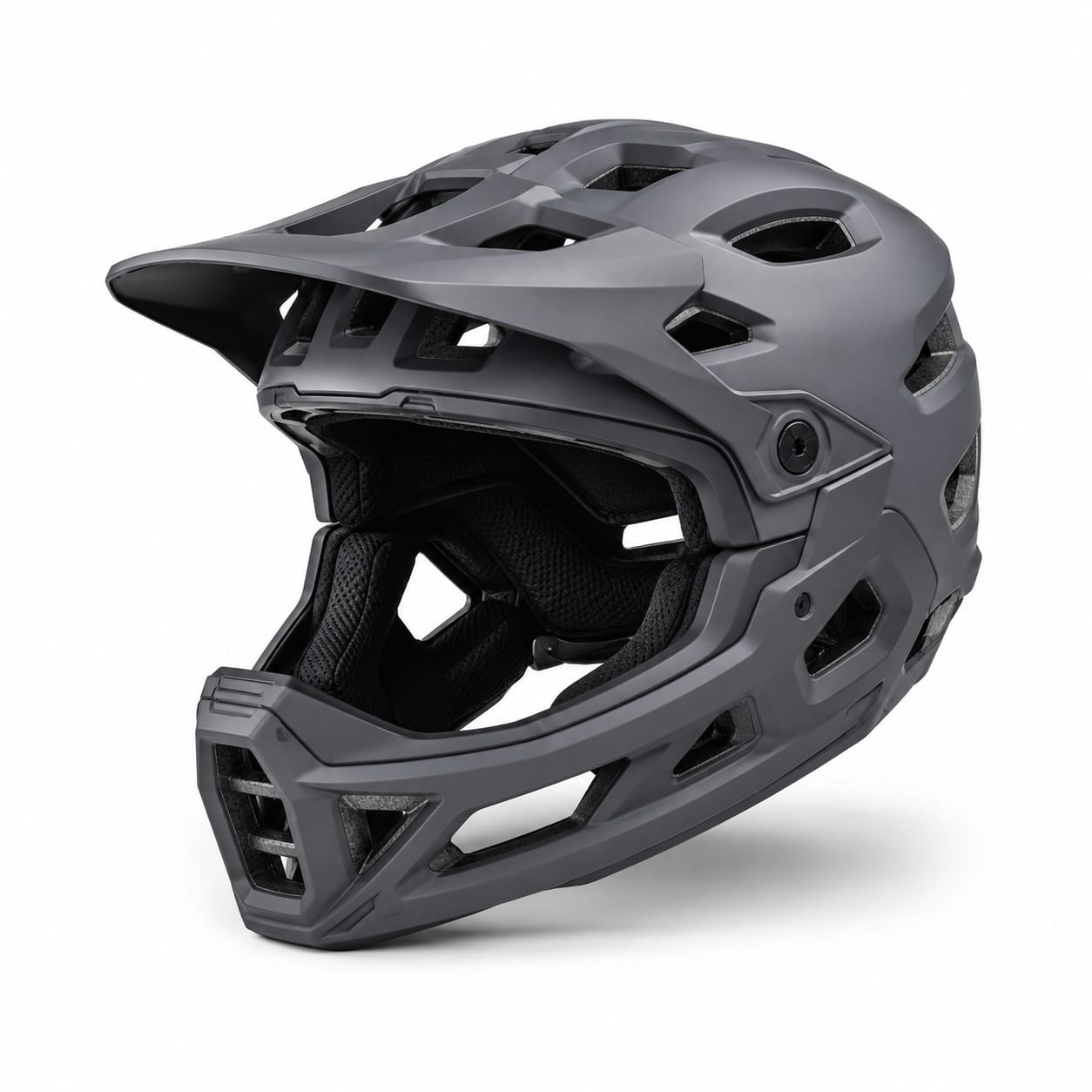
Enduro / All-Mountain Helmet
$80 – $350
Enhanced-coverage half-shell helmets bridging the gap between trail and full-face protection for aggressive riding.
maximum half-shell coverageremovable chin bar on some modelsaggressive ventilation
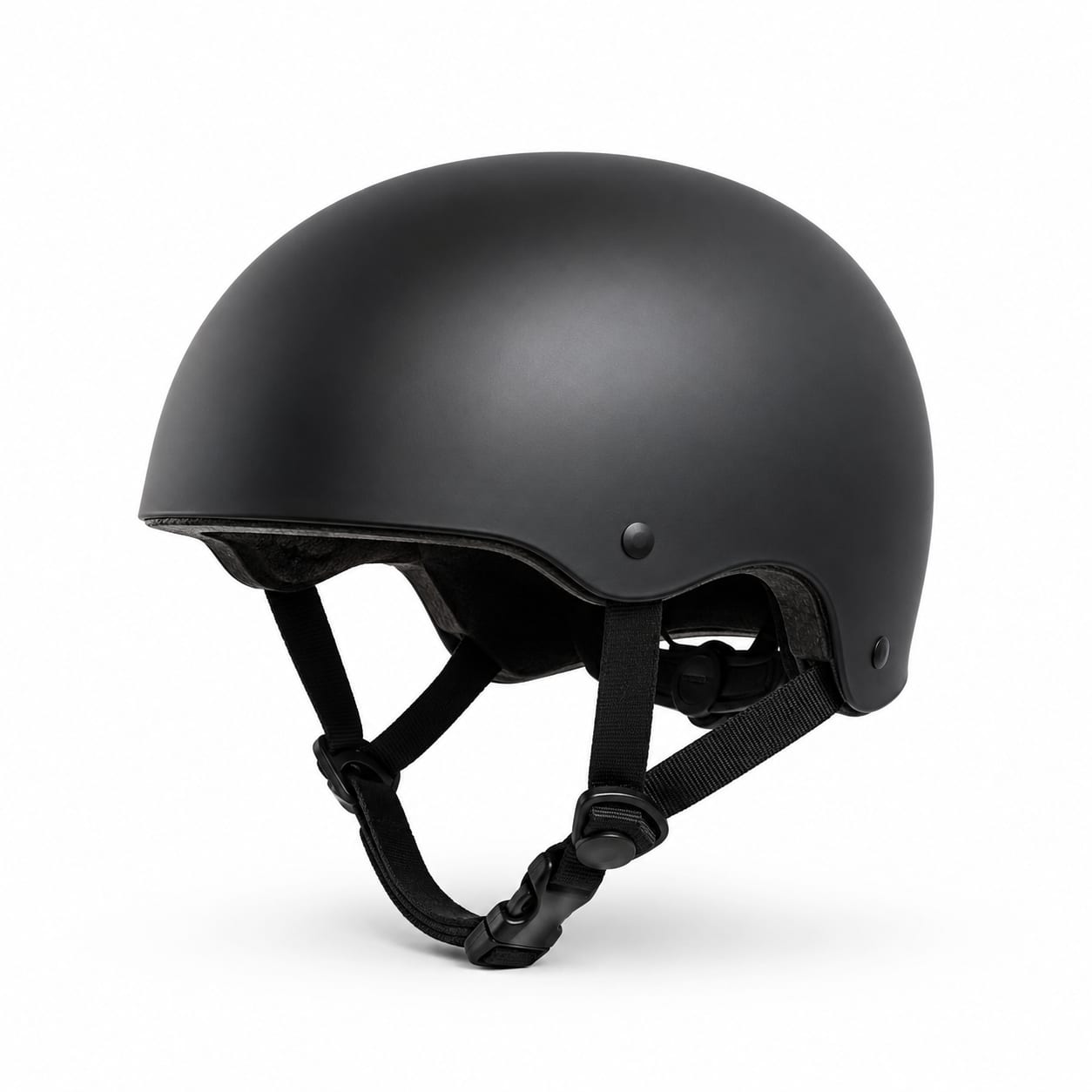
BMX / Dirt Jump Helmet
$30 – $200
Durable hard-shell helmets with skate-inspired profiles for BMX racing, dirt jumping, and skatepark riding.
hard outer shellskate-style profileminimal ventilation
More questions
- Do I really need a full face helmet for downhill mountain biking?
- What's the difference between a bicycle full face helmet and a motocross helmet?
- Are convertible full face helmets with removable chin bars as safe as fixed chin bar helmets?
- How should a full face MTB helmet fit?