Kitvore.com

Kitvore.com

Specs that matter. Gear that fits.

Cycling Jersey · Subcategory

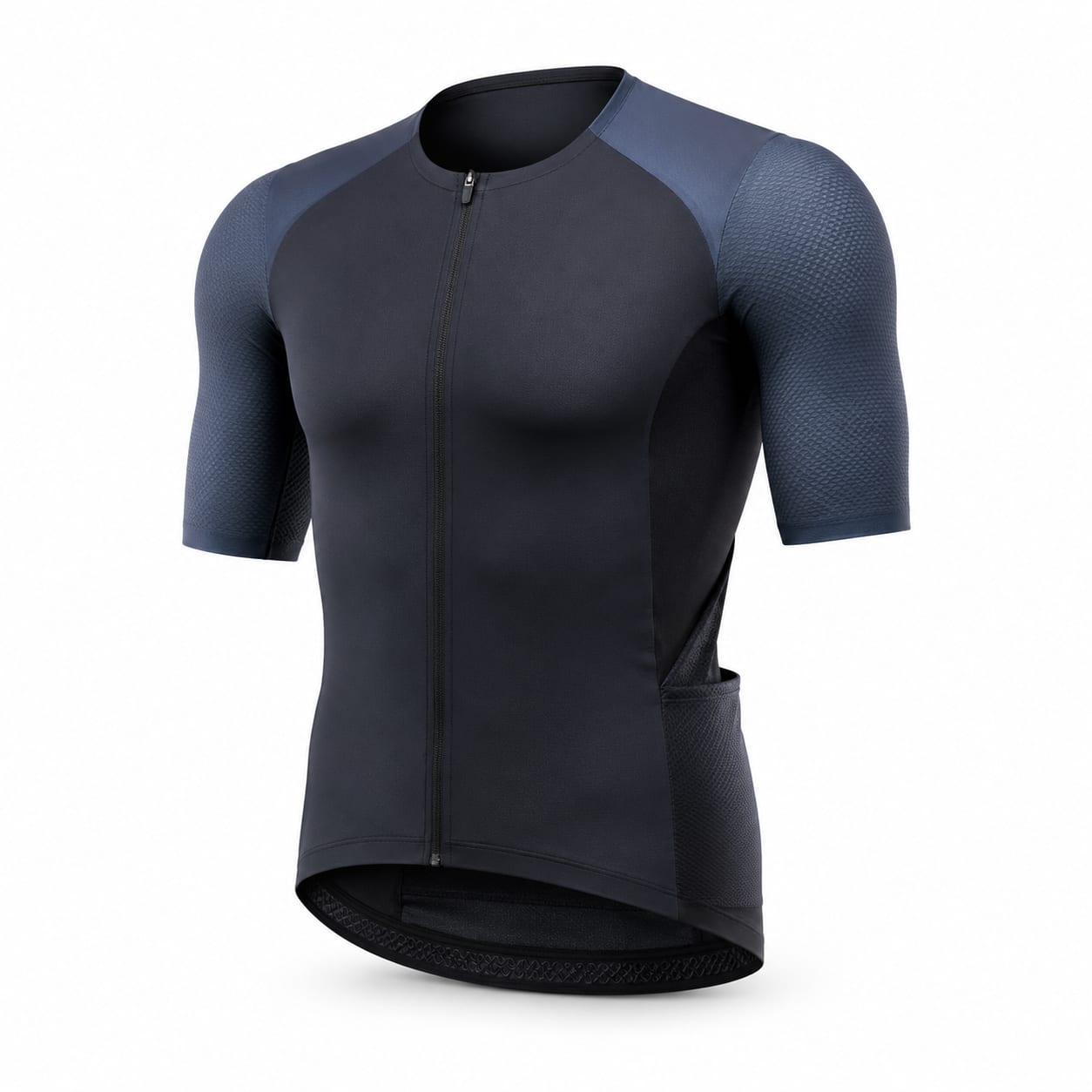
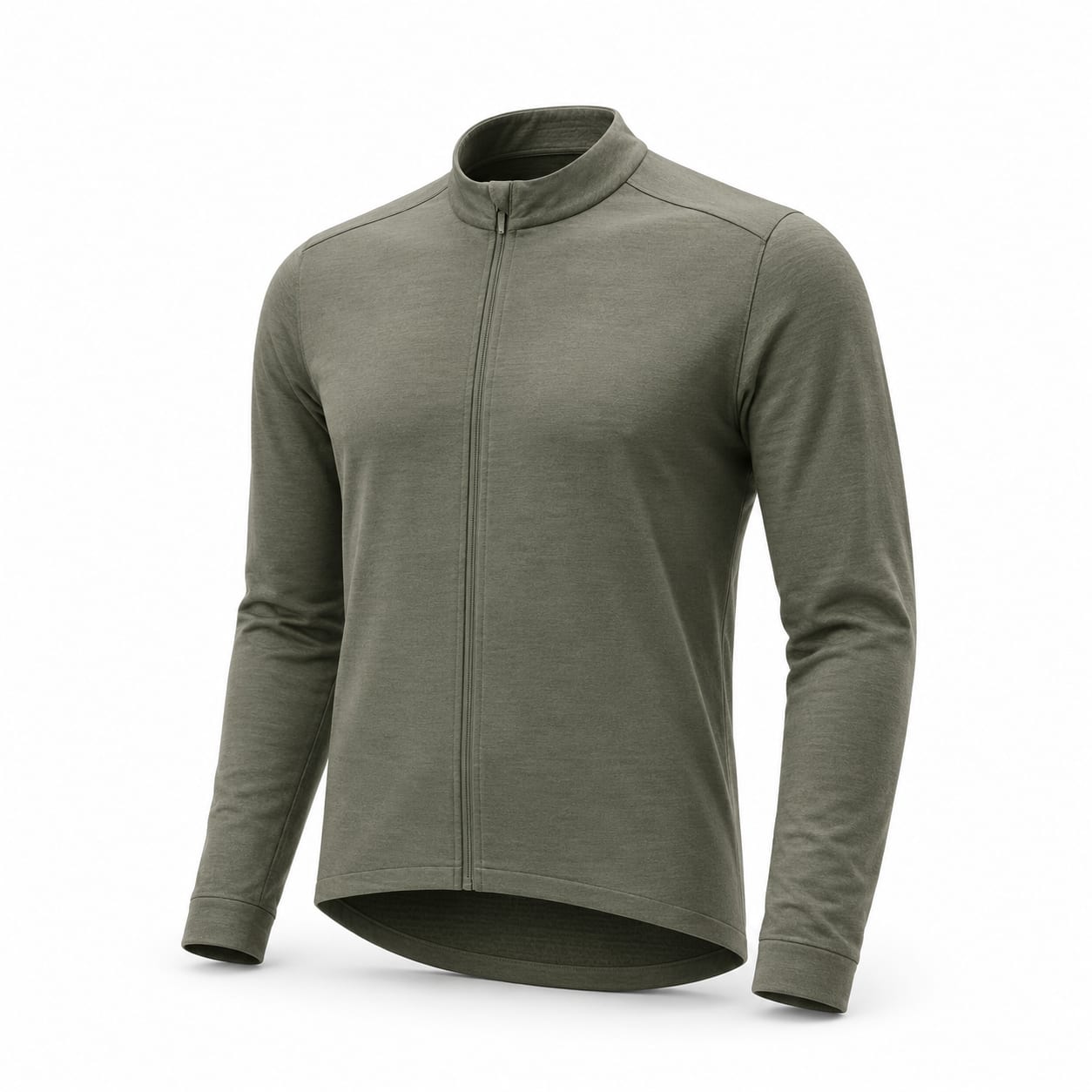
Gravel / Adventure Jersey

A versatile, storage-rich jersey built for long days mixing paved roads, dirt, and everything in between.

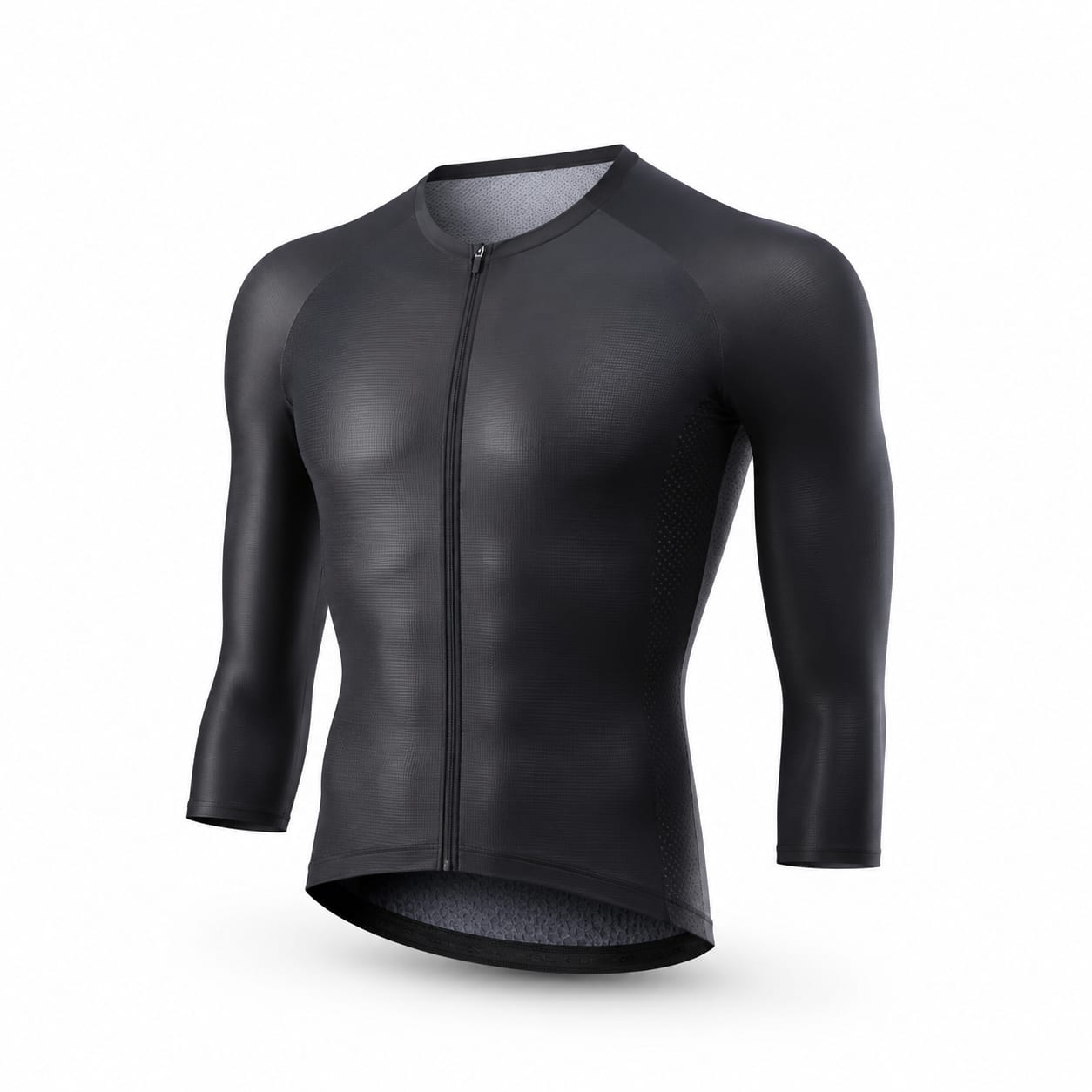
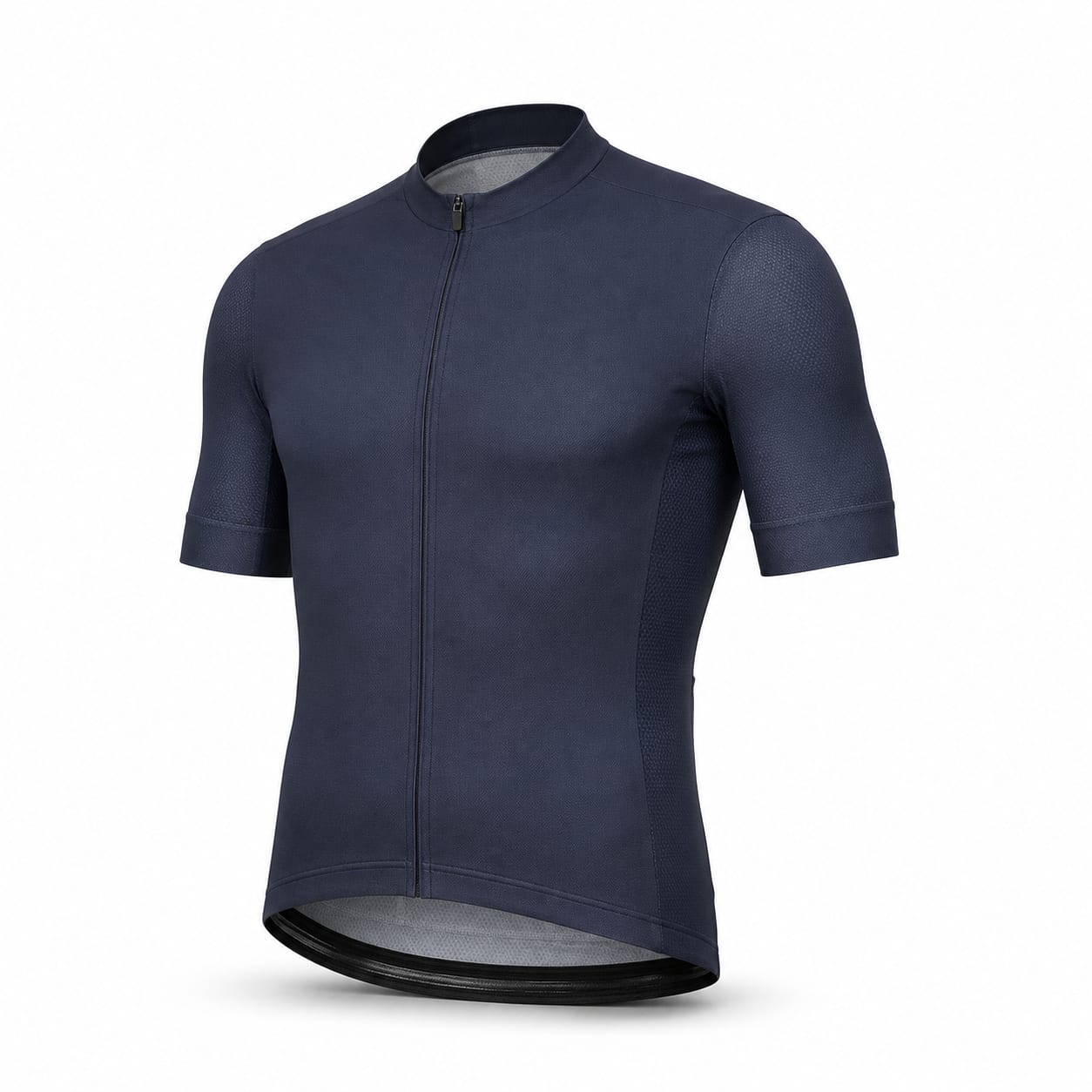
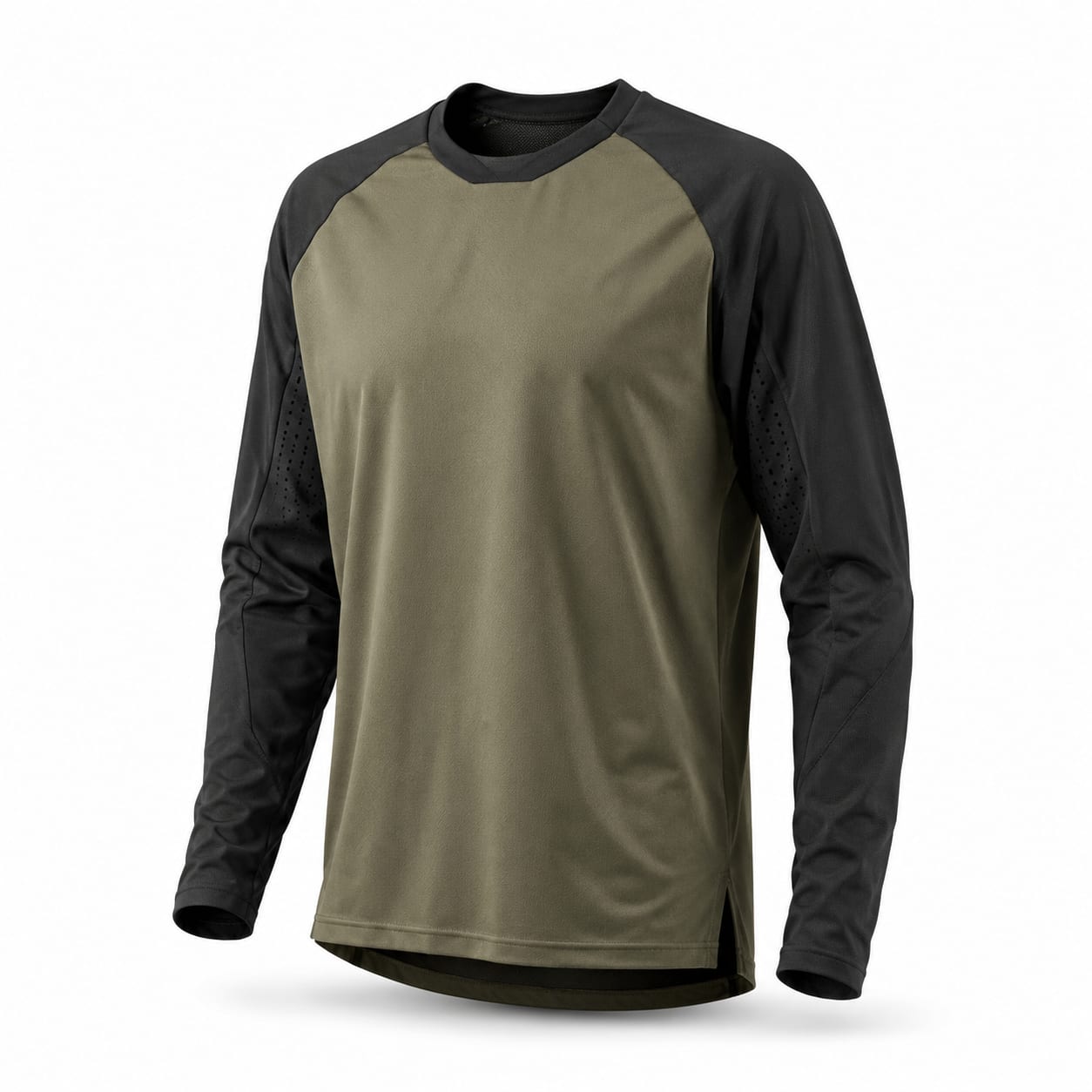
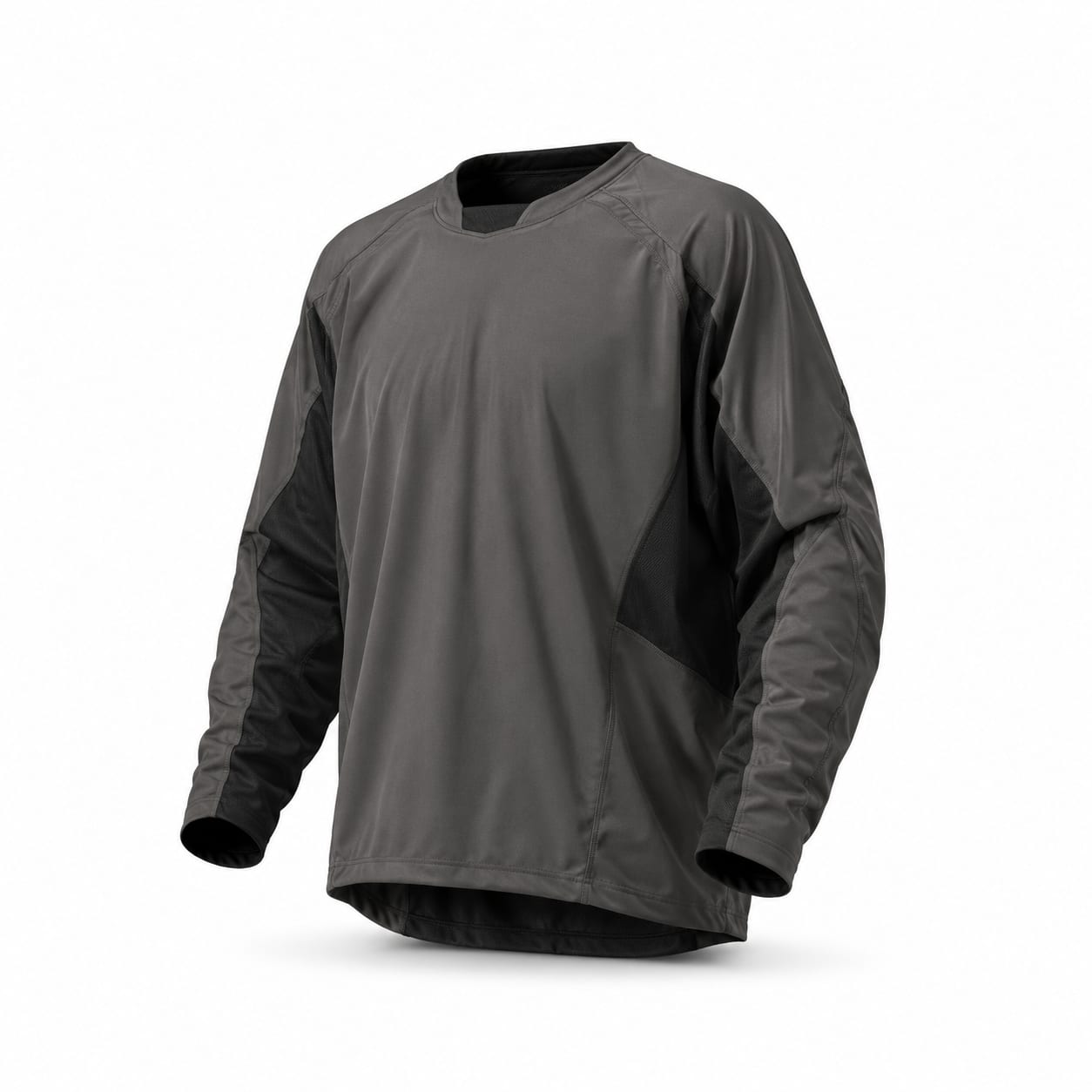
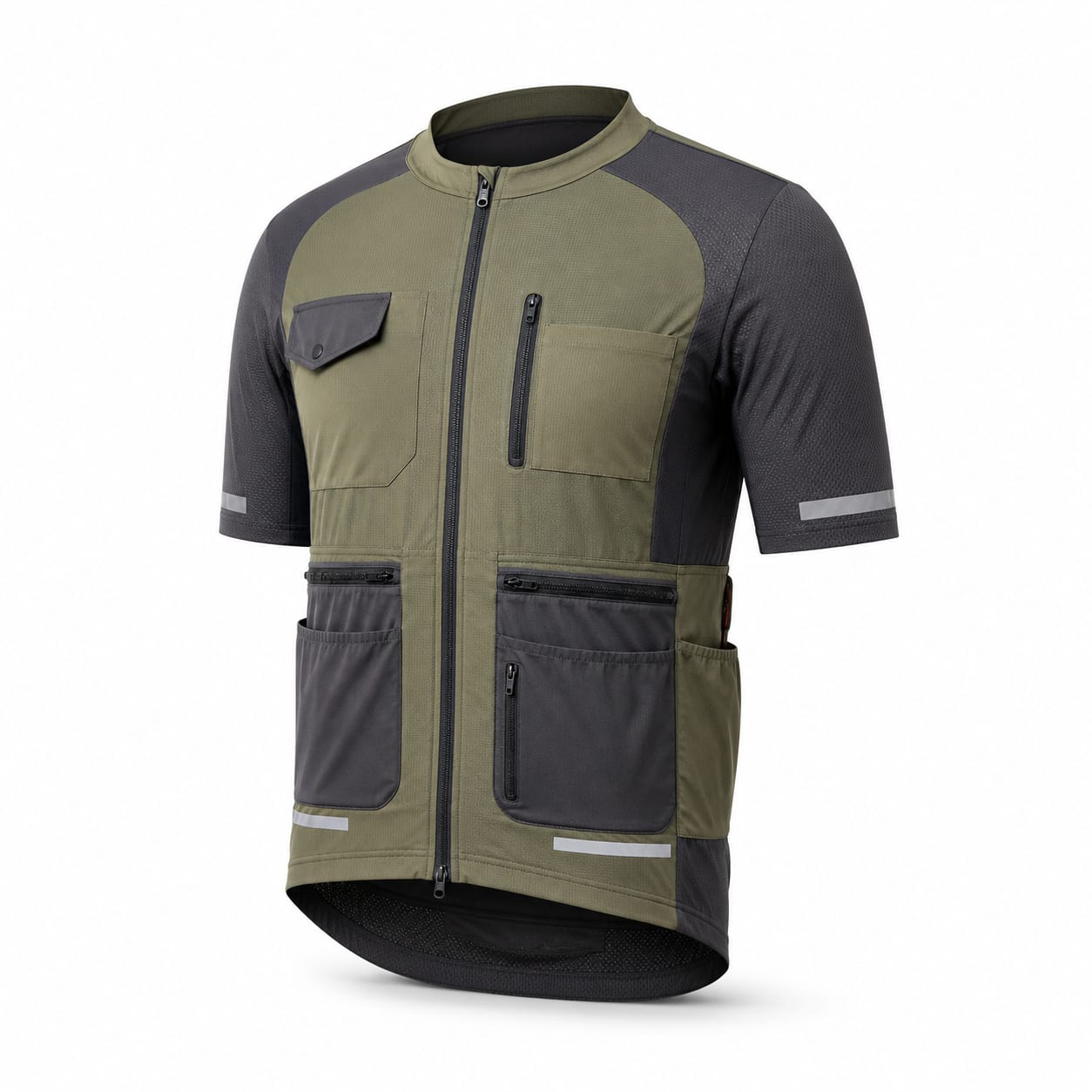
The gravel/adventure jersey blends road jersey aerodynamics with mountain bike durability and bikepacking-level storage. Designed for riders who value carrying capacity, all-day comfort, and fabric that withstands brush and abrasive surfaces, these jerseys typically feature 4 or more pockets, durable nylon or polyester blends, and a fit that balances aero efficiency with freedom of movement across varying terrain.

$65 – $280mid tierintermediateadvanced

Best known for

Extra pocket capacity for gear and nutritionDurable fabrics that resist abrasion from brush and gravelVersatile fit comfortable across long distances and varied terrainBlending road performance with off-road practicality
Gravel / Adventure Jersey

Guide

Detailed overview

Gravel and adventure jerseys occupy the space between road racing minimalism and mountain bike durability. They are designed for riders who spend full days — or multiple days — on mixed surfaces where self-sufficiency matters. The hallmark feature is storage: most gravel jerseys include at least four rear pockets, often with a zippered security pocket, and some integrate side-entry pockets or expandable cargo designs. Fabric choices lean toward nylon blends or reinforced polyester for abrasion resistance against branches, gravel spray, and the occasional tumble. The fit is typically endurance or club cut, allowing comfort across many hours and accommodating layering for unpredictable weather. Reflective elements are more common than on pure road jerseys, acknowledging that gravel rides often start before dawn or finish after sunset. UPF ratings tend to be higher given the long exposure times typical of adventure riding.

Gravel riding has exploded in popularity, and with it has come a new category of jersey that refuses to fit neatly into road or mountain bike traditions. The gravel/adventure jersey is defined by pragmatism: it needs to carry more, survive more, and stay comfortable longer than any road race jersey, while still being aerodynamic enough to not feel like a parachute on paved connectors. The result is a garment that prioritizes storage, durability, and all-day comfort over pure aero optimization.

Storage is the single biggest differentiator. While a road jersey makes do with three pockets, gravel jerseys routinely offer four or five, including zippered compartments for phones, wallets, and keys that you actually need at a checkpoint. Some designs add side-entry pockets for easy access while walking, or expandable pockets that can swallow a wind vest and extra bars. This matters because gravel rides are often self-supported — there is no team car, and the nearest bike shop might be 80 kilometers of dirt away.

Durability is the second pillar. Gravel jerseys frequently use nylon or nylon-polyester blends rather than pure polyester, because nylon resists abrasion from branches, gravel spray, and the ground itself during a fall. The fabric weight tends to be lightweight to midweight rather than ultralight, trading a few grams for fabric that will not shred on the first encounter with a thornbush. Many gravel jerseys also feature reinforced shoulders or panels where pack straps from bikepacking bags might cause wear.

The fit lands between race and relaxed — typically endurance or club cut — with a slightly longer torso to maintain coverage when riding in a more upright gravel position. Sleeves are often slightly longer than road jerseys for sun protection on exposed gravel roads. Reflective elements and UPF ratings are more prominent, reflecting the reality that gravel riders spend long hours in remote areas where visibility and sun protection are safety concerns, not luxuries.

Quick facts

Primary purpose
Providing versatile performance and storage for long mixed-surface rides and bikepacking
Popular brands
RaphaPearl IzumiPatagoniaMAAPBlack Sheep CyclingVelocio
Typical terrain
gravel roadsfire roadsmixed-surface routesbikepacking routes

What makes it different

More pockets than a standard road jersey; fit between road race and MTB; fabrics chosen for durability and variable conditions rather than pure aerodynamics

Recommended ranges

How this type usually specs out

Each spec is explained in plain language, then we show what buyers usually look for on this type.

Fit Type

Fit Type

What it means

The overall cut and tightness of the jersey, affecting aerodynamics, comfort, and style. Fit is the single most important decision as it impacts every ride experience.

Typical for this type

Endurance Or Club

In practice

Gravel jerseys favor endurance or club fit — close enough for aero efficiency on paved sections but relaxed enough for comfort across 6+ hour rides and layering underneath. The slightly longer torso accommodates the more upright gravel riding position.

Compared to other types

Less tight than road race jerseys, more tailored than MTB jerseys, similar to road endurance jerseys but with slightly more room for layering and movement on rough terrain.

Why it matters: An overly tight race fit restricts comfort on long days and limits layering options. An overly loose relaxed fit creates drag on paved connectors and allows loaded pockets to bounce. Endurance fit hits the sweet spot.

Sleeve Length

Sleeve Length

What it means

The length of the jersey sleeves, determining coverage, sun protection, and temperature regulation. Some modern jerseys feature extended sleeves for aerodynamic benefit.

Typical for this type

Short (With Slightly Extended Sleeve Cut)

In practice

Short sleeve is the standard for gravel jerseys, but many designs feature slightly longer sleeves than road jerseys — extending closer to the elbow — for additional sun protection on exposed gravel roads. Arm warmers are commonly paired for variable conditions.

Compared to other types

Sleeves tend to be 1–3 cm longer than road race jerseys. Not as long as dedicated sun-protection jerseys. Long sleeve versions exist for shoulder-season gravel riding.

Why it matters: Gravel rides often traverse high-altitude or open terrain with intense sun exposure. Slightly longer short sleeves provide more coverage without the warmth commitment of long sleeves.

Fabric Weight

Fabric Weight

What it means

The weight class of the jersey fabric, directly correlating to warmth, packability, and intended season of use. Measured informally by category rather than GSM for most consumers.

Typical for this type

Lightweight to Midweight

In practice

Most gravel jerseys use lightweight (100–150 GSM) fabric for warm-weather versatility, with midweight options for spring/fall gravel riding. Ultralight fabrics are rare because they sacrifice the durability gravel riders need.

Compared to other types

Heavier than road race jerseys which often use ultralight fabrics. Lighter than MTB downhill jerseys. Similar to road endurance jerseys but with more emphasis on abrasion resistance.

Why it matters: Gravel terrain demands fabric that can withstand abrasion from brush, gravel spray, and falls. Ultralight fabrics that work for road racing are too fragile for gravel use. Midweight fabrics add warmth for long descents after sweaty climbs.

Pocket Count

Pocket Count

What it means

The number of rear pockets on the jersey. Pockets are the primary storage system for ride essentials like food, phone, tools, and spare tubes.

Typical for this type

4 to 5+

In practice

Four pockets is the gravel standard — the classic three plus a zippered security pocket. Many gravel jerseys offer five or more pockets, including side-entry pockets for easy access on and off the bike. Expandable pockets are also common for bikepacking.

Compared to other types

Road race jerseys typically have 3 pockets. MTB jerseys sometimes have fewer rear pockets. Gravel jerseys are the most pocket-rich subcategory outside of dedicated bikepacking gear.

Why it matters: Gravel rides are often self-supported and long. You carry more: extra nutrition, tools, a phone, a wind vest, and possibly a lightweight jacket. The zippered pocket is essential for securing valuables on rough terrain where items can bounce out of open pockets.

Zipper Type

Zipper Type

What it means

The front zipper configuration controlling ventilation adjustment. Critical for temperature regulation during variable effort levels and weather.

Typical for this type

Full Zip

In practice

Full zip is the dominant choice for gravel jerseys, providing maximum ventilation control for variable effort levels — steep gravel climbs generate massive heat, while long descents require quick closure.

Compared to other types

Same preference as road jerseys. More critical than on MTB jerseys where lower speeds mean less wind chill. Full zip is especially valuable on gravel for the rapid temperature swings between climbing and descending.

Why it matters: Gravel riding involves dramatic effort and speed changes. Full zip lets you dump heat on climbs and seal up instantly for descents. It also makes the jersey easier to put on and remove during multi-day events.

UV Protection (UPF)

UV Protection (UPF)

What it means

Ultraviolet Protection Factor rating indicating how effectively the fabric blocks UV radiation. Critical for long sun-exposed rides, especially at altitude.

Typical for this type

UPF 25 to UPF 50+

Most common pick: Upf 50

In practice

UPF 50+ is common and recommended for gravel jerseys because gravel rides tend to be long (often 4–10+ hours) and frequently traverse open, high-altitude terrain with intense UV exposure. Many premium gravel jerseys feature UPF 50+ as standard.

Compared to other types

Higher UPF emphasis than road race jerseys, which sometimes sacrifice UV protection for cooling. Similar to touring and bikepacking jerseys. More critical than MTB jerseys where tree cover provides natural shade.

Why it matters: A 8-hour gravel ride in open terrain delivers far more UV exposure than a 2-hour road training ride. Sun protection through fabric is more reliable and easier than remembering to reapply sunscreen every two hours on a remote gravel road.

Collar Type

Collar Type

What it means

The style of the neck/collar opening, affecting comfort, sun protection, and layering capability with jackets and base layers.

Typical for this type

Crew Or Zip Guard

In practice

Crew collars are most common on gravel jerseys, providing sun protection on the neck. Zip garage collars are also popular on higher-end models for comfort during long rides. Stand-up collars appear on some models for wind protection on descents.

Compared to other types

Similar to road endurance jerseys. Less likely to feature V-necks than casual jerseys. Stand-up collars are more common than on road race jerseys due to wind protection needs on gravel descents.

Why it matters: A comfortable collar prevents chafing on long rides. Sun protection on the back of the neck matters on exposed gravel roads. Wind protection on fast gravel descents is a bonus.

Hem Gripper / Silicone Strip

Hem Gripper / Silicone Strip

What it means

Whether the jersey has silicone or elastic gripper strips at the hem to prevent the jersey from riding up during cycling.

Typical for this type

True (Strongly Recommended)

In practice

Hem grippers are essential on gravel jerseys because loaded pockets are heavier than on road jerseys, and the rougher terrain causes more jersey movement. Without grippers, the jersey will ride up and expose the lower back.

Compared to other types

More critical than on road jerseys due to heavier pocket loads and rougher terrain. Equally important as on MTB jerseys. Non-negotiable for any serious gravel jersey.

Why it matters: Gravel jerseys carry more weight in pockets (tools, extra food, layers) and the terrain is rougher. A hem gripper prevents the jersey from bouncing up on washboard gravel and keeps pockets accessible and stable.

Reflective Elements

Reflective Elements

What it means

Presence and extent of reflective details for visibility in low-light conditions. Important for commuters and riders who may be out in dawn/dusk.

Typical for this type

Moderate to Extensive

In practice

Moderate reflective elements are standard on gravel jerseys — typically reflective strips on back pockets and sometimes shoulders. Gravel rides often start in the dark or extend past sunset, and remote gravel roads may have no lighting whatsoever.

Compared to other types

More reflective elements than road race jerseys, which often prioritize clean aesthetics. Less than dedicated commuter jerseys. More emphasis on functional placement (pockets, shoulders) than decorative placement.

Why it matters: Gravel riders frequently ride in low-light conditions due to the long duration of rides. On remote roads with no streetlights, reflective elements can be the difference between being seen and being invisible to approaching vehicles at intersections.

Primary Fabric Composition

Primary Fabric Composition

What it means

The main fiber type used in the jersey, affecting moisture management, durability, odor resistance, and environmental impact.

Typical for this type

Nylon-Polyester Blend With Elastane, Or Recycled Poly Blend

Most common pick: Polyester, Nylon, Elastane Spandex

In practice

Nylon-polyester blends with elastane are the most common composition for gravel jerseys. Nylon provides abrasion resistance crucial for gravel riding, while polyester manages moisture. Elastane (typically 5–12%) ensures the jersey maintains its shape and moves with the rider. Recycled polyester is increasingly common in eco-conscious gravel brands.

Compared to other types

More nylon than road jerseys, which are predominantly polyester. Less merino than touring jerseys. More emphasis on recycled materials than MTB jerseys. The nylon blend is the defining fabric choice for gravel.

Why it matters: Nylon's abrasion resistance is the key differentiator — it survives encounters with branches, gravel spray, and crashes that would shred a pure polyester road jersey. The blend maintains wicking performance while adding durability. Merino wool appears in some adventure-focused models for multi-day odor resistance.

Intended Season

Intended Season

What it means

The primary season or temperature range the jersey is designed for, guiding fabric choice, ventilation features, and construction.

Typical for this type

Spring Fall Or All Season

In practice

Most gravel jerseys are designed for spring/fall conditions (12–22°C / 54–72°F), which covers the widest range of gravel riding conditions. All-season designs with ventilation features are also common. Dedicated summer gravel jerseys exist but are less common than the versatile spring/fall designs.

Compared to other types

Broader temperature range focus than road race jerseys which often target summer. Similar to road endurance jerseys. Less specialized than winter jerseys. The all-season approach reflects the adventure mindset of gravel riding.

Why it matters: Gravel riding season often centers on spring and fall when dirt roads are in best condition. A spring/fall jersey with full zip and mesh panels can handle warm climbs and cool descents, making it the most versatile single jersey for gravel.

Sleeve Gripper

Sleeve Gripper

What it means

Silicone or elastic gripper at the sleeve opening to keep sleeves in place. Especially important for aero jerseys where sleeve position matters.

Typical for this type

True (Preferred But Not Essential)

In practice

Sleeve grippers are common on gravel jerseys, especially those with slightly longer sleeves. They prevent sleeves from creeping up on rough terrain and maintain consistent coverage for sun protection.

Compared to other types

More common than on road race jerseys with short sleeves. Less critical than on aero road jerseys. Similar prevalence to MTB jerseys. A nice-to-have rather than essential feature.

Why it matters: On washboard gravel and rough descents, sleeves can bounce and ride up. Grippers keep them in place, maintaining sun protection and preventing the annoyance of constantly tugging sleeves back down while riding technical terrain.

Mesh Ventilation Panels

Mesh Ventilation Panels

What it means

Presence of mesh or perforated panels in high-heat areas (underarms, back, sides) for enhanced airflow and cooling.

Typical for this type

Underarm Or Underarm Side

In practice

Underarm and side mesh panels are the most common ventilation configuration on gravel jerseys. Gravel riding involves steep climbs that generate significant heat, followed by fast descents where you want to cool down quickly without freezing.

Compared to other types

Less mesh than road race summer jerseys which may have full back mesh. More mesh than MTB jerseys. The underarm/side configuration balances ventilation with the need for pocket durability and wind protection on descents.

Why it matters: Gravel terrain creates dramatic effort oscillations — grinding up a 15% dirt climb produces massive heat, while the subsequent descent at 50+ km/h with wet jersey fabric can cause chilling. Targeted mesh panels dump heat on climbs without over-cooling on descents.

Cycling Discipline

Cycling Discipline

What it means

The primary cycling discipline the jersey is designed for, affecting fit, durability, pocket placement, and style.

Typical for this type

Gravel

In practice

Gravel/adventure jerseys are designed specifically for the gravel discipline, which blends road speed with off-road durability requirements. They are optimized for the unique demands of gravel: long distances, mixed surfaces, self-sufficiency, and variable conditions.

Compared to other types

The only subcategory designed for mixed-surface riding. Road jerseys lack storage and durability. MTB jerseys lack aero efficiency and rear pocket access. Gravel jerseys are the most versatile option for riders who regularly ride both paved and unpaved surfaces.

Why it matters: A gravel-specific jersey addresses needs that road and MTB jerseys do not: more storage than road, more aero than MTB, more durable than road, more tailored than MTB. The discipline-specific design ensures the jersey works across the full range of gravel conditions.

Gender-Specific Design

Gender-Specific Design

What it means

Whether the jersey is designed with gender-specific patterning for anatomical differences in torso length, shoulder width, and chest shape.

Typical for this type

Gender-Specific (Mens Or Womens)

Most common pick: Mens, Womens

In practice

Gravel jerseys are widely available in both men's and women's specific cuts. Women's gravel jerseys feature proportionally shorter torsos, narrower shoulders, and bust accommodations while maintaining the storage and durability features that define the category.

Compared to other types

Similar availability to road jerseys. Better gender-specific options than MTB jerseys, which are more often unisex. The growth of women's gravel racing has driven better women's-specific design in this category.

Why it matters: A properly fitting jersey is critical for comfort on long gravel rides. Women's-specific designs prevent shoulder bunching, torso length issues, and pocket placement problems that can occur with unisex or men's jerseys on female riders.

Total Jersey Weight

Total Jersey Weight

What it means

The total weight of the jersey in grams. Lighter jerseys are preferred for hot weather and racing; heavier jerseys often indicate thermal or durable construction.

Typical for this type

140–220g

Most common pick: 160g

In practice

Gravel jerseys typically weigh 140–220g, heavier than ultralight road race jerseys (80–120g) due to more durable fabrics and additional pockets, but lighter than thermal or MTB jerseys. The weight reflects the balance between durability and breathability.

Compared to other types

Heavier than road race jerseys (typically 100–140g). Lighter than MTB downhill jerseys (often 200–300g). Similar to road endurance jerseys. The extra weight comes from additional pockets, more durable fabric, and reflective elements.

Why it matters: Weight matters less on gravel than on road — the terrain and distance make aero and weight savings less impactful than having enough storage and durable fabric. A 160g gravel jersey with four pockets is more practical than a 90g road jersey that cannot carry what you need.

Evaluation

Strengths and trade-offs

Pros

What this type does best

Superior storage capacity

Critical

Four or more pockets, often including a zippered security pocket, let you carry everything needed for self-supported long rides — tools, nutrition, phone, wind vest, and valuables — without needing a frame bag or backpack.

Durable fabric construction

High

Nylon-polyester blends resist abrasion from brush, gravel spray, and crashes far better than pure polyester road jerseys. The fabric survives encounters with the terrain that would destroy a lightweight race jersey.

All-day comfort fit

High

Endurance or club fit provides comfort across 6+ hour rides without the restrictive feeling of race fit or the flapping fabric of relaxed fit. The slightly longer torso maintains coverage in a more upright gravel position.

Versatile across conditions

High

Full zip, mesh panels, and midweight fabric make gravel jerseys adaptable to wide temperature ranges. They handle hot climbs and cold descents equally well, reducing the need for multiple jersey changes.

Enhanced sun and visibility protection

Medium

UPF 50+ ratings, slightly longer sleeves, and moderate reflective elements address the safety needs of long days on exposed, remote terrain where sun exposure and low-light visibility are real concerns.

Works on and off the bike

Medium

The more relaxed aesthetic and practical features make gravel jerseys look less out of place at a coffee stop or gas station resupply than a full race kit, which matters on long adventure rides.

Layering-friendly design

Medium

The slightly roomier fit accommodates base layers underneath and lightweight jackets over the top, making the gravel jersey a versatile centerpiece for a layering system across seasons.

Cons

Trade-offs to be aware of

Less aerodynamic than road race jerseys

Moderate

The endurance fit and additional pockets create more drag than a skin-tight race jersey. On fast group rides or race-paced gravel events, this can be a disadvantage against riders in aero kit.

Heavier than road alternatives

Minor

Durable fabrics, extra pockets, and reflective elements add 20–60g compared to equivalent road jerseys. For riders obsessed with weight, this is a trade-off for durability and storage.

Can overheat in extreme heat

Moderate

The midweight, durable fabrics that make gravel jerseys tough also retain more heat than ultralight road jerseys. In temperatures above 35°C, a dedicated summer road jersey may be more comfortable.

Pocket overload can cause sagging

Moderate

The generous pocket capacity tempts riders to overfill, which can cause the jersey to sag, bounce, and pull at the shoulders. Discipline is required to pack sensibly and distribute weight evenly.

Higher price than basic road jerseys

Minor

The durable fabrics, extra pockets, and reflective elements typically push gravel jerseys into a higher price bracket than entry-level road jerseys with similar features.

May look out of place in road group rides

Minor

The slightly looser fit and adventure aesthetic can look mismatched in a road group where everyone is in race kit. Not a performance issue, but a social/aesthetic consideration.

Best for

Surfaces & terrain

Gravel roadsFire roadsMixed pavement and dirtForest service roadsDouble track

Riding conditions

Variable weatherLong-distance self-supported ridesSpring and fall conditionsOpen terrain with sun exposureRemote routes requiring self-sufficiency

Skill level

IntermediateAdvancedExpert

Riding discipline

Gravel racingBikepackingAdventure cyclingEndurance ridingMixed-surface touring

Rider profile

Gravel racers carrying extra gearBikepackers who prefer jersey storage over frame bagsRoad riders exploring dirt roadsAdventure cyclists on multi-day routesRiders who value durability and storage over pure aero

Not ideal for

Reasons

Road racers will find the fit too loose and the extra pockets unnecessary dragDownhill MTB riders need the looser fit and body armor accommodation of dedicated MTB jerseysTriathletes need quick-dry, minimal-pocket designs optimized for transitionsThe durable fabric is overkill for riders who never leave paved roads

Surfaces & terrain

Smooth road time trialsTechnical downhill MTB trailsBMX tracks

Skill level

Complete beginners who may not need the storage features

Riding discipline

Road racingTrack cyclingDownhill MTBTriathlon

Compare

How it stacks up

This page

Gravel / Adventure Jersey

Far more storage capacity, significantly more durable fabric, better sun protection, more comfortable over long distances, and practical features like zippered pockets and reflective elements.

Alternative

Road Race Jersey

Superior aerodynamics, lighter weight, tighter race fit for maximum speed, and more breathable ultralight fabric options for hot weather.

Bottom line

Choose gravel/adventure if you ride mixed surfaces, carry gear, or value all-day comfort. Choose road race if you primarily ride fast on pavement and prioritize aerodynamic performance.

This page

Gravel / Adventure Jersey

Better rear pocket access while riding, more tailored fit for aero efficiency on paved sections, lighter weight, and more versatile across mixed terrain. Rear pockets are more accessible in the gravel riding position.

Alternative

Mountain Bike Jersey

Looser fit accommodates body armor and pads, more durable for crashes and brush, often features front pockets for off-bike access, and more relaxed aesthetic suits trail riding culture.

Bottom line

Choose gravel/adventure for mixed-surface riding where rear pocket access and aero efficiency matter. Choose MTB for dedicated trail riding with body armor or where maximum durability and loose fit are priorities.

This page

Gravel / Adventure Jersey

More pockets including zippered options, more durable fabric for off-road use, better reflective elements, and designs that account for bikepacking bag integration. Purpose-built for mixed-surface versatility.

Alternative

Road Endurance Jersey

Slightly more refined fit and finish, often lighter weight, and more style options from established road brands. May have slightly better moisture management for pure road riding.

Bottom line

Choose gravel/adventure if you regularly ride dirt or carry extra gear. Choose road endurance if you ride primarily on pavement but want comfort over race performance. The categories overlap significantly.

This page

Gravel / Adventure Jersey

Better performance fit for riding, superior moisture management, more rear pocket storage, lighter weight, and more aero efficiency. Designed for sport riding rather than casual transportation.

Alternative

Commuter / Urban Jersey

More casual appearance suitable for office or social settings, often includes hidden pockets and off-bike-friendly design, may have more extensive reflective elements for urban commuting safety.

Bottom line

Choose gravel/adventure for sport riding and adventure. Choose commuter for daily transportation where off-bike appearance and urban practicality matter more than on-bike performance.

Shopping

Buying tips

  • 1

    Prioritize pocket count and configuration — a zippered pocket is essential for securing your phone on rough terrain, and side-entry pockets are valuable for items you need while walking at rest stops.

  • 2

    Check fabric composition for nylon content — jerseys with nylon blends (often listed as polyamide) will survive brush and crashes far better than pure polyester. Look for at least 20% nylon if you ride rough trails.

  • 3

    Size for layering — gravel riding involves dramatic temperature swings. If you plan to wear a base layer under the jersey on cool starts, consider sizing up or choosing a brand known for a slightly roomier endurance fit.

  • 4

    Invest in UPF 50+ if you ride in open terrain — the small premium is worth it for all-day sun protection on exposed gravel roads where reapplying sunscreen is impractical.

  • 5

    Test pocket access in riding position — some gravel jerseys place pockets too low for easy access when riding. The pockets should be reachable without straining when you are in your typical gravel riding position.

  • 6

    Consider hem gripper quality — with heavier pocket loads on rough terrain, a strong silicone hem gripper is critical. Check reviews for complaints about jerseys riding up or pockets sagging.

  • 7

    Look for reinforced shoulders if you use bikepacking bags — handlebar roll and frame bag straps can wear through jersey shoulders quickly. Some gravel jerseys have reinforced panels specifically for this.

  • 8

    Do not overpay for features you will not use — if you never ride in the dark, extensive reflective elements add cost without benefit. If you never carry more than a tube and a bar, five pockets are unnecessary.

Care

Maintenance notes

  • Wash after every ride — gravel jerseys collect more dust, sweat, and sunscreen residue than road jerseys due to longer ride durations and dirt road spray. Salt and sunscreen degrade elastic fibers over time.
  • Close all zippers before washing — the zippered pocket zippers and full front zip can damage mesh panels and delicate fabrics in the wash. Close them to prevent snagging.
  • Avoid fabric softener — it clogs the wicking fibers and reduces moisture management performance. Use a technical fabric wash or mild detergent.
  • Hang dry whenever possible — the durable nylon-polyester blends used in gravel jerseys are heat-sensitive. Machine drying can damage silicone grippers, degrade elastic, and reduce fabric performance.
  • Inspect silicone grippers regularly — the hem and sleeve grippers on gravel jerseys work hard with heavy pocket loads on rough terrain. If they lose grip, the jersey will ride up. Replace before they fail completely.
  • Treat stains promptly — gravel road dust and mud can set into the fabric if left too long. Rinse mud off as soon as possible after a ride, and treat chain grease stains with a degreaser before washing.
  • Store unfolded or loosely folded — creasing silicone grippers can cause permanent deformation. Hang the jersey or fold it loosely rather than compressing it in a gear bag.

Progression

Skill development path

New gravel riders often start with a road jersey and discover its limitations — insufficient pockets, fragile fabric, and poor sun protection — after a few long gravel rides. Upgrading to a dedicated gravel jersey is typically one of the first equipment changes, immediately improving carrying capacity and durability. As riders progress to longer events and bikepacking, they may seek jerseys with even more pocket capacity, reinforced panels for bag straps, and merino wool options for multi-day odor resistance. Advanced gravel racers may own multiple gravel jerseys: a lightweight model for hot-weather races, a midweight all-rounder for most conditions, and a long-sleeve version for shoulder-season events.

FAQ

Common questions

Each question has a dedicated page with a full answer and links to the buying guide.

Can I use a road jersey for gravel riding?

You can, but you will likely find it limiting. Road jerseys typically have only three pockets with no zippered security, and their lightweight polyester fabric is prone to damage from brush, gravel spray, and crashes. For occasional gravel rides on smooth dirt roads, a road jersey works fine. For regular gravel riding, especially on rough terrain or long distances, a dedicated gravel jersey's extra storage, durable fabric, and practical features make a significant difference.

How many pockets do I actually need on a gravel jersey?

Four is the practical minimum for most gravel riders: three standard pockets plus one zippered pocket for your phone, keys, or wallet. Five or more pockets are valuable for bikepacking, ultra-endurance events, or riders who prefer not to use frame bags. If you typically ride with a hydration pack or frame bag, three pockets may suffice, but you will still miss the zippered security pocket on rough terrain.

Is a gravel jersey worth the extra cost over a basic road jersey?

For regular gravel riding, yes. The durable fabric alone justifies the premium — a road jersey that gets shredded on thornbushes is a false economy. The extra pockets eliminate the need for a frame bag or backpack on many rides, and the zippered security pocket prevents the expensive mistake of losing your phone on a bumpy descent. If you only ride gravel occasionally, a road endurance jersey can serve double duty adequately.

What is the difference between a gravel jersey and a bikepacking jersey?

The categories overlap significantly, but bikepacking jerseys tend to have even more pocket capacity (sometimes 6+ pockets), may include features like integrated tool rolls or expandable cargo pockets, and often use merino wool for multi-day odor resistance. Gravel jerseys are more performance-oriented, with a slightly trimmer fit and lighter weight. For most riders, a gravel jersey handles bikepacking duties just fine.