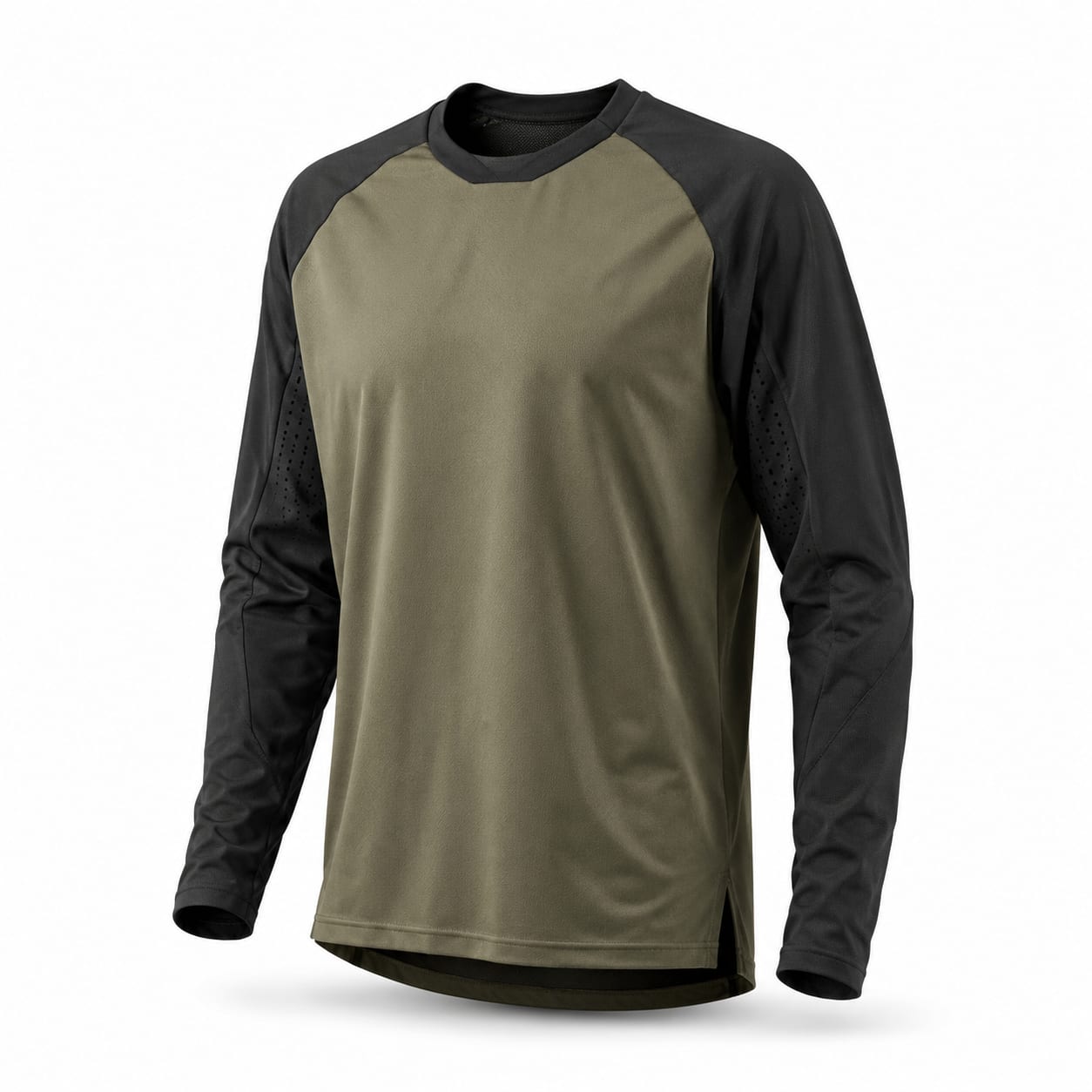
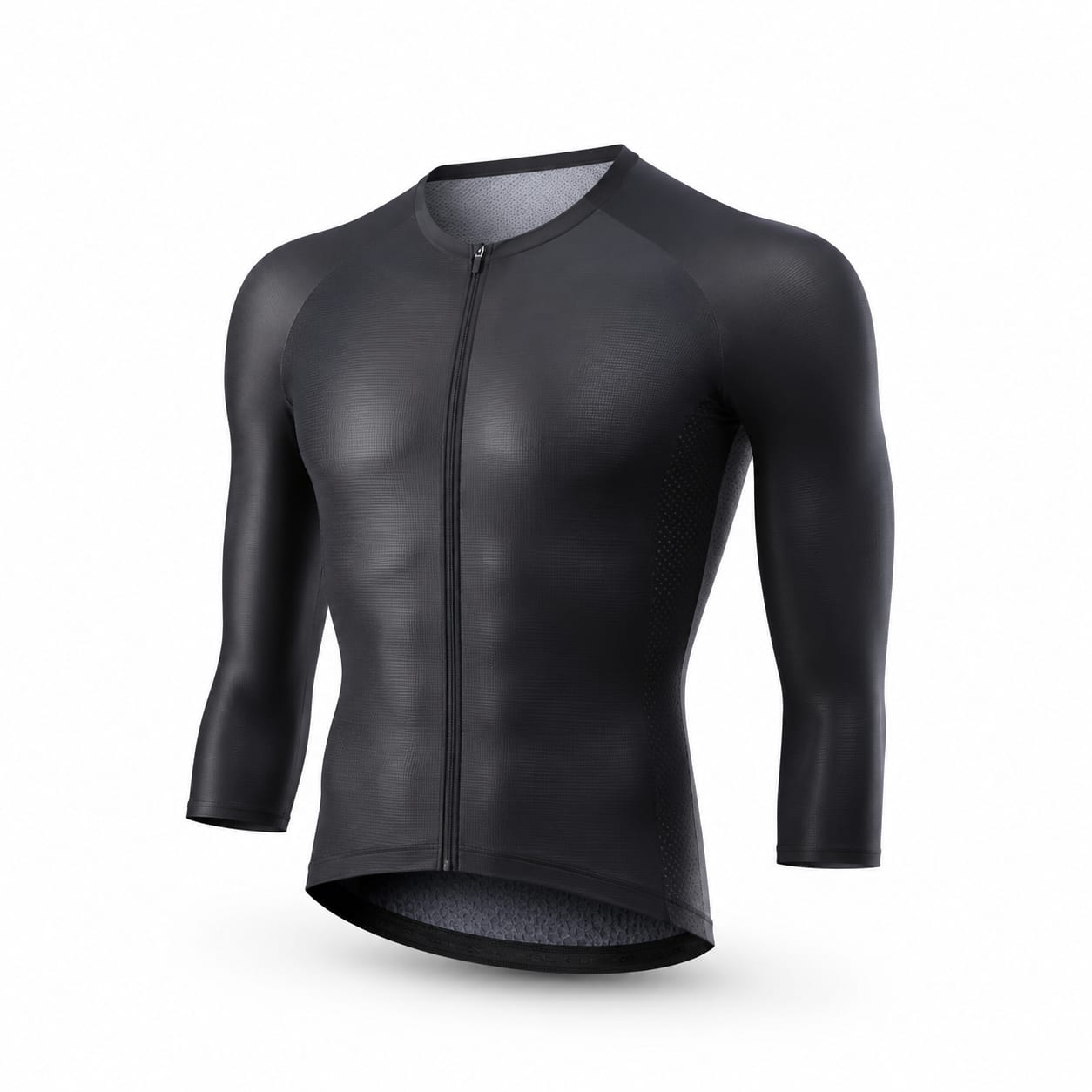
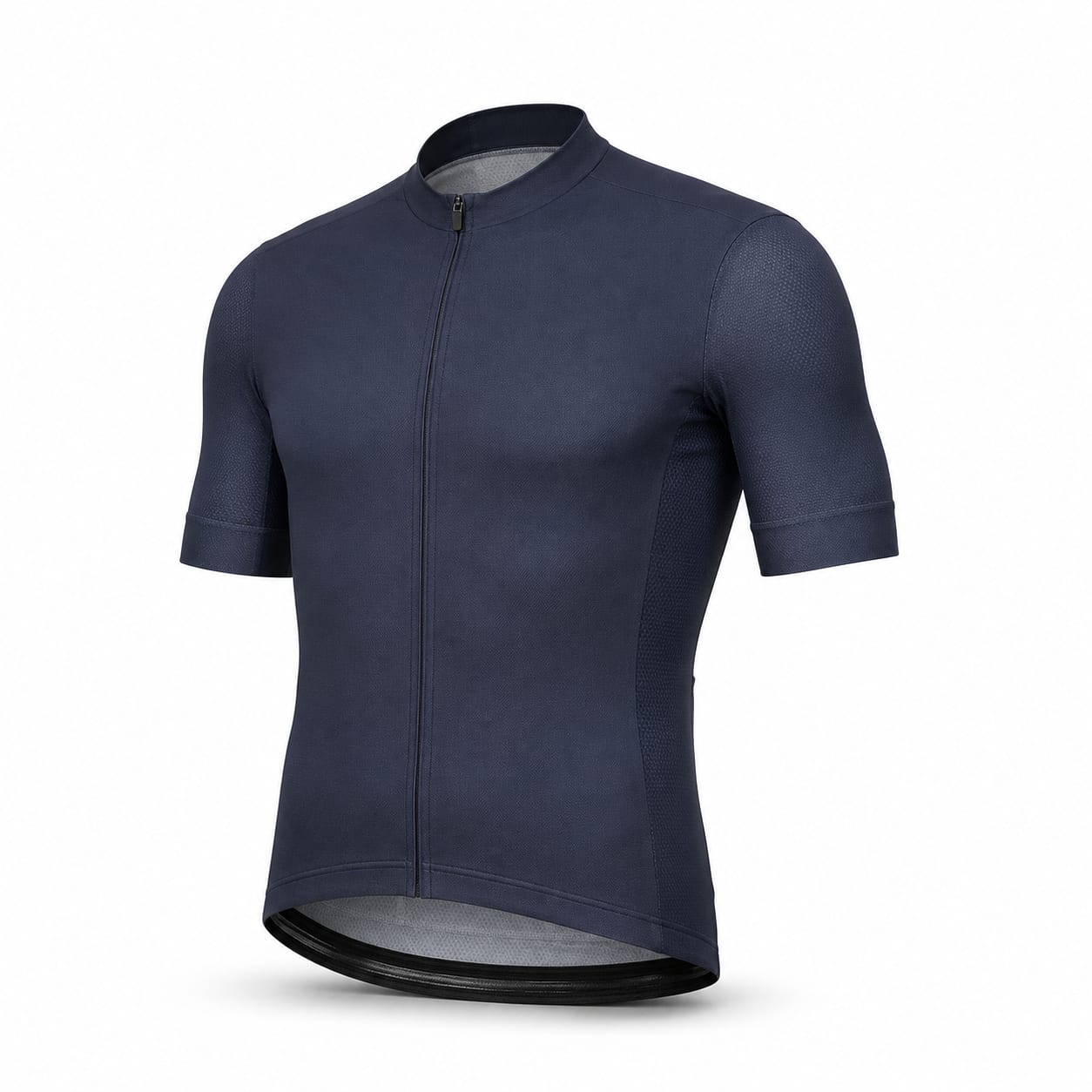
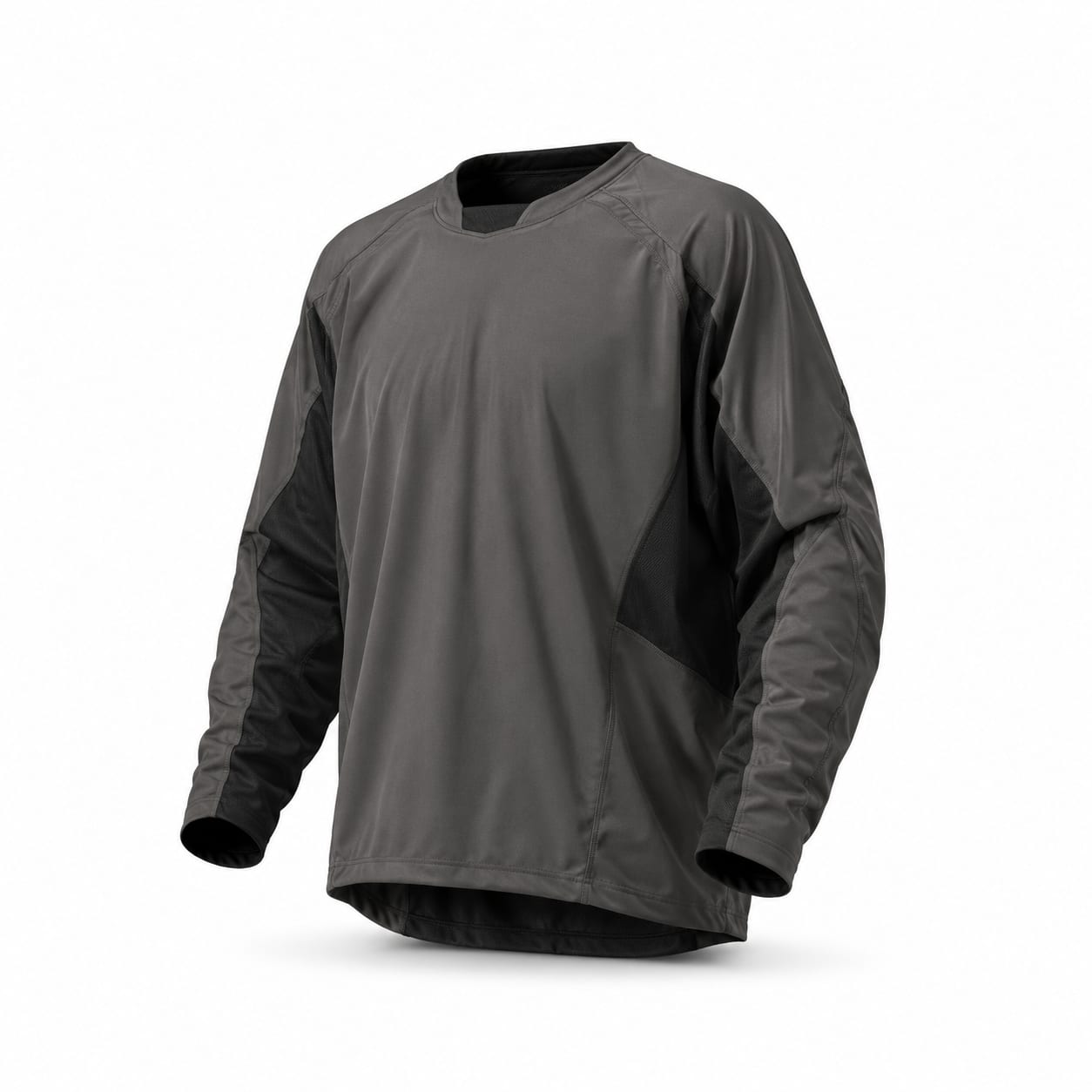
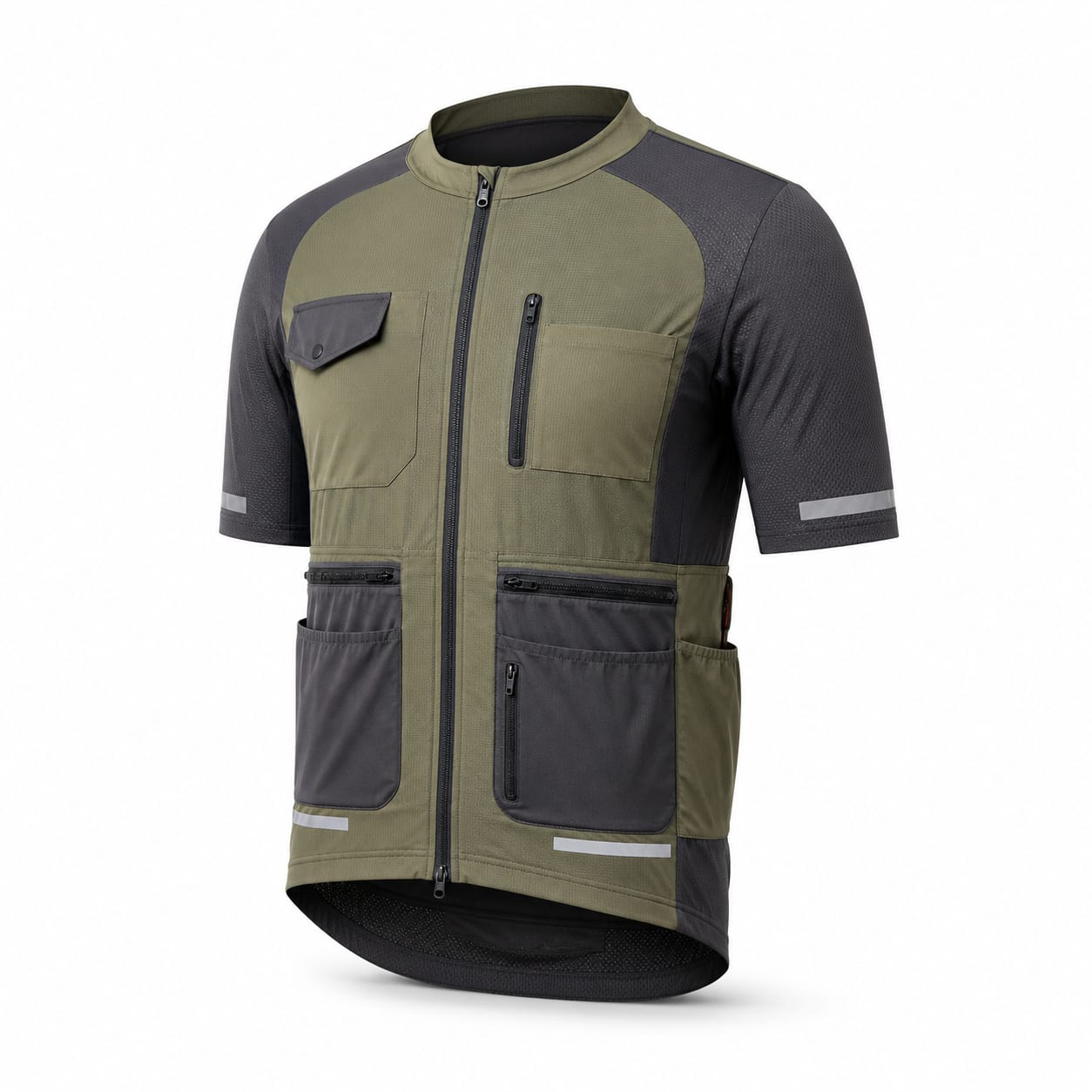
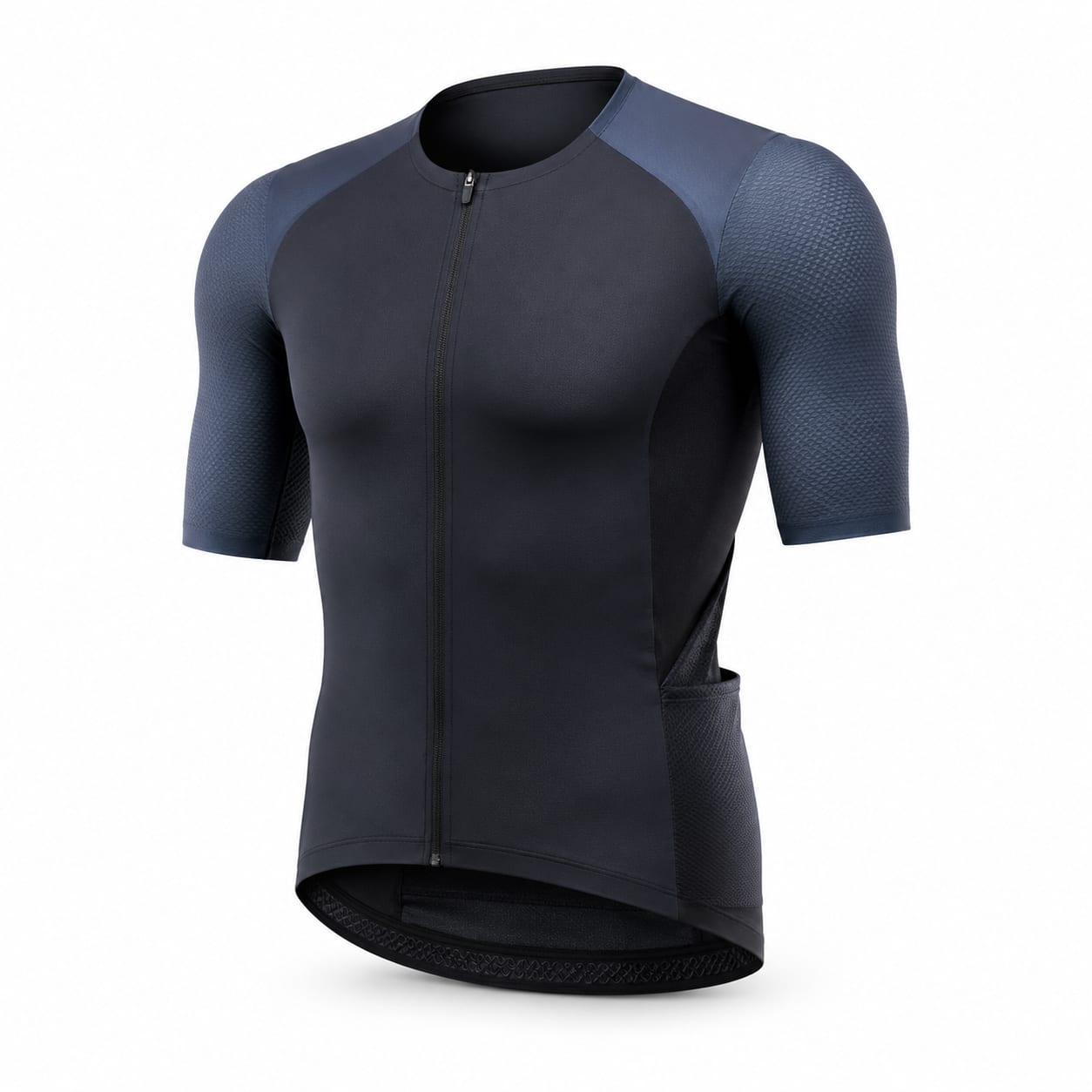
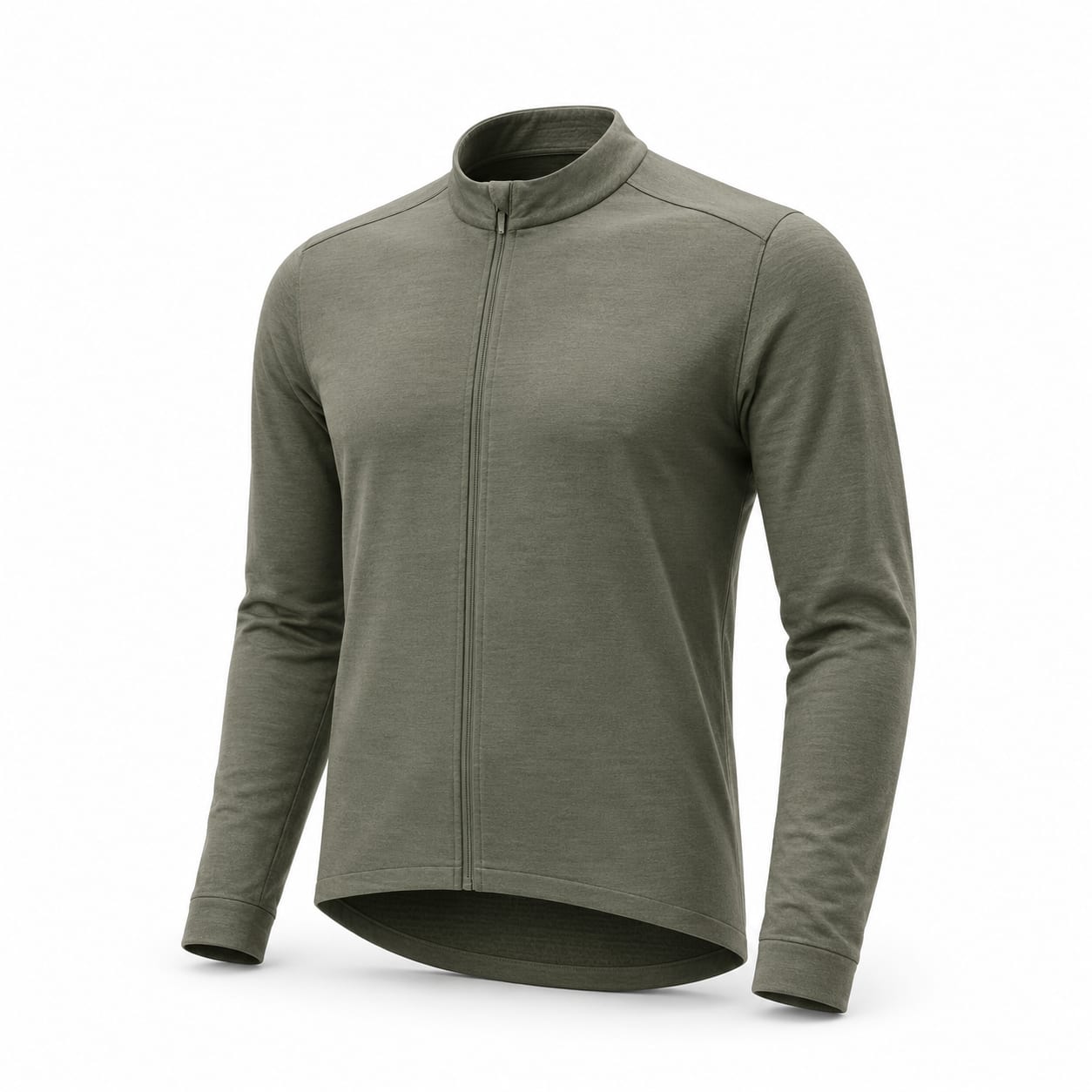
A mountain bike jersey is purpose-built for the demands of off-road cycling. Unlike form-fitting road jerseys, MTB jerseys feature a relaxed or club fit that accommodates elbow pads, chest protectors, and the dynamic body movements required for technical terrain. They are typically constructed from durable polyester or nylon blends that resist tearing from trailside brush and crashes. Storage is often reimagined—while some XC jerseys retain rear pockets, many trail and enduro jerseys omit them entirely since riders rely on hydration packs, or they feature secure zippered side pockets. Long sleeves are popular for added protection, and the overall aesthetic leans towards a casual, t-shirt-like appearance that transitions well from the trail to the post-ride hangout.
The defining characteristic of a mountain bike jersey is its fit. Where road cycling demands skin-tight aerodynamics, mountain biking requires uninhibited movement. A looser cut allows riders to shift their weight dramatically, manual, jump, and throw the bike around beneath them without restriction. More importantly, the relaxed fit accommodates the body armor—elbow pads, chest roost deflectors, and neck braces—that is standard issue for many trail and enduro riders. A jersey that is too tight will not fit over pads, rendering it useless for aggressive riding.
Durability is the second pillar of MTB jersey design. Off-road riding involves close encounters with thorny brush, abrasive tree bark, and the inevitable ground impact. As a result, MTB jerseys frequently utilize heavier-weight fabrics and nylon blends, which offer superior abrasion resistance compared to the delicate polyester meshes found in road jerseys. Seams are often reinforced, and graphics are typically sublimated into the fabric rather than printed on top, ensuring they survive the rough and tumble of the trail.
Storage on an MTB jersey diverges significantly from road conventions. Because the vast majority of mountain bikers wear hydration packs, the traditional three rear pockets are often omitted. Rear pockets can also be uncomfortable when leaning back on steep descents or wearing a backpack. Instead, MTB jerseys may feature a single zippered side pocket for a key or card, or simply no pockets at all. Cross-country racers who eschew backpacks are the exception and may still prefer a more road-style pocket layout.
Sleeve length is a crucial consideration in mountain biking. While short sleeves are common for XC and hot weather, long sleeves are heavily favored for trail, enduro, and downhill riding. A long sleeve provides a vital layer of protection against trailside vegetation and offers significant skin-saving benefits in a crash, sliding across dirt and rocks rather than tearing flesh. Many riders opt for long sleeves year-round, choosing lightweight, ventilated fabrics for summer and heavier thermal materials for winter.
Finally, the aesthetic of the MTB jersey is distinctly casual. The culture of mountain biking leans towards a relaxed, t-shirt-inspired look, and jerseys are designed to look as natural at the trailhead post-ride as they do on the bike. This casual styling, combined with functional features like moisture-wicking fabrics and ventilation zones, makes the MTB jersey a highly specialized piece of gear that prioritizes trail performance and protection above all else.