Kitvore.com

Kitvore.com

Specs that matter. Gear that fits.

Cycling Jersey · Subcategory

Aero Race Jersey

The fastest jersey in cycling — skin-tight, wind-cheating, and built for riders who measure performance in watts and seconds.

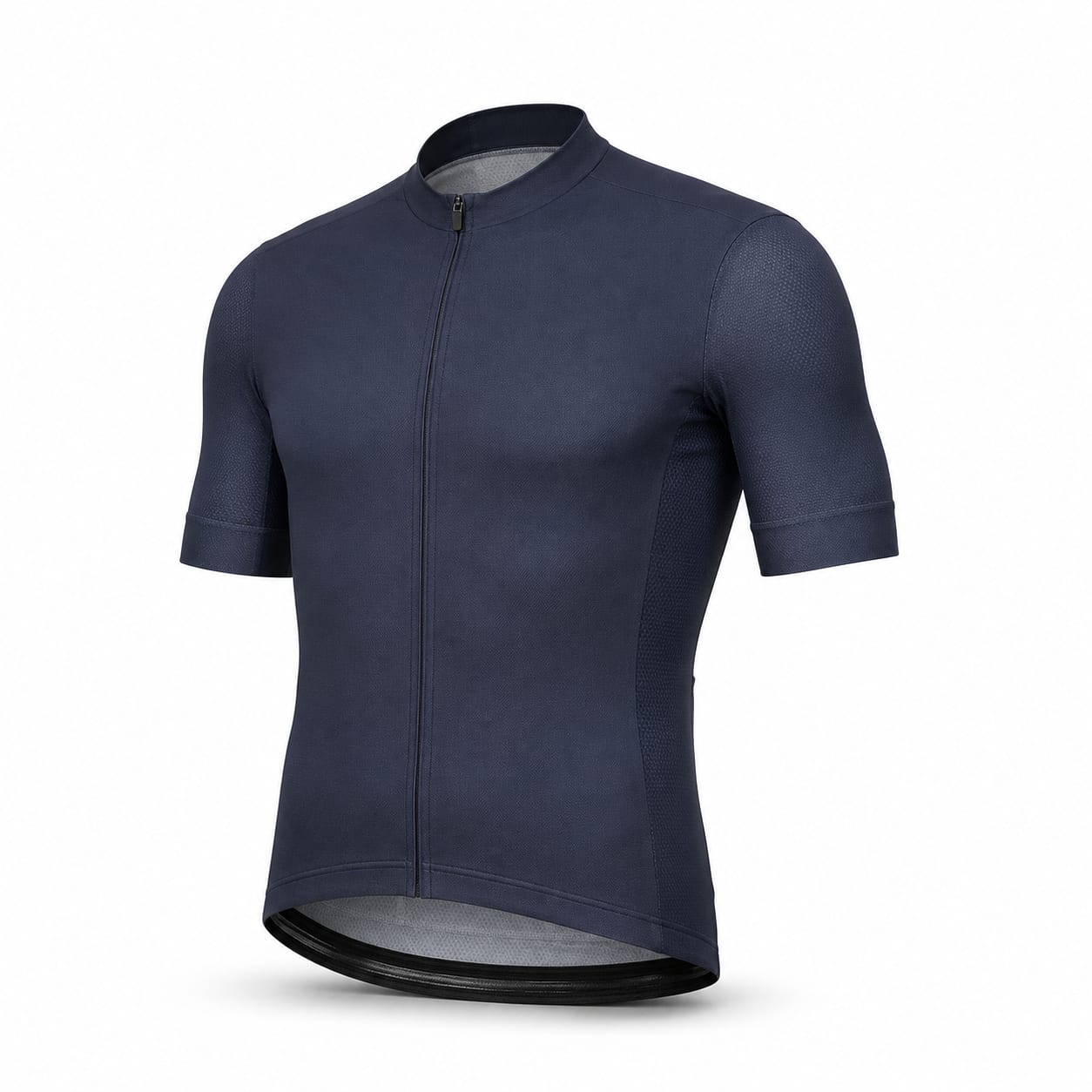
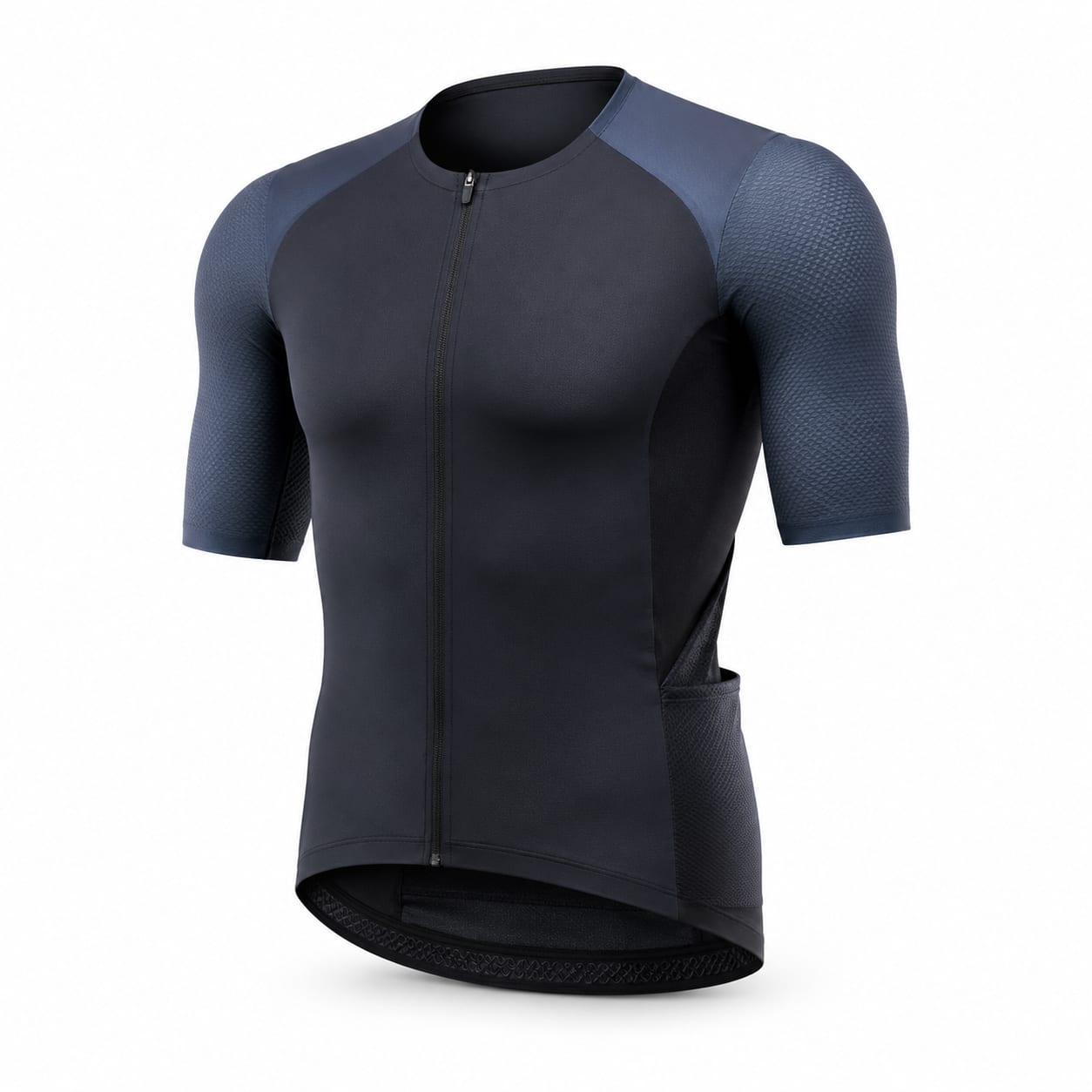
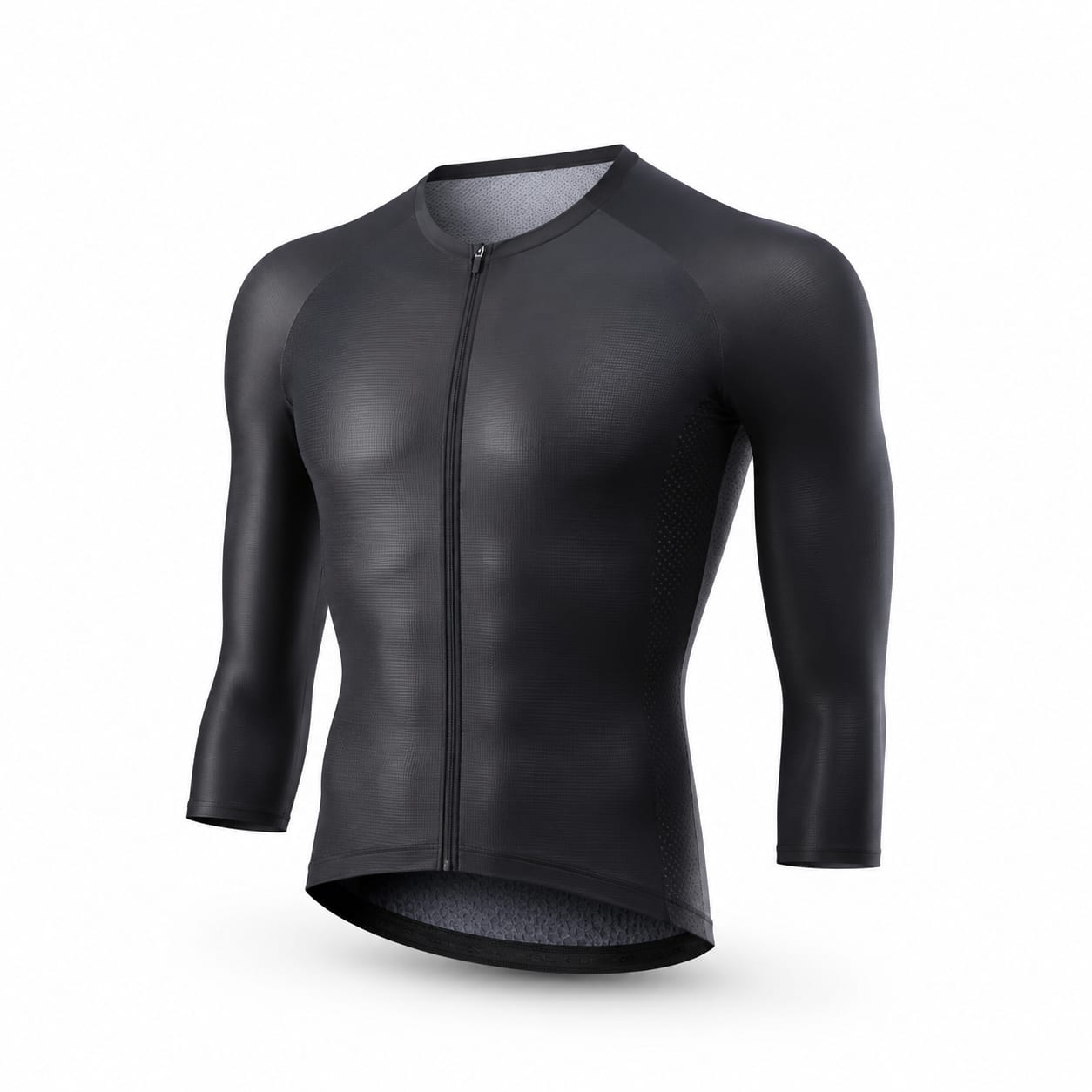
An aero race jersey is the most aerodynamically optimized top in cycling, featuring a compressive race fit, extended sleeves, smooth fabrics, and every design choice aimed at reducing drag. It is the jersey of choice for road racers, criterium specialists, time trialists, and fast group ride participants who want every watt to count. Expect a jersey that feels impossibly tight off the bike but fits perfectly in the drops.

$100 – $400premium tieradvancedexpert

Best known for

Maximum aerodynamic efficiency and lowest drag coefficientSkin-tight race fit with compressive fabricsExtended sleeves with silicone grippers that stay at the deltoidLightweight, smooth fabrics that slice through windBeing the jersey of choice for competitive road cyclists
Aero Race Jersey

Guide

Detailed overview

The aero race jersey represents the pinnacle of cycling jersey engineering, where every seam, panel, and fabric choice is optimized to reduce aerodynamic drag. Unlike standard jerseys that balance comfort and performance, the aero race jersey unapologetically prioritizes speed. The fit is compressive and pre-shaped for the riding position — standing upright, it feels too small, but once you're in the drops or on the hoods, it maps to your body like a second skin. Extended sleeves reach to just above the elbow and terminate with silicone grippers that hold them firmly at the widest part of your deltoid muscle, smoothing the transition from arm to torso and eliminating fabric flutter. Fabrics are typically lightweight polyester-elastane blends with smooth outer surfaces that minimize skin friction drag. Seams are minimized, repositioned, or bonded rather than stitched to reduce both drag and chafing. The result is a jersey that can save 5-15 watts at race speeds compared to a standard club-fit jersey — a meaningful advantage in breaks, sprints, and time trials.

The aero race jersey emerged from professional cycling's relentless pursuit of marginal gains, where saving a few watts of aerodynamic drag can mean the difference between standing on the podium and watching from the peloton. Early aero jerseys were simply tight-fitting versions of standard jerseys, but modern designs incorporate wind tunnel data, CFD modeling, and pro rider feedback to optimize every surface. The most significant aerodynamic innovation is the extended sleeve — by covering the upper arm and terminating with a silicone gripper at the deltoid, the jersey eliminates the fabric flutter and turbulent airflow that occurs with traditional short sleeves. This single feature can account for the majority of the aero jersey's drag reduction.

Fit is the defining characteristic and the biggest adjustment for riders new to aero jerseys. An aero race jersey should feel compressive even before you get on the bike — if it feels comfortable standing in the shop, it's too big. The fabric should be taut across your chest, back, and stomach with no wrinkles or loose areas. The front panel is often cut shorter because it's designed for the bent-over riding position; when you stand upright, the jersey may ride up slightly in front, which is intentional. This pre-shaped construction means the fabric is smooth and wrinkle-free when you're actually riding, which is when aerodynamics matter. Many riders initially buy a size up because the tight feel is unfamiliar, but this defeats the purpose — if you're not committed to the race fit, a club-fit jersey is a better choice.

Fabric technology in aero jerseys has advanced significantly. Most use high-gauge knit polyester blends with 10-20% elastane for compression and shape retention. The outer surface is deliberately smooth to reduce skin friction drag — the aerodynamic boundary layer interaction between fabric and air. Some premium models use textured fabrics in specific zones to trip the boundary layer into turbulent flow, which can actually reduce pressure drag in certain conditions, similar to the dimples on a golf ball. Interior fabrics focus on moisture wicking to keep the outer surface dry, as wet fabric has different aerodynamic properties than dry fabric. The lightest aero jerseys weigh under 100 grams, though most fall in the 100-150 gram range.

The practical trade-offs of an aero race jersey are real and should be acknowledged. The tight fit restricts layering — you won't fit a thick base layer underneath, and adding a wind vest requires careful sizing. Storage is minimal; three rear pockets are standard but their capacity is slightly reduced by the tight fit, and overloading them creates a bulge that increases drag (ironically negating the jersey's purpose). Comfort on long endurance rides can be an issue, as the compressive fit may cause fatigue or restricted breathing for some riders, particularly in hot conditions. The fabrics that make aero jerseys fast are also delicate — they snag easily, pill with abrasion, and degrade faster than heavier jerseys. An aero race jersey is a tool for going fast, not an all-day comfort garment.

Despite these trade-offs, the aero race jersey has become the default choice for a broad range of riders beyond just professional racers. Fast group rides, criteriums, road races, time trials, and even spirited training rides all benefit from the efficiency gains. For riders averaging 30+ km/h, the aerodynamic savings are meaningful and tangible. The psychological benefit shouldn't be dismissed either — putting on a race jersey signals intent and can motivate harder efforts. With prices ranging from budget-friendly options around $80 to premium models exceeding $300, there's an aero race jersey for every serious cyclist's budget.

Quick facts

Primary purpose
Minimizing aerodynamic drag in competitive road racing and fast group rides
Popular brands
CastelliAssosRaphaMAAPSportfulLe Col
Typical terrain
paved roadsrace circuitstime trial courses

What makes it different

Tightest fit category; sleeves often extend to mid-forearm; fabrics selected for low drag coefficient rather than maximum breathability

Recommended ranges

How this type usually specs out

Each spec is explained in plain language, then we show what buyers usually look for on this type.

Fit Type

Fit Type

What it means

The overall cut and tightness of the jersey, affecting aerodynamics, comfort, and style. Fit is the single most important decision as it impacts every ride experience.

Typical for this type

Race

In practice

Aero race jerseys exclusively use race fit — extremely close to the skin with pre-shaped panels for the riding position. The fabric should be taut with zero wrinkles when in the drops or on the hoods.

Compared to other types

Significantly tighter than club-fit jerseys and dramatically tighter than relaxed-fit jerseys. The race fit feels restrictive off the bike but is designed specifically for the bent-over riding position where other fits have excess fabric.

Why it matters: Race fit is the entire point of this subcategory. Any looseness creates fabric flutter and turbulent airflow, negating the aerodynamic benefits. The compressive fit also improves moisture transfer and reduces chafing from fabric movement.

Sleeve Length

Sleeve Length

What it means

The length of the jersey sleeves, determining coverage, sun protection, and temperature regulation. Some modern jerseys feature extended sleeves for aerodynamic benefit.

Typical for this type

Short (With Extended Length Reaching to Mid-Deltoid)

In practice

Aero race jerseys use short sleeves that extend significantly longer than traditional cycling jerseys — typically reaching to just above the elbow or mid-deltoid. This is a defining feature of the aero jersey category.

Compared to other types

Aero race jersey sleeves are notably longer than standard short-sleeve jerseys, which typically end at mid-bicep. The extended length is specifically for aerodynamic benefit, not warmth or sun protection.

Why it matters: Extended sleeves with silicone grippers held at the widest part of the arm smooth the transition from torso to arm, reducing turbulent airflow and fabric flutter. This is the single most impactful aero feature of the jersey.

Fabric Weight

Fabric Weight

What it means

The weight class of the jersey fabric, directly correlating to warmth, packability, and intended season of use. Measured informally by category rather than GSM for most consumers.

Typical for this type

Ultralight to Lightweight (90-150 GSM)

In practice

Most aero race jerseys use lightweight fabrics (100-150 GSM) with some race-day specific models going ultralight (<100 GSM). The fabric must be light enough to conform to the body and thin enough to minimize the boundary layer thickness.

Compared to other types

Aero race jerseys are lighter than club-fit and endurance jerseys (which typically use 130-180 GSM) and much lighter than thermal or winter jerseys. The light weight is a performance feature, not just a comfort feature.

Why it matters: Lighter fabrics conform better to the body, reducing wrinkles and drag. They also improve moisture transfer and cooling during high-intensity efforts. However, ultralight fabrics sacrifice durability and may be semi-transparent.

Pocket Count

Pocket Count

What it means

The number of rear pockets on the jersey. Pockets are the primary storage system for ride essentials like food, phone, tools, and spare tubes.

Typical for this type

3 (standard)

In practice

The classic three rear pocket layout is standard on aero race jerseys. Some models add a small fourth zippered pocket for valuables, but this is less common in pure aero designs that prioritize minimalism and smooth surfaces.

Compared to other types

Same 3-pocket standard as most road jerseys, but the tight fit means less usable volume per pocket. Gravel and endurance jerseys often have 4+ pockets for additional storage. Some TT-specific aero jerseys reduce to 2 pockets or eliminate pockets entirely.

Why it matters: Three pockets provide adequate storage for race essentials (spare tube, CO2, gel, phone) without adding unnecessary seams or bulk. Overloading pockets creates drag-inducing bulges, so capacity is somewhat self-limiting with the tight fit.

Zipper Type

Zipper Type

What it means

The front zipper configuration controlling ventilation adjustment. Critical for temperature regulation during variable effort levels and weather.

Typical for this type

Full Zip Preferred, 3/4 zip acceptable

In practice

Full zip is the dominant choice for aero race jerseys, allowing maximum ventilation control during variable-intensity efforts and easy on/off. Some models use 3/4 zip for a slightly cleaner lower hem area.

Compared to other types

Aero race jerseys almost universally use full zip, while some endurance and casual jerseys use half or quarter zip. The full zip is considered essential for the temperature regulation needs of high-intensity riding.

Why it matters: Racing involves dramatic effort changes — full zip allows instant ventilation adjustment for climbs, sprints, and descents. The ability to fully open the jersey for cooling after a hard effort or during hot conditions is essential.

UV Protection (UPF)

UV Protection (UPF)

What it means

Ultraviolet Protection Factor rating indicating how effectively the fabric blocks UV radiation. Critical for long sun-exposed rides, especially at altitude.

Typical for this type

None Rated to Upf 25

In practice

Many aero race jerseys lack a formal UPF rating because the ultralight, stretchy fabrics used for aerodynamics and cooling are inherently less UV-protective, especially when stretched over the shoulders. Some models achieve UPF 25 through fabric treatment or slightly heavier knits.

Compared to other types

Aero race jerseys typically have lower UPF ratings than endurance or casual jerseys, which use heavier fabrics with better inherent UV protection. Riders prioritizing sun protection may need to compromise on aero optimization.

Why it matters: Riders spending long hours in the sun during races and training should be aware that aero jerseys may provide less sun protection than expected. The tight fit stretches the fabric, reducing its UV blocking capability. Sunscreen on shoulders and arms is essential.

Collar Type

Collar Type

What it means

The style of the neck/collar opening, affecting comfort, sun protection, and layering capability with jackets and base layers.

Typical for this type

Stand Up Or Zip Guard

In practice

Stand-up collars are common on aero race jerseys because they smooth the transition from neck to torso, reducing drag at the collar opening. Zip garage/guard collars are also common and provide comfort without the aero penalty of a floppy collar.

Compared to other types

Aero race jerseys favor stand-up collars more than any other subcategory. Club and relaxed jerseys typically use crew or zip guard collars. The stand-up collar is an aero feature that also provides a sleek, pro aesthetic.

Why it matters: A stand-up collar closes the gap between jersey and neck, preventing air from scooping in at the collar — a small but measurable drag reduction. It also provides a slight wind break for the neck on cool descents.

Hem Gripper / Silicone Strip

Hem Gripper / Silicone Strip

What it means

Whether the jersey has silicone or elastic gripper strips at the hem to prevent the jersey from riding up during cycling.

Typical for this type

True (Essential)

In practice

Hem grippers are essentially universal on aero race jerseys. The silicone strip at the rear hem prevents the jersey from riding up, maintaining rear coverage and keeping pockets in position even when loaded.

Compared to other types

Hem grippers are standard on aero race jerseys and most performance jerseys, but may be absent on casual or relaxed-fit jerseys where the looser fit makes riding up less noticeable.

Why it matters: Without hem grippers, the tight fit and loaded pockets would cause the jersey to ride up constantly. The gripper maintains the smooth, wrinkle-free fit that is essential for aerodynamic performance. It also prevents the embarrassing lower-back exposure that occurs when jerseys shift.

Reflective Elements

Reflective Elements

What it means

Presence and extent of reflective details for visibility in low-light conditions. Important for commuters and riders who may be out in dawn/dusk.

Typical for this type

None to Minimal

In practice

Aero race jerseys typically have minimal reflective elements — perhaps a small reflective logo or tab. Extensive reflective elements add weight, seams, and surface texture that can compromise aerodynamic performance.

Compared to other types

Aero race jerseys have fewer reflective elements than commuter, endurance, or gravel jerseys, which prioritize visibility for safety in varied conditions. This is a conscious trade-off for aerodynamic purity.

Why it matters: Racing and fast training primarily occur in daylight, so reflective elements are a lower priority. However, riders who train in low-light conditions should consider this limitation and use lights and high-visibility accessories instead.

Primary Fabric Composition

Primary Fabric Composition

What it means

The main fiber type used in the jersey, affecting moisture management, durability, odor resistance, and environmental impact.

Typical for this type

Polyester + Elastane/Spandex Blend (80-92% Polyester, 8-20% elastane)

Most common pick: Polyester, Elastane Spandex

In practice

The standard aero race jersey uses a polyester-elastane blend, typically 85-90% polyester with 10-15% elastane. Polyester provides the smooth outer surface for low drag, moisture wicking, and quick drying. Elastane provides the compression and body-hugging fit essential for aerodynamic performance.

Compared to other types

Aero race jerseys use higher elastane content than club or relaxed jerseys (which may use 3-8% elastane). Merino wool is rare in aero jerseys because it lacks the stretch and smooth surface needed for aero performance. Recycled polyester is increasingly common.

Why it matters: The elastane content is higher in aero jerseys than most other subcategories because the compressive fit is critical. Without sufficient elastane, the jersey won't maintain its skin-tight fit through repeated wear and washing. Some premium models use nylon blends for a softer hand feel.

Intended Season

Intended Season

What it means

The primary season or temperature range the jersey is designed for, guiding fabric choice, ventilation features, and construction.

Typical for this type

Summer to Spring Fall

In practice

Most aero race jerseys are designed for summer conditions (25-40°C / 77-104°F) where racing and fast group rides occur. The lightweight, breathable construction maximizes cooling during high-intensity efforts. Some models are versatile enough for spring/fall with appropriate base layers.

Compared to other types

Aero race jerseys are more season-specific than all-season or spring/fall jerseys. They lack the versatility of endurance jerseys but excel in their intended warm-weather racing conditions. Riders in cooler climates may need arm warmers or a gilet for early-season races.

Why it matters: Racing season is primarily summer, so aero jerseys are optimized for hot conditions where cooling and moisture management are critical. The tight fit and minimal fabric provide excellent ventilation, but this also means limited insulation for cooler conditions.

Sleeve Gripper

Sleeve Gripper

What it means

Silicone or elastic gripper at the sleeve opening to keep sleeves in place. Especially important for aero jerseys where sleeve position matters.

Typical for this type

True (Essential For Aero Function)

In practice

Sleeve grippers are a defining feature of aero race jerseys. The silicone strip at the sleeve hem holds the extended sleeve firmly in place at the mid-deltoid position, preventing the sleeve from creeping up during riding and maintaining the smooth aerodynamic surface.

Compared to other types

Sleeve grippers are more common and more important on aero race jerseys than any other subcategory. Standard jerseys with shorter sleeves may not need them, but the extended sleeves of aero jerseys require grippers to function as designed.

Why it matters: Without sleeve grippers, the extended sleeves that define aero jerseys would constantly ride up, negating their aerodynamic benefit. The gripper ensures the sleeve stays precisely positioned to smooth airflow over the arm-shoulder junction.

Mesh Ventilation Panels

Mesh Ventilation Panels

What it means

Presence of mesh or perforated panels in high-heat areas (underarms, back, sides) for enhanced airflow and cooling.

Typical for this type

Underarm to Underarm Side

In practice

Most aero race jerseys include mesh panels in the underarm and side areas for ventilation. These panels are strategically placed in high-heat zones where they don't significantly impact aerodynamic performance. Full back mesh is rare in aero jerseys because it can compromise pocket integrity and aero smoothness.

Compared to other types

Aero race jerseys use more targeted, smaller mesh panels than summer club jerseys, which may have larger mesh areas. The placement is optimized to avoid disrupting the smooth airflow over the back and shoulders.

Why it matters: High-intensity racing generates significant body heat, and the tight fit of aero jerseys limits natural ventilation. Mesh panels in targeted zones provide cooling without creating the fabric flutter or loose areas that would increase drag.

Cycling Discipline

Cycling Discipline

What it means

The primary cycling discipline the jersey is designed for, affecting fit, durability, pocket placement, and style.

Typical for this type

Road

In practice

Aero race jerseys are designed exclusively for road cycling, where aerodynamic optimization provides the greatest benefit at sustained high speeds. The fit, pocket placement, and construction assume a road bike riding position.

Compared to other types

Aero race jerseys are the most discipline-specific jersey type. Gravel jerseys prioritize storage and durability over pure aero. MTB jerseys are looser for body armor compatibility. Commuter jerseys prioritize visibility and casual style.

Why it matters: The aero benefits are most significant at road cycling speeds (30+ km/h). The pre-shaped fit assumes the road bike position with dropped handlebars. MTB riders don't benefit from aero jerseys due to lower speeds, upright position, and the need for crash durability.

Gender-Specific Design

Gender-Specific Design

What it means

Whether the jersey is designed with gender-specific patterning for anatomical differences in torso length, shoulder width, and chest shape.

Typical for this type

Gender-Specific (Mens Or Womens) — Unisex Not Recommended For Aero Fit

Most common pick: Mens, Womens

In practice

Aero race jerseys are available in both men's and women's specific cuts. The precise, body-hugging fit makes gender-specific patterning even more important than in other jersey types, as any mismatch between jersey shape and body shape creates wrinkles that increase drag.

Compared to other types

Gender-specific fit matters more for aero race jerseys than any other subcategory because the fit tolerance is so tight. A slightly wrong fit in a relaxed jersey is unnoticeable; in an aero jersey, it's a performance penalty.

Why it matters: An aero jersey that doesn't match your body proportions will have loose areas, wrinkles, or pulling — all of which compromise aerodynamic performance. Women's-specific aero jerseys account for different shoulder widths, torso lengths, and chest shapes to maintain the smooth, wrinkle-free fit essential for aero performance.

Total Jersey Weight

Total Jersey Weight

What it means

The total weight of the jersey in grams. Lighter jerseys are preferred for hot weather and racing; heavier jerseys often indicate thermal or durable construction.

Typical for this type

90-150g

Most common pick: 110

In practice

Aero race jerseys typically weigh between 90-150 grams, with the lightest models approaching 80g. The light weight comes from thin, high-gauge knit fabrics, minimal seam construction, and the absence of heavy features like thick pockets or wind-blocking panels.

Compared to other types

Aero race jerseys are among the lightest cycling jerseys available, comparable only to ultralight climbing jerseys. They are significantly lighter than club-fit jerseys (150-200g), endurance jerseys (180-250g), and winter jerseys (250-350g).

Why it matters: Lighter weight means less mass to accelerate and carry up climbs, better fabric drape for conforming to the body, and improved comfort in hot conditions. However, the lightest jerseys sacrifice durability and may be semi-transparent.

Evaluation

Strengths and trade-offs

Pros

What this type does best

Measurable aerodynamic advantage

Critical

Wind tunnel and real-world testing consistently shows 5-15 watts savings at race speeds compared to standard jerseys. Over a 40K time trial, this can translate to 30-60 seconds saved. The extended sleeves alone account for a significant portion of this benefit.

Superior moisture management

High

The tight, compressive fit ensures fabric stays in contact with the skin, maximizing moisture transfer efficiency. Sweat is wicked away immediately rather than pooling or running. This keeps you drier and cooler during high-intensity efforts.

No fabric flutter or flapping

High

The skin-tight fit eliminates the fabric flutter that occurs with looser jerseys at speed. This removes a significant source of both aerodynamic drag and annoying noise. Everything stays put, even at 50+ km/h sprint speeds.

Professional aesthetic and psychological edge

Medium

Aero race jerseys look fast and signal serious intent. For many riders, putting on a race jersey is a psychological trigger that shifts them into training mode. The sleek, pro-team aesthetic is a significant motivator for many cyclists.

Reduced chafing from fabric movement

Medium

Because the fabric doesn't move relative to your skin, there's less friction and chafing on long rides. Loose jerseys can rub and irritate, especially at the sleeves, collar, and hem. The compressive fit eliminates this issue entirely.

Excellent for layering under vests and jackets

Medium

The slim fit creates a smooth base layer under gilets, wind vests, and rain jackets without bunching or restricting movement. This makes aero jerseys versatile for variable conditions when paired with outer layers.

Cons

Trade-offs to be aware of

Uncomfortable off the bike and restrictive for some riders

Significant

The compressive fit that makes aero jerseys fast also makes them uncomfortable for many riders when not in the cycling position. Standing, walking, and eating at café stops can feel restrictive. Some riders experience breathing restriction, particularly in hot conditions or when the jersey is sized too small.

Delicate fabrics with poor durability

Moderate

The ultralight, smooth fabrics used in aero jerseys snag easily on branches, Velcro, and even rough seat textures. They pill with abrasion, and the thin fabric can tear in crashes. Expect significantly shorter lifespan than heavier jerseys, especially with frequent use.

Limited storage capacity and pocket functionality

Moderate

The tight fit reduces usable pocket volume, and overloading pockets creates drag-inducing bulges that negate the jersey's aero purpose. Fitting a jacket, food, tools, and phone in three tight pockets is challenging. Some aero jerseys have shallower pockets to maintain a smooth profile.

Poor sun protection when stretched

Moderate

The thin, stretchy fabrics provide minimal UV protection, especially when stretched over the shoulders and back. Many aero jerseys lack a UPF rating entirely. Riders spending long hours in the sun must apply sunscreen under the jersey or accept increased UV exposure.

Unforgiving fit that highlights body shape

Minor

The skin-tight fit leaves nothing to the imagination and can be intimidating or uncomfortable for riders who are self-conscious about their body. Unlike looser jerseys that drape and conceal, aero jerseys conform to every contour. This psychological barrier prevents some riders from benefiting from aero technology.

Best for

Surfaces & terrain

Flat and rolling roadsTime trial coursesCriterium circuitsSmooth tarmacClimbing roads where aero matters on descents

Riding conditions

Warm to hot weather (18-35°C / 64-95°F)Dry conditionsRace dayFast group rides on calm to moderate wind days

Skill level

Intermediate racersAdvanced ridersProfessional cyclistsExperienced fast group riders

Riding discipline

Road racingCriterium racingTime trialingFast group rides and chain gangsSprint trainingInterval training

Rider profile

Competitive road racers seeking every watt advantageTime trial specialists and triathletes on the bike legFast group ride participants who want to stay with the lead groupSprinters who want maximum aero efficiency in the final 200mPerformance-focused riders who train with power meters and track watts

Not ideal for

Reasons

The aero benefits are negligible at speeds below 28 km/h where most casual riders operateThe tight fit is uncomfortable for long, slow endurance rides where comfort is the priorityDelicate fabrics will be destroyed by trail brush, crashes on gravel, and daily commuting wearThe minimal storage is inadequate for bikepacking and touring needsThe race aesthetic looks out of place on casual rides and may create unwanted pressure to ride fast

Surfaces & terrain

Mountain bike trailsGravel and dirt roadsTechnical singletrackBikepacking routes

Skill level

Complete beginners who haven't developed riding positionCasual riders who ride at conversational pace

Riding discipline

Bikepacking and touringCommuting in trafficCasual recreational ridesMountain bikingEndurance pacing where comfort trumps speed

Compare

How it stacks up

This page

Aero Race Jersey

Significantly lower aerodynamic drag (5-15 watts savings), more compressive fit for better muscle support and moisture management, no fabric flutter at speed, professional aesthetic that signals racing intent.

Alternative

Club / Slim Fit Jersey

Much more comfortable for all-day riding, more forgiving fit that accommodates varying body types, easier to layer under, typically more durable fabrics, more pocket space, less expensive for equivalent quality, better for café stops and off-bike comfort.

Bottom line

Choose aero race jersey if you race, ride fast group rides regularly, or average 30+ km/h on training rides. Choose club fit if you prioritize comfort over speed, ride long endurance distances, or find race fit restrictive. Many riders own both — aero for race day and fast training, club fit for endurance and recovery rides.

This page

Aero Race Jersey

Lower aerodynamic drag, lighter weight, more compressive fit, sleeker aesthetic. The aero jersey is unambiguously faster when speed is the priority.

Alternative

Endurance Fit Jersey

Better comfort on 4+ hour rides, slightly longer torso cut prevents lower back exposure, more pocket capacity, accommodates base layers for variable conditions, less restrictive breathing, often has more reflective elements for safety.

Bottom line

Choose aero race jersey for races and fast training under 3 hours. Choose endurance fit for gran fondos, century rides, and long training rides where comfort over 4+ hours matters more than marginal aero gains. The endurance jersey is the better all-around choice for most non-racing riders.

This page

Aero Race Jersey

Dramatically lower aerodynamic drag, better moisture management, no flapping fabric, lighter weight, more professional appearance. The aero jersey is a performance tool; the relaxed jersey is a comfort garment.

Alternative

Relaxed / Regular Fit Jersey

Maximum comfort and freedom of movement, forgiving fit for all body types, more durable fabrics, casual aesthetic suitable for commuting and lifestyle use, significantly less expensive, easier to put on and take off.

Bottom line

Choose aero race jersey if you care about speed and performance. Choose relaxed fit if you never ride in the drops, don't care about aerodynamics, prioritize comfort above all else, or want a jersey for casual riding and commuting. These two subcategories serve fundamentally different riders.

This page

Aero Race Jersey

More versatile — can be worn for road races, group rides, and training (not just TTs). Rear pockets for storage. Easier to put on and take off for bathroom stops. More affordable. Can be paired with different bib shorts.

Alternative

Aero TT Suit / Skinsuit

Lower aerodynamic drag due to no jersey-short overlap seam, integrated construction eliminates any fabric gap between jersey and shorts, purpose-built for time trial position, can save an additional 5-10 watts over an aero jersey + bib short combination.

Bottom line

Choose aero race jersey for road racing, group rides, and training where you need pockets and versatility. Choose TT suit only for time trials and triathlon bike legs where maximum aero advantage justifies the lack of pockets and convenience. Most serious racers own both.

Shopping

Buying tips

  • 1

    Size down, not up — if you're between sizes, choose the smaller size. An aero jersey that's too big defeats its purpose. The jersey should feel compressive standing up and perfect in the riding position.

  • 2

    Test fit in your riding position — stand on your toes and lean forward into your handlebar position. The jersey should be smooth with no wrinkles across your back and shoulders. If fabric bunches, it's too big.

  • 3

    Prioritize sleeve length and gripper quality — the extended sleeves with effective silicone grippers are the most important aero feature. If the sleeves ride up during your test, the grippers are inadequate.

  • 4

    Check for transparency — many ultralight aero jerseys are semi-transparent, especially in lighter colors. If you'll be wearing it without a base layer, choose darker colors or test with your skin tone.

  • 5

    Consider your climate — if you race in hot conditions, prioritize mesh panels and ultralight fabrics. If your racing season includes cool spring events, look for a slightly heavier aero jersey that accommodates a thin base layer.

  • 6

    Don't overpay for marginal gains — the difference between a $100 and $300 aero jersey may be 1-3 watts. Budget aero jerseys from reputable brands capture 80-90% of the aero benefit at a fraction of the price. Spend the savings on aero wheels or a bike fit instead.

  • 7

    Check the zipper quality — you'll open and close the zipper frequently during rides. A smooth-operating, high-quality zipper (YKK or equivalent) is essential. Stiff or catching zippers are a constant annoyance that worsens over time.

  • 8

    Buy from brands with good return policies — aero jersey fit is highly personal and sizing varies significantly between brands. Order from retailers with easy returns so you can test the fit on the bike before committing.

Care

Maintenance notes

  • Always wash in cold water (30°C maximum) on a gentle cycle. Hot water degrades elastane and destroys the compressive fit that makes the jersey effective.
  • Never use fabric softener — it coats the fibers and destroys moisture-wicking capability. Use a technical fabric wash like Nikwax Tech Wash for best results.
  • Close all zippers before washing to prevent the zipper from catching and damaging the thin fabric. Turn the jersey inside out to protect the smooth outer surface.
  • Hang dry only — never put an aero jersey in the dryer. Heat degrades elastane and can cause permanent shrinkage. The thin fabric dries quickly on a hanger.
  • Avoid contact with Velcro, rough surfaces, and sharp objects. The thin fabrics snag extremely easily. Store away from items with Velcro closures.
  • Rotate between multiple jerseys if you ride frequently. The elastane in aero jerseys degrades faster than in heavier jerseys, and daily use will significantly shorten the lifespan.
  • Apply sunscreen under the jersey on long, sunny rides — especially on shoulders and upper back where the fabric stretches thinnest. Don't assume the jersey provides adequate UV protection.
  • Repair small snags and pulls immediately with a needle to prevent them from becoming runs. The thin fabric unravels quickly once damaged.

Progression

Skill development path

Aero race jerseys are most beneficial for intermediate-to-advanced riders who have developed a consistent riding position and maintain speeds where aerodynamic drag is the primary resistance force (typically 28+ km/h). Beginners benefit less because their speed is lower (where rolling resistance dominates) and their position is less consistent. As riders improve and start participating in group rides, races, and fast training, the aero jersey becomes increasingly valuable. The progression typically goes: start with a club-fit jersey for comfort and confidence → add an aero race jersey when joining fast group rides → invest in a premium aero jersey when racing competitively → consider a TT suit for time trial-specific events. Riders should not purchase an aero race jersey until they can comfortably maintain the riding position it's designed for — if you spend most of your time sitting up, the aero benefits are minimal.

FAQ

Common questions

Each question has a dedicated page with a full answer and links to the buying guide.

How tight should an aero race jersey actually be?

It should feel compressive and slightly restrictive standing up — like a firm handshake on your entire torso. You should not be able to pinch more than 1-2cm of fabric anywhere. When you lean into your riding position, the jersey should be smooth with zero wrinkles across your back and shoulders. If it feels comfortable standing in the shop, it's too big. However, it should not restrict your breathing — if you can't take a deep breath, size up one. The jersey should feel like a second skin on the bike, not a tourniquet.

How many watts does an aero race jersey actually save?

Independent testing and manufacturer data consistently show 5-15 watts savings at 40-45 km/h compared to a standard club-fit jersey. The exact savings depend on your position, the jersey you're comparing against, and the specific aero jersey design. The extended sleeves account for roughly 40-60% of the total savings. At lower speeds (under 30 km/h), the savings diminish because aerodynamic drag is proportional to the square of velocity. For a rider averaging 35 km/h in a race, a 10-watt saving translates to roughly 40-50 seconds over a 40K time trial.

Can I wear an aero race jersey for long endurance rides?

You can, but it's not ideal. The compressive fit can cause fatigue and restricted breathing on rides over 3-4 hours, especially in hot conditions. The limited pocket space makes carrying food, tools, and extra layers challenging. Many riders find the tight fit uncomfortable during café stops and slow sections. If you do use an aero jersey for endurance rides, consider sizing up slightly for comfort, and be aware that you're sacrificing some aero benefit for that comfort. An endurance-fit jersey is a better choice for rides over 4 hours.

Why do aero race jerseys have such long sleeves?

The extended sleeves are the single most impactful aero feature of the jersey. By covering the upper arm and terminating with a silicone gripper at the widest part of the deltoid, the sleeve smooths the transition from torso to arm, eliminating the turbulent airflow and fabric flutter that occurs with traditional shorter sleeves. Wind tunnel testing shows this feature alone can save 3-8 watts at race speeds. The silicone gripper is essential — without it, the sleeve would ride up and negate the aero benefit.