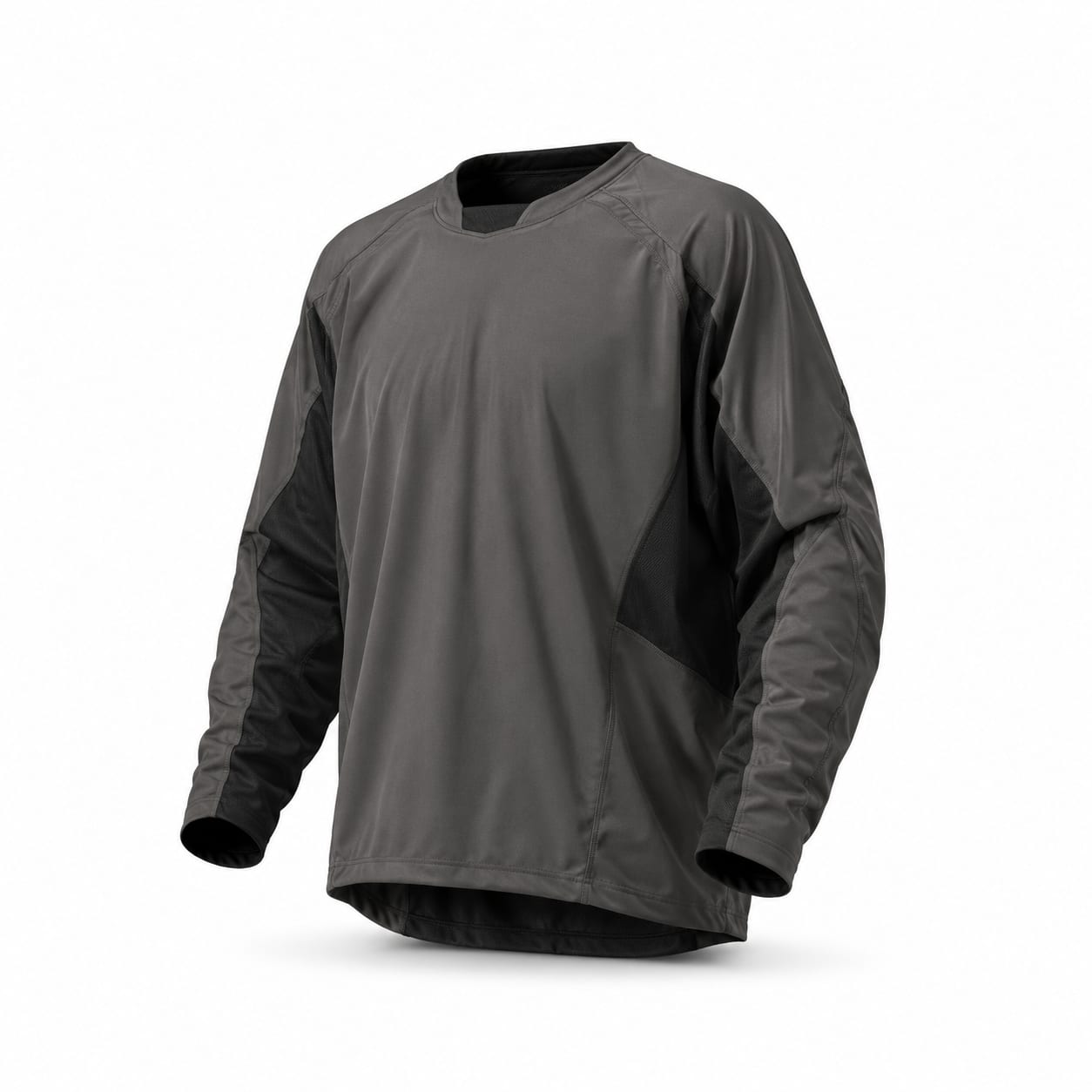
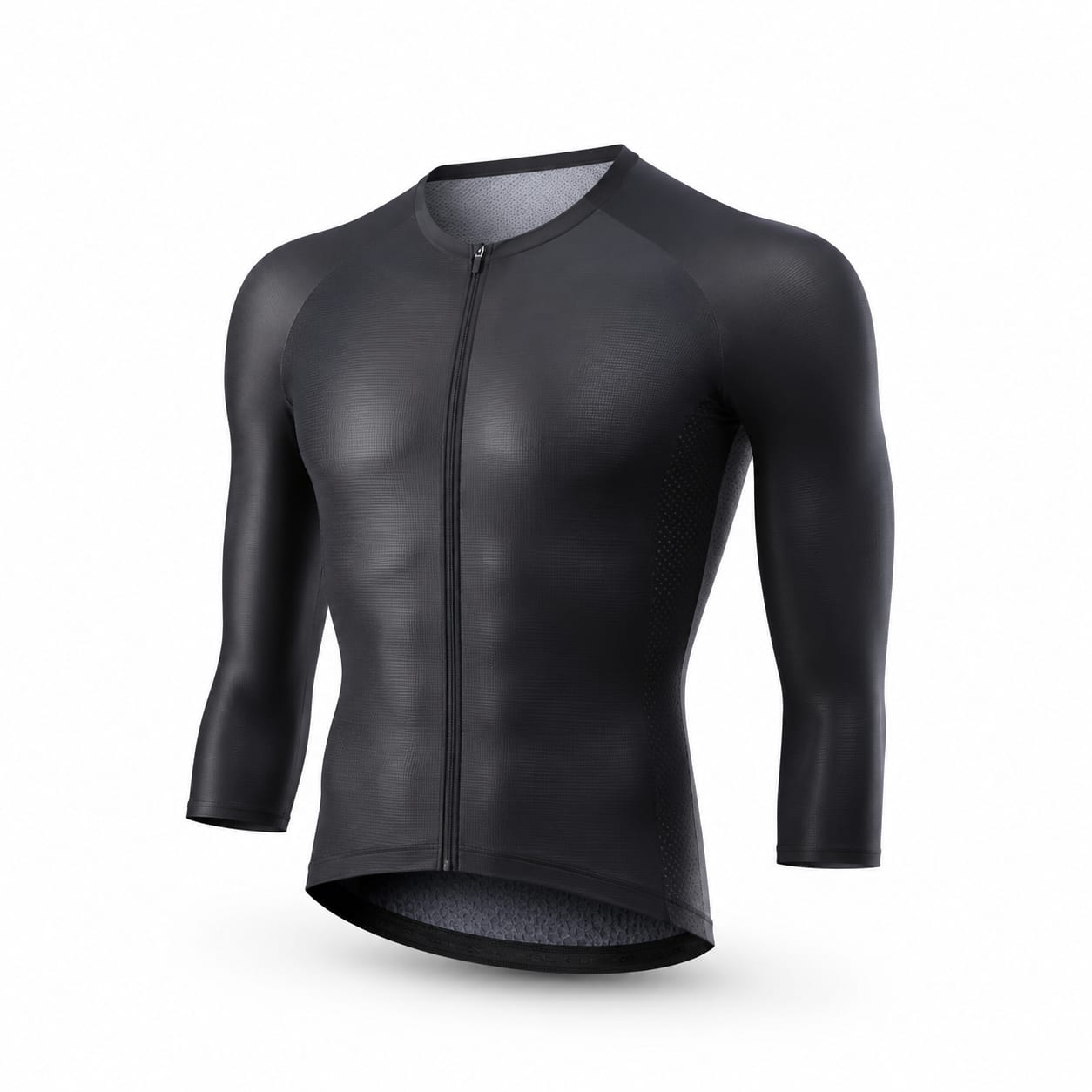
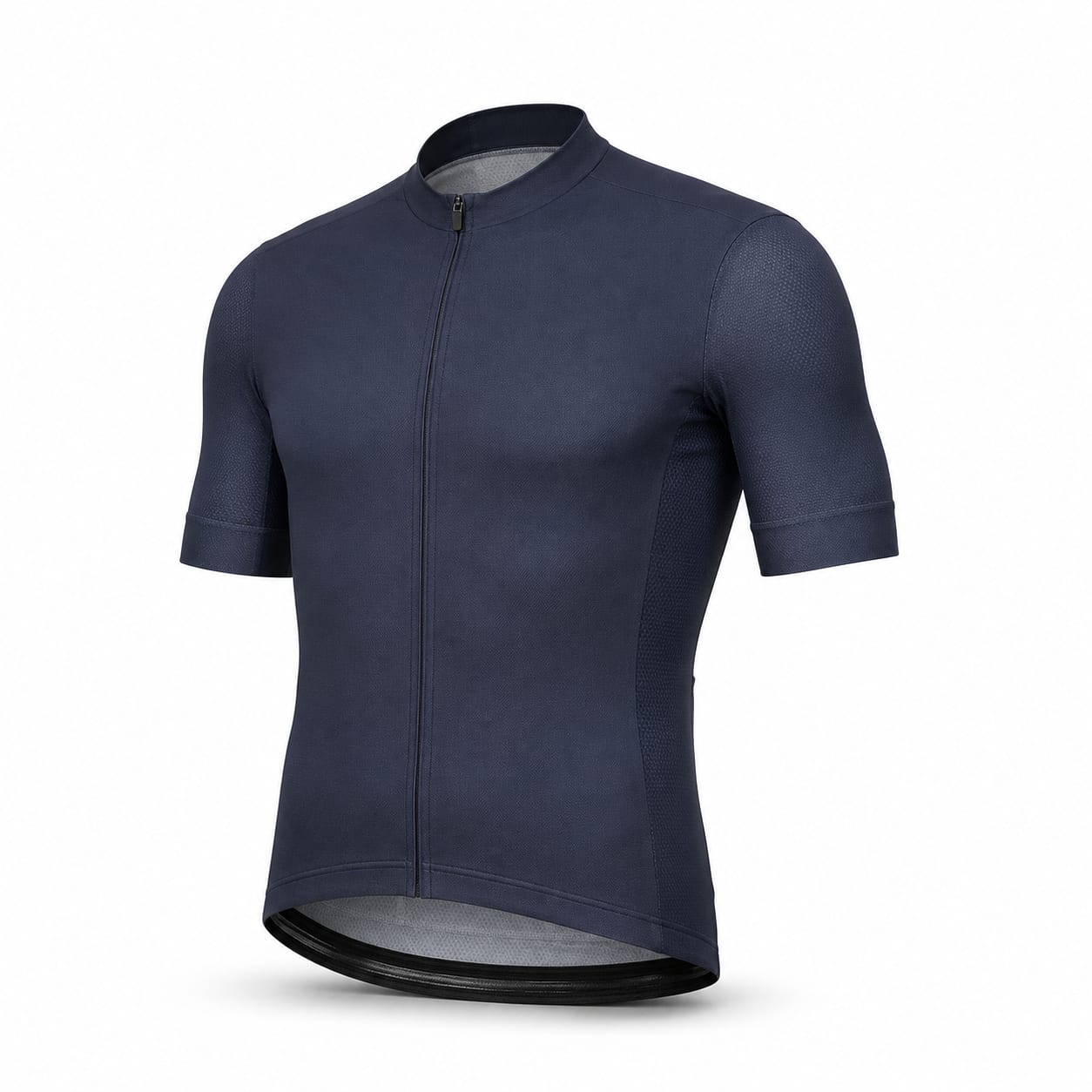
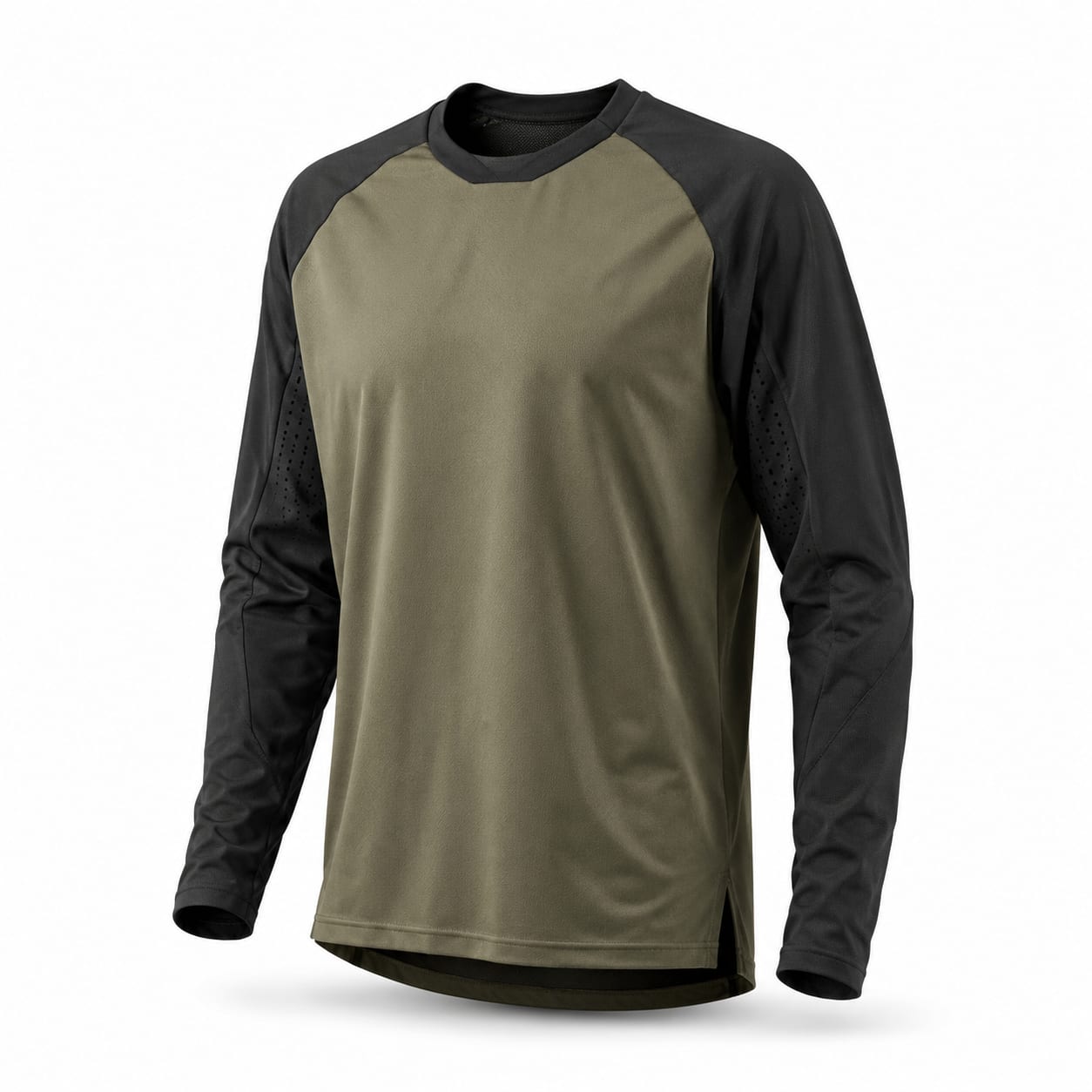
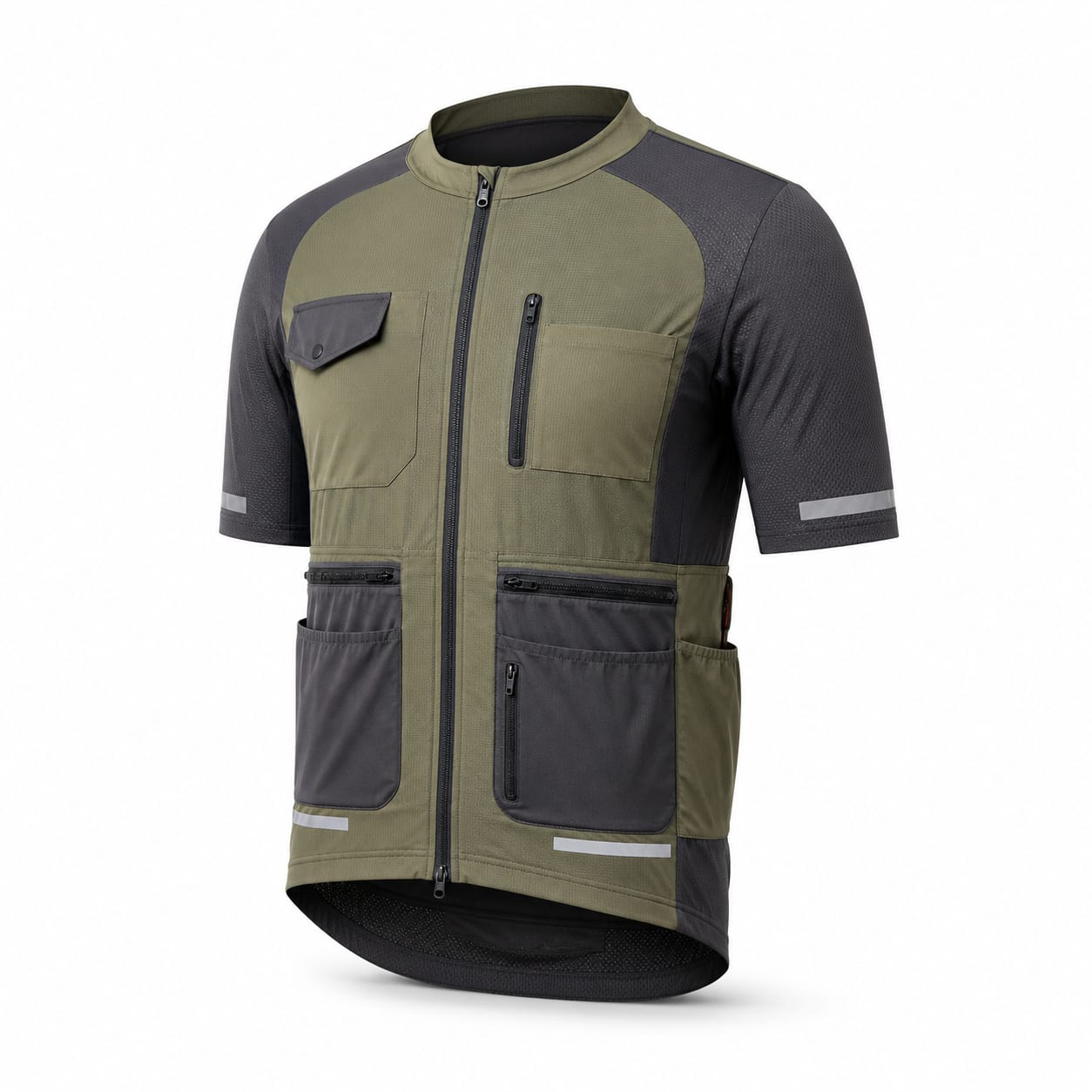
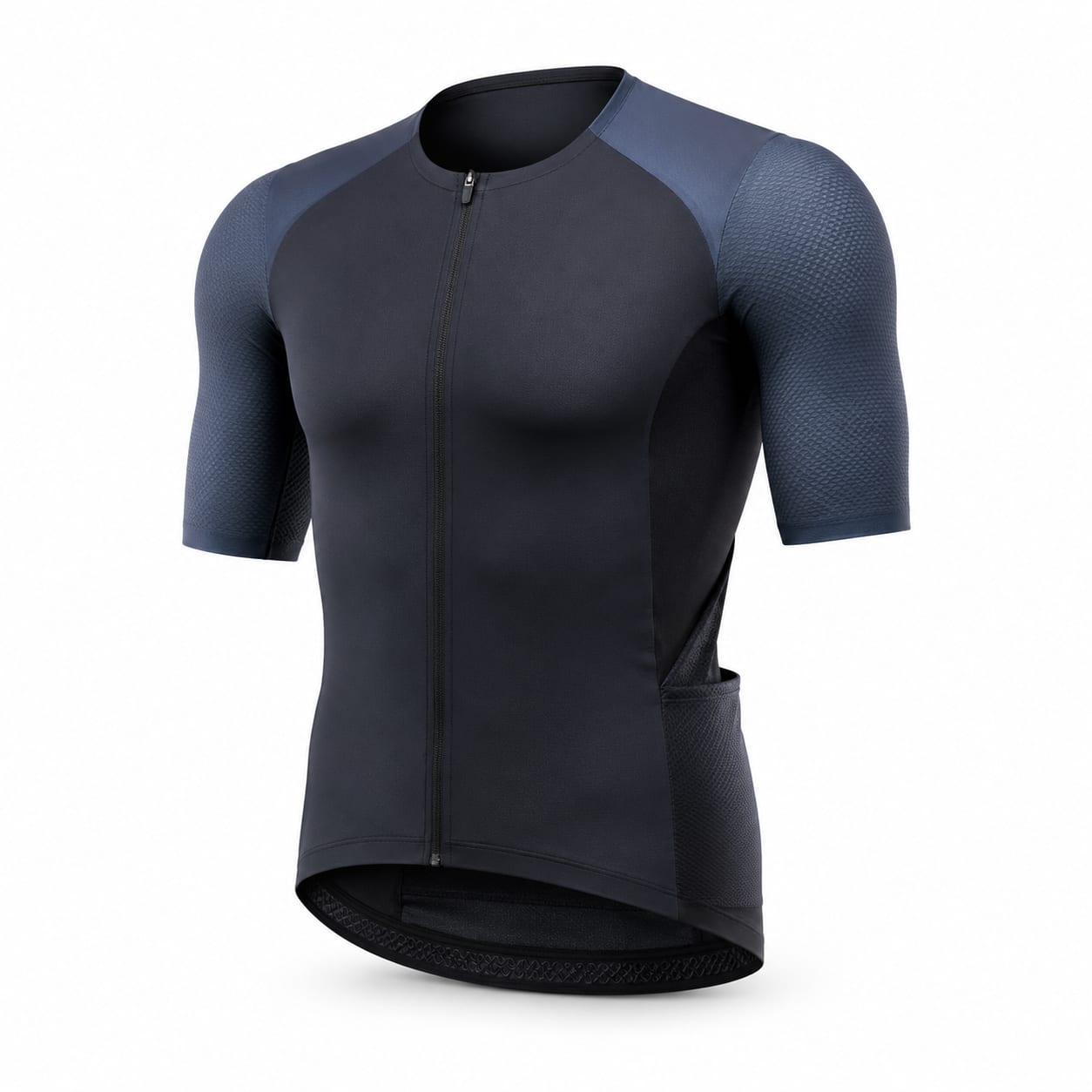
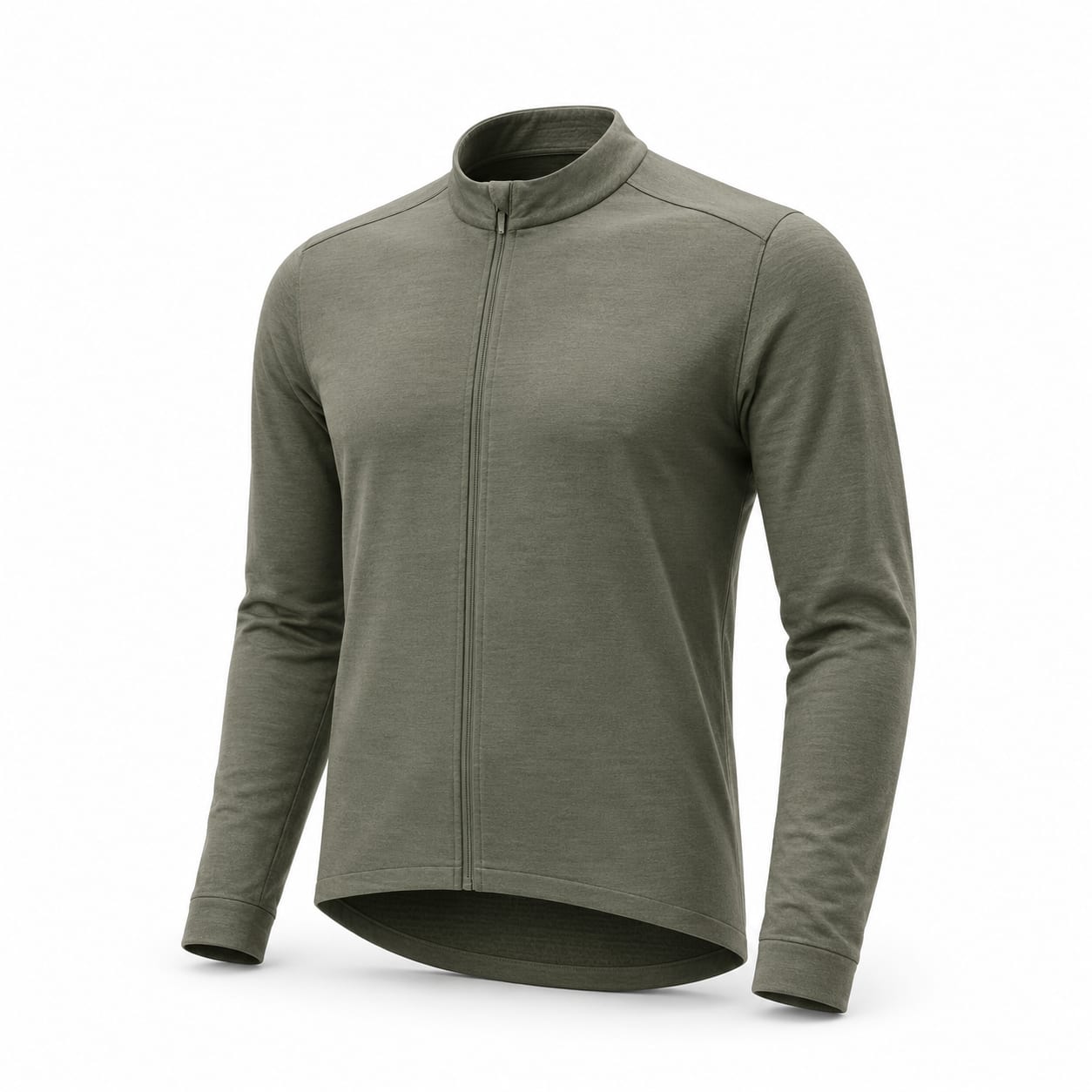
Enduro and gravity jerseys occupy a unique space in cycling apparel, prioritizing protection and mobility over aerodynamic efficiency. Unlike road jerseys that cling to the body, these jerseys feature a relaxed or semi-relaxed cut that allows unrestricted movement on technical terrain and accommodates the elbow pads, shoulder pads, and neck braces common in enduro and downhill racing. The fabrics are chosen for durability first—nylon and polyamide blends resist tearing on trailside brush and hold up better in crashes than lightweight polyester. Most enduro jerseys use short or long sleeves with extended length for additional coverage, and many riders prefer long sleeves specifically for the extra skin protection during falls. Pocket configurations are typically minimal or absent entirely, since enduro riders rely on hip packs, fanny packs, or backpacks for storage rather than jersey pockets that bounce and shift during aggressive descending. The collar is usually a simple crew neck without a zipper, though quarter-zip options exist for riders who want adjustable ventilation on climb stages. Reflective elements are rare since most riding happens on trails away from traffic. The overall aesthetic leans casual and aggressive—these jerseys look at home at the bike park as much as on backcountry trails.
Enduro and gravity jerseys represent the rugged end of cycling apparel design, engineered for riders who regularly push the limits of trail difficulty and accept that crashes are part of the sport. The defining characteristic is the relaxed fit, which serves multiple purposes beyond simple comfort. When you're wearing elbow pads with hard shells, shoulder pads under a neck brace, or a full pressure suit underneath, a race-fit jersey simply won't work. The extra room also allows unrestricted arm movement for manualing, whipping, and the constant body English that technical descending demands. Many enduro jerseys are cut slightly longer in the torso and sleeves than casual MTB jerseys, ensuring your lower back stays covered when you're in an aggressive descending position and your wrists remain covered when arms are extended.
Fabric choice is where enduro jerseys diverge most significantly from other cycling jerseys. While road jerseys use ultra-lightweight polyester for maximum wicking and aerodynamics, gravity jerseys lean heavily on nylon and polyamide blends that can withstand abrasion from trailside vegetation, rock gardens, and the inevitable slide-outs. Some premium options use Cordura or similar high-tenacity fibers in high-wear zones. The trade-off is slightly more weight and less efficient moisture transfer, but most riders consider this acceptable given the protection benefit. Modern fabric treatments have narrowed the gap considerably—today's nylon-blend jerseys wick and dry far better than those from even five years ago.
Ventilation strategy in enduro jerseys reflects the unique demands of enduro racing and aggressive trail riding. You spend significant time climbing at moderate intensity, building up heat and sweat, then descend at high speed where wind chill can be significant. The best enduro jerseys use strategic mesh panels—typically under the arms and sometimes down the sides—to dump heat on climbs while maintaining enough coverage for descending comfort. Some riders prefer long-sleeve enduro jerseys year-round for the crash protection, relying on these ventilation zones and the loose fit to prevent overheating. Zipper configurations tend toward quarter-zip or no-zip designs, since a flapping full zipper can be annoying at downhill speeds and the loose fit already provides substantial airflow.
Storage philosophy is perhaps the most counterintuitive aspect of enduro jerseys for riders coming from other disciplines. Road cyclists live out of their three rear pockets, but enduro riders generally avoid them. The reasons are practical: loaded pockets bounce and shift during aggressive descending, items can eject in a crash, and reaching behind you on technical terrain is risky. Instead, the enduro community has embraced hip packs and fanny packs that keep weight stable and accessible. Some enduro jerseys have a single small zippered pocket for a lift pass or car key, but many have no pockets at all. This clean back panel also provides a better surface for spine protectors worn under the jersey.
The aesthetic of enduro and gravity jerseys has evolved into its own distinct style—somewhere between motocross gear and casual streetwear. Bold graphics, moto-inspired colorways, and collaborations with artists and athletes are common. This isn't just fashion; the loose, casual look reinforces the culture of aggressive riding and differentiates enduro from the more conservative cross-country and road scenes. For many riders, the jersey is an expression of their riding identity as much as it is functional equipment. Brands have responded with increasingly creative designs that maintain the technical performance riders need while pushing visual boundaries.