Kitvore.com

Kitvore.com

Specs that matter. Gear that fits.

Cycling Jersey · Subcategory

E-Bike Jersey

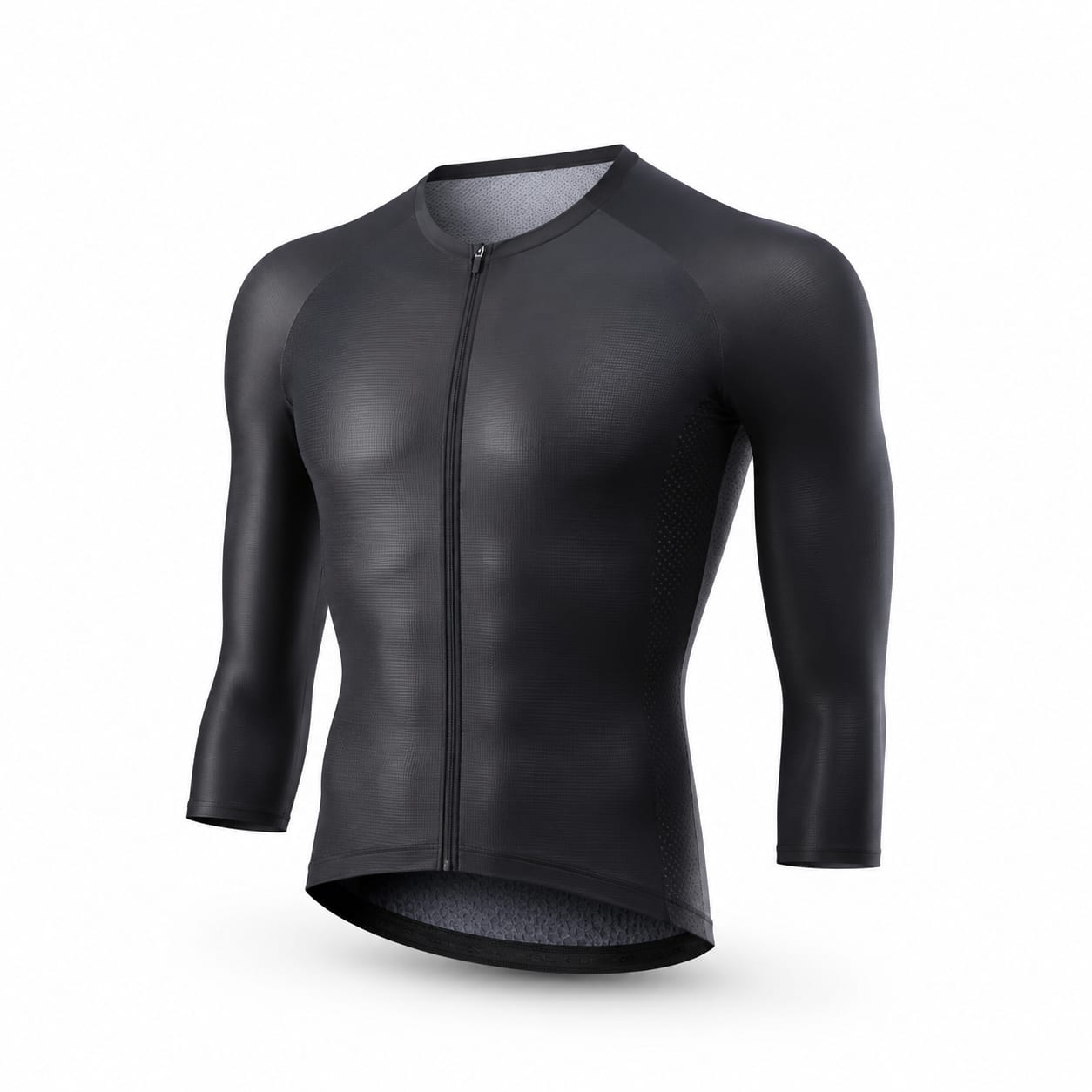
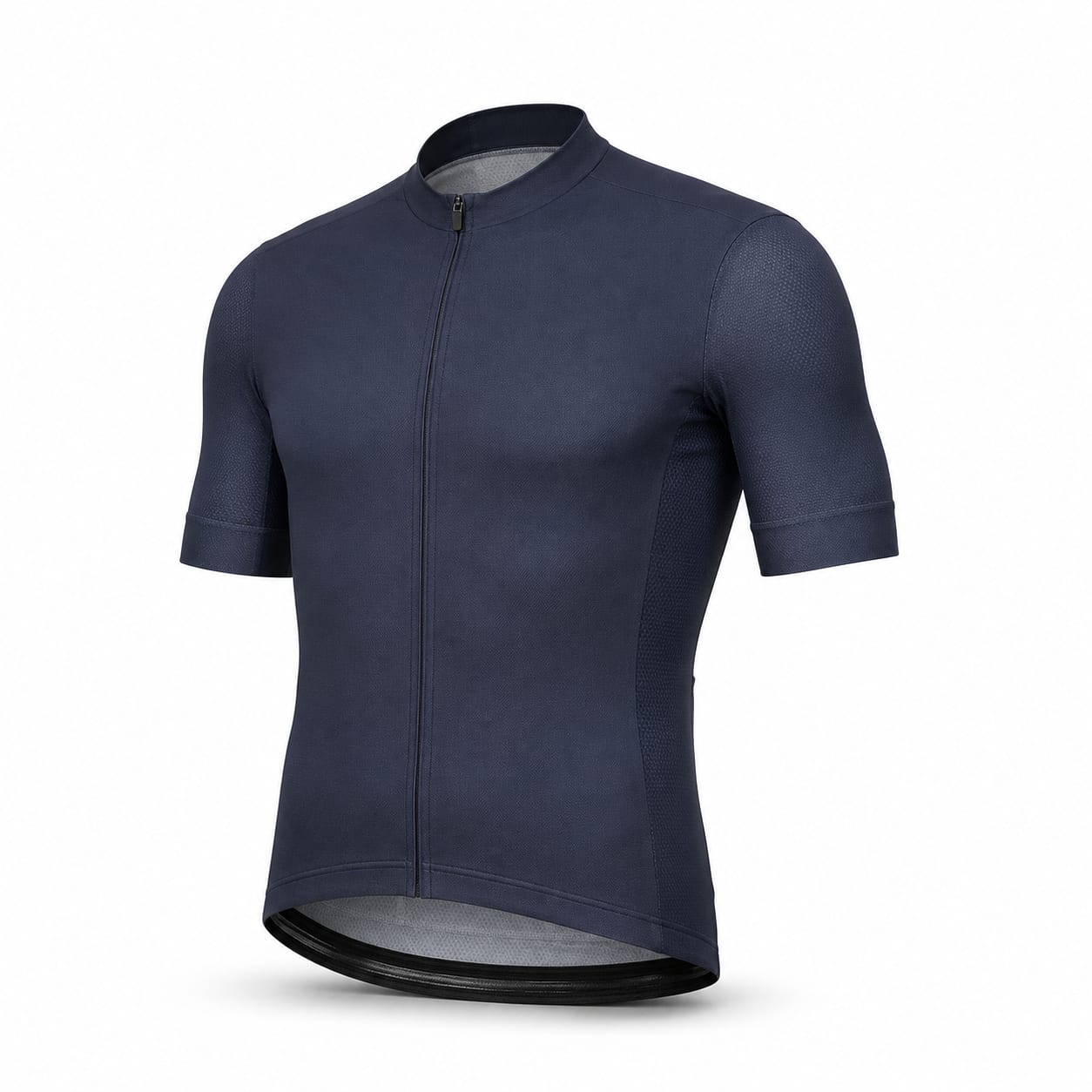
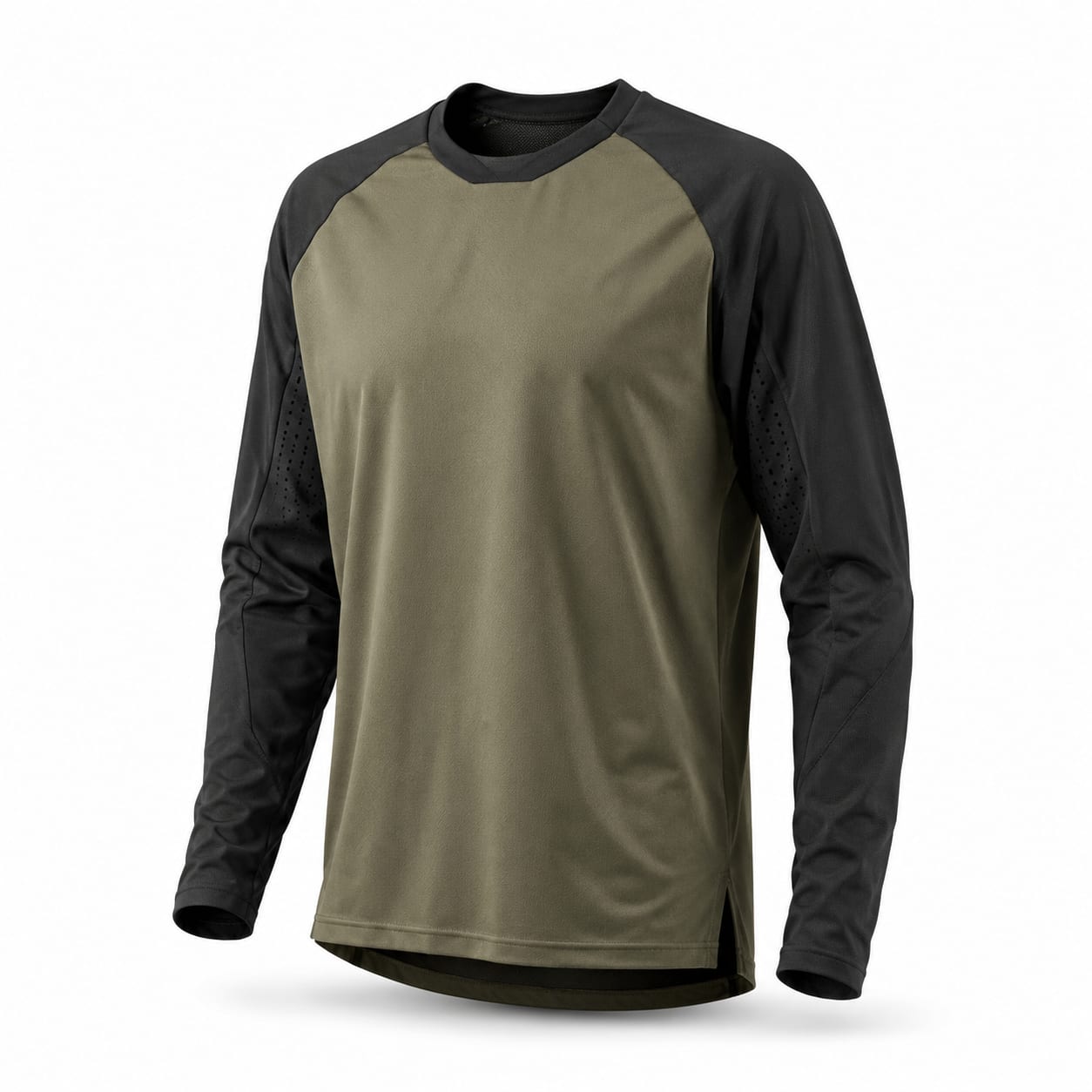
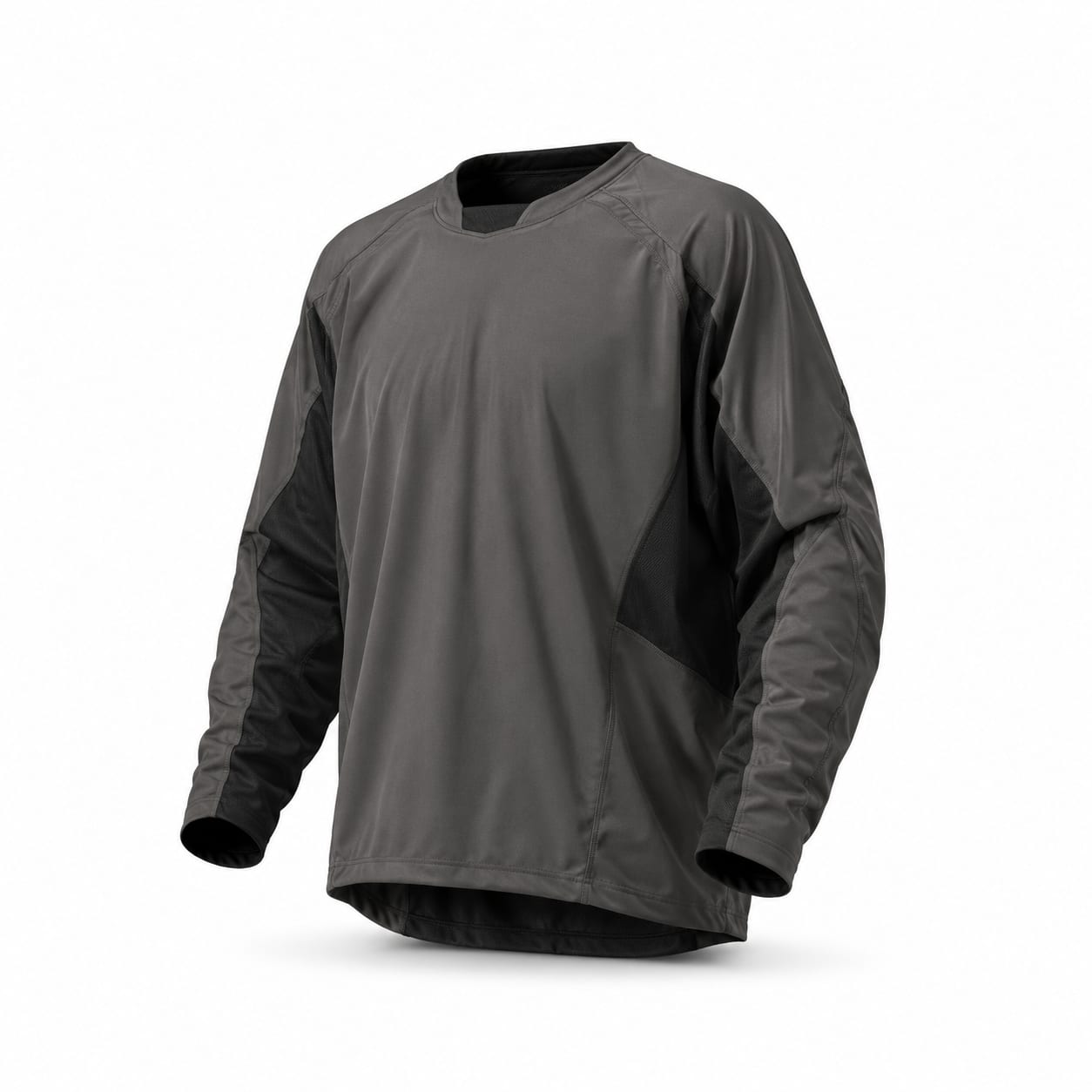
A cycling jersey optimized for e-bike riders, blending comfort, visibility, and storage for assisted riding.

E-bike jerseys are designed specifically for the unique demands of electric bike riding — a more upright position, longer distances, variable exertion levels, and the need for enhanced visibility. They combine the technical moisture management of traditional cycling jerseys with commuter-friendly features like extra pockets, reflective elements, and a relaxed fit that works both on and off the bike.

$50 – $180mid tierbeginnerintermediate

Best known for

Relaxed fit accommodating upright e-bike riding positionEnhanced visibility with reflective elements for urban and mixed-terrain ridingExtra storage pockets for commuting essentials and e-bike accessoriesVersatile styling that transitions from bike to casual settingsSun protection for longer rides made easy by motor assistance
E-Bike Jersey

Guide

Detailed overview

E-bike jerseys represent a growing category that addresses the specific needs of electric bicycle riders. Unlike traditional road jerseys that prioritize aerodynamics and race-day performance, e-bike jerseys focus on comfort during extended rides, practical storage for commuting and touring, and visibility for safety in mixed traffic conditions. The fit is typically more relaxed to accommodate the upright riding position common on e-bikes, and the fabric choices balance breathability with enough substance to provide sun protection on long days in the saddle. Many e-bike riders find they can ride farther and longer with motor assistance, making features like UPF-rated fabrics, multiple pockets, and reflective details more important than for shorter unassisted rides.

E-bike jerseys occupy a unique space in cycling apparel, bridging the gap between performance road wear and casual commuter clothing. The rise of electric bicycles has created a rider profile that differs significantly from traditional cyclists: e-bike riders often travel at higher average speeds with less physical exertion, ride longer distances, and frequently use their bikes for both recreation and transportation. This creates specific apparel needs that standard road or MTB jerseys don't fully address.

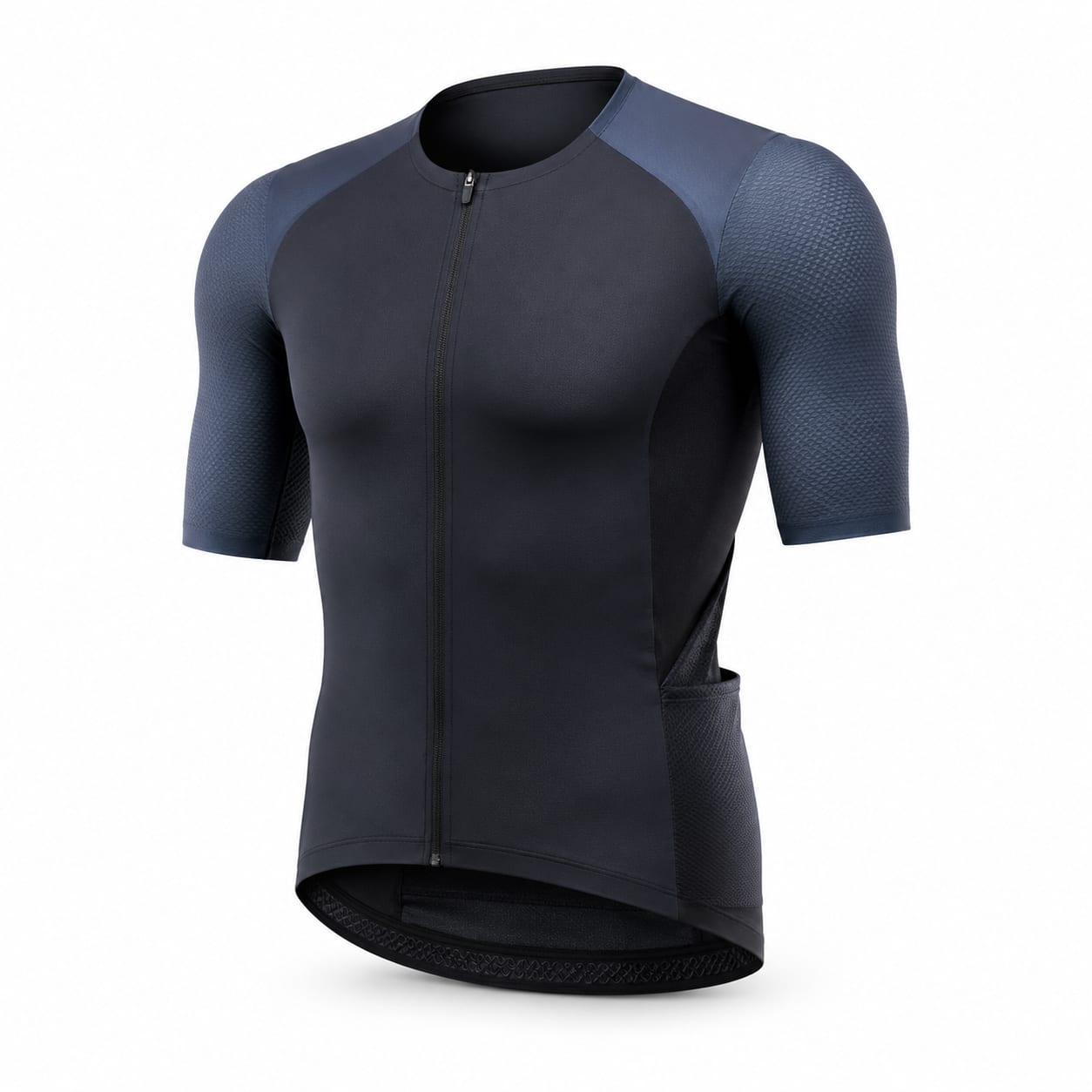
The most noticeable difference in e-bike jersey design is the fit. Because e-bikes typically place riders in a more upright position — especially city and trekking e-bikes — a race-fit jersey would feel restrictive and uncomfortable. E-bike jerseys use a relaxed or club fit with a slightly longer torso to maintain coverage in an upright posture. The sleeves are often set slightly differently to accommodate the arm angle on flat or swept handlebars, and the overall construction avoids the pre-curved racing posture built into performance jerseys.

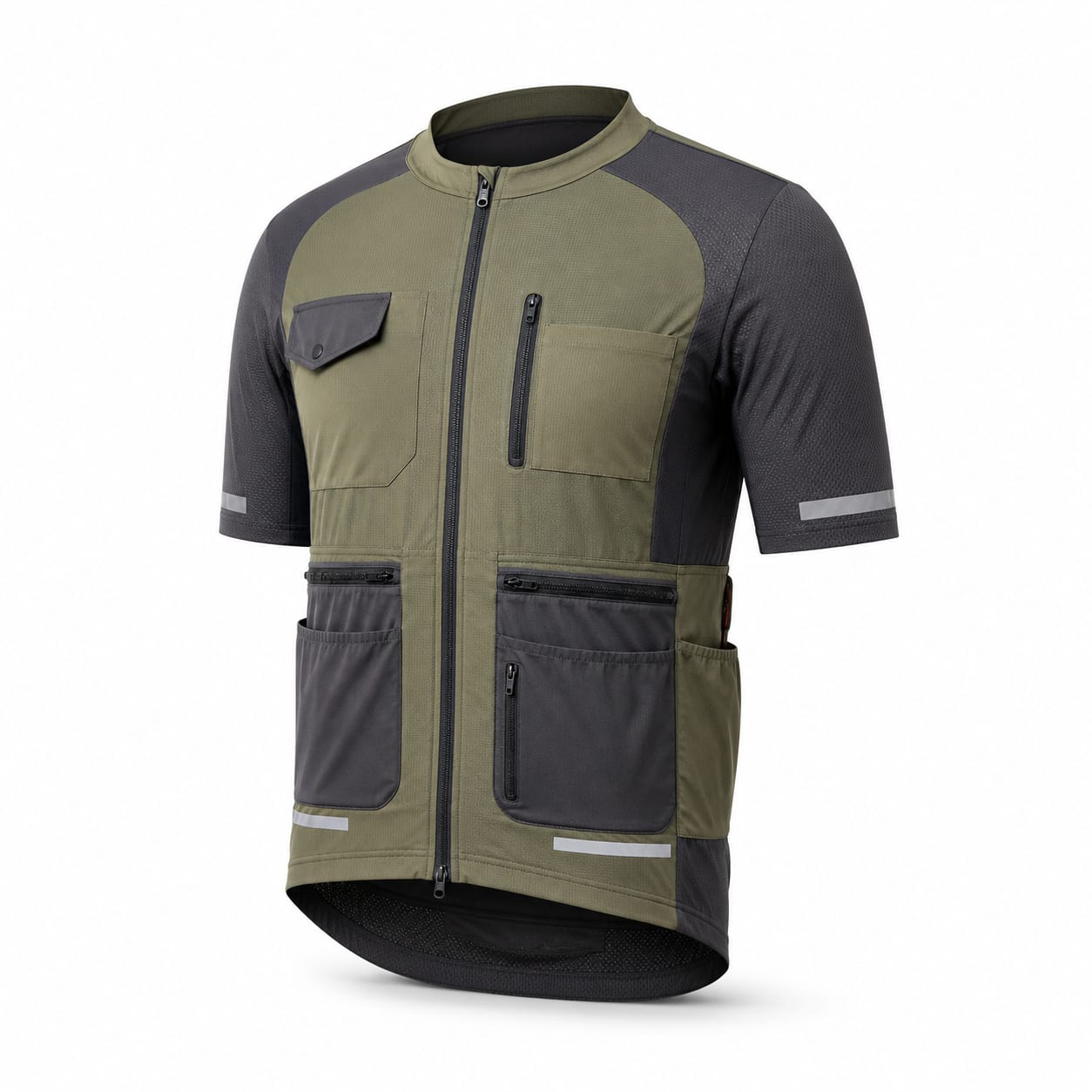
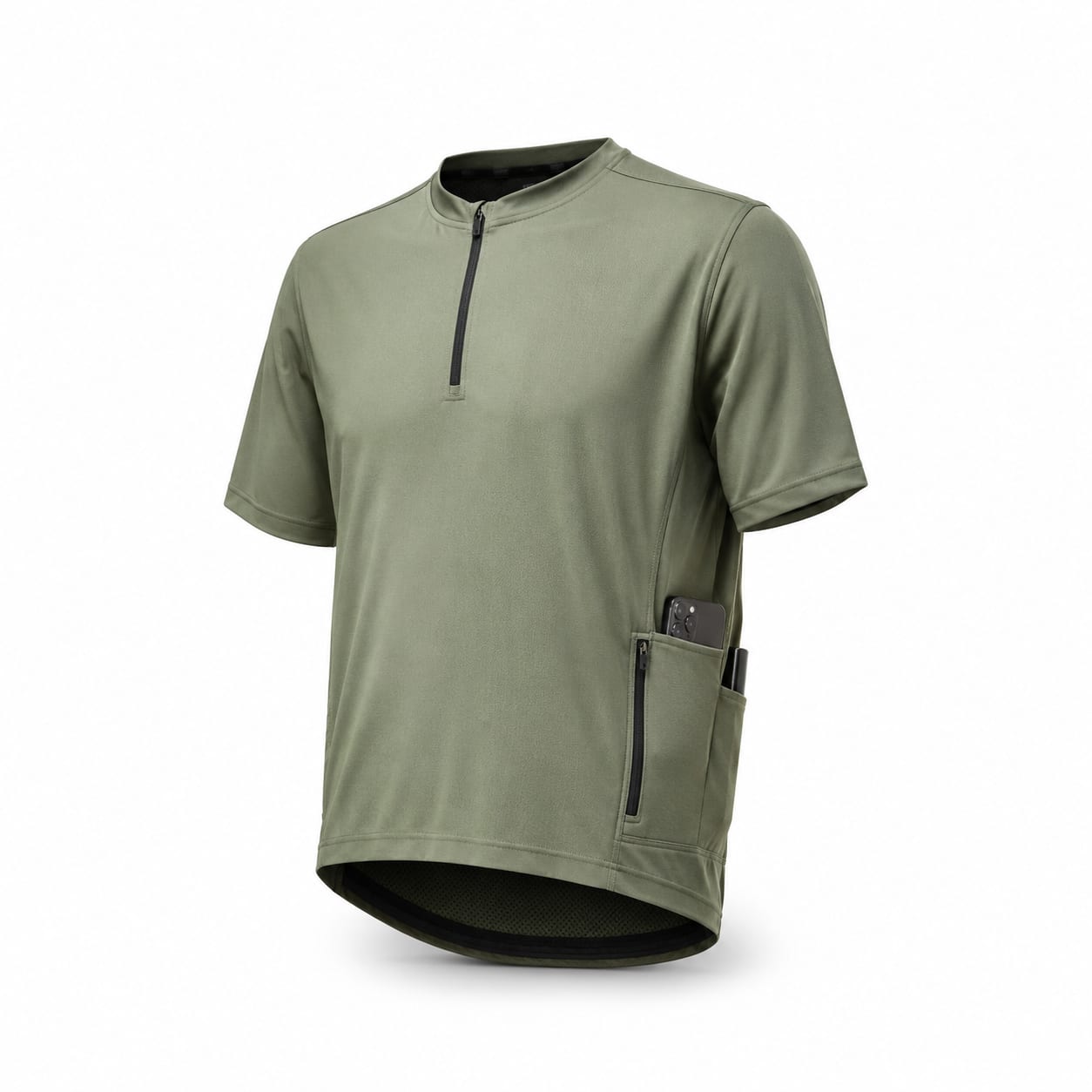
Storage is another critical differentiator. E-bike riders frequently carry more items: phone and navigation tools for route planning, locks for urban stops, extra layers for changing conditions, and e-bike-specific accessories like charging cables or battery keys. E-bike jerseys commonly feature four or more pockets, often including a zippered secure pocket for valuables and sometimes side-entry pockets that are easier to access in an upright position. Some designs even incorporate hidden pockets for security during coffee stops or errands.

Visibility features are paramount in e-bike jersey design. Because e-bikes can travel at speeds that motorists may not expect from a bicycle, being seen is a safety imperative. E-bike jerseys typically include moderate to extensive reflective elements — reflective strips across the back pockets, shoulders, and sometimes full reflective panels. Many brands offer e-bike jerseys in high-visibility colors alongside more subdued options, recognizing that safety doesn't have to compromise style entirely. The reflective elements are often larger and more strategically placed than on standard road jerseys, designed to catch headlights from multiple angles during urban riding and at intersections.

Quick facts

Primary purpose
Providing comfortable, casual cycling apparel optimized for e-bike riding characteristics
Popular brands
Pearl IzumiSpecializedTrekOrnotGore WearEndura
Typical terrain
mixed terrainurban streetsbike pathse-MTB trails

What makes it different

Designed around the lower physical exertion of e-bike riding; more casual aesthetic; pockets sized for e-bike accessories and larger devices

Recommended ranges

How this type usually specs out

Each spec is explained in plain language, then we show what buyers usually look for on this type.

Fit Type

Fit Type

What it means

The overall cut and tightness of the jersey, affecting aerodynamics, comfort, and style. Fit is the single most important decision as it impacts every ride experience.

Typical for this type

Relaxed to Club

In practice

E-bike jerseys predominantly use a relaxed fit to accommodate the upright riding position and varying body types common among e-bike riders. Some sportier e-MTB jerseys may use a club fit.

Compared to other types

More relaxed than road race jerseys, similar to commuter jerseys, slightly more structured than pure casual lifestyle jerseys. E-MTB variants may be closer to club fit.

Why it matters: The upright e-bike position makes tight race-fit jerseys uncomfortable and restrictive. A relaxed fit allows freedom of movement and works well with the less aggressive posture, while still avoiding excessive flapping at e-bike speeds of 25-45 km/h.

Sleeve Length

Sleeve Length

What it means

The length of the jersey sleeves, determining coverage, sun protection, and temperature regulation. Some modern jerseys feature extended sleeves for aerodynamic benefit.

Typical for this type

Short to Long

In practice

Short sleeve is the most common for e-bike jerseys, offering versatility across seasons. Long sleeve options are popular for sun protection on extended e-bike tours and for e-MTB riding.

Compared to other types

Similar distribution to road jerseys, but e-bike jerseys more commonly offer long sleeve options specifically for sun protection rather than just cold weather, reflecting the touring and commuting use cases.

Why it matters: E-bike riders often ride longer distances, making sun protection more important. Long sleeves with UPF rating can eliminate the need for sunscreen reapplication on all-day rides.

Fabric Weight

Fabric Weight

What it means

The weight class of the jersey fabric, directly correlating to warmth, packability, and intended season of use. Measured informally by category rather than GSM for most consumers.

Typical for this type

Lightweight to Midweight

In practice

Lightweight fabrics (100-150 GSM) are most common since e-bike riders generate less body heat due to motor assistance. Midweight options work well for spring/fall commuting.

Compared to other types

Tends lighter than pure road jerseys for equivalent conditions because e-bike riders exert less. Ultralight fabrics are less common since e-bike riders rarely push to maximum exertion.

Why it matters: E-bike assistance reduces physical exertion, meaning riders sweat less and generate less body heat. A lighter fabric prevents overheating while still providing adequate coverage and sun protection.

Pocket Count

Pocket Count

What it means

The number of rear pockets on the jersey. Pockets are the primary storage system for ride essentials like food, phone, tools, and spare tubes.

Typical for this type

3 to 5_plus

Most common pick: 4

In practice

Four pockets is the sweet spot for e-bike jerseys — three standard rear pockets plus a zippered secure pocket for phone, keys, or wallet. Some commuting-focused models offer five or more pockets.

Compared to other types

E-bike jerseys typically have more pockets than road race jerseys (usually 3) and are comparable to gravel or bikepacking jerseys. The zippered pocket is more consistently included than in road subcategories.

Why it matters: E-bike riders carry more items: navigation tools, charging accessories, locks, and personal items for destination stops. The zippered pocket is especially valued for securing valuables during multi-stop rides and errands.

Zipper Type

Zipper Type

What it means

The front zipper configuration controlling ventilation adjustment. Critical for temperature regulation during variable effort levels and weather.

Typical for this type

Full Zip to Three Quarter Zip

In practice

Full zip is the most common and practical choice for e-bike jerseys, allowing easy temperature regulation when effort levels vary between assisted cruising and unassisted climbing.

Compared to other types

Full zip is more consistently featured on e-bike jerseys than on traditional road jerseys, where half or three-quarter zip is still common. The practical, adjustable nature of full zip aligns with the e-bike rider's preference for functional features.

Why it matters: E-bike riding involves variable exertion — low effort on flats with assistance, higher effort on hills or when the motor cuts out. Full zip allows quick ventilation adjustment during these transitions.

UV Protection (UPF)

UV Protection (UPF)

What it means

Ultraviolet Protection Factor rating indicating how effectively the fabric blocks UV radiation. Critical for long sun-exposed rides, especially at altitude.

Typical for this type

Upf 25 to Upf 50

In practice

UPF 50+ is common and recommended for e-bike jerseys because riders tend to spend longer hours in the saddle with motor assistance, increasing cumulative sun exposure.

Compared to other types

E-bike jerseys more consistently feature UPF ratings than road race jerseys, where ultralight fabrics sometimes sacrifice UV protection for cooling. The emphasis on sun protection is closer to touring and bikepacking jerseys.

Why it matters: E-bikes make 4-6 hour rides accessible to more riders, significantly increasing total sun exposure compared to shorter unassisted rides. UPF 50+ protection reduces the risk of sunburn and long-term skin damage without requiring frequent sunscreen reapplication.

Collar Type

Collar Type

What it means

The style of the neck/collar opening, affecting comfort, sun protection, and layering capability with jackets and base layers.

Typical for this type

Crew to Zip Guard

In practice

Crew collars are standard, providing good sun protection on the neck. Zip guard collars are also common on higher-end e-bike jerseys for comfort during full-zip use.

Compared to other types

Similar to road and commuter jerseys. Stand-up collars are less common on e-bike jerseys than on aero road jerseys, as wind tunnel optimization is not a priority.

Why it matters: A comfortable collar is important for the longer rides typical of e-bike use. Crew collars provide neck sun protection, while zip guards prevent irritation when the jersey is fully unzipped for ventilation.

Hem Gripper / Silicone Strip

Hem Gripper / Silicone Strip

What it means

Whether the jersey has silicone or elastic gripper strips at the hem to prevent the jersey from riding up during cycling.

Typical for this type

True

In practice

Hem grippers are standard on e-bike jerseys to prevent the jersey from riding up, especially important when carrying heavier loads in pockets.

Compared to other types

Equally important as road jerseys, but for different reasons — road jerseys need grippers for aero position, e-bike jerseys need them for loaded pockets and upright posture.

Why it matters: E-bike riders often carry more items in their pockets (locks, tools, accessories), making hem grippers essential to prevent sagging and exposure. The upright riding position also means less natural tension on the jersey front to keep the back down.

Reflective Elements

Reflective Elements

What it means

Presence and extent of reflective details for visibility in low-light conditions. Important for commuters and riders who may be out in dawn/dusk.

Typical for this type

Moderate to Extensive

In practice

Moderate to extensive reflective elements are a defining feature of e-bike jerseys, addressing the safety needs of riders traveling at higher speeds in mixed traffic.

Compared to other types

Significantly more reflective elements than road race or MTB jerseys. Comparable to dedicated commuter jerseys, but e-bike jerseys often integrate reflective elements more seamlessly into the design rather than adding them as afterthoughts.

Why it matters: E-bikes travel at speeds that can surprise motorists, especially in urban environments. Reflective elements on the back, shoulders, and sides ensure visibility from multiple angles during dawn, dusk, and night riding common for commuters.

Primary Fabric Composition

Primary Fabric Composition

What it means

The main fiber type used in the jersey, affecting moisture management, durability, odor resistance, and environmental impact.

Typical for this type

Polyester With Elastane Spandex; Recycled Poly Also Common

Most common pick: Polyester, Elastane Spandex

In practice

Polyester-elastane blends dominate e-bike jerseys, offering good moisture management, durability, and stretch. Recycled polyester is increasingly common as e-bike brands target environmentally conscious consumers.

Compared to other types

Similar to road and commuter jerseys. Merino wool is less common in e-bike jerseys than in touring or bikepacking jerseys, as the synthetic blends offer better value and durability for the commuting-focused use case.

Why it matters: Polyester provides reliable wicking and quick-drying performance at a reasonable price. The elastane content (typically 5-12%) ensures the relaxed fit maintains its shape and moves comfortably with the rider. Recycled polyester options appeal to the eco-conscious e-bike demographic.

Intended Season

Intended Season

What it means

The primary season or temperature range the jersey is designed for, guiding fabric choice, ventilation features, and construction.

Typical for this type

All Season to Spring Fall

In practice

All-season versatility is a key selling point for e-bike jerseys, designed to work across a wide temperature range with appropriate layering. Spring/fall specific models are also common.

Compared to other types

E-bike jerseys lean more toward all-season design than road jerseys, which are more often season-specific. This reflects the practical, utility-focused nature of e-bike riding.

Why it matters: E-bike riders often use their bikes for daily commuting and transportation year-round, making versatile jerseys more valuable than season-specific designs. The reduced physical exertion from motor assistance means riders are less sensitive to minor temperature variations.

Sleeve Gripper

Sleeve Gripper

What it means

Silicone or elastic gripper at the sleeve opening to keep sleeves in place. Especially important for aero jerseys where sleeve position matters.

Typical for this type

False to True

In practice

Sleeve grippers are less common on e-bike jerseys since the relaxed fit and upright position don't require the precise sleeve placement needed for aero optimization.

Compared to other types

Less common than on race-fit road jerseys where sleeve position affects aerodynamics. More similar to commuter and casual jerseys in this regard.

Why it matters: Without the aero demands of road riding, sleeve grippers are a comfort preference rather than a performance feature. Some riders find them restrictive on larger arms, which is more common in the e-bike demographic.

Mesh Ventilation Panels

Mesh Ventilation Panels

What it means

Presence of mesh or perforated panels in high-heat areas (underarms, back, sides) for enhanced airflow and cooling.

Typical for this type

None to Underarm Side

In practice

Underarm mesh panels are the most common ventilation feature, providing targeted cooling without compromising the jersey's sun protection or modesty for urban riding.

Compared to other types

Less aggressive mesh ventilation than road race jerseys. Full back mesh is rare on e-bike jerseys because it compromises the clean appearance valued for commuting and can show base layers or undergarments in urban settings.

Why it matters: Even with motor assistance, e-bike riders generate heat on climbs and during stop-and-go urban riding. Underarm mesh provides ventilation where it's needed most without exposing too much skin or base layers in a commuting context.

Cycling Discipline

Cycling Discipline

What it means

The primary cycling discipline the jersey is designed for, affecting fit, durability, pocket placement, and style.

Typical for this type

Commuter to Gravel

In practice

E-bike jerseys primarily fall into the commuter discipline, with e-MTB variants bridging toward mountain bike design. Gravel-oriented e-bike jerseys are emerging as the e-gravel category grows.

Compared to other types

E-bike jerseys are distinct from pure road or MTB jerseys. They share the most DNA with commuter jerseys but often incorporate more technical features. E-MTB jerseys are closer to MTB jerseys but with added visibility features.

Why it matters: The discipline designation affects pocket placement, durability requirements, and styling. Commuter-focused e-bike jerseys prioritize practicality and off-bike appearance, while e-MTB jerseys emphasize durability and compatibility with body armor.

Gender-Specific Design

Gender-Specific Design

What it means

Whether the jersey is designed with gender-specific patterning for anatomical differences in torso length, shoulder width, and chest shape.

Typical for this type

Mens, Womens, Unisex

In practice

E-bike jerseys are commonly offered in unisex cuts, though women's-specific designs are increasingly available from major brands. The relaxed fit of most e-bike jerseys makes unisex sizing more workable than in race-fit categories.

Compared to other types

More unisex options than road race jerseys, where gender-specific fits are standard. Similar to commuter and casual jersey categories where unisex is more common.

Why it matters: The relaxed fit of e-bike jerseys means unisex designs can work for a wider range of body types than race-fit jerseys. However, women's-specific designs still offer better proportions for female riders, particularly in torso length and chest accommodation.

Total Jersey Weight

Total Jersey Weight

What it means

The total weight of the jersey in grams. Lighter jerseys are preferred for hot weather and racing; heavier jerseys often indicate thermal or durable construction.

Typical for this type

130g to 220g

Most common pick: 160g

In practice

E-bike jerseys typically weigh 130-220g, with most falling around 150-180g. They tend slightly heavier than race jerseys due to extra pockets, reflective elements, and more substantial fabrics for durability.

Compared to other types

Heavier than ultralight road race jerseys (80-120g) due to additional features. Comparable to gravel and commuter jerseys. The extra weight from reflective elements and pockets is a worthwhile trade-off for the safety and convenience benefits.

Why it matters: The weight reflects the practical features e-bike riders value — extra pockets, reflective details, and durable fabrics add grams but provide real functional benefits. Weight optimization is less critical when the motor is providing assistance.

Evaluation

Strengths and trade-offs

Pros

What this type does best

Enhanced Visibility for Safety

Critical

E-bike jerseys consistently feature more reflective elements and brighter color options than standard jerseys, addressing the critical safety need of riders traveling at higher speeds in mixed traffic.

Practical Storage Capacity

High

With four or more pockets including zippered secure storage, e-bike jerseys carry commuting essentials, e-bike accessories, and personal items without needing a backpack or frame bag.

Comfortable Upright Fit

High

The relaxed or club fit accommodates the upright e-bike riding position, providing comfort on long rides without the restriction of race-fit jerseys designed for aggressive postures.

Versatile On and Off Bike

High

E-bike jerseys are styled to look appropriate at a coffee shop or office, not just on the bike. This makes them ideal for commuting and multi-purpose rides where you dismount frequently.

Sun Protection for Long Rides

Medium

UPF-rated fabrics and longer sleeve options protect against extended sun exposure common on e-bike tours, where motor assistance makes all-day rides accessible.

Temperature Regulation for Variable Effort

Medium

Full zip configurations and moderate mesh ventilation handle the wide range of exertion levels in e-bike riding, from effortless cruising to unassisted climbing.

Durable Construction

Medium

E-bike jerseys often use slightly more robust fabrics than ultralight road jerseys, better resisting the abrasion from daily commuting, leaning bikes against racks, and frequent on-off cycles.

Cons

Trade-offs to be aware of

Less Aerodynamic Than Road Jerseys

Minor

The relaxed fit creates more drag at speed, which matters if you ride fast e-bikes or want to maximize range on lower-capacity batteries.

Limited High-Performance Options

Moderate

The e-bike jersey market is smaller than road or MTB, meaning fewer choices in terms of brands, styles, and price points, especially for women's-specific designs.

May Be Too Warm for High-Exertion Riding

Moderate

E-bike jerseys prioritize coverage and sun protection over maximum ventilation, which can cause overheating on steep unassisted climbs or hot-weather riding without motor assistance.

Heavier Than Race Jerseys

Minor

Extra pockets, reflective elements, and more substantial fabrics add weight compared to minimalist road jerseys, though this matters less with motor assistance.

Style May Not Suit Road Group Rides

Minor

The relaxed fit and casual styling of e-bike jerseys may look out of place on fast group road rides, where tighter fitting jerseys are the norm.

Best for

Surfaces & terrain

Urban streets and bike pathsPaved recreational trailsFire roads and gravel paths (e-gravel)Flow trails and cross-country MTB (e-MTB)

Riding conditions

Variable weather commutingLong days in full sunDawn and dusk ridingMixed urban and trail riding

Skill level

BeginnerIntermediateRecreational

Riding discipline

E-bike commutingE-bike touring and day tripsRecreational e-bike ridingE-MTB trail ridingE-gravel adventure riding

Rider profile

Daily e-bike commutersRecreational e-bike riders seeking comfort over speedTouring e-bike riders on multi-day tripsRiders new to cycling via e-bikeOlder riders who value comfort and visibilityE-MTB riders who want trail-ready jerseys with safety features

Not ideal for

Reasons

Relaxed fit creates aerodynamic penalty unsuitable for racingLacks the body armor compatibility needed for aggressive MTBExtra pockets and features add weight irrelevant to race performanceCasual styling doesn't match the aesthetic expectations of road cycling culture

Surfaces & terrain

Technical downhill MTB trails requiring body armorHigh-speed road racing circuits

Skill level

Advanced road racersCompetitive time trialists

Riding discipline

Road racing and fast group ridesDownhill or enduro MTB racingTrack cyclingTriathlon

Compare

How it stacks up

This page

E-Bike Jersey

Superior comfort in upright position, more storage, better visibility features, versatile on/off bike styling, and sun protection for longer rides.

Alternative

Road Race Jersey

Better aerodynamics, lighter weight, more brand and style options, and social acceptance in road cycling groups.

Bottom line

Choose an e-bike jersey if you primarily ride an e-bike or value comfort and practicality. Choose a road jersey if you ride fast group rides on both e-bike and traditional bikes, or if aerodynamics matter for maximizing e-bike range.

This page

E-Bike Jersey

More technical moisture management, better pocket organization for long rides, and cycling-specific features like hem grippers that commuter jerseys sometimes lack.

Alternative

Commuter Jersey

Often more affordable, may look even more like regular clothing, and sometimes includes features like odor-resistant treatments for office wear.

Bottom line

E-bike jerseys are the better choice for rides over 45 minutes or when you carry more gear. Commuter jerseys work well for short urban hops under 30 minutes where looking casual matters more than technical performance.

This page

E-Bike Jersey

Better reflective elements for mixed-terrain visibility, more structured pocket system, and styling that works for both trail and urban riding.

Alternative

MTB Jersey

More durable construction for crashes and brush, looser fit for body armor, and trail-specific features like goggle wipes and D-rings.

Bottom line

Choose an e-bike jersey for e-MTB riding that includes urban segments or commuting. Choose a dedicated MTB jersey for aggressive trail riding where crash durability and armor compatibility are priorities.

This page

E-Bike Jersey

Enhanced visibility features, more casual styling for mixed-use riding, and often better price-to-feature ratio for the practical features e-bike riders need.

Alternative

Gravel Jersey

Often lighter and more performance-oriented, with a fit that bridges road and off-road effectively, and sometimes more refined pocket systems designed for bikepacking.

Bottom line

E-bike jerseys and gravel jerseys overlap significantly. Choose an e-bike jersey if visibility and commuting features matter most. Choose a gravel jersey if you ride both e-gravel and traditional gravel bikes and want one jersey that works for both.

Shopping

Buying tips

  • 1

    Prioritize reflective elements and bright colors if you commute in traffic — this is the single most important safety feature for e-bike riders.

  • 2

    Look for at least four pockets with one zippered secure pocket for your phone, keys, and wallet during multi-stop rides.

  • 3

    Choose UPF 50+ rated fabrics if you regularly ride more than two hours, as e-bikes make long sun exposures easy and common.

  • 4

    Full zip is strongly recommended over half or quarter zip — the variable exertion of e-bike riding demands easy ventilation adjustment.

  • 5

    Size for comfort in an upright riding position, not the aggressive forward lean of road bikes. Your jersey should feel relaxed on the shoulders and chest.

  • 6

    Consider how the jersey looks off the bike if you use your e-bike for errands, commuting, or social rides — you'll spend more time off-bike in an e-bike jersey than in a race jersey.

  • 7

    Check that the hem gripper is substantial enough to hold loaded pockets — e-bike riders carry more weight in their jerseys than most road riders.

  • 8

    If you ride an e-MTB, look for e-bike jerseys with slightly more durable fabric and longer sleeves for trail protection, rather than pure commuter-style jerseys.

Care

Maintenance notes

  • Wash e-bike jerseys after every ride — the reflective elements and technical fabrics perform best when clean of sweat and road grime.
  • Close all zippers before washing to prevent zipper teeth from snagging mesh panels or damaging reflective tape.
  • Avoid fabric softeners, which clog the moisture-wicking fibers and reduce the effectiveness of both the fabric and reflective elements.
  • Hang dry rather than machine dry to preserve reflective tape adhesion and elastic gripper integrity — high heat degrades these features quickly.
  • Inspect reflective elements periodically for peeling or cracking, especially after many wash cycles — degraded reflectivity compromises your safety.
  • Store jerseys hanging rather than folded to prevent creasing of reflective strips and maintain the shape of pocket openings.
  • If your e-bike jersey has a DWR (durable water repellent) treatment for light rain protection, reapply periodically according to manufacturer instructions.

Progression

Skill development path

E-bike jersey selection follows a practical progression: new e-bike riders should start with a versatile all-season e-bike jersey in a relaxed fit with full zip, four pockets (including one zippered), and moderate reflective elements. As riding habits develop, add a long-sleeve option with UPF 50+ for sun protection on extended tours, and consider a lighter summer-weight jersey for hot-weather commuting. E-MTB riders should add a more durable trail-focused e-bike jersey with longer sleeves and robust fabric. Advanced e-bike riders who also ride traditional bikes may want to coordinate their jersey collection, choosing e-bike jerseys for commuting and touring while maintaining road or MTB jerseys for unassisted riding.

FAQ

Common questions

Each question has a dedicated page with a full answer and links to the buying guide.

Do I really need a special jersey for e-bike riding, or can I just use a regular cycling jersey?

You can absolutely use a regular cycling jersey on an e-bike, but e-bike-specific jerseys offer real advantages. The relaxed fit is more comfortable in the upright e-bike position, the extra pockets accommodate the additional items e-bike riders carry, and the enhanced reflective elements address the unique safety concerns of higher-speed assisted riding. If you already own road jerseys that fit comfortably, they'll work — but if you're buying new, an e-bike jersey will better match how you actually ride.

Why do e-bike jerseys have more reflective elements than regular jerseys?

E-bikes travel at speeds that can surprise motorists, especially in urban environments where drivers may not expect a bicycle moving at 25-45 km/h. The enhanced reflective elements on e-bike jerseys — including larger reflective strips on pockets, shoulders, and sides — ensure you're visible from multiple angles during dawn, dusk, and nighttime riding. This is particularly important for commuters who ride in mixed traffic during low-light hours.

What's the difference between an e-bike jersey and a commuter jersey?

There's significant overlap, but e-bike jerseys tend to be more technical: they typically have better moisture management, more structured pocket systems (including the classic three rear pockets plus zippered pocket), hem grippers, and cycling-specific construction. Commuter jerseys often prioritize looking like regular clothing and may lack features like rear pockets or hem grippers. E-bike jerseys bridge the gap between technical cycling apparel and practical commuter wear.

Should I size differently for an e-bike jersey compared to a road jersey?

E-bike jerseys are already cut for a more relaxed fit, so you typically don't need to size up from your normal cycling jersey size. However, if you're between sizes, go up for e-bike riding — the upright position and comfort focus mean a slightly looser fit is preferable to a tight one. If you're coming from road jerseys and used to a race fit, you may find that your normal size in an e-bike jersey feels quite different due to the relaxed cut.