Kitvore.com

Kitvore.com

Specs that matter. Gear that fits.

Cycling Shoes · Subcategory

BMX / Dirt Jump Shoes

Ultra-grippy, durable flat pedal shoes designed for BMX, dirt jumping, and skatepark riding.

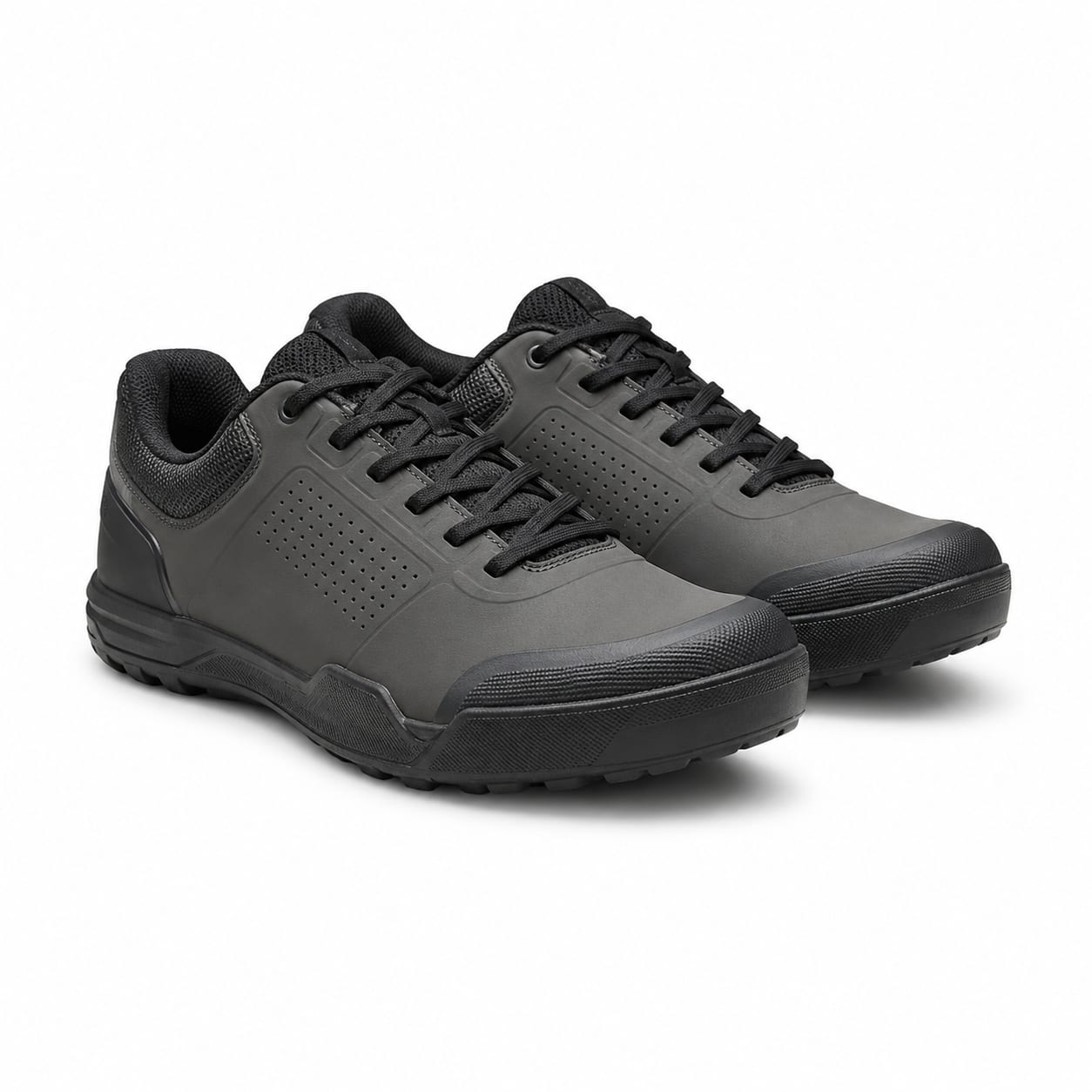
BMX and dirt jump shoes are built to withstand the toughest impacts and grip flat pedals with unyielding tenacity. Featuring high-friction rubber soles, reinforced uppers, and casual styling, they provide the confidence and tactile feedback needed for big airs, technical tricks, and harsh landings.

$40 – $150budget tierbeginnerintermediateadvanced

Best known for

Ultra-grippy flat pedal tractionHeavy-duty impact protectionReinforced uppers against pedal pinsSneaker-like off-bike comfort
BMX / Dirt Jump Shoes

Guide

Detailed overview

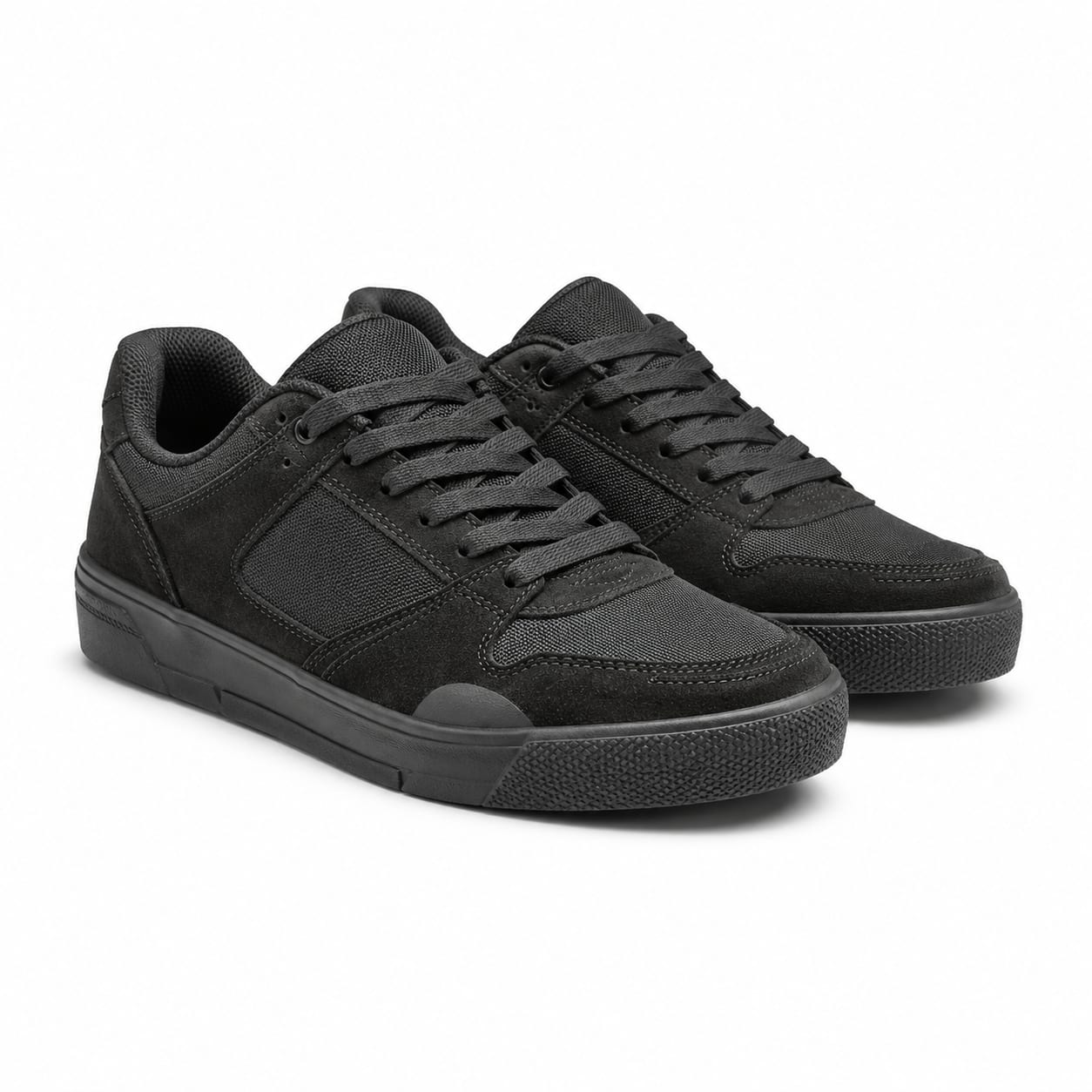
BMX and dirt jump shoes are purpose-built for the unique demands of flat pedal riding in skateparks, dirt jumps, and street spots. Unlike clipless cycling shoes that lock the foot to the pedal, BMX/DJ shoes rely on ultra-soft, high-friction rubber compounds—such as Five Ten's Stealth rubber or Vibram's Megagrip—to keep the rider's feet firmly planted on platform pedals during massive airs, rough landings, and technical maneuvers. This reliance on friction means the sole must be soft enough to conform to the pedal pins but durable enough to resist tearing. The upper construction is heavily reinforced with double or triple stitching, thick synthetic leather or canvas, and rubberized toe caps to defend against grip tape abrasion, pedal pin strikes, and crashes.

BMX and dirt jump shoes occupy a unique space in cycling footwear, prioritizing flat pedal grip, durability, and impact protection over pedaling efficiency. Unlike clipless cycling shoes that lock the foot to the pedal, BMX/DJ shoes rely on ultra-grippy rubber compounds—such as Five Ten's Stealth rubber or Vibram's Megagrip—to keep the rider's feet firmly planted on platform pedals during massive airs, rough landings, and technical maneuvers. This reliance on friction means the sole must be soft enough to conform to the pedal pins but durable enough to resist tearing.

The upper construction of these shoes is built to withstand severe abuse. Reinforced toe boxes, double-stitched panels, and thick synthetic leather or canvas materials defend against grip tape abrasion, pedal pin strikes, and crashes. Many models feature a mid-top or high-top silhouette to provide additional ankle protection and support, which is crucial when a metal pedal swings around during a bail. Closure systems lean heavily toward traditional laces for their reliable, customizable fit, often paired with a lace tuck loop or flap to prevent untied laces from catching in the drivetrain.

While they excel in the skatepark, on dirt jumps, and at the BMX track, these shoes are not designed for long-distance pedaling. Their flexible soles, which are essential for tactile feedback and shock absorption, result in significant power loss during sustained climbing or endurance riding. However, for riders who need to quickly bail from a trick, adjust foot position mid-air, or simply prefer the freedom of flat pedals, BMX and dirt jump shoes offer unmatched confidence. Their casual, sneaker-like aesthetics also make them popular as everyday lifestyle shoes off the bike.

Quick facts

Primary purpose
Delivering grip, durability, and impact protection for BMX and dirt jump riding on flat pedals
Popular brands
Five TenVansEtniesDCFly RacingNike SB
Typical terrain
BMX tracksdirt jumpsskateparksstreet spotspump tracks

What makes it different

Skate-shoe inspired design with cycling-specific rubber compounds; built for high-impact landings and flat pedal grip rather than efficiency

Recommended ranges

How this type usually specs out

Each spec is explained in plain language, then we show what buyers usually look for on this type.

Discipline / Shoe Type

Shoe Type

What it means

The intended riding discipline and design philosophy of the shoe, which determines sole stiffness, tread, cleat mounting, and overall construction.

Typical for this type

Mountain

In practice

While BMX/DJ is its own discipline, these shoes align with the MTB category due to their flat pedal focus, aggressive tread, and reinforced construction, though they often feature a more casual aesthetic.

Compared to other types

Unlike road or gravel shoes that focus on power transfer, BMX/DJ shoes are built for impact and tactile feedback, similar to gravity MTB shoes but with more casual styling.

Why it matters: Determines the fundamental design philosophy; BMX/DJ shoes prioritize grip and protection over pedaling efficiency.

Cleat Compatibility

Cleat Compatibility

What it means

The bolt pattern on the shoe sole that determines which cleat and pedal systems can be mounted. This is the most fundamental compatibility requirement.

Typical for this type

2_bolt for BMX race, None For Flat Pedal

In practice

The vast majority of BMX/DJ shoes are flat pedal only with no cleat drillings. For BMX racing, some models feature a 2-bolt SPD mount.

Compared to other types

Road and triathlon shoes use 3-bolt systems, while BMX/DJ relies almost entirely on flat platforms or 2-bolt for racing.

Why it matters: You must match your shoe to your pedal system; most dirt jumpers and park riders use flat pedals and do not need cleat mounts.

Sole Material

Sole Material

What it means

The primary material of the shoe sole, which determines stiffness, weight, durability, and price. Stiffer soles transfer more power but reduce walkability and comfort.

Typical for this type

Rubber Mtb

In practice

Ultra-grippy, soft rubber compounds (like Five Ten Stealth or Vibram) are essential for locking into flat pedal pins.

Compared to other types

Unlike the full carbon or nylon soles of road and XC shoes, BMX/DJ soles are entirely rubber, prioritizing friction and flex over stiffness.

Why it matters: The softness of the rubber directly determines how well the shoe grips the pedal pins during jumps and rough landings.

Sole Stiffness Index

Stiffness Index

What it means

A manufacturer-assigned or comparative rating of how resistant the sole is to flex under pedaling load. Higher numbers indicate stiffer soles that transfer more power.

Typical for this type

1-4

Most common pick: 2

In practice

BMX/DJ shoes have very low stiffness to allow the foot to conform to the pedal pins and absorb impact shocks.

Compared to other types

Road shoes range from 9-14 for maximum power; BMX/DJ shoes are at the opposite end of the spectrum for maximum flex and feel.

Why it matters: A flexible sole enhances pedal feel and grip, allowing riders to make micro-adjustments and land safely without foot fatigue.

Closure System

Closure System

What it means

The mechanism used to secure the shoe to the foot, affecting fit precision, adjustability, speed of entry/exit, and reliability.

Typical for this type

Laces, Velcro Strap

In practice

Traditional laces are the standard, offering a highly customizable wrap and a classic look. Some race models use velcro for quick entry.

Compared to other types

Unlike BOA dials common on road and MTB shoes, laces are preferred in BMX/DJ for durability against impacts and crashes.

Why it matters: Laces provide even pressure distribution and are cheap to replace. A lace tuck is crucial to prevent them from catching in the drivetrain.

Weight per Pair

Weight (Pair)

What it means

The total weight of both shoes, typically measured in grams. Lighter shoes reduce rotational mass and can improve acceleration and climbing.

Typical for this type

750-1000

Most common pick: 850

In practice

BMX/DJ shoes are relatively heavy due to thick rubber soles and reinforced uppers designed to withstand abuse.

Compared to other types

Much heavier than road shoes (400-550g) due to the dense rubber and protective layers.

Why it matters: Weight is less of a concern than durability and protection in this discipline; the rotational weight is noticeable but accepted for the sake of survival.

Upper Material

Upper Material

What it means

The primary material of the shoe upper, affecting breathability, durability, water resistance, stretch, and overall comfort.

Typical for this type

Synthetic Leather, Mesh Knit

In practice

Durable synthetic leather or canvas is used to resist abrasion from grip tape, pedal pins, and crashes.

Compared to other types

Less breathable than mesh/knit road shoes, but far more durable and protective than any road or gravel upper.

Why it matters: The upper takes a beating; reinforced synthetic materials prevent the shoe from falling apart after a few sessions.

Width / Fit Profile

Width / Fit Profile

What it means

The volume and width of the shoe last (foot mold), which determines how the shoe accommodates different foot shapes. Critical for comfort and preventing numbness.

Typical for this type

Standard, Wide

In practice

Most BMX/DJ shoes have a standard or slightly wide fit to accommodate thick socks and allow toe splay for balance.

Compared to other types

Unlike the narrow, performance-oriented fit of road shoes, BMX/DJ shoes fit more like casual sneakers.

Why it matters: A too-narrow fit can cause discomfort when landing large impacts; a bit of volume helps absorb shock.

Ventilation Level

Ventilation

What it means

The degree of airflow through the shoe upper and sole, affecting temperature regulation, moisture management, and comfort in different weather conditions.

Typical for this type

Minimal, Moderate

In practice

Moderate ventilation is typical; the thick materials needed for durability limit breathability, but some mesh panels exist.

Compared to other types

Less ventilated than road or gravel shoes, but similar to gravity MTB shoes where protection trumps airflow.

Why it matters: These shoes can run hot during intense summer skatepark sessions, but maximum ventilation would sacrifice necessary durability.

Heel Retention System

Heel Retention

What it means

Design features in the heel cup that prevent heel lift during the upstroke, ensuring efficient power transfer and stable foot positioning.

Typical for this type

Standard Heel

In practice

A padded, standard heel cup provides comfort and basic retention, sufficient for the dynamic movements of BMX/DJ.

Compared to other types

Lacks the rigid or adjustable heel cups of road shoes, as extreme pedaling forces are not the primary concern.

Why it matters: Heel lift is less of a power-transfer issue on flat pedals, but a secure heel helps keep the foot positioned correctly on the pedal.

Sole Stack Height

Stack Height

What it means

The distance from the pedal axle to the bottom of the foot, determined by sole thickness and cleat design. Lower stack height improves pedaling efficiency and cornering clearance.

Typical for this type

12-16

Most common pick: 14

In practice

Thicker soles provide necessary impact protection for heavy landings, resulting in a higher stack height.

Compared to other types

Much higher stack height than road shoes (7-11mm) due to the thick, cushioning rubber.

Why it matters: A thicker sole protects the foot from bruising on hard landings, though it slightly reduces pedal feel compared to thinner soles.

Included Insole / Footbed

Insole Type

What it means

The type and quality of the footbed included with the shoe, which affects arch support, comfort, and the ability to customize fit.

Typical for this type

Basic Flat, Contoured Ergonomic

In practice

Basic cushioned insoles are standard, prioritizing shock absorption over arch support.

Compared to other types

Simpler than the interchangeable or heat-moldable insoles found in premium road shoes.

Why it matters: Impact absorption is critical; aftermarket insoles can be added for riders needing more arch support.

Toe Box Shape

Toe Box Shape

What it means

The shape and volume of the front of the shoe where the toes sit, affecting comfort, toe splay, and prevention of numbness or bunions.

Typical for this type

Rounded Standard, Wide Anatomical

In practice

A rounded, roomy toe box allows toes to splay for balance and accommodates the foot during high-impact landings.

Compared to other types

Much less tapered than road shoes, avoiding the pointed shape that causes hot spots in cycling-specific footwear.

Why it matters: Pinched toes on landings lead to severe pain and numbness; a wider toe box improves comfort and control.

Ankle Coverage

Ankle Coverage

What it means

How high the shoe extends above the ankle bone, affecting protection, support, weather resistance, and range of motion.

Typical for this type

Low Cut, Mid Ankle

In practice

Low-cut is standard, but mid-ankle (hightop) versions are very popular for protecting the ankle bone from crank and pedal strikes.

Compared to other types

Mid-ankle options are much more common in BMX/DJ than in road or XC, where ankle mobility is prioritized.

Why it matters: Ankle protection can prevent severe bruising from metal pedals; the choice between low and mid is a major preference point.

Walkability Rating

Walkability

What it means

How easily and comfortably you can walk in the shoes off the bike, determined by sole flexibility, tread pattern, and cleat recess.

Typical for this type

High

In practice

With flexible soles, flat bottoms, and no protruding cleats, these shoes are as walkable as regular sneakers.

Compared to other types

Far more walkable than any road or clipless MTB shoe, matching or exceeding commuter shoe comfort.

Why it matters: Riders frequently walk around the skatepark, push up dirt jumps, or wear these shoes casually off the bike.

Heat Moldable Upper/Sole

Heat Moldable

What it means

Whether the shoe upper, sole, or both can be heat-molded to customize the fit to the rider's foot shape.

Typical for this type

False

In practice

BMX/DJ shoes are not heat moldable; their construction focuses on durable rubber and synthetic materials.

Compared to other types

Unlike high-end road shoes that offer heat molding for power transfer, BMX shoes rely on standard sizing.

Why it matters: Custom molding is unnecessary for flat pedal riding where foot retention relies on grip rather than a rigid, locked-in fit.

Gender-Specific Design

Gender Design

What it means

Whether the shoe is built on a gender-specific last, which accounts for typical differences in foot shape, volume, and proportions.

Typical for this type

Unisex, Mens

In practice

The majority of BMX/DJ shoes are sold in unisex or men's sizing, with a smaller selection of women's-specific models.

Compared to other types

Less gender-specific variety compared to road or XC mountain biking, where women's models are more prevalent.

Why it matters: Women may need to size down into men's/unisex ranges, as women-specific options are limited in this niche.

Evaluation

Strengths and trade-offs

Pros

What this type does best

Maximum Flat Pedal Grip

Critical

Ultra-soft rubber compounds conform to pedal pins, keeping feet securely planted through rough landings and aggressive maneuvers.

Exceptional Durability

High

Reinforced uppers, double stitching, and rubberized caps withstand severe abuse from grip tape, pedal pins, and crashes.

Impact Absorption

High

Thick, flexible soles and cushioned insoles absorb the shock of heavy landings, reducing foot fatigue and bruising.

Freedom of Movement

High

Flat pedal design allows instant foot release for bailing out of tricks and quick repositioning mid-air.

Off-Bike Versatility

Medium

Sneaker-like aesthetics and high walkability make them suitable for everyday casual wear off the bike.

Tactile Feedback

High

Flexible soles allow riders to feel the pedal beneath their feet, enabling precise micro-adjustments and better bike control.

Cons

Trade-offs to be aware of

No Power Transfer Efficiency

Significant

Highly flexible soles absorb energy during pedaling, making them inefficient for long climbs or sustained high-speed efforts.

Fast Sole Wear

Moderate

The soft rubber compounds that provide excellent grip also wear down quickly, especially when walking on abrasive concrete.

Heavy Weight

Minor

Dense rubber and reinforced materials make these shoes noticeably heavier than road or XC alternatives.

Mostly Clipless Incompatible

Moderate

The vast majority of dirt jump and park shoes lack cleat mounts, limiting pedal options for riders who want clipless capability.

Best for

Surfaces & terrain

SkateparksDirt jumpsStreet spotsPump tracksBMX tracks

Riding conditions

DryMixed

Skill level

BeginnerIntermediateAdvancedProfessional

Riding discipline

BMX racingDirt jumpingStreetParkSlopestyleFreeride

Rider profile

Trick-focused ridersFlat pedal devoteesSkatepark ridersAction sports athletes

Not ideal for

Reasons

Lack of clipless efficiency causes fatigue on long ridesFlexible soles lose power on sustained climbsHeavy weight is a disadvantage for distance ridingExcessive grip and bulk is unnecessary for paved surfaces

Surfaces & terrain

Long road climbsEndurance road routesTechnical XC trails

Riding discipline

Road cyclingXC mountain bikingGravel racingBikepackingTriathlon

Compare

How it stacks up

This page

BMX / Dirt Jump Shoes

More durable uppers, often available in mid-ankle cuts for protection, and styled specifically for action sports.

Alternative

MTB Flat Shoes

MTB flat shoes may have slightly stiffer soles for better pedaling efficiency on trails and more hiking-oriented tread.

Bottom line

Choose BMX/DJ shoes for park and street riding; choose MTB flat shoes for trail riding and enduro.

This page

BMX / Dirt Jump Shoes

Superior grip on flat pedals, much more durable against pedal pins, and better impact protection.

Alternative

Commuter / Urban Shoes

Commuter shoes are lighter, more breathable, and look more discreet for office wear.

Bottom line

Choose BMX/DJ shoes for aggressive riding and tricks; choose commuter shoes for casual city riding.

This page

BMX / Dirt Jump Shoes

Allows instant foot release for tricks and bails, no cleat engagement to worry about, and better tactile feel.

Alternative

Mountain Bike (MTB) Clipless

Clipless shoes offer maximum pedaling efficiency, consistent foot placement, and power on the upstroke.

Bottom line

Choose BMX/DJ shoes for dirt jumping, street, and park; choose clipless for BMX racing or XC/trail riding where efficiency matters.

Shopping

Buying tips

  • 1

    Prioritize shoes with high-friction rubber compounds like Five Ten Stealth or Vibram Megagrip for maximum pedal grip.

  • 2

    Look for reinforced toe caps and double-stitched uppers to resist the inevitable pedal pin strikes and grip tape abrasion.

  • 3

    Ensure the shoe has a lace tuck loop or flap; untied laces catching in your chain can cause serious crashes.

  • 4

    Consider a mid-ankle (hightop) model if you frequently bruise your ankles from crank or pedal strikes.

  • 5

    Size up slightly if you plan to wear thick socks for impact absorption and a secure fit.

Care

Maintenance notes

  • Clean mud and dirt from the sole tread regularly; packed dirt reduces the rubber's ability to grip pedal pins.
  • Remove and air out insoles after wet rides to prevent odor and bacterial growth.
  • Inspect the sole rubber for tearing or delamination, especially around the edges where pedal pins make contact.
  • Avoid walking on abrasive concrete or asphalt unnecessarily; the soft rubber compounds wear out quickly off the bike.
  • Use a brush to clean the upper and maintain the integrity of synthetic leather or canvas.

Progression

Skill development path

Beginners should focus on basic flat pedal control, keeping their feet centered on the pedals. As skills progress, riders will learn to rely on the shoe's grip for foot placement during takeoffs and landings. Advanced riders utilize the shoe's tactile feedback to make micro-adjustments mid-air and reposition feet during complex tricks, trusting the rubber to hold on impact.

FAQ

Common questions

Each question has a dedicated page with a full answer and links to the buying guide.