Kitvore.com

Kitvore.com

Specs that matter. Gear that fits.

Cycling Shoes · Subcategory

Indoor / Spin Shoes

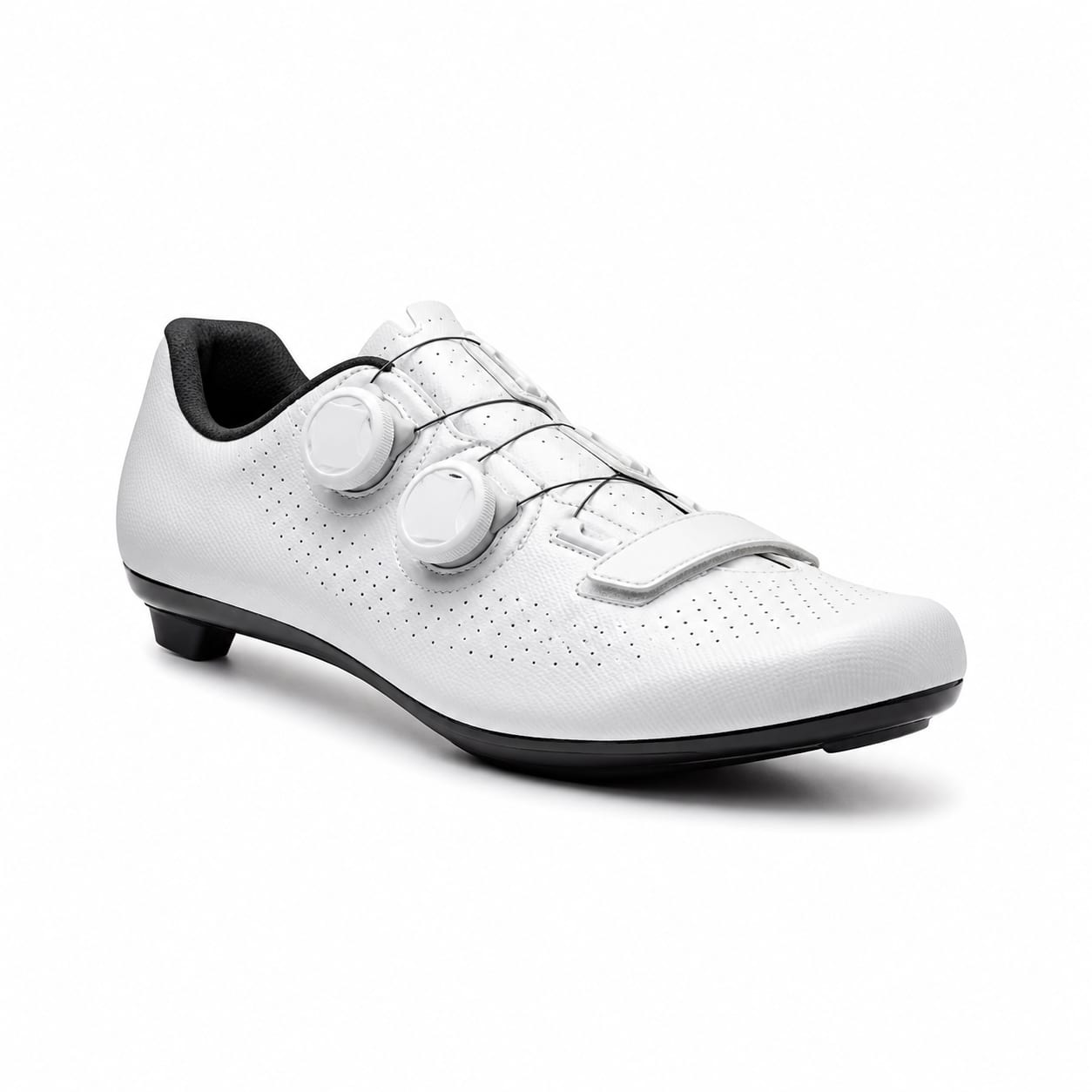
Breathable, clip-in cycling shoes designed specifically for stationary bikes, spin classes, and indoor training platforms like Peloton.

Indoor and spin shoes are purpose-built for the unique demands of stationary cycling, where heat management, sweat resistance, and compatibility with studio bike pedals matter more than weather protection or walkability. They typically feature highly ventilated uppers, simplified closure systems, and dual cleat compatibility (LOOK Delta and SPD) to work across the widest range of indoor bikes. Whether you're taking Peloton classes, attending SoulCycle, or training on a smart trainer, these shoes deliver the secure connection and breathability that indoor riding demands.

$50 – $200budget tierbeginnerintermediate

Best known for

High breathability for hot, sweaty indoor environmentsLOOK Delta and SPD dual cleat compatibility for studio bikesSimplified closure systems for quick on/off between classesMoisture-wicking and quick-drying upper materials
Indoor / Spin Shoes

Guide

Detailed overview

Indoor and spin shoes are a specialized category of cycling footwear engineered for the distinct conditions of stationary riding. Unlike outdoor cycling shoes that must balance aerodynamics, weather protection, and walkability, indoor shoes prioritize three things: breathability in zero-airflow environments, compatibility with the pedals found on studio and home exercise bikes, and quick transitions for class settings. The result is a shoe that keeps your feet cooler and drier during intense indoor sessions while providing the secure clip-in connection that dramatically improves your pedal stroke efficiency over flat pedals.

The most defining characteristic of indoor cycling shoes is their emphasis on ventilation and moisture management. In a spin studio or home training room, there is no natural airflow to cool your feet, and riders typically generate more sustained heat than outdoor riding due to the continuous nature of indoor workouts. Indoor shoes address this with extensive mesh panels, perforated uppers, and sometimes sole ventilation ports that would be impractical on outdoor shoes due to water ingress. This focus on breathability makes indoor shoes some of the most comfortable cycling shoes for hot conditions, though it also means they are poorly suited for outdoor riding in anything but warm, dry weather.

Cleat compatibility is the other critical differentiator. Most spin studio bikes and Peloton bikes use LOOK Delta pedals, while many other indoor bikes and some studios use SPD pedals. The best indoor shoes offer dual compatibility with both 2-bolt SPD and 3-bolt LOOK Delta cleat patterns, giving riders flexibility across different studios and home setups. This is a significant advantage over using road shoes (which only accept 3-bolt cleats) or mountain bike shoes (which only accept 2-bolt cleats) for indoor riding. If you ride at multiple studios or share a home bike with family members, dual-compatible shoes eliminate the need for multiple pairs.

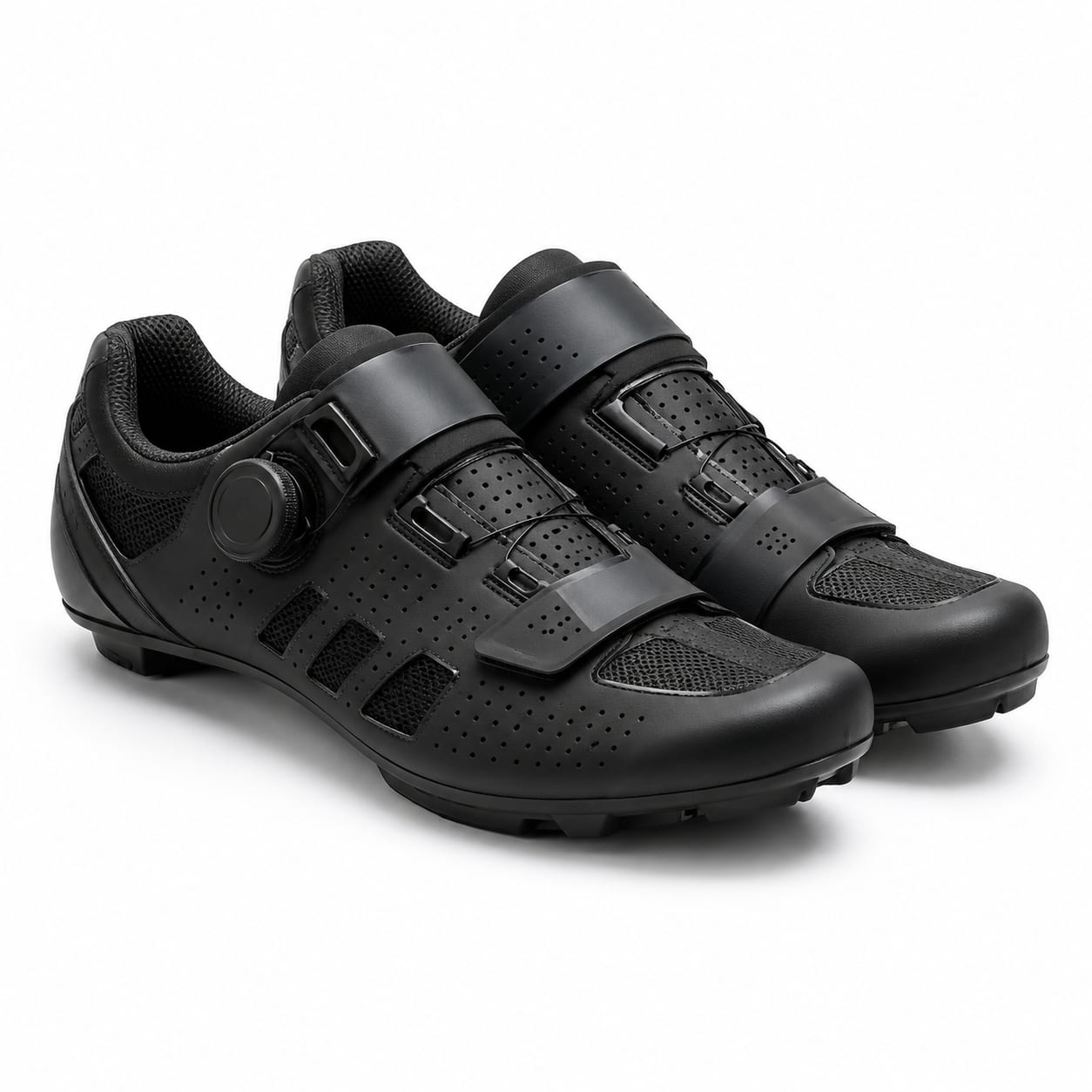
Closure systems on indoor shoes tend to be simpler than on performance outdoor shoes. Single BOA dials, velcro straps, or quick-pull lacing systems are common because they allow fast entry and exit between classes. The fit doesn't need to be as precise as a race shoe since indoor riding rarely involves the explosive sprint efforts or technical demands of outdoor cycling. That said, a secure heel hold is still important for efficient power transfer during standing climbs and high-cadence intervals. Many indoor shoes use a single BOA dial paired with a velcro strap at the forefoot, providing a good balance of quick adjustment and hold.

Sole materials in indoor shoes are typically nylon or carbon-reinforced composites rather than full carbon. This keeps costs down while providing adequate stiffness for the power outputs typical of indoor training. Full carbon soles are unnecessary for most indoor riders and add cost without meaningful benefit, since the power transfer demands of stationary cycling are generally lower than outdoor racing. The slightly more compliant feel of nylon soles can also be more comfortable during long indoor sessions where foot fatigue and hot spots are common complaints.

One often overlooked consideration is that indoor shoes live in a harsher environment than most outdoor shoes. The combination of sustained sweat, repeated mounting and dismounting, and being stuffed into gym bags creates conditions that accelerate wear. Quality indoor shoes use moisture-resistant materials, corrosion-resistant hardware, and antimicrobial treatments to combat odor and degradation. Even so, indoor shoes used frequently may need replacement sooner than outdoor shoes, making mid-range price points more practical than premium investments.

Quick facts

Primary purpose
Optimizing comfort and performance in hot indoor cycling environments across multiple bike types
Popular brands
ShimanoSidiPearl IzumiTiemNikeSpecialized
Typical terrain
indoor studiohome trainer

What makes it different

Often compatible with both 2-bolt (SPD) and 3-bolt (Look/SPD-SL) cleats to work on any studio bike; maximum ventilation for hot indoor environments

Recommended ranges

How this type usually specs out

Each spec is explained in plain language, then we show what buyers usually look for on this type.

Discipline / Shoe Type

Shoe Type

What it means

The intended riding discipline and design philosophy of the shoe, which determines sole stiffness, tread, cleat mounting, and overall construction.

Typical for this type

Indoor

In practice

Indoor/spin shoes are classified under the 'indoor' shoe type, designed specifically for stationary bikes with features optimized for studio and home training environments.

Compared to other types

Unlike road shoes that maximize power transfer and aero, or MTB shoes that prioritize walkability, indoor shoes are uniquely focused on heat dissipation and studio pedal compatibility.

Why it matters: The indoor designation means the shoe prioritizes breathability, dual cleat compatibility, and quick transitions over weather protection, walkability, or aerodynamic performance.

Cleat Compatibility

Cleat Compatibility

What it means

The bolt pattern on the shoe sole that determines which cleat and pedal systems can be mounted. This is the most fundamental compatibility requirement.

Typical for this type

Dual Compatible (LOOK Delta + 2-Bolt SPD) Preferred

Most common pick: LOOK Delta + SPD (2-Bolt)

In practice

Most indoor shoes offer dual compatibility with both 3-bolt LOOK Delta (standard on Peloton and most studio bikes) and 2-bolt SPD (common on many indoor cycles and some studios). This is achieved through a sole that has both bolt patterns drilled.

Compared to other types

Road shoes only support 3-bolt cleats (SPD-SL, LOOK Keo), and MTB shoes only support 2-bolt cleats. Indoor shoes uniquely bridge both systems, making them the most versatile option for studio riders.

Why it matters: Dual compatibility ensures your shoes work at any studio or on any home bike. LOOK Delta is the dominant standard for Peloton and major studios like SoulCycle, while SPD is used at many other facilities and on smart trainers.

Sole Material

Sole Material

What it means

The primary material of the shoe sole, which determines stiffness, weight, durability, and price. Stiffer soles transfer more power but reduce walkability and comfort.

Typical for this type

Nylon For Value, Carbon-Reinforced For Performance

Most common pick: Nylon / Composite

In practice

The majority of indoor shoes use injection-molded nylon or composite soles. Some mid-to-upper range models add carbon-reinforced plates for increased stiffness. Full carbon soles are rare and generally unnecessary for indoor use.

Compared to other types

Road race shoes commonly use full carbon soles for maximum stiffness. Indoor shoes don't need this level of rigidity since indoor riding rarely involves the peak power outputs of outdoor sprinting or climbing.

Why it matters: Nylon soles provide adequate stiffness for indoor power outputs while keeping the price accessible. The slight flex can actually be more comfortable during long indoor sessions where foot fatigue is common.

Sole Stiffness Index

Stiffness Index

What it means

A manufacturer-assigned or comparative rating of how resistant the sole is to flex under pedaling load. Higher numbers indicate stiffer soles that transfer more power.

Typical for this type

4-8

Most common pick: 5-7 (on manufacturer scale)

In practice

Indoor shoes typically fall in the mid-range of stiffness scales. This provides enough rigidity for efficient power transfer during intervals and climbs without the harsh feel of ultra-stiff race soles that can cause hot spots during long sessions.

Compared to other types

Road race shoes range from 9-14 on stiffness scales, while commuter shoes are 1-4. Indoor shoes sit in the sport/performance middle ground, similar to gravel shoes.

Why it matters: Moderate stiffness balances power transfer with comfort. Indoor riders spend extended time in the saddle at sustained efforts, and overly stiff soles can create pressure points and numbness over 45-90 minute classes.

Closure System

Closure System

What it means

The mechanism used to secure the shoe to the foot, affecting fit precision, adjustability, speed of entry/exit, and reliability.

Typical for this type

BOA Dial Preferred For Adjustability; Velcro Acceptable For Simplicity

Most common pick: Single BOA Dial + Velcro Strap, Or Dual Velcro Straps

In practice

Indoor shoes commonly use a single BOA dial at the midfoot paired with a velcro strap at the forefoot, or a simpler dual velcro strap setup. The emphasis is on quick entry and exit for class transitions.

Compared to other types

Road race shoes often use dual BOA dials for maximum fit precision. Triathlon shoes use single wide velcro straps for the fastest possible transitions. Indoor shoes split the difference with single-dial or velcro setups.

Why it matters: Quick on/off is important for studio settings where you may have limited time between classes. BOA dials allow micro-adjustment during class without stopping, while velcro is the simplest and fastest option.

Weight per Pair

Weight (Pair)

What it means

The total weight of both shoes, typically measured in grams. Lighter shoes reduce rotational mass and can improve acceleration and climbing.

Typical for this type

500-750g per pair

Most common pick: 550-700g

In practice

Indoor shoes are moderately lightweight, typically falling between road and MTB shoes. The mesh-heavy construction keeps weight down, while nylon soles are heavier than carbon alternatives.

Compared to other types

Road race shoes are the lightest at 400-550g per pair. MTB trail shoes are heavier at 750-1000g. Indoor shoes fall in the middle, similar to gravel shoes.

Why it matters: Weight is less critical for indoor riding since you're not climbing hills or accelerating out of corners. However, lighter shoes can reduce fatigue during high-cadence intervals and feel less cumbersome during standing efforts.

Upper Material

Upper Material

What it means

The primary material of the shoe upper, affecting breathability, durability, water resistance, stretch, and overall comfort.

Typical for this type

Mesh/Knit For Maximum Ventilation; Synthetic Leather For Durability

Most common pick: Mesh / Knit

In practice

The dominant upper material for indoor shoes is engineered mesh or knit, providing maximum airflow for hot indoor environments. Some models use synthetic leather with extensive perforations as a more durable alternative.

Compared to other types

Road shoes use a mix of microfiber and synthetic leather for aero efficiency. MTB shoes use more protective materials. Indoor shoes uniquely prioritize breathability above all else in upper construction.

Why it matters: Mesh and knit uppers allow maximum airflow in zero-breeze indoor environments, keeping feet cooler and reducing sweat accumulation. This is the single most important material choice for indoor comfort.

Width / Fit Profile

Width / Fit Profile

What it means

The volume and width of the shoe last (foot mold), which determines how the shoe accommodates different foot shapes. Critical for comfort and preventing numbness.

Typical for this type

Standard For Most Riders; Wide Options Available From Select Brands

Most common pick: Standard / Medium

In practice

Most indoor shoes are produced in standard/medium width. Some brands like Shimano and Lake offer wide versions of their indoor models. The selection of wide-fit indoor shoes is more limited than for road or MTB categories.

Compared to other types

Road shoes have the widest selection of width options across brands. Indoor shoes have fewer width choices, so riders with wide feet may need to look at brands known for wider fits or consider MTB shoes with SPD cleats as an alternative.

Why it matters: Feet tend to swell during sustained indoor riding due to heat and continuous effort. A shoe that fits well at the start of class may feel tight after 30 minutes, so consider sizing with some room for swelling.

Ventilation Level

Ventilation

What it means

The degree of airflow through the shoe upper and sole, affecting temperature regulation, moisture management, and comfort in different weather conditions.

Typical for this type

High Ventilation Strongly Preferred For Indoor Use

Most common pick: High / Well-Ventilated

In practice

Indoor shoes are almost universally designed with high ventilation levels, featuring extensive mesh panels, perforated uppers, and sometimes sole vents. This is the primary design priority for this category.

Compared to other types

Road shoes range from moderate to high ventilation. MTB shoes are typically moderate. Indoor shoes are consistently the most ventilated category, often with mesh coverage that would be impractical for any outdoor use.

Why it matters: Indoor riding generates significant foot heat with no natural airflow. High ventilation is essential to prevent overheating, excessive sweating, and the discomfort and odor that result. This is the area where indoor shoes most clearly differentiate from other categories.

Heel Retention System

Heel Retention

What it means

Design features in the heel cup that prevent heel lift during the upstroke, ensuring efficient power transfer and stable foot positioning.

Typical for this type

Reinforced Heel Cup Preferred For Standing Intervals

Most common pick: Standard Heel Cup Or Reinforced Heel Cup

In practice

Most indoor shoes use a standard molded heel cup or a slightly reinforced version. Adjustable heel retention systems are rare in this category, as the power demands don't typically justify the added cost and complexity.

Compared to other types

Premium road and race shoes often feature adjustable or dial-integrated heel retention. Indoor shoes use simpler systems, which are adequate for the power levels of indoor training.

Why it matters: Heel lift during standing climbs and high-resistance intervals wastes energy and can cause blisters. A well-structured heel cup is important for the repeated standing efforts common in spin classes.

Sole Stack Height

Stack Height

What it means

The distance from the pedal axle to the bottom of the foot, determined by sole thickness and cleat design. Lower stack height improves pedaling efficiency and cornering clearance.

Typical for this type

8-14mm

Most common pick: 9-13mm

In practice

Indoor shoes have moderate stack heights, typically higher than road race shoes due to nylon soles and dual cleat compatibility drilling. The LOOK Delta cleat itself adds more stack than SPD-SL systems.

Compared to other types

Road race shoes achieve the lowest stack heights (5-8mm). MTB shoes are higher (12-18mm) due to tread. Indoor shoes fall in between, closer to road shoes since they lack aggressive tread.

Why it matters: Stack height is less critical for indoor riding since you're not cornering or dealing with pedal strike on varied terrain. The slightly higher stack of indoor shoes is a reasonable trade-off for dual cleat compatibility.

Included Insole / Footbed

Insole Type

What it means

The type and quality of the footbed included with the shoe, which affects arch support, comfort, and the ability to customize fit.

Typical for this type

Contoured Ergonomic Preferred; Plan to Upgrade Basic Insoles For Long Sessions

Most common pick: Basic Flat Insole Or Contoured Ergonomic

In practice

Entry to mid-range indoor shoes typically include basic flat insoles. Better models include contoured ergonomic insoles with some arch support. Interchangeable arch systems are rare in this category.

Compared to other types

Premium road shoes often include interchangeable arch inserts. Indoor shoes at similar price points may have simpler insoles, making aftermarket upgrades more important for this category.

Why it matters: Indoor riding involves sustained, repetitive pedaling with minimal coasting. Good arch support reduces foot fatigue and prevents hot spots during 45-90 minute sessions. Upgrading the insole is one of the most impactful comfort improvements for indoor shoes.

Toe Box Shape

Toe Box Shape

What it means

The shape and volume of the front of the shoe where the toes sit, affecting comfort, toe splay, and prevention of numbness or bunions.

Typical for this type

Rounded Standard Or Wide Anatomical For Comfort During Long Sessions

Most common pick: Rounded / Standard

In practice

Indoor shoes typically feature a rounded/standard toe box. Some comfort-oriented models offer a wider, more anatomical shape. Pointed/tapered toe boxes are uncommon since aero concerns are irrelevant indoors.

Compared to other types

Road shoes often have pointed/tapered toe boxes for aerodynamics. Indoor shoes prioritize comfort over aero, so they tend to have roomier toe boxes than road shoes at similar price points.

Why it matters: Feet swell during indoor riding due to heat and sustained effort. A roomier toe box accommodates this swelling and prevents the numbness and hot spots that are common complaints in spin classes.

Ankle Coverage

Ankle Coverage

What it means

How high the shoe extends above the ankle bone, affecting protection, support, weather resistance, and range of motion.

Typical for this type

Low Cut For Maximum Ventilation And Mobility

Most common pick: Low Cut / Below Ankle

In practice

Indoor shoes are universally low-cut, ending below the ankle bone. This maximizes airflow and ankle mobility, both important for the high-cadence and standing efforts of indoor riding.

Compared to other types

MTB trail and enduro shoes often feature mid-ankle coverage for protection. Indoor shoes share the low-cut design with road and XC shoes, as there are no debris or pedal strike concerns indoors.

Why it matters: Low-cut design allows maximum ventilation around the ankle area and unrestricted ankle movement during standing climbs and high-cadence work. There is no need for ankle protection in a stationary environment.

Walkability Rating

Walkability

What it means

How easily and comfortably you can walk in the shoes off the bike, determined by sole flexibility, tread pattern, and cleat recess.

Typical for this type

Moderate Walkability Preferred For Studio Transitions

Most common pick: Limited to Moderate (Depends On Cleat Type)

In practice

Walkability varies significantly based on cleat choice. With SPD (2-bolt) cleats installed, indoor shoes offer moderate walkability with a recessed cleat. With LOOK Delta (3-bolt) cleats, walkability is limited since the cleat protrudes from the sole.

Compared to other types

Road shoes with exposed 3-bolt cleats have essentially no walkability. MTB shoes with recessed SPD cleats have moderate to high walkability. Indoor shoes fall in between, with walkability determined by which cleat you install.

Why it matters: You'll walk from the locker room to the studio, adjust your bike setup, and possibly walk to different stations. SPD cleats make this much easier and safer. LOOK Delta cleats are slippery on studio floors and wear quickly from walking.

Heat Moldable Upper/Sole

Heat Moldable

What it means

Whether the shoe upper, sole, or both can be heat-molded to customize the fit to the rider's foot shape.

Typical for this type

Not Necessary For Most Indoor Riders; Standard Fit Is Adequate

In practice

The vast majority of indoor shoes are not heat moldable. The category focuses on accessibility and value rather than custom fit technology. Riders needing heat molding should look at performance road shoes that can double for indoor use.

Compared to other types

High-end road shoes from brands like Bont, Shimano (S-Phyre), and Lake offer heat molding. This feature is essentially absent from dedicated indoor shoes, which occupy lower price tiers.

Why it matters: Heat molding is a premium feature rarely needed for the power levels and session durations of indoor riding. Standard fit options with good closure systems are sufficient for most indoor riders.

Gender-Specific Design

Gender Design

What it means

Whether the shoe is built on a gender-specific last, which accounts for typical differences in foot shape, volume, and proportions.

Typical for this type

Women Should Seek Women-Specific Models For Better Heel Hold And Fit

Most common pick: Available In Men'S, Women'S, And Unisex

In practice

Indoor shoes are available across all gender designations. Many popular models come in women's-specific versions with narrower heels and lower overall volume. Unisex models are also common, especially at lower price points.

Compared to other types

Road and MTB categories offer the widest selection of women's-specific models. Indoor shoes have fewer women's options but the available models from major brands like Shimano, Nike, and Tiem are well-designed for female foot shapes.

Why it matters: Proper fit is essential for comfort during indoor sessions. Women's-specific shoes address the common issue of heel slip in unisex or men's shoes, which is particularly problematic during standing climbs and high-cadence work.

Evaluation

Strengths and trade-offs

Pros

What this type does best

Superior Breathability for Indoor Heat

Critical

Indoor shoes feature the most aggressive ventilation of any cycling shoe category, with extensive mesh panels and perforations designed for zero-airflow environments. This keeps feet significantly cooler and drier during intense indoor sessions.

Dual Cleat Compatibility (LOOK Delta + SPD)

Critical

Most indoor shoes accept both LOOK Delta and SPD cleats, making them compatible with virtually any studio bike or home trainer. This versatility eliminates the need for multiple pairs if you ride at different studios.

Quick Entry and Exit

High

Simplified closure systems like single BOA dials or velcro straps allow fast on/off transitions, which is essential for studio class settings where you may have limited time between sessions.

Moisture and Odor Resistance

High

Quality indoor shoes use moisture-wicking linings, quick-drying materials, and antimicrobial treatments to combat the heavy sweat and odor issues that are unique to indoor riding environments.

Lower Price Than Equivalent Road Shoes

Medium

Indoor shoes typically cost less than road shoes with comparable closure systems and build quality, since they don't require weather sealing, aero optimization, or ultra-stiff carbon soles.

Comfortable for Sustained Efforts

Medium

The moderate sole stiffness and roomier toe boxes common in indoor shoes prioritize comfort during long sessions over the razor-sharp power transfer of race shoes, reducing foot fatigue and hot spots.

No Weather or Terrain Compromises

Medium

Since indoor shoes never face rain, mud, or variable terrain, every design decision can be optimized for the single use case of stationary cycling, resulting in a more focused product.

Cons

Trade-offs to be aware of

Poor Outdoor Versatility

Significant

The extensive mesh ventilation that makes indoor shoes great for studios makes them terrible for outdoor riding in any conditions other than warm, dry weather. They offer no water resistance and minimal protection.

Limited Walkability with LOOK Delta Cleats

Moderate

When set up with LOOK Delta cleats (the Peloton standard), indoor shoes have protruding cleats that make walking slippery and awkward. The cleats also wear quickly from walking on hard studio floors.

Fewer Width and Fit Options

Moderate

The indoor shoe market has fewer width options compared to road or MTB categories. Riders with very wide or narrow feet may struggle to find suitable indoor-specific models and may need to use MTB shoes instead.

Sweat and Odor Accelerate Wear

Moderate

The harsh indoor environment of sustained sweat, repeated packing in gym bags, and frequent use causes indoor shoes to degrade faster than outdoor shoes. Expect shorter lifespan with regular studio use.

Lower Resale Value

Minor

Used indoor shoes have limited resale demand compared to road or MTB shoes, partly due to hygiene concerns and partly because the indoor cycling shoe market is smaller and more niche.

Not Compatible with Speedplay or SPD-SL

Minor

Most indoor shoes are drilled for LOOK Delta and SPD but not for SPD-SL or Speedplay. Riders who own these pedal systems for outdoor riding will need separate shoes for indoor use.

Best for

Surfaces & terrain

Indoor studio floorHome trainer / smart trainer setupGym cycling studio

Riding conditions

Indoor / climate-controlled environmentsHot and humid indoor conditionsYear-round indoor training

Skill level

BeginnerIntermediateAdvanced

Riding discipline

Spin classesPeloton / virtual trainingIndoor interval trainingSmart trainer workoutsStudio cycling (SoulCycle, CycleBar, etc.)

Rider profile

Spin class regularsPeloton ownersSmart trainer usersFair-weather cyclists who train indoors in winterMulti-studio riders who need versatile cleat compatibilityCycling newcomers trying clipless pedals for the first time

Not ideal for

Reasons

No weather protection for outdoor useMesh uppers let in water, wind, and debrisLOOK Delta cleats are not compatible with most outdoor pedalsNo tread or protection for off-bike terrainSole stiffness is insufficient for competitive outdoor racing

Surfaces & terrain

Outdoor roadsTrailsWet conditionsAny outdoor riding

Riding discipline

Road racingMountain bikingGravel ridingBike commutingTouring

Compare

How it stacks up

This page

Indoor / Spin Shoes

Superior breathability for indoor heat, dual cleat compatibility for studio bikes, lower cost, and more comfortable for sustained indoor sessions. Quick on/off for class transitions.

Alternative

Road Cycling Shoes

Much stiffer soles for maximum power transfer, better aerodynamics, weather protection options, and wider selection of widths and fit options. Can be used for actual road riding.

Bottom line

Choose indoor shoes if you primarily ride indoors or attend spin classes. Choose road shoes if you ride outdoors and want one pair that can also work on a smart trainer with appropriate cleats.

This page

Indoor / Spin Shoes

Better ventilation for indoor heat, LOOK Delta compatibility for Peloton and studio bikes, and lighter weight. Designed specifically for the stationary cycling experience.

Alternative

Mountain Bike (MTB) Shoes

Recessed SPD cleats provide excellent walkability, more durable construction, and better protection. MTB shoes work well for indoor use with SPD pedals and can double for outdoor trail riding.

Bottom line

Choose indoor shoes if you need LOOK Delta compatibility for Peloton or studio bikes. Choose MTB shoes if your indoor bike has SPD pedals and you also ride trails, or if you prioritize walkability between the locker room and studio.

This page

Indoor / Spin Shoes

Better ventilation, lighter weight, and more secure fit for high-intensity indoor efforts. Clip-in compatibility provides much better pedal stroke efficiency than the flexible soles of commuter shoes.

Alternative

Commuter / Urban Shoes

Significantly better walkability, casual styling suitable for all-day wear, and more durable construction. Commuter shoes work for casual indoor riding but lack the secure connection for intense efforts.

Bottom line

Choose indoor shoes for dedicated spin classes and structured indoor training. Choose commuter shoes if you want a casual shoe that can handle light indoor use and everyday walking.

This page

Indoor / Spin Shoes

Better ventilation, more secure fit for sustained efforts, and dual cleat compatibility. Indoor shoes provide better overall comfort for 45-90 minute sessions versus triathlon shoes optimized for transitions.

Alternative

Triathlon Cycling Shoes

Faster entry/exit with heel loops and single wide straps, and stiff soles for race-day power. Triathlon shoes are designed for quick transitions, not sustained comfort.

Bottom line

Choose indoor shoes for regular indoor training. Choose triathlon shoes only if you're actually racing triathlons and want a shoe that can also serve for indoor warm-ups.

Shopping

Buying tips

  • 1

    Verify your studio's or home bike's pedal type before buying. Peloton uses LOOK Delta, while many other studios and smart trainers use SPD. Dual-compatible shoes give you the most flexibility.

  • 2

    Prioritize breathability — it's the #1 advantage of indoor shoes over using outdoor shoes inside. Look for extensive mesh panels and perforations throughout the upper.

  • 3

    Don't overspend on sole stiffness. Nylon soles are perfectly adequate for indoor training and more comfortable for long sessions. Full carbon soles are unnecessary for most indoor riders.

  • 4

    Consider sizing up slightly or choosing a wider fit to account for foot swelling during hot indoor sessions. What feels snug at the start of class may feel tight after 30 minutes of sustained effort.

  • 5

    If you ride at multiple studios with different pedal systems, dual-compatible shoes are essential. Check if the shoe has both 2-bolt and 3-bolt drill patterns before purchasing.

  • 6

    Invest in good aftermarket insoles if your shoes come with basic flat footbeds. This is the single most impactful comfort upgrade for indoor riding, where sustained pedaling causes foot fatigue.

  • 7

    If you use LOOK Delta cleats, practice walking carefully on studio floors — the protruding cleats are slippery. Consider keeping a pair of slip-on shoe covers for the walk from the locker room.

  • 8

    Check the closure system for ease of use with sweaty hands. BOA dials are easier to adjust mid-class than laces or small ratchets when your hands are wet.

Care

Maintenance notes

  • Air out shoes immediately after every session. Remove the insoles and stuff shoes with newspaper to absorb moisture and prevent odor-causing bacteria growth.
  • Clean mesh uppers regularly with mild soap and water. Sweat and body oils degrade mesh faster than other materials, so consistent cleaning extends shoe life significantly.
  • Inspect LOOK Delta cleats frequently for wear, especially if you walk on them. Worn Delta cleats can become difficult to clip out of, creating a safety hazard during class.
  • Replace cleats proactively — don't wait until they fail. LOOK Delta cleats typically need replacement every 6-12 months with regular indoor use, and SPD cleats every 12-18 months.
  • Avoid leaving shoes in hot cars or direct sunlight, as the heat can deform nylon soles and degrade mesh uppers and adhesives.
  • If shoes develop persistent odor, treat with enzymatic cleaner or a baking soda solution. Antimicrobial sprays can help prevent odor between deep cleanings.
  • Check BOA dials and laces periodically for smooth operation. BOA replacement dials are inexpensive and easy to swap if a dial becomes stiff or fails.

Progression

Skill development path

Indoor shoes are suitable for all skill levels, from complete beginners trying clipless pedals for the first time to advanced riders doing structured training. For beginners, the indoor environment is actually the safest place to learn clipless pedal technique — there's no traffic, no terrain, and you can hold onto the bike for stability while learning to clip in and out. Start with SPD cleats if possible, as they're easier to clip into and offer some walkability. Progress to LOOK Delta cleats if your studio requires them. As you advance, you may want to upgrade to shoes with BOA dials for better mid-class adjustability and stiffer soles for more efficient power transfer during high-resistance intervals.

FAQ

Common questions

Each question has a dedicated page with a full answer and links to the buying guide.

Do I really need special shoes for Peloton or spin class?

Yes, if you want to get the most from your workouts. Clipless shoes provide a secure connection to the pedal that allows you to pull up on the upstroke, engaging more muscles and generating significantly more power than flat pedals. They also keep your feet properly positioned, reducing injury risk. Most studios require clipless shoes, and Peloton strongly recommends them. The improvement in workout quality is substantial and immediate.

What's the difference between LOOK Delta and SPD cleats for indoor riding?

LOOK Delta cleats are larger, protrude from the shoe sole, and are the standard for Peloton and most major studio chains. They provide a very stable platform but make walking difficult. SPD cleats are smaller, sit recessed in the shoe tread, and are easier to walk in. They're common on many indoor cycles and smart trainers. If you ride at multiple studios, dual-compatible shoes that accept both cleat types are your best option. For Peloton specifically, you need LOOK Delta unless you swap the pedals.

Can I use my outdoor road shoes for indoor cycling?

You can, but it's not ideal. Road shoes with SPD-SL or LOOK Keo cleats won't work with LOOK Delta pedals on Peloton and most studio bikes — these are different cleat systems despite both being 3-bolt. Even if your cleats are compatible, road shoes lack the ventilation needed for indoor heat, and you'll miss the quick on/off convenience designed into indoor shoes. If you only ride indoors occasionally, road shoes with compatible cleats can work, but regular indoor riders benefit from dedicated shoes.

How should indoor cycling shoes fit compared to regular shoes?

Indoor shoes should fit snugly with no heel lift when you stand on the pedals, but with enough room in the toe box that your toes aren't cramped. Expect your feet to swell slightly during class due to heat and sustained effort, so don't size down too aggressively. You should be able to wiggle your toes slightly. If you feel numbness or pressure points within the first 10 minutes, the shoe is too tight or the wrong shape for your foot. When in doubt, prioritize width over length.