
Endurance gravel bikes are lighter, faster, and more versatile than traditional touring bikes. Touring bikes have even longer wheelbases, heavier-duty frames designed for heavy loads, and flat or trekking bars. Endurance gravel bikes use drop bars for multiple hand positions, are efficient enough for fast unladen riding, and can handle bikepacking loads without the weight penalty of a full touring frame. Think of endurance gravel as a touring-capable bike that is also fun to ride unladen, whereas a touring bike is optimized for loaded travel at the expense of unladen performance.
Gravel Bike · Endurance Gravel
How does endurance gravel differ from a touring bike?
Related gear types
If this answer nudged you toward a different style, these guides compare specs and trade-offs.
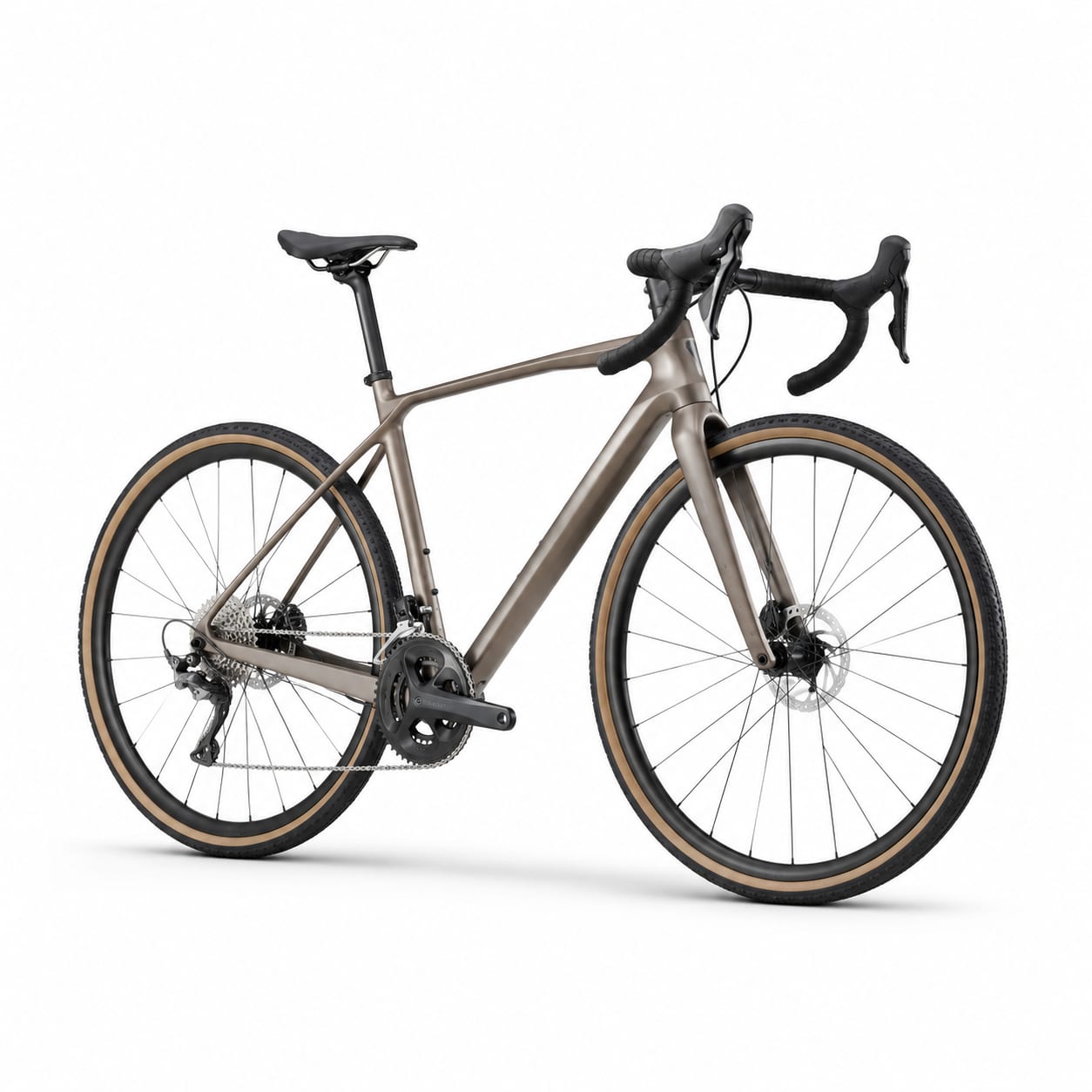
All-Road
$1500 – $10000
Road-oriented gravel bikes with modest tire clearance optimized for smooth gravel and paved surfaces.
Tire clearance 32–38mmRoad-adjacent geometryLower stack and longer reach
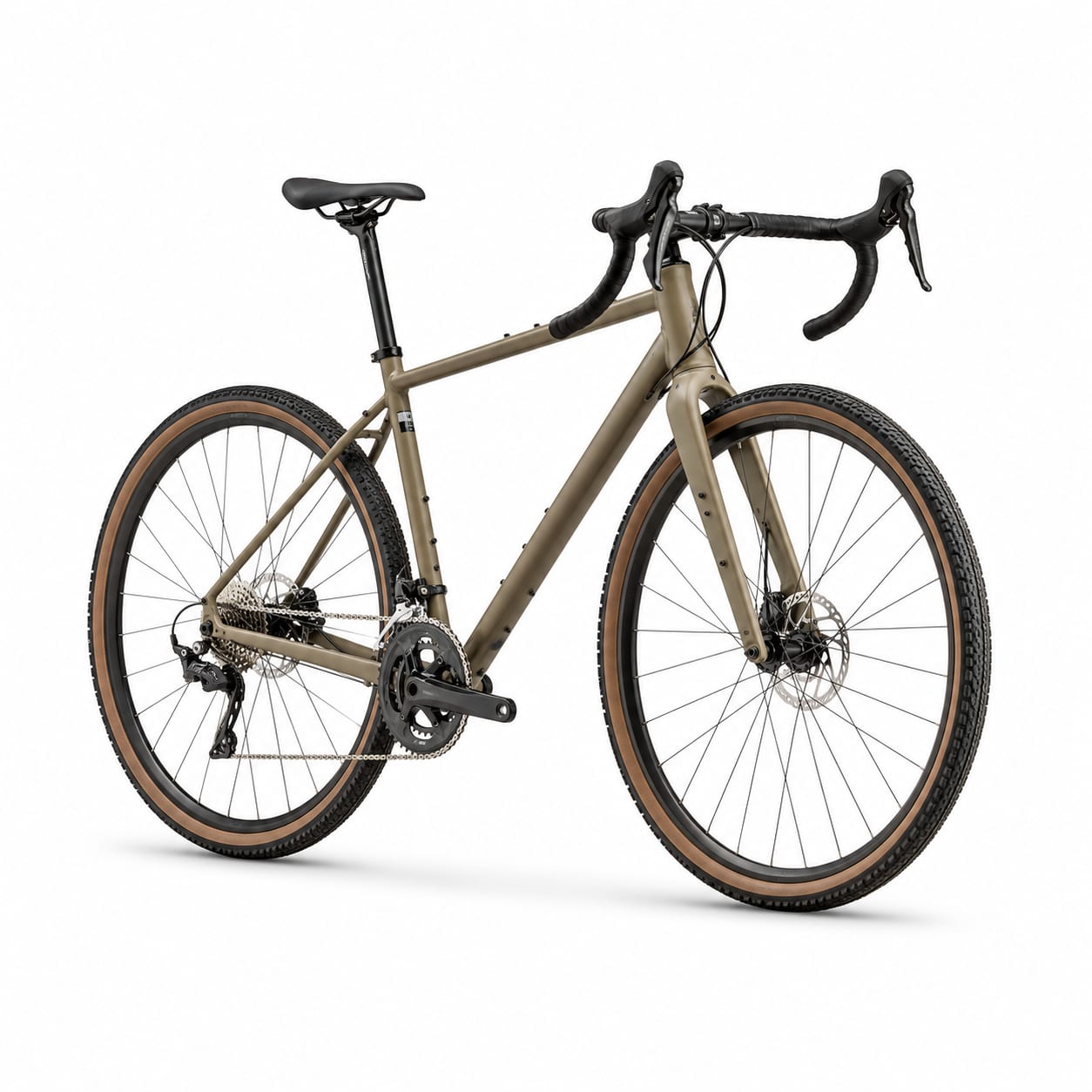
Classic Gravel
$1200 – $8000
The original do-it-all gravel bike with balanced geometry and mid-range tire clearance for mixed-terrain riding.
Tire clearance 38–45mmBalanced endurance geometryMultiple bottle and rack mounts
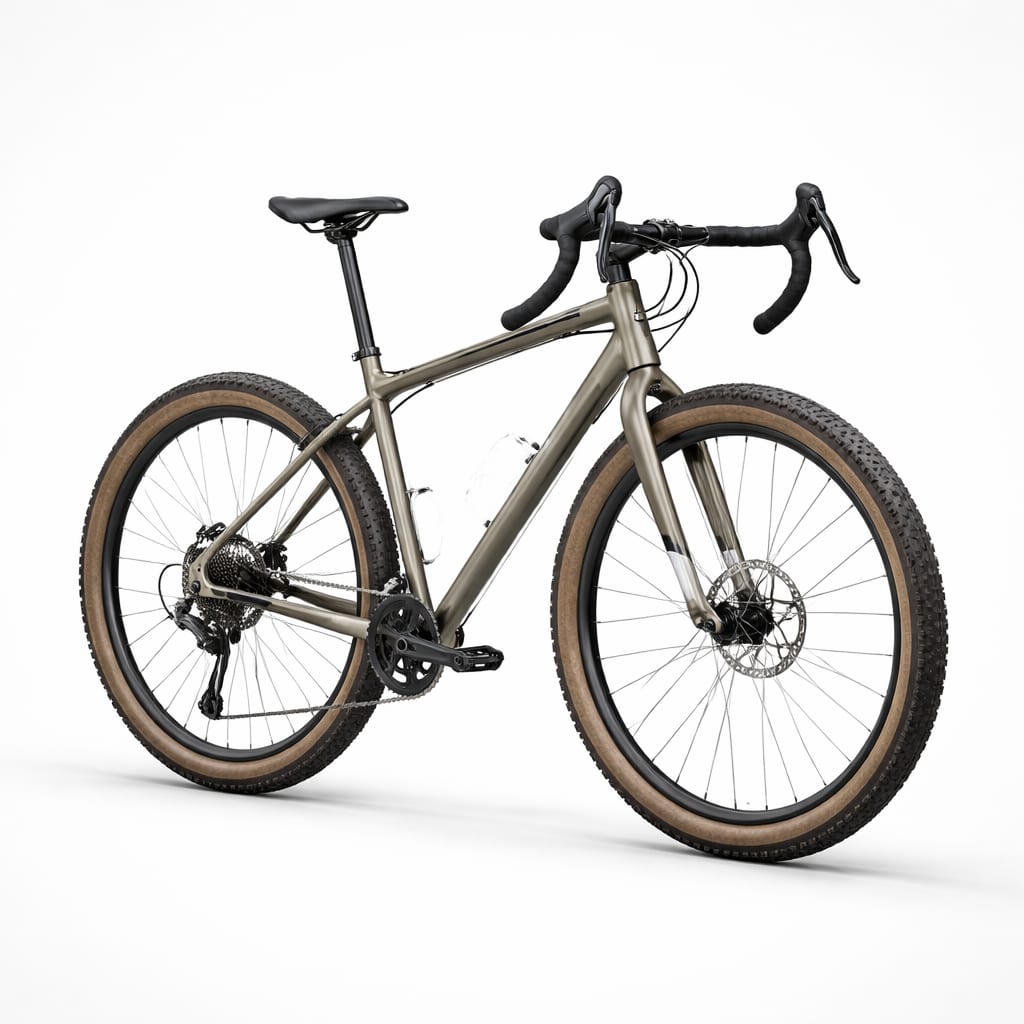
Bikepacking / Expedition Gravel
$1500 – $7000
Gravel bikes purpose-built for multi-day bikepacking adventures with extensive mounting points and stable, load-friendly geometry.
Extensive mounting points45–50mm+ tire clearanceStable loaded geometry
More questions
- Can I race on an endurance gravel bike?
- Do I really need 45mm+ tire clearance?
- Is a compliance seatpost worth it?
- Should I choose 1x or 2x drivetrain for endurance gravel?